

Drop: A Sustainable Installation Practice Under the Yangtze River Protection Initiative
Time: August – December 2022
Location: Yichang, Hubei, China
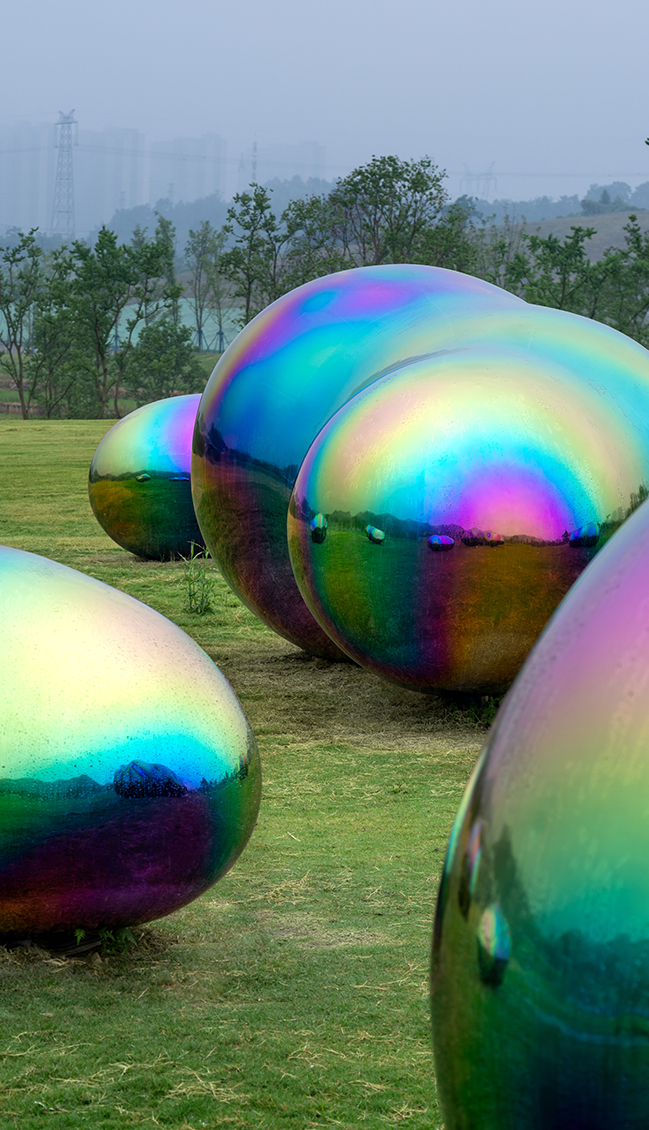
Water embodies heaven and earth; one single drop captures the Yangtze. As the mighty river condenses into a microscopic form, and discarded urban metal is reshaped into the silhouette of a water droplet, this installation transcends pure physical representation. Taking water as its poetic motif and waste materials as its medium, it weaves invisible bonds between humans and the Yangtze, people and the land, and individuals and their inner spirit — bridging nature and city, fluidity and solidity, loss and rebirth.
Drop originates from my research project Yangtze River Protection — Sustainable Design Practice. Conceived as a public‑facing installation, it rejects monumental sculptural grandeur in favour of an empathetic emotional touchpoint. Incorporating raw water sourced directly from the Yangtze Three Gorges, the work anchors itself firmly in place while carrying profound emotional meaning. It aims to build a bridge between viewers’ inner worlds and the boundless river, prompting contemplation on flow and belonging, and inviting every passer‑by to forge an intimate emotional connection with this land.
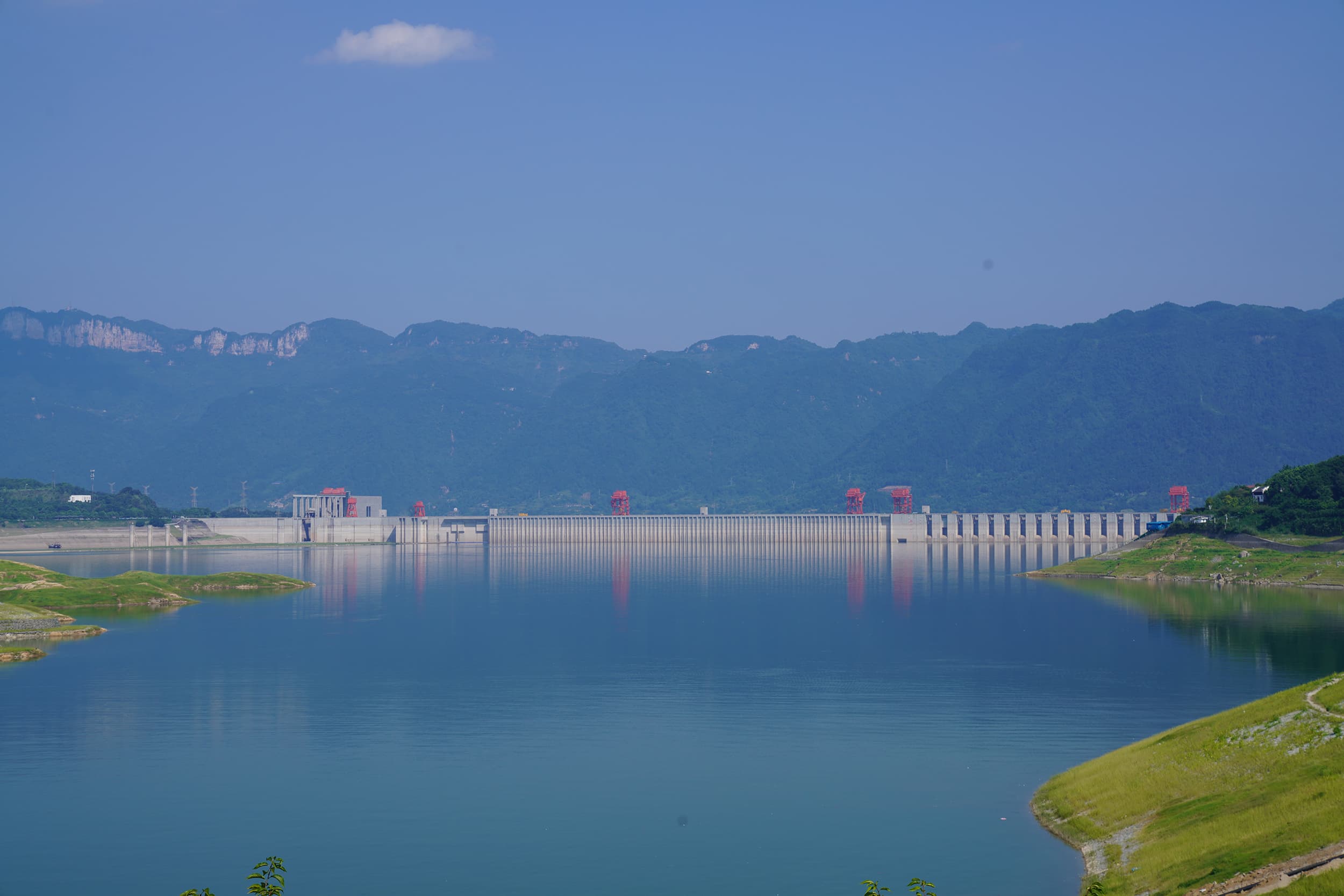
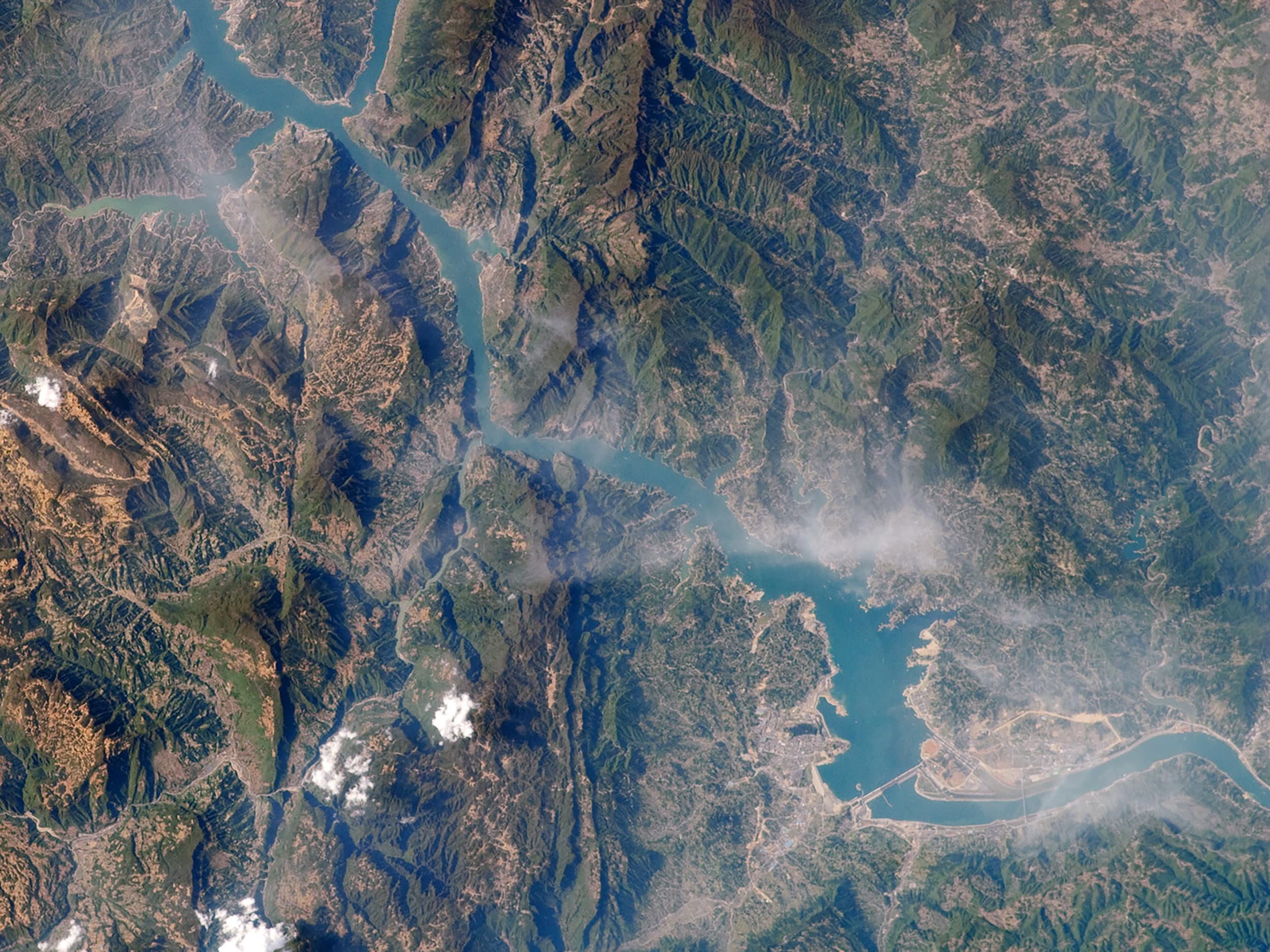
Water is the most tangible of substances, yet never confined to its physical properties. It cycles endlessly, nourishes all life, and holds humanity’s joys and sorrows within its currents. Its gentle form evokes universal resonance without excessive interpretation. Within Chinese cultural heritage, water has long transcended materiality to become deeply embedded in our spiritual identity.
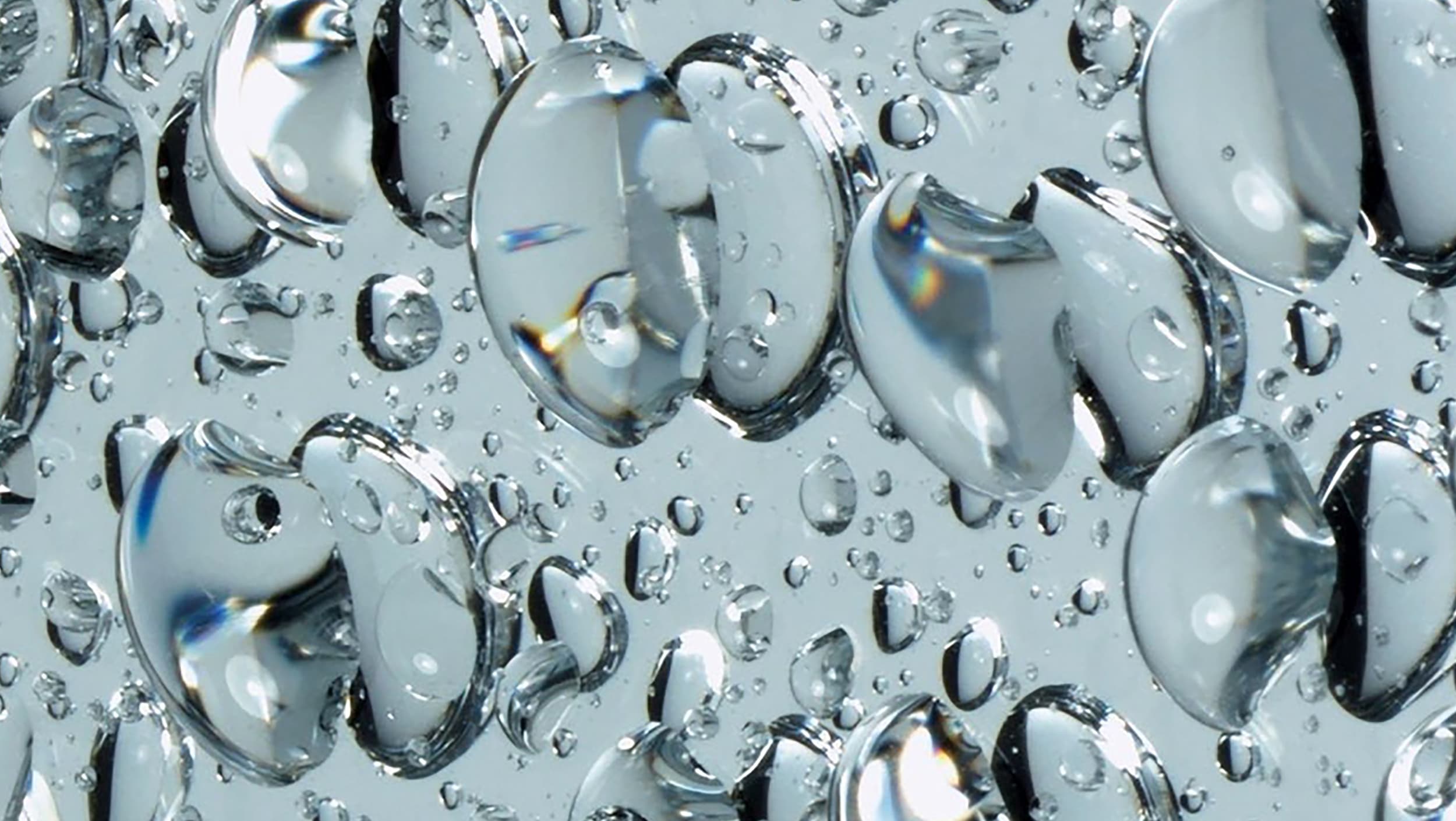
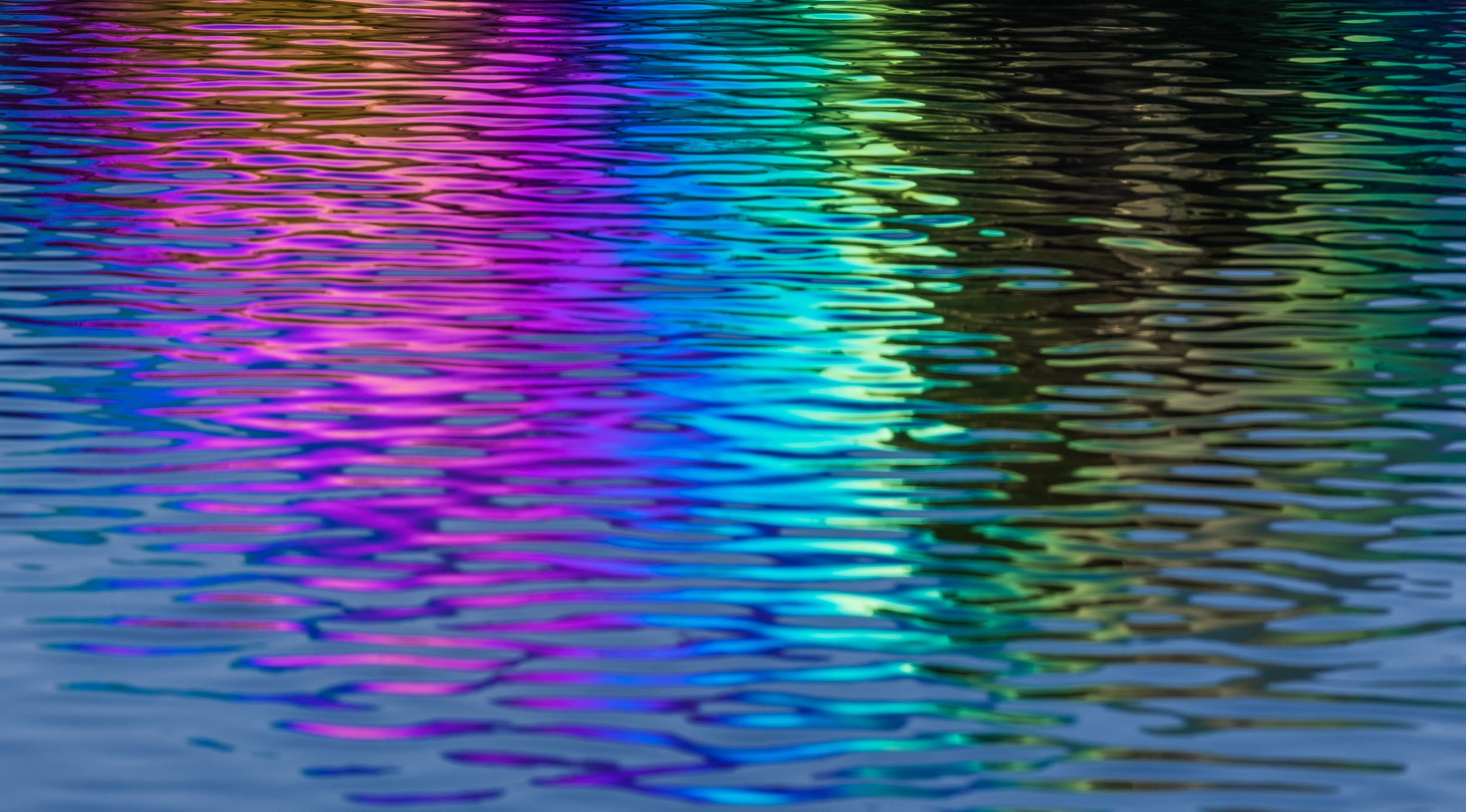
Extracted from the surging Yangtze torrent, a single drop acquires a distinct microscopic power. No longer anonymous water carried along by the current, it stands as an independent, complete entity. Though diminutive in shape, it brims with latent potential — like a living, breathing cell, quiet yet powerfully charged.
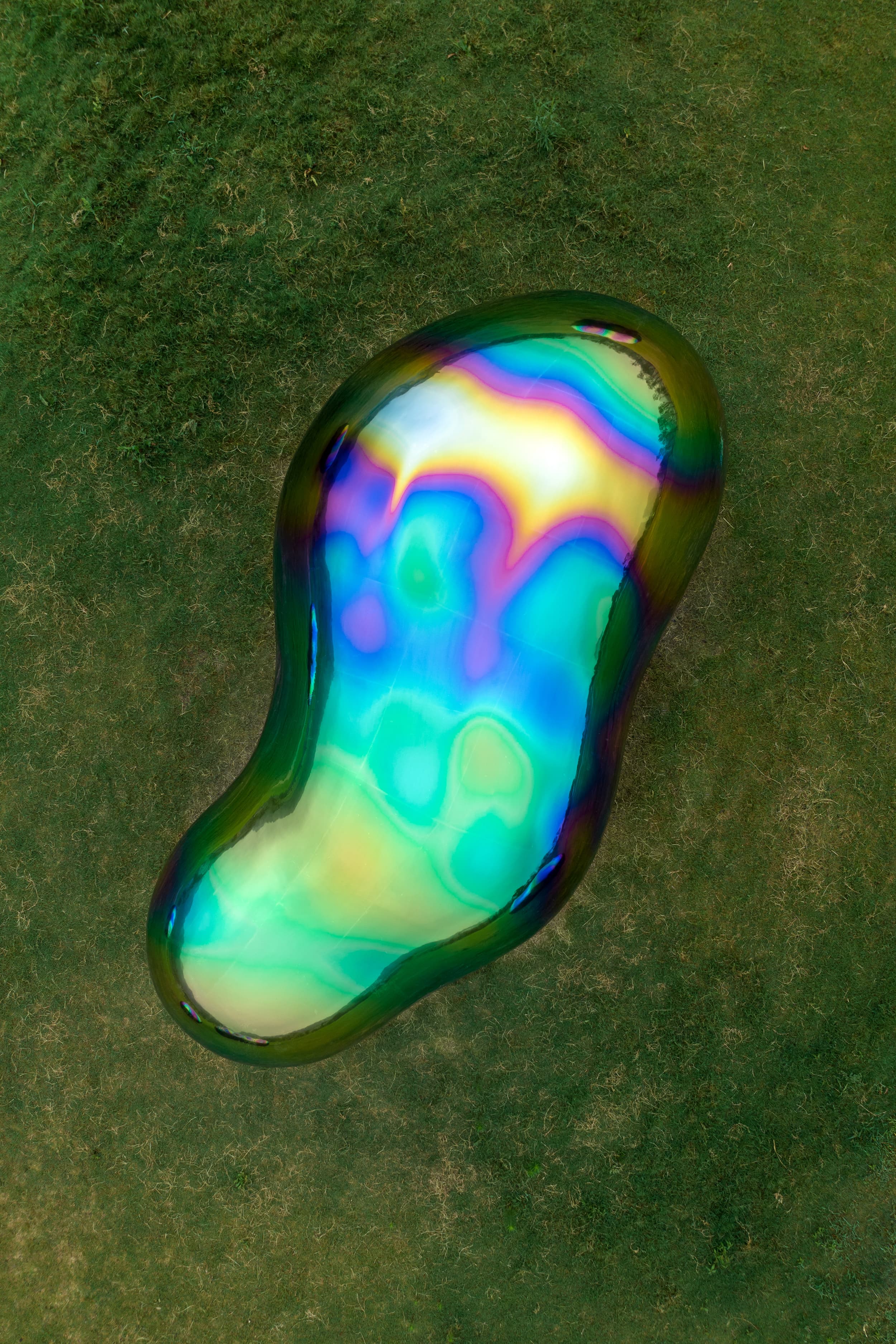
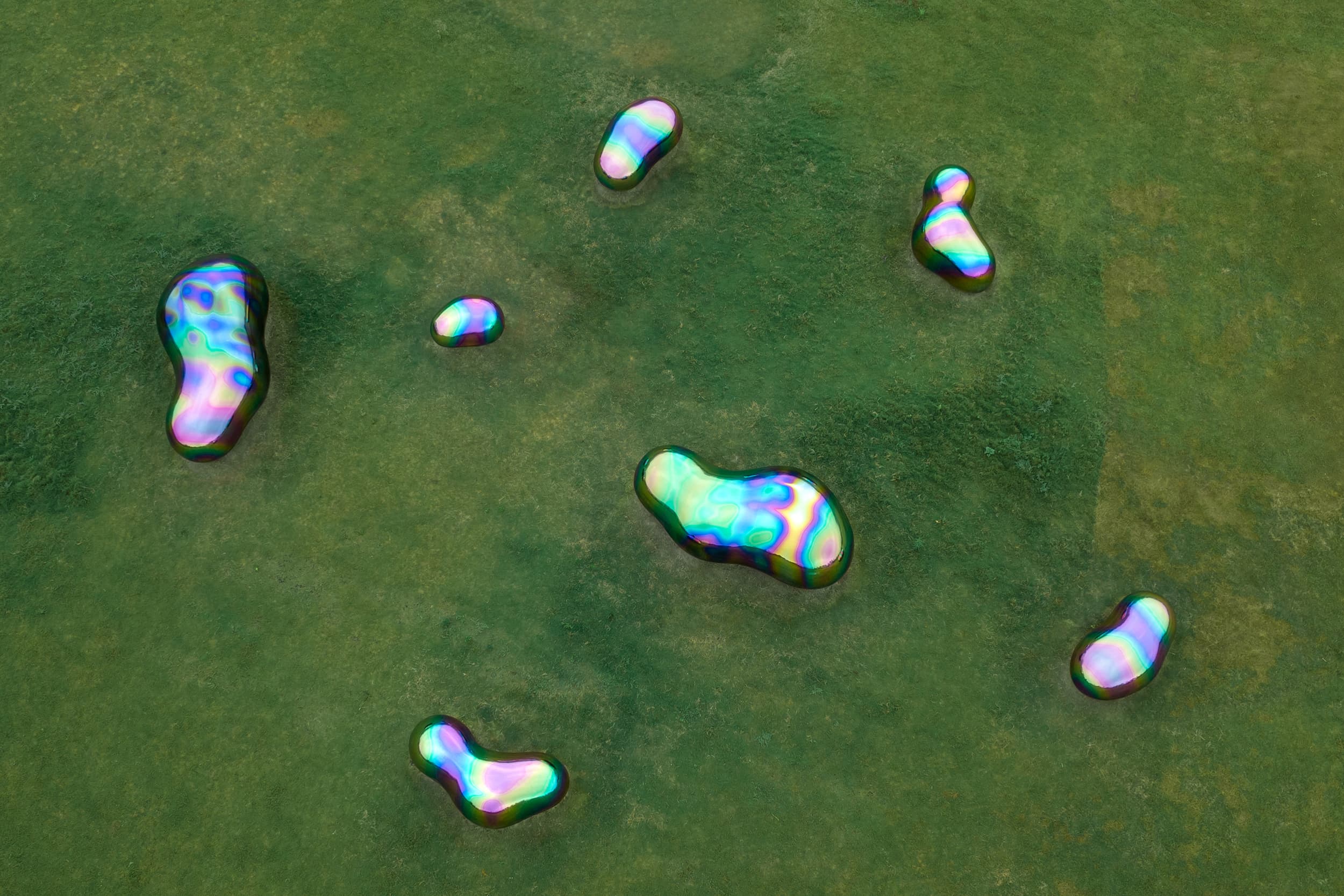
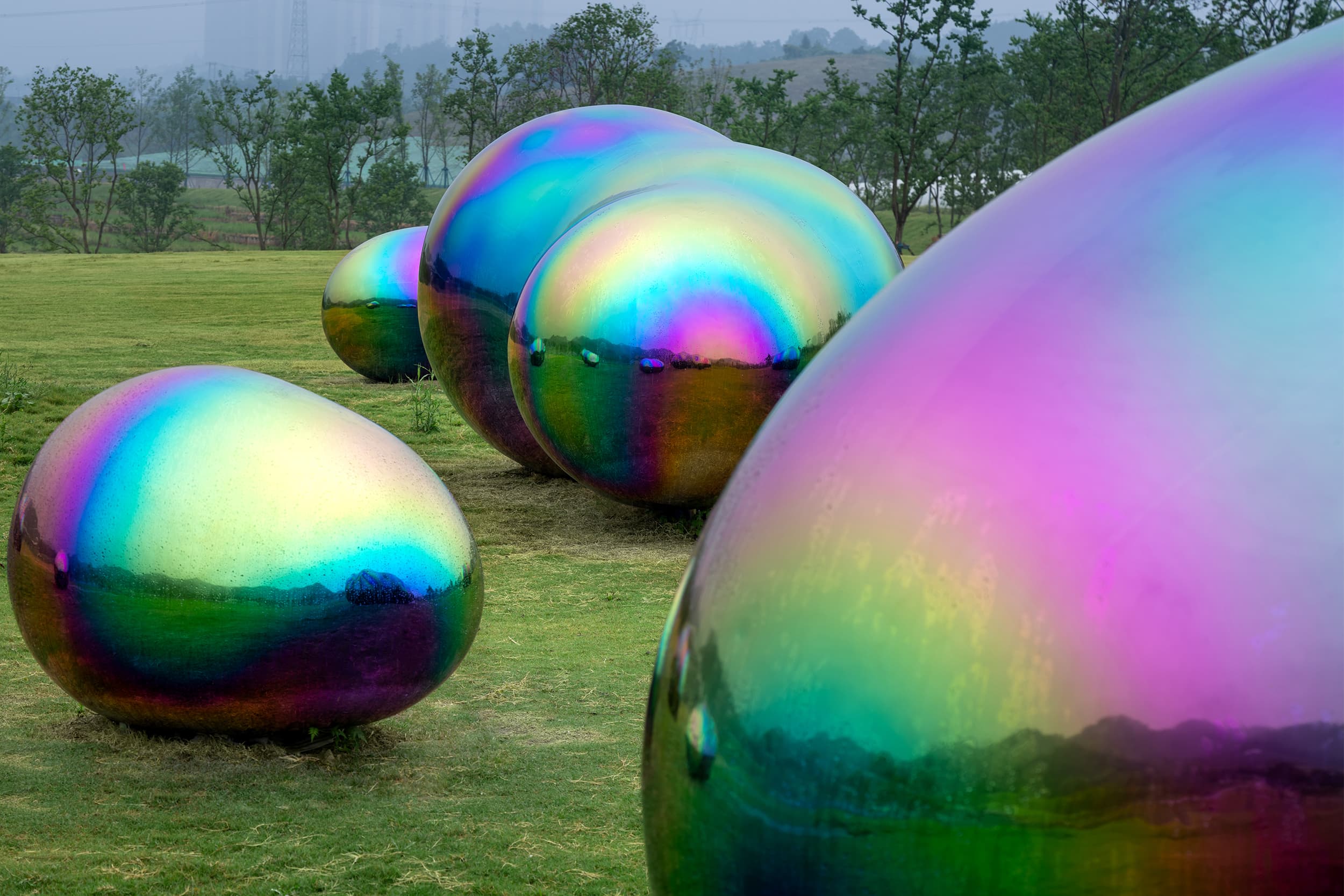
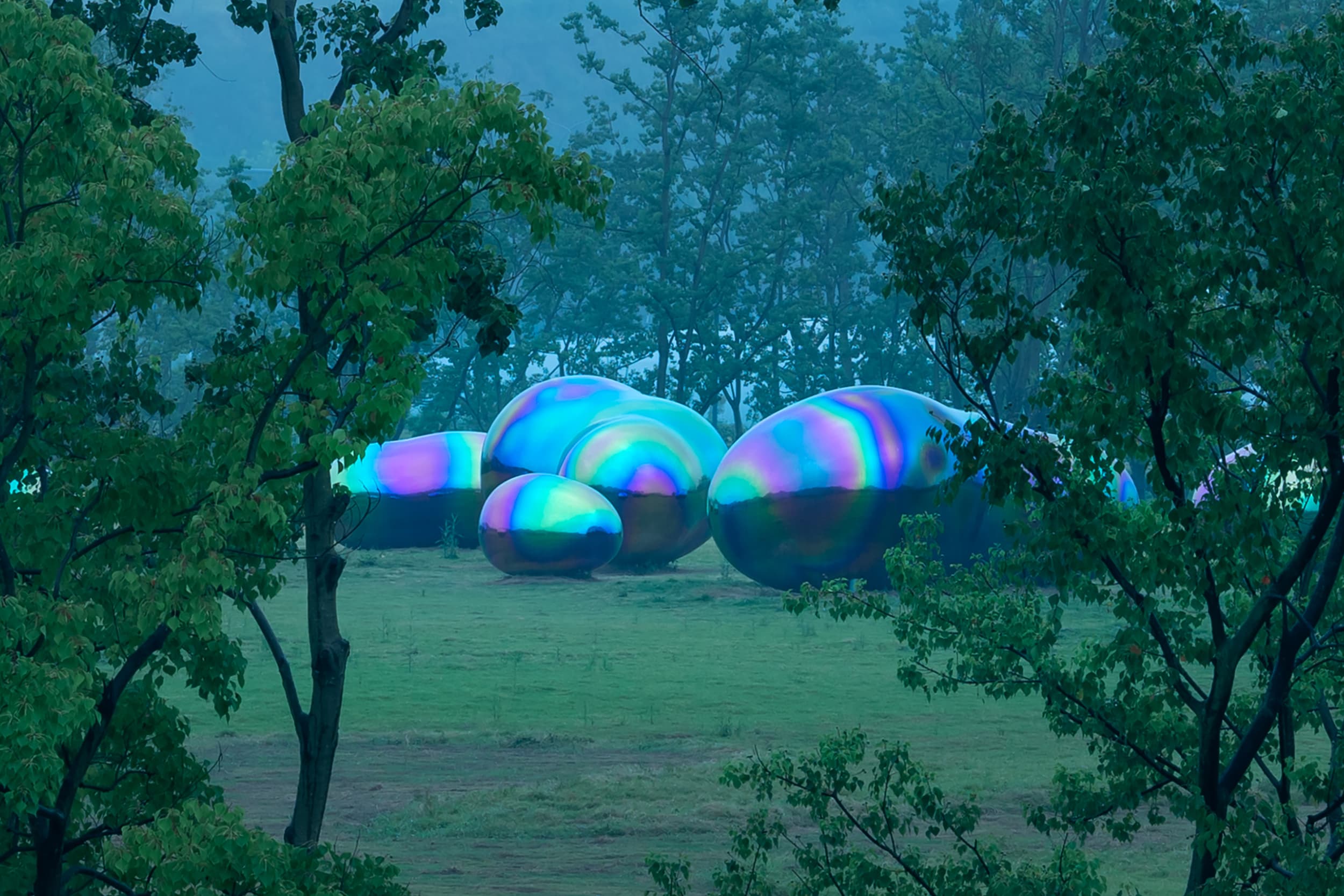
This installation visualises this otherwise invisible micro‑force. Casting the droplet form from reclaimed metal amplifies this subtle imagery, inviting audiences to uncover deeper meaning within ordinary matter and reconsider surface versus essence, transience versus eternity. Cold industrial metal sheds its identity as mere waste to become a connective medium linking the river, the city and collective human memory.
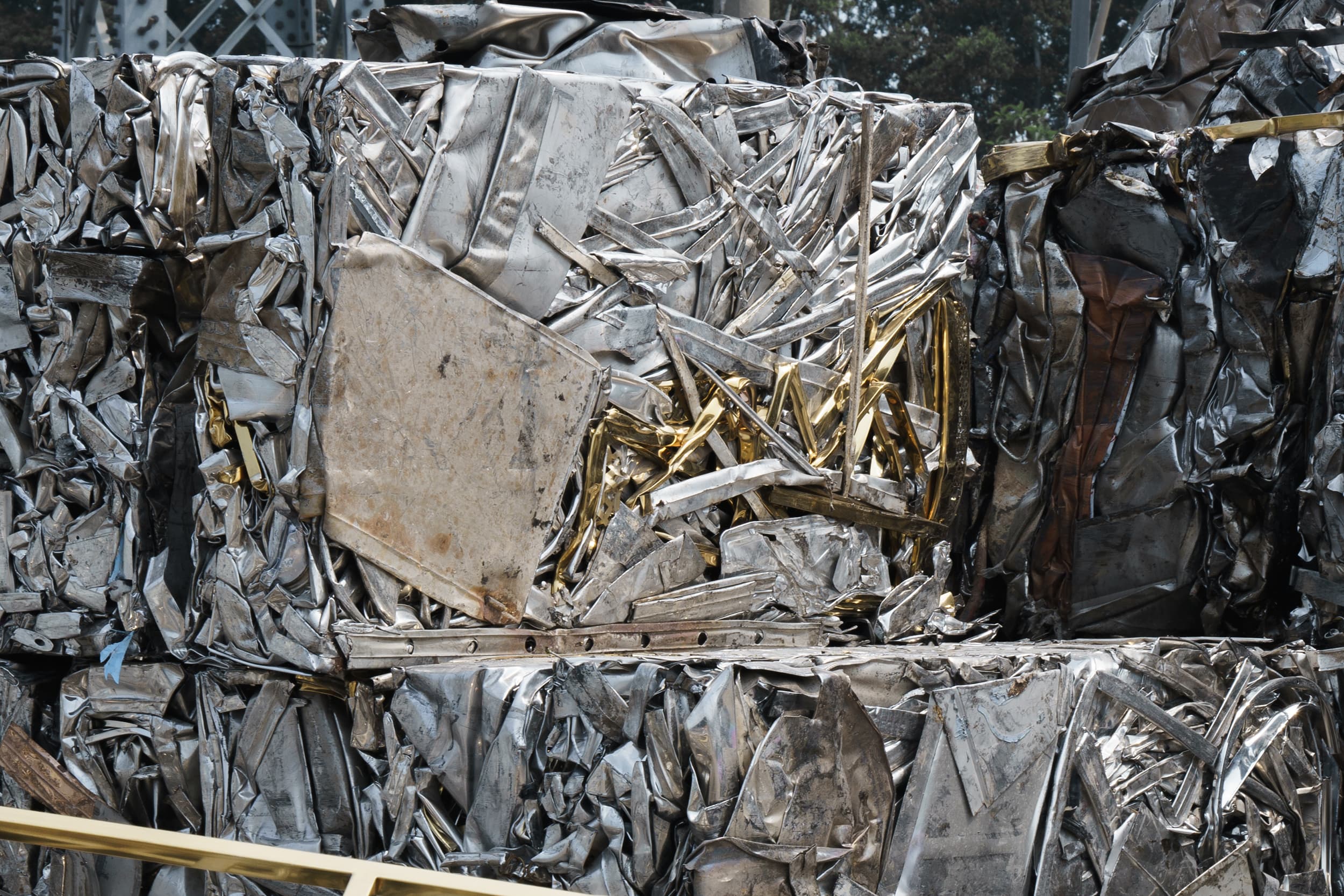
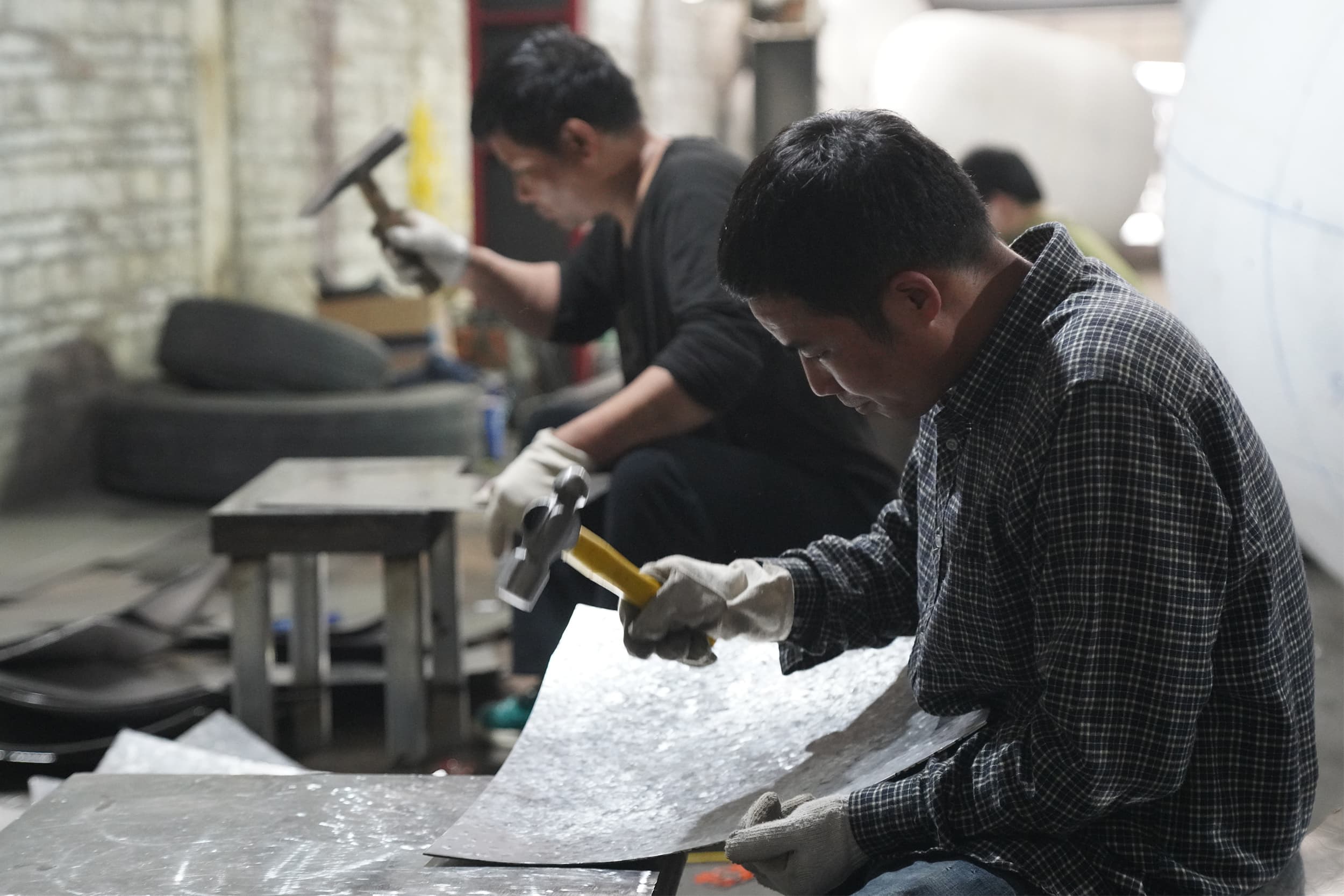
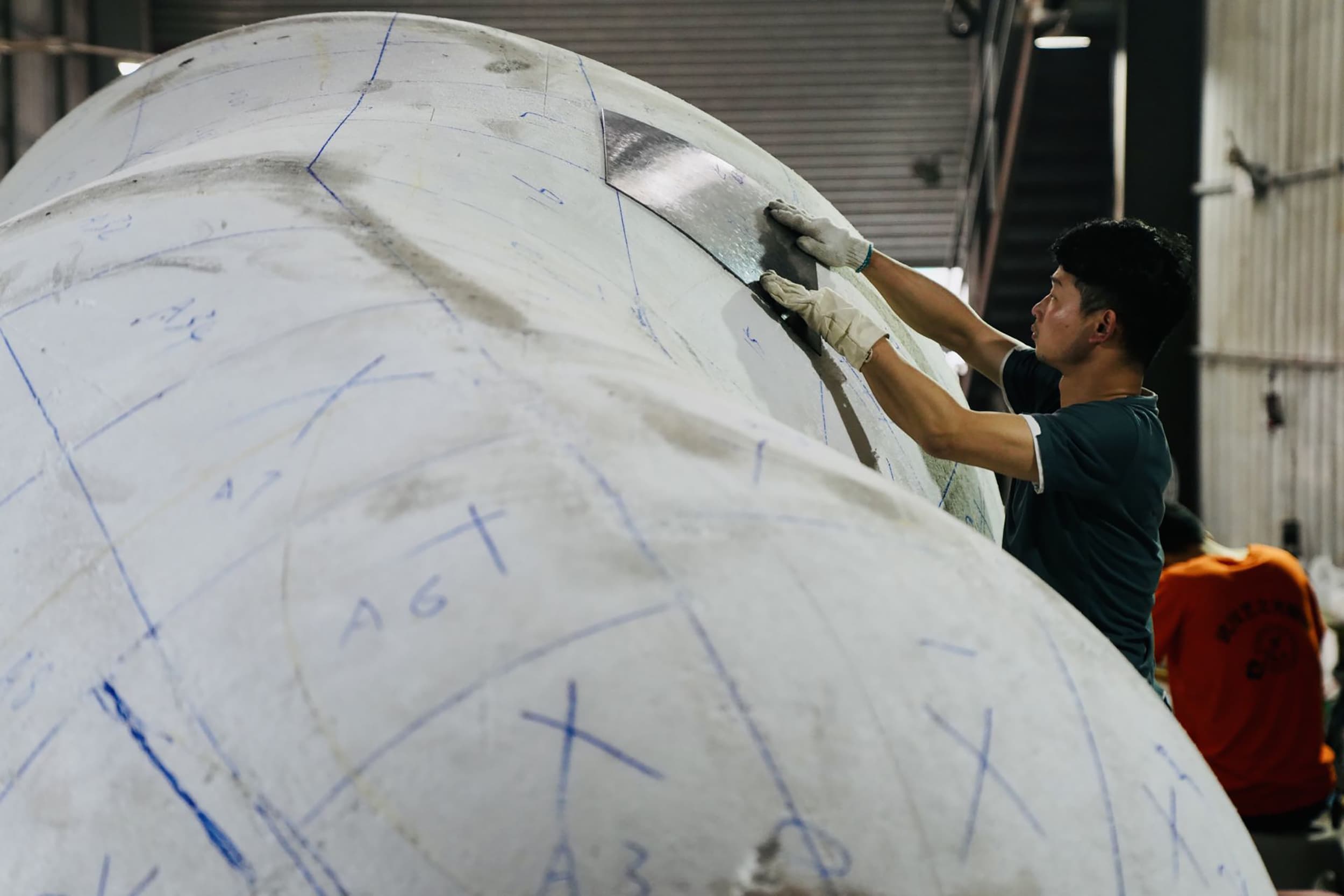
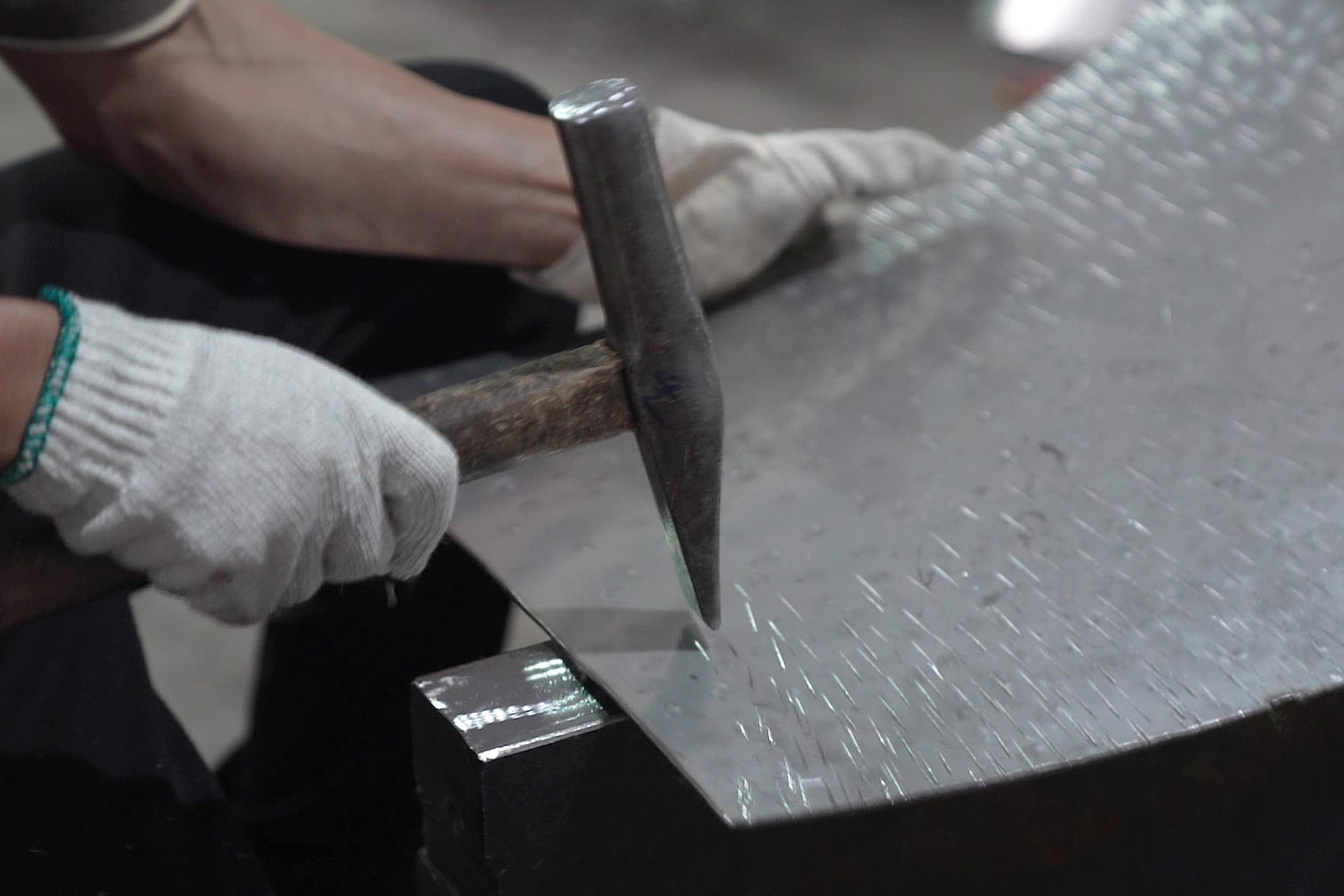
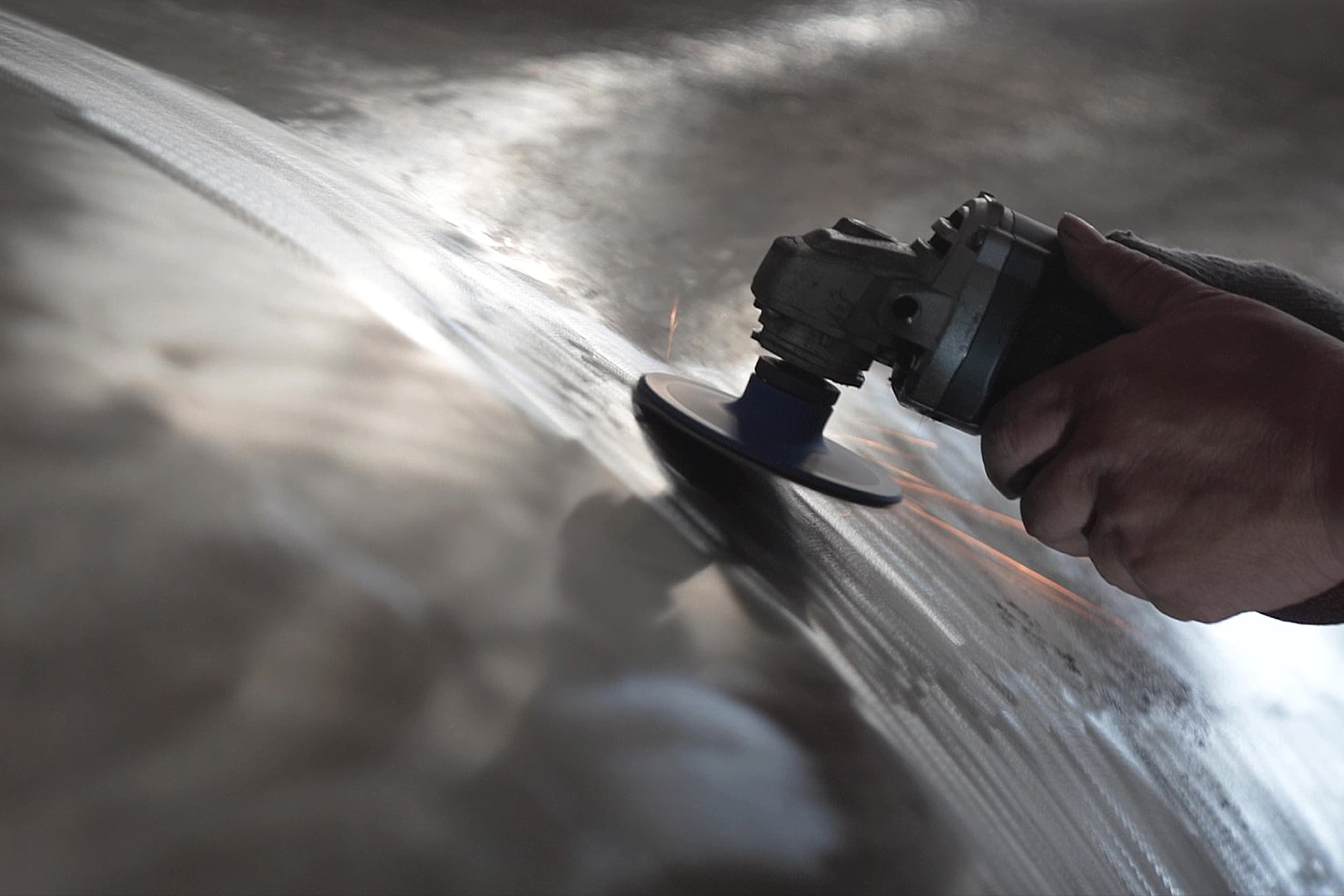
The work is entirely crafted from locally discarded metal in Yichang: dismantled pipelines, decommissioned machinery and industrial offcuts — all residual traces of urban expansion. Humanity once extracted relentlessly from nature to construct a rigid yet fragile industrialised environment. Today, these cast‑aside scraps are no longer refuse awaiting disposal, but “urban mines” poised for renewal. Creating Drop is an urban waste regeneration practice: distilling an everlasting droplet from the discarded veins of industry.
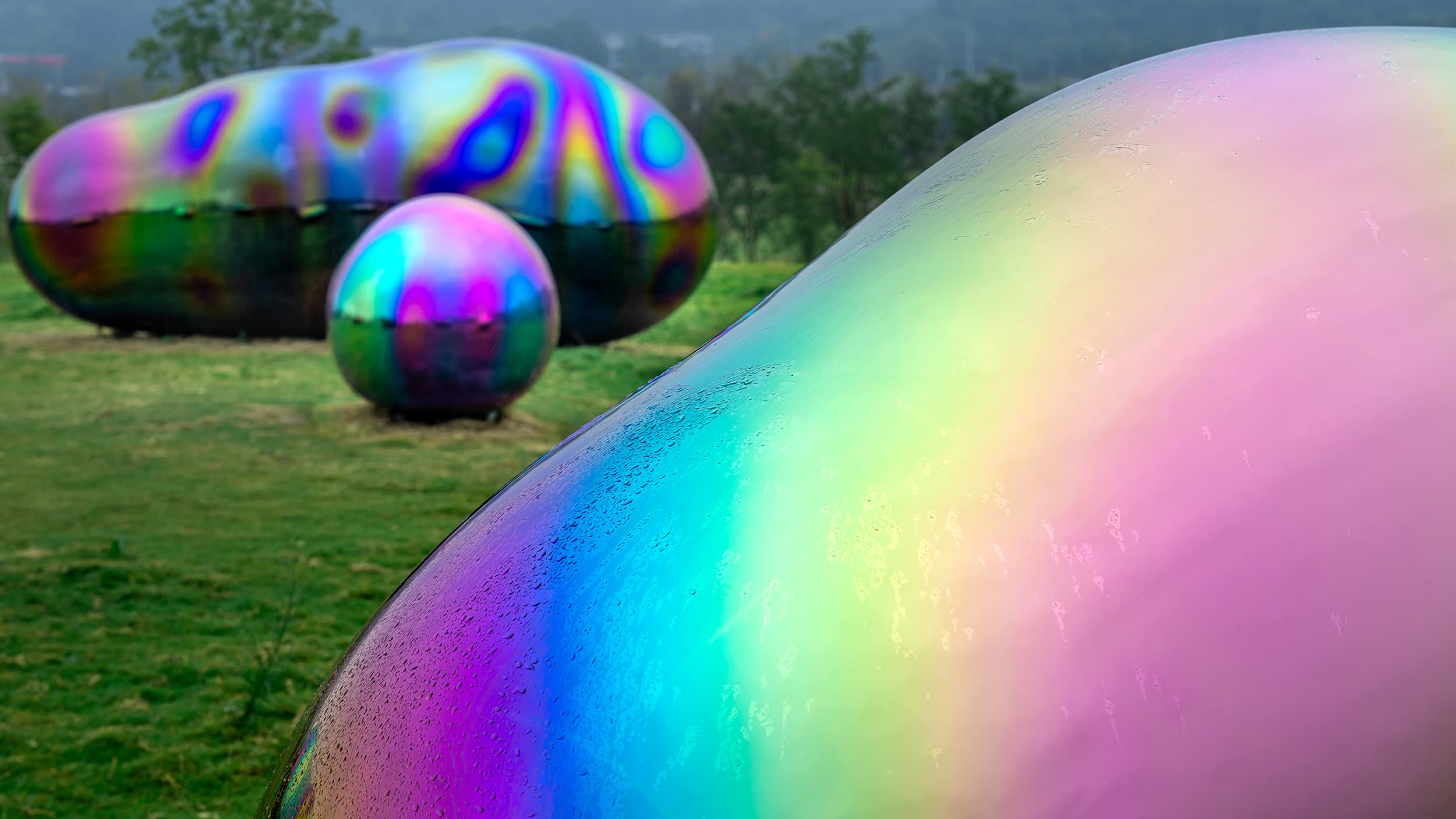
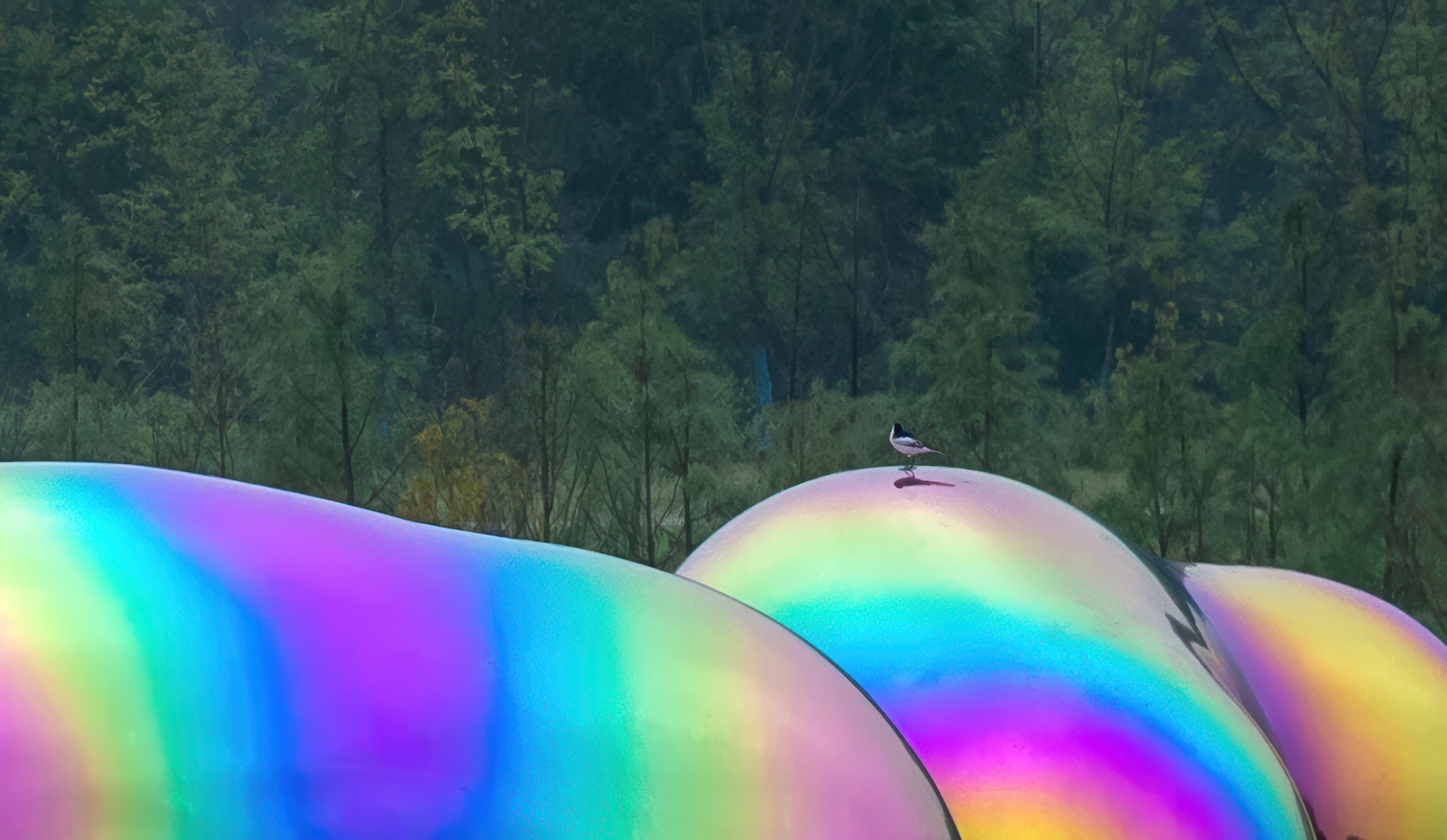
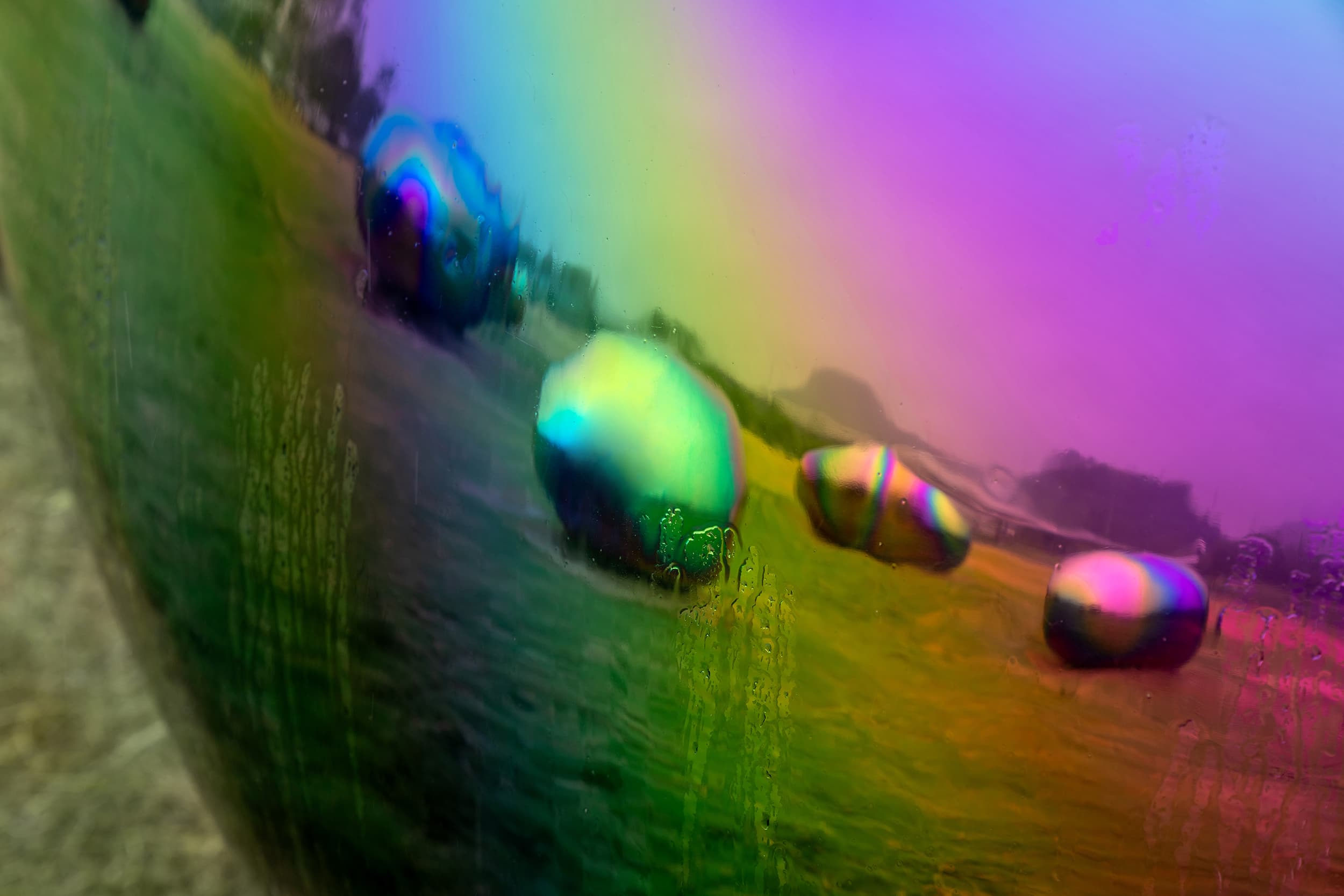
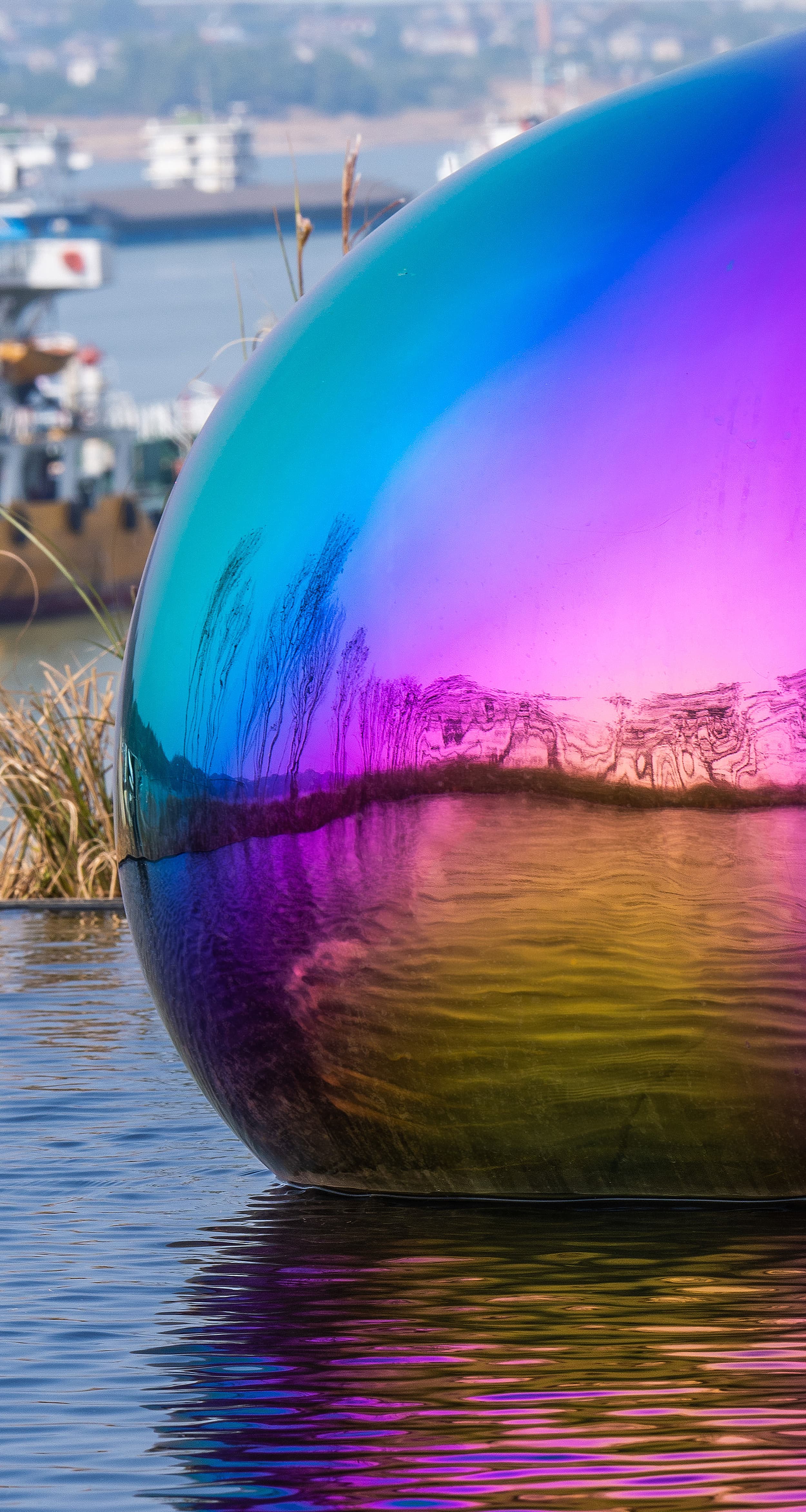
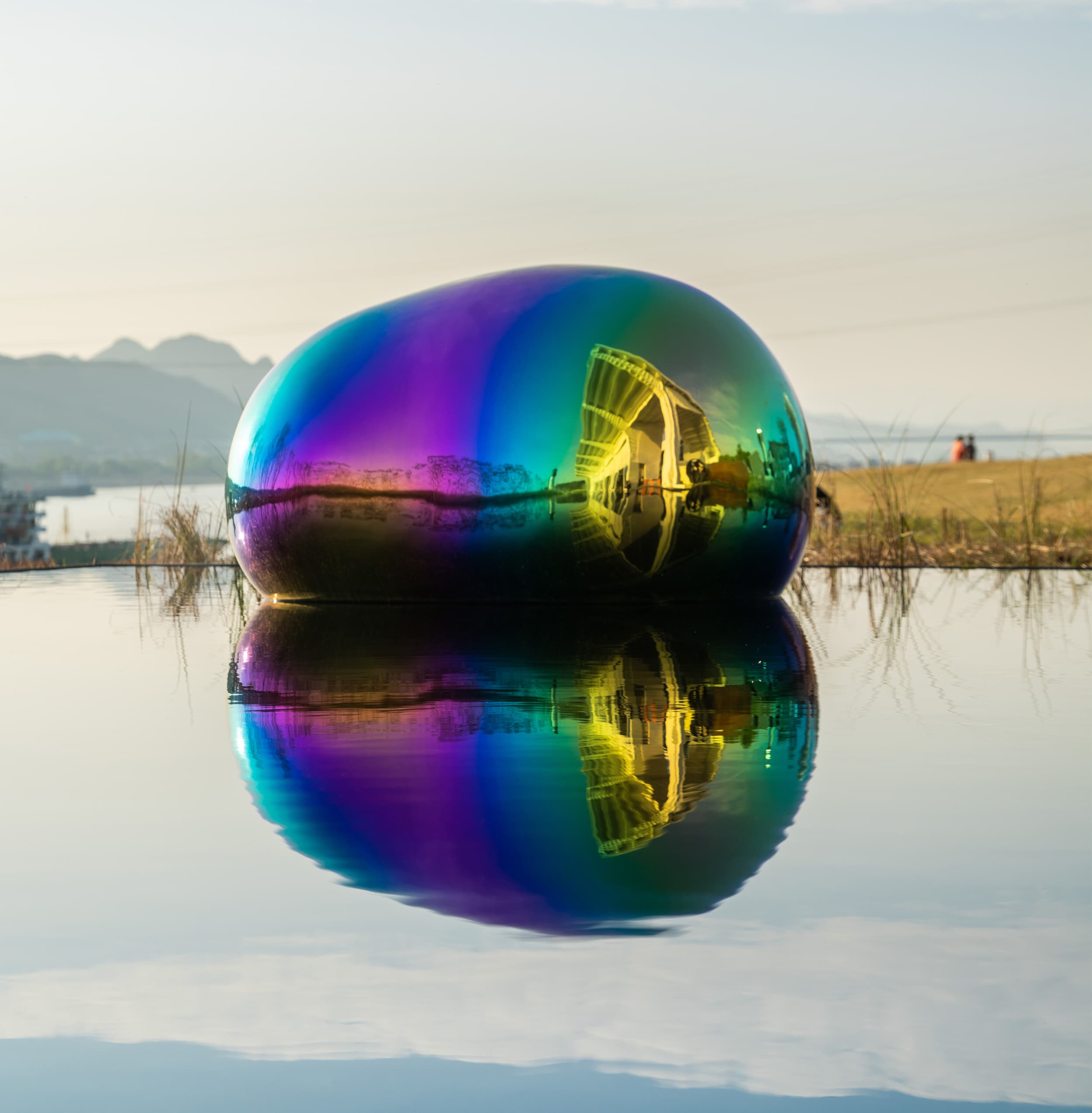
The soft, fluid silhouette of a droplet enters powerful dialogue with hard, cold reclaimed stainless steel. The translucency, refraction and tonal gradation inherent to water are embodied within unyielding metal surfaces. Through mirrored reflection and structural rearrangement, familiar materials take on unfamiliar forms, generating striking visual tension from material contrast.
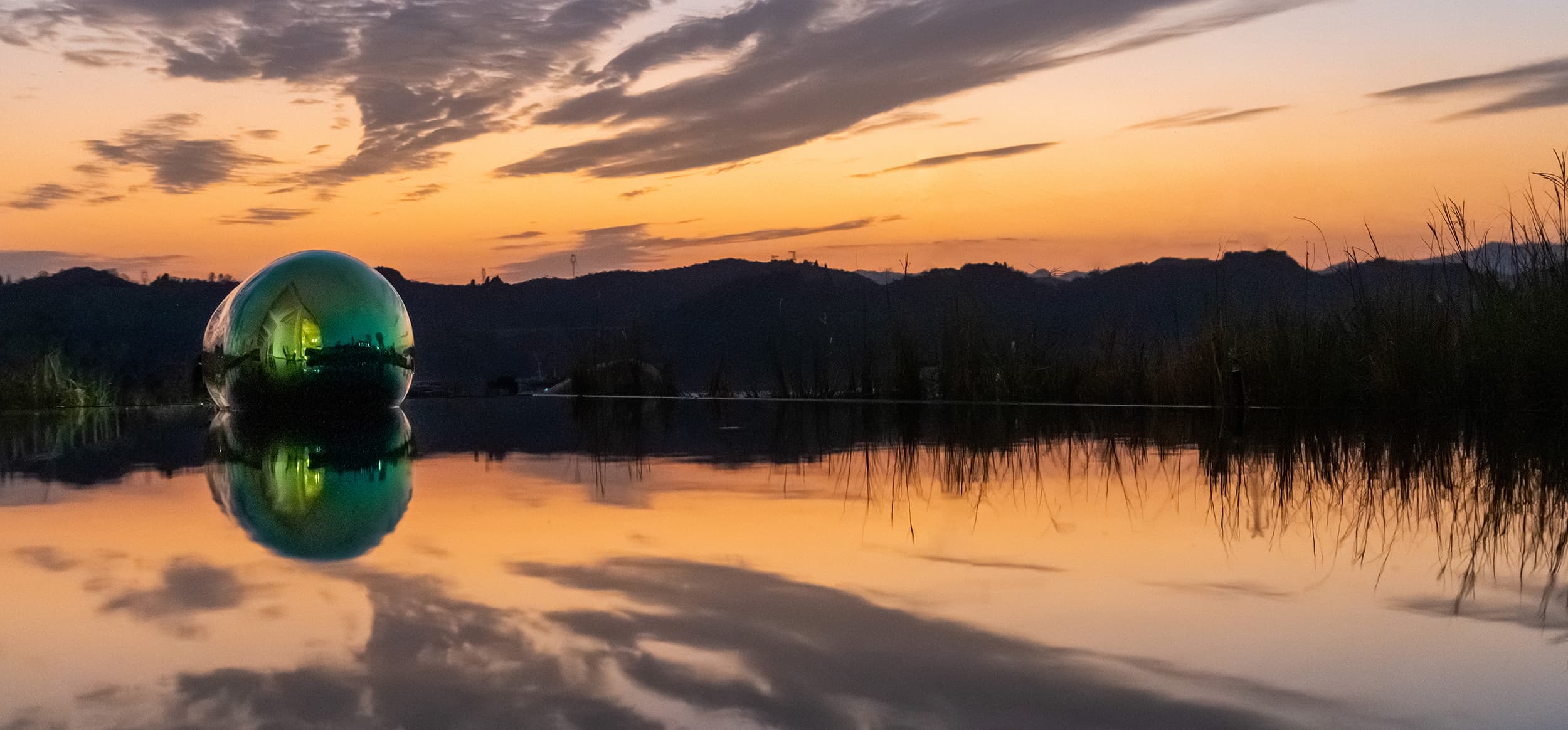
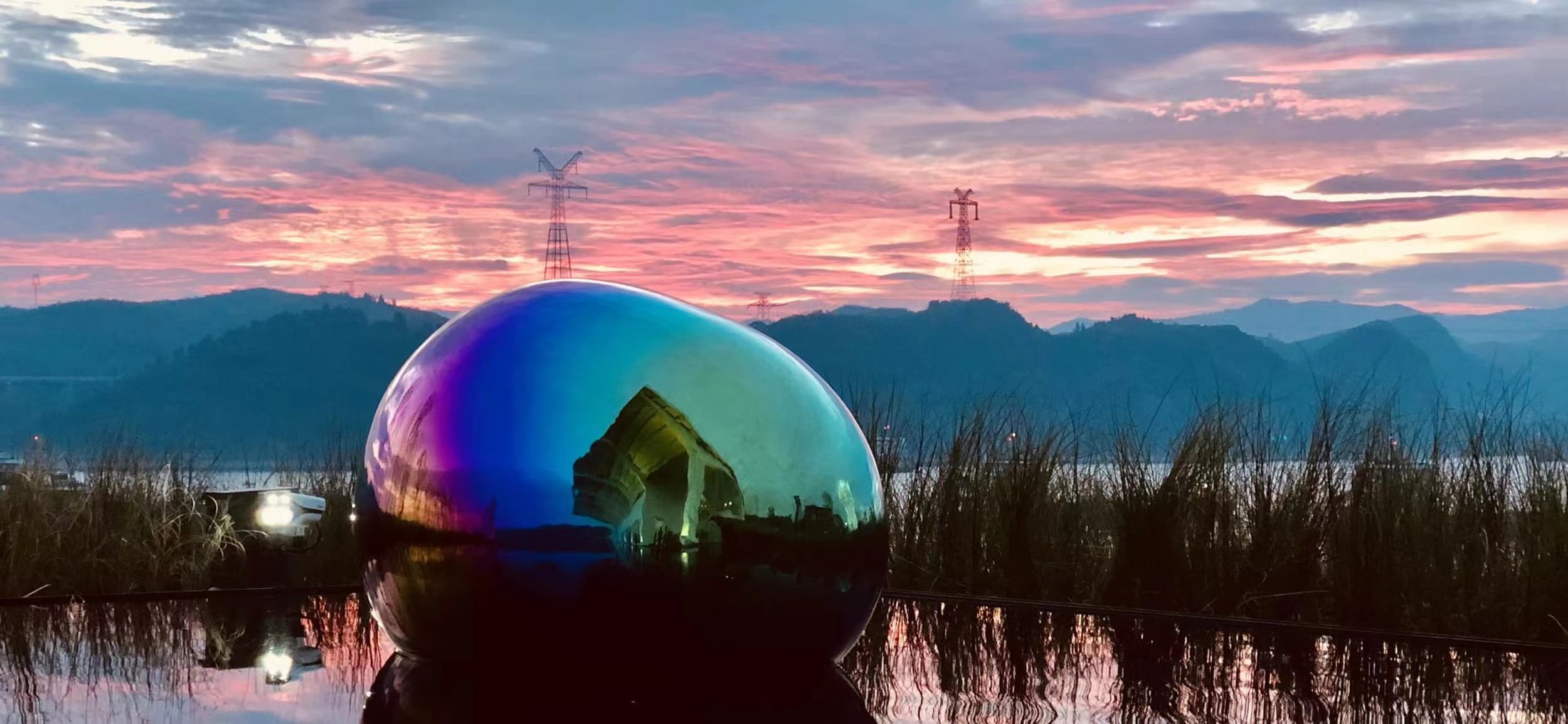
Rather than emphasising its own materiality, the installation prioritises environmental and viewer reflection as its visual core. Shifting daylight, drifting cloud shadows and passing pedestrians continuously reshape the metal droplet’s surface. The familiar becomes unfamiliar; water, metal and waste break free from conventional perceptions, allowing themes of circulation and rebirth to emerge through embodied viewer experience.
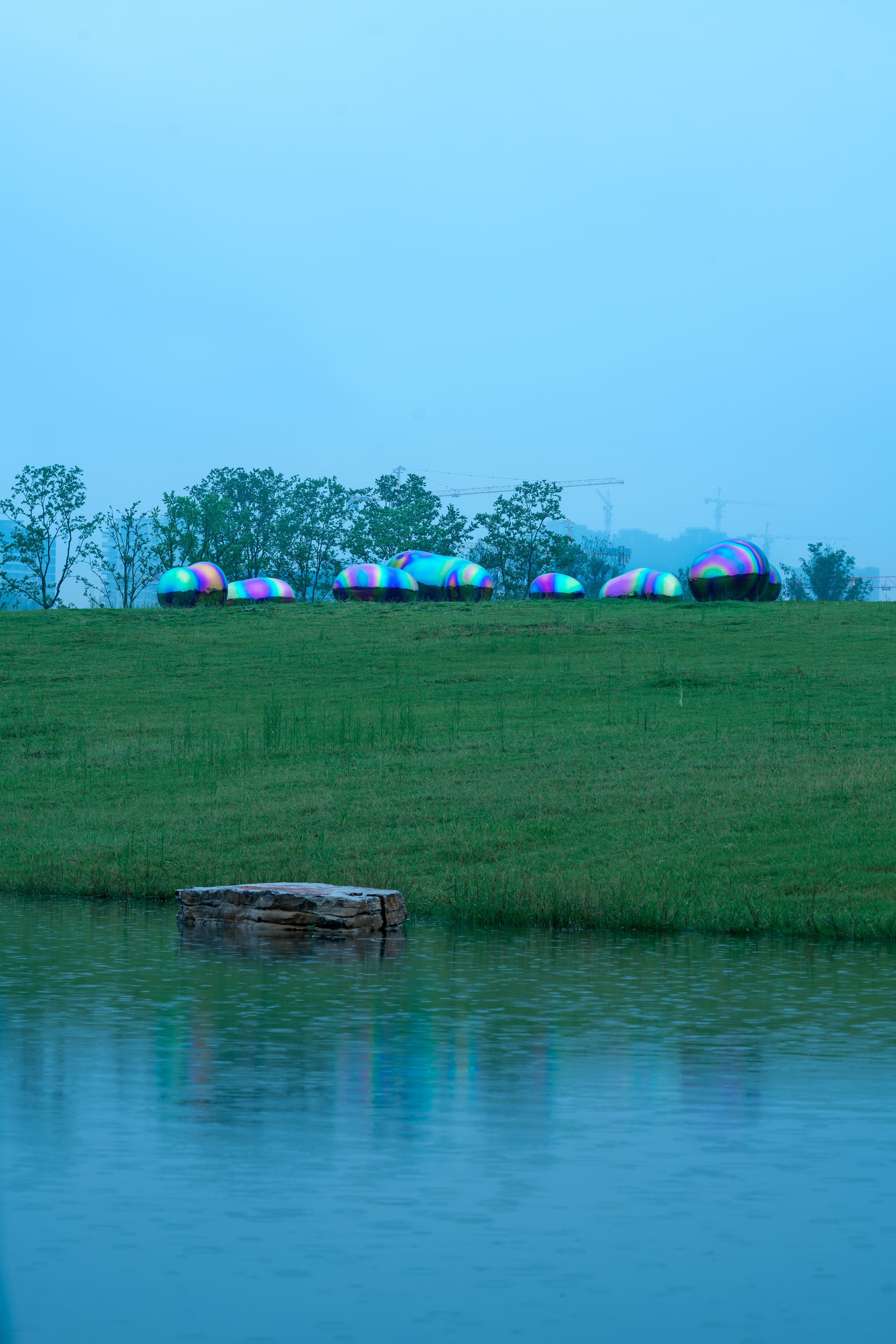
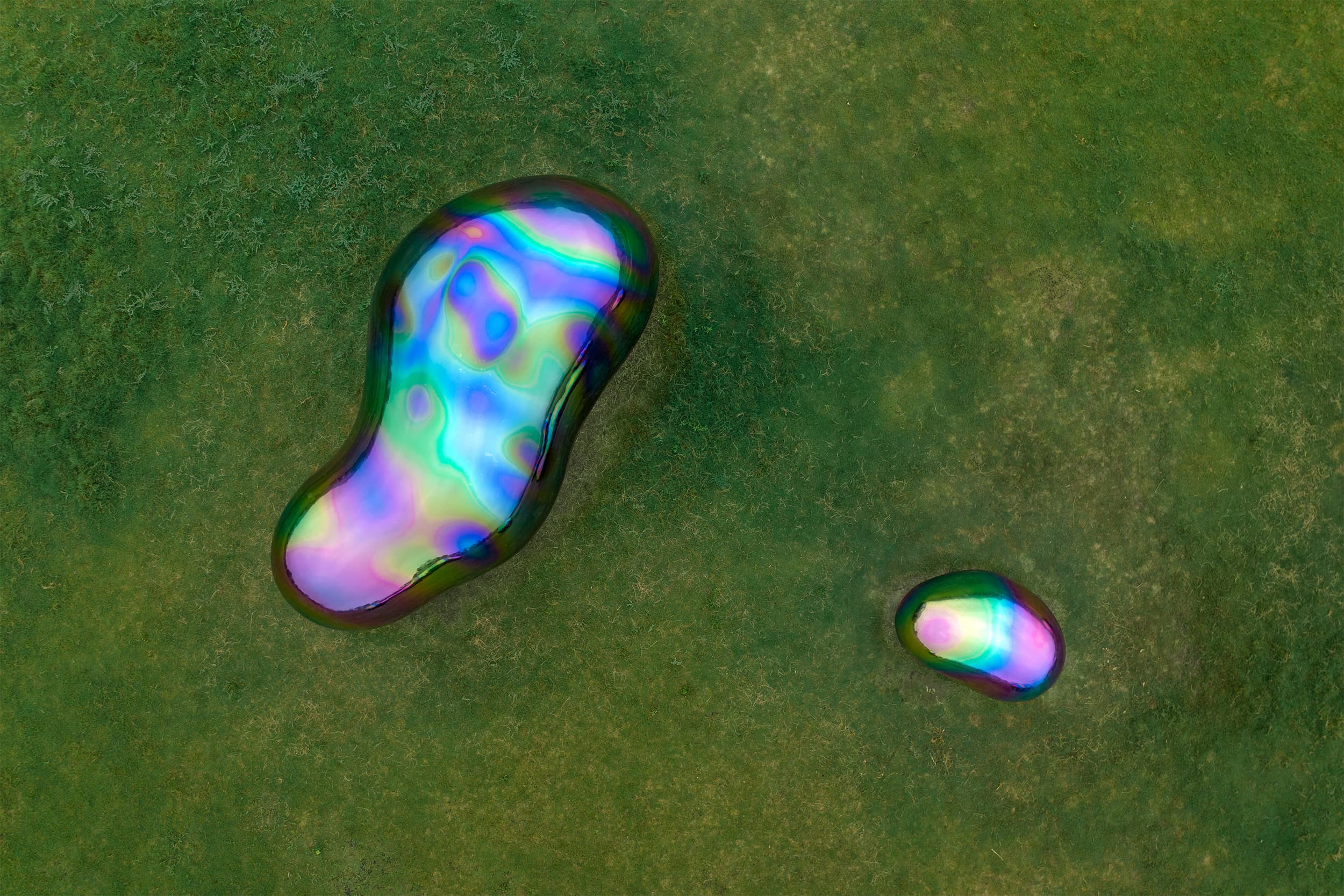
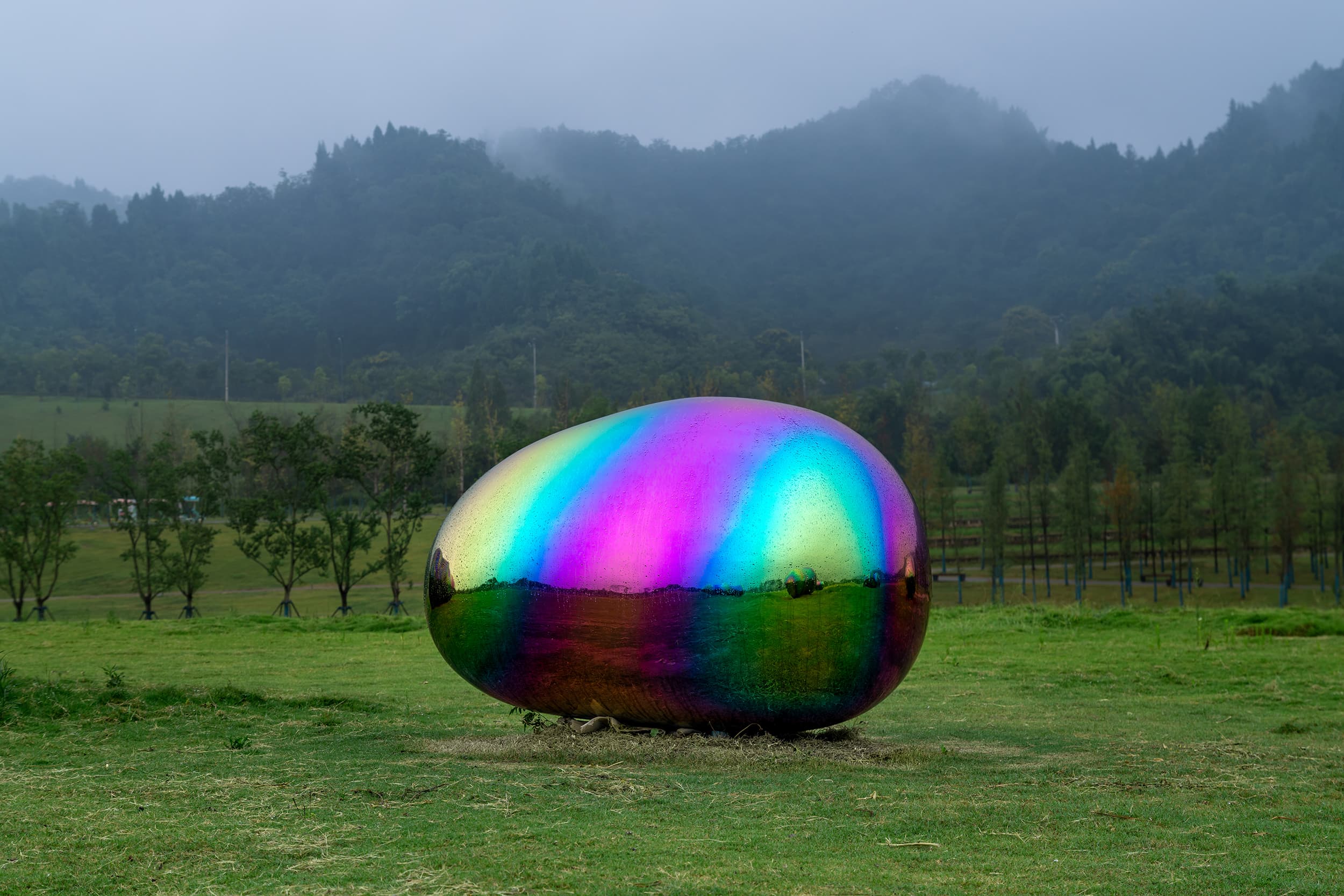
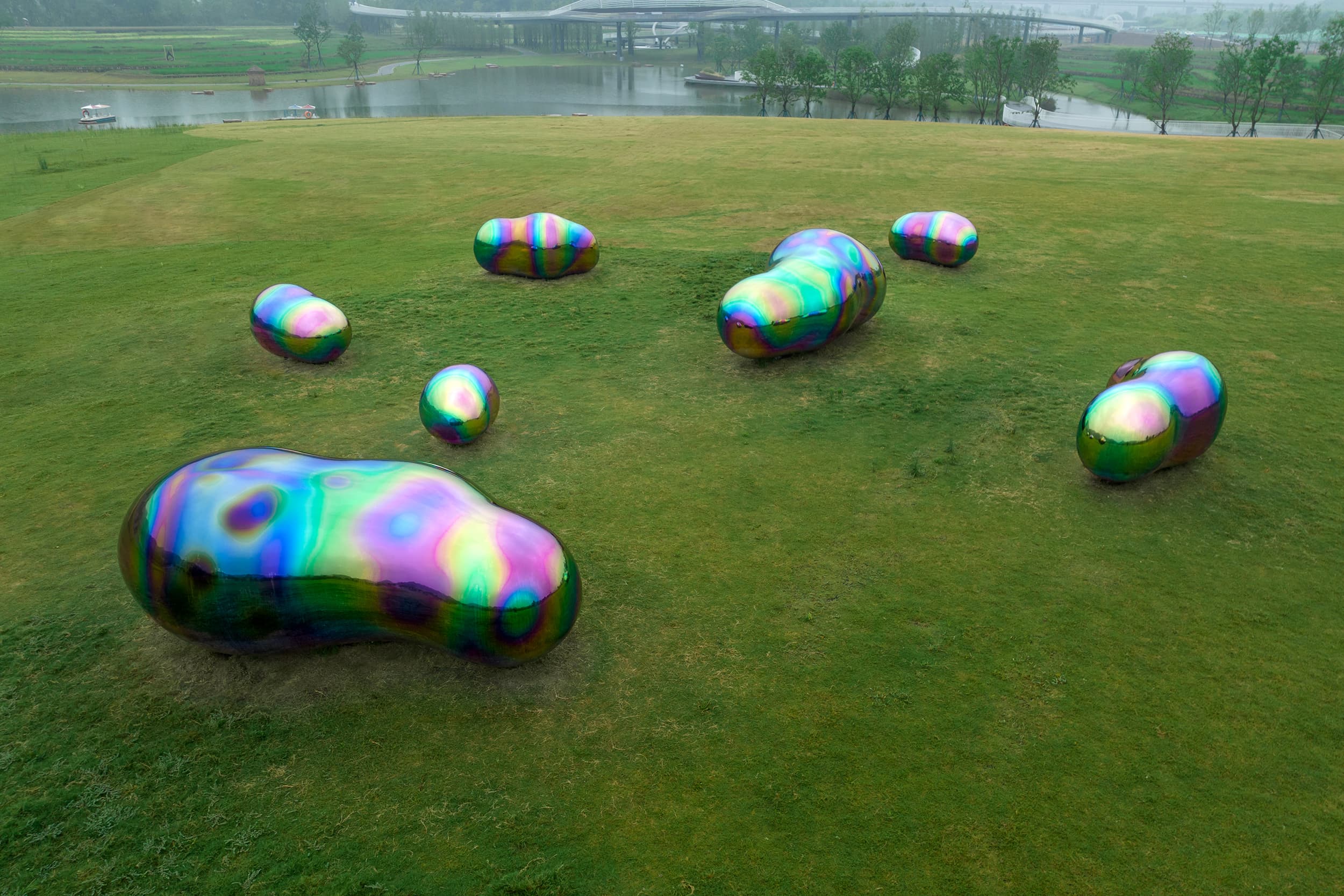
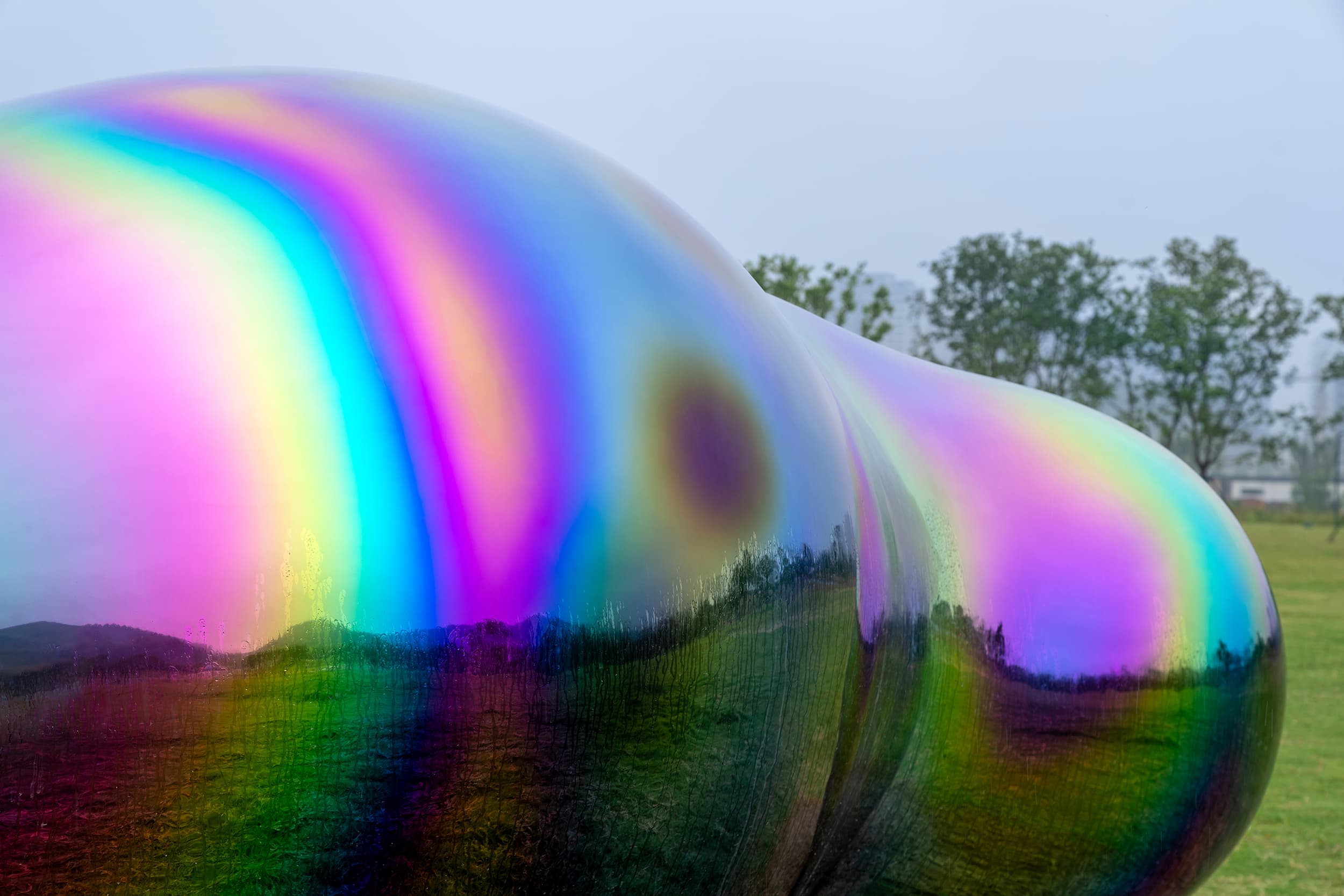
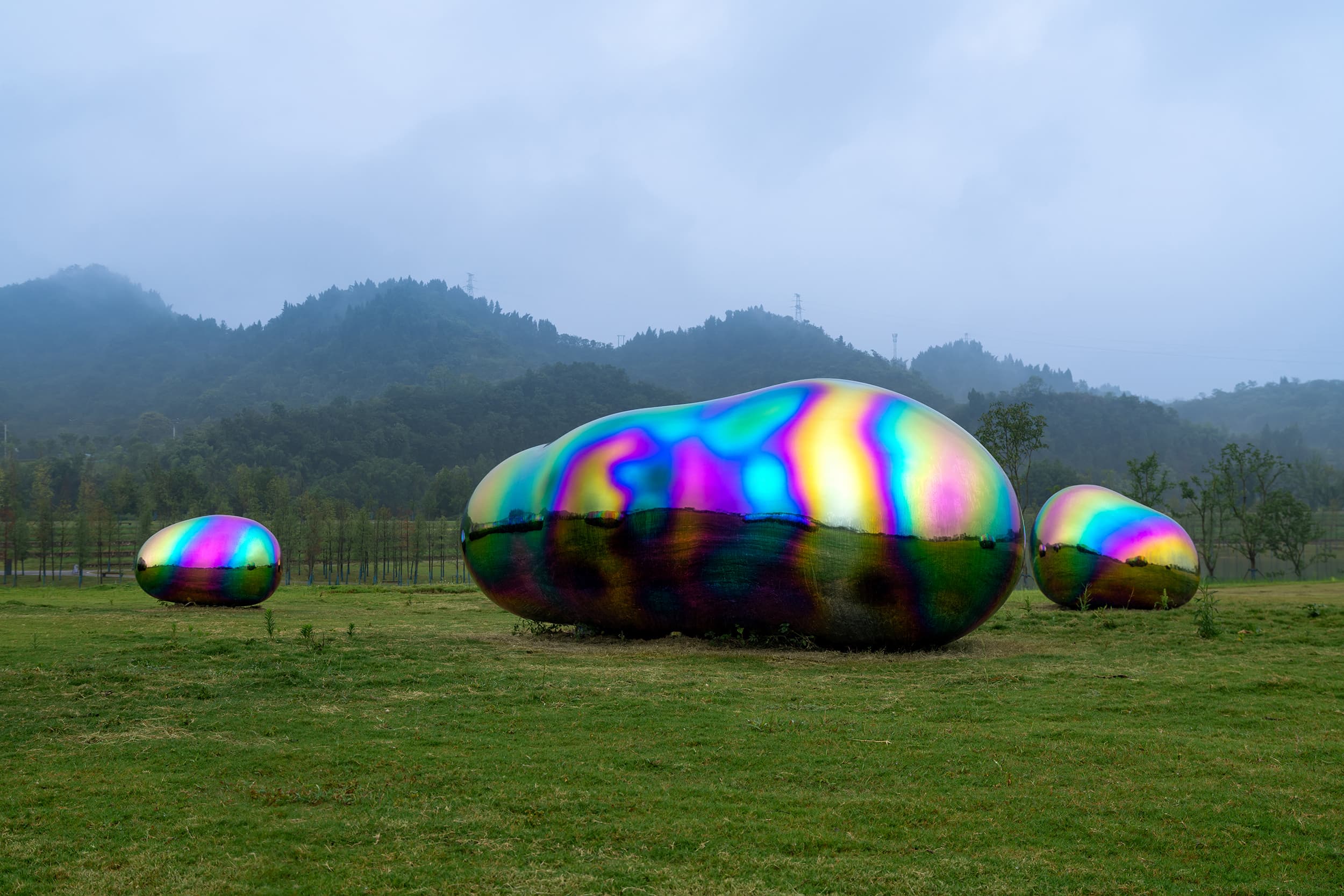
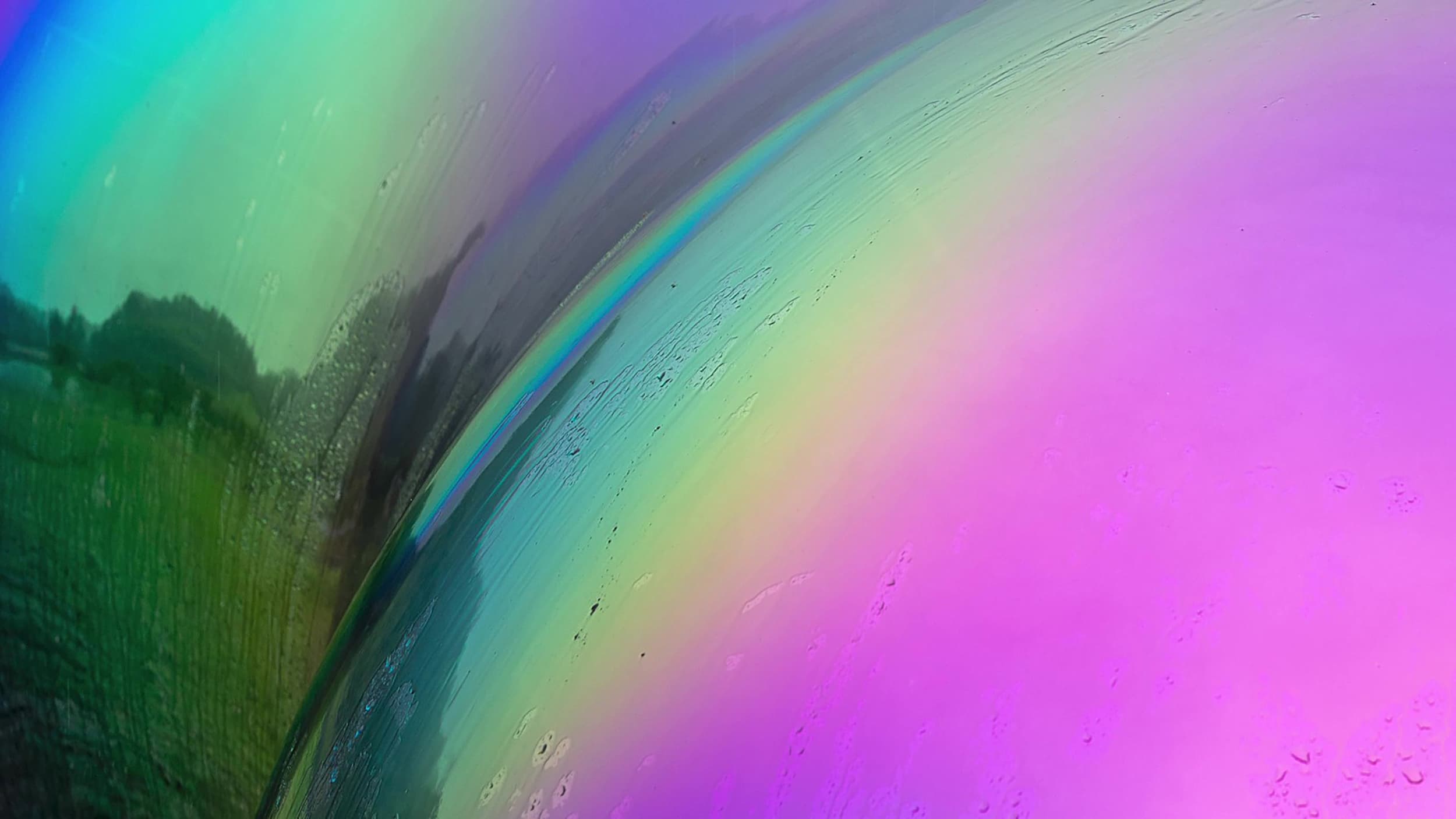
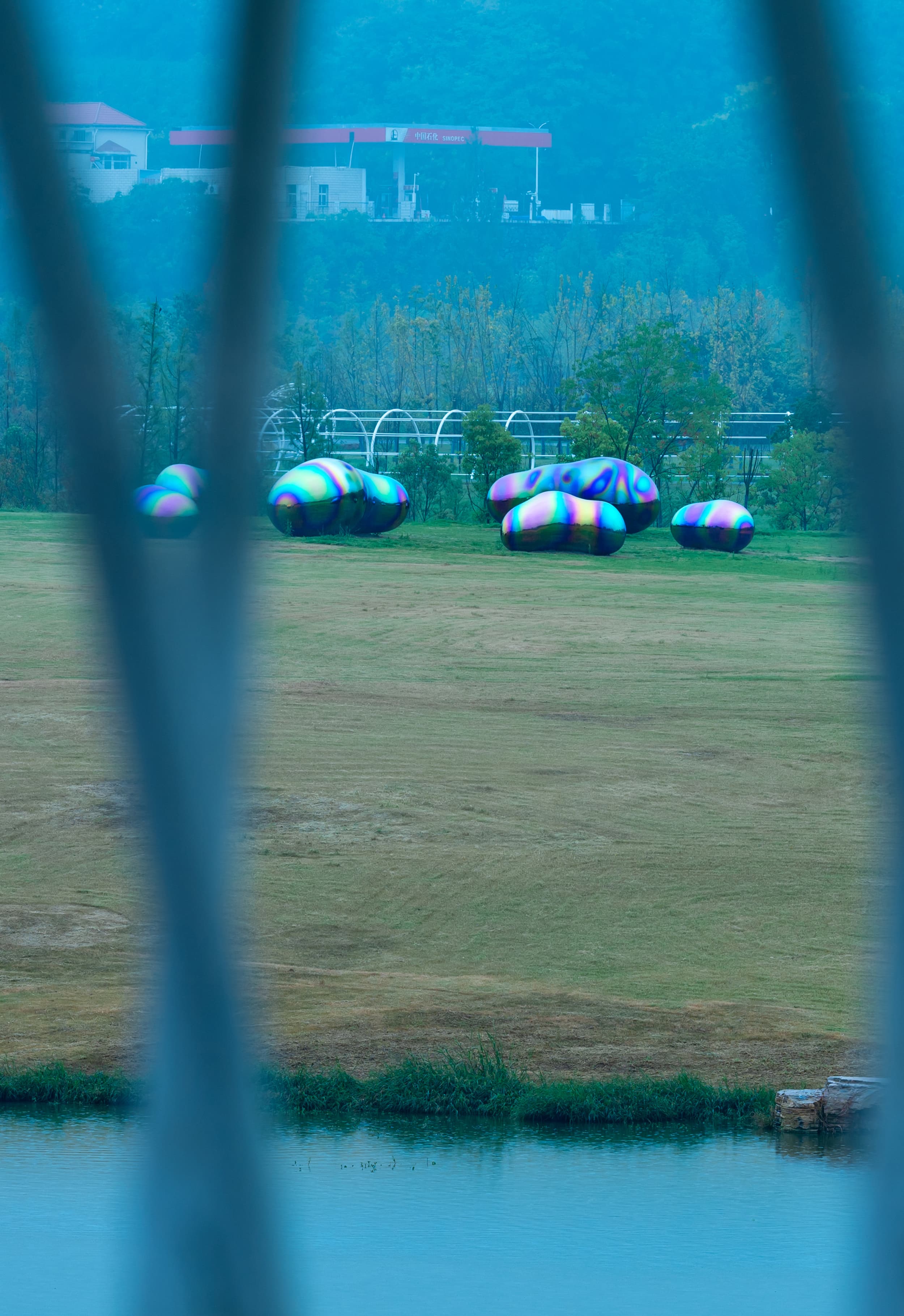
Standing within the urban landscape, the droplet is never a static sculpture, but an ongoing, evolving dialogue. Through sunrise and sunset, amid constant human movement, it persists in conveying one core message: amid the interplay of waste and renewal, beauty often lies within overlooked spaces; and one single drop holds the power to reflect the entire Yangtze River.
Author: Xu Gang
This original essay belongs to the BENTU Public Art Practice Series. Taking the public installation Drop as a case study, it explores the circular regeneration of waste materials and the philosophical dimension of place‑based emotional connection.

- Contact
+8620 8977 0506
- Press
press@bentudesign.com
- Enquiry & Sales
info@bentudesign.com