

Shenzhen’s Veins: An Ecological Installation Co-Created by the Public
Time: 2023
Location: Shenzhen, Guangdong, China
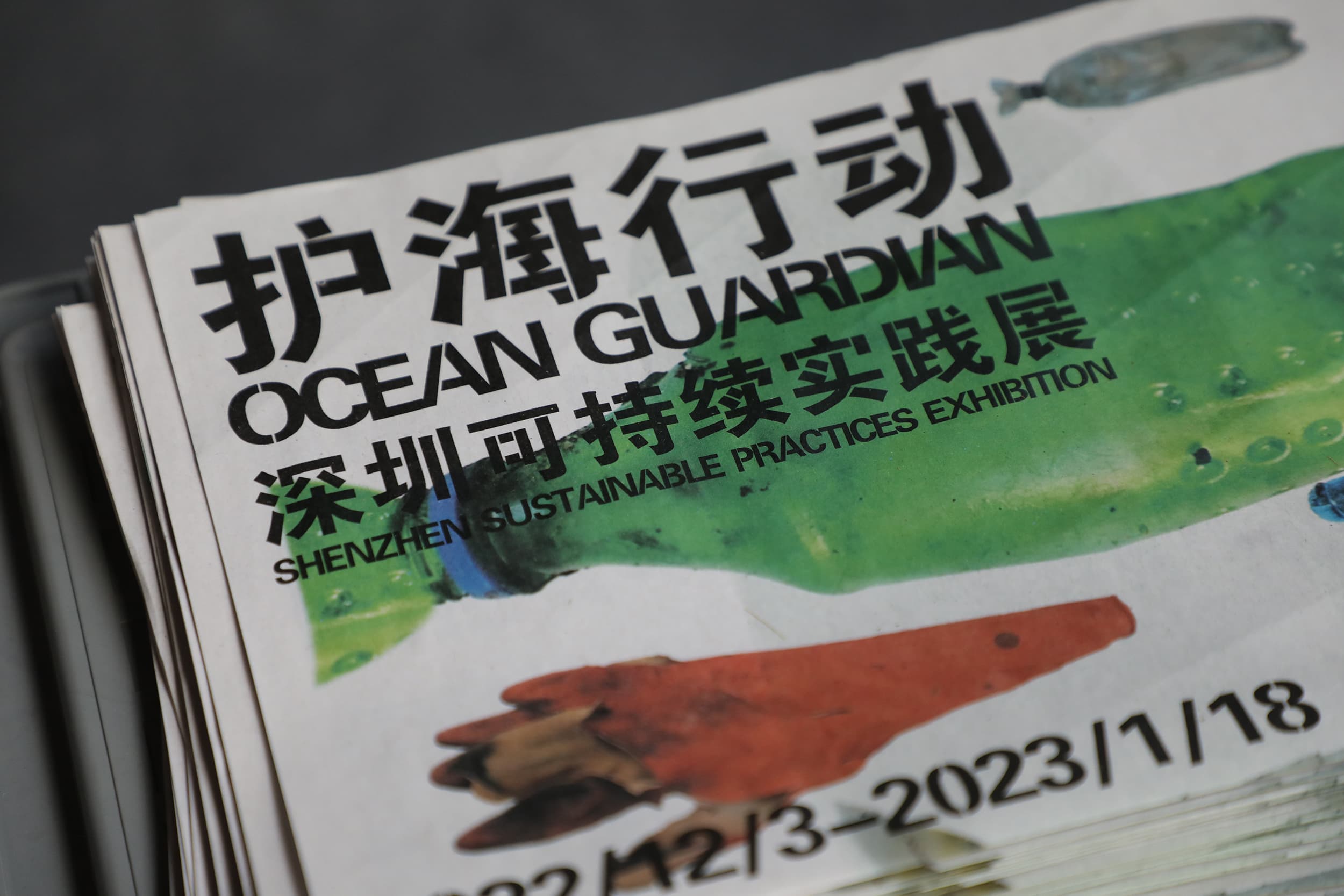
A river runs through a city, yet its water quality is often only recorded in test reports issued by water authorities. Citizens pass river channels every day, yet they have no way to perceive the information carried in the current — turbidity, pH value, dissolved oxygen, microbial communities. Locked in filing cabinets inside laboratories, these data remain far removed from people’s daily lives.
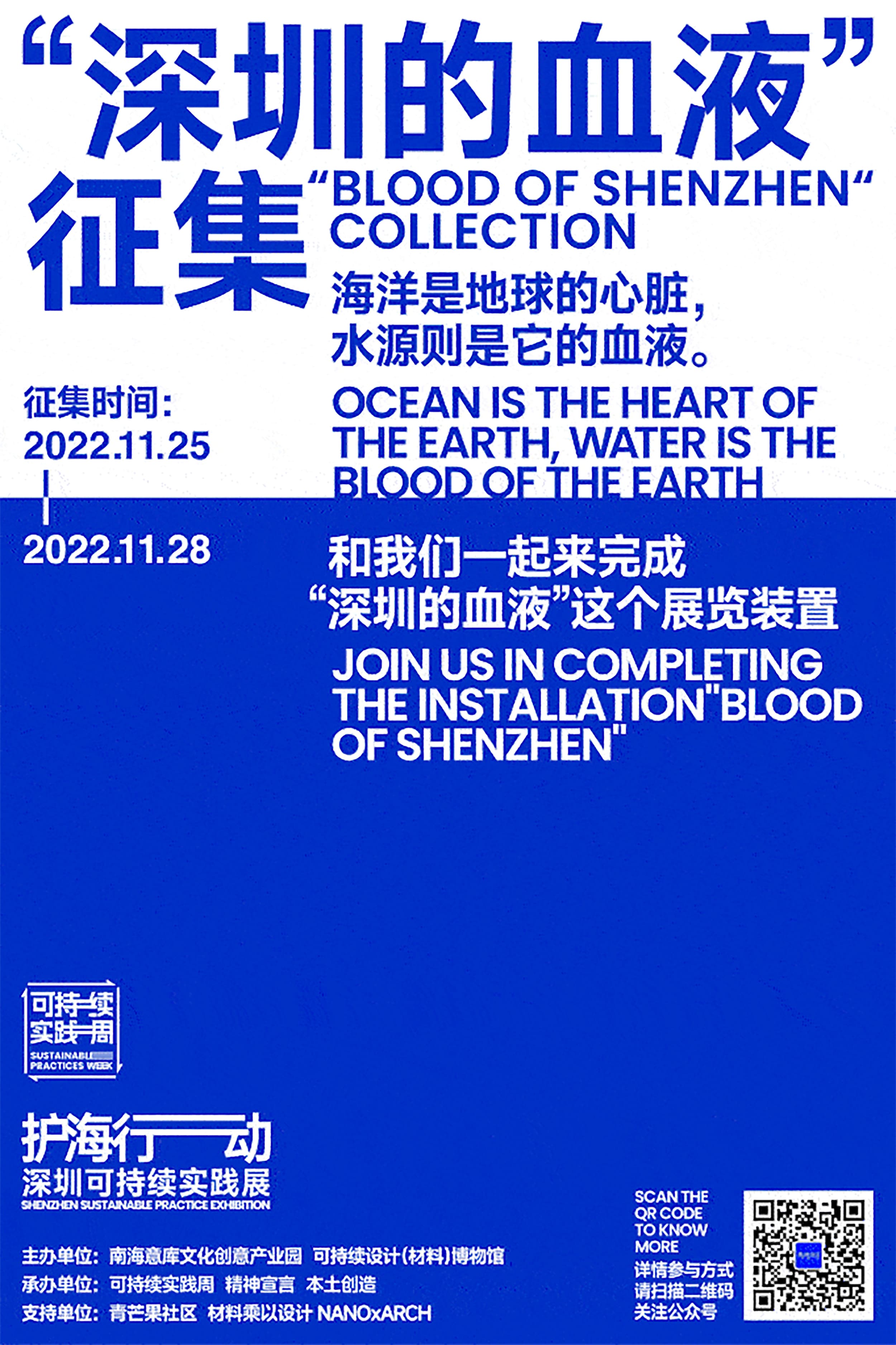
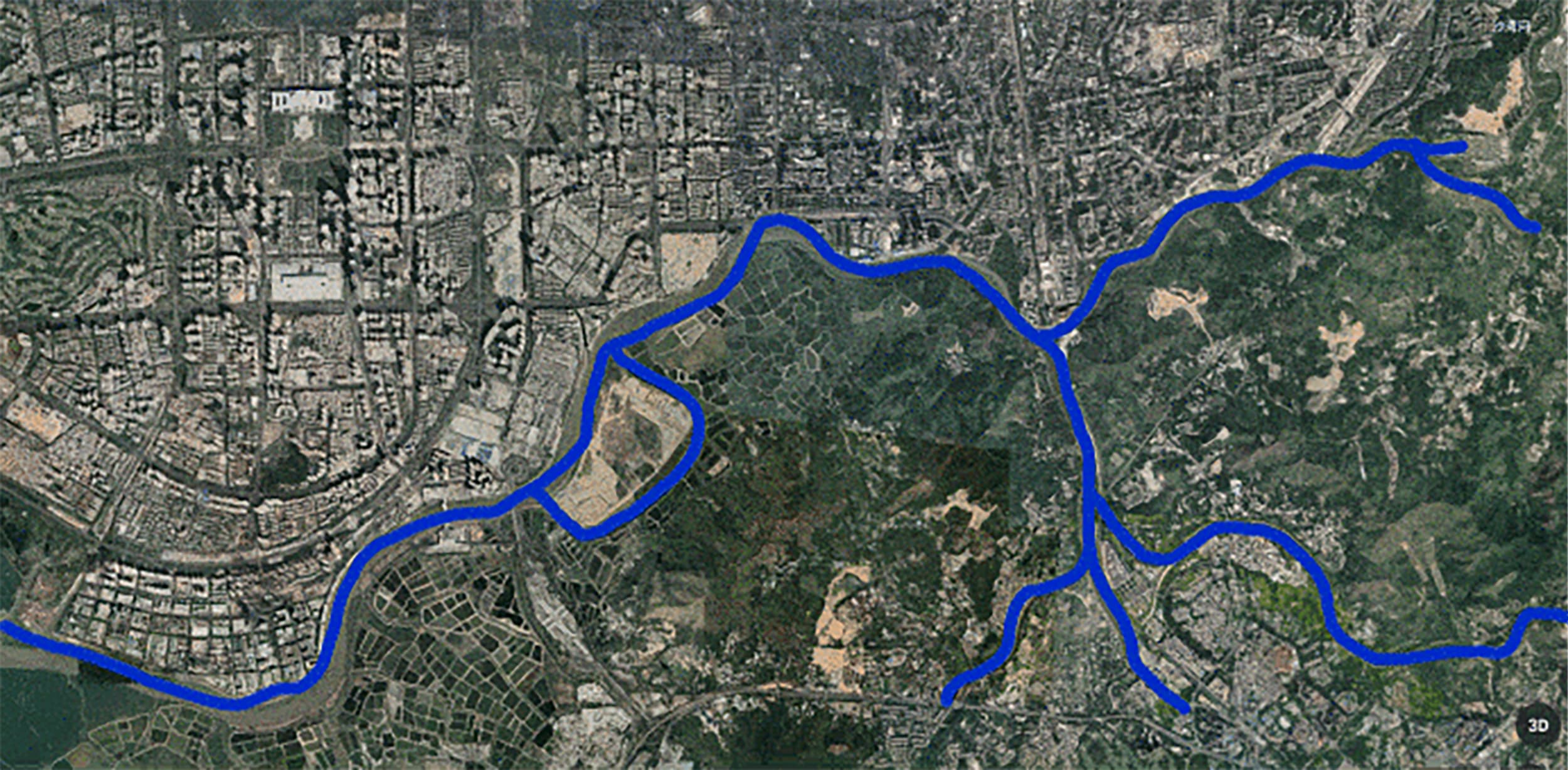
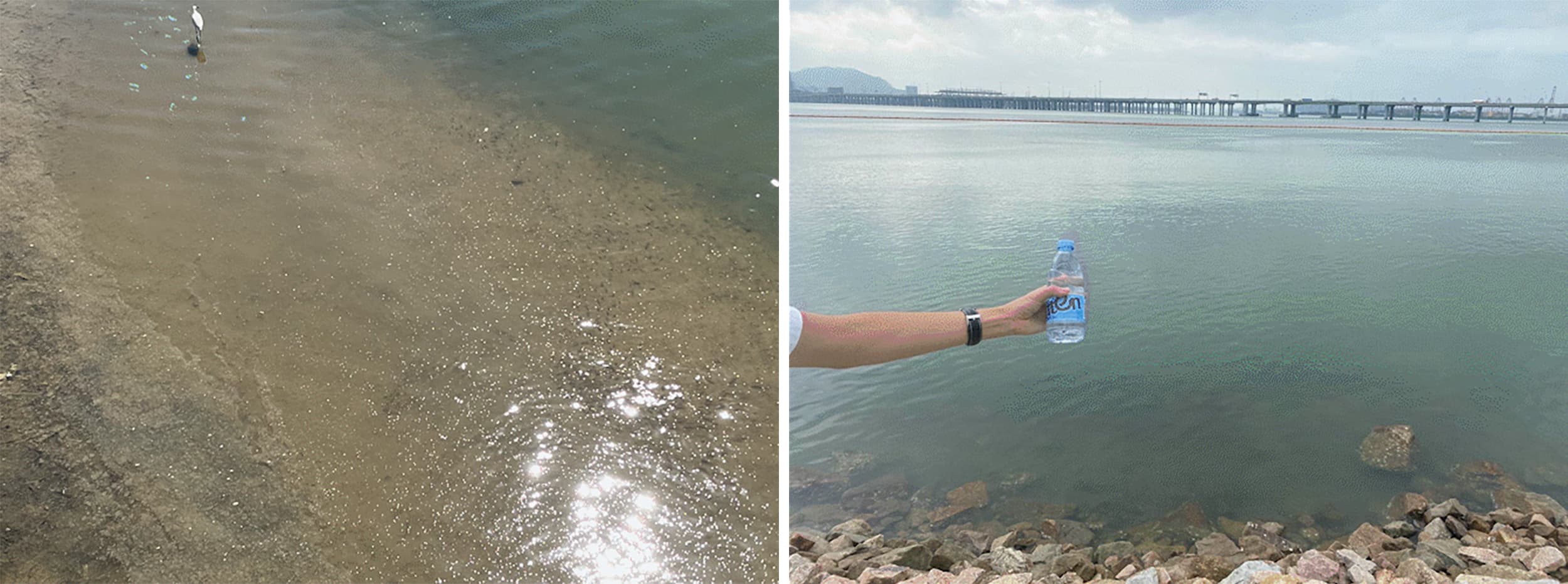
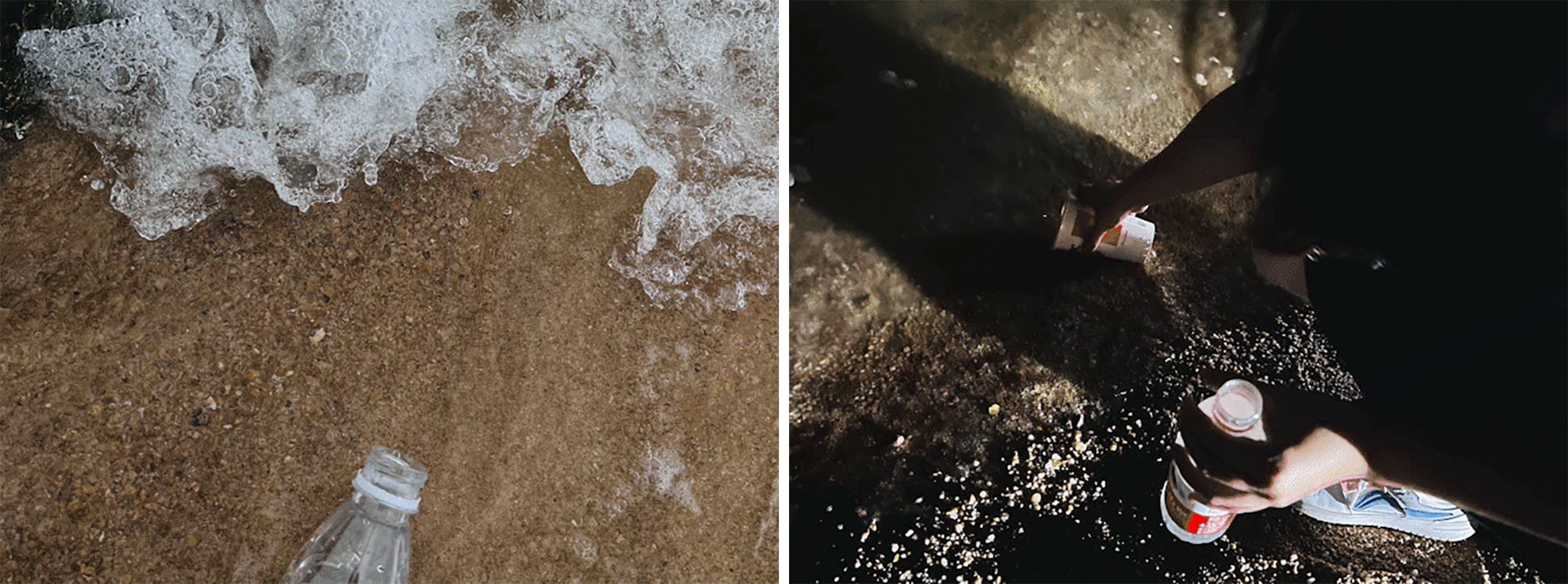
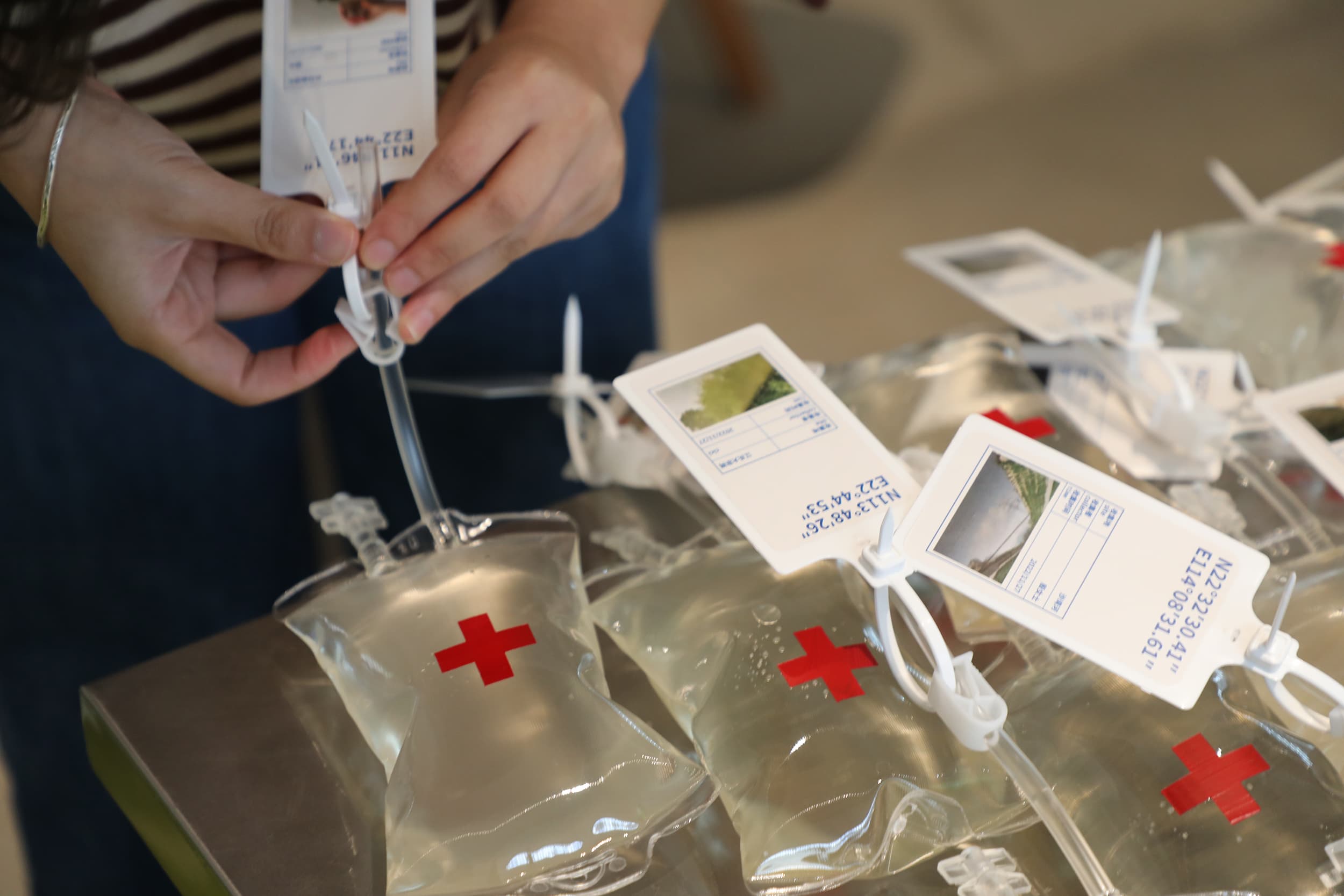
Shenzhen’s Veins seeks to break this divide. It is a public co-creation installation completed with the participation of more than twenty Shenzhen residents. The contributors collected over fifty water samples from rivers, waterways, and coastal zones across the city: some taken from the main stream of the Maozhou River, some from tributaries of the Guanlan River, others from the estuary of the Xixiang River, and still more from tidal flats along Shenzhen Bay. Each water sample is marked with its collection site and time, then hung and arranged across the installation inside transparent water bags.
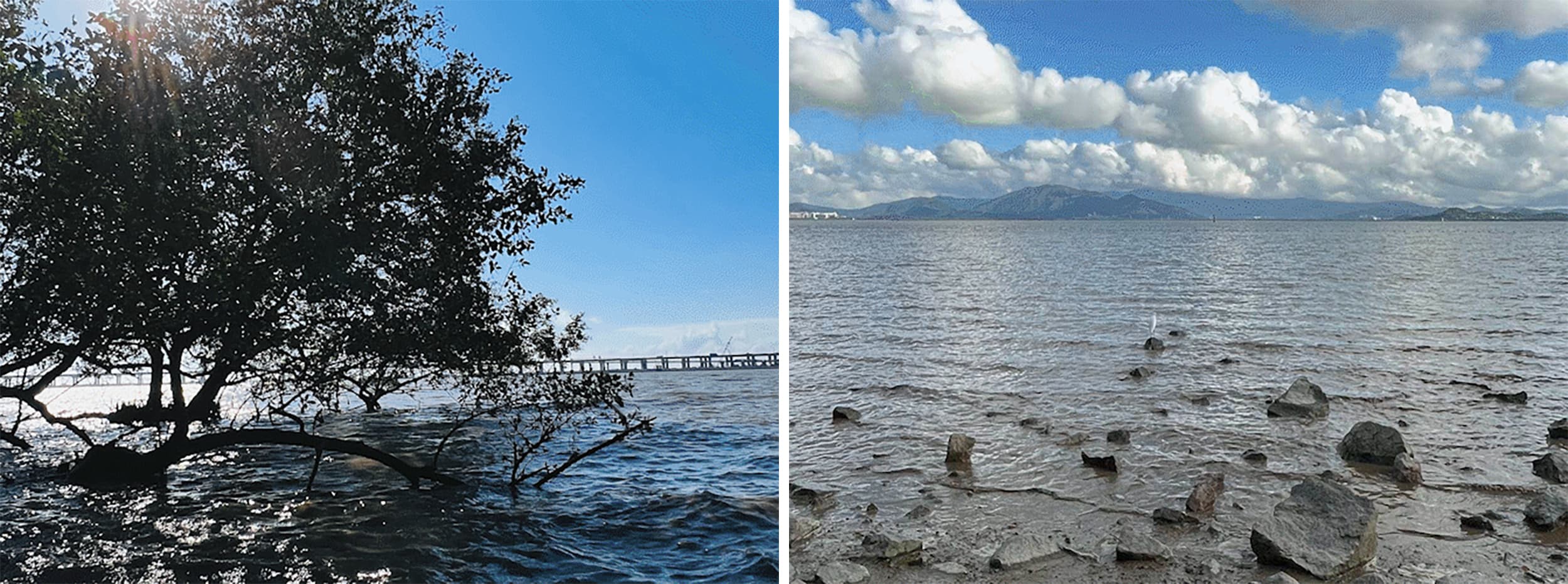
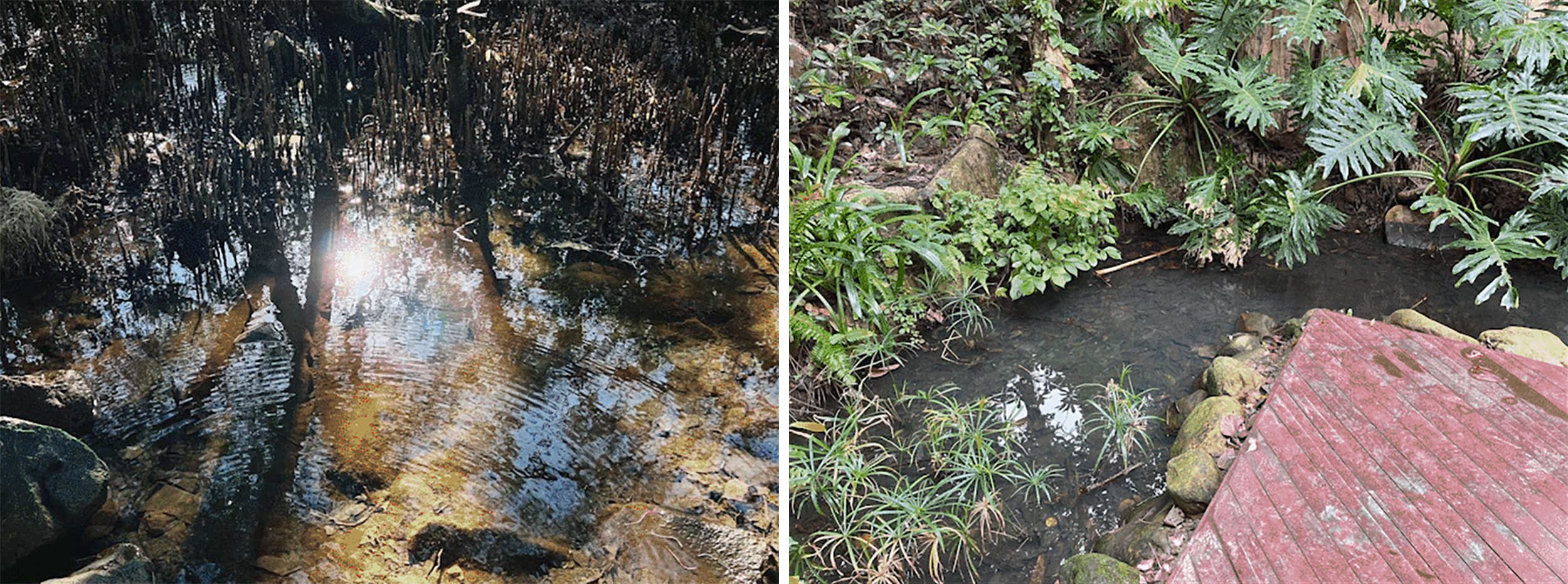
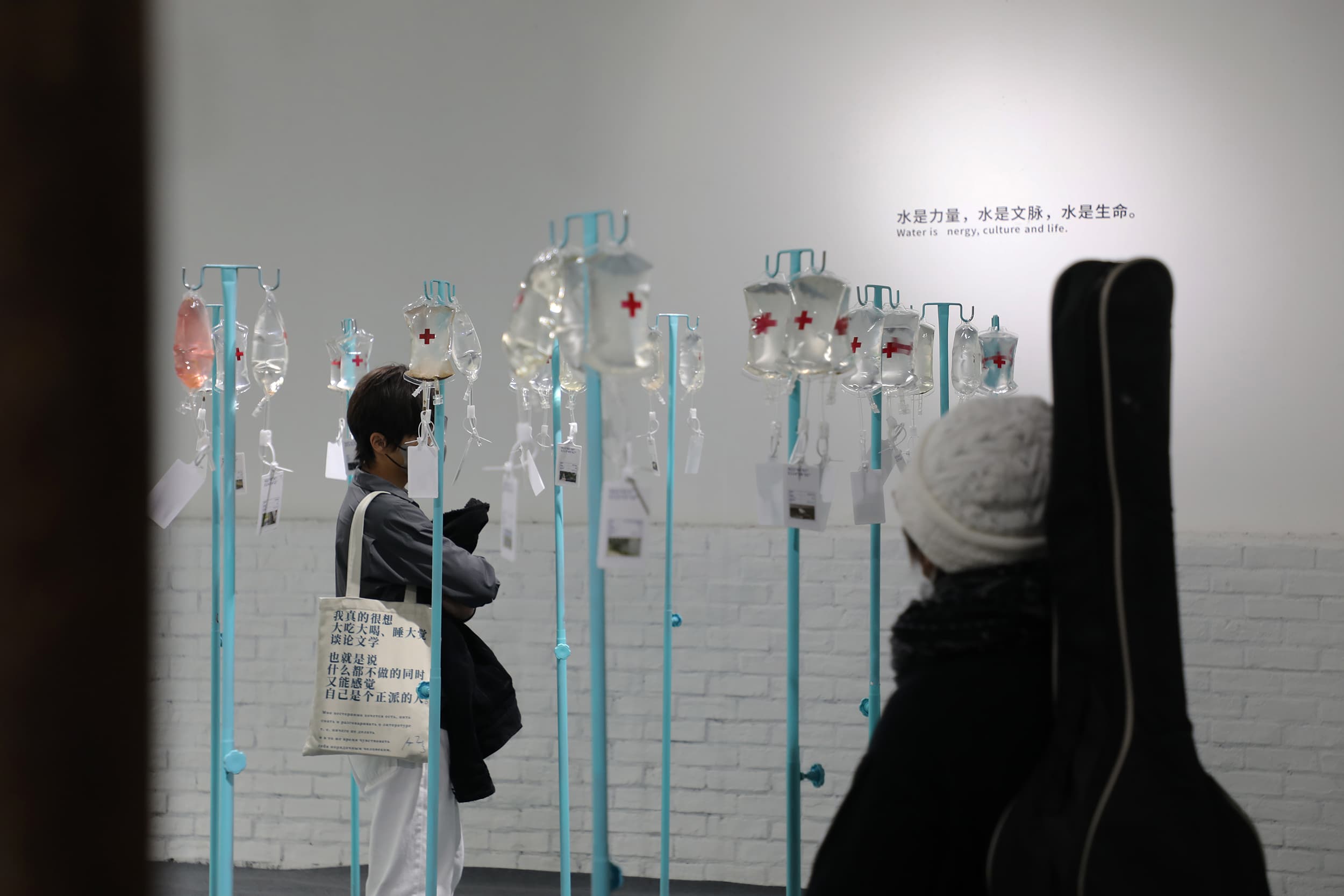
Illuminated by light, the fifty-plus water bags display a full spectrum of colour and transparency. Some are crystal clear, some yellowish and murky, some dotted with tiny suspended algae particles, while others carry thin traces of oil film on the surface. Without any written explanation, viewers can instantly distinguish ecological disparities within the city’s water network. The work serves as a visualised water quality archive and a public-facing ecological diagnosis.
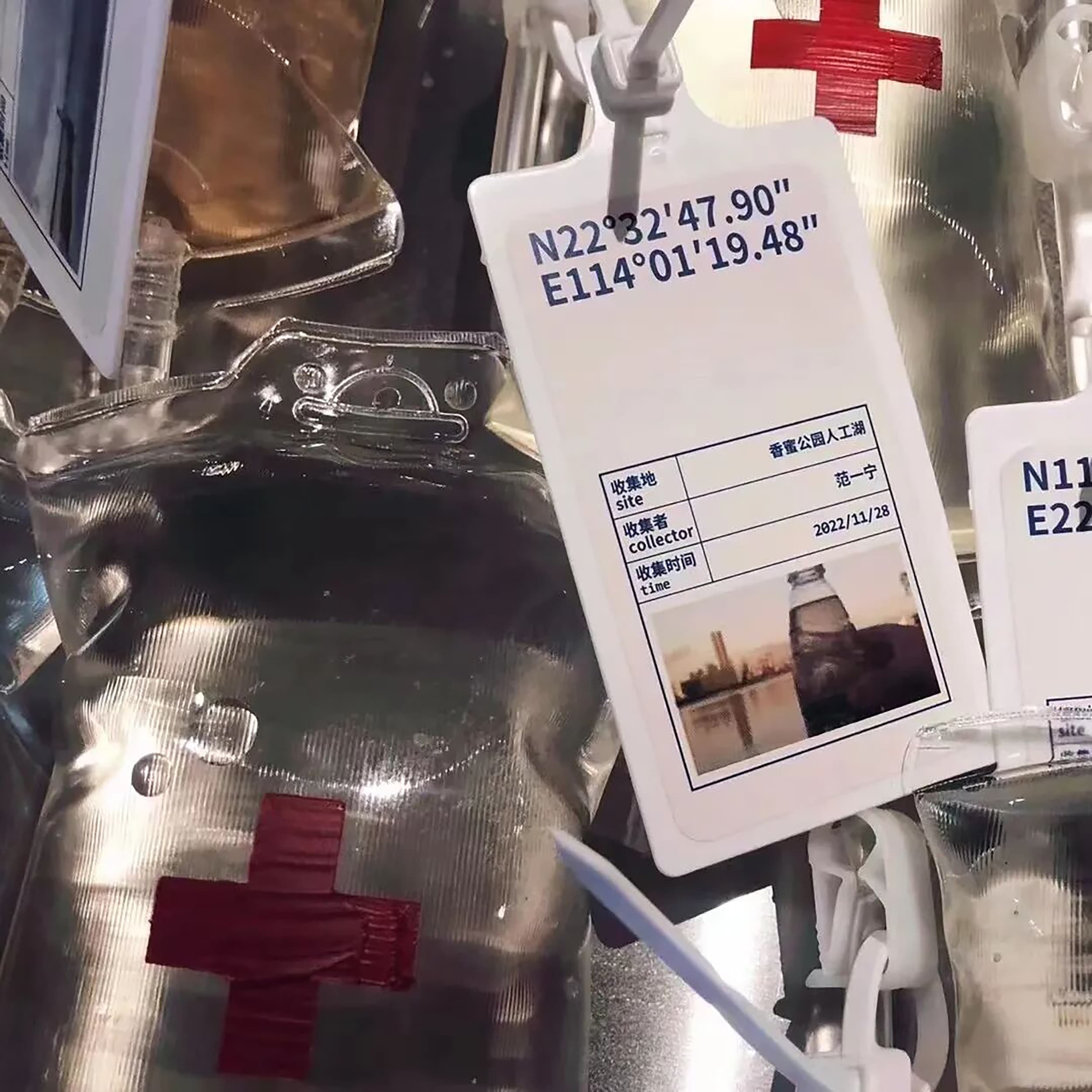
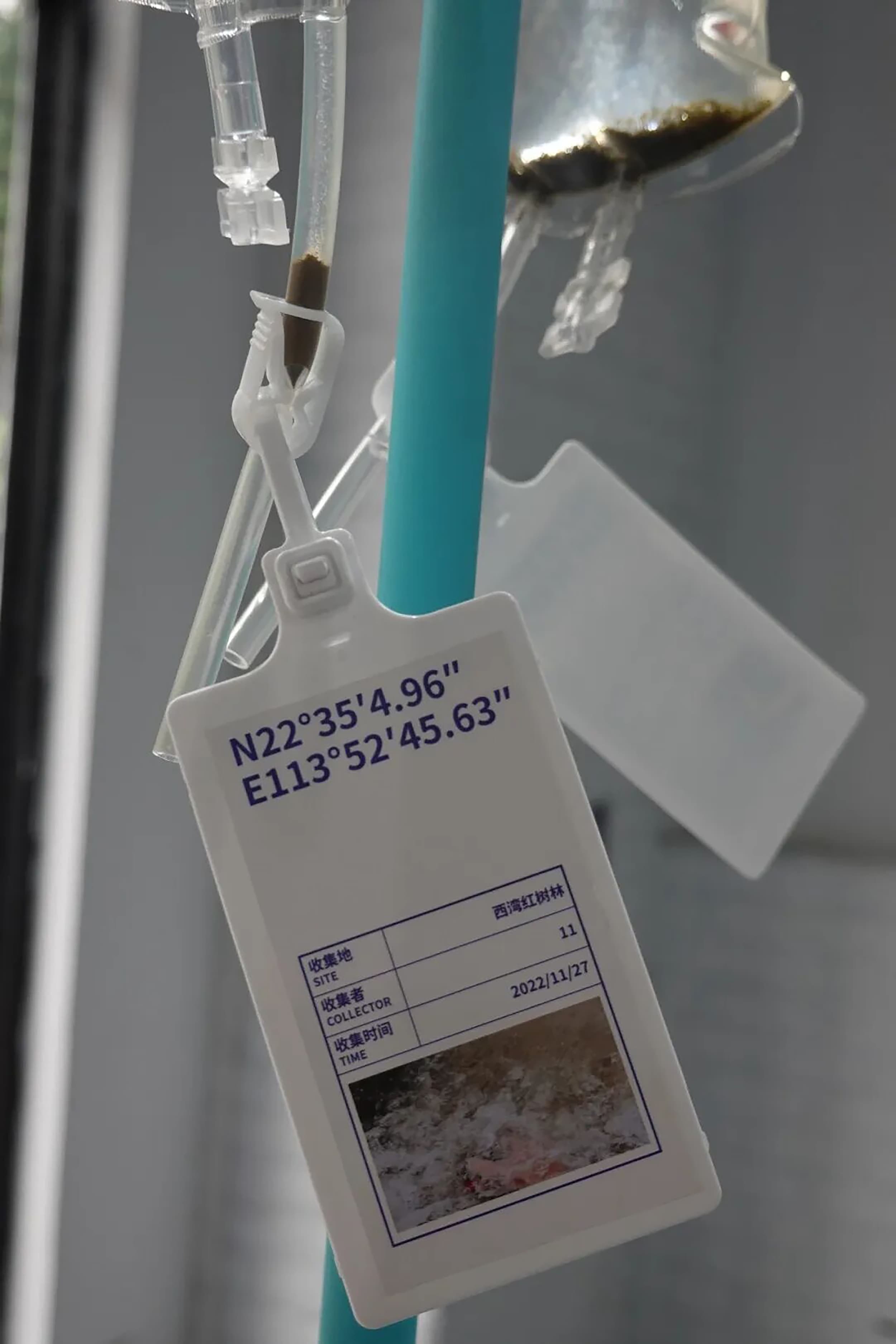
Within Shenzhen’s administrative territory lie 310 rivers and 189 reservoirs. Long before urbanisation unfolded, these water bodies nurtured more than a thousand natural villages across Lingnan, forming the city’s original urban fabric. They saturate the land’s vital veins and constitute the spiritual origin of Shenzhen as a water town of Lingnan. Over the past four decades, however, the rapidly expanding concrete jungle has created a rift between itself and the original water systems. River channels have been straightened, brooks covered to become underground culverts, and reservoirs enclosed within restricted management zones. Water still flows, yet the bond between people and water has been severed.
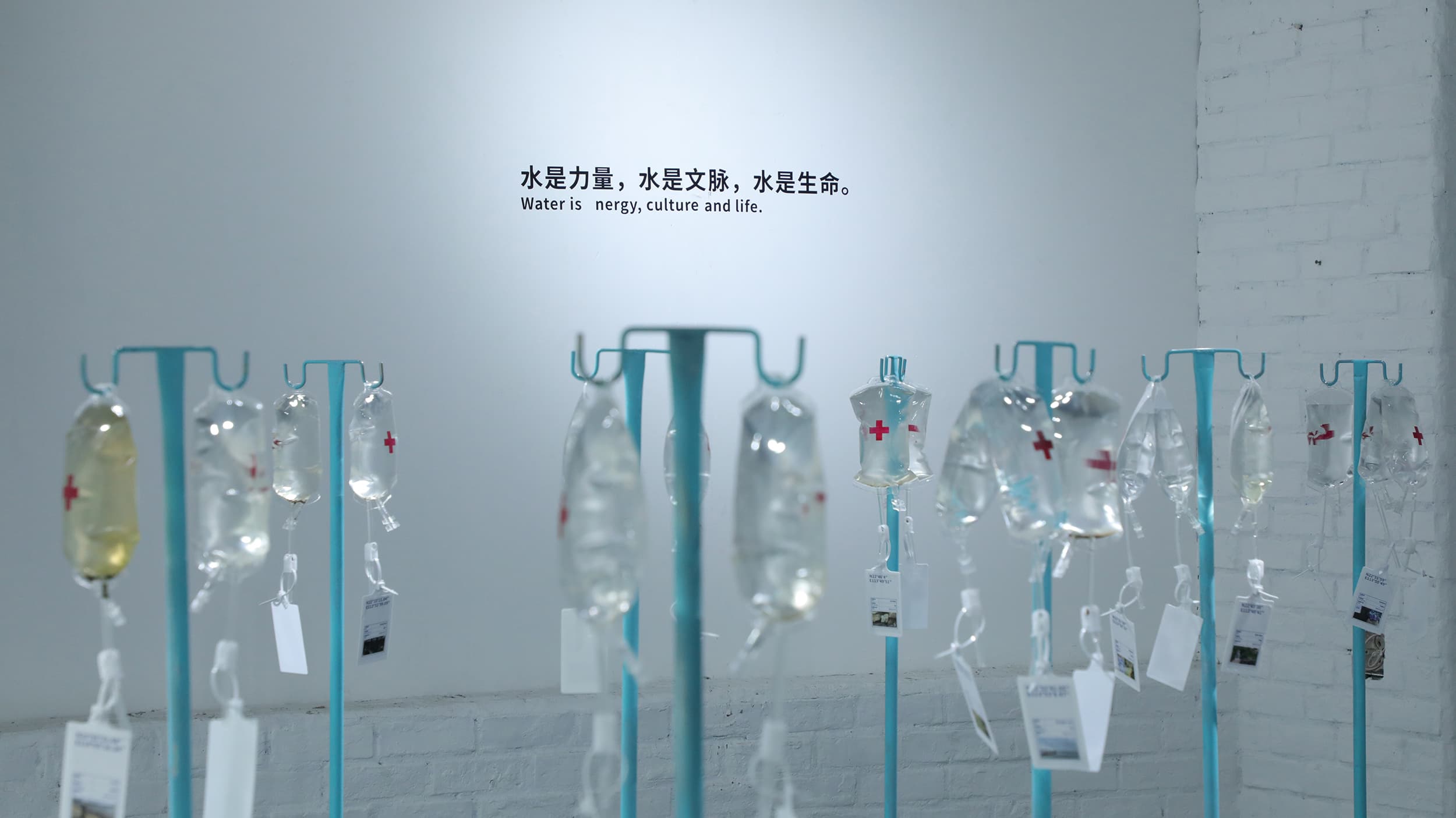
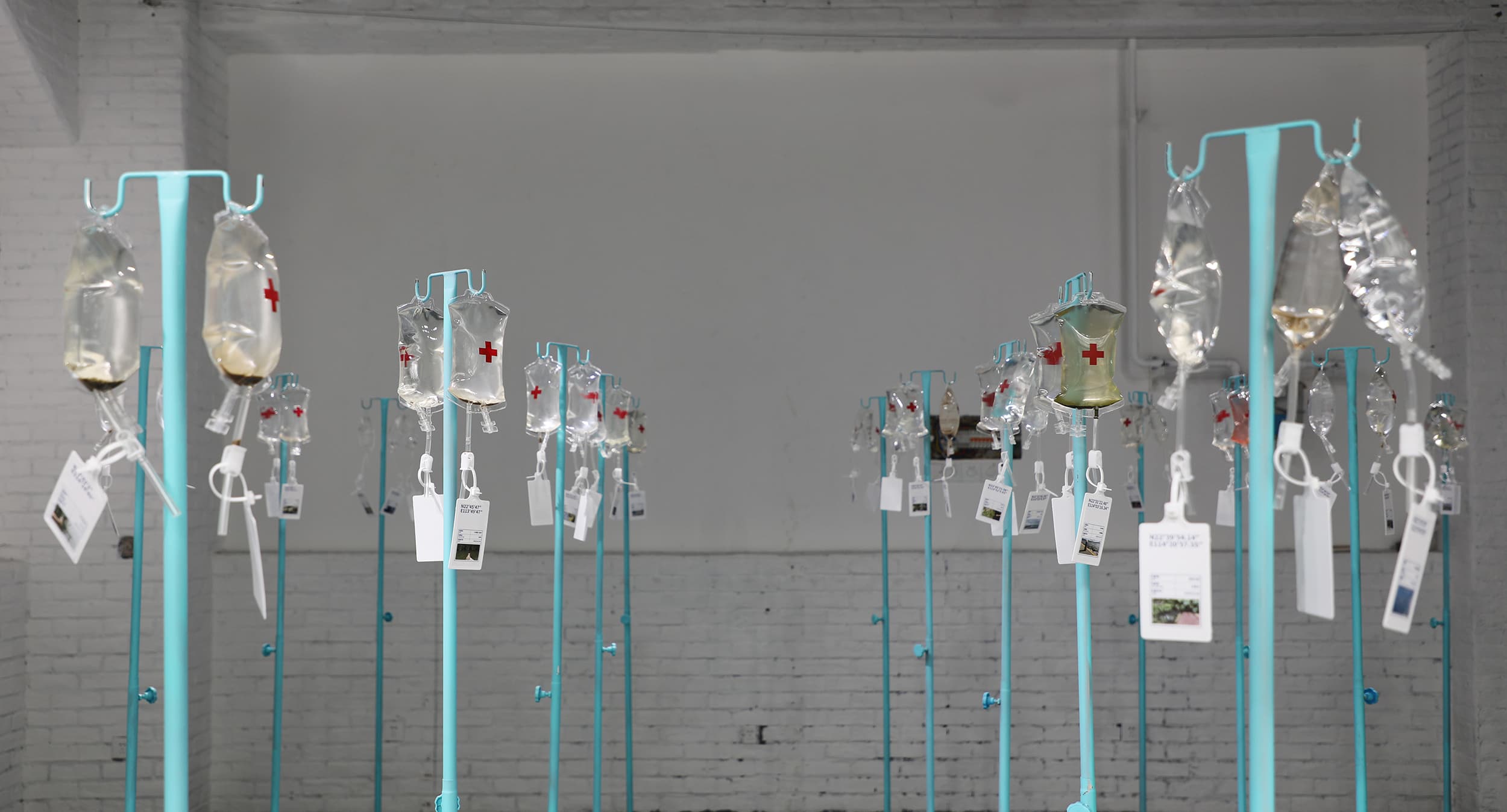
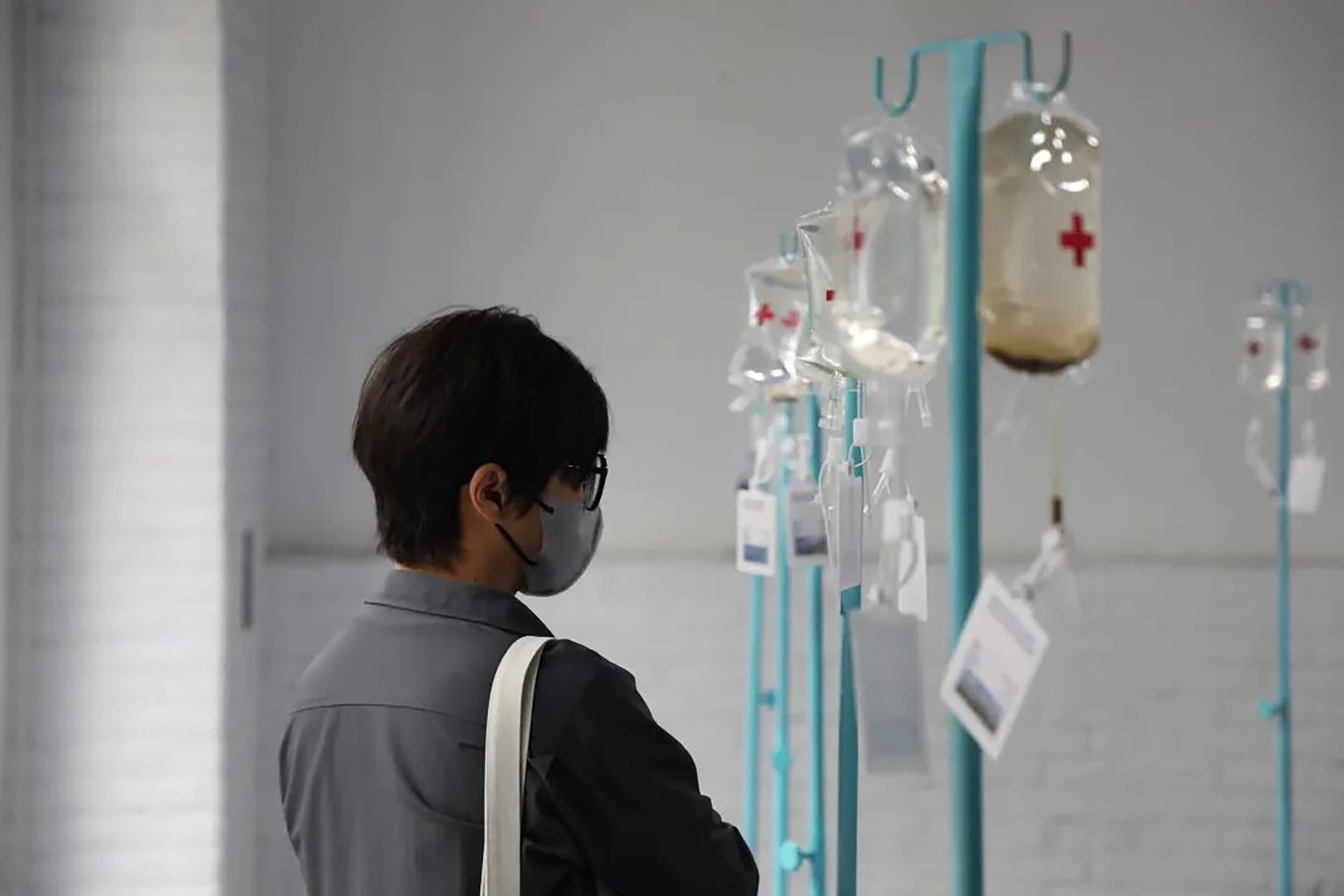
Taking water as its medium, Shenzhen’s Veins re-examines this broken connection. The work’s title draws from the plain folk wisdom that “the land and its water nurture its people”: water is the blood of the land, a physical carrier of the city’s life force. When citizens collect water samples with their own hands, and when viewers stand before side-by-side samples taken from different water bodies of the same city, water ceases to be an abstract environmental protection concept and turns into an everyday substance tied to each person’s bodily experience.
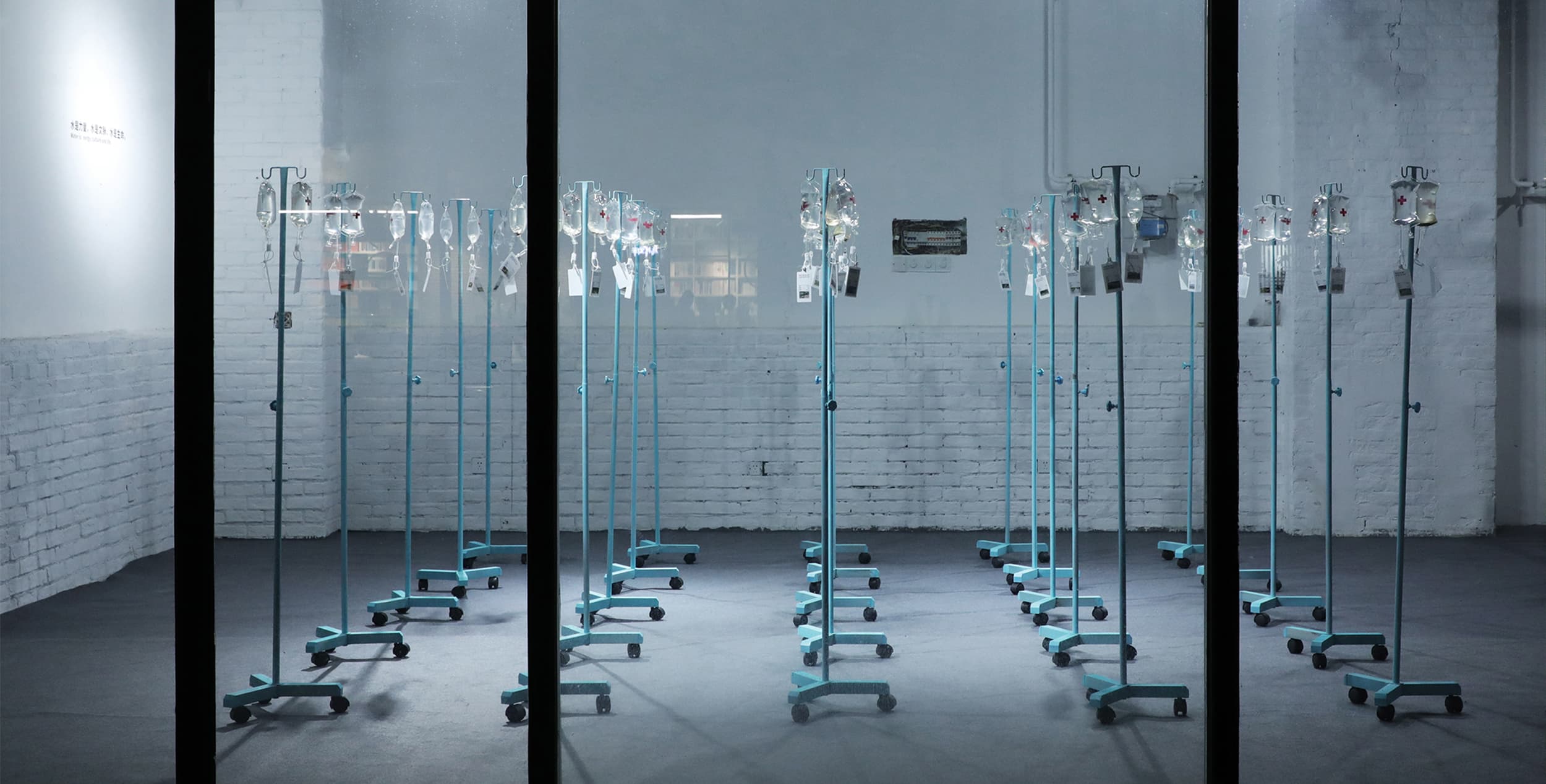
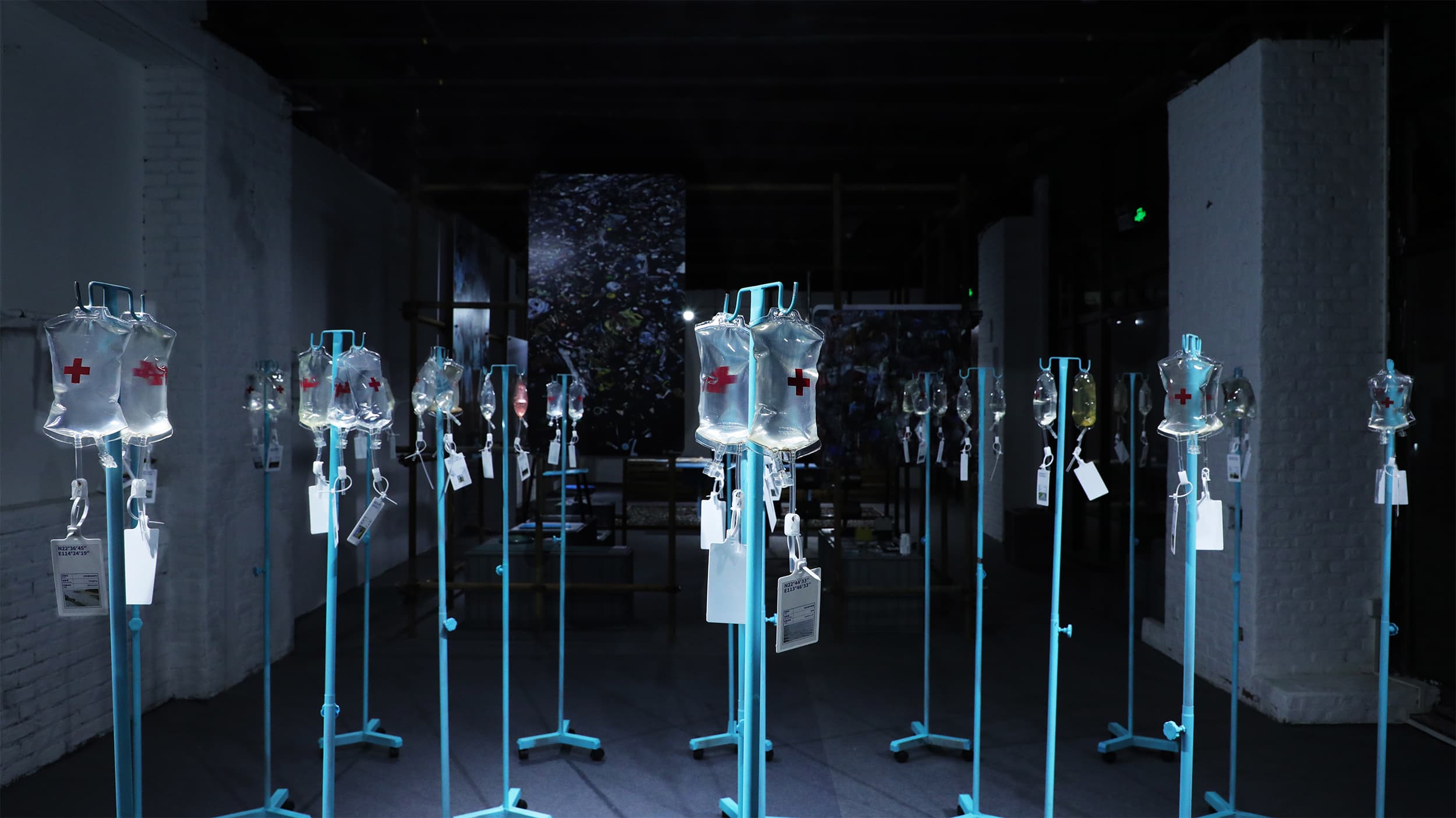
This is not a self-contained artwork finished solely by an artist. The participation of over twenty local residents means this ecological observation is not an external scrutiny, but an act of self-awareness emerging from within the city itself. The act of sampling is a physical practice that leads participants deep into river corridors and close to waterfronts. During collection, contributors witnessed pollution in certain river reaches firsthand, while also experiencing the natural vitality still preserved in other water areas. Such embodied experience evokes genuine concern for ecological issues far more powerfully than reading a water quality report.
Though built around water, the work addresses more than water conservation. It fosters deeper, fundamental notions of sustainability to take root in ordinary daily life. Shenzhen’s Veins offers no ready-made solutions and releases no data reports. It pursues one single goal: to liberate the city’s water systems from abstract figures in inspection reports and bring them back into citizens’ sensory field of vision, letting overlooked waterways be rediscovered.
Project Director: Xu Gang
This project takes the 2023 Shenzhen installation Shenzhen’s Veins as a research sample, exploring how public-participatory ecological art can rebuild the bond between human beings and urban water systems.

- Contact
+8620 8977 0506
- Press
press@bentudesign.com
- Enquiry & Sales
info@bentudesign.com