

Water Tower: A Counter‑Narrative on Consumption, Waste, and Symbiosis
Time: August 2022
Location: Yichang, Hubei, China
Producing one PET plastic bottle requires three times its volume of water and about one‑quarter of the bottle’s volume in petroleum. Manufacturing one tonne of PET plastic releases roughly three tonnes of carbon dioxide. This does not account for carbon emissions across the full lifecycle: transportation, refrigeration, shelving, disposal and treatment. We drink a bottle of water in mere minutes, yet the full true cost of this consumer product is silently borne by the natural environment.
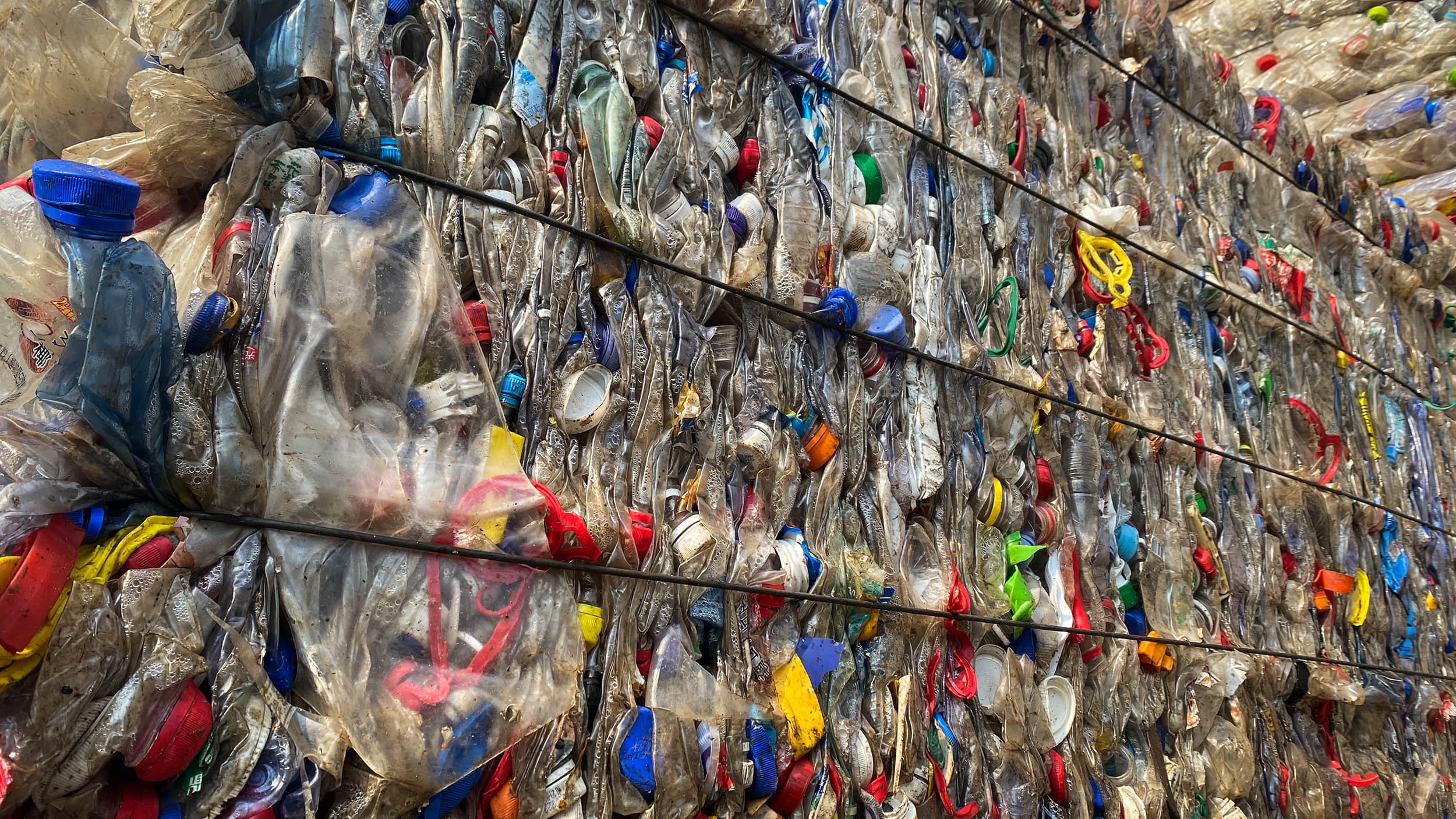
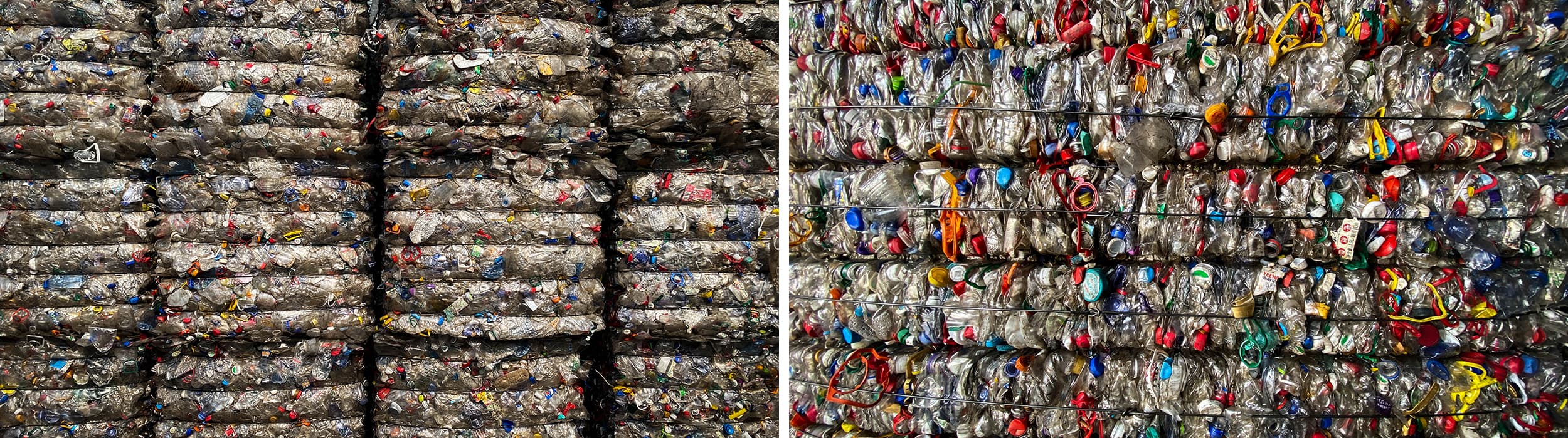
Plastic derives from fossil resources. Coal and oil formed over more than 200 million years of geological evolution, yet in just over a century, humans have transformed them into synthetic plastics, plunging the planet into an abyss of plastic waste. This invention, once celebrated for delivering material “democratisation” through its light weight, low cost and mass‑producible nature, ultimately spawned a rampant culture of single‑use consumption.
This consumption model, under the guise of “convenience”, enables unchecked material overconsumption. Mineral water bottles, beverage containers and takeaway boxes have become archetypal icons of disposable lifestyles: use once, discard, and forget. Behind this fleeting convenience lies continuous resource depletion, mounting waste and intergenerational ecological debt that resists natural degradation.
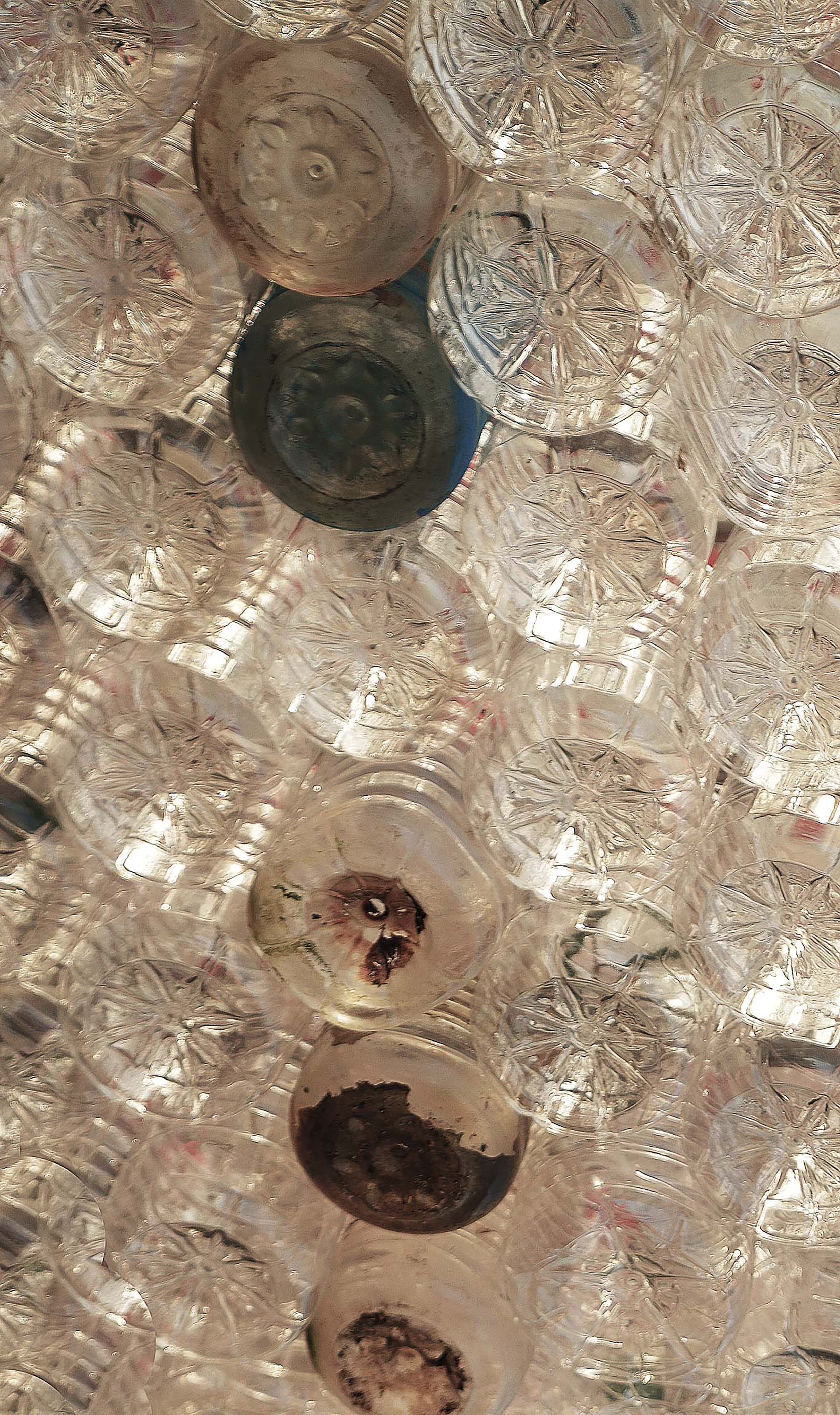
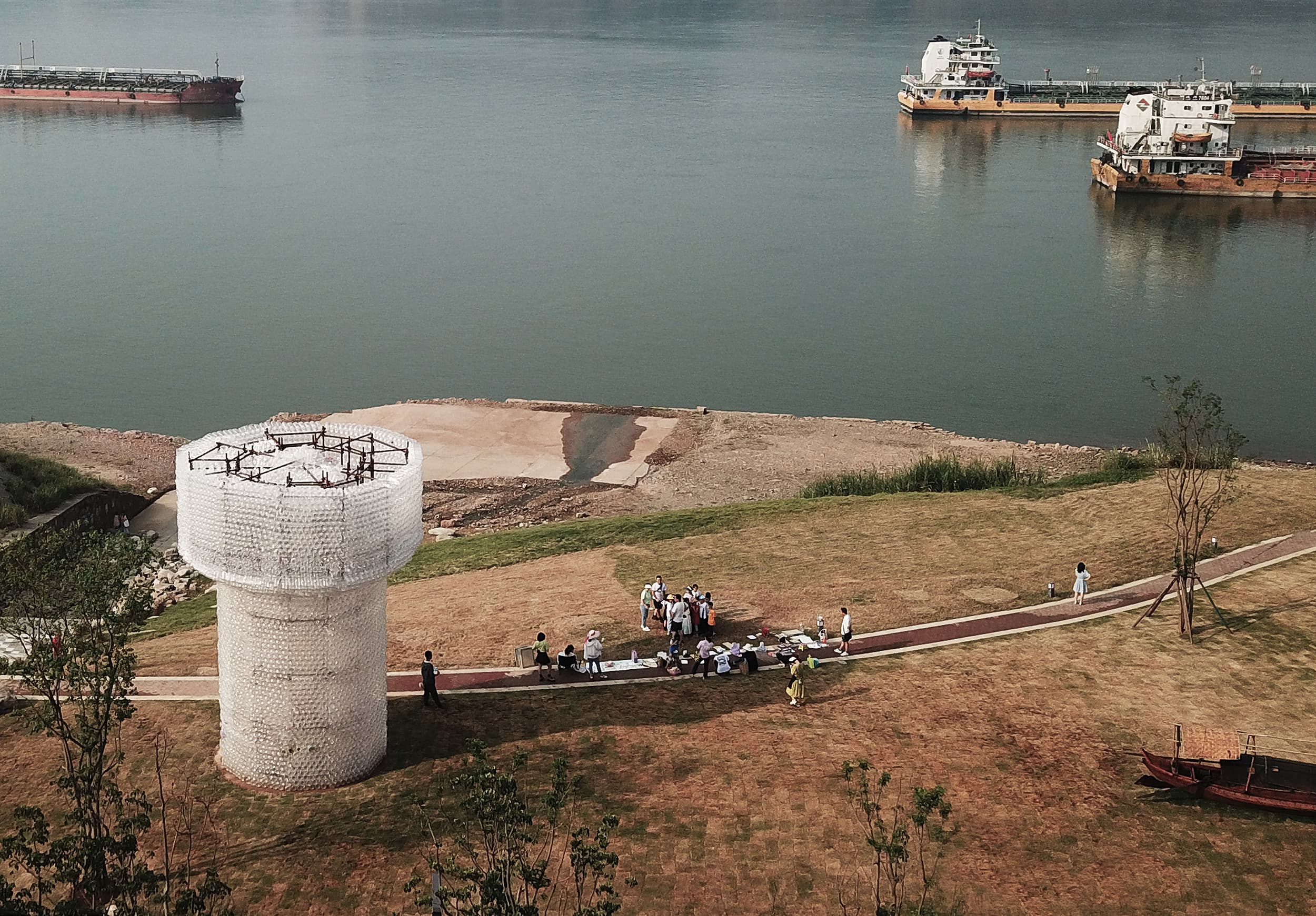
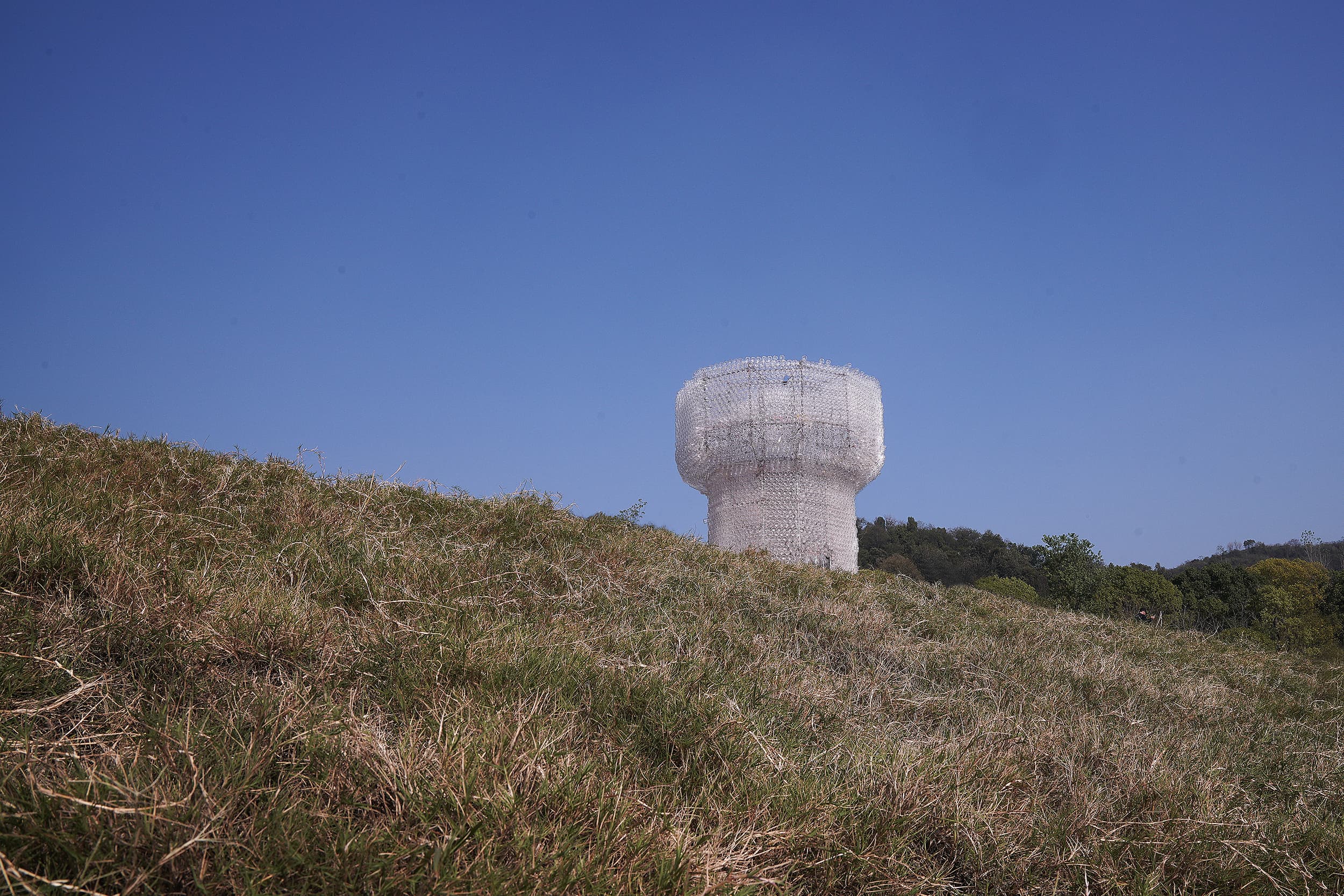
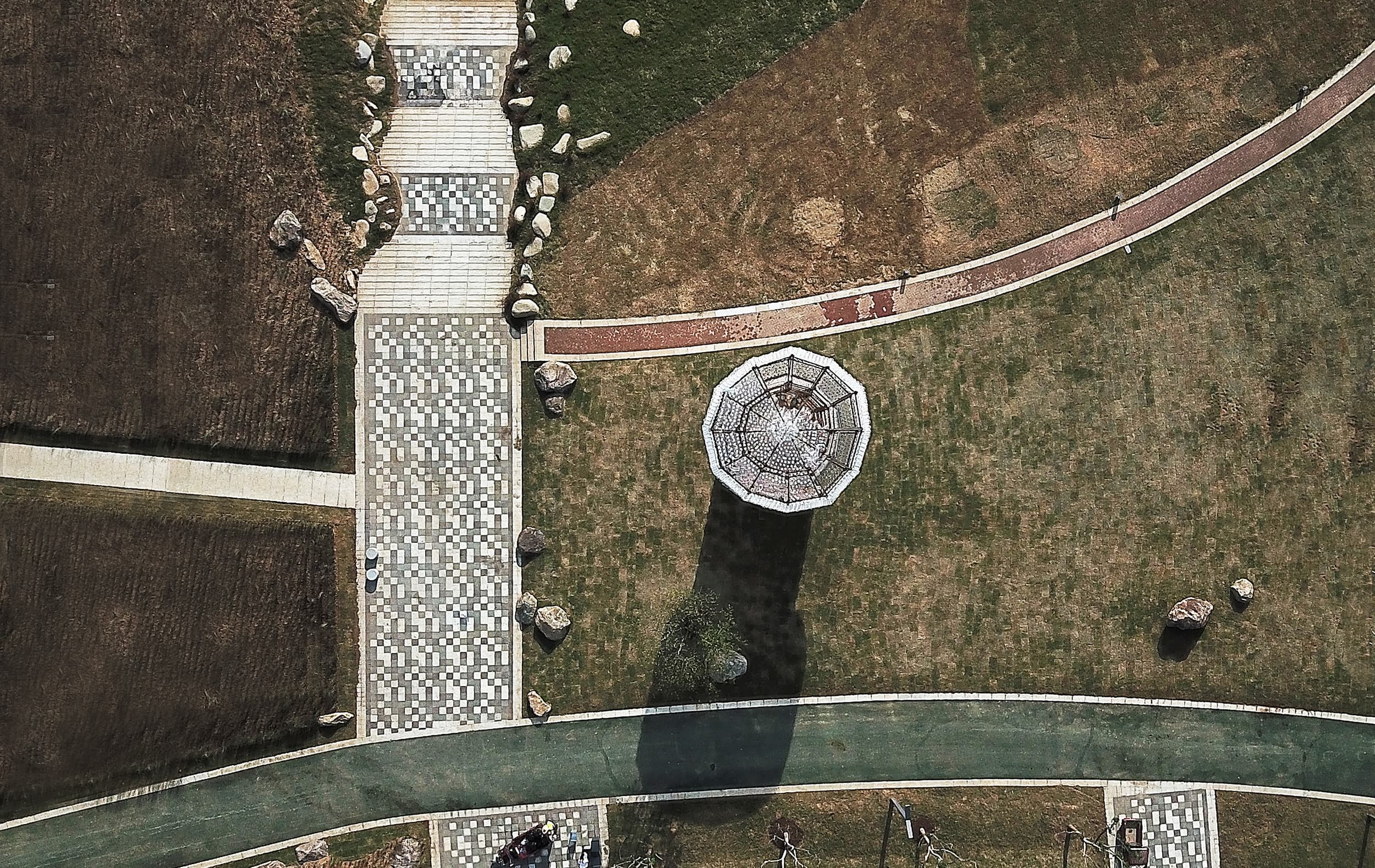
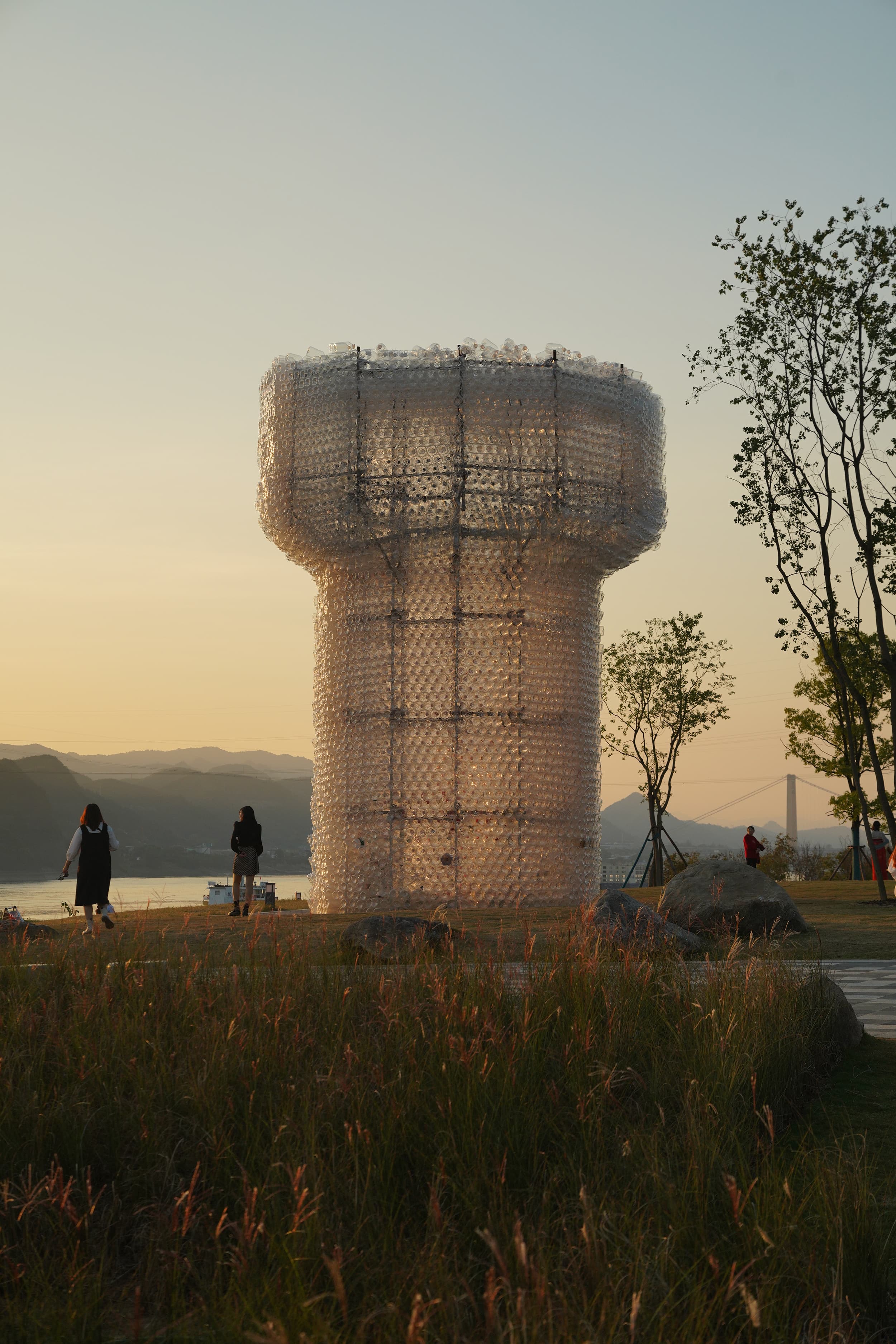
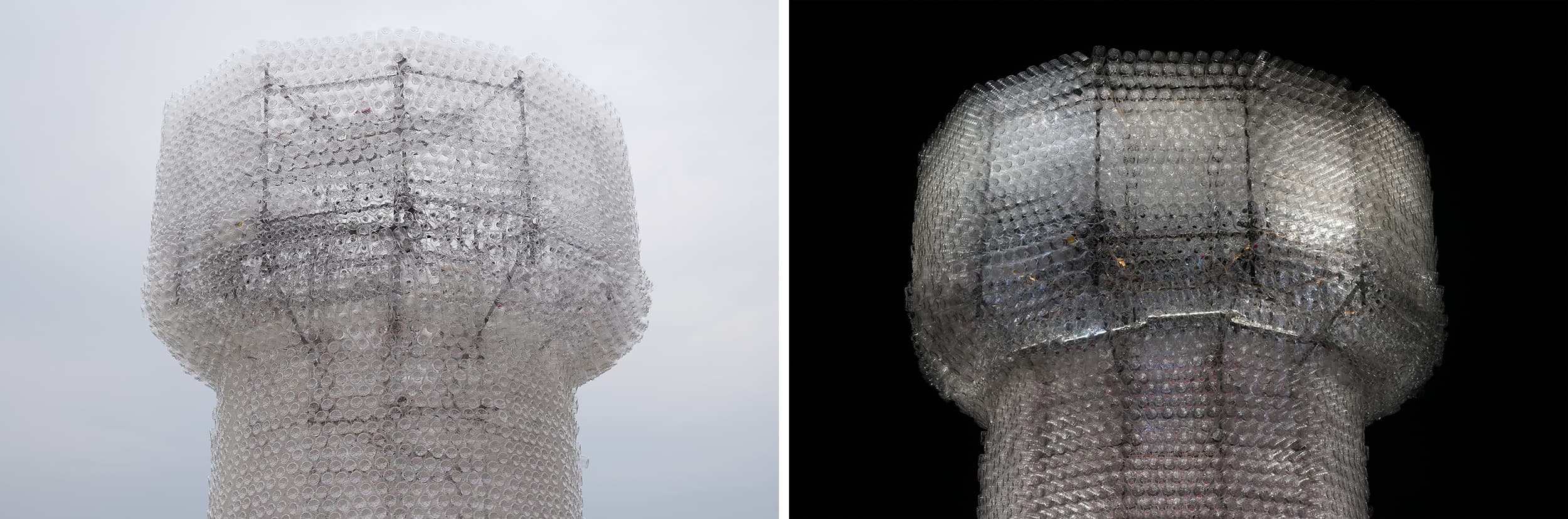
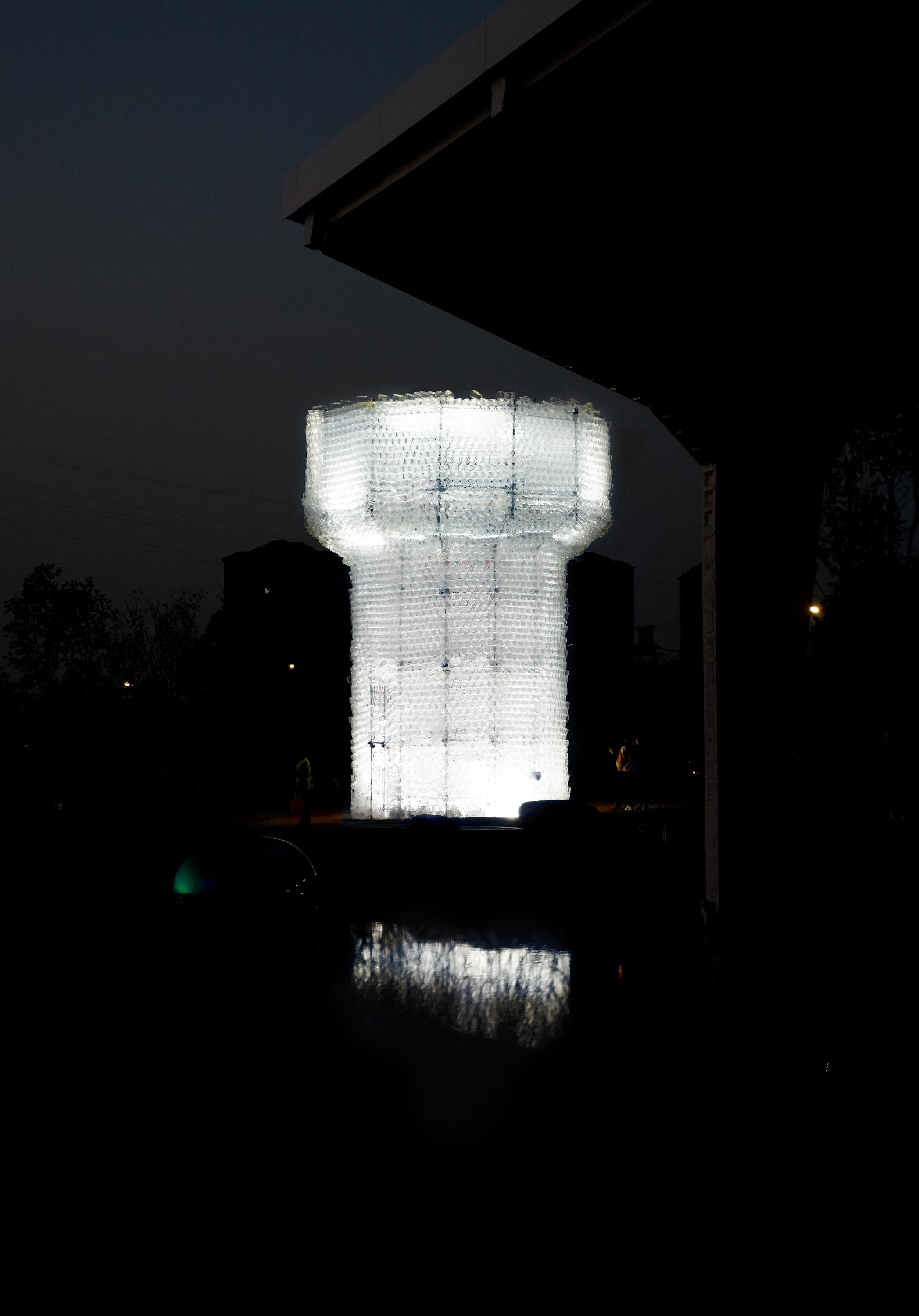
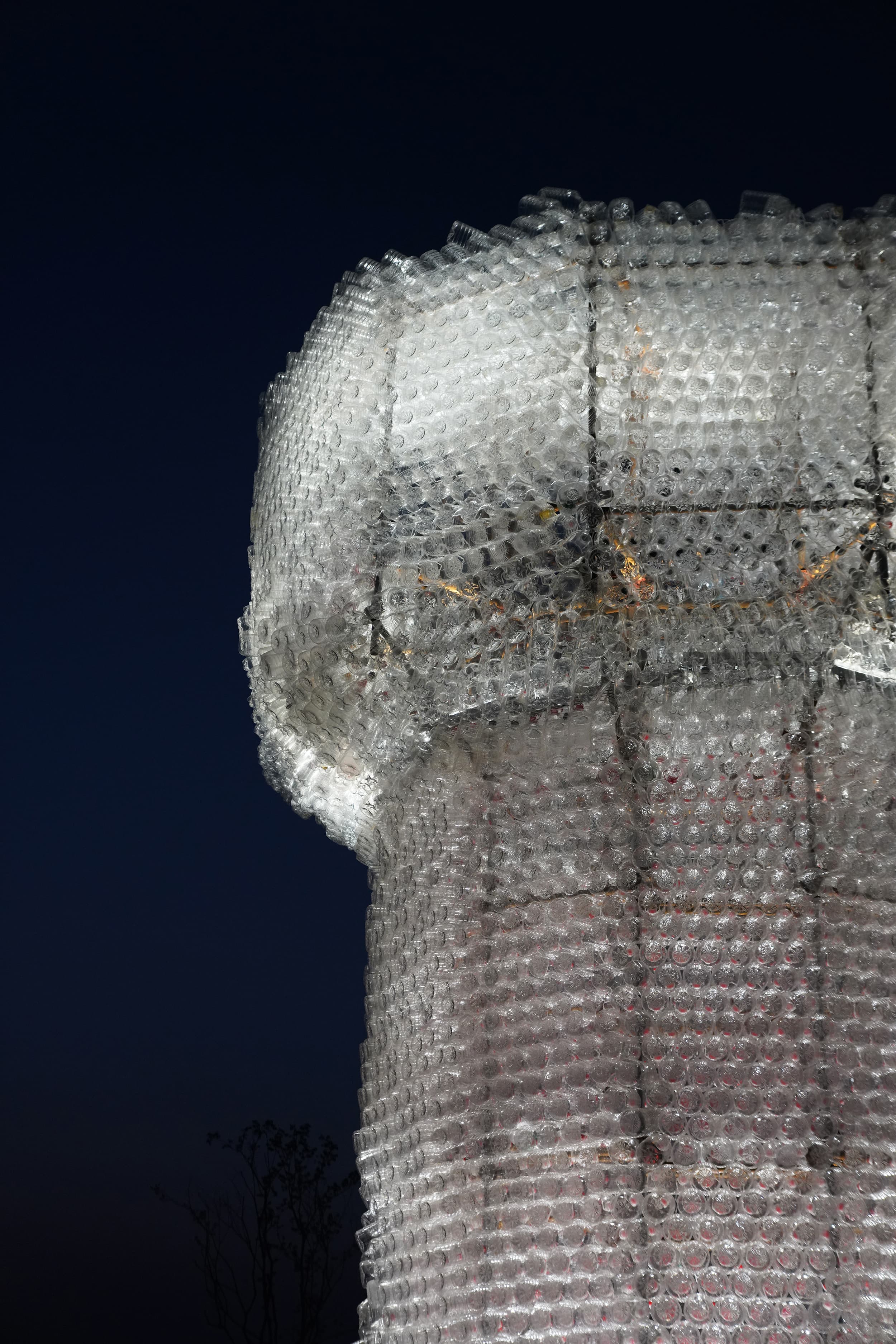
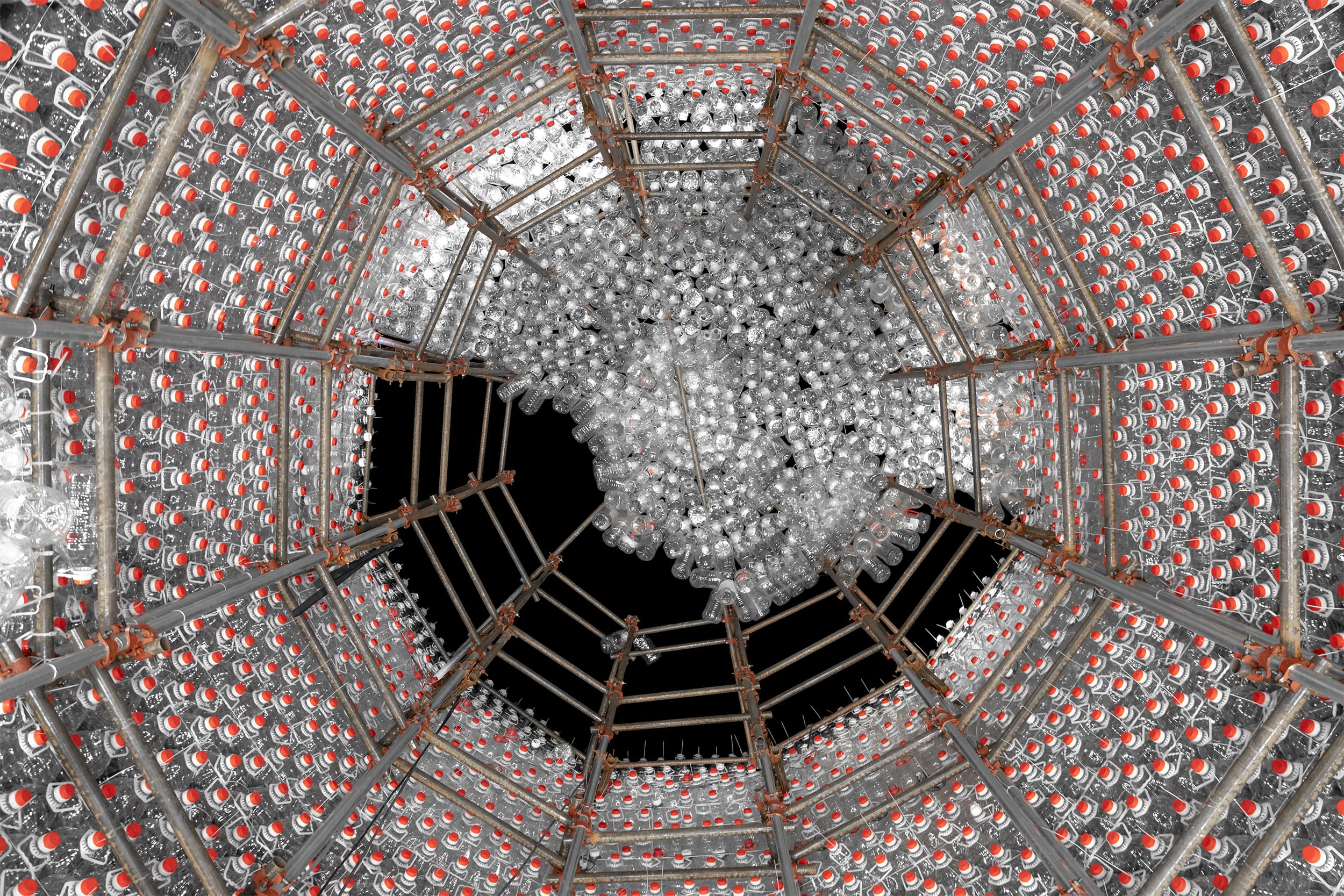
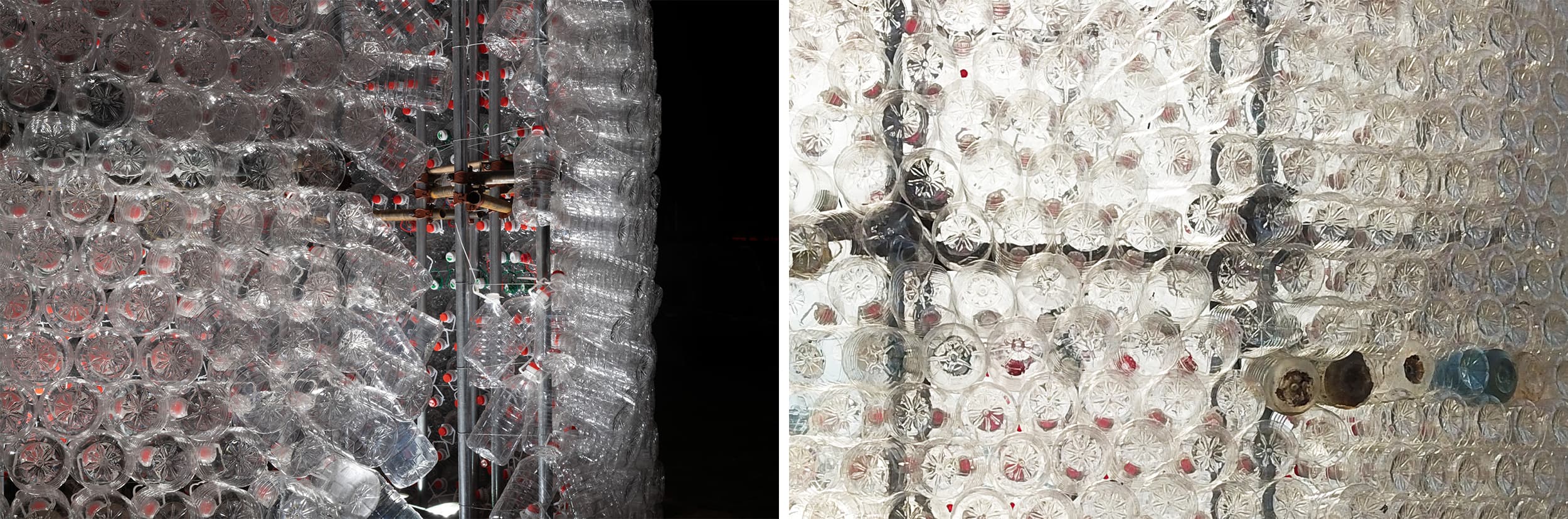
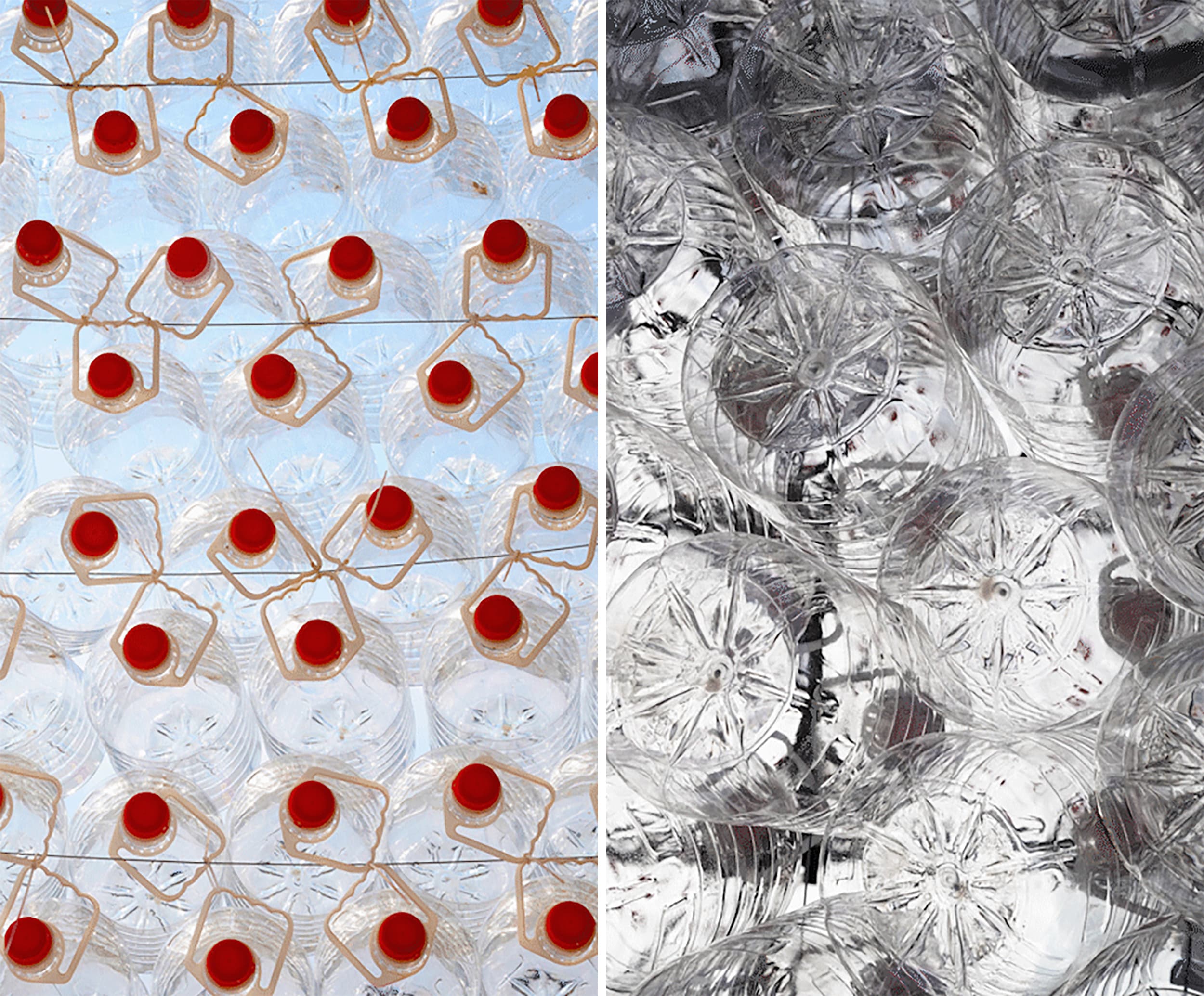
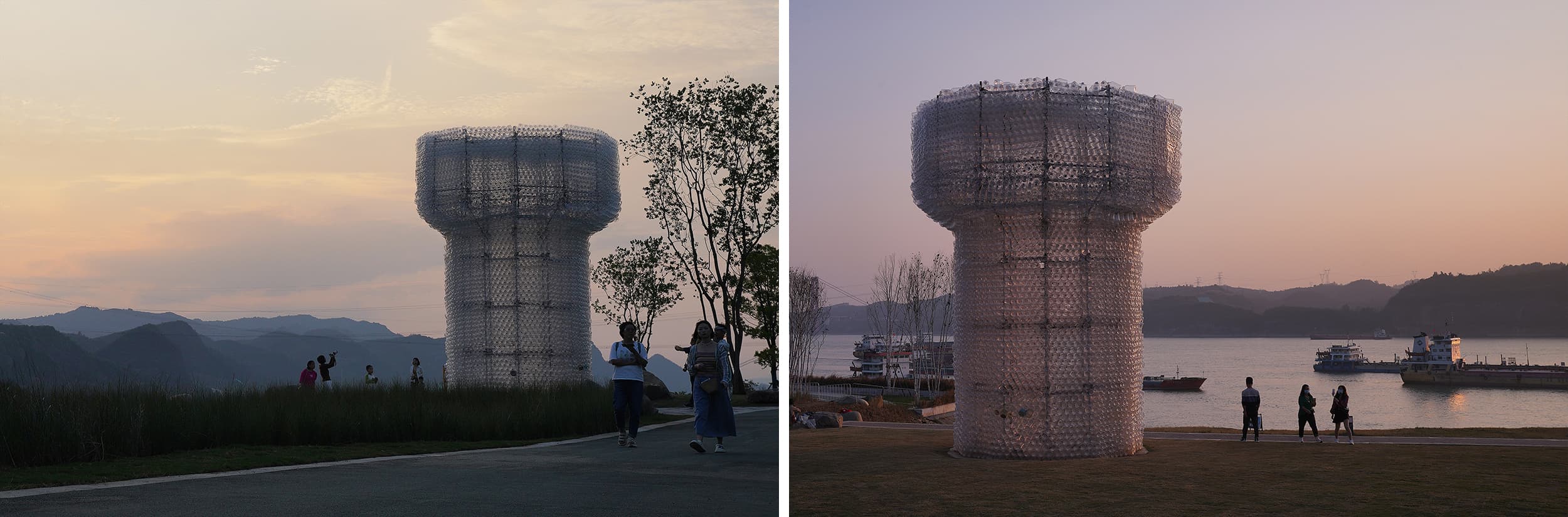
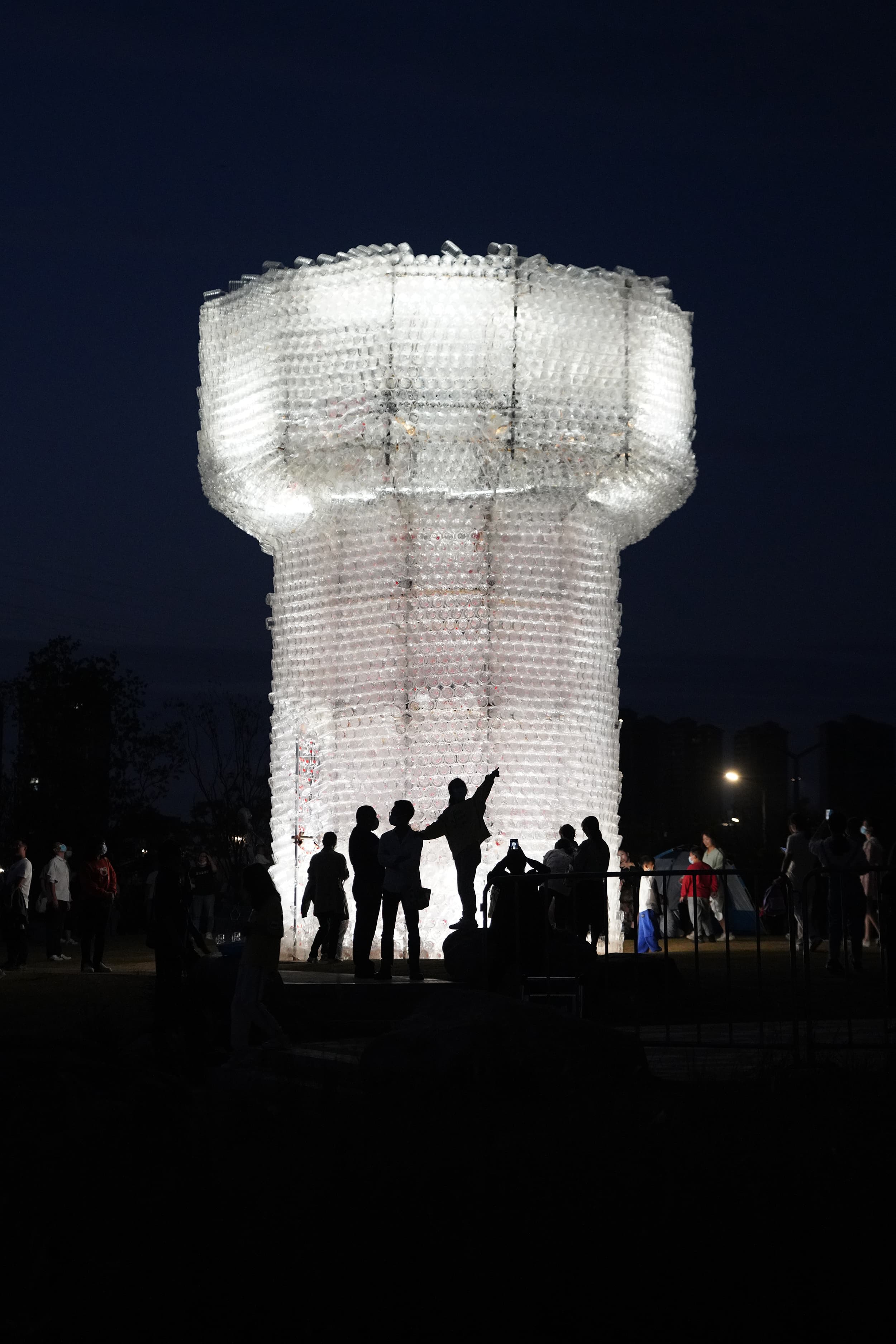
Water Tower is a public installation situated along the Yangtze River in Yichang. Across the Three Gorges Reservoir Area, we collected discarded mineral water and beverage bottles, using these abandoned vessels to construct a full‑scale water tower.
A conventional water tower serves as civic infrastructure for storing and delivering drinking water, underpinning urban daily operations. This tower, however, is built from the remains of countless water containers. It still holds the memory of water, yet its structure itself is a discarded husk left by consumer culture.
The work offers a circular articulation of waste materials and, more importantly, a counter‑narrative that directly confronts consumer society. Rather than evading the stark tensions between resource depletion and ecological harm, it objectifies and amplifies these conflicts. It does not glorify consumer civilisation, but lays bare the material ruins left by rampant consumption. It delivers profound reflection and urgent warning regarding extractive economic growth, resource exhaustion and biodiversity loss.
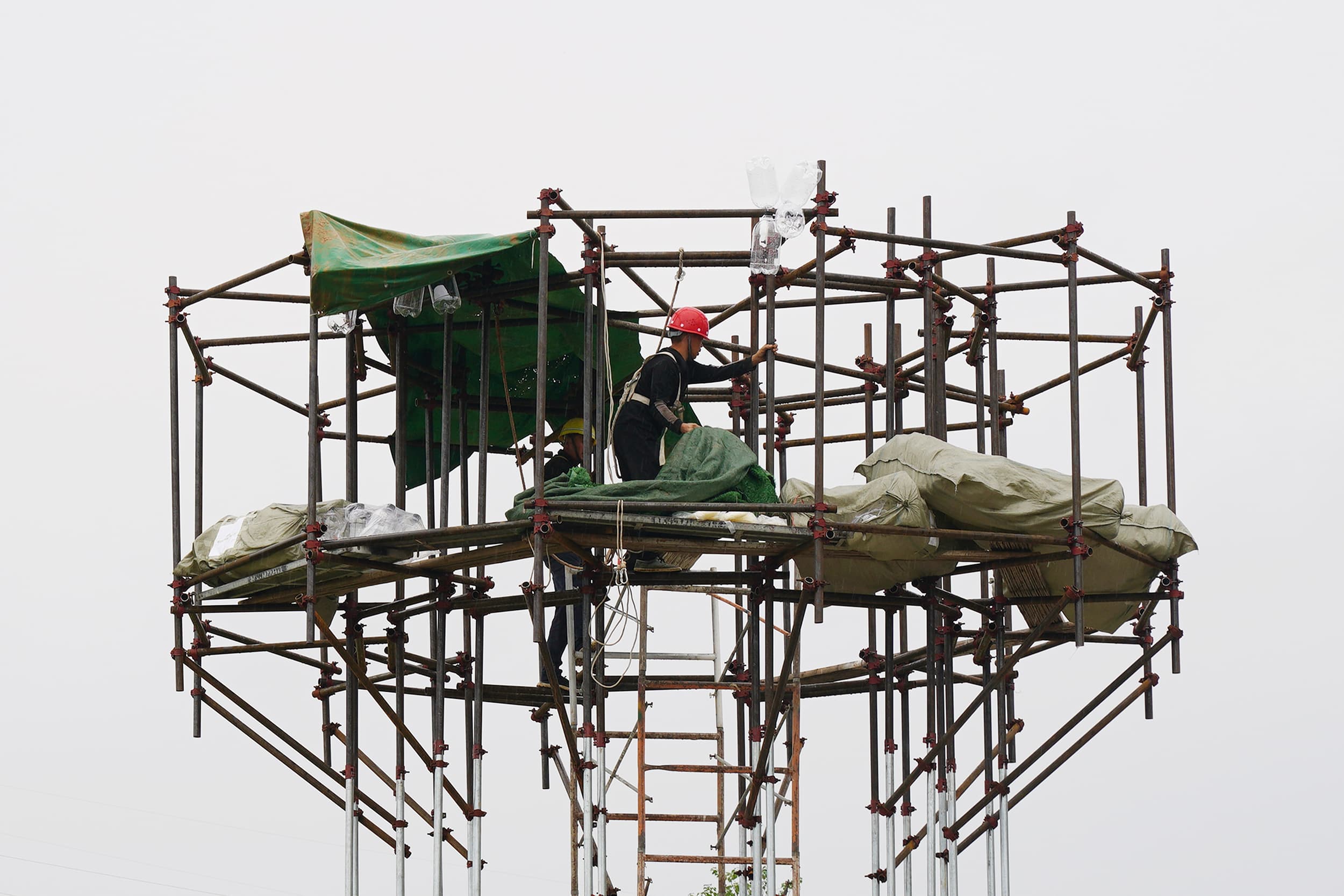
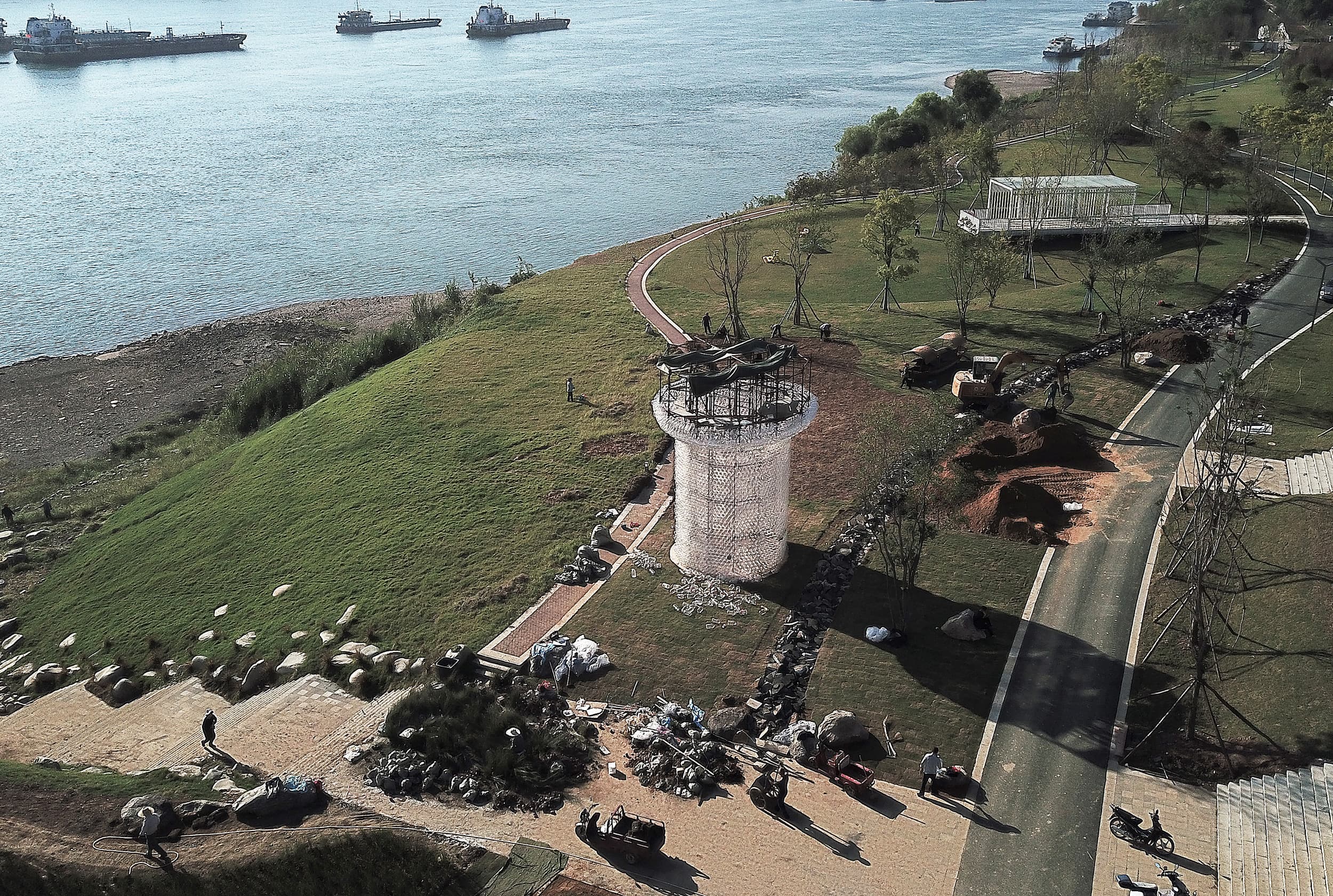
The Yangtze River Basin constitutes a strategic lifeline for the Chinese nation. Locating this work on its banks is no coincidence. Water and plastic, life and waste confront and coexist here, embedding artistic practice within the broader mission of Yangtze River protection and sustainable ecological stewardship.
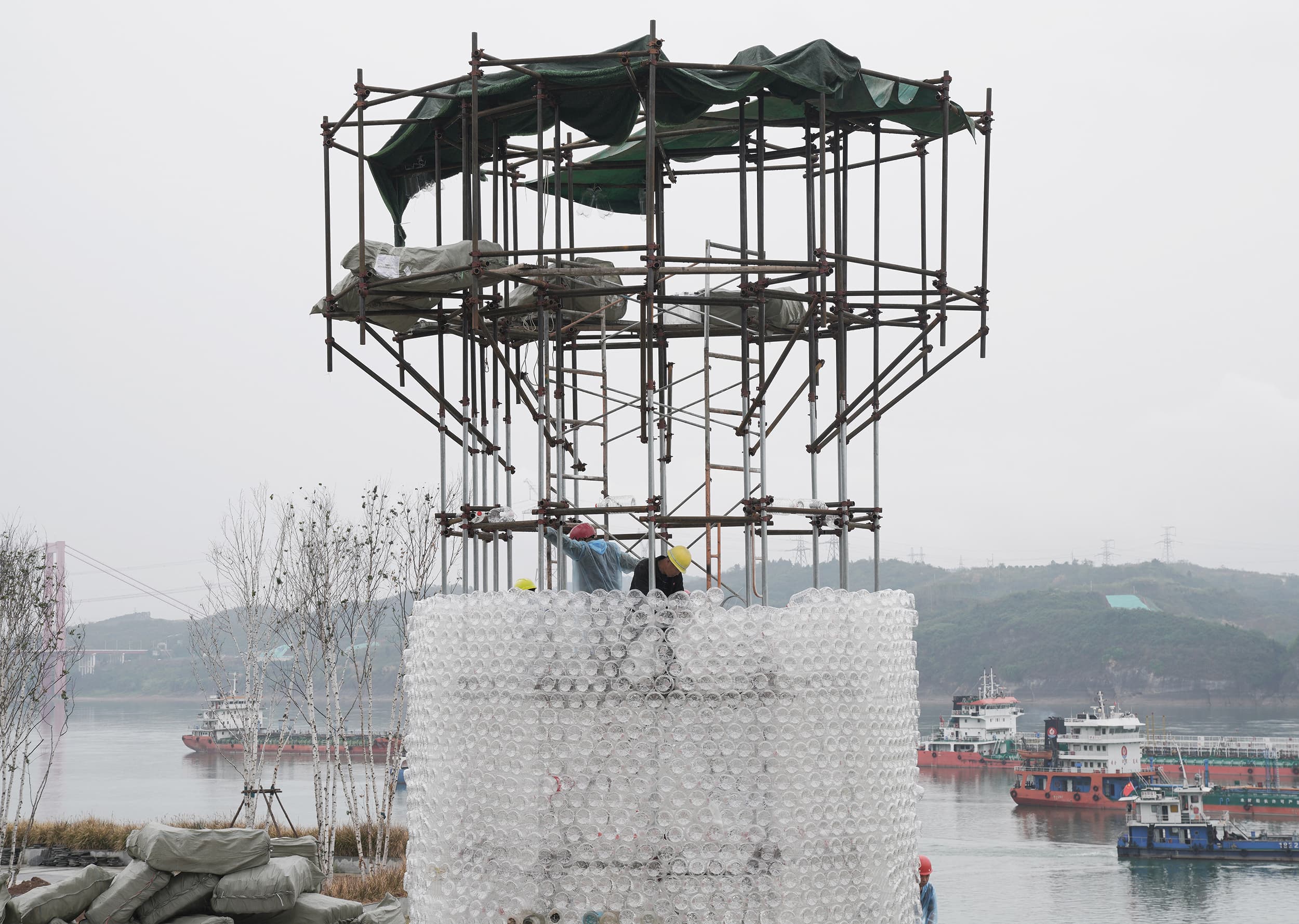
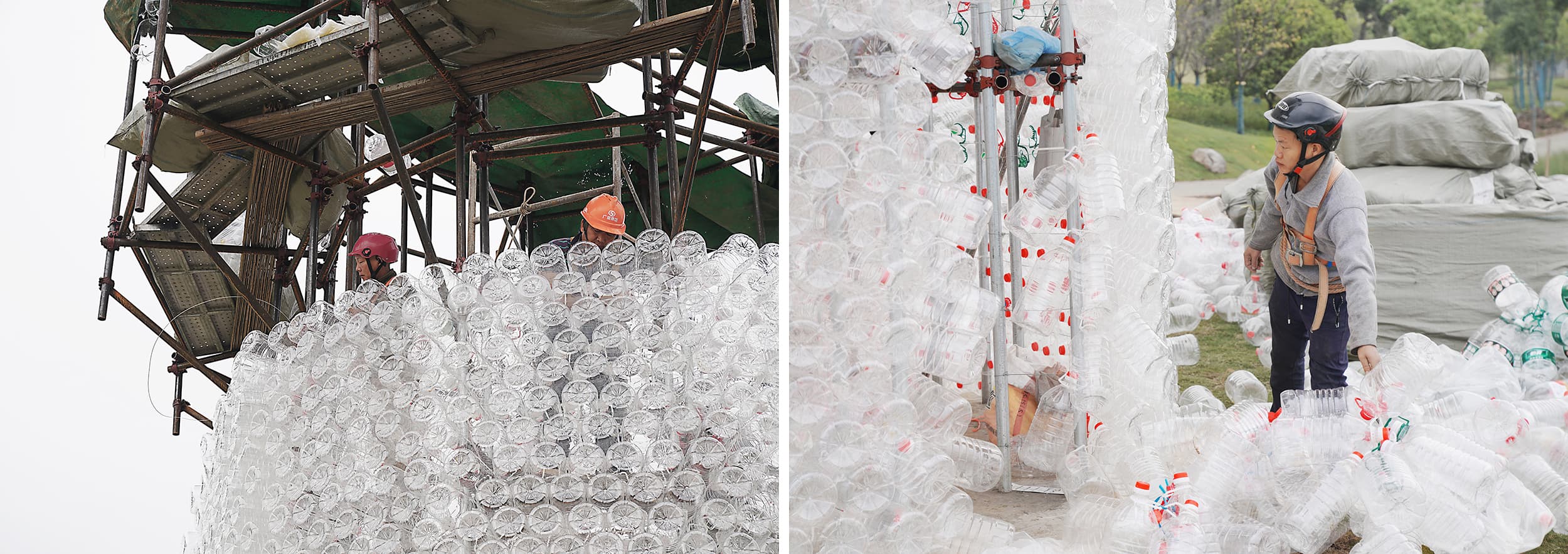
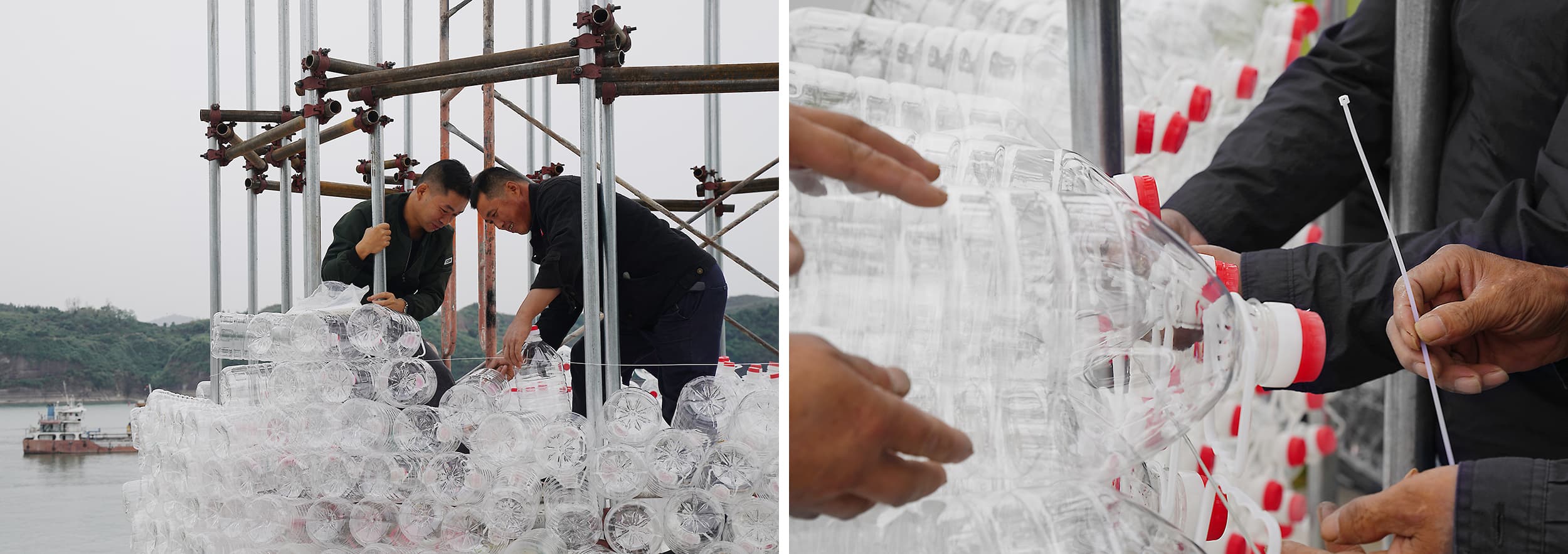
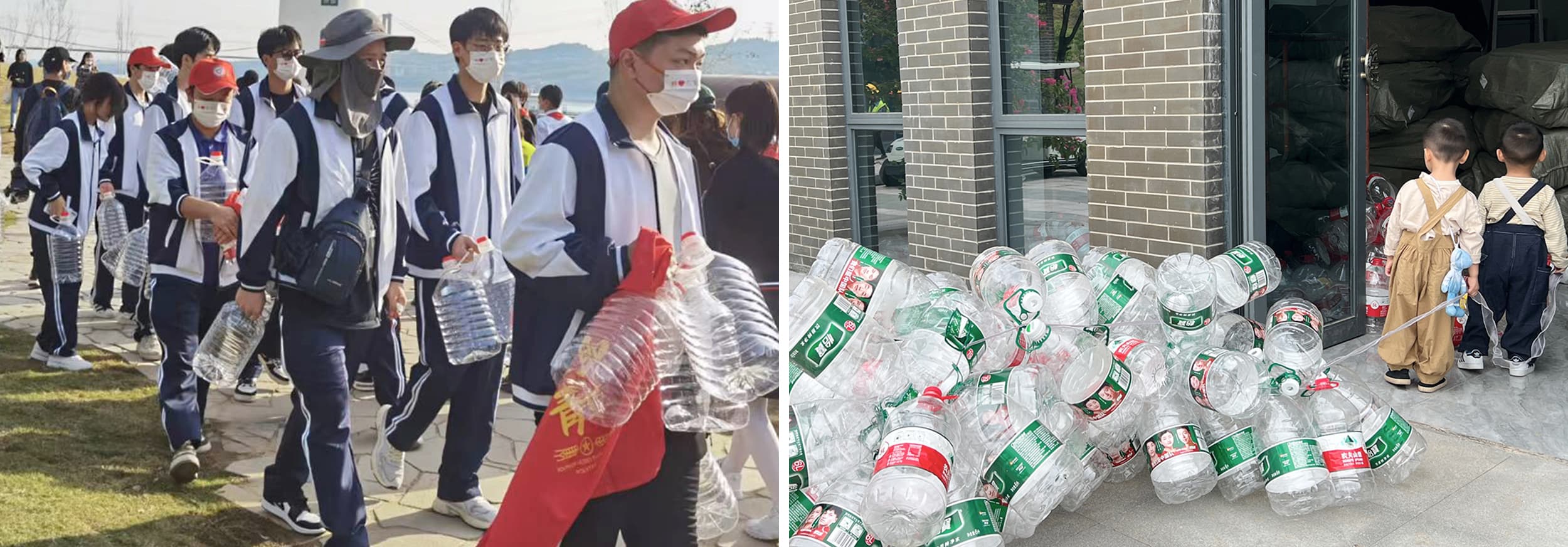
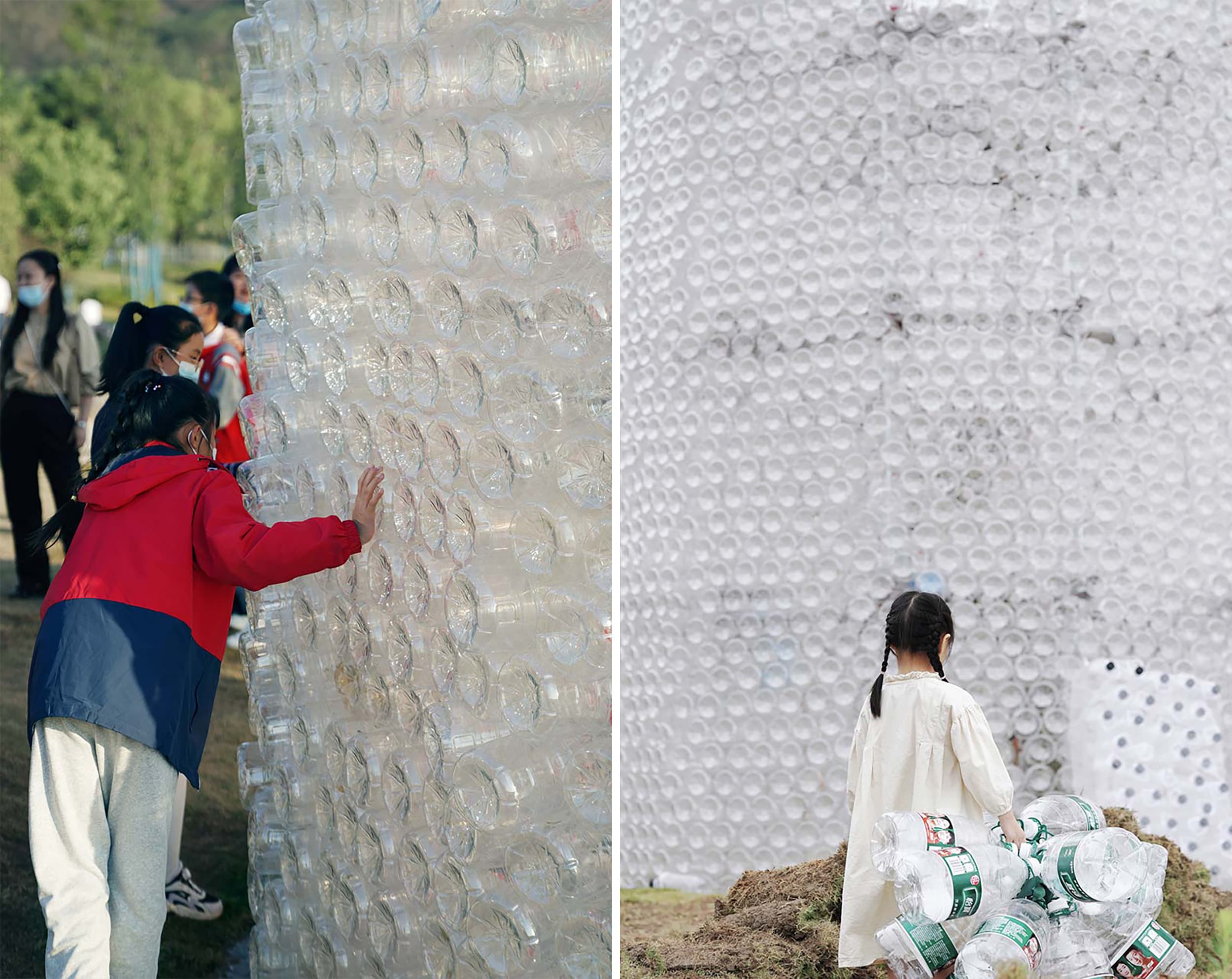
Water Tower is not a solitary artistic statement. We launched a public call across the Three Gorges communities to collect 6,000 plastic bottles of 4.5–5 litres, inviting residents to gather, donate and collaboratively build the installation. The entire process became a participatory collective creation and an open ecological education for the public.
Change begins with the “nearby”. By re‑examining ordinary everyday objects, tracing the full lifecycle of a mineral water bottle — from production, filling and transport to purchase, consumption and disposal — we recognise the interconnected resources, energy, labour, capital and ecology embedded within every consumer good. Only by acknowledging this complete chain can we re‑understand humanity’s relationship with nature, and consumption’s relationship with symbiosis.
Sustainability offers no simple black‑and‑white solutions. Individual livelihoods and ecological stewardship constantly collide and require balance. We pursue reconciliation amid tension, coordination amid contradiction, and build shared responsibility through collective action. Connection and collaboration among ordinary people form the most resilient foundation for sustainable practice.
Achieving a sustainable world demands profound transformation in production systems, lifestyles and development models. All meaningful change begins with reshaping values and consumption mindsets.
The water tower will not stand indefinitely. Its plastic components will eventually degrade, fade and be dismantled. This temporary installation will leave no permanent material relic, yet it will plant seeds of ecological symbiosis within the bond between people and their land.
Project Director: Xu Gang
Taking the public installation Water Tower as the subject, this project explores the ecological narrative of consumer culture, waste circulation and public collective participation.

- Contact
+8620 8977 0506
- Press
press@bentudesign.com
- Enquiry & Sales
info@bentudesign.com