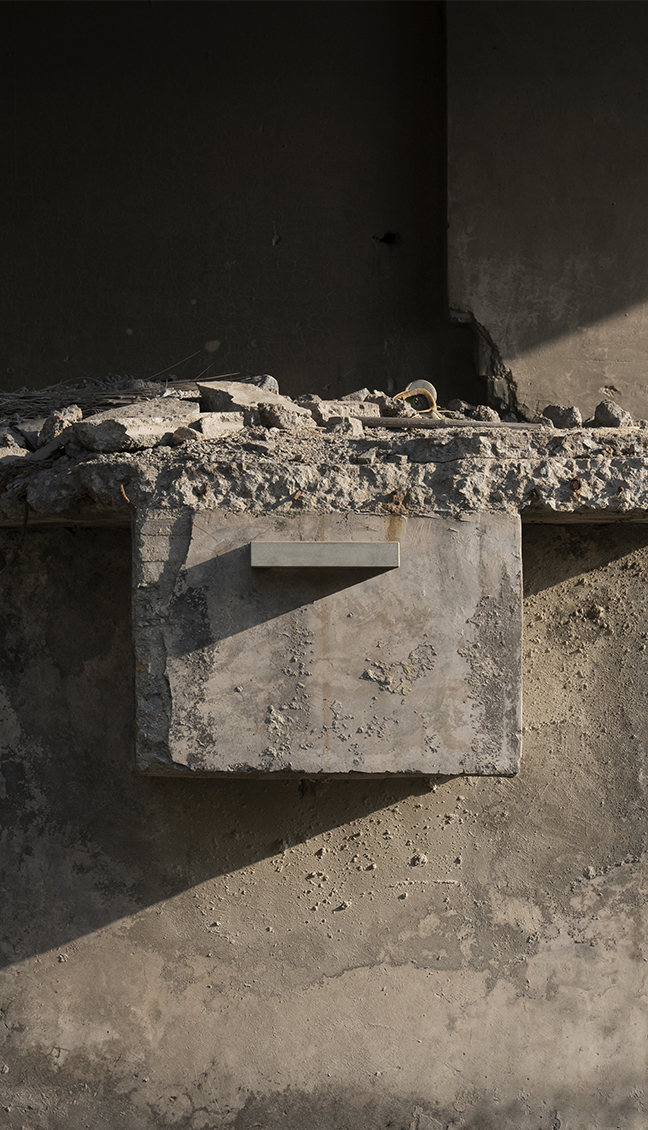


Lian: Phosphogypsum as Narrative in Urban Public Spaces
Time: June 2023
Location: Yichang, Hubei, China
For every tonne of phosphoric acid produced, approximately five tonnes of phosphogypsum are generated. As an industrial by‑product, phosphogypsum has long been neglected and discarded. Its main component is calcium sulfate dihydrate, mixed with phosphate ore, phosphoric acid, fluorides, and organic impurities. China is the world’s largest producer of phosphate fertilizers, and its phosphogypsum output ranks highest worldwide.
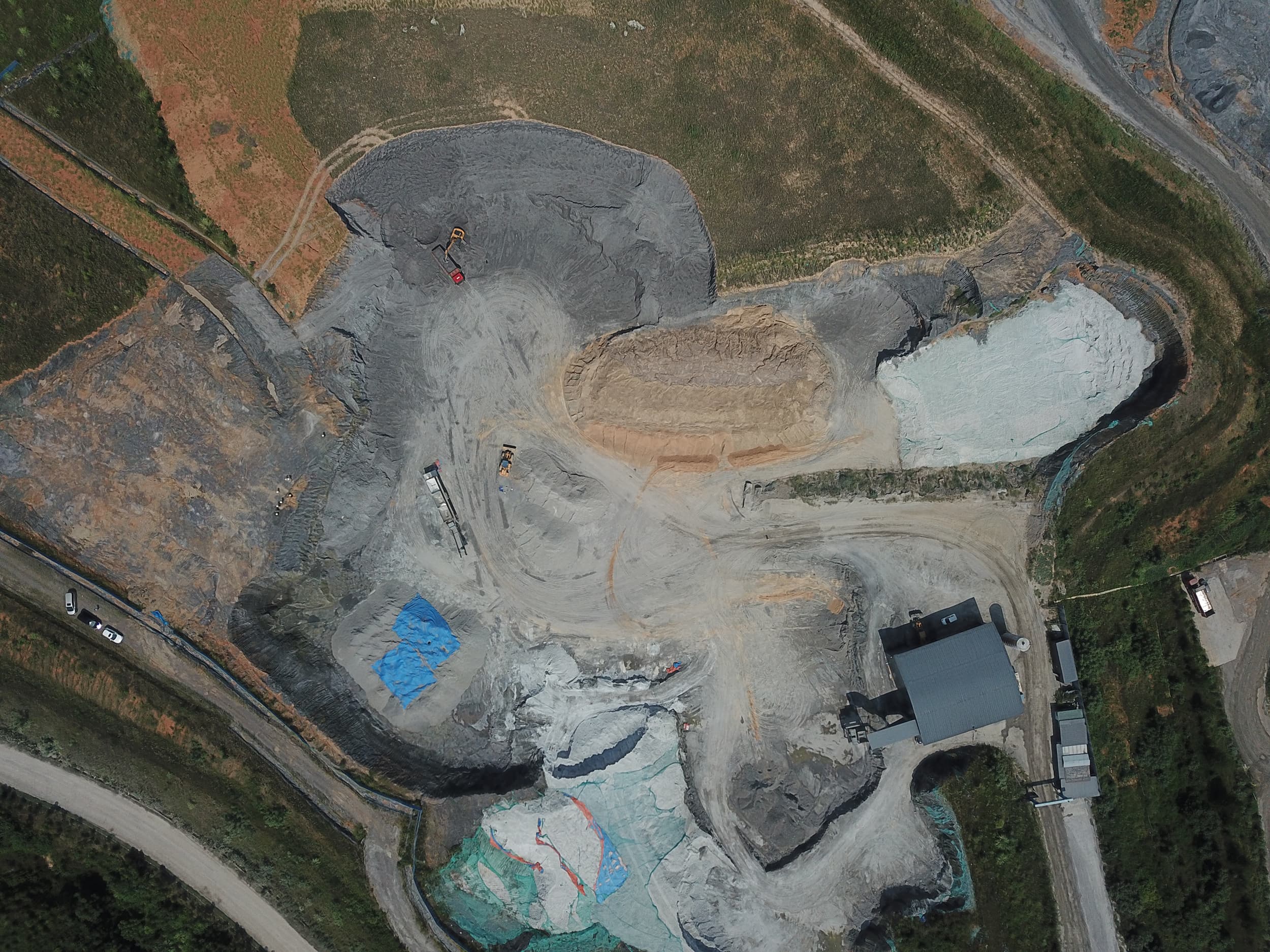
When large quantities of phosphogypsum are stockpiled without proper management, rainwater leaching carries soluble phosphorus, fluorides, and heavy metals into soil and water, creating long‑term, cumulative pollution risks for regional ecosystems. The problem lies not only in environmental damage, but also in wasted value. When phosphogypsum is simply defined as waste, its potential as an engineering cementitious material is overlooked. Resource utilization thus becomes an unavoidable issue for urban governance.
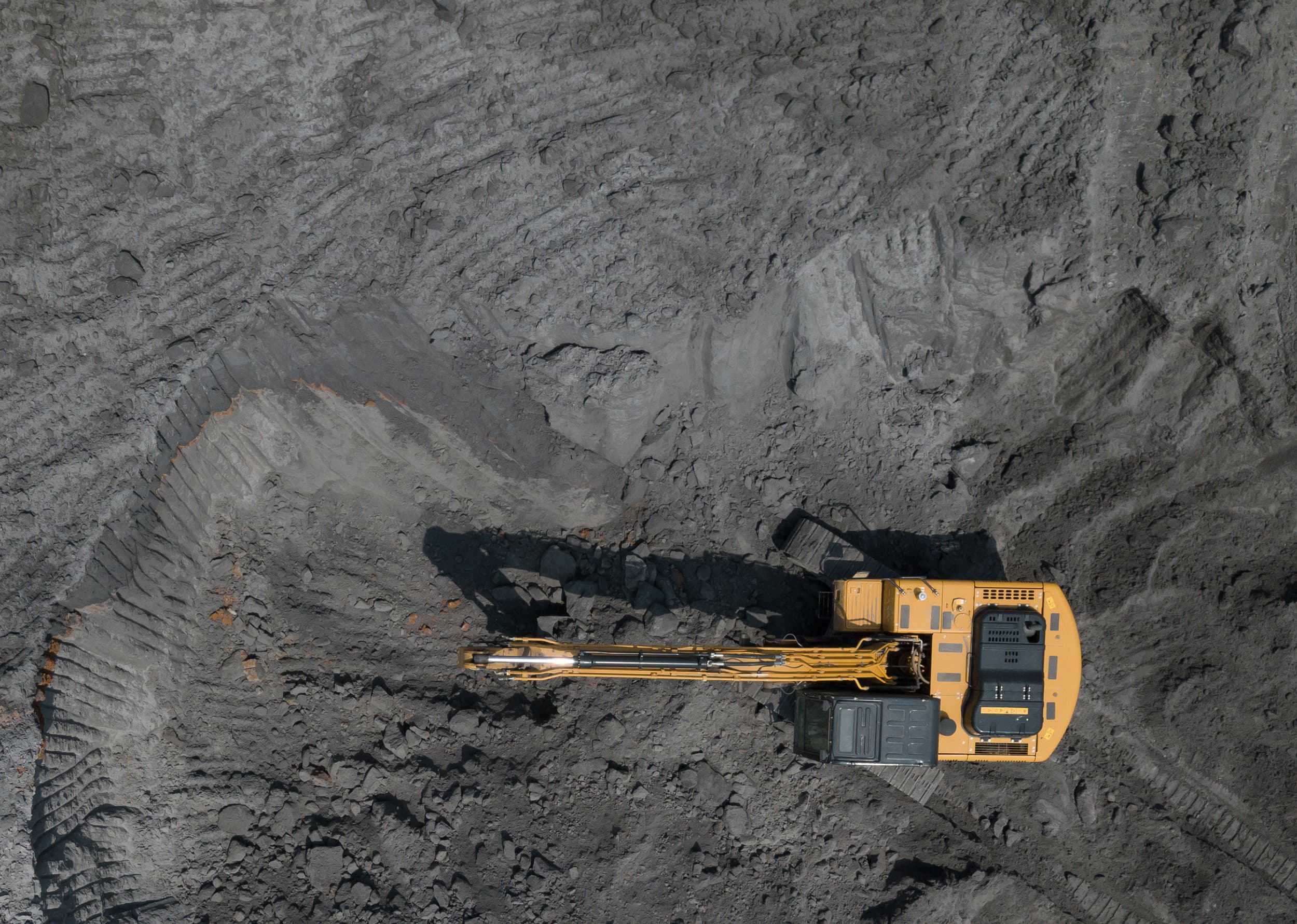
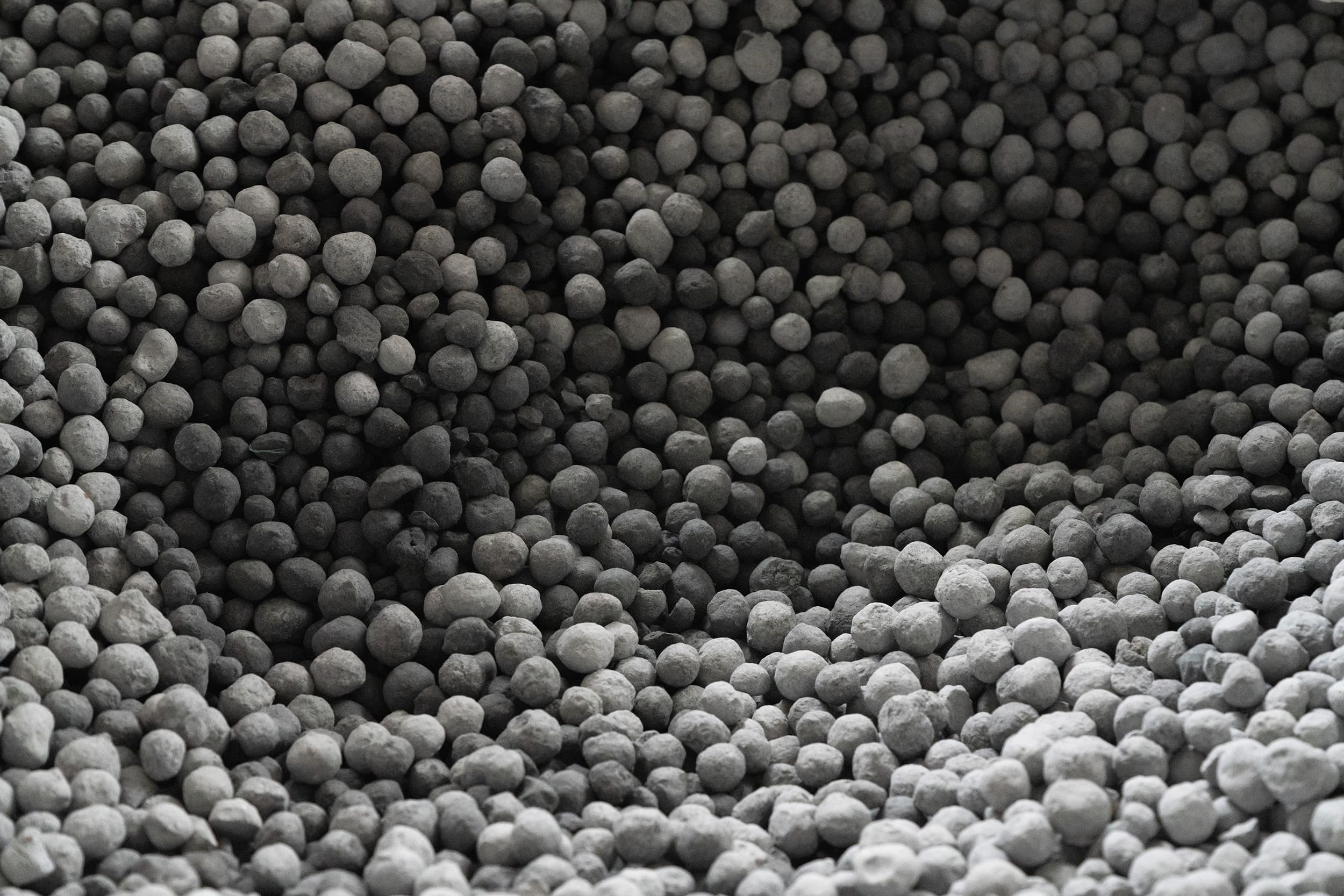
Yichang, located in the Three Gorges Reservoir Area of the Yangtze River, is a core phosphorus‑rich zone in the Yangtze River Basin. Its phosphate reserves account for roughly 15% of China’s total and over 50% of Hubei Province’s. This resource abundance has, however, imposed a heavy environmental liability on the city. Current local phosphogypsum stockpiles stand at around 97 million tonnes, with more than 10 million tonnes added annually.
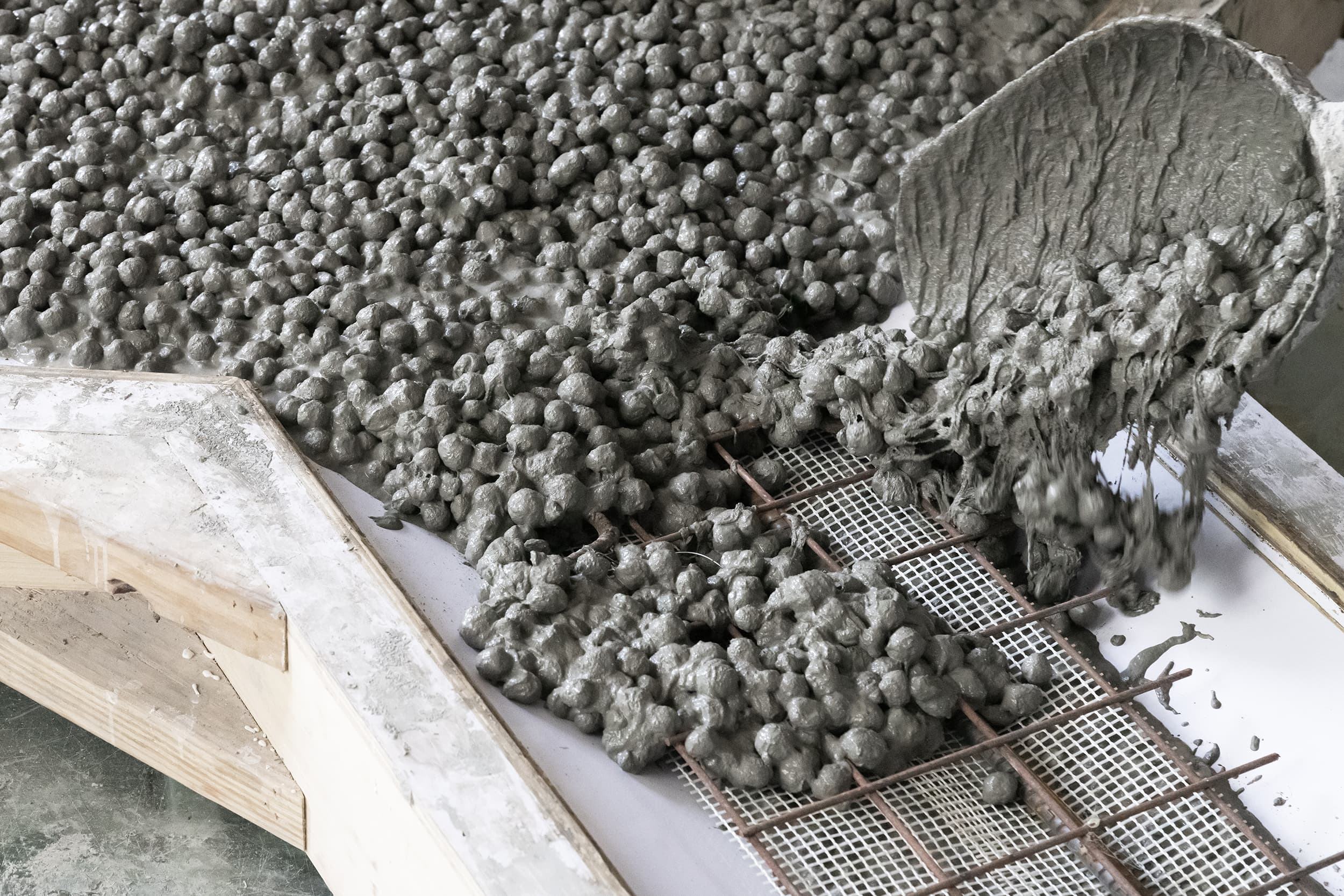
Under the national strategy of Yangtze River Protection, phosphogypsum around the reservoir area is no longer merely industrial solid waste; it poses a critical ecological hazard to upstream water systems. Its disposal and utilization directly affect basin‑wide ecological security, extending far beyond municipal governance boundaries.
From an alternative perspective, nearly 100 million tonnes of stockpiled material represents untapped resource reserves. Yichang’s phosphogypsum dilemma embodies two sides of one coin: industrial burden and latent resource. The breakthrough lies in reframing value cognition — moving beyond narrow pollution control to integrate industrial by‑products into urban material cycles, enabling on‑site consumption and regeneration.
Cities converge production and consumption, while concentrating waste at the same time. This makes urban areas both a focal point of environmental challenges and ideal testbeds for the circular economy. Promoting solid‑waste resource utilization ultimately benefits cities themselves.
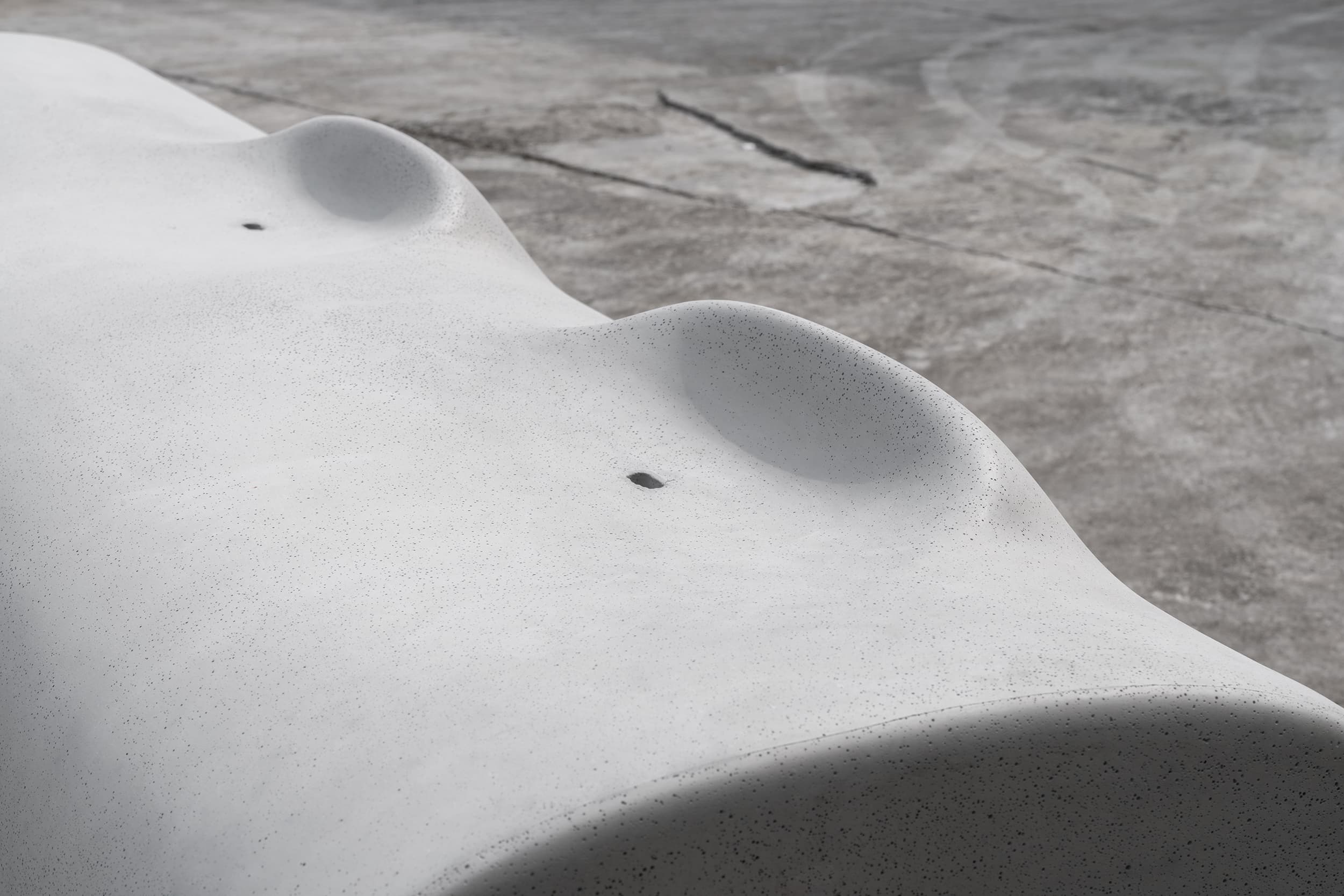
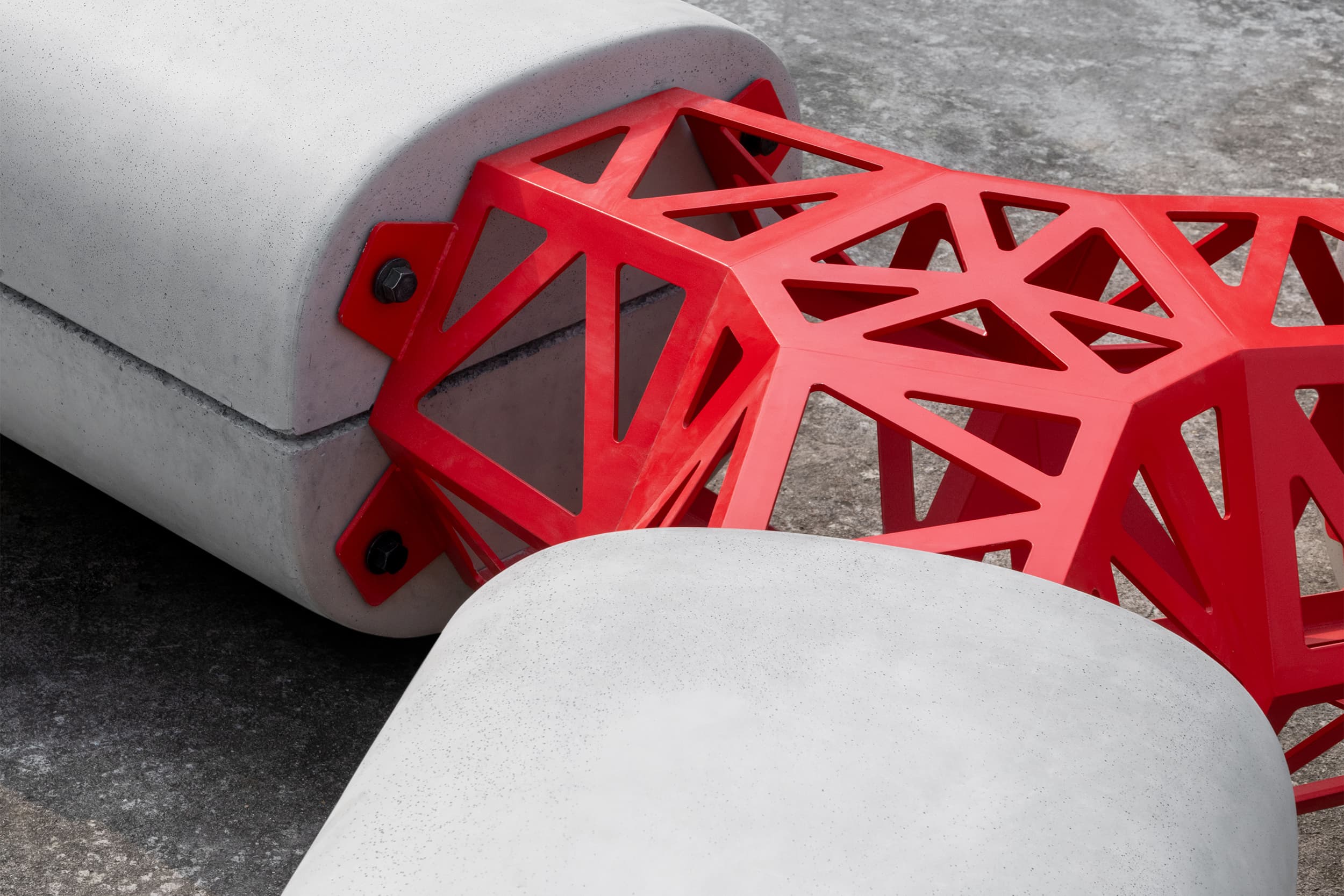
Urban public furniture serves as an ideal medium linking industrial residues to citizens’ daily lives. Benches, railings, paving, and signage form the most immediate urban interfaces. Regenerating local phosphogypsum into public components creates a closed‑loop material system.

First, it enables localized material circulation. Phosphogypsum sheds its identity as waste and remains embedded in the city as public infrastructure, continuously serving local communities.
Second, it conveys urban narratives. Recycled elements become spatial vessels that tell the city’s industrial history, environmental commitments, and green‑transition efforts.
Third, it fosters urban identity. Constructing public spaces from local waste allows residents to directly witness the city’s capacity to confront and resolve its challenges, nurturing deeper belonging.
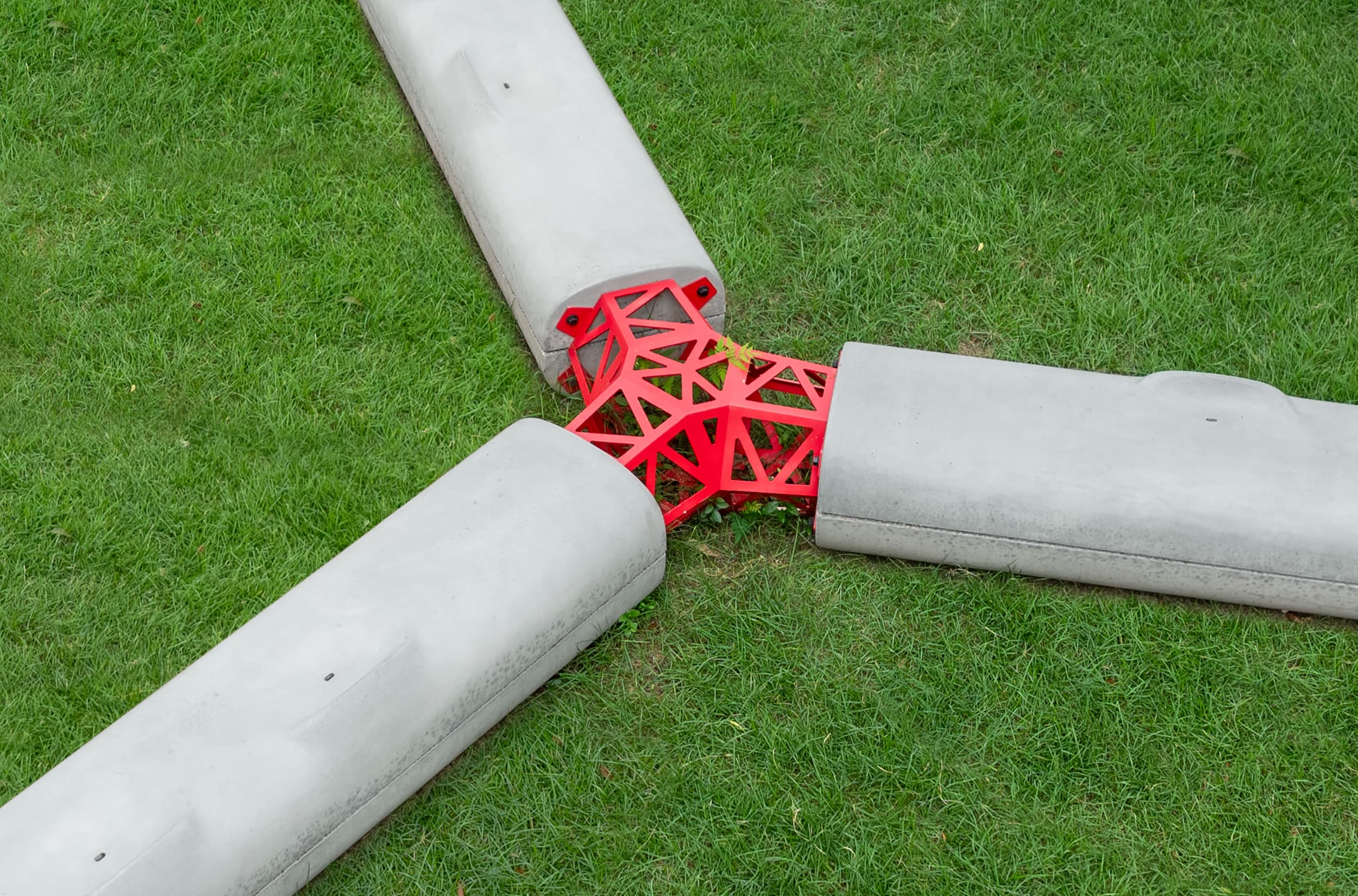
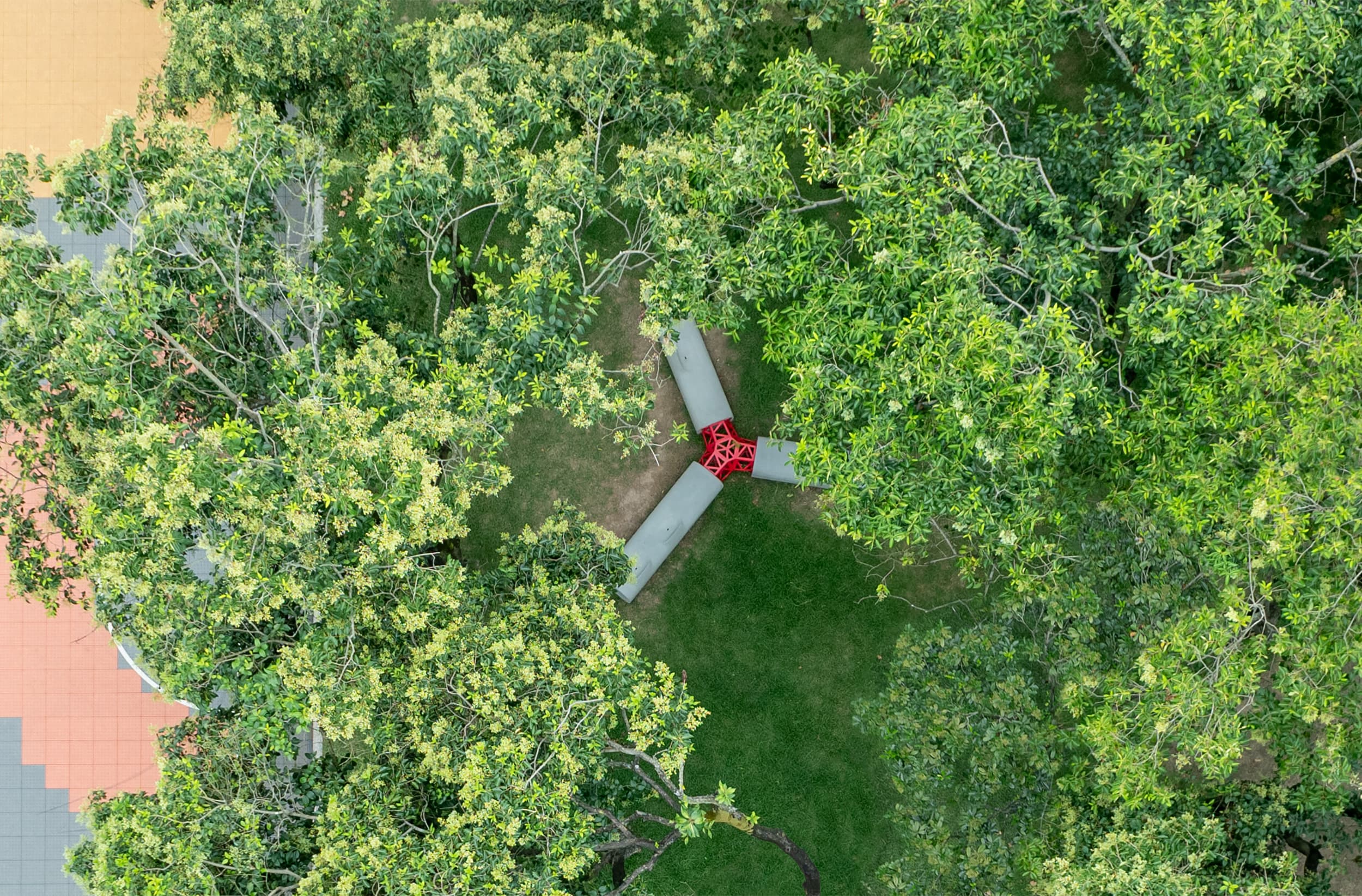
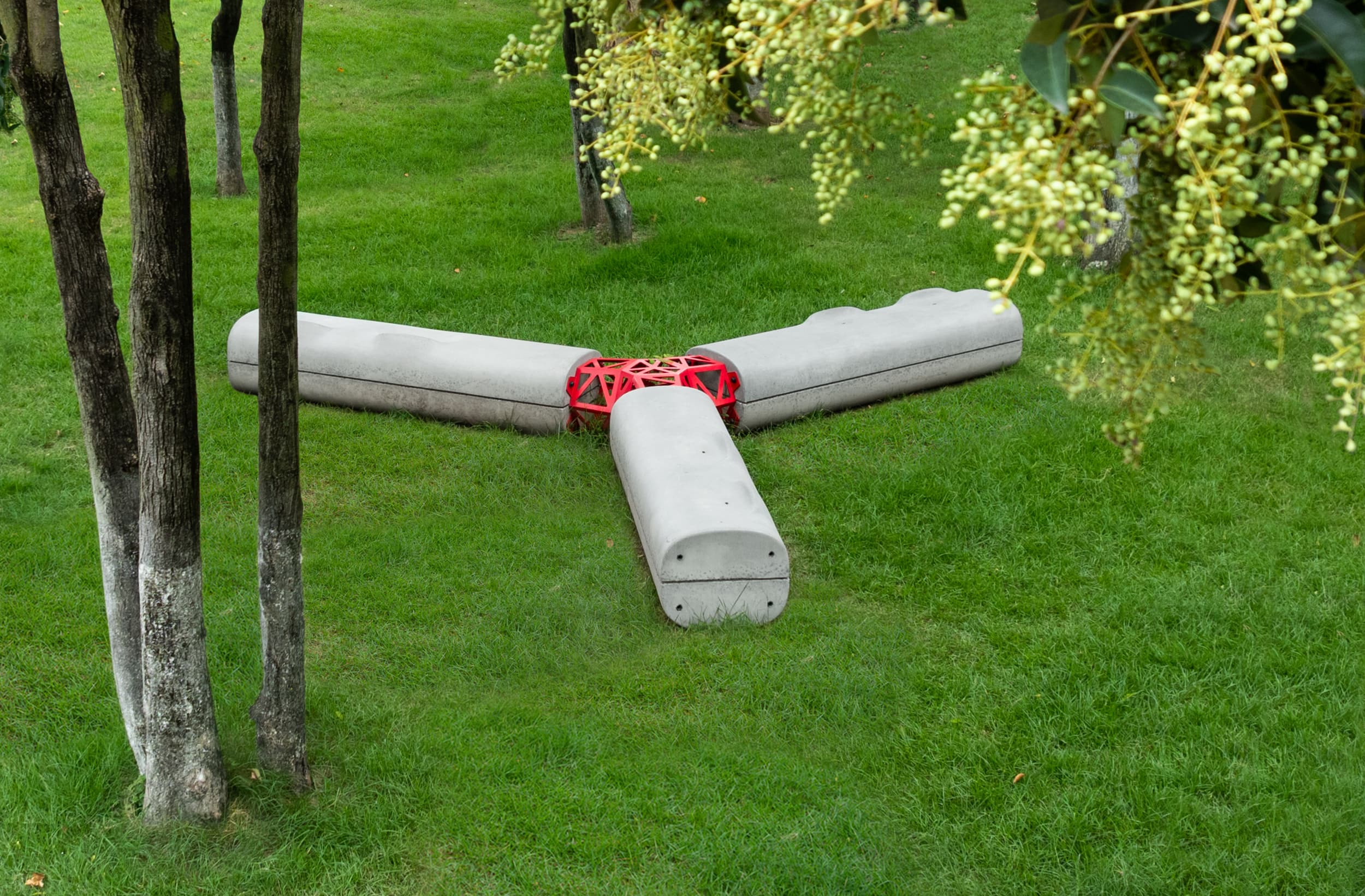
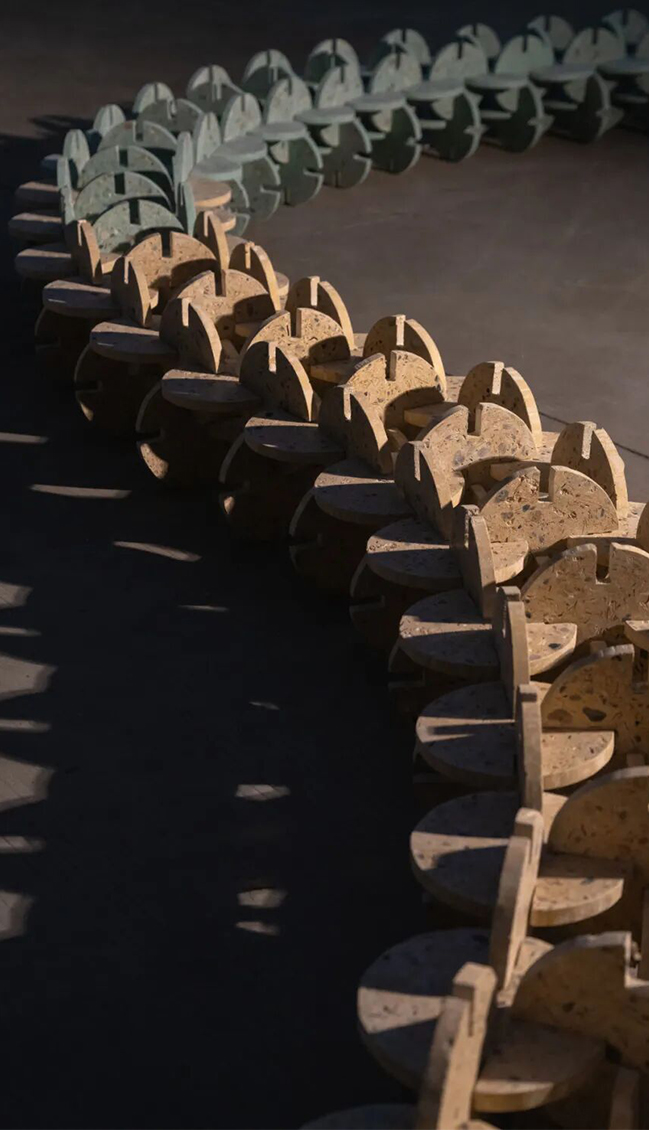
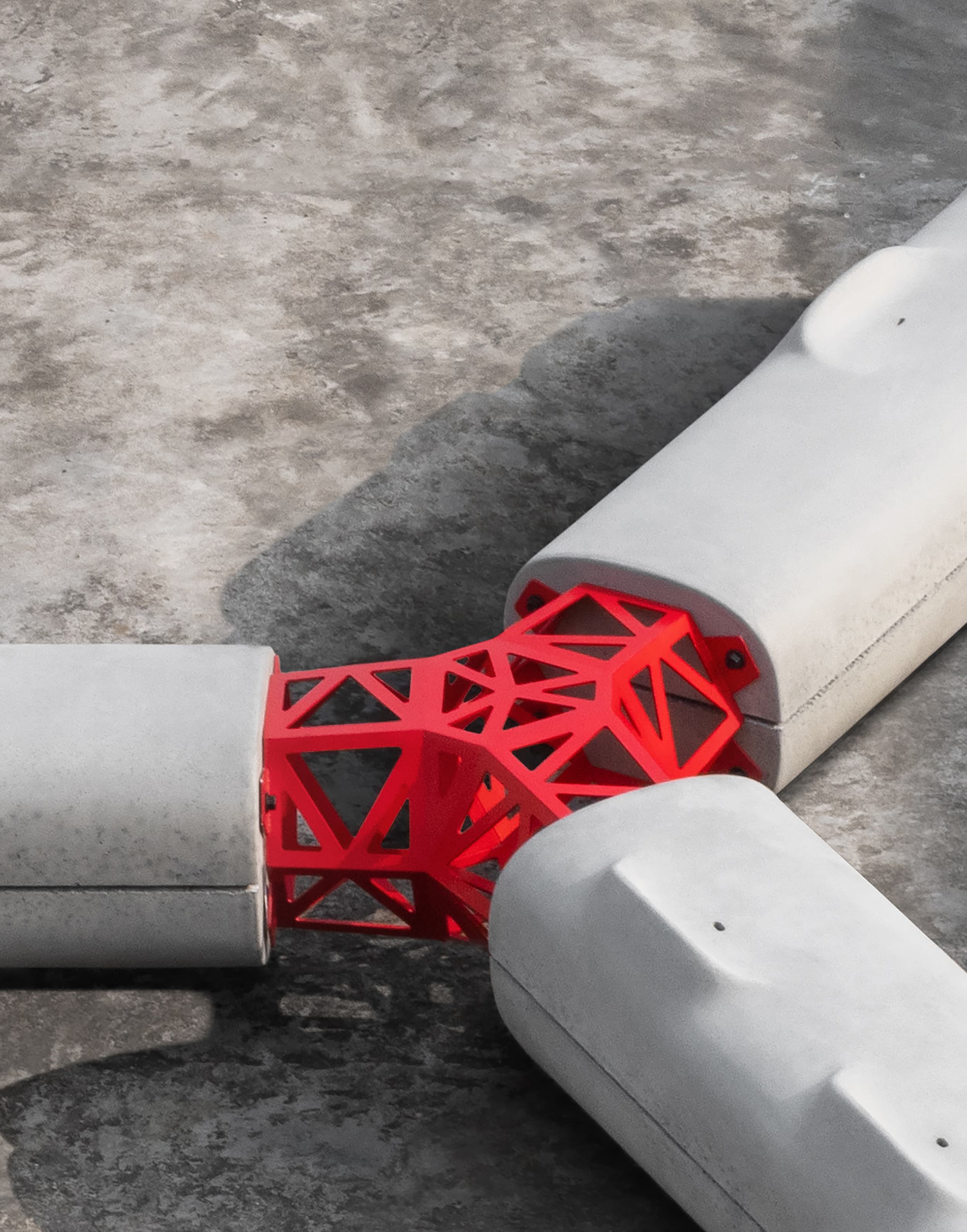
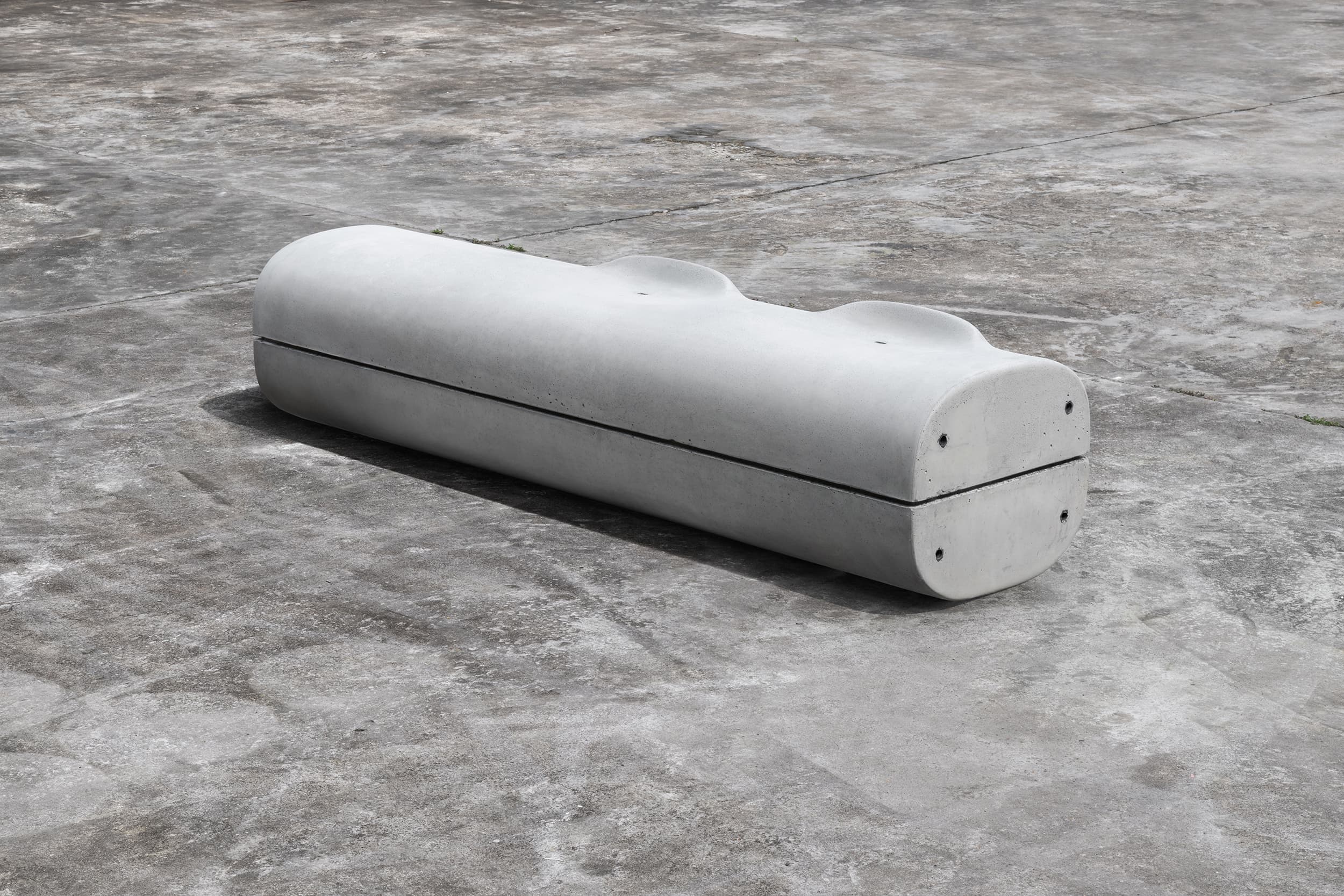
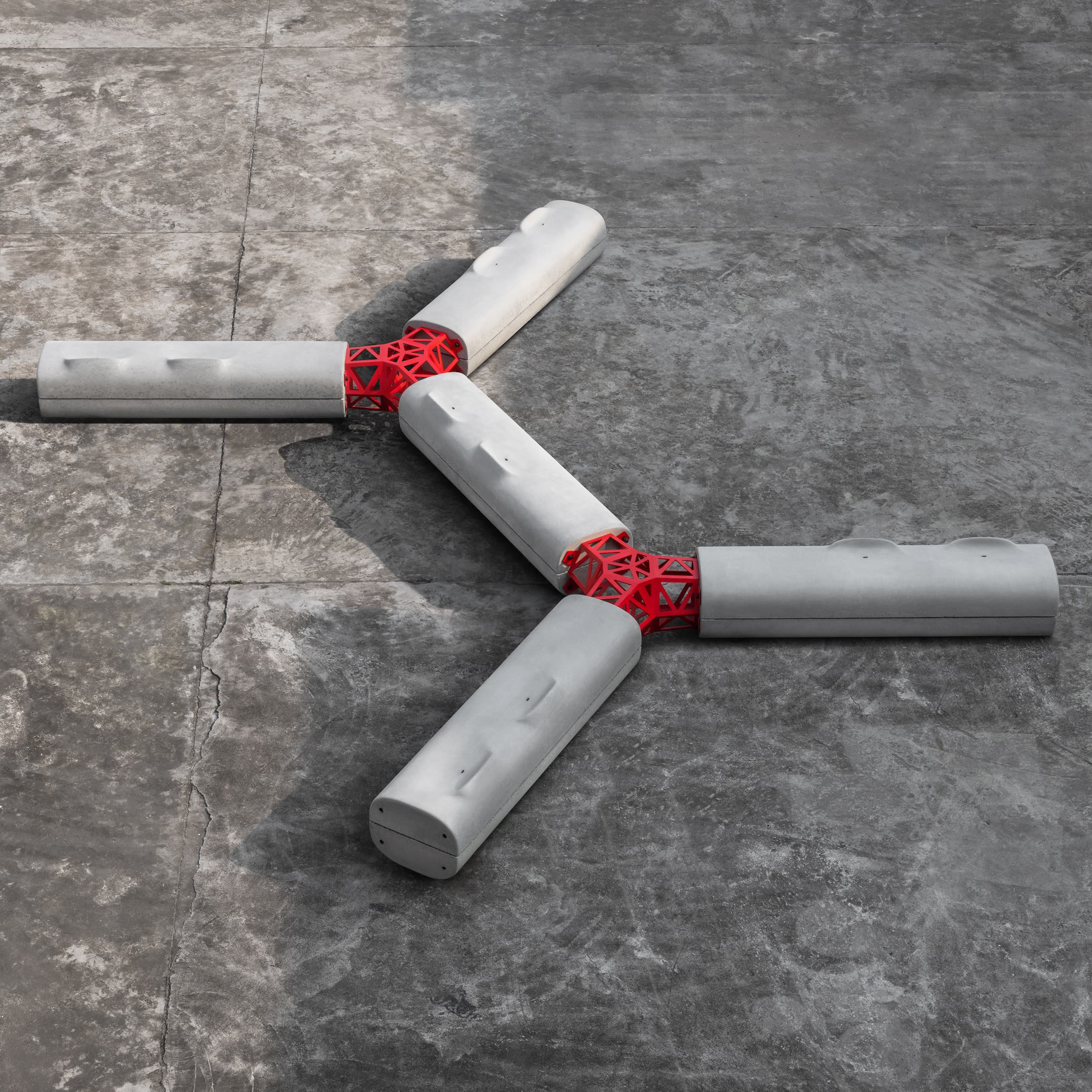
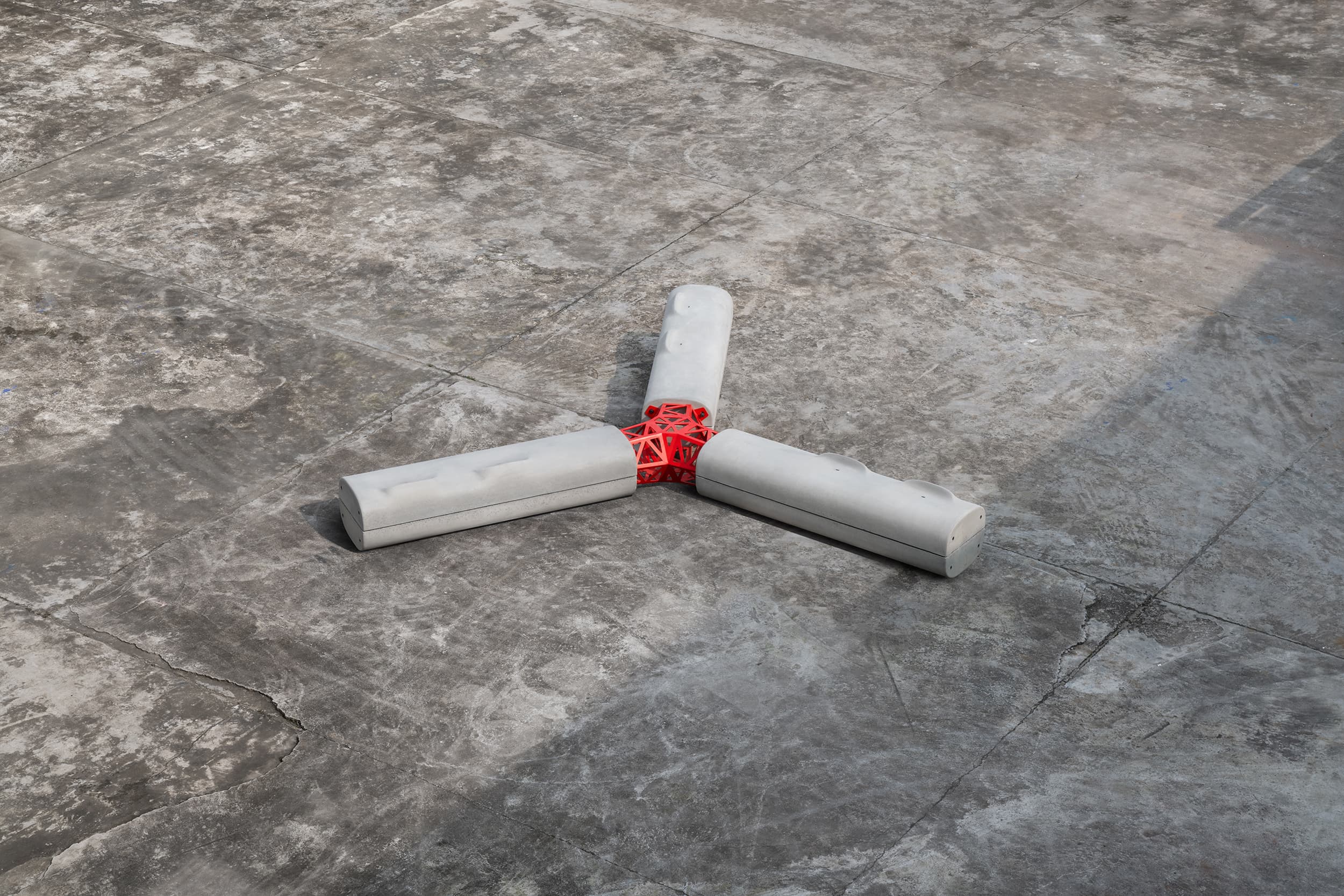
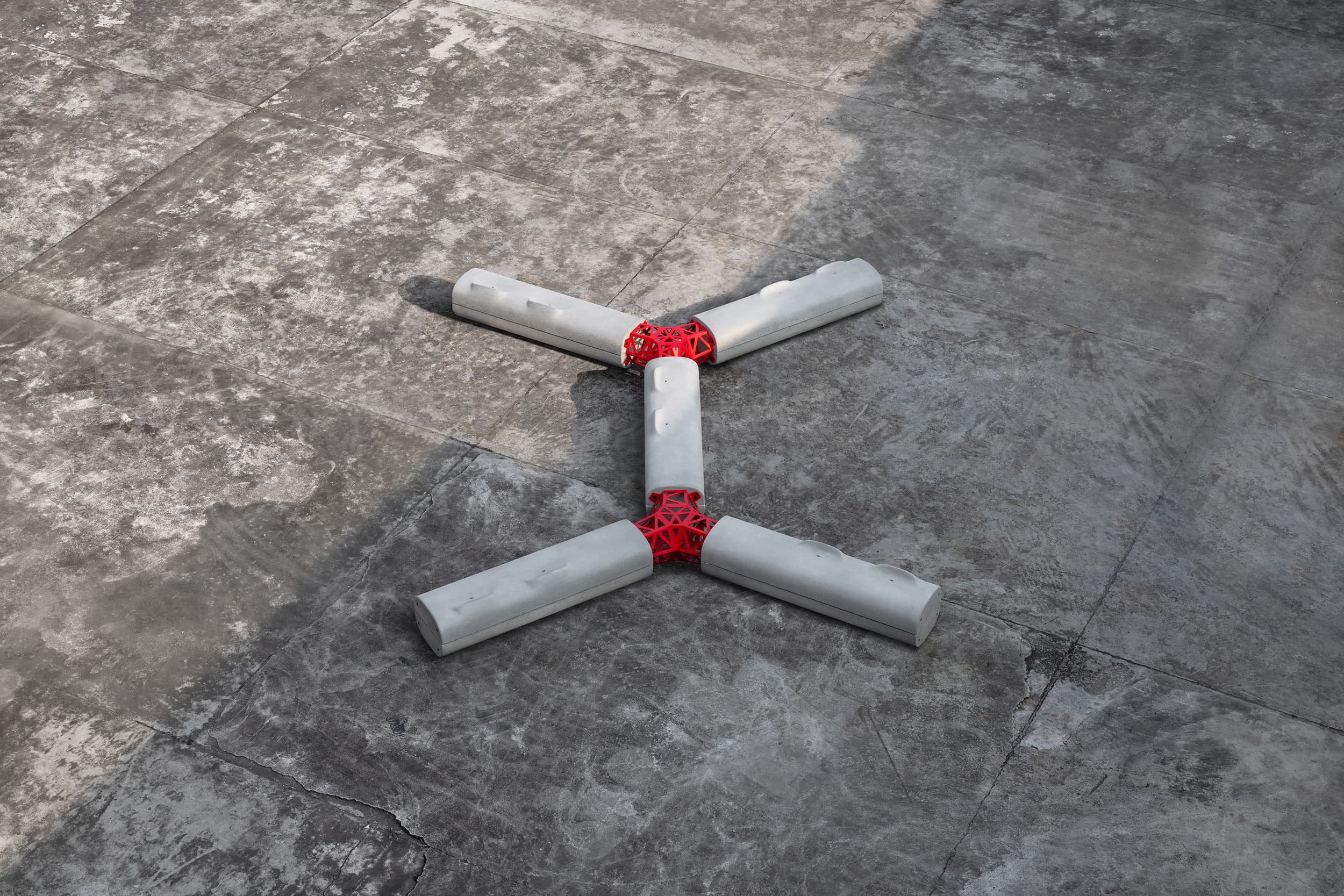
Lian (Connection) is the title of this public furniture project, embodying both physical and spiritual meaning. It denotes both physical modular linkage and profound relational connections: between industrial heritage and urban daily life, between discarded materials and users, and between environmental concerns and public experience.
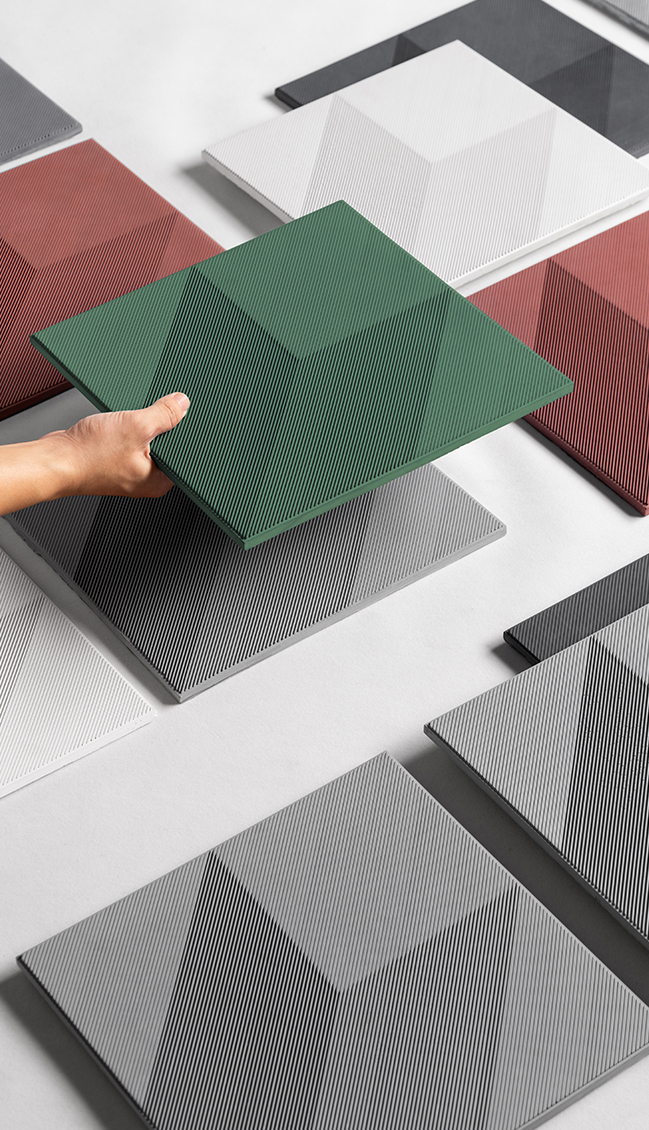
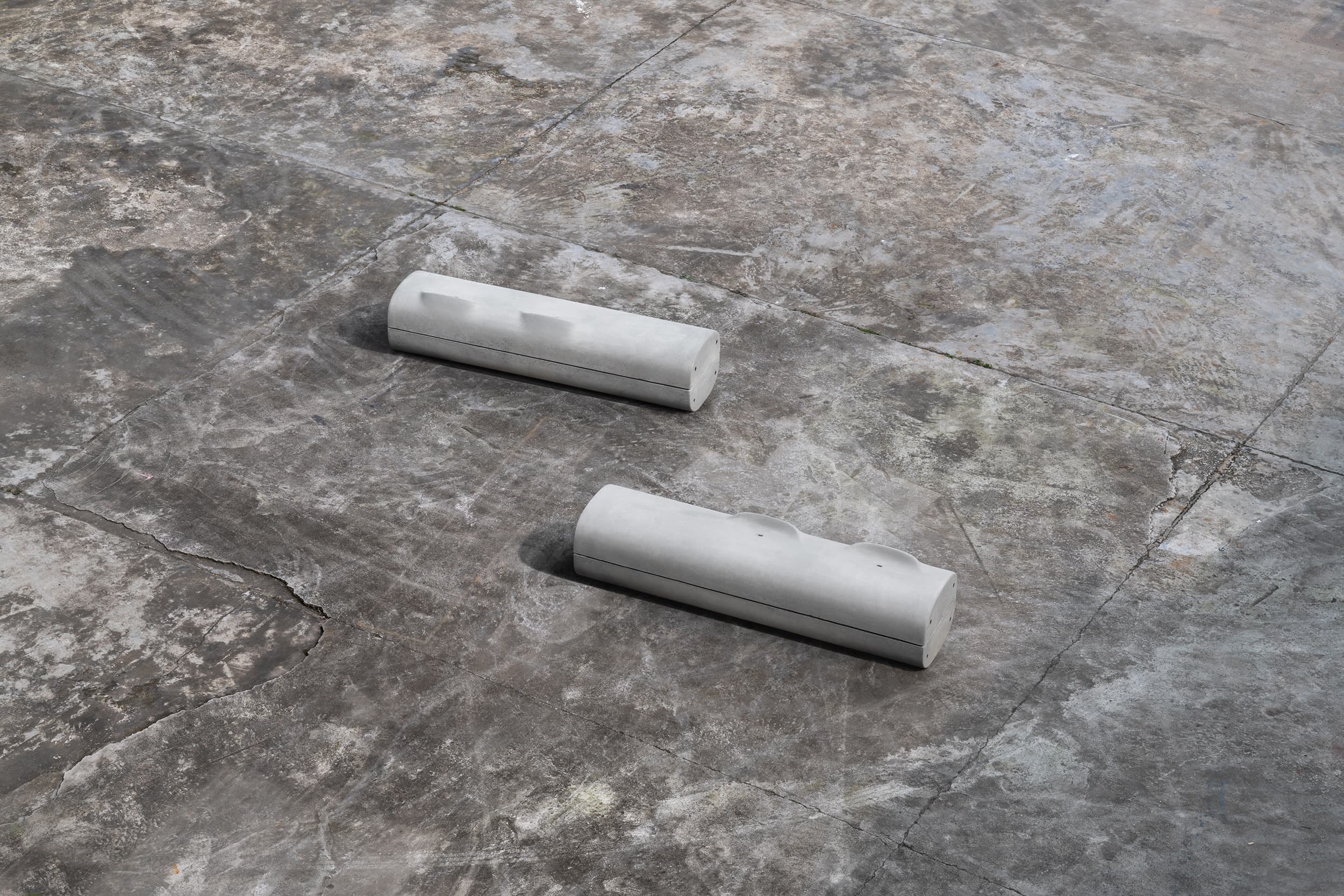
Functionally, the project employs modular design. Single modules fulfill basic seating needs, while multiple units flexibly combine to adapt to street‑corner parks, urban plazas, waterfront walkways and other contexts. The reconfigurable, expandable structure accommodates dynamic urban changes and the unpredictability of public life.
Experientially, the design eschews rigid, standardised usage patterns. Its open forms invite sitting, leaning, gathering, lingering and resting. Users are no longer passive recipients but active participants co‑creating place atmosphere.
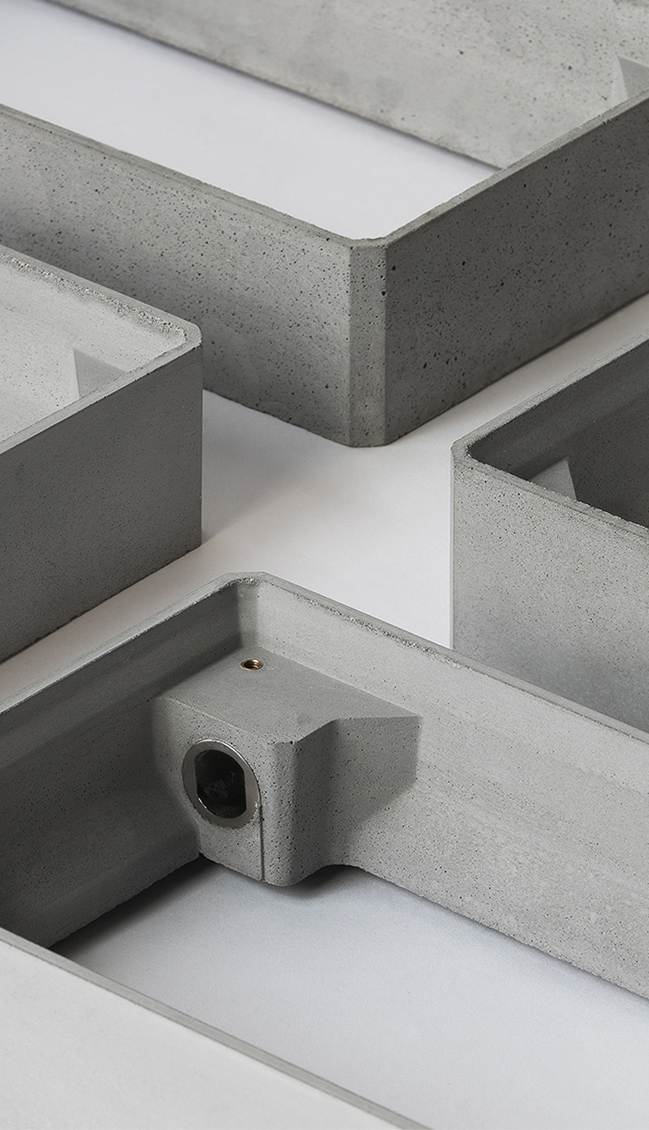
Materially, all furniture is fabricated from locally sourced Yichang phosphogypsum. Pre‑treatment removes harmful impurities to stabilize the material, transforming ecologically threatening industrial waste into reliable recycled construction materials.
In this way, Lian achieves three key connections: returning waste to urban material cycles, adapting to diverse spaces via modularity, and building emotional bonds between people and place through open‑ended experience.
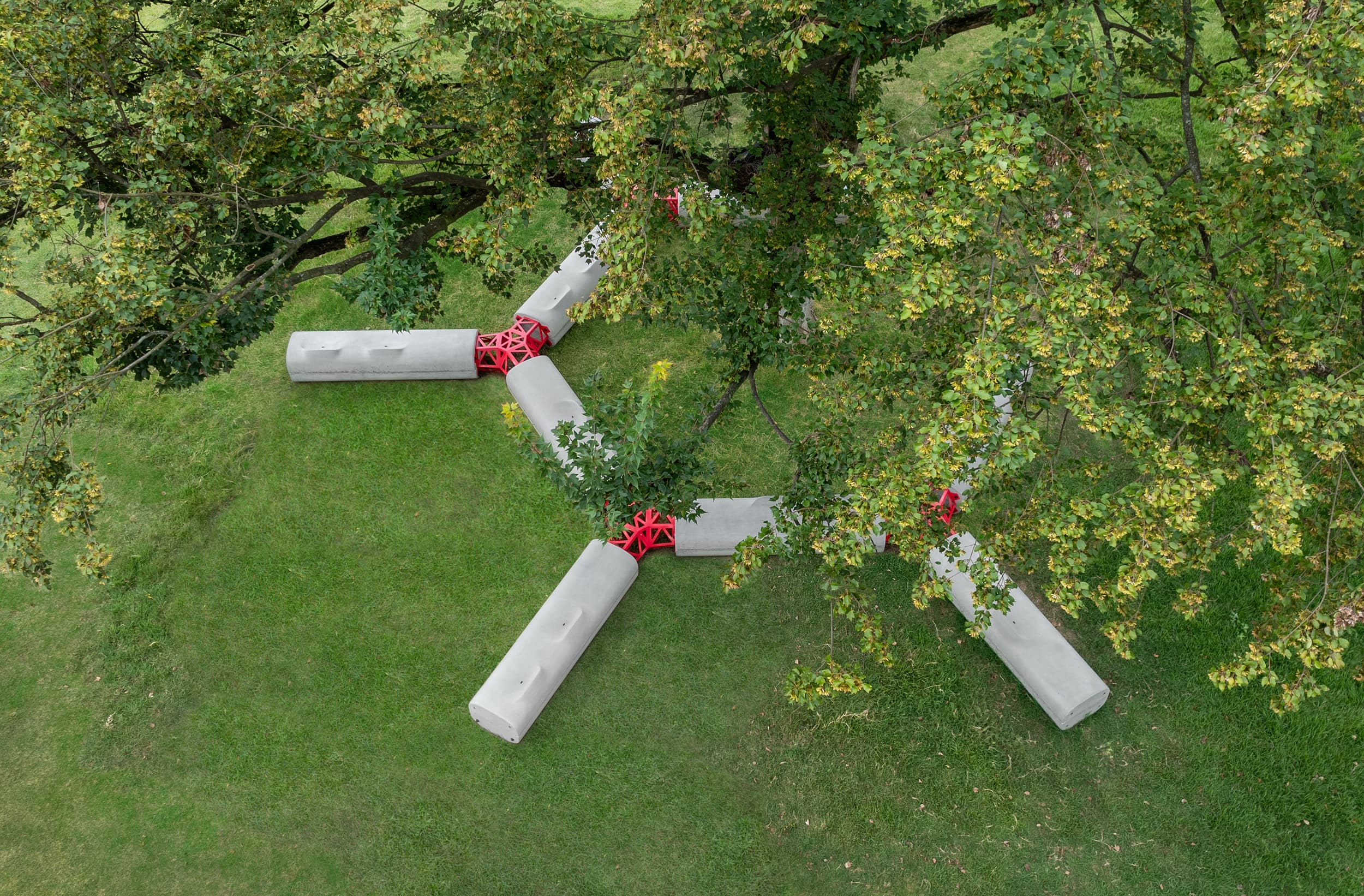
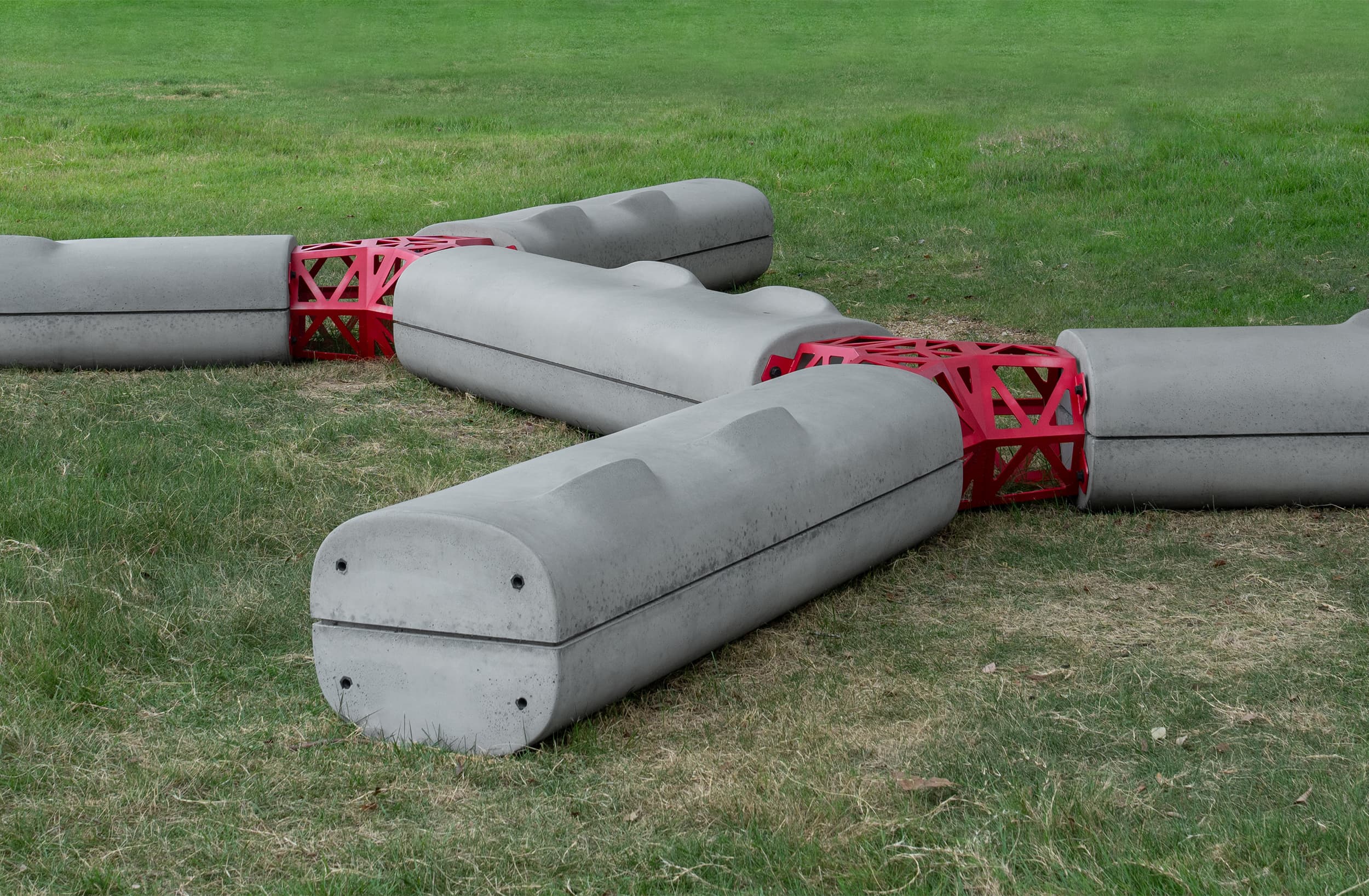
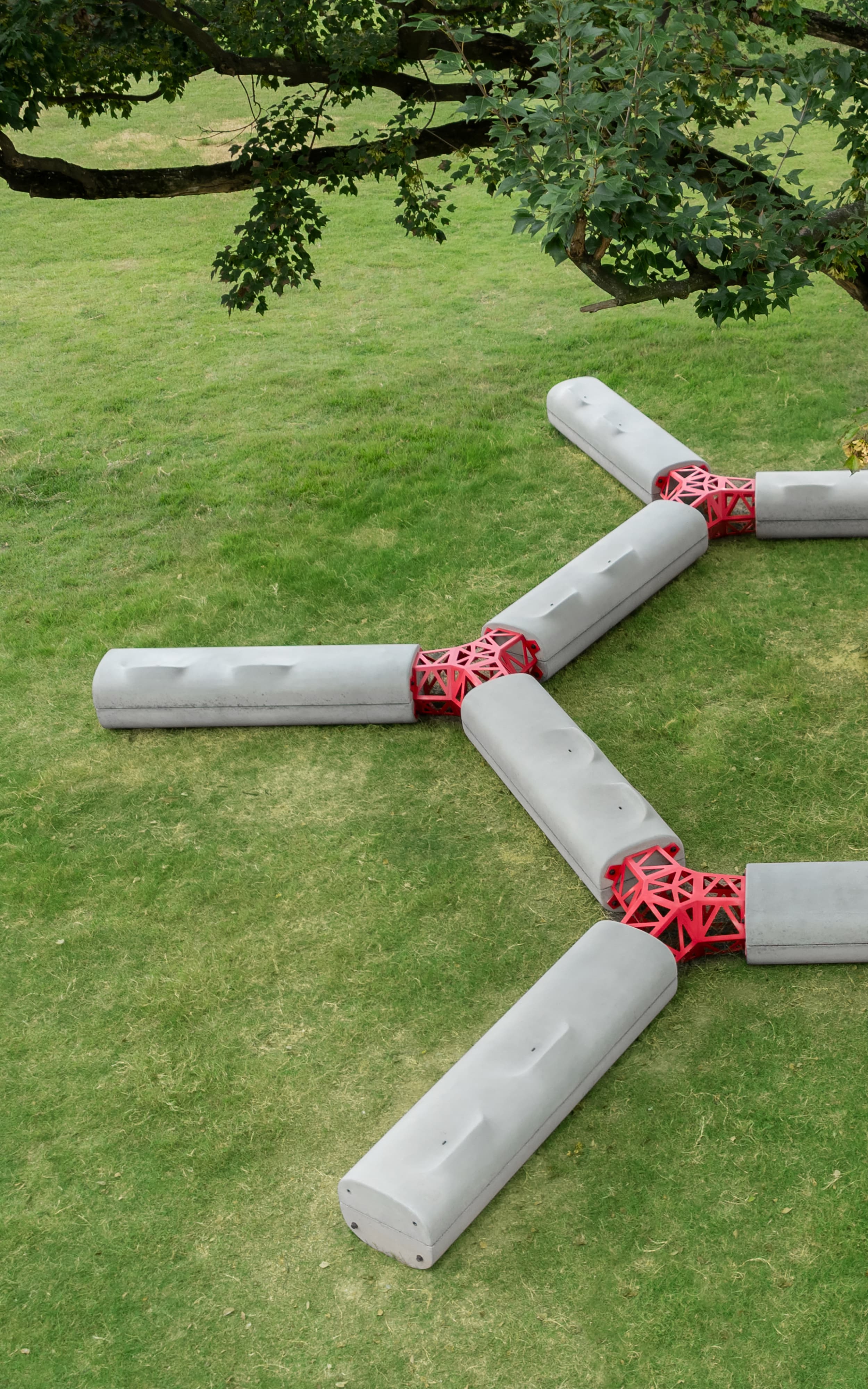
The quality of urban public space is often defined by micro‑scale infrastructure. Though seemingly ordinary, public furniture forms the fundamental unit of urban tactile memory. Material, form and layout directly shape residents’ everyday perceptions of the city.
Lian’s value transcends functionality. It translates Yichang’s phosphate‑chemical industrial history and solid‑waste governance practices into accessible everyday objects. Without understanding complex stockpile data or chemical compositions, people intuitively grasp material origins and urban transformation through physical contact alone. The material itself narrates; no rhetorical promotion is needed for public furniture to become a cultural medium carrying urban memory.
Repurposing phosphogypsum into public infrastructure represents both technical material circularity and cognitive paradigm shift. When cities absorb their own industrial by‑products and build public life from waste, they take meaningful strides toward a circular society.
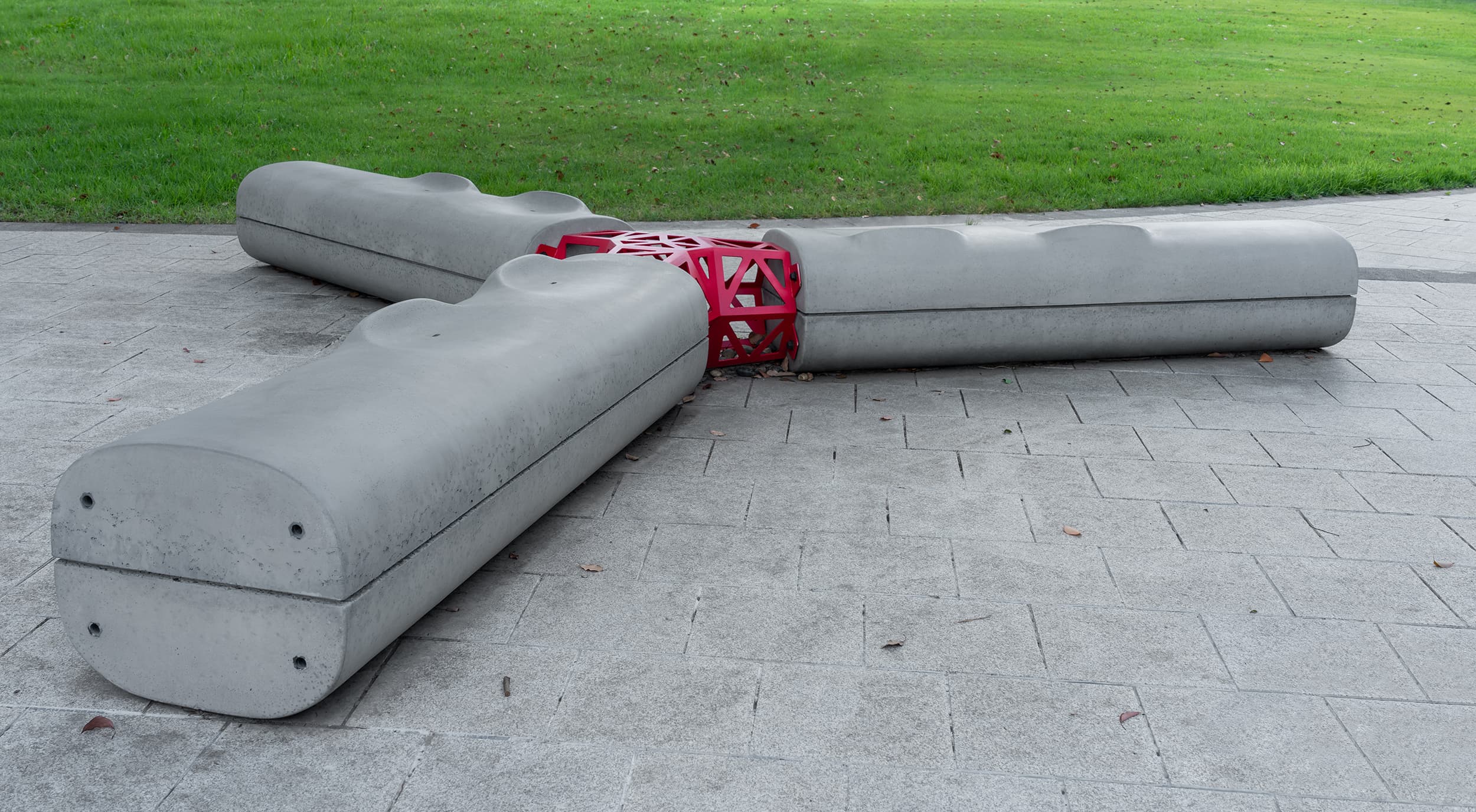
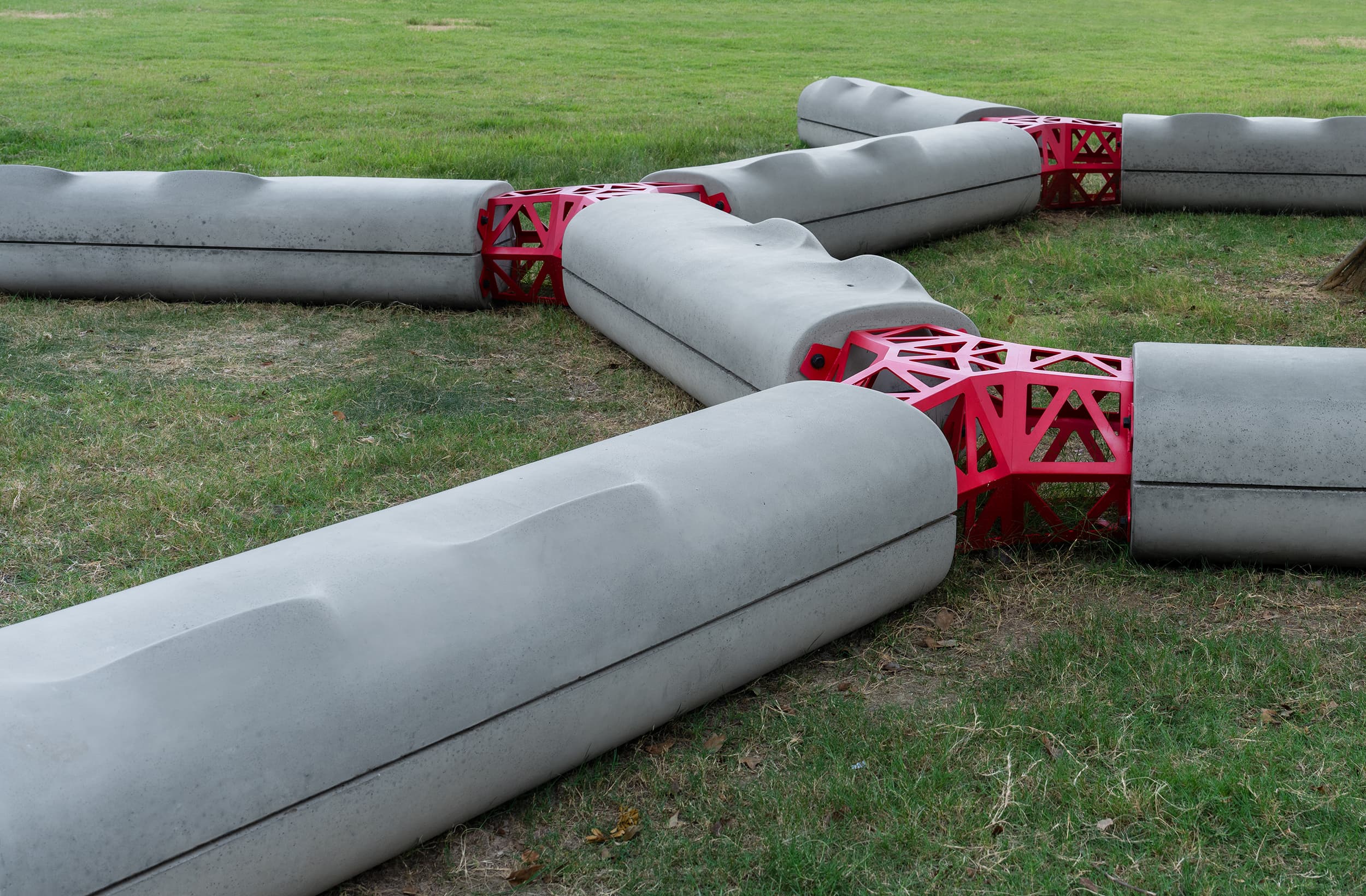
This practice not only boosts resource efficiency but also establishes a new urban governance ethos: acknowledging industrial environmental legacies, converting burdens into resources, and turning waste into bonds between people and cities.
Lian marks a starting point for phosphogypsum valorization in Yichang. It demonstrates that industrial solid waste need not be permanently locked in stockpiles, but can be seamlessly integrated into urban public life. Building local spaces from local waste carries far greater weight than symbolic environmental slogans.
It embodies a city’s accountability to its industrial past, a reconciliation with industrial heritage, and the most understated yet concrete practice of circular urbanism.
Project Director: Xu Gang
Taking Yichang phosphogypsum as the research subject, this project explores the resource utilization of industrial solid waste and the functional narrative of urban public furniture.

- Contact
+8620 8977 0506
- Press
press@bentudesign.com
- Enquiry & Sales
info@bentudesign.com