

The Drift Bottle of Hope
Time: June – August 2022
Location: Yichang, Hubei
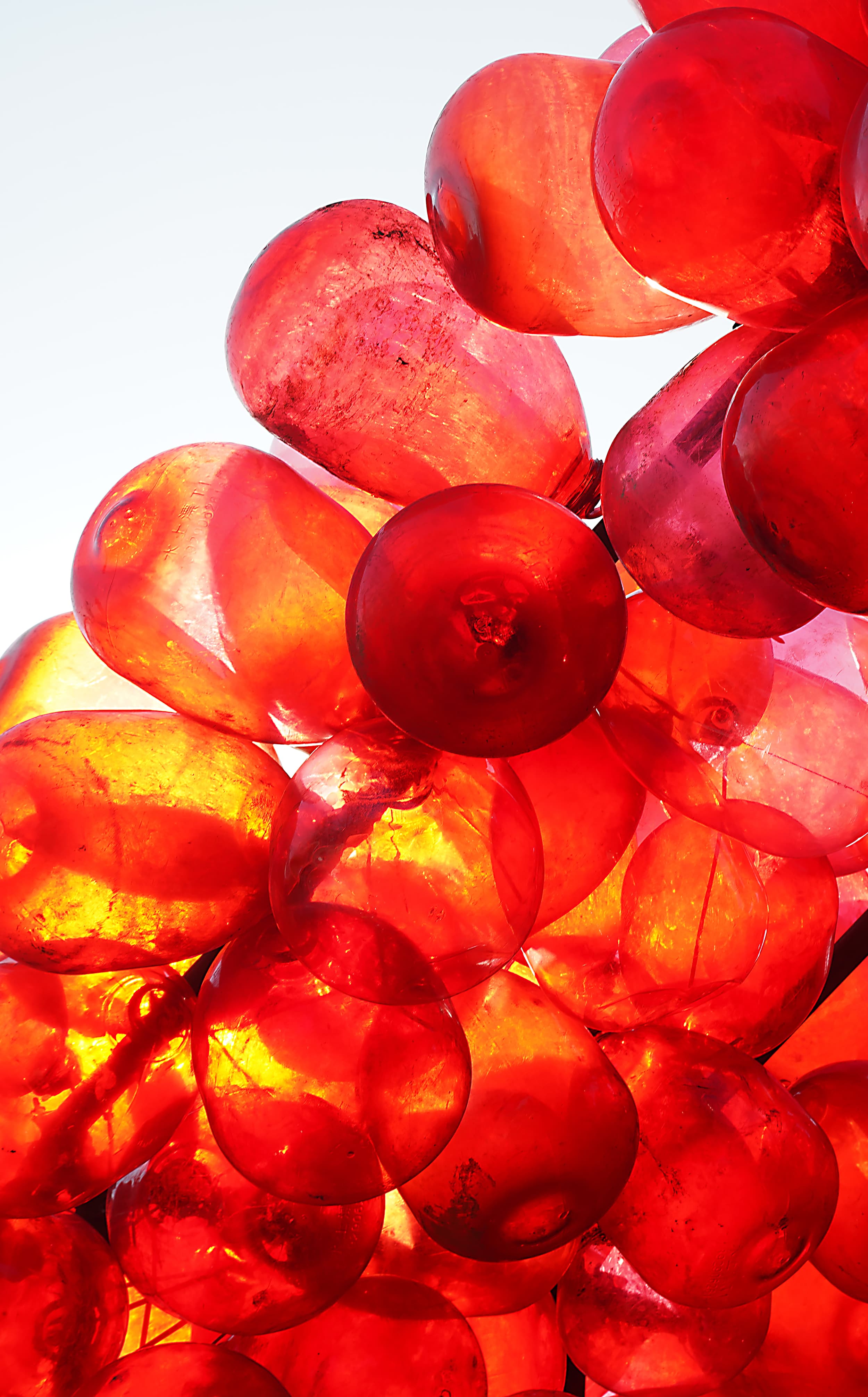
Aristotle said, “Hope is a waking dream.”
Lu Xun wrote, “Hope, hope — let this shield of hope fend off the onset of empty darkness.”
A heart without hope is barren wasteland where nothing can grow. Yet hope is never an innate gift, but a spiritual power recognised amid ruins and consciously built. It is both private inner sentiment and shared public principle.
Since 2020, global lockdowns, mask‑wearing and social alienation have cast humanity into involuntary mental strain. The COVID‑19 pandemic quickly shook the fundamental certainties we live by: faith in technological safety, trust in healthcare systems, and the everyday freedom of movement were all broken. We collectively experienced spiritual weightlessness: once‑stable social bonds frayed, while human contact, dialogue and empathy were increasingly filtered through masks and screens.
Never have we needed to rebuild hope so urgently. Yet hope is neither cheap self‑consolation nor blind mutual encouragement. True hope emerges only after we honestly accept our vulnerability and inner fears. It is steady courage: even when order collapses, we choose to repair and to seek meaning.
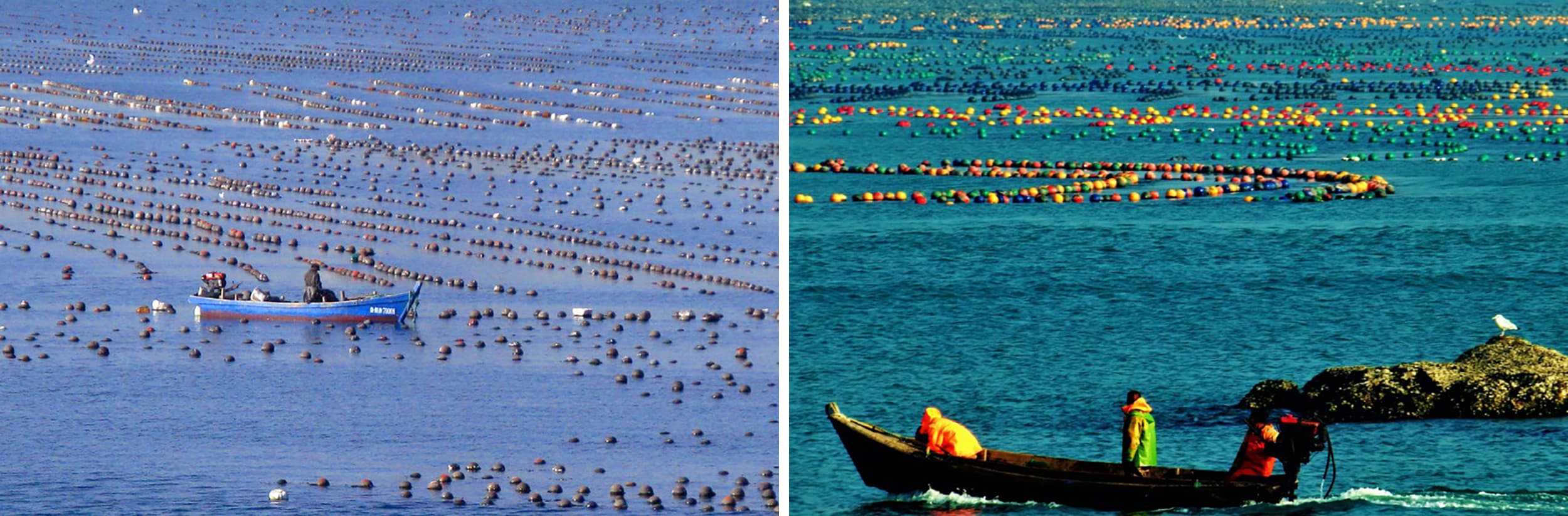
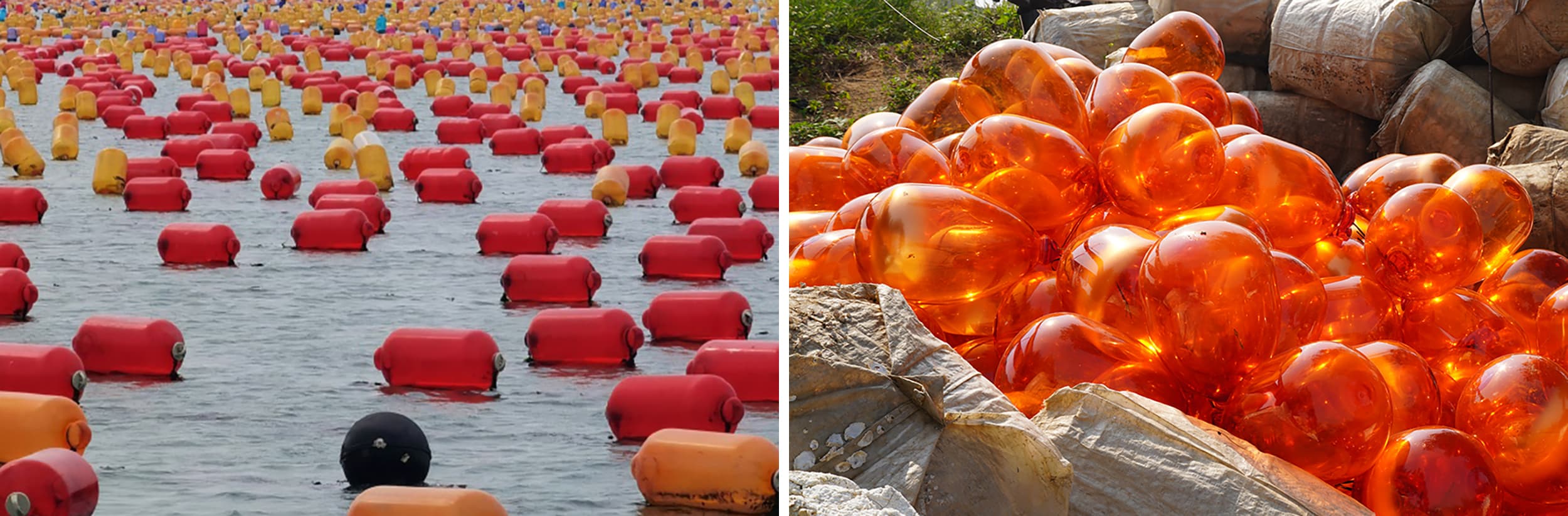
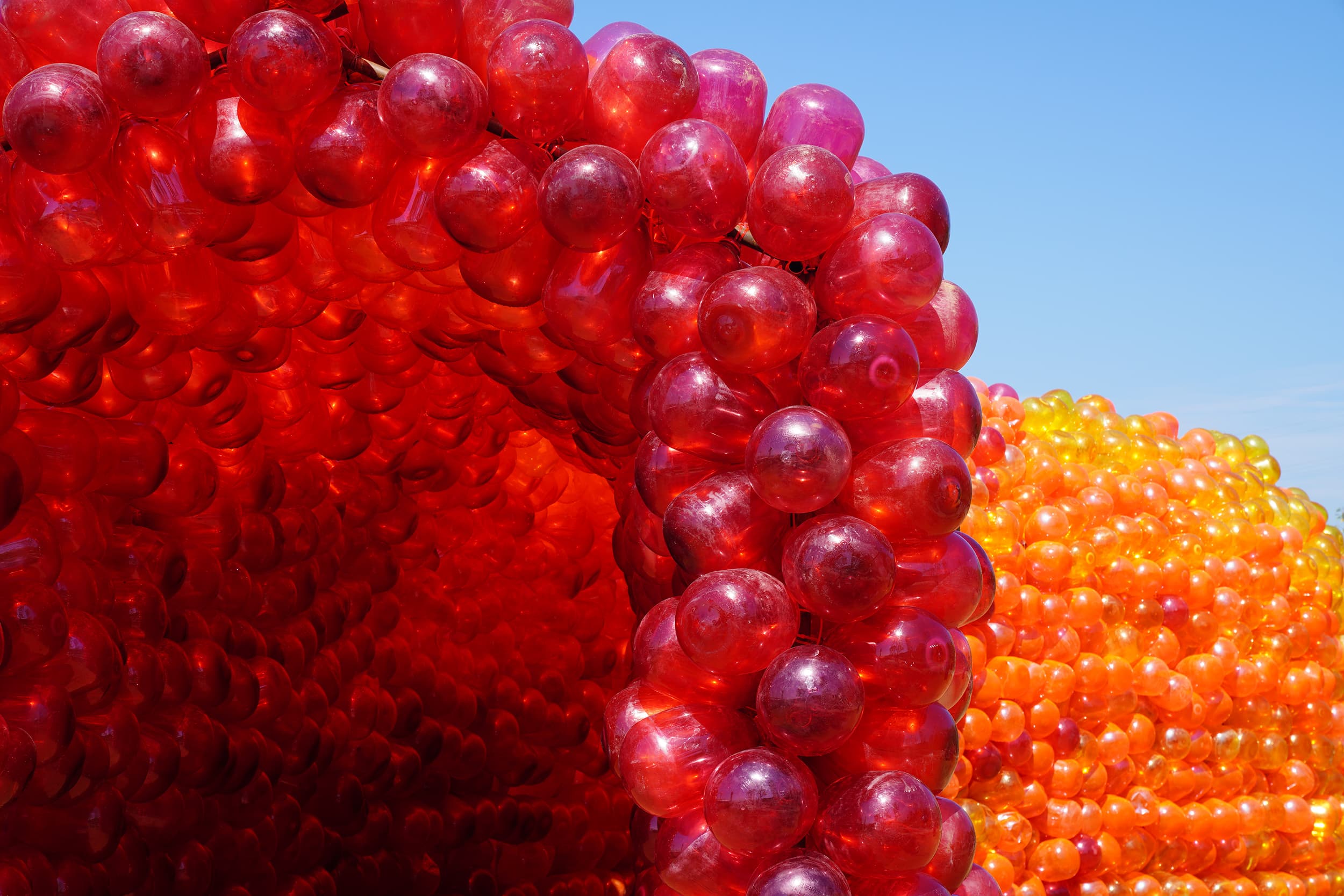
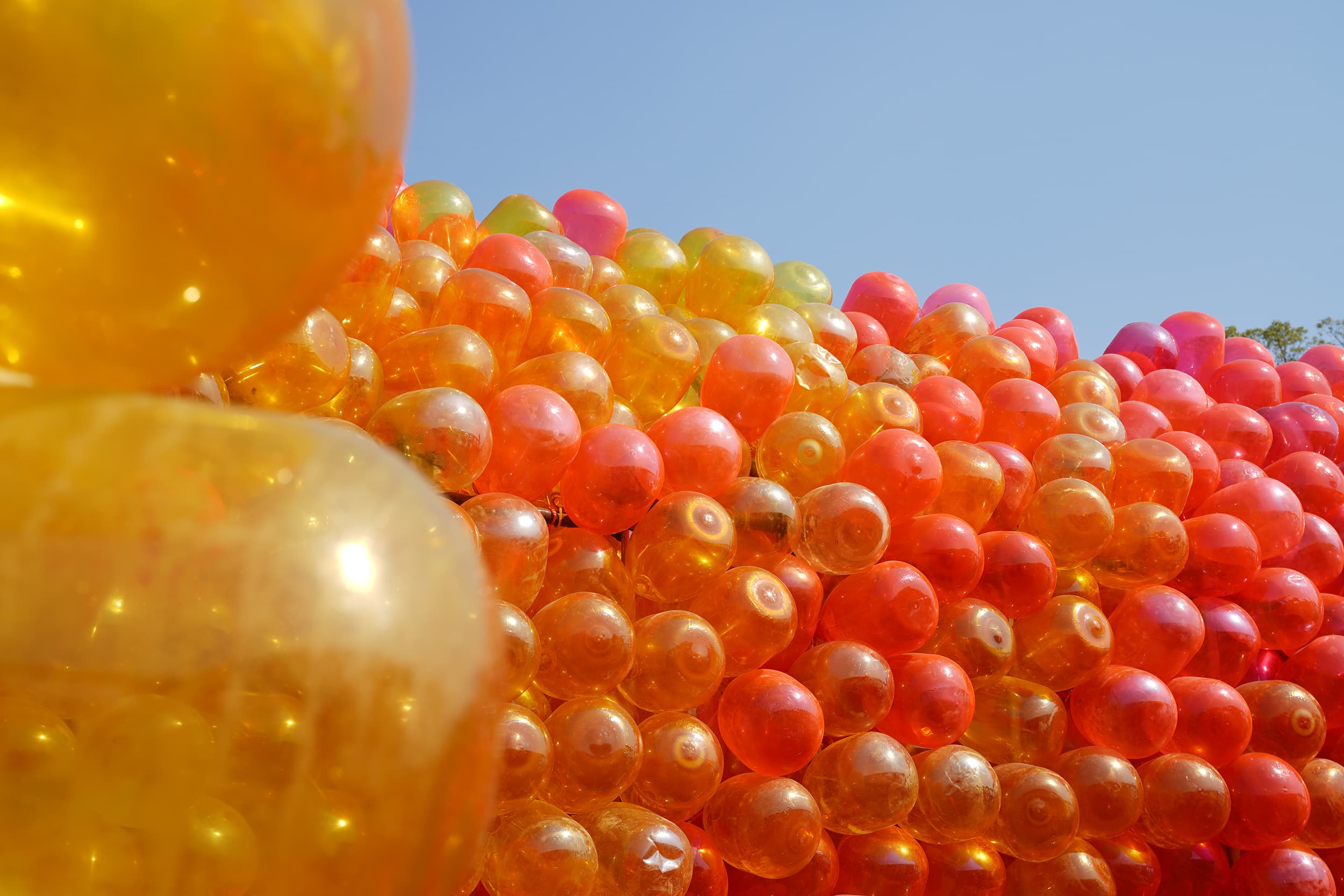
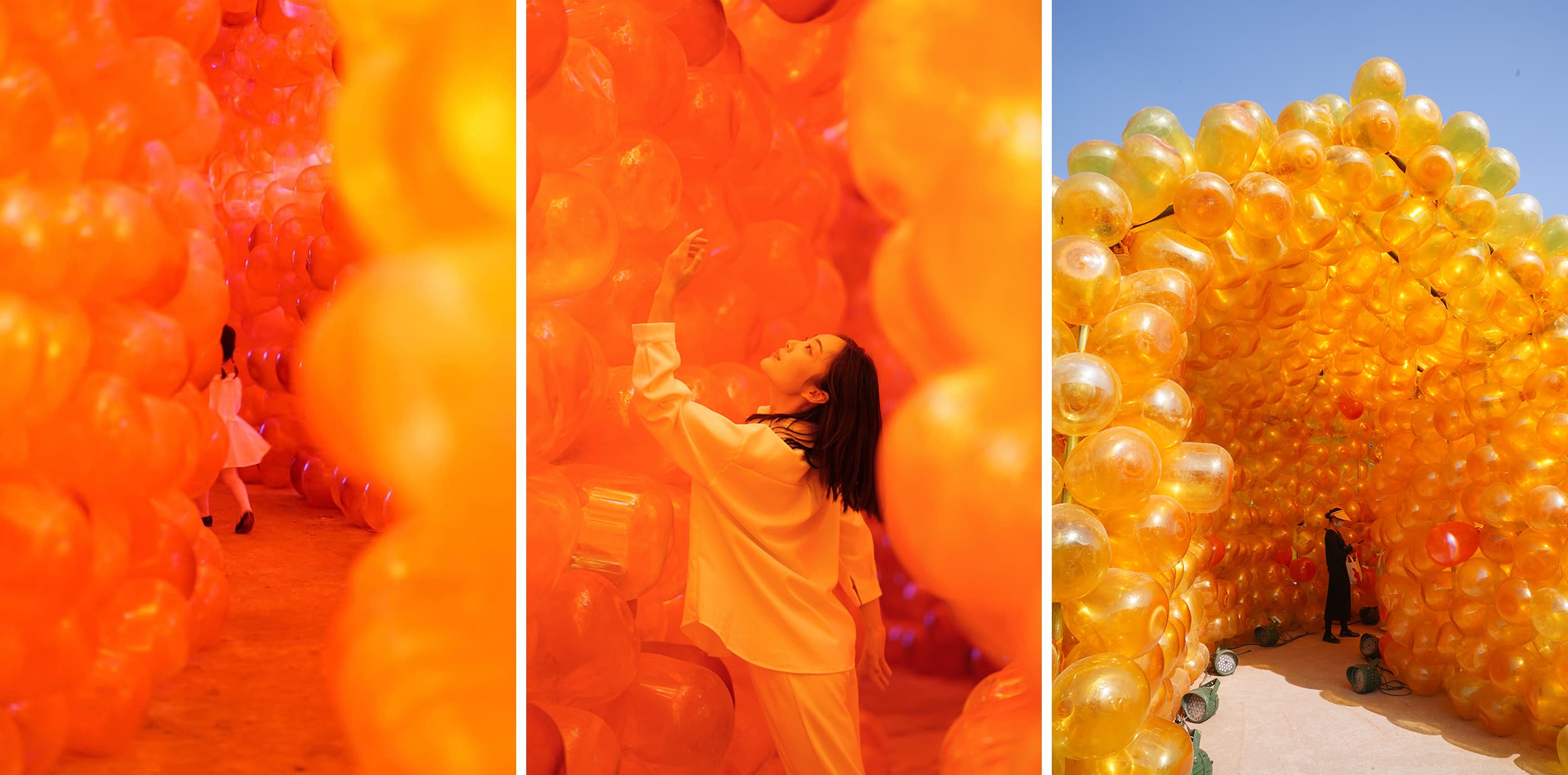
Along the long coastlines of the Pearl River Delta in Guangdong lie extensive marine farms. Each May, oyster farmers string oyster seedlings onto long ropes, secure them under colourful plastic floats, and lower the assemblies to over one metre below sea level. These vivid floats — roughly 60 cm long and 30 cm in diameter — stretch across the water like musical staves, composing a gentle melody of coastal aquaculture. Far from cold inert objects, they are mobile vessels of hope: each float embodies a fishing household’s livelihood for an entire year.
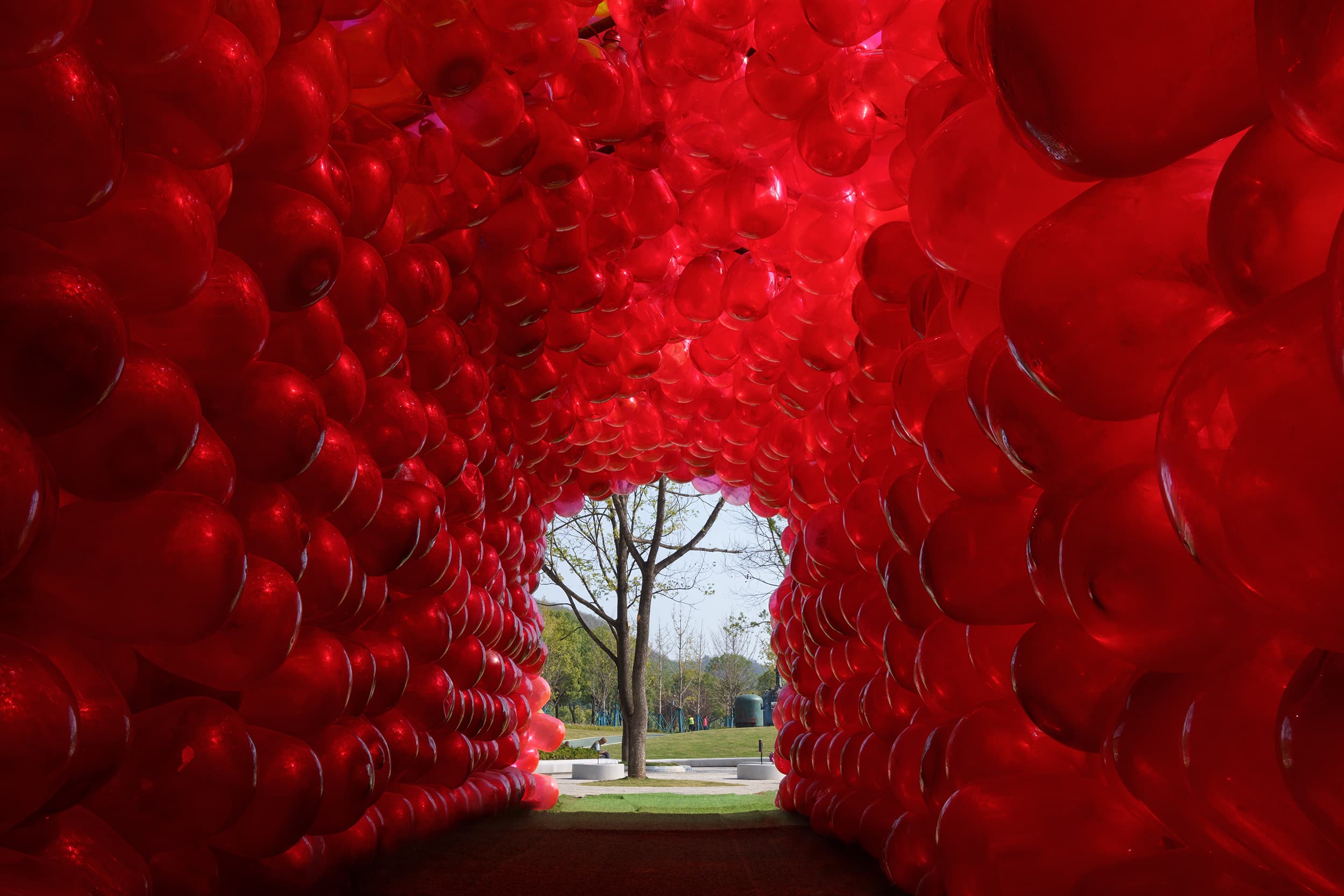
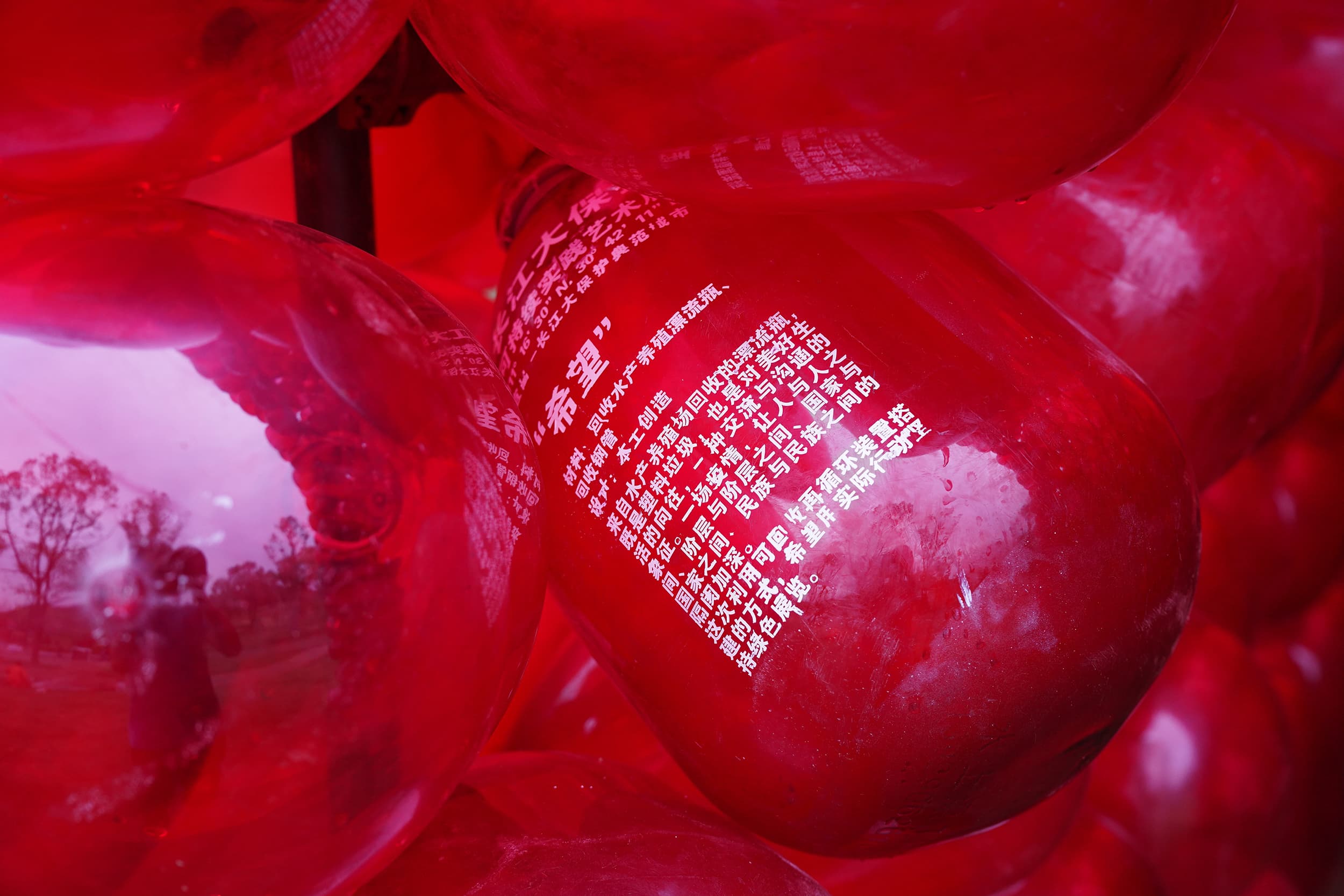
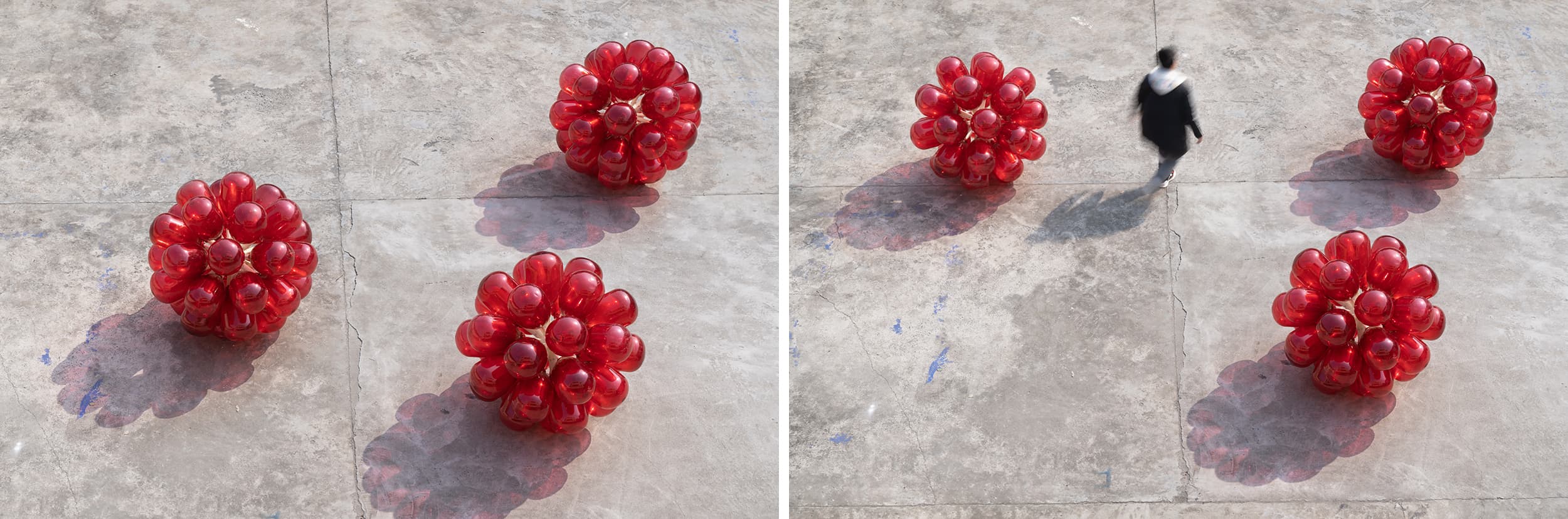
Rows of ocean floats are the sea’s drift bottles. Most are made of PVC. When their service life ends without proper recycling, they break apart into marine litter and microplastics. According to UNEP data, 8 million tonnes of plastic enter oceans annually, much from aquaculture and fishing gear. The marine farms that sustain human life are quietly generating micro‑fragments damaging marine food chains. This reveals modernity’s profound paradox: the tools we depend on for survival are accelerating ecological decline.
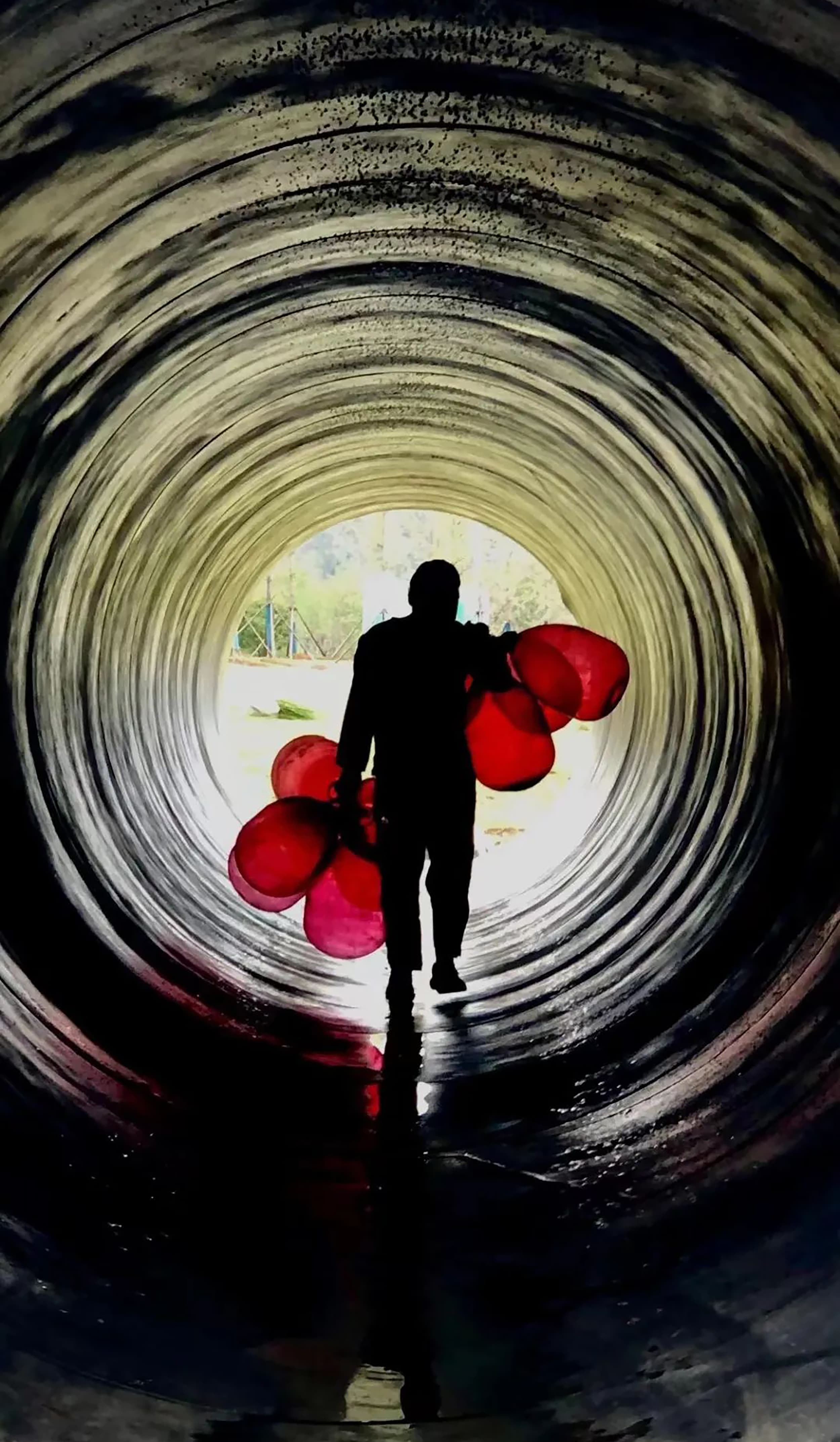
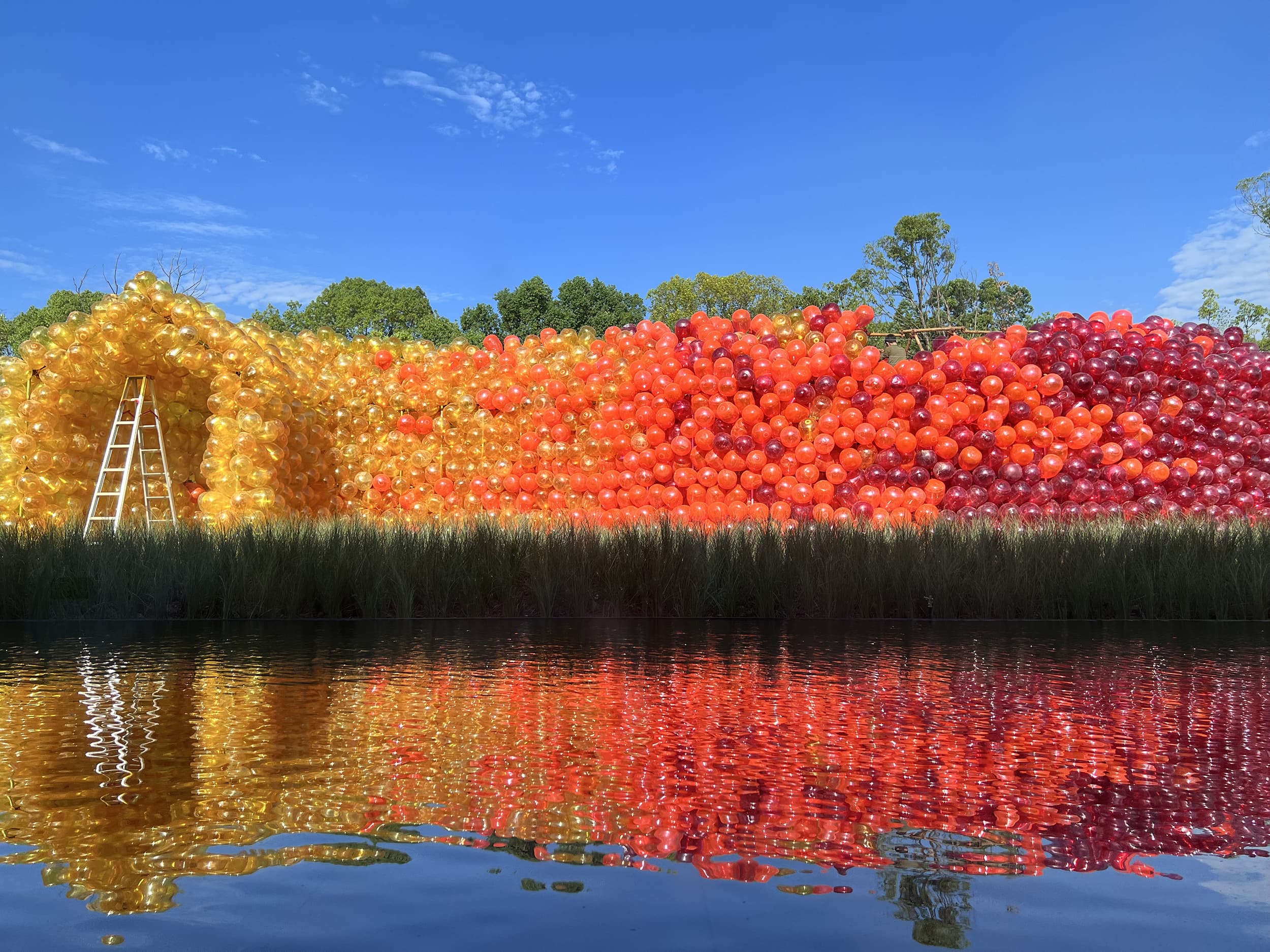
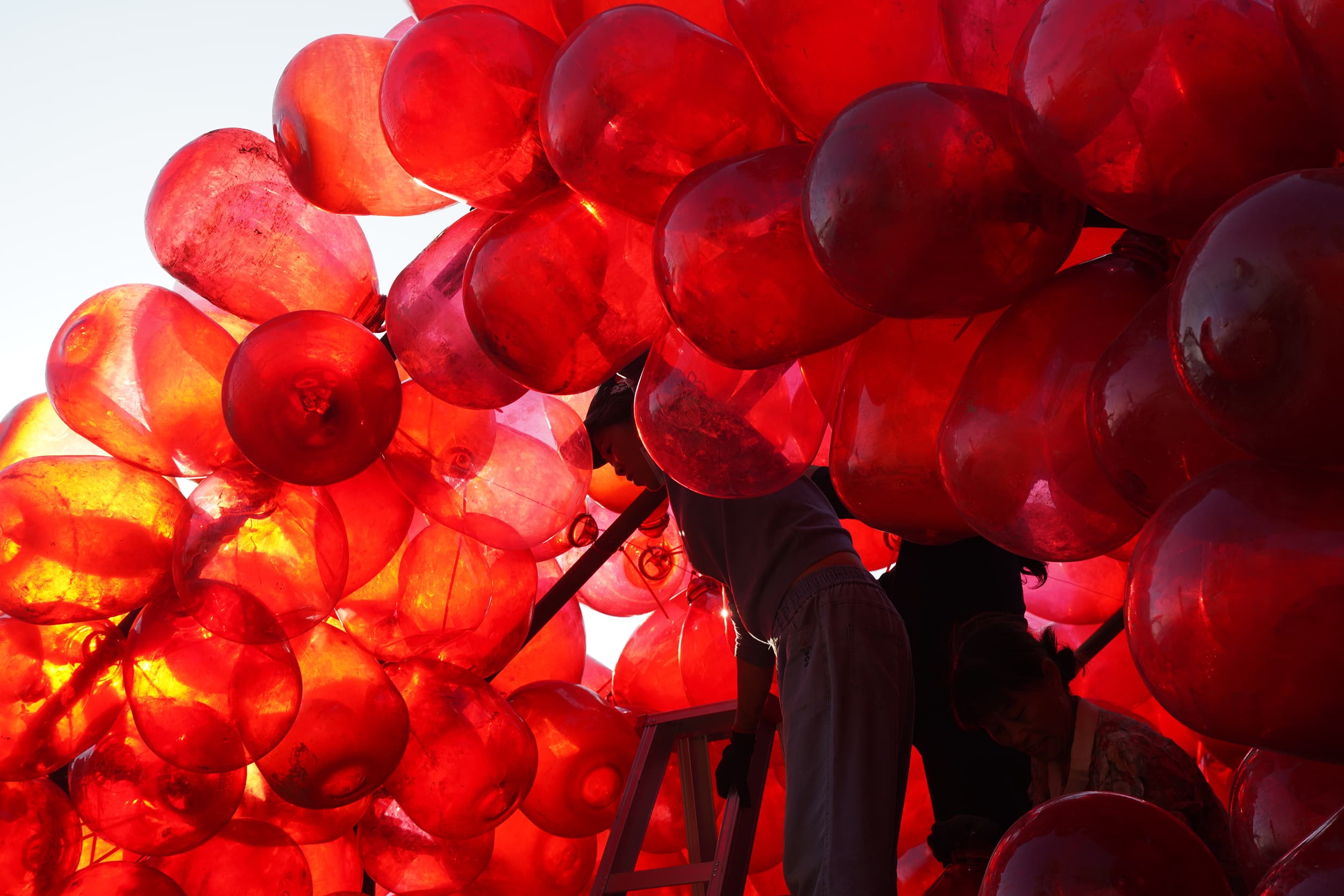
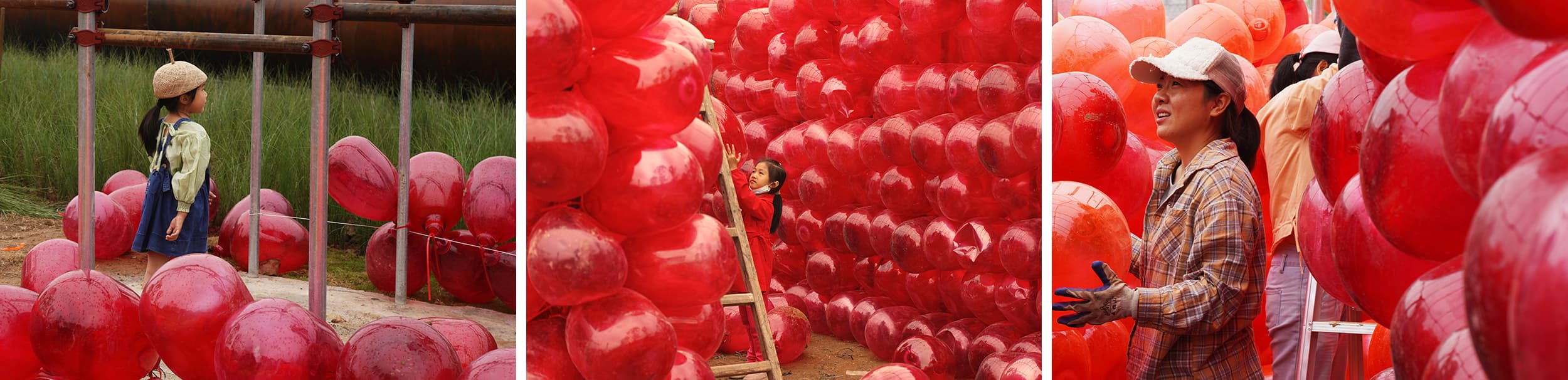
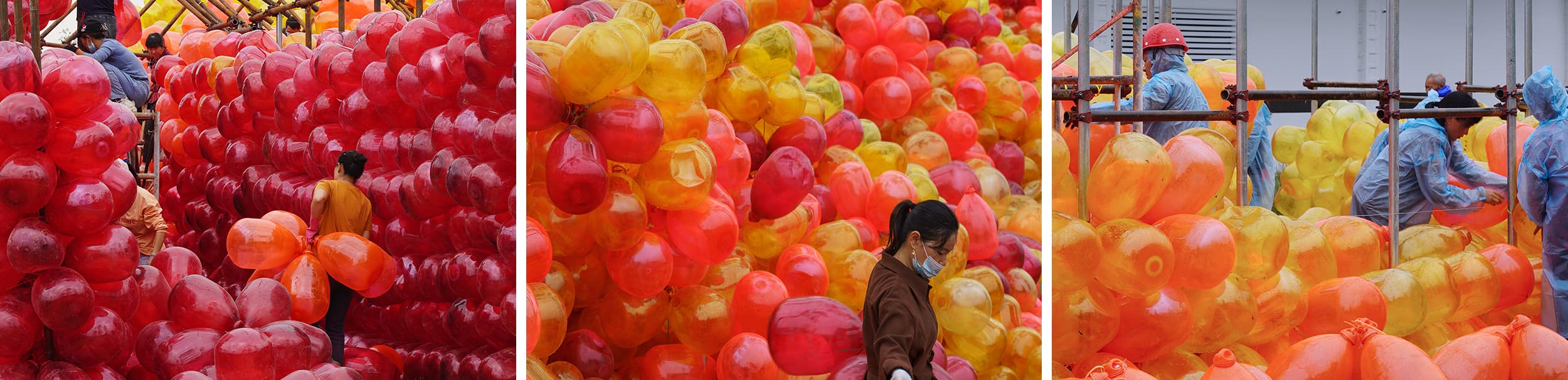
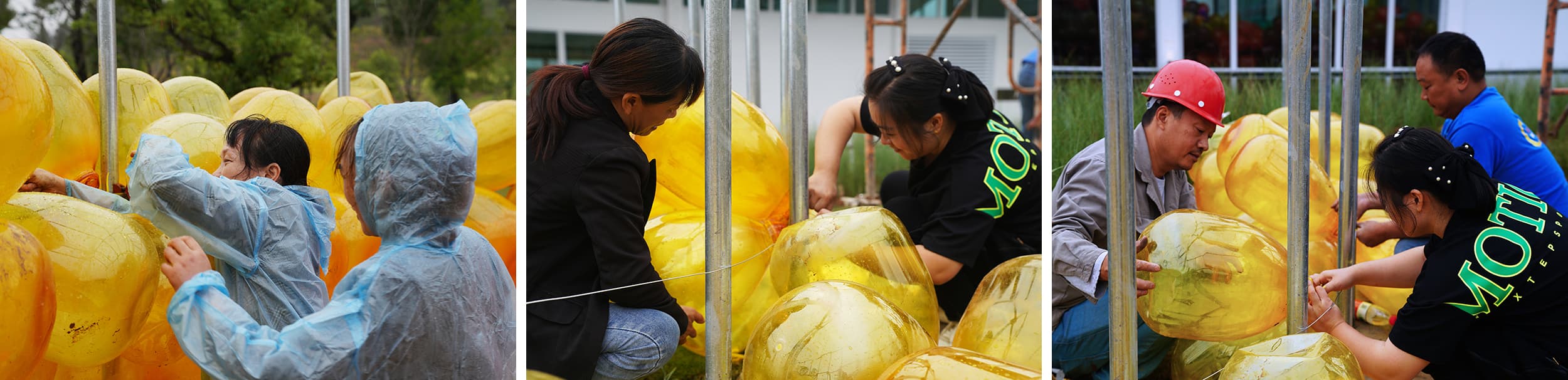
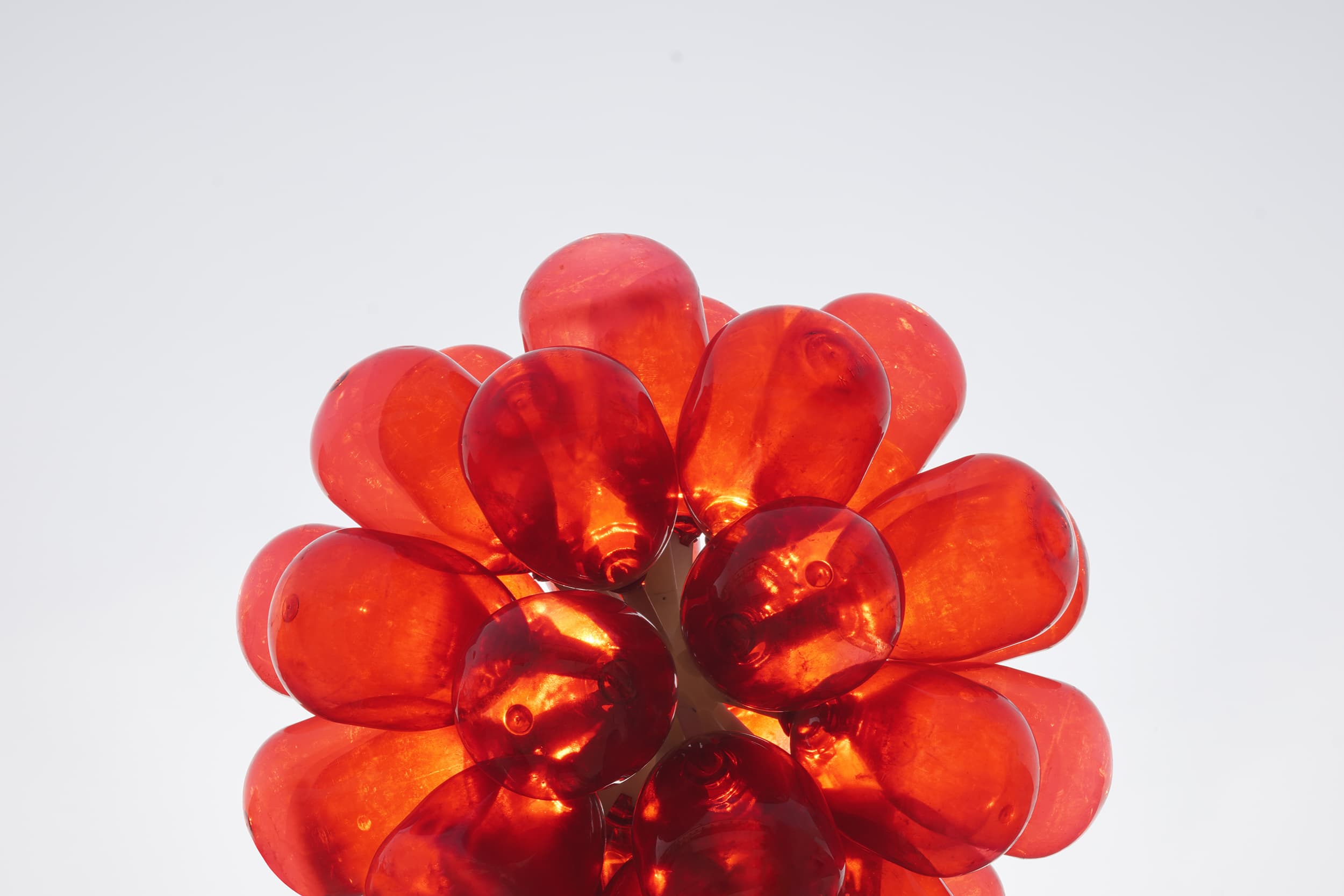
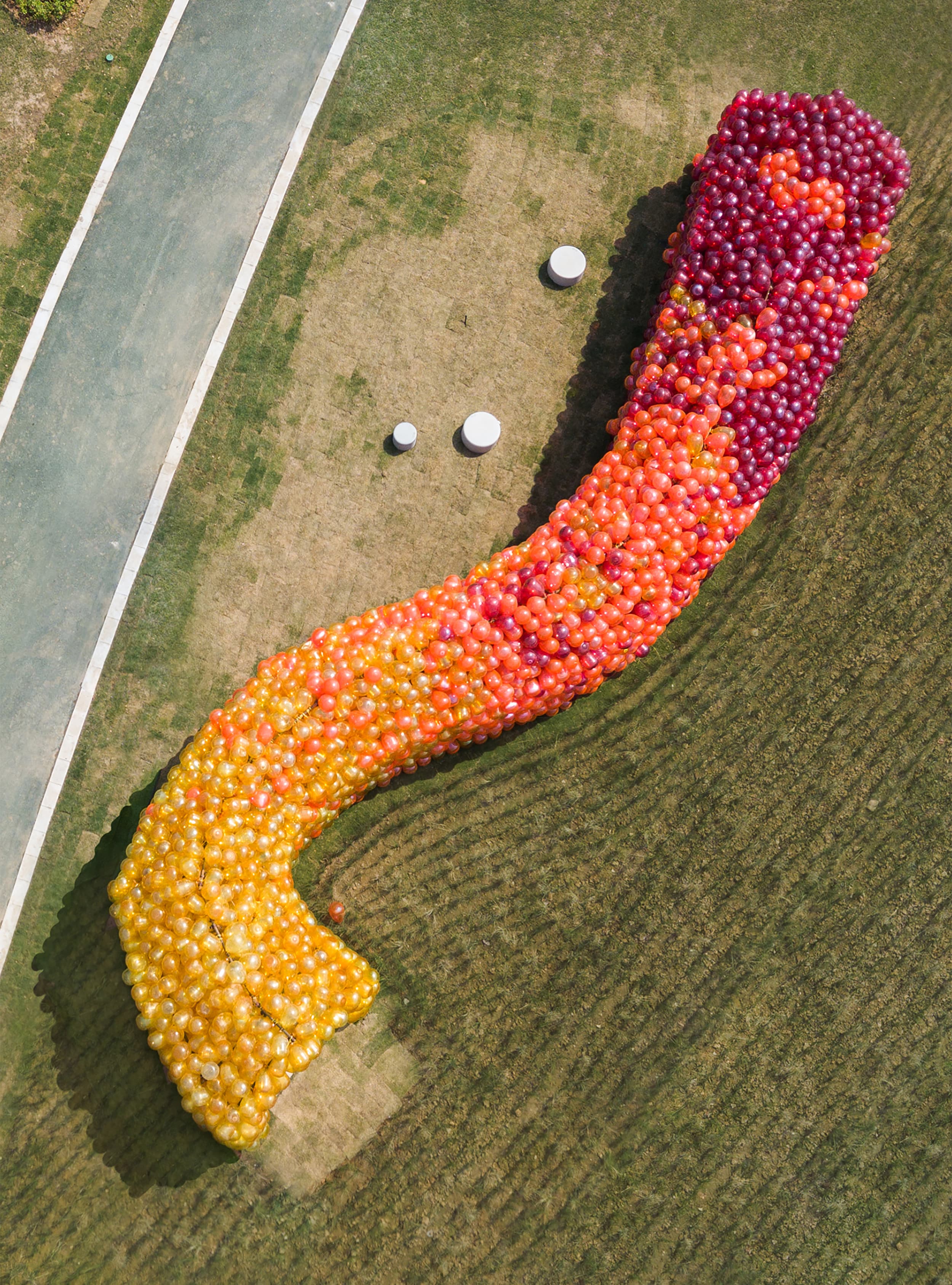
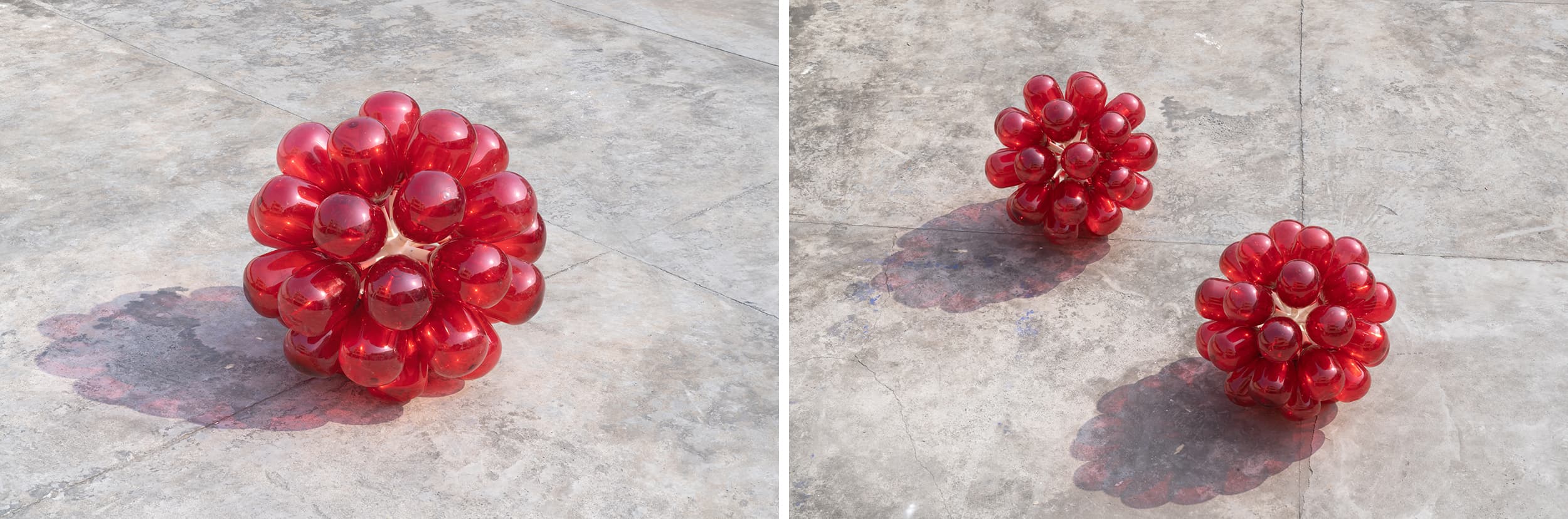
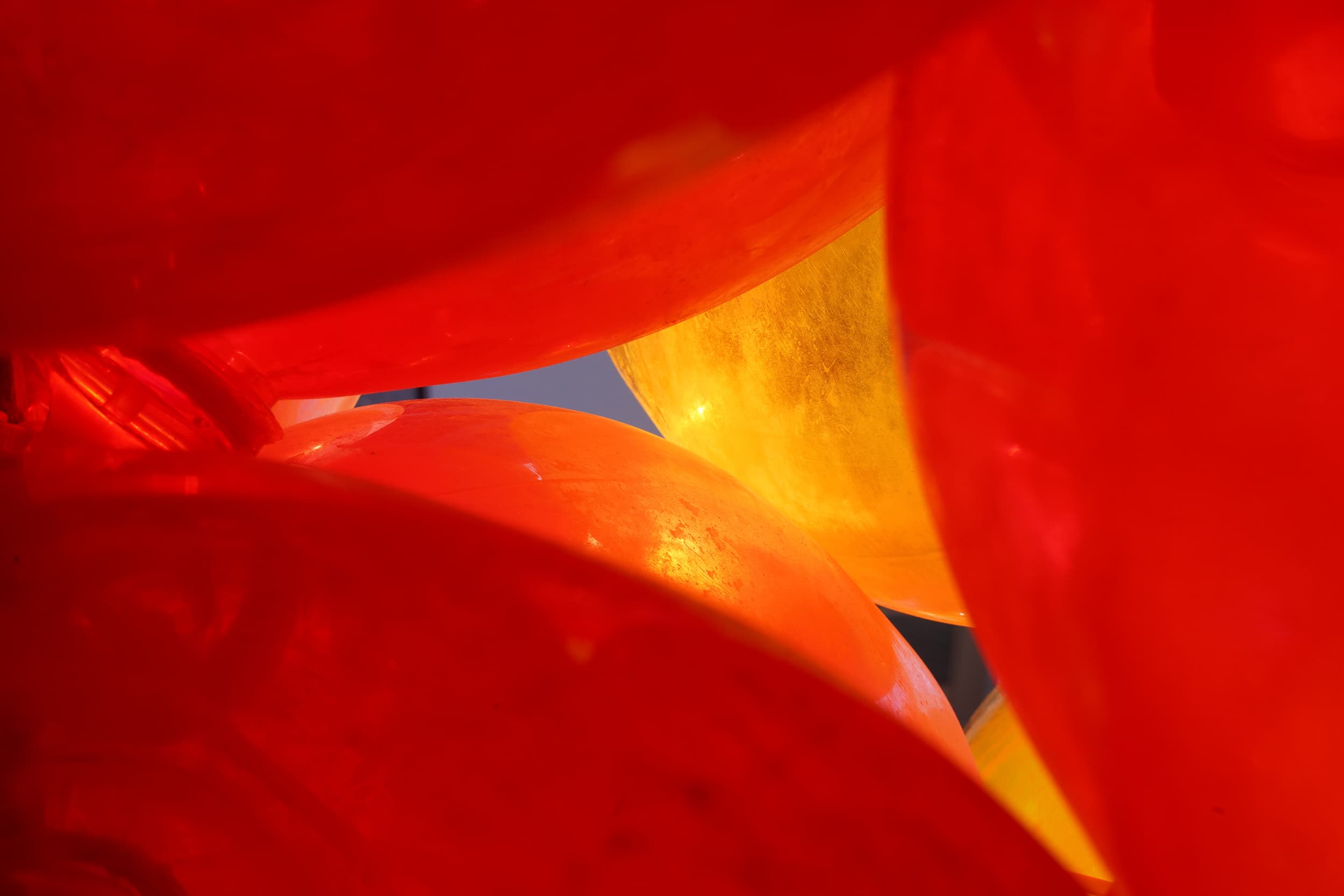
The public art project The Drift Bottle of Hope originates from this contradiction. We collect discarded, unused floats bound for the ocean and reimagine them as core materials for a public art installation. These floats, once carrying fishermen’s labour and livelihood, should not drift as plastic particles, be ingested by marine life, and eventually return to human diets. Salvaged from the brink of disappearance, they are restored to their original purpose as containers — this time holding not oysters, but hope itself.
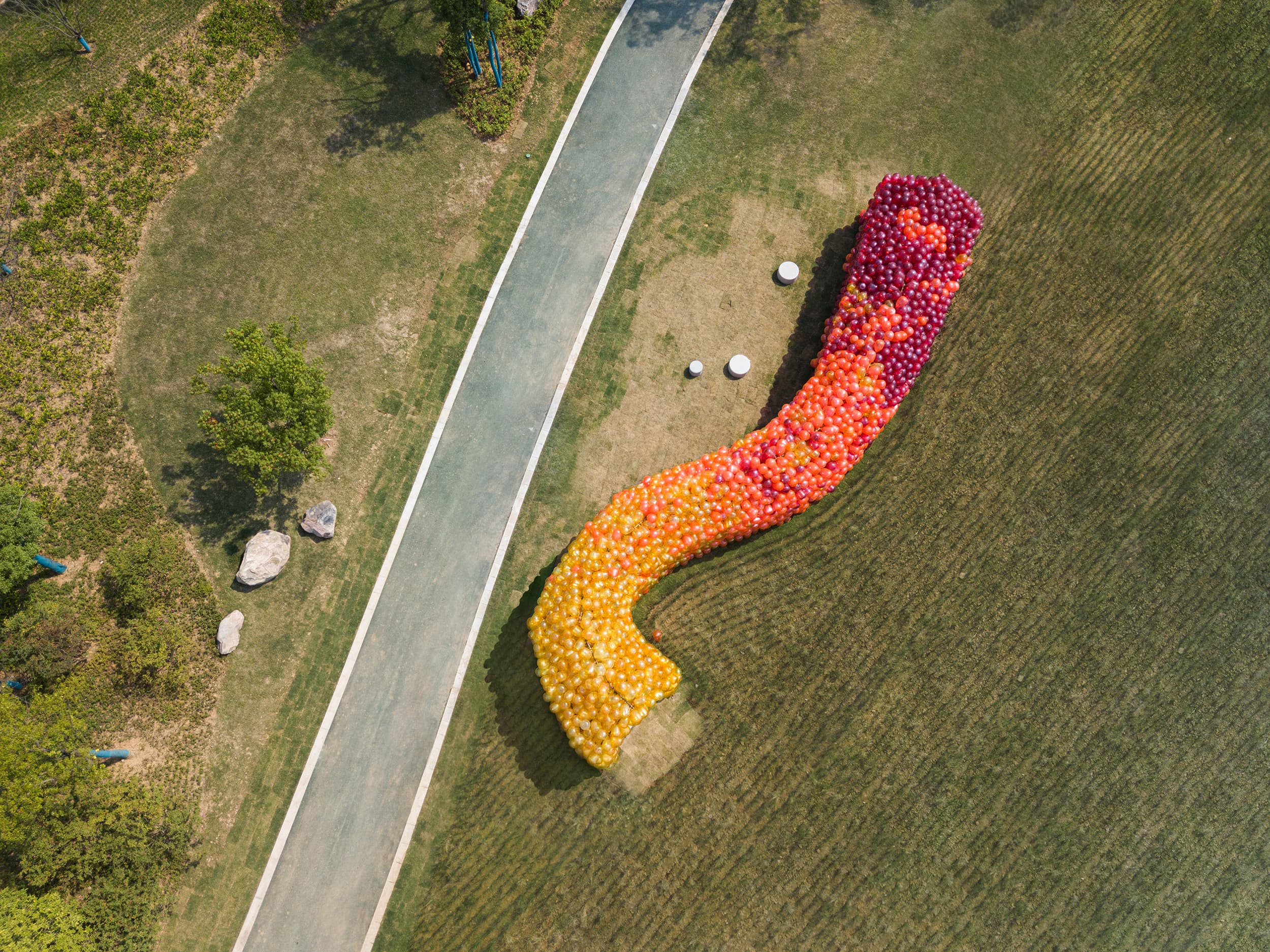
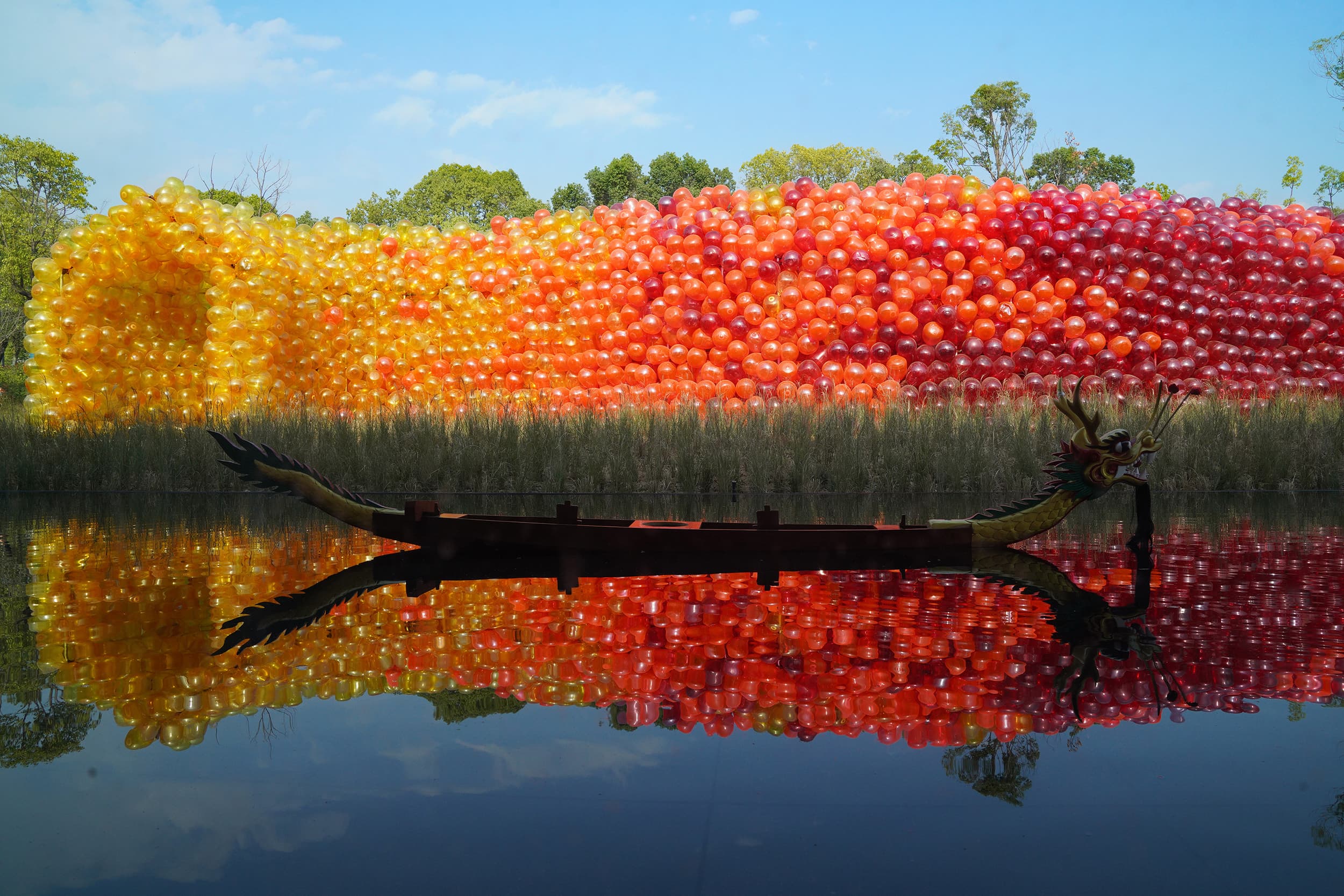
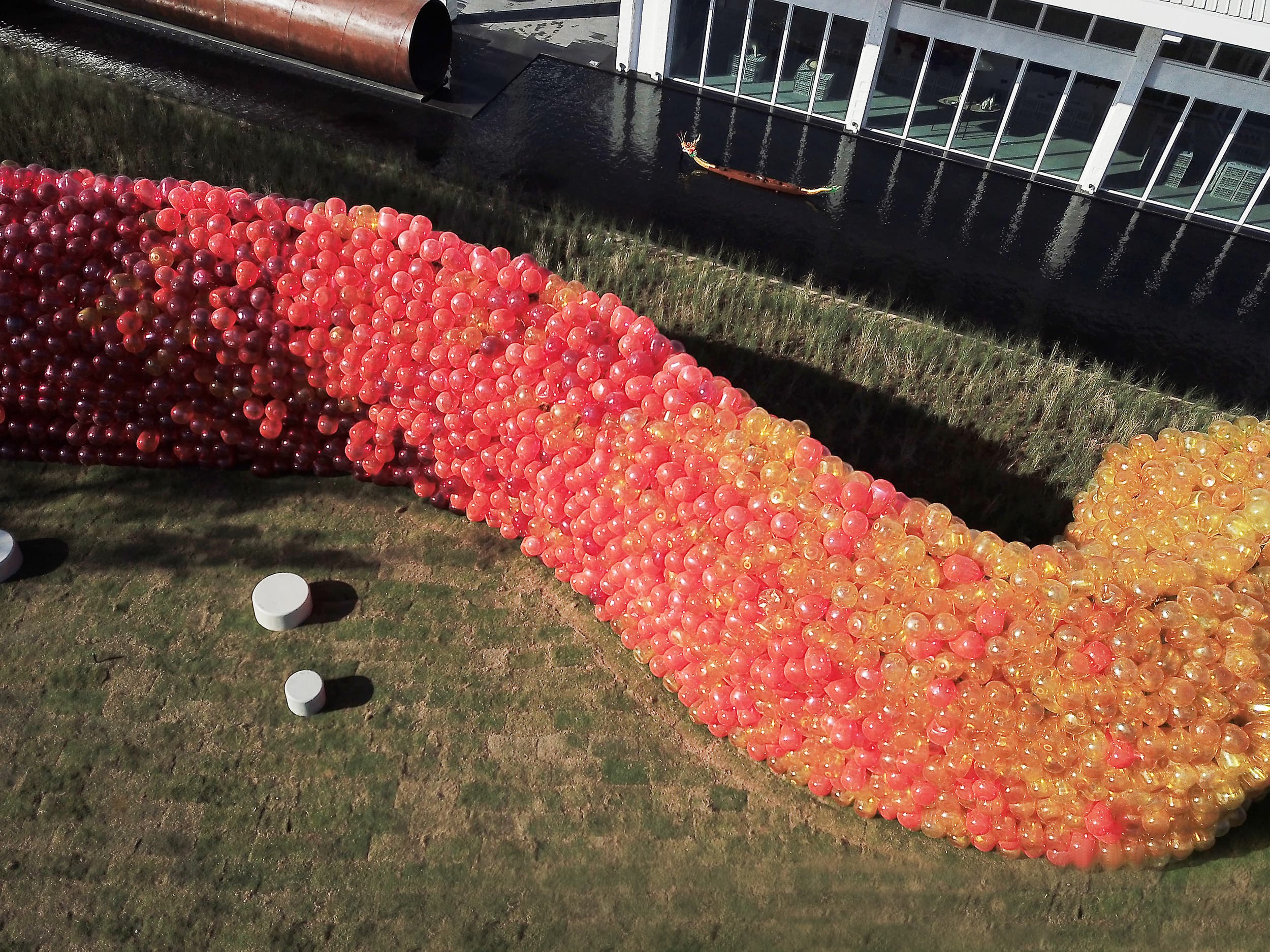
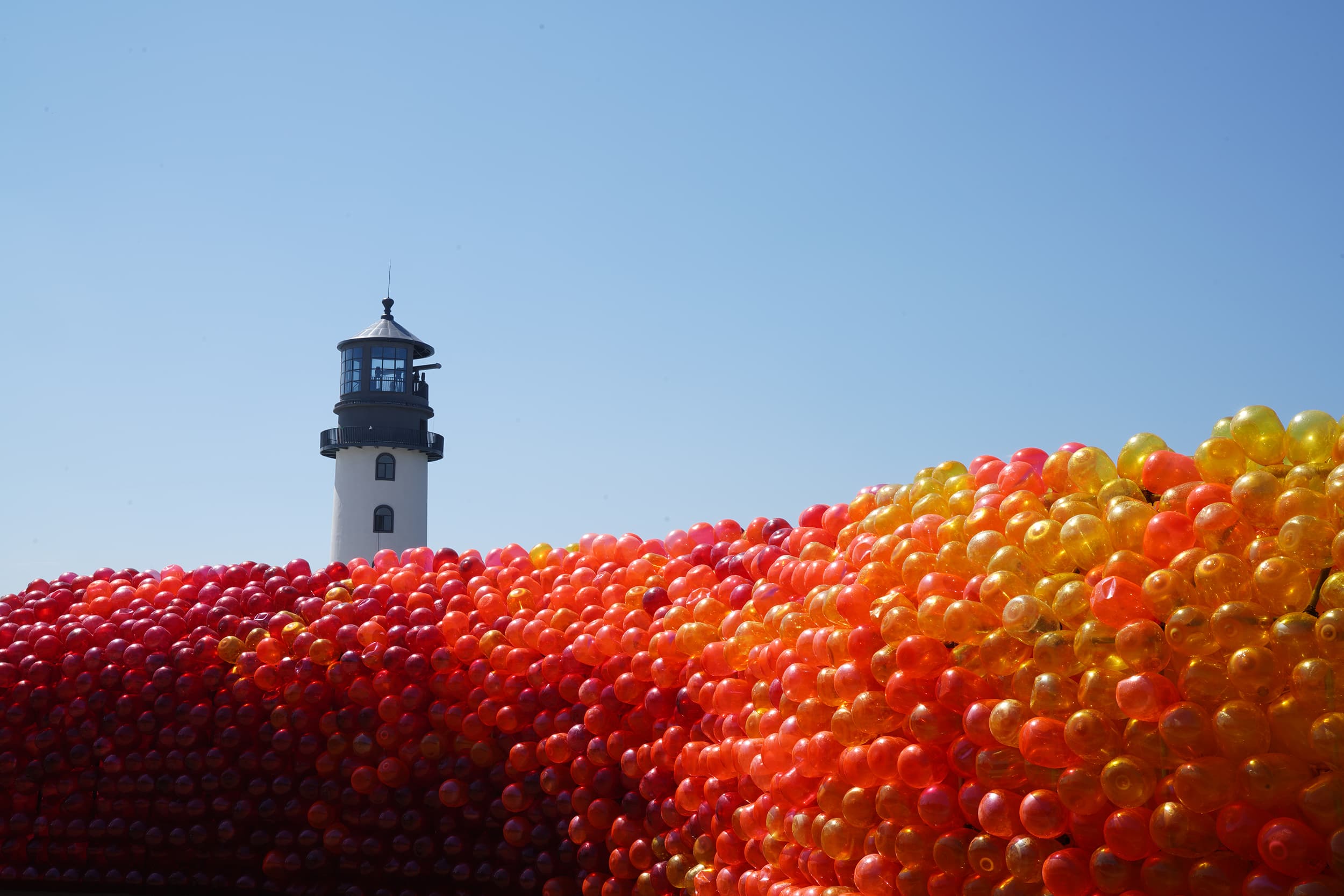
No longer adrift aimlessly, these vessels are intentionally placed at Lighthouse Plaza along Yichang’s riverfront, becoming an approachable public presence. From passive drifting to deliberate anchoring, from marine waste to public art medium, the project achieves both material circular regeneration and a humanistic shift from individual longing to shared public responsibility.
Leveraging the floats’ inviting shapes and calming colours, the project advances local collective co‑creation. Moving beyond one‑way art display, it develops into a Joseph Beuys‑inspired “social sculpture” built through widespread participation. At the site, students, housewives and retirees — people rarely engaging with galleries — tied and hung floats by hand. They transform waste fates and symbolically mend long‑fractured human connections.
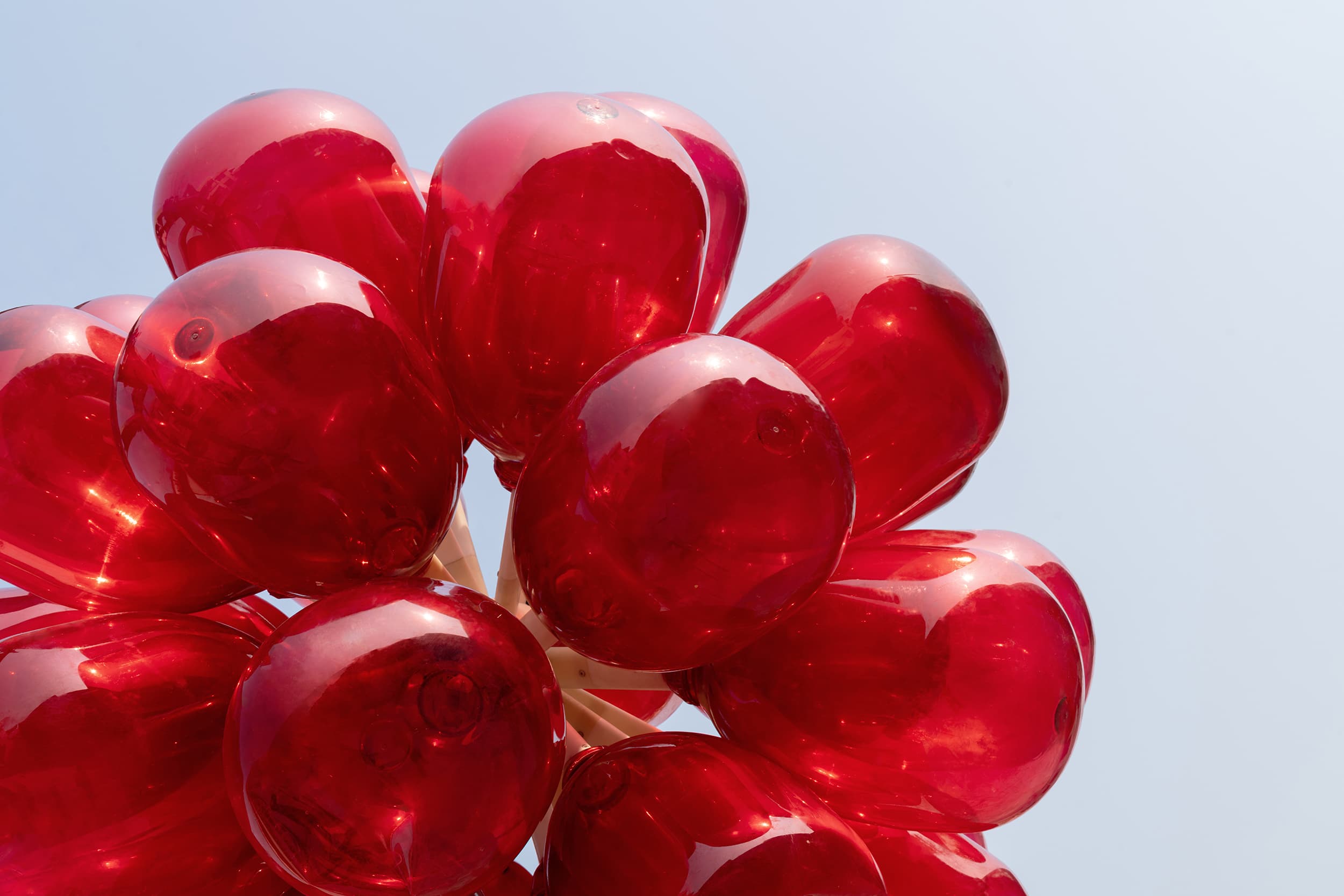
German artist Joseph Beuys famously stated: “Everyone is an artist.” Its core meaning lies in our universal capacity to shape social community. The Drift Bottle of Hope embodies this philosophy locally: art escapes elite appreciation to become a public medium for ordinary people to voice their values.
Transforming discarded aquaculture floats into conceptual vessels and symbols of connection forms the project’s deeper spiritual mission. It transcends a standalone artwork. Hope cannot exist in isolation; it persists through sharing and grows through connection. Hope held alone remains fragile; hope built collectively gains enduring resilience.
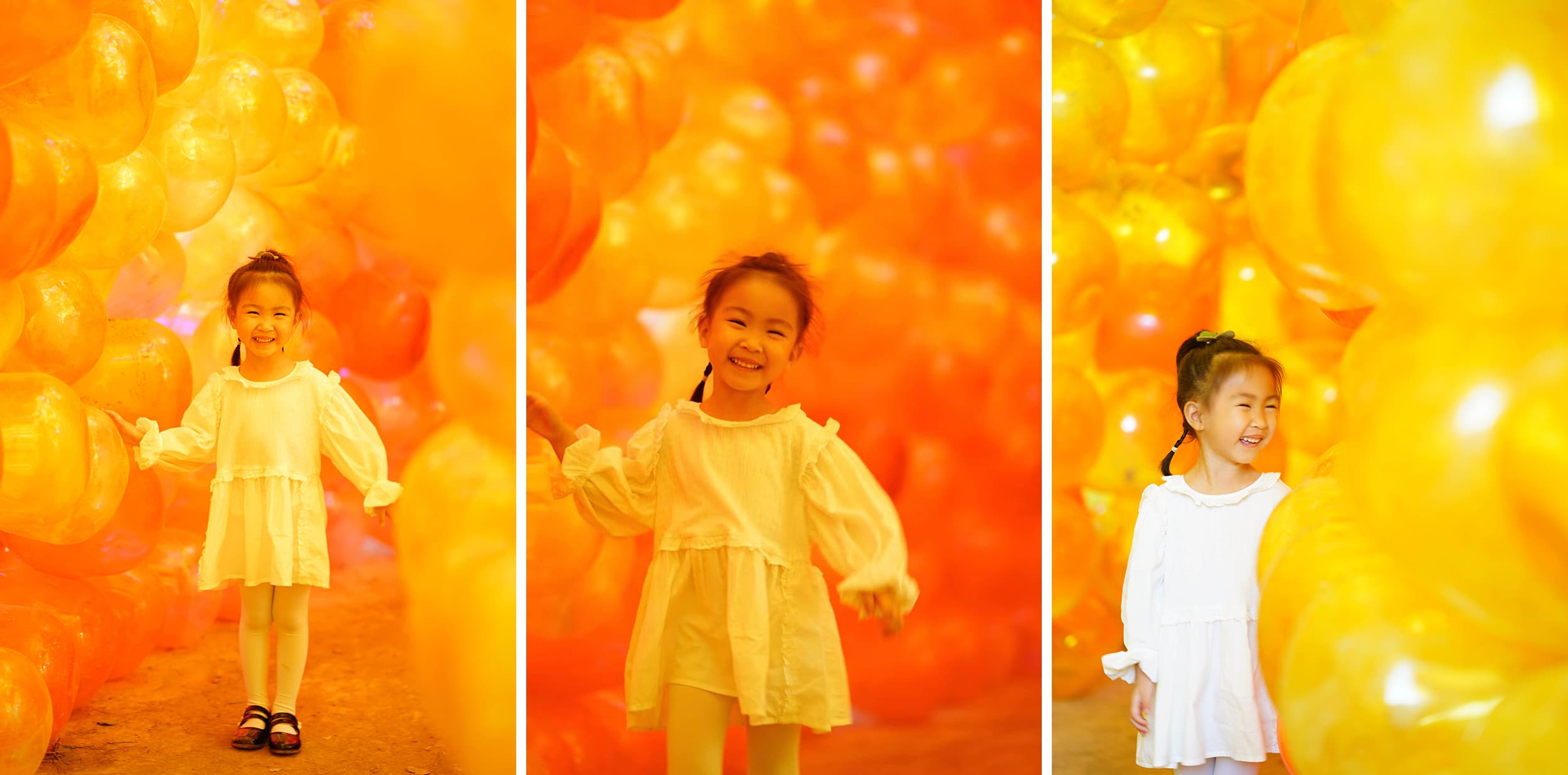
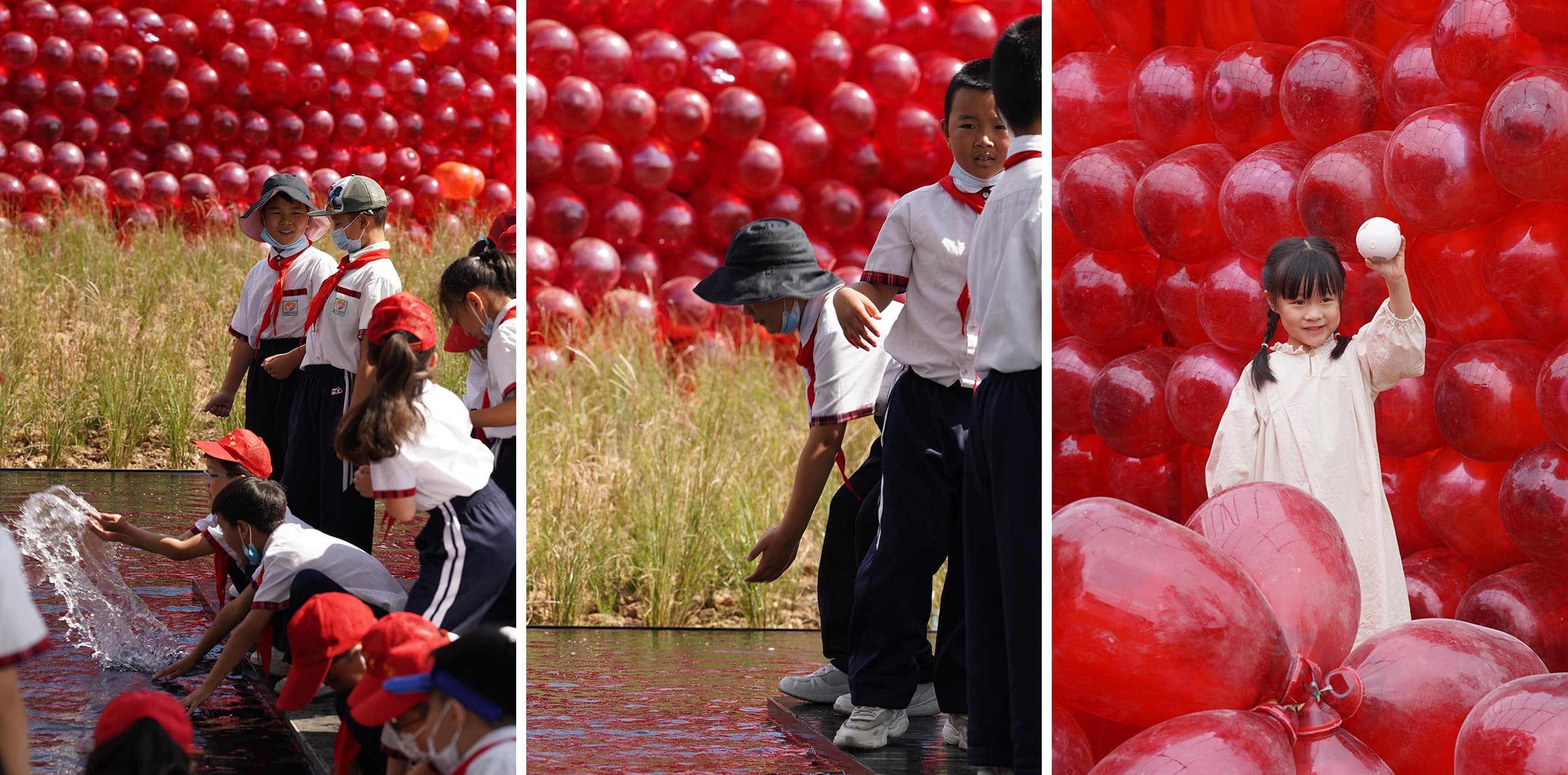
Through public participation, isolated individuals converge into a united “we.”
We no longer perceive ourselves as lonely beings but as interdependent, mutually supportive community members. This shared identity fosters collective aspirations: clean oceans, stable societies, warm human bonds — and shared accountability: reducing plastic pollution, restoring coastal ecosystems, caring for one another.
Once drifting across the sea, these floats avoid landfills and oceanic dissipation. Settled in a riverside public plaza, they shed their waste label to become spiritual containers of collective will and shared hope.
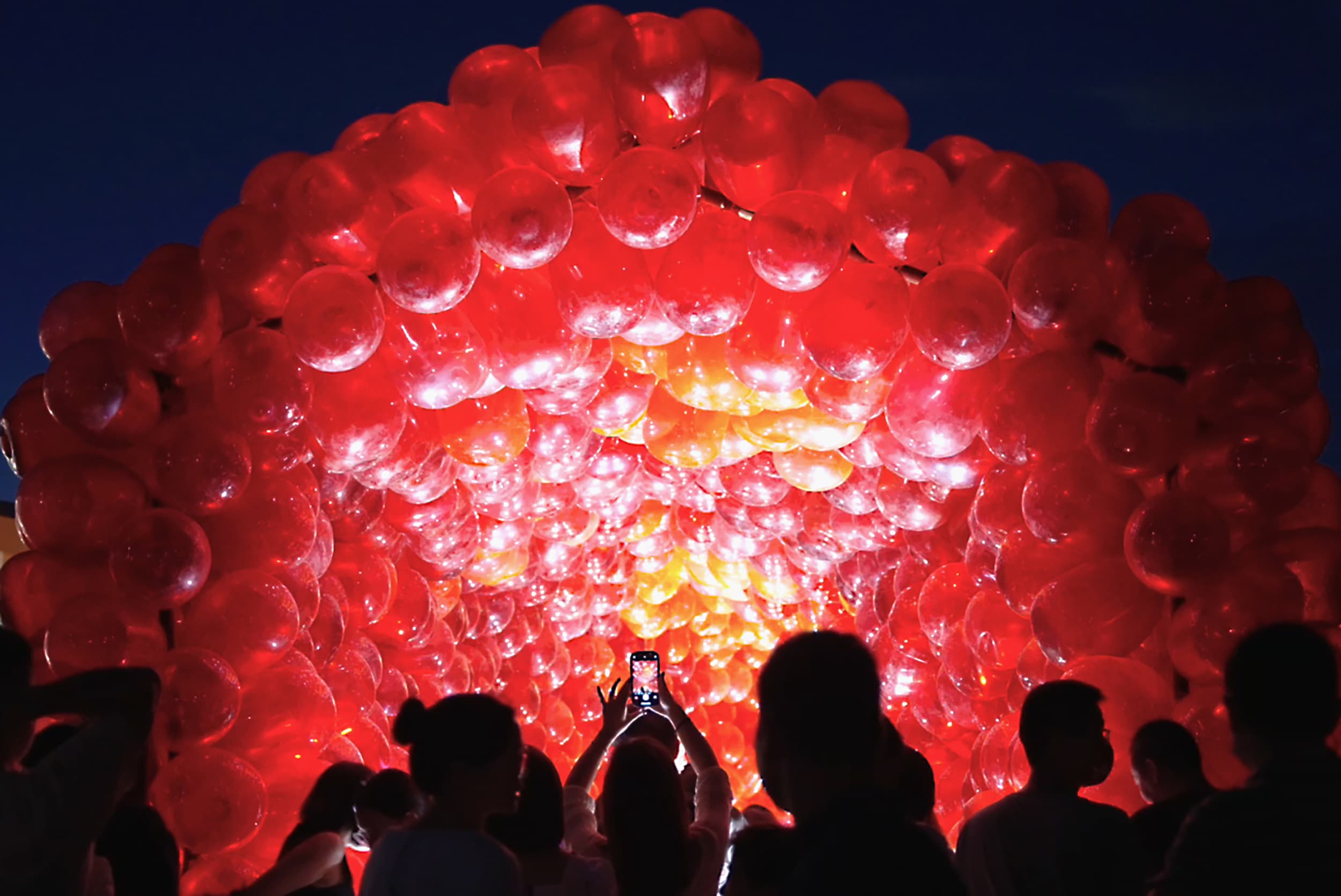
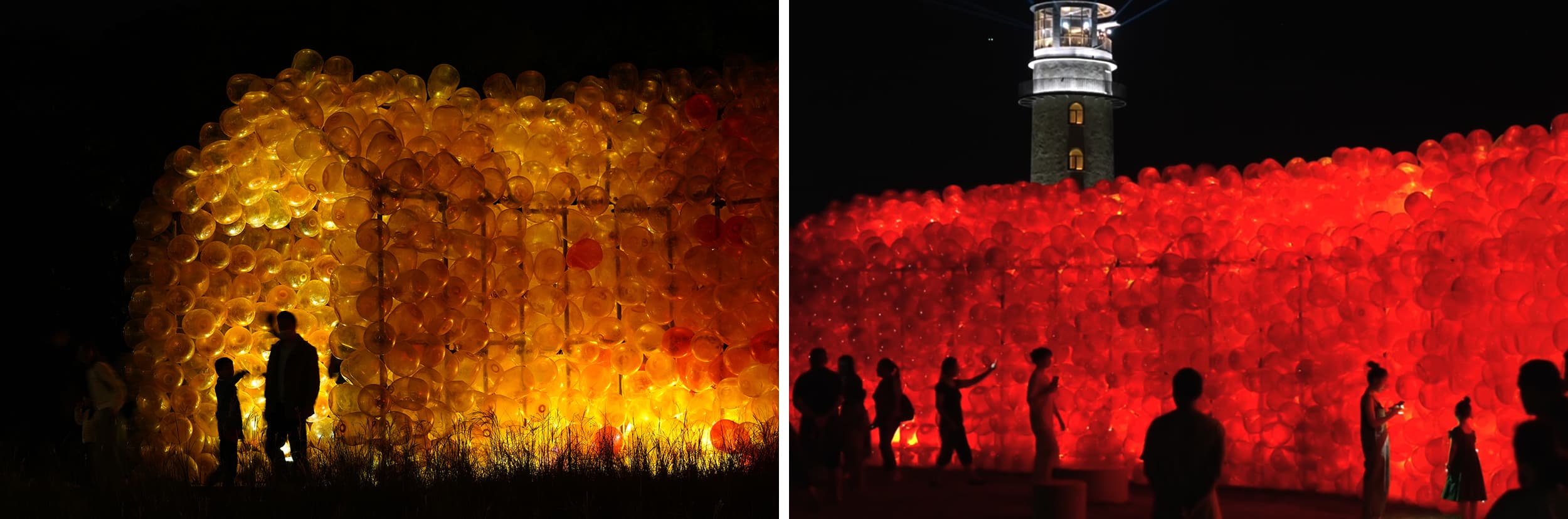
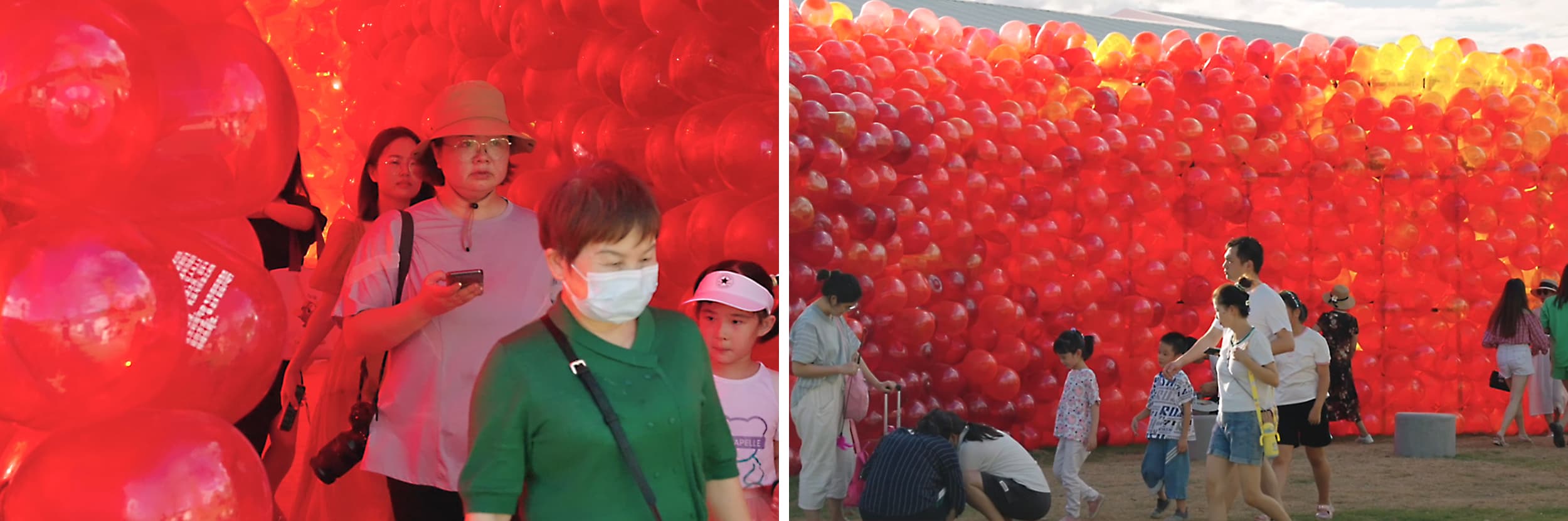
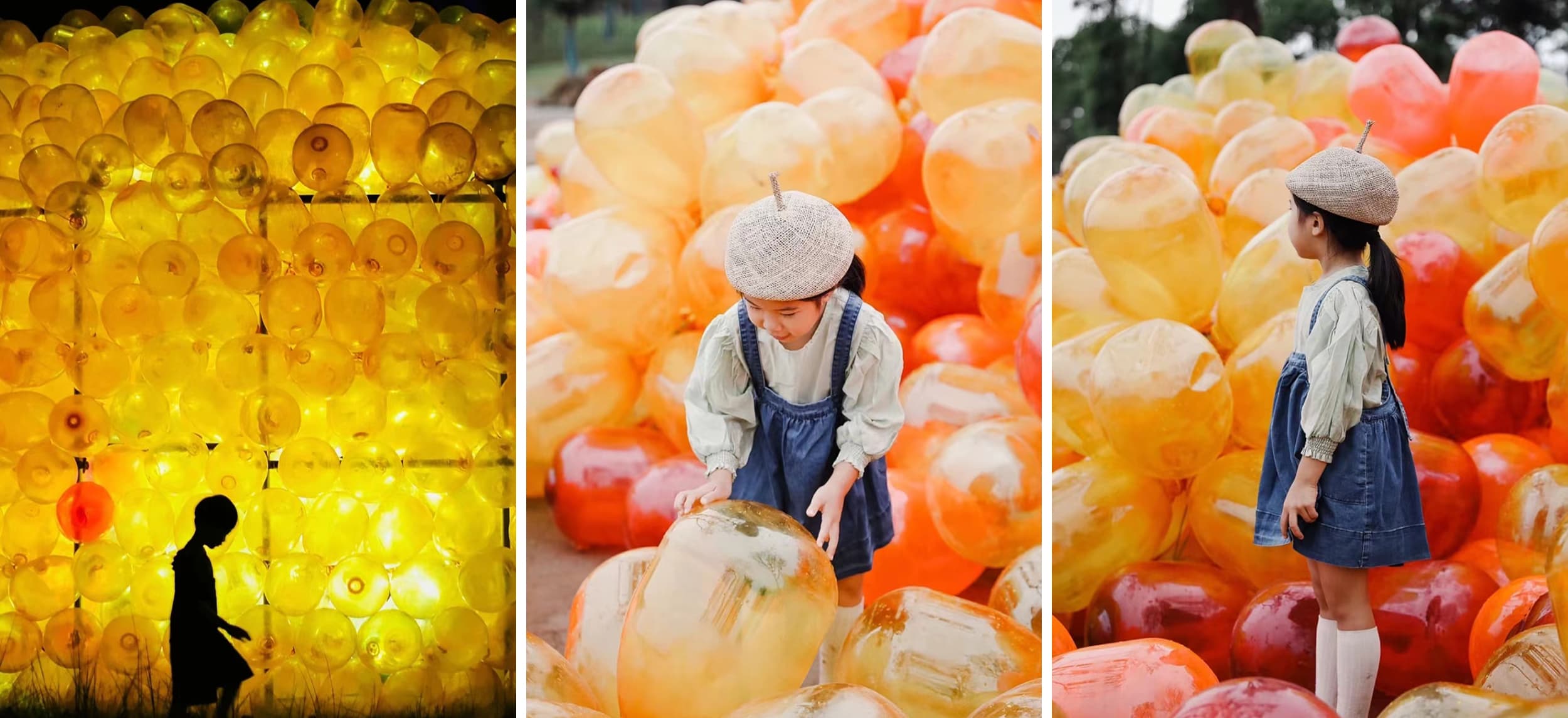
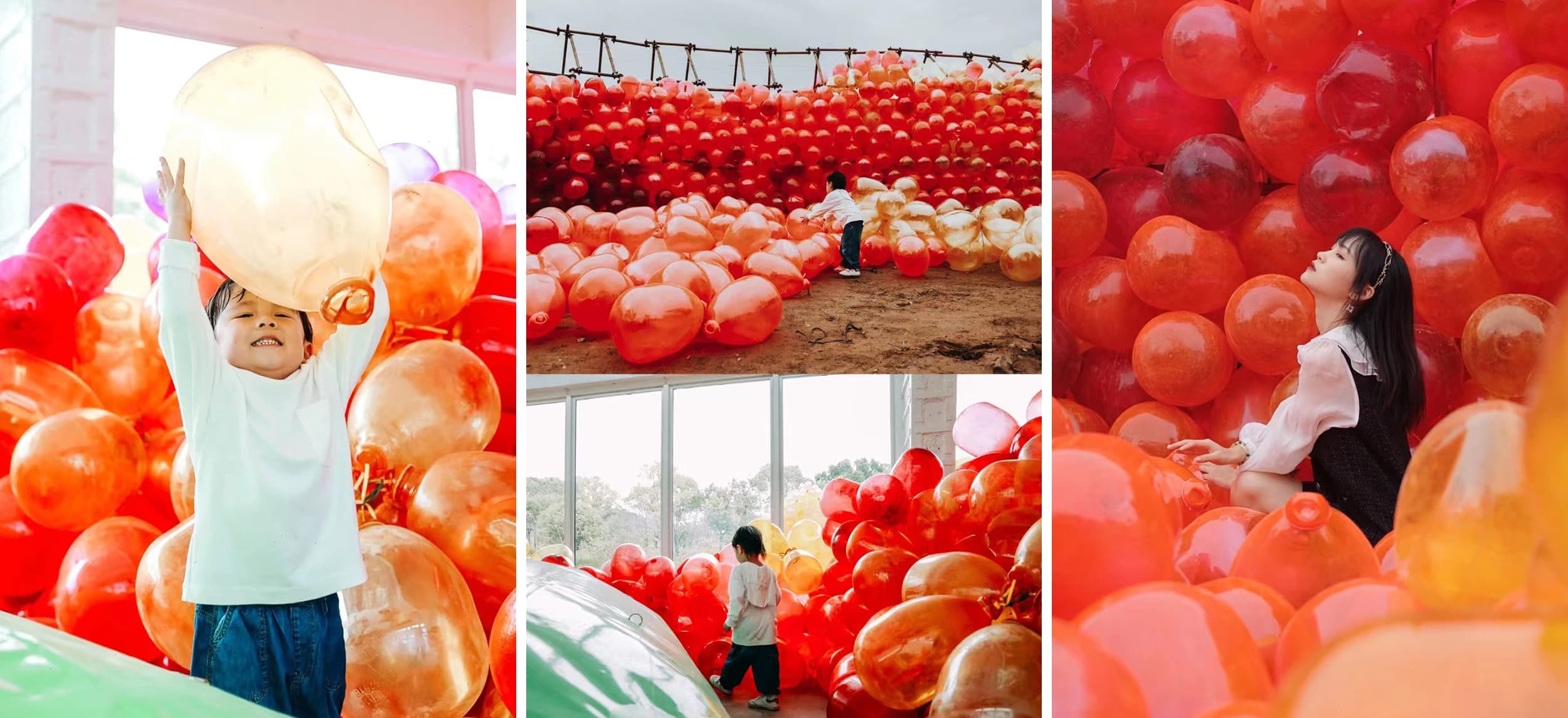
Aristotle called hope a waking dream. Through this local artistic practice, I believe hope is not passive reverie, but active solidarity among awake people walking together. It is built from discarded floats, rough rope, and shared smiles between strangers. Imperfect and marked by real‑world cracks, it is precisely this imperfection that makes hope authentic and powerful.
Project Director: Xu Gang
Taking reclaimed marine aquaculture floats as the material medium, this project explores how sustainable public art fosters hope, mends social bonds and nurtures a shared sense of community among the public.

- Contact
+8620 8977 0506
- Press
press@bentudesign.com
- Enquiry & Sales
info@bentudesign.com