

A Frigid Haven: Material Regeneration Practice of Mining and Metallurgical Solid Waste
Time: 2024
Location: Foshan, Guangdong, China
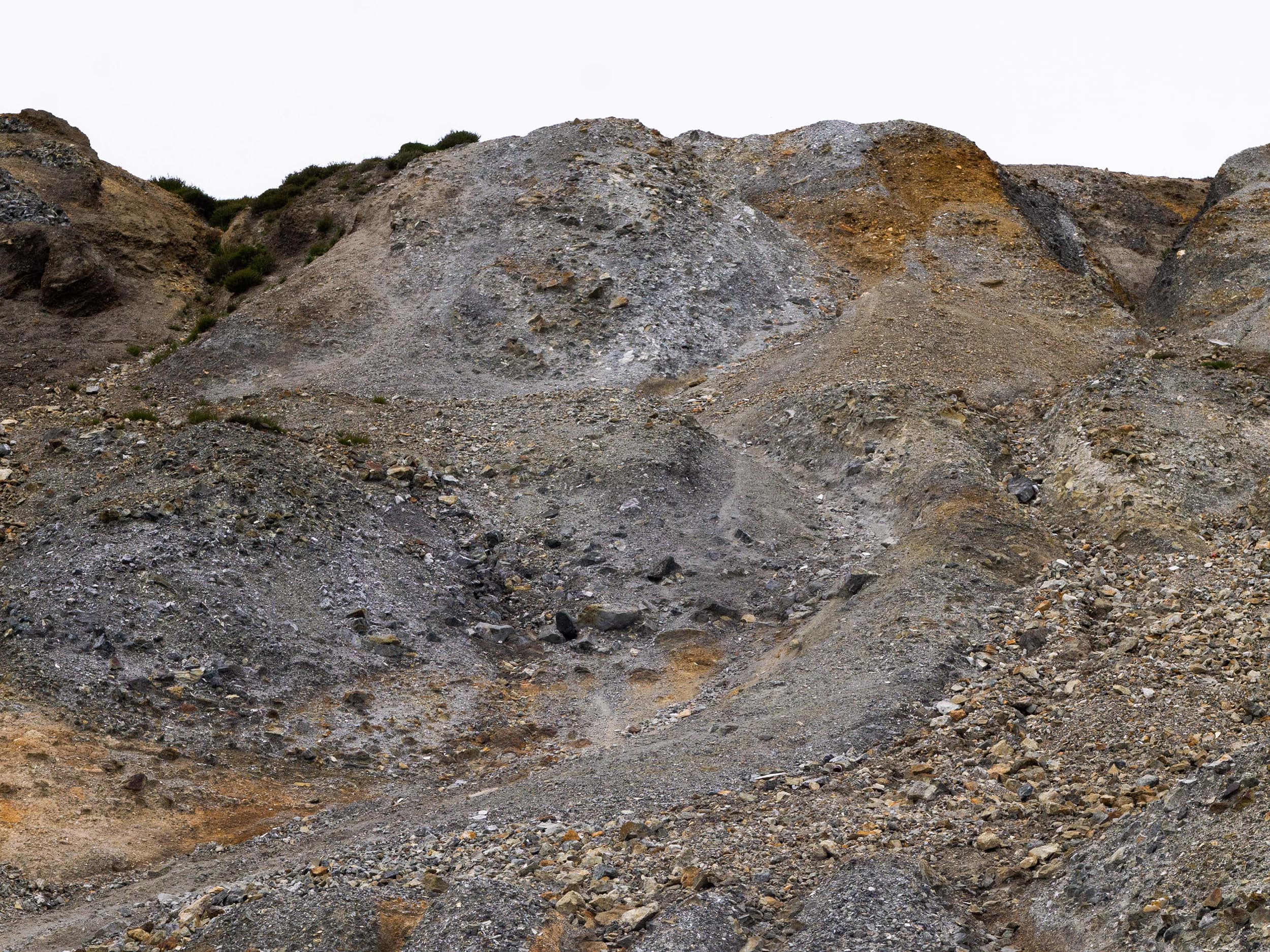
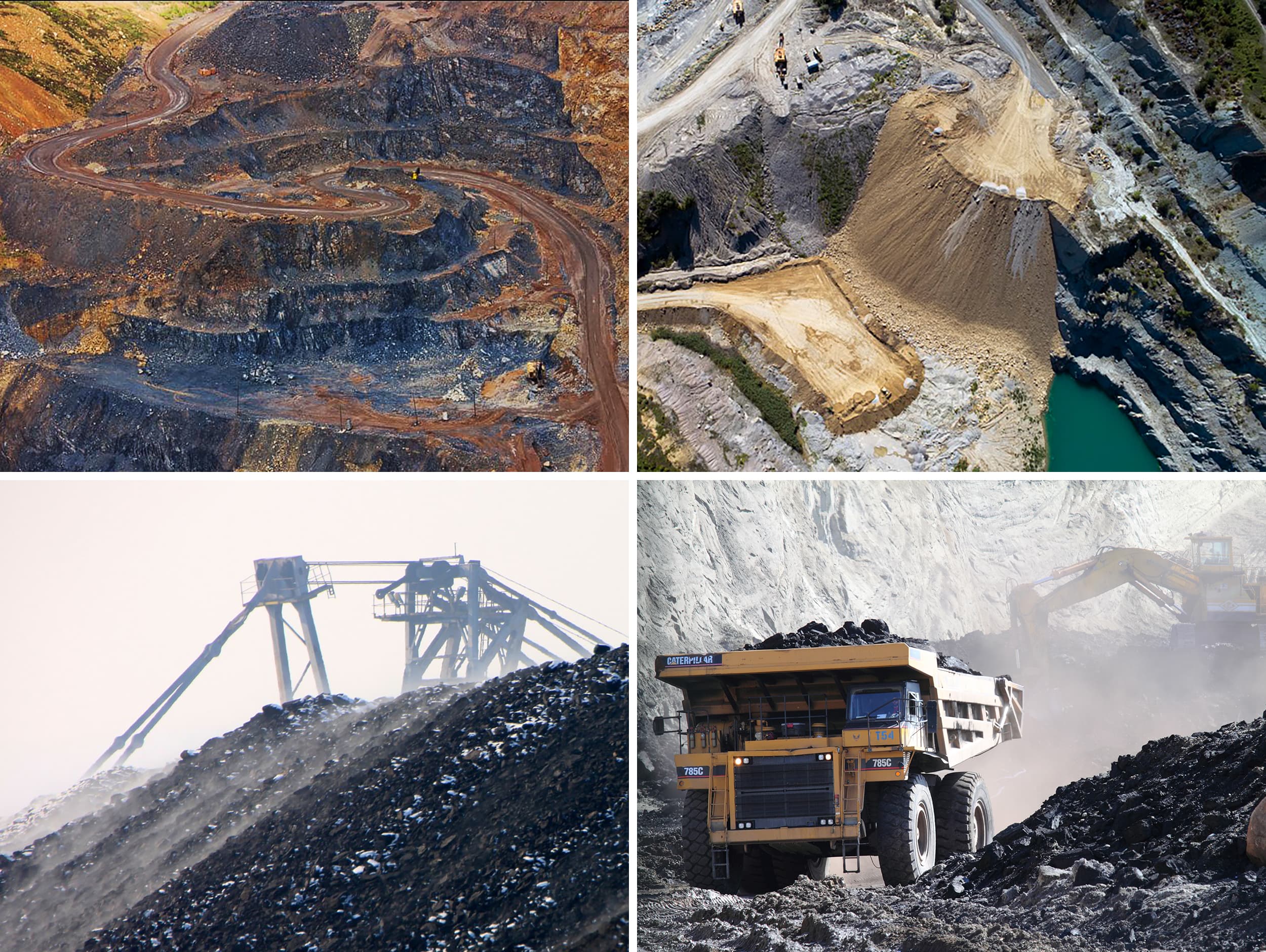
Following the Second Industrial Revolution, steel became the backbone of modern civilization. Railways, infrastructure, and urban edifices could not stand without its support. The technological civilization we rely on today is essentially built upon the chain of mineral exploitation, metal smelting, and industrial processing. While the metallurgical industry continuously supplies material substance to society, it also generates ecological burdens that are difficult to eliminate.
Mining activities scar the landforms. Ore dressing produces massive tailings, and smelting consumes enormous energy while discharging sulfur dioxide, metal dust, and greenhouse gases. Steel fuels social progress, yet mining and metallurgical residues accumulate as long-standing ecological debts. The two form the core inherent contradiction of modern industry.
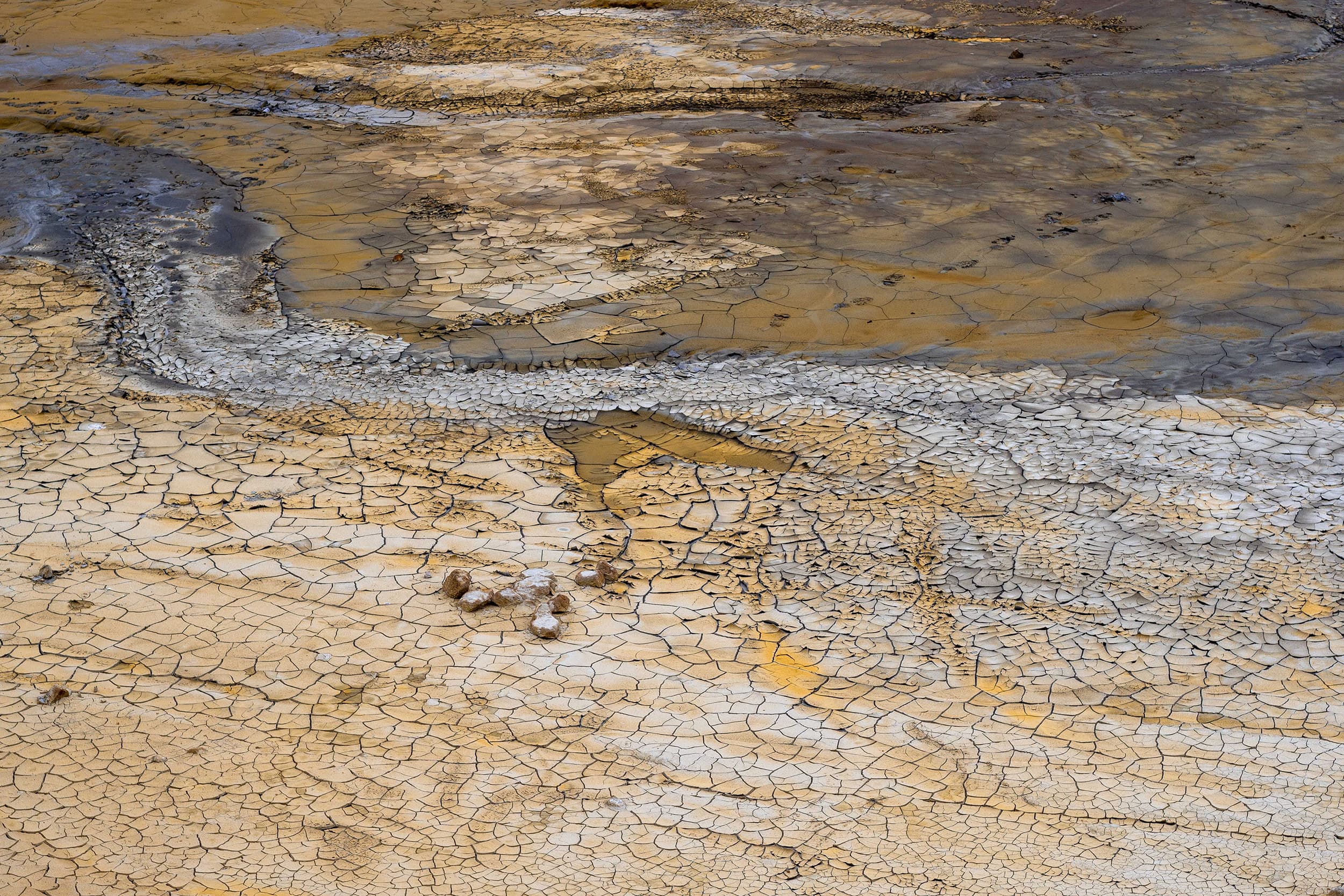
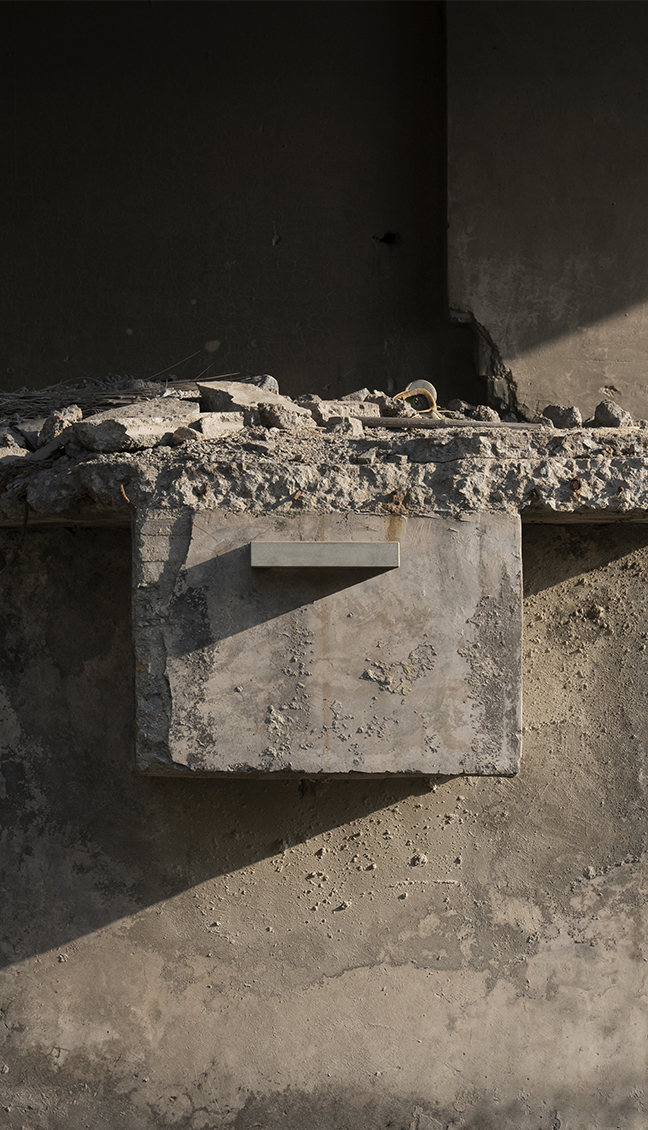
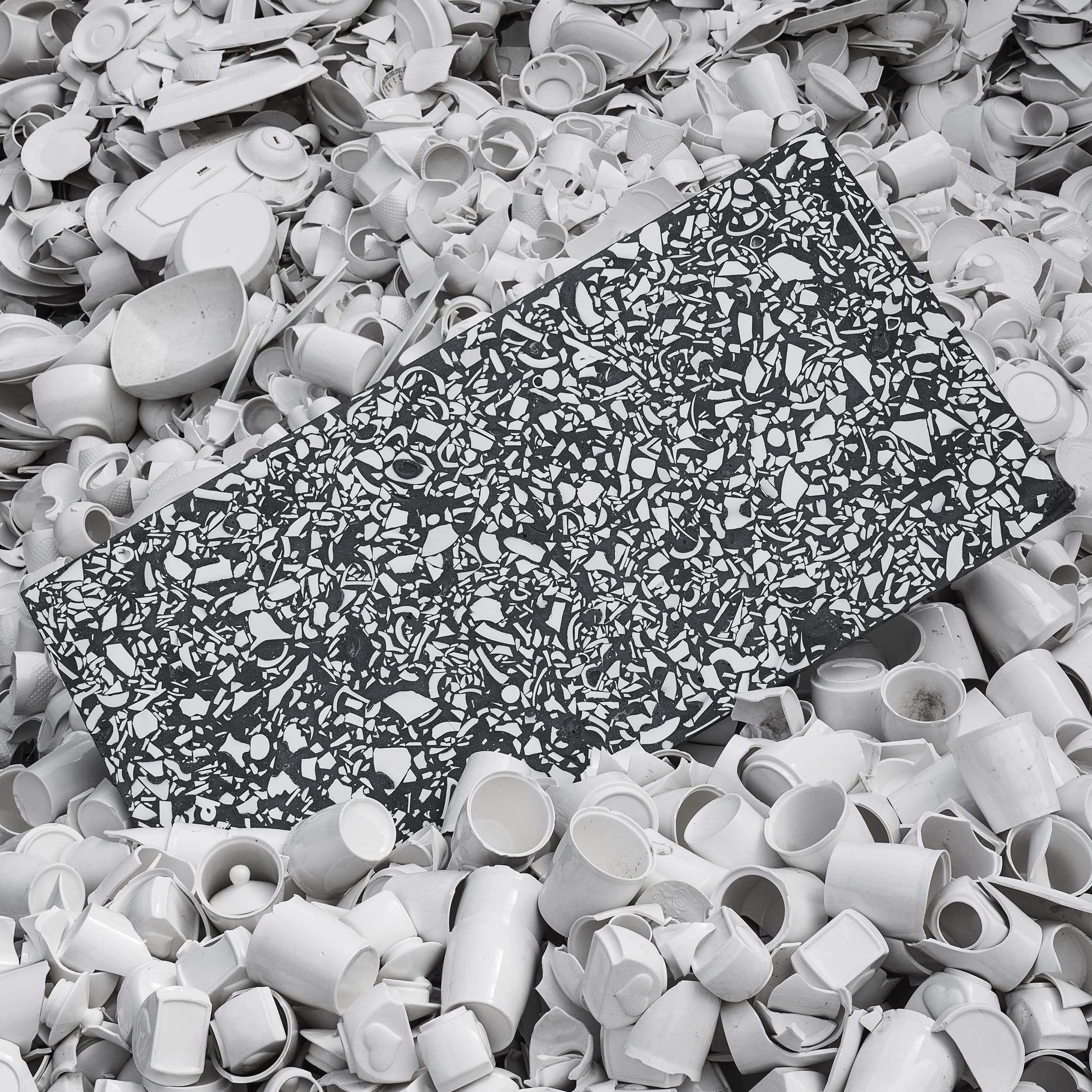
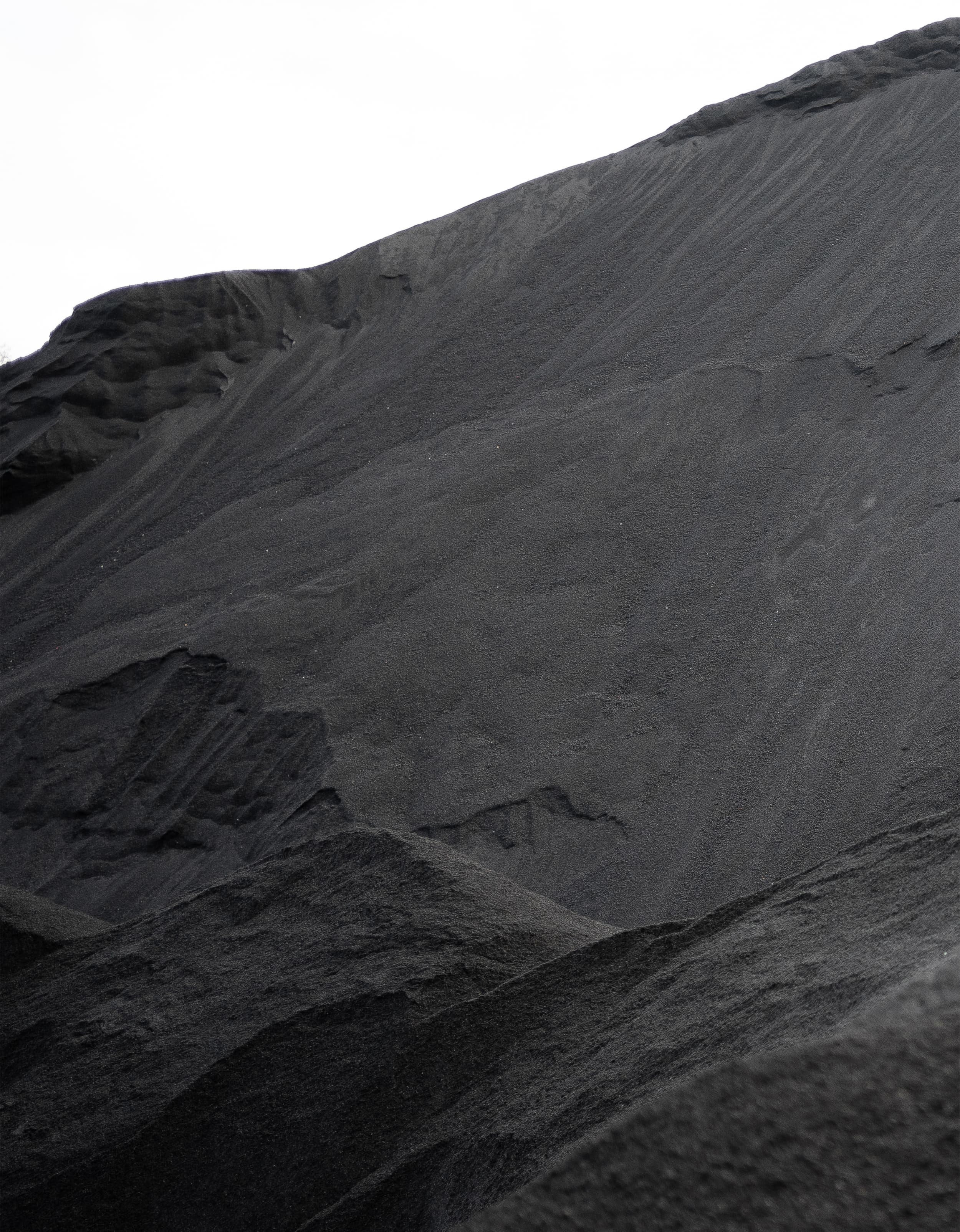
China started late in the resource utilization of metallurgical solid waste. The utilization rate of blast furnace slag ranges from 70% to 85%, while steel slag utilization stands at merely around 25%. The steel industry generates over 100 million tons of slag annually, with accumulated stockpiles reaching billions of tons. Large volumes of waste are discarded in mining zones, suburban outskirts, and rural depressions, polluting soil and water and posing persistent threats to ecology and public health. Dismissed as "useless" by industrial production, these substances pile up silently on urban fringes, becoming overlooked remnants of industrialization.
Sustainable development is never an abstract slogan, but tangible actions implemented within materials, industries, and urban spaces. Invited by Minmetals Land, BENTU develops urban public furniture using mining and metallurgical solid waste, responding to this contemporary proposition. This project goes beyond mere product design; it faces up to the ecological debts left by industry and explores grounded practice to reintegrate waste materials into daily life, restoring balance between industry and nature.
China Minmetals Group originated from mineral exploitation and smelting in the early stages of China’s industrialization. As a participant and builder of national industrial development, it also directly produces metallurgical solid waste. Currently, Minmetals Land launches a special initiative for the coordinated disposal and resource recycling of mining, metallurgical, and urban waste, cooperating with BENTU on slag regeneration research. Waste generated by its own industrial operations returns to urban public life, marking a profound transformation of industrial identity.
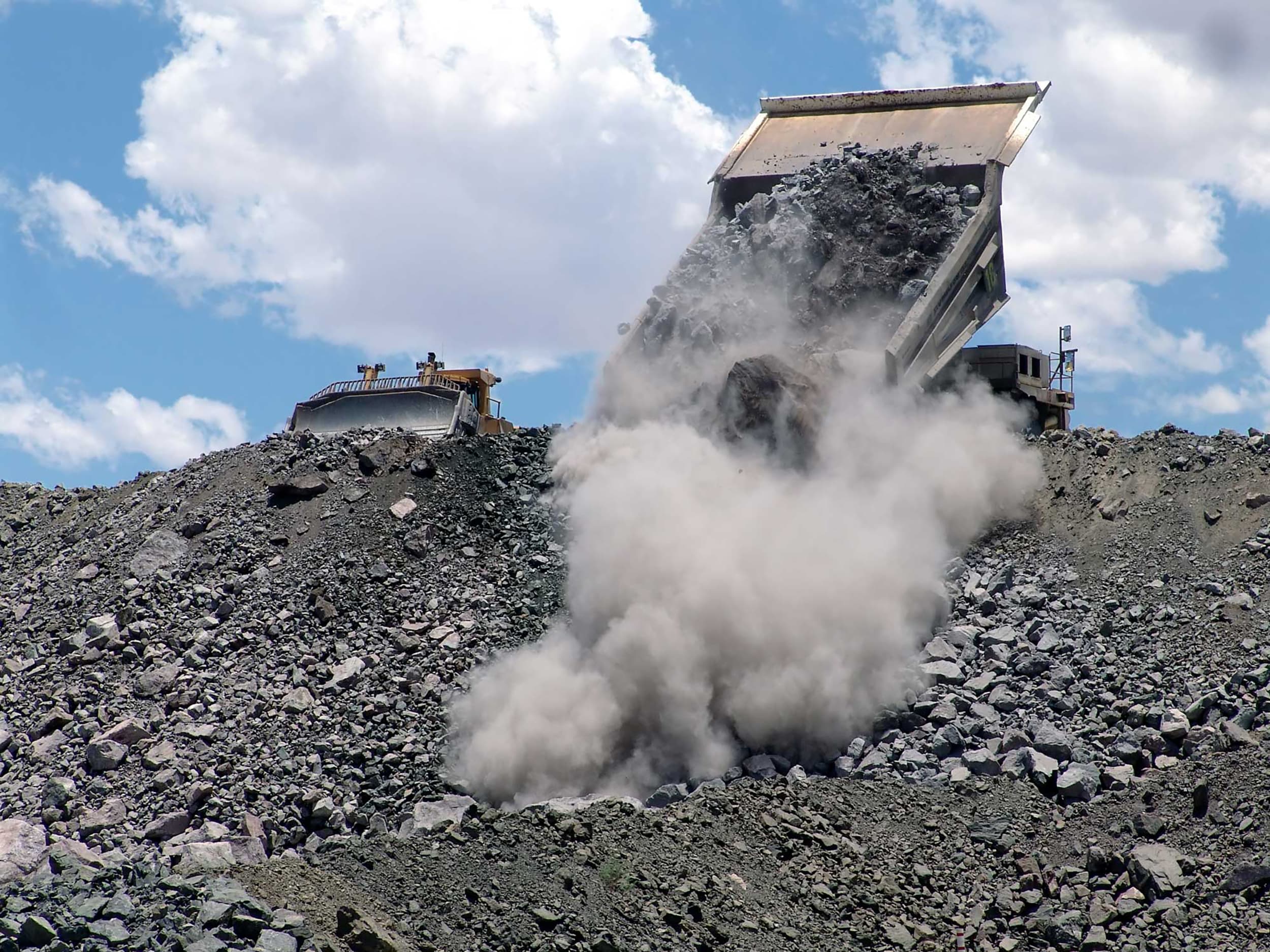
The core breakthrough of this practice lies in establishing a closed regional material circulation loop. All slag raw materials are sourced from Minmetals’ own mines and smelting plants—once regarded as industrial by-products and ecological liabilities. Unlike the long-distance transportation under globalized supply chains, these waste materials are collected, crushed, screened, proportioned, and shaped within the same industrial system, eventually reborn as public urban furniture. The transportation radius is minimized, and the material source remains fully traceable. The transformation from waste to finished goods occurs locally, substantially cutting extra energy consumption and pollution brought by regeneration processes.
Shifting from resource extractor to ecological restorer embodies closed-loop industrial accountability. Those who generate waste shall undertake the responsibility to revitalize its value. This initiative is not a passive response to external environmental regulations, but a voluntary acknowledgment of industrial history. Transforming past ecological liabilities into usable urban assets, the internal circular mechanism offsets environmental costs caused by linear production, unifying industrial development and ecological restoration.
Three major materials are adopted in the research and development: steel slag and iron slag from steelmaking and ironmaking, and fly ash from coal-fired power generation—each bearing distinct industrial imprints.
Steel slag is a by-product of steelmaking, featuring a coarse texture and numerous pores formed under high-temperature melting. It ranks among the largest-volume and hardest-to-recycle metallurgical solid wastes. Iron slag, from blast furnace ironmaking, offers stable chemical composition and forms the main aggregate of regenerated materials together with steel slag. Fly ash consists of micron-sized spherical particles capable of participating in cementitious reactions, effectively enhancing the compactness and stability of the material matrix.
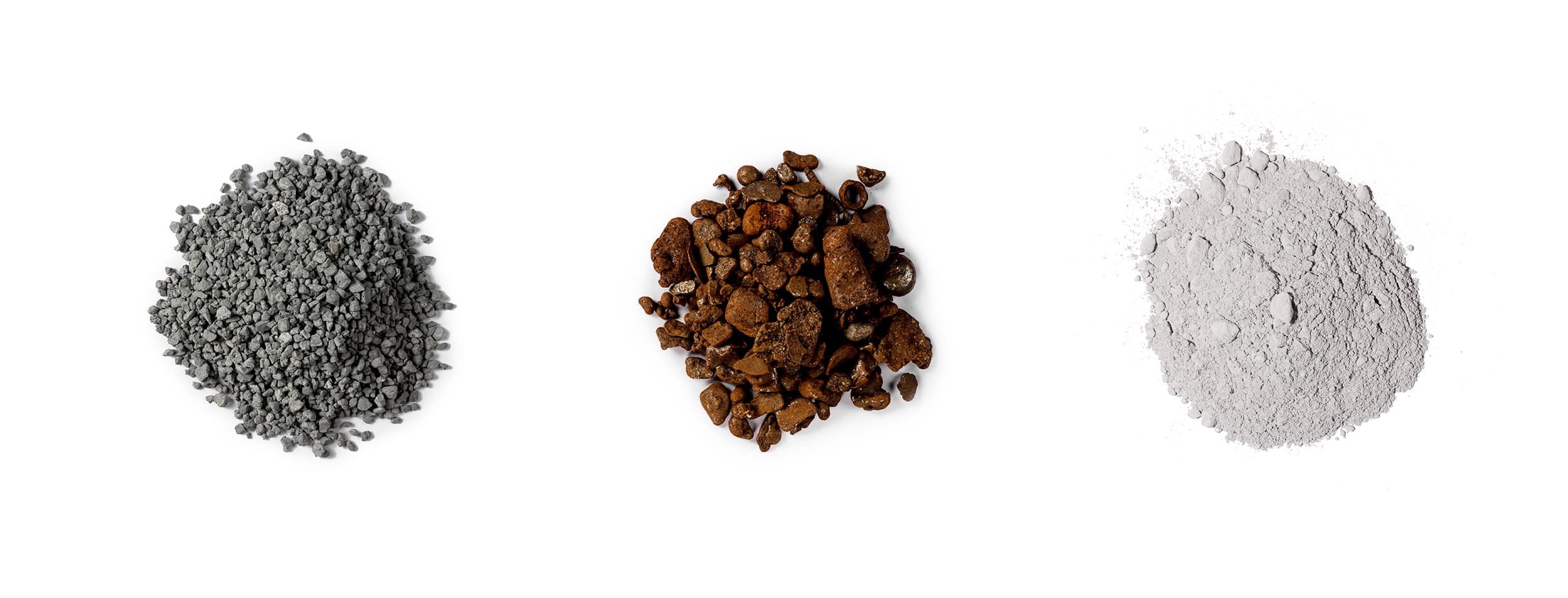
These materials once served separate functions: steel and iron slag supported architectural structures, while fly ash remained after energy combustion. Once crushed, blended, and integrated into one matrix, they are no longer scattered waste fragments, but tangible slices of industrial civilization. The fundamental elements sustaining urban operation—steel, power, construction, and energy—are condensed and solidified within regenerated materials.
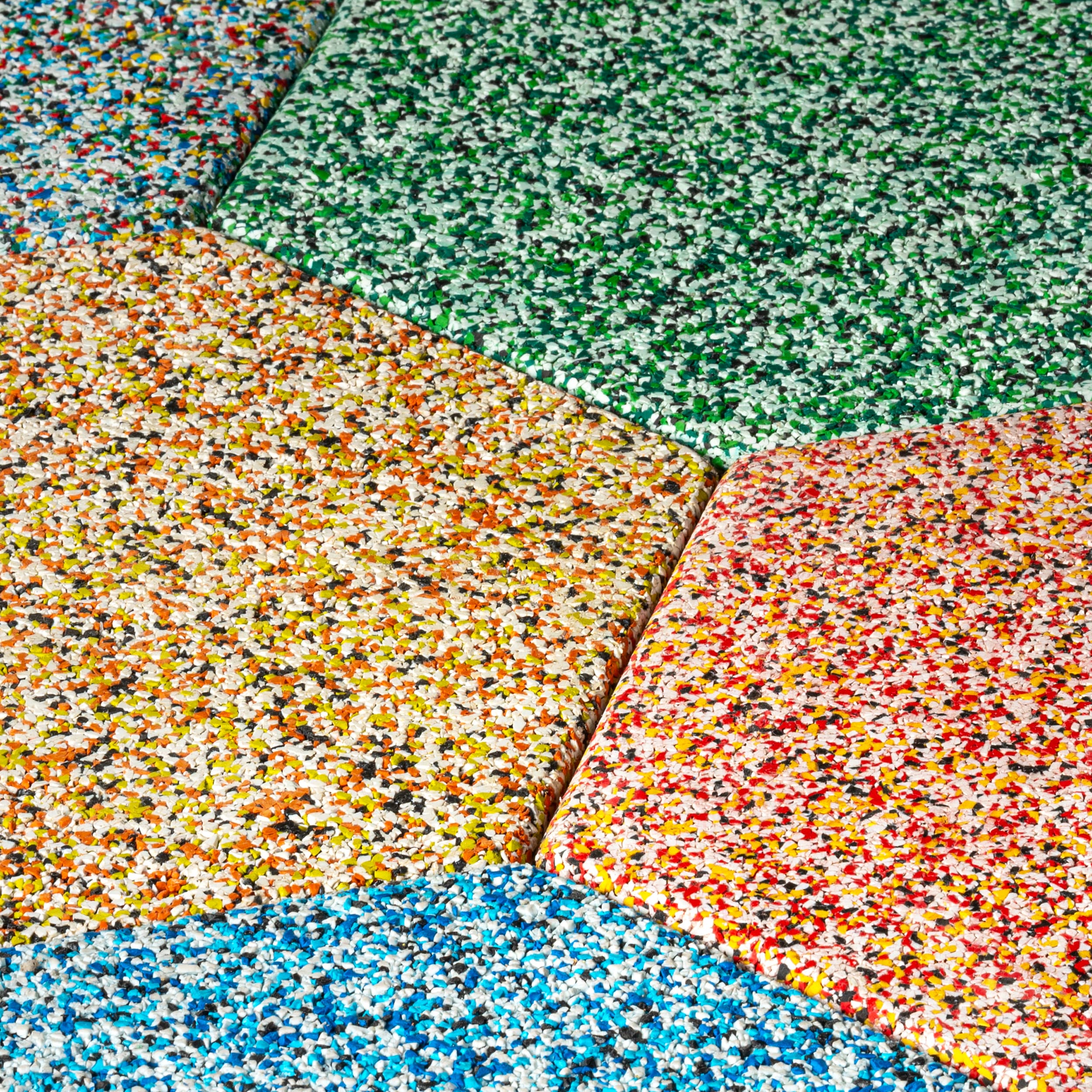
Notable disparities exist in form and particle size among the three materials. Steel and iron slag are irregular centimeter-level aggregates, whereas fly ash consists of micron-level powder. Particles of diverse shapes, sizes, and origins interlock and support one another, with no single material dominating the composition. The finished product delivers stable practical performance and also serves as a physical carrier preserving the memory of furnace flames and burnt coal, gathering scattered industrial heritage into tangible objects.
Ultra-high performance concrete acts as the cementitious binder. High-performance regeneration of slag is achieved through physical crushing, multi-grade aggregate grading, and room-temperature curing, following rigorous ecological and structural principles.
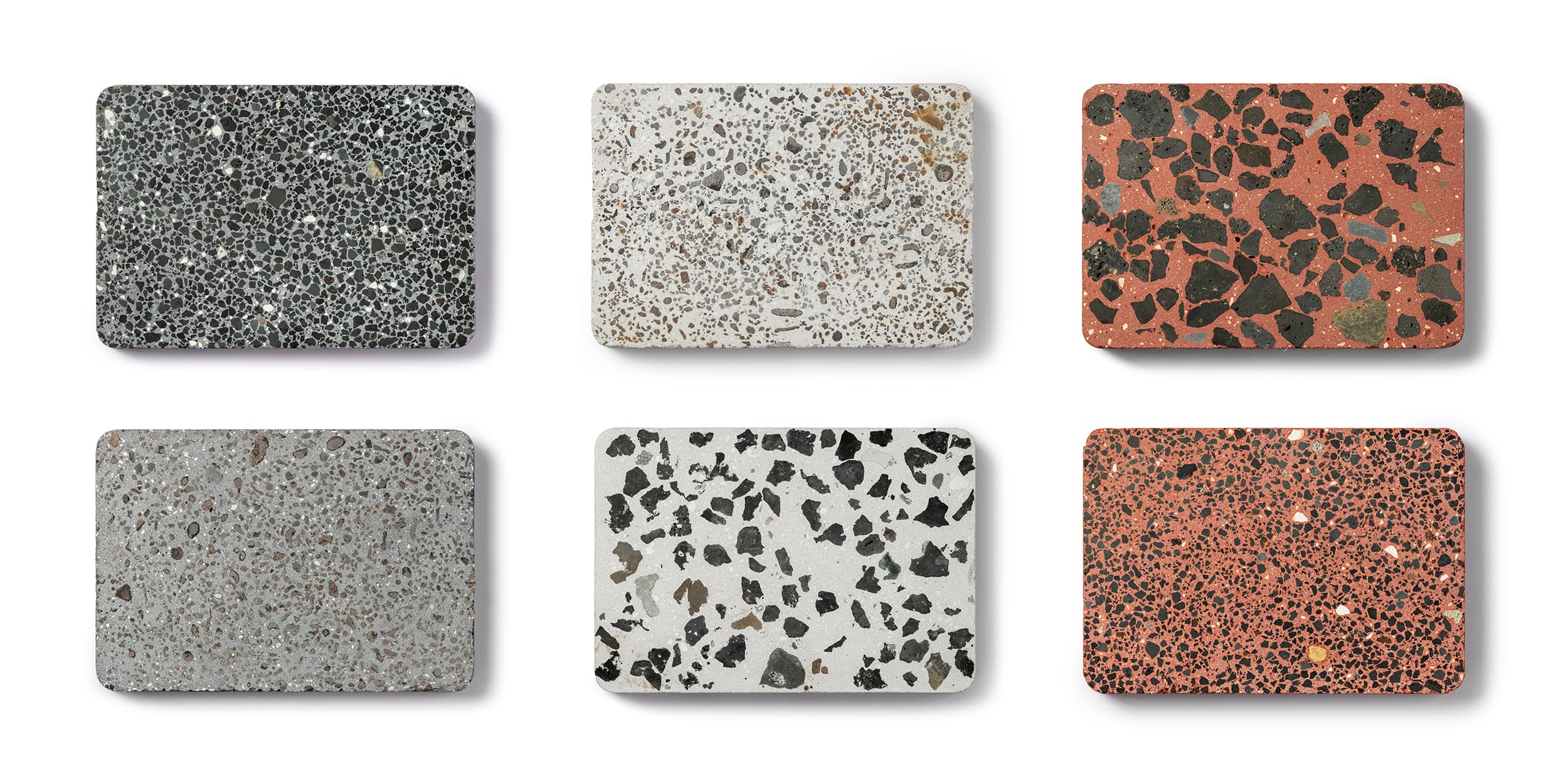
Material strength stems from the dense accumulation of graded particles. Slag is screened into a complete cascade of coarse, medium, fine, and micro-powder fractions. Coarse particles form the structural framework to guarantee overall rigidity; medium particles fill gaps between coarse aggregates; fine particles further compact the structure; fly ash participates in cementation and strengthens interfacial bonding. The interlocking layered structure achieves superior compactness. All aggregates and powders perform their respective functions equally, constructing a stable integral structure without hierarchical distinction.
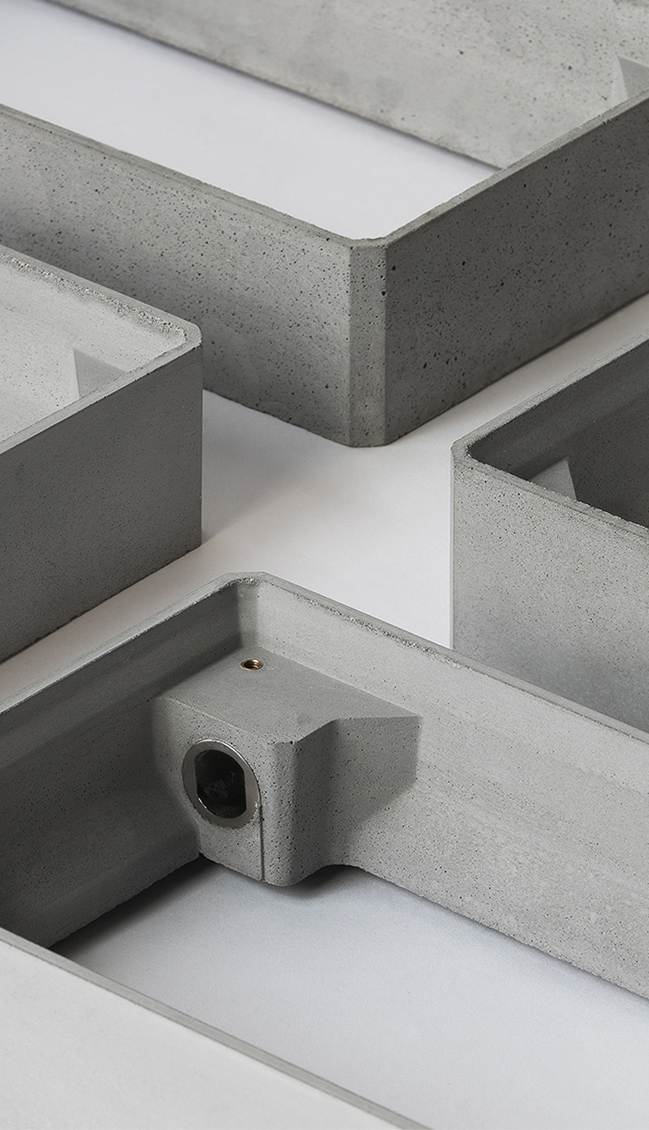
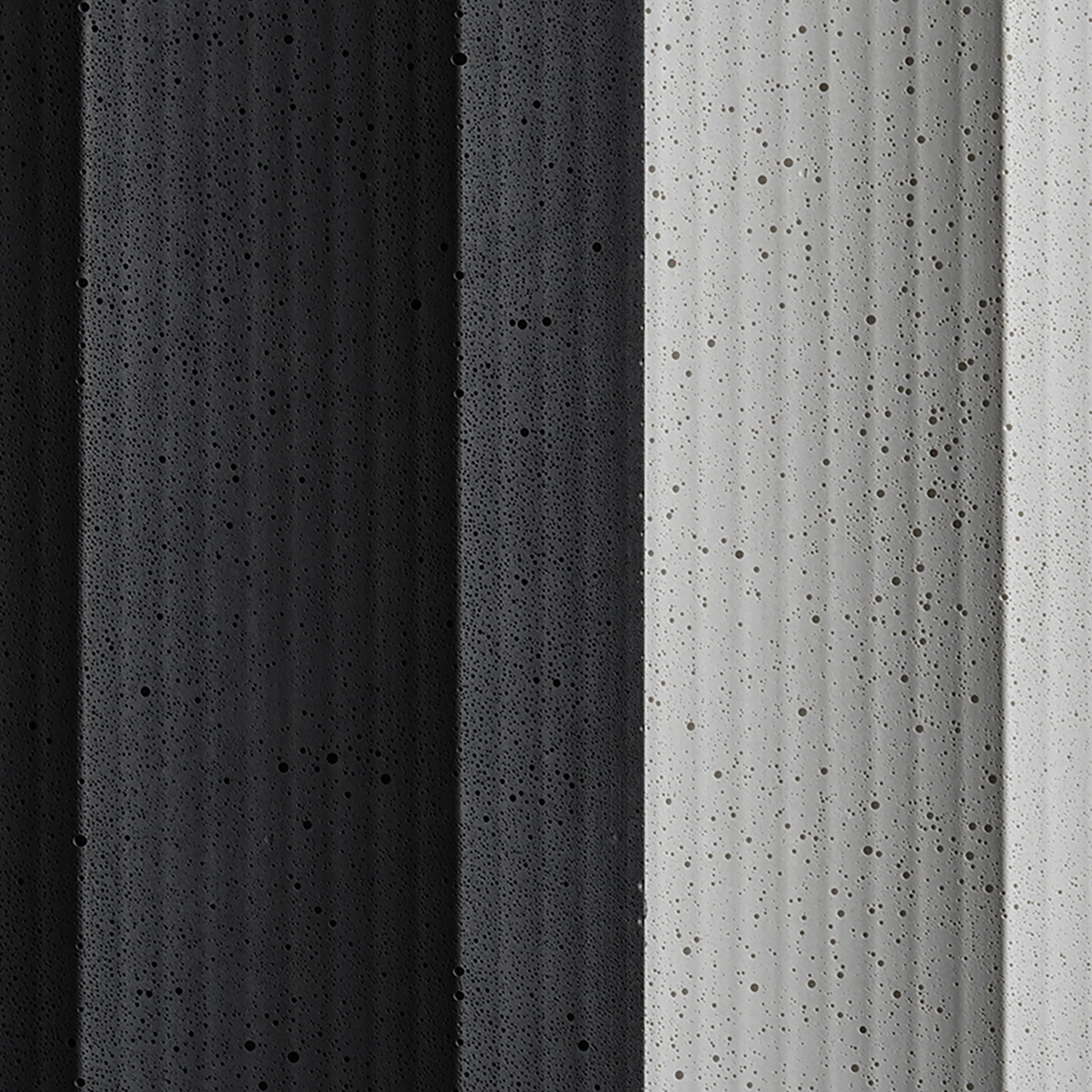
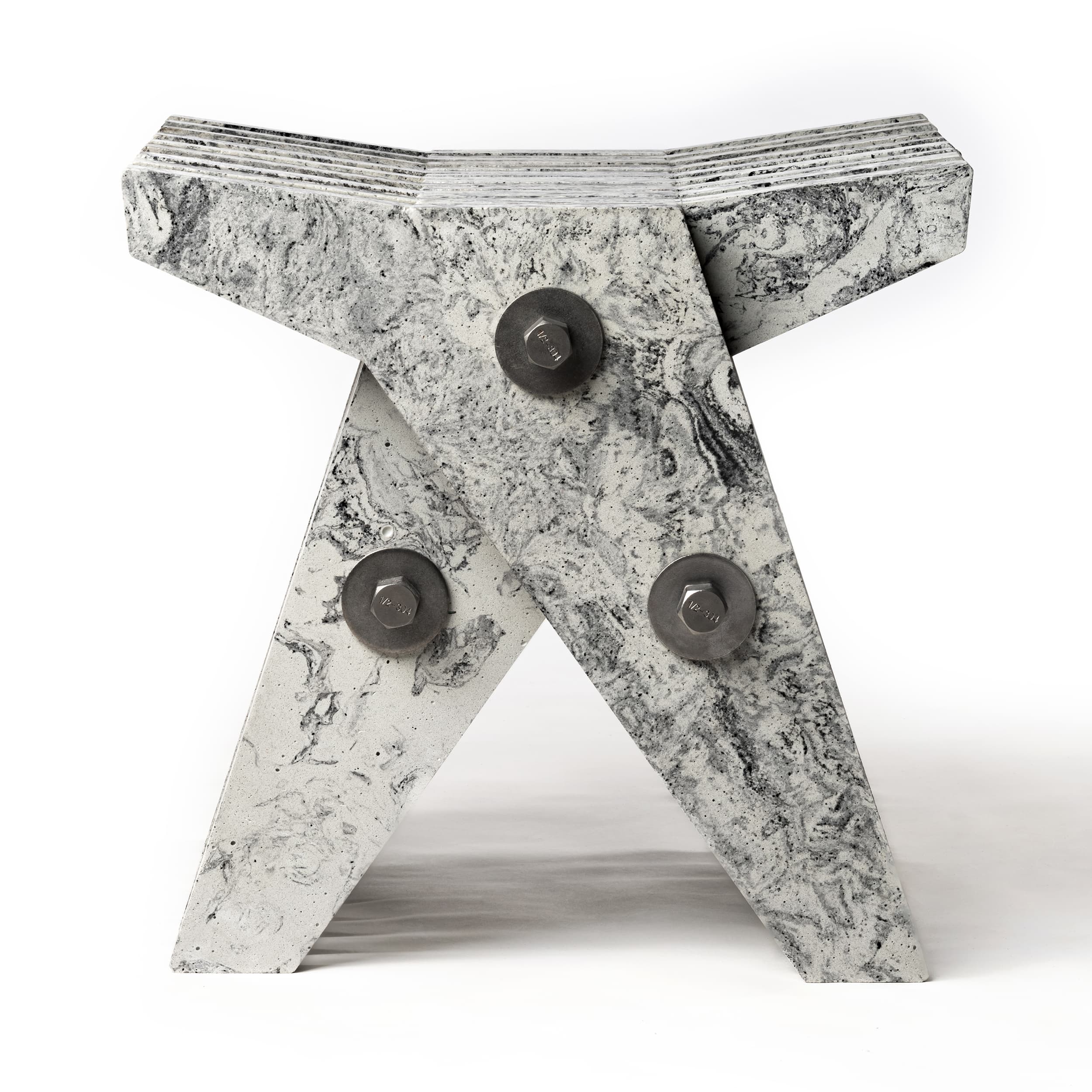
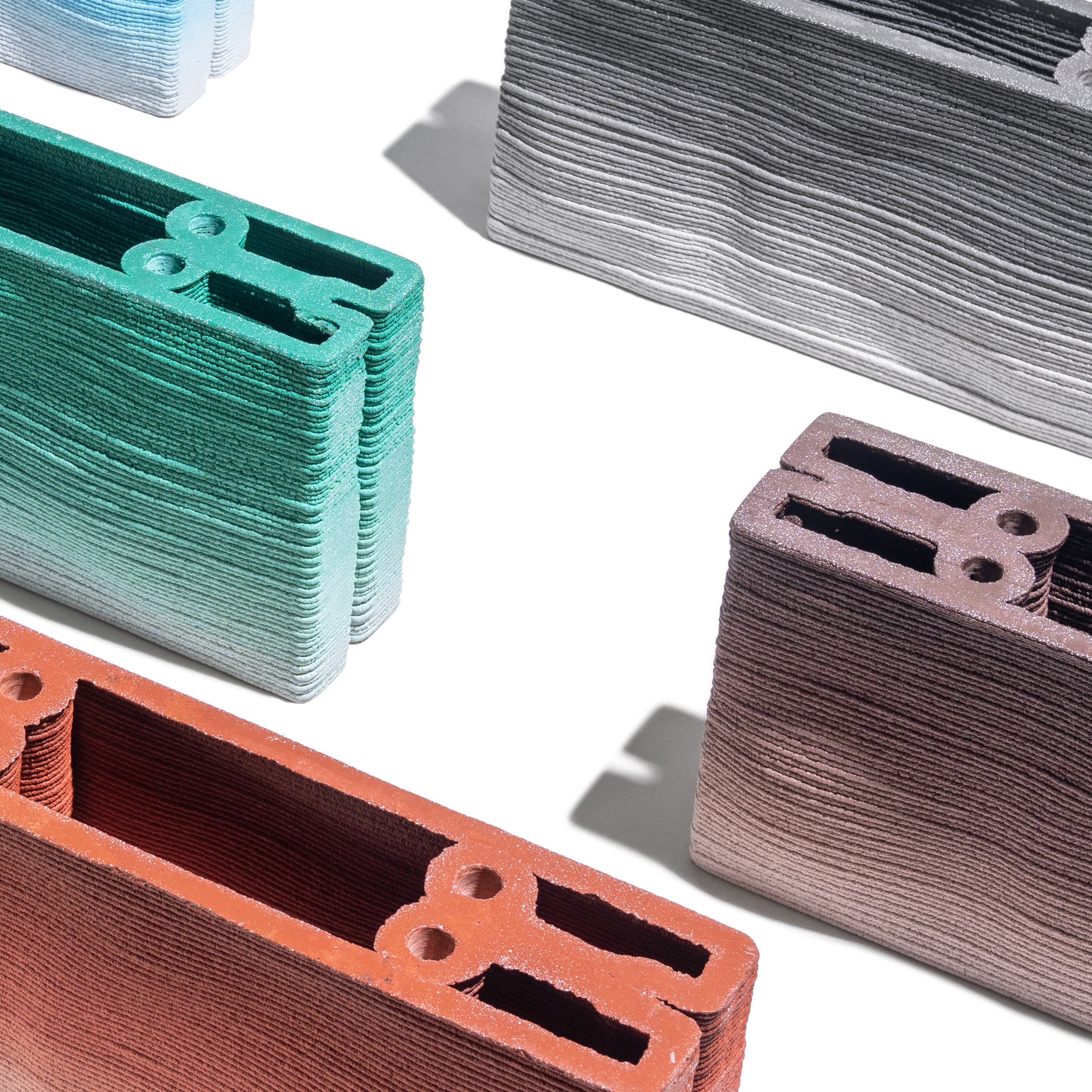
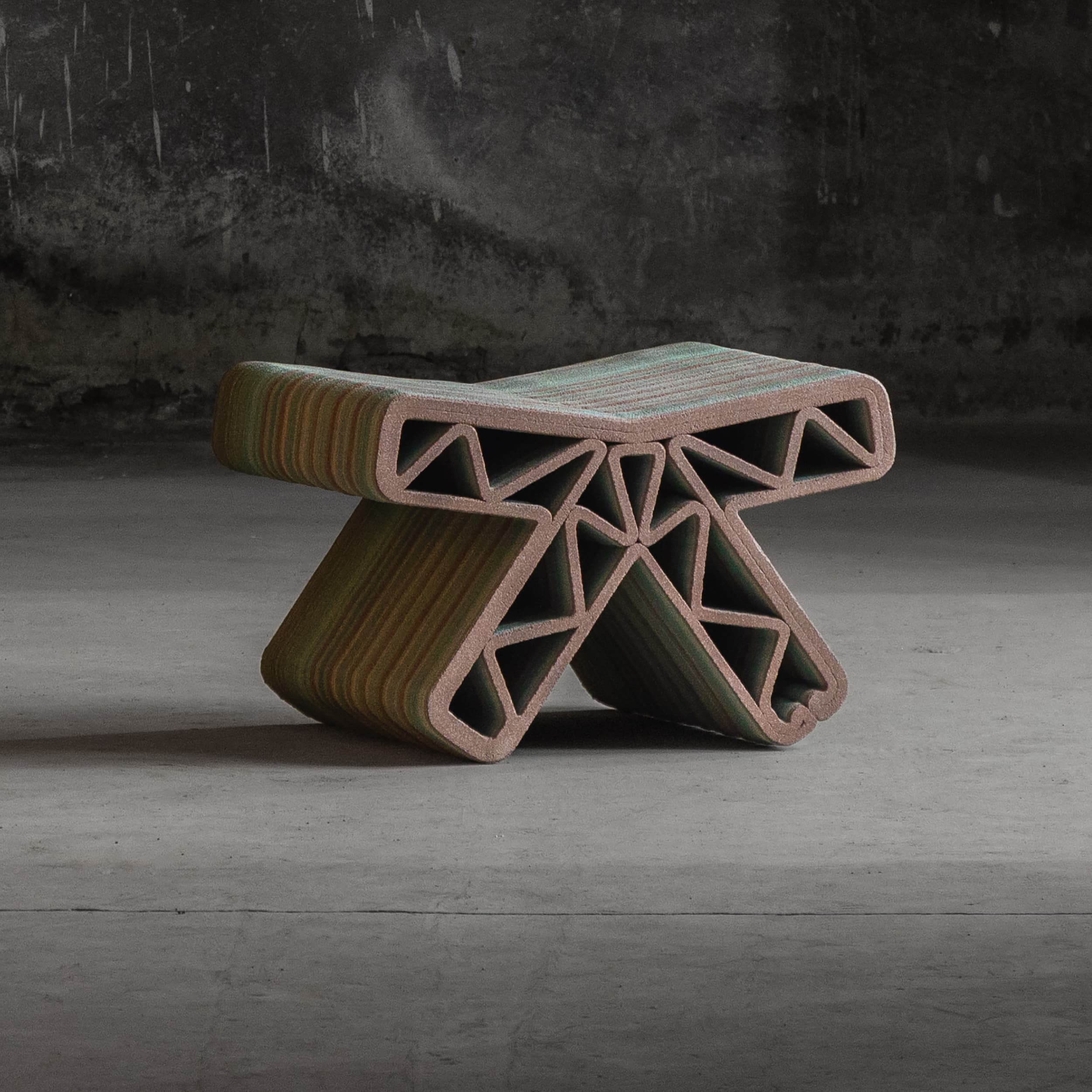
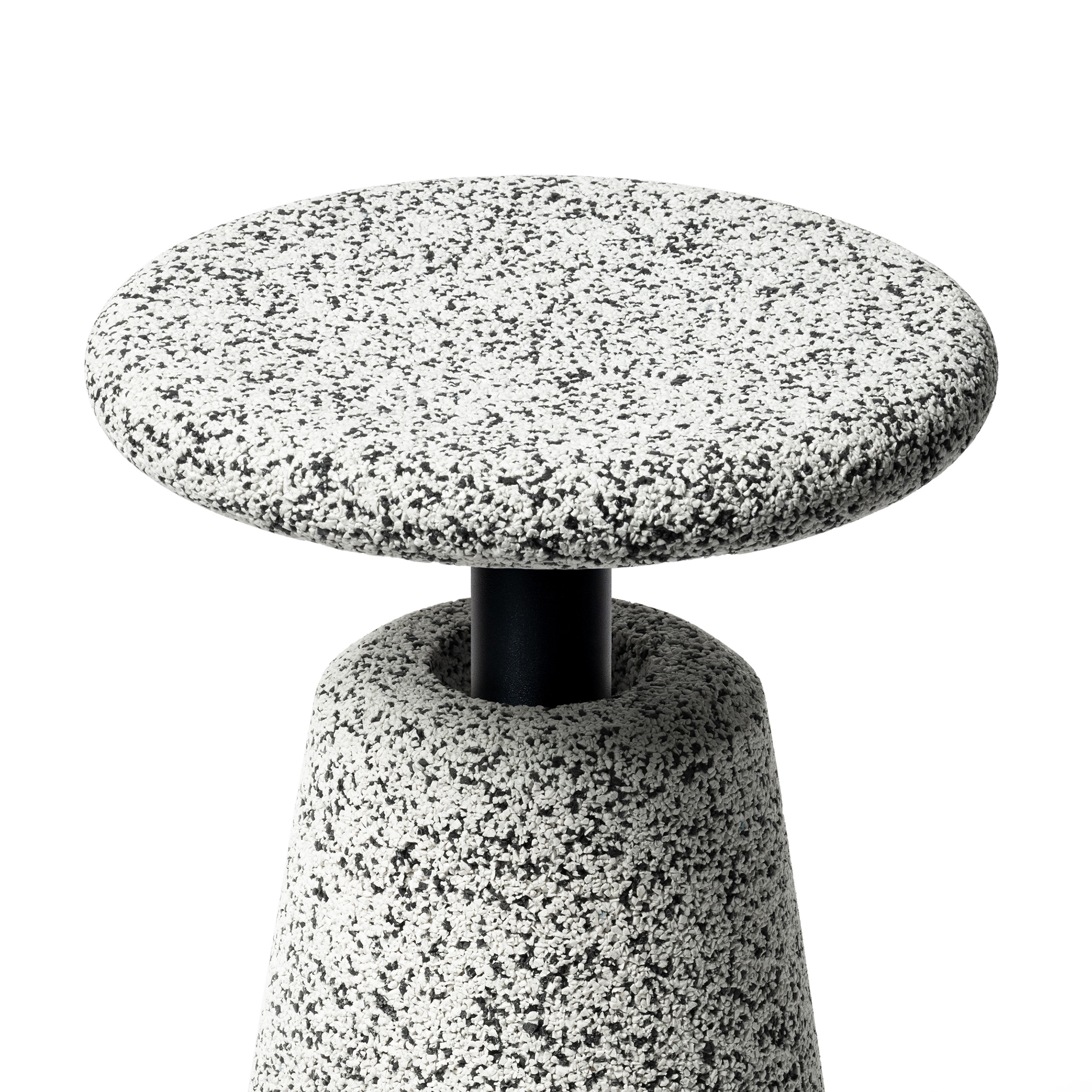
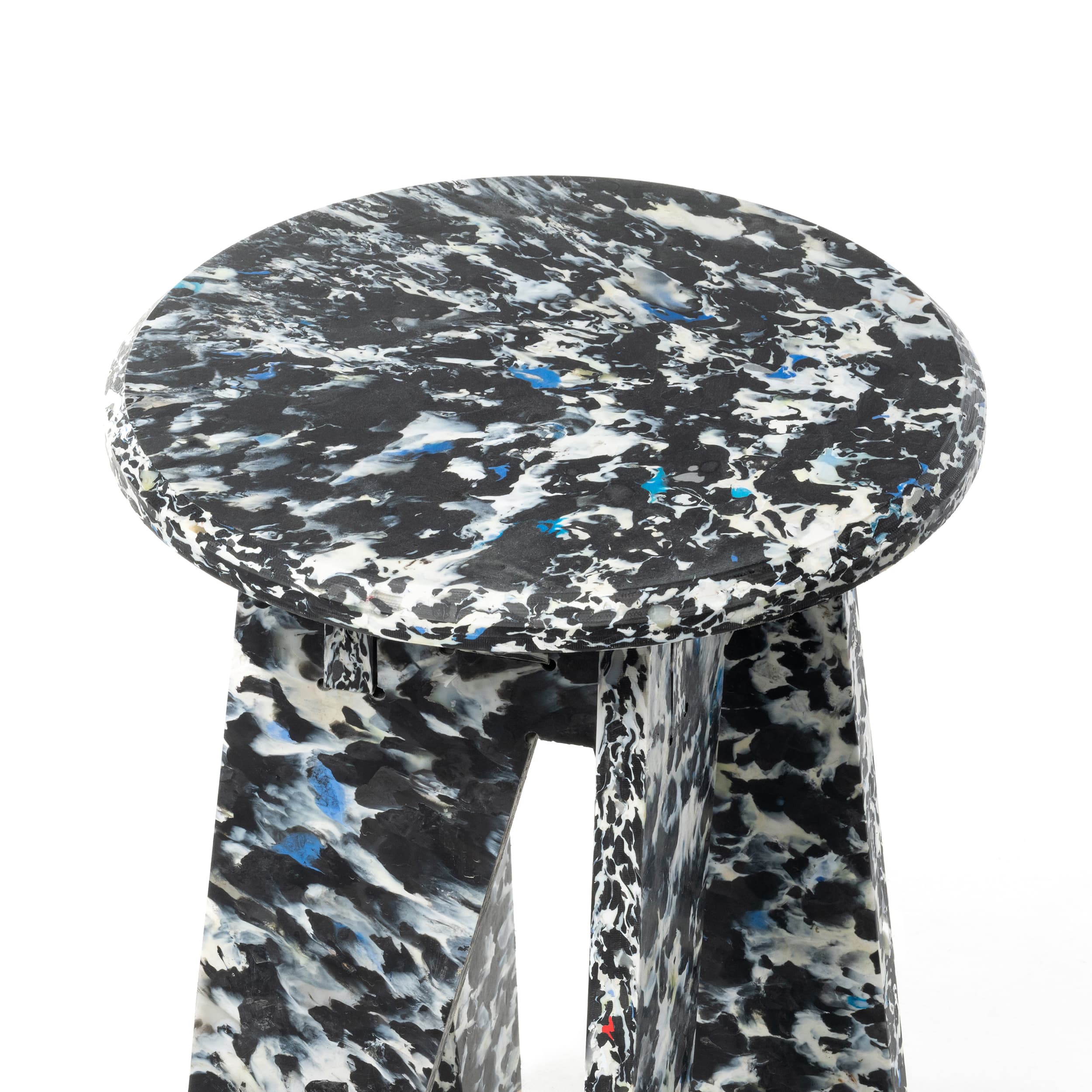
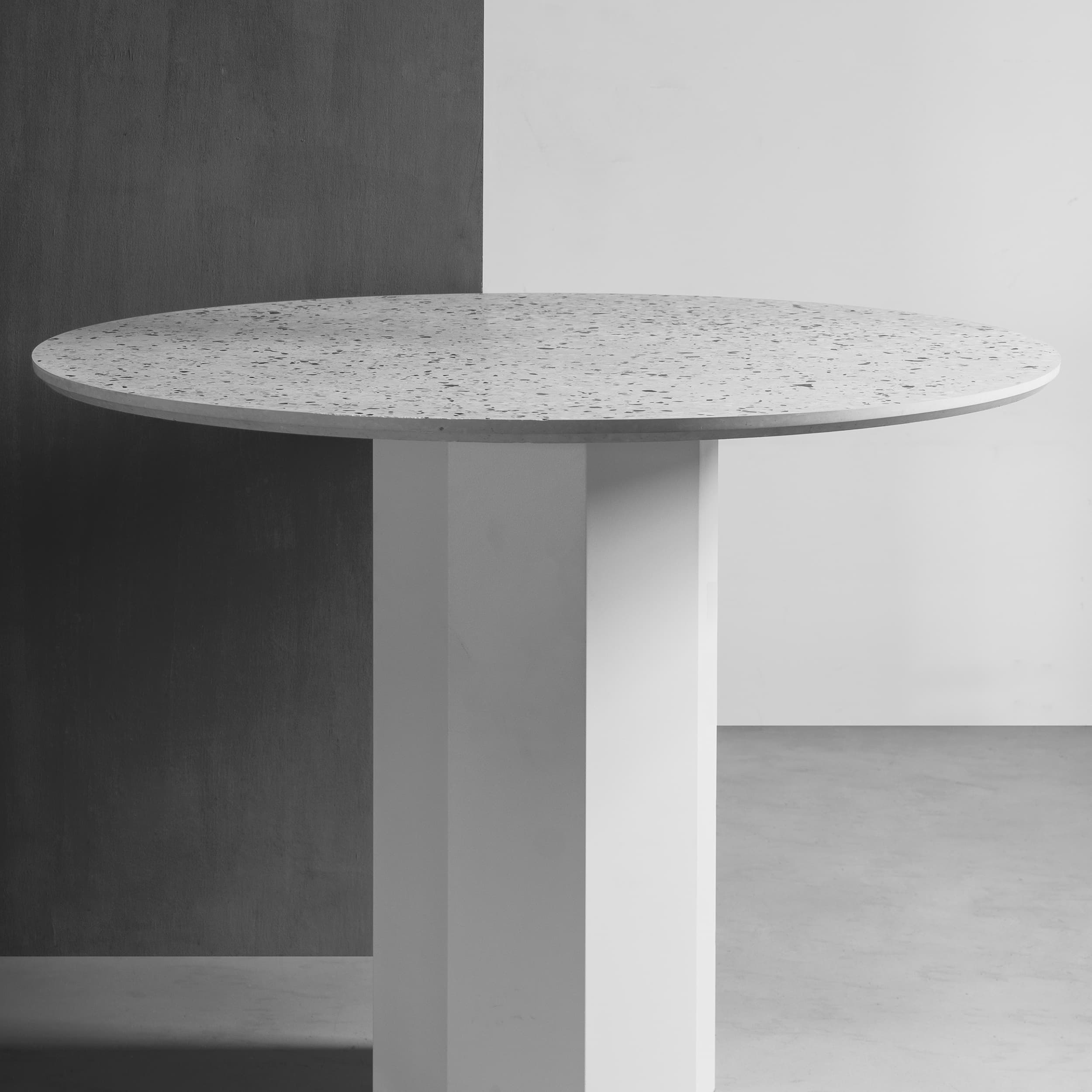
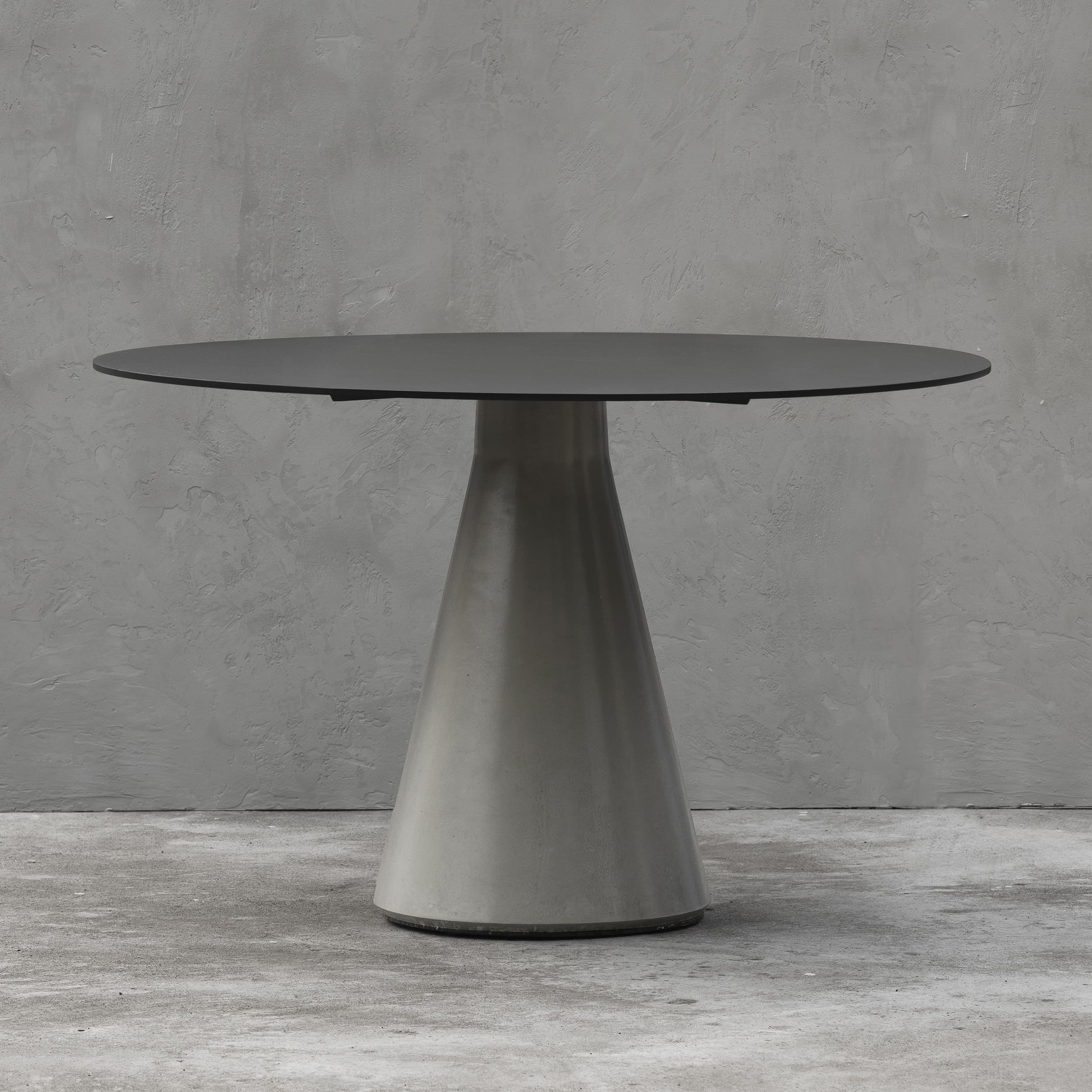
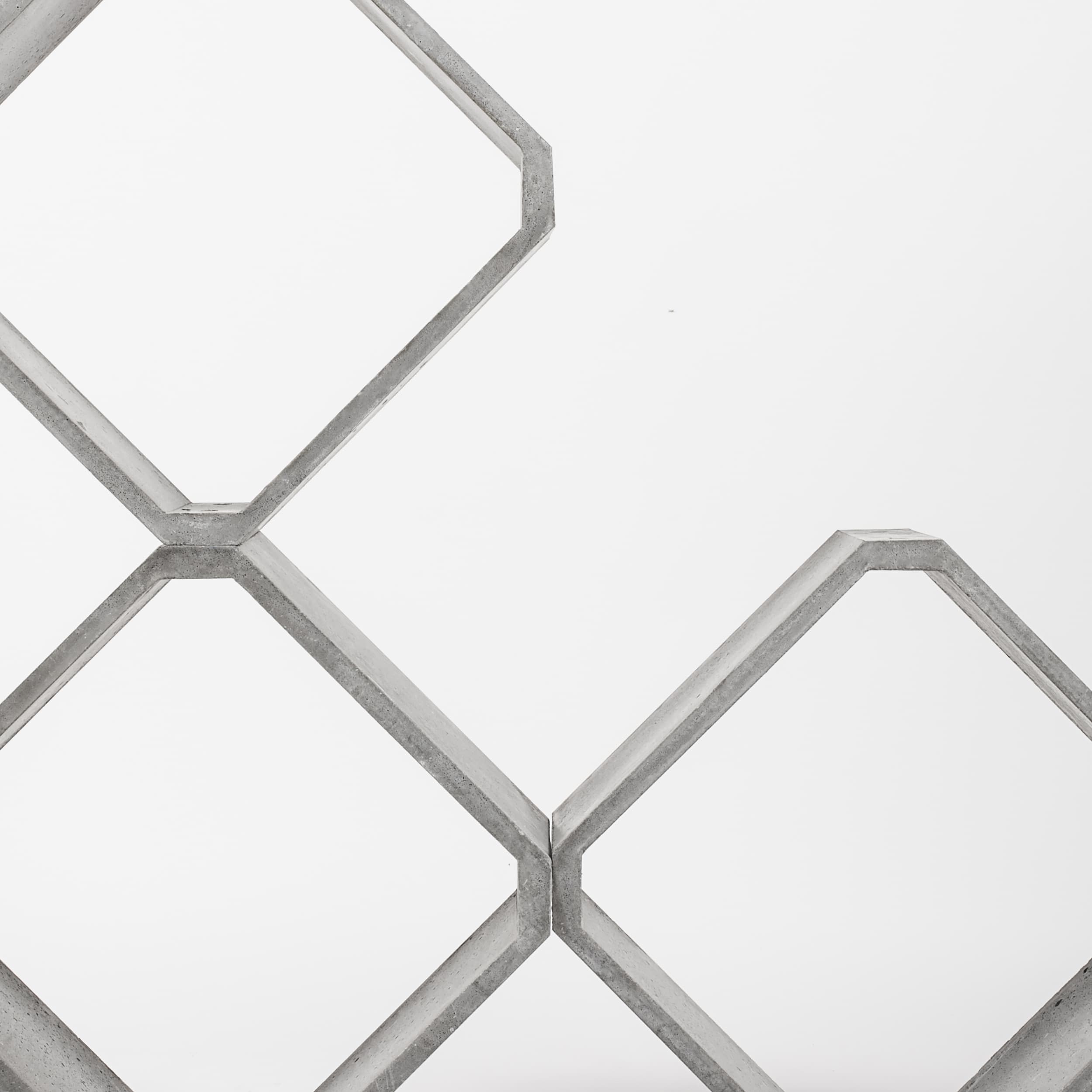
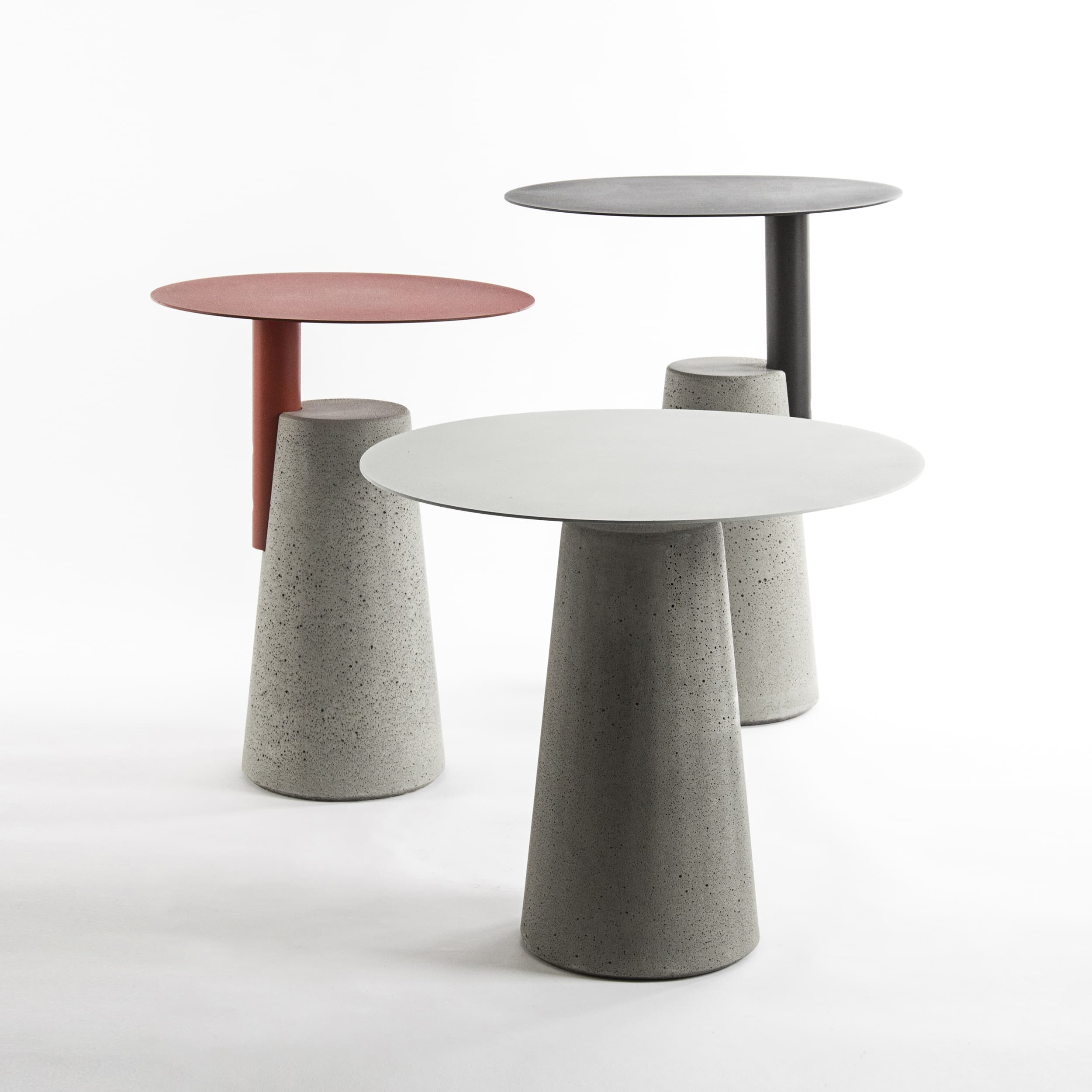
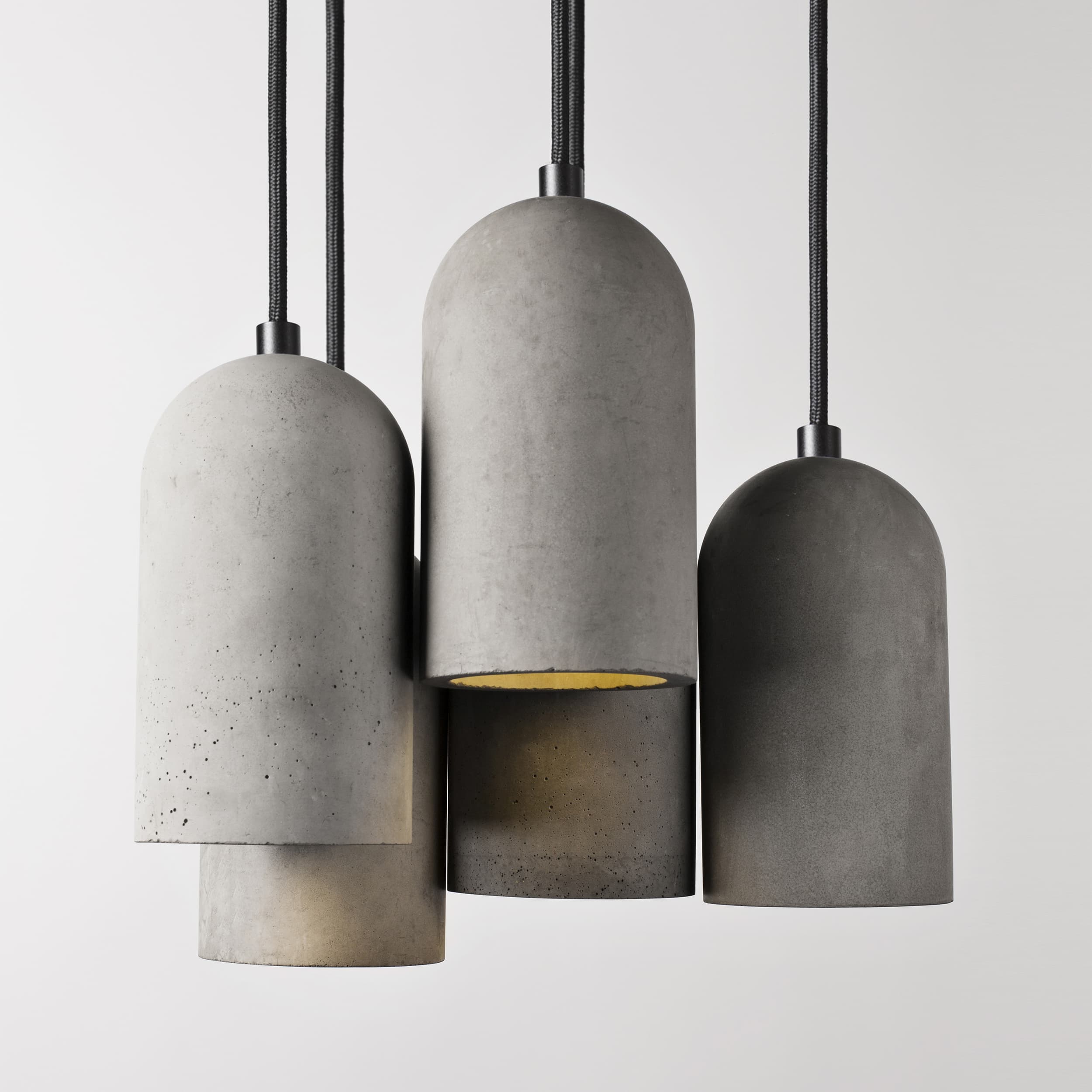
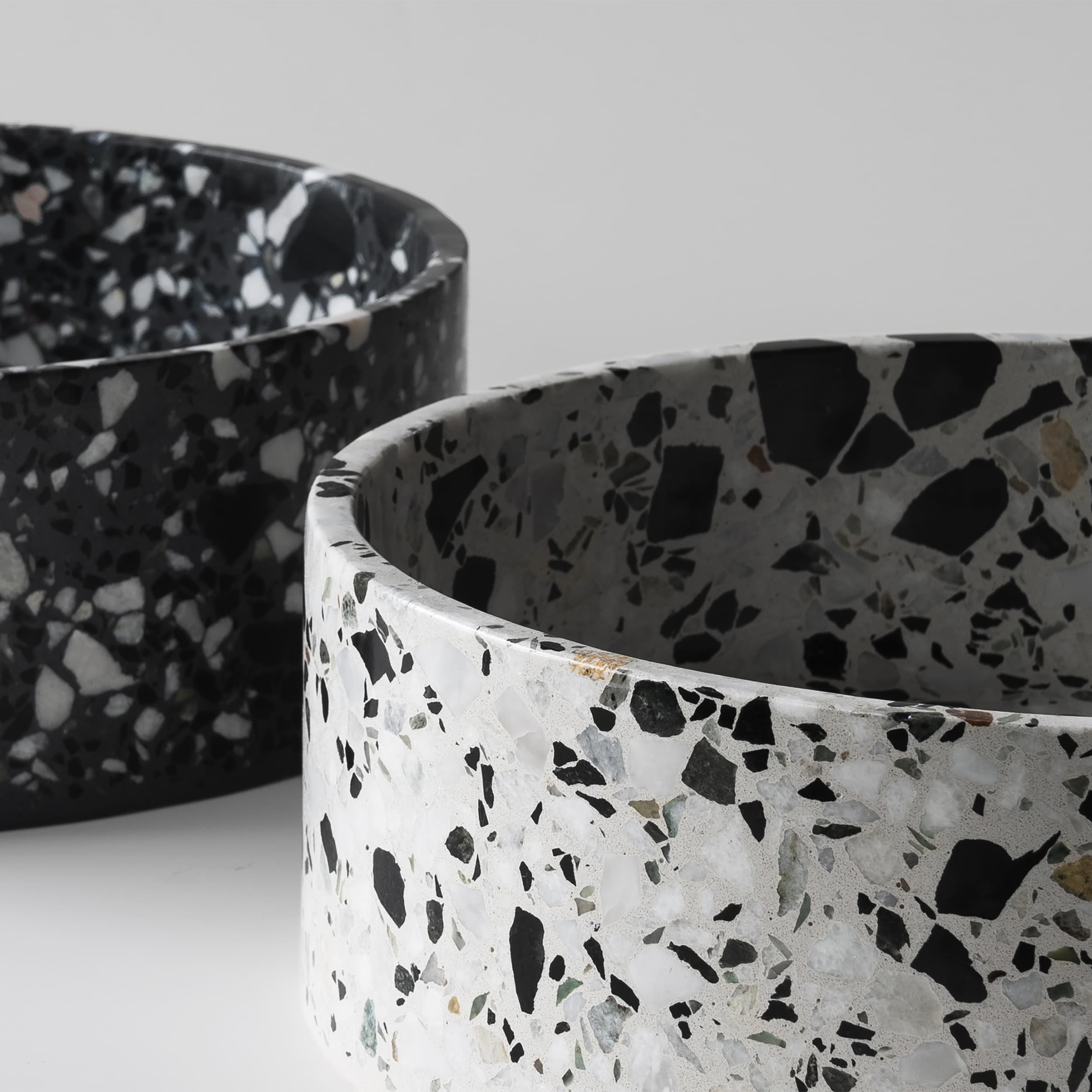
Products are integrally cast in molds instead of being cut from precast slabs, completing the whole process from slurry to final goods in one go. Delicate polishing endows the surface with the cool mildness of concrete and a dense granular texture. Natural pores of steel slag and original aggregate textures are fully retained, directly converting inherent industrial traits into perceivable surface aesthetics.
Room-temperature curing without high-temperature firing serves as the fundamental craft principle, eliminating carbon emissions and energy consumption caused by sintering and avoiding new environmental harm during regeneration. Standardized molds accommodate mass production and stable shaping, balancing ecological benefits, product performance, and commercial value. The technical approach refuses to create new pollution in pursuit of circulation, realizing waste valorization via low-consumption, restrained, and replicable methods.
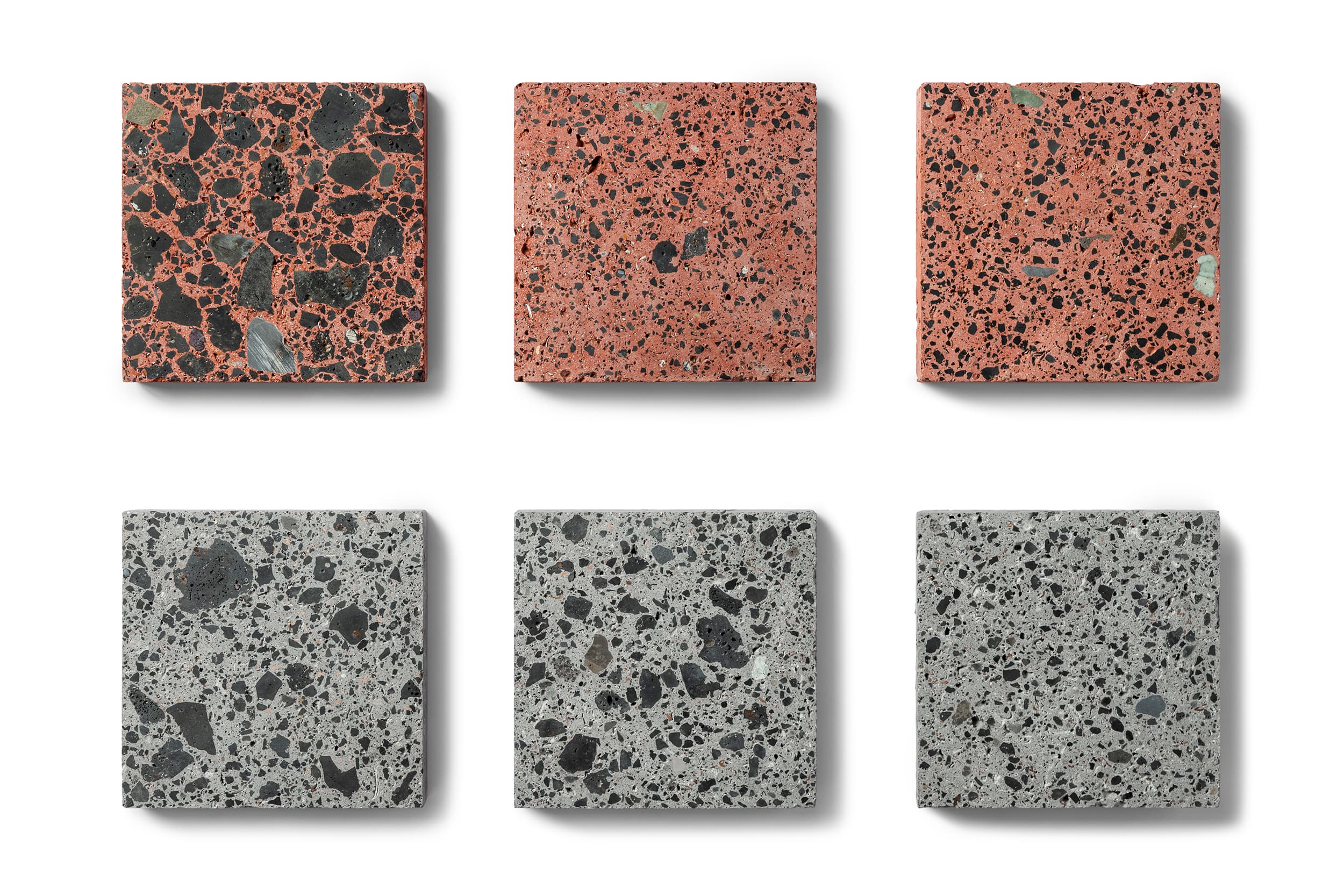
Regenerated slag materials possess a unique non-decorative aesthetic temperament. Distinct from warm wood grain, luxurious stone texture, and soft luster, they present a cold, plain, and rugged tactility.
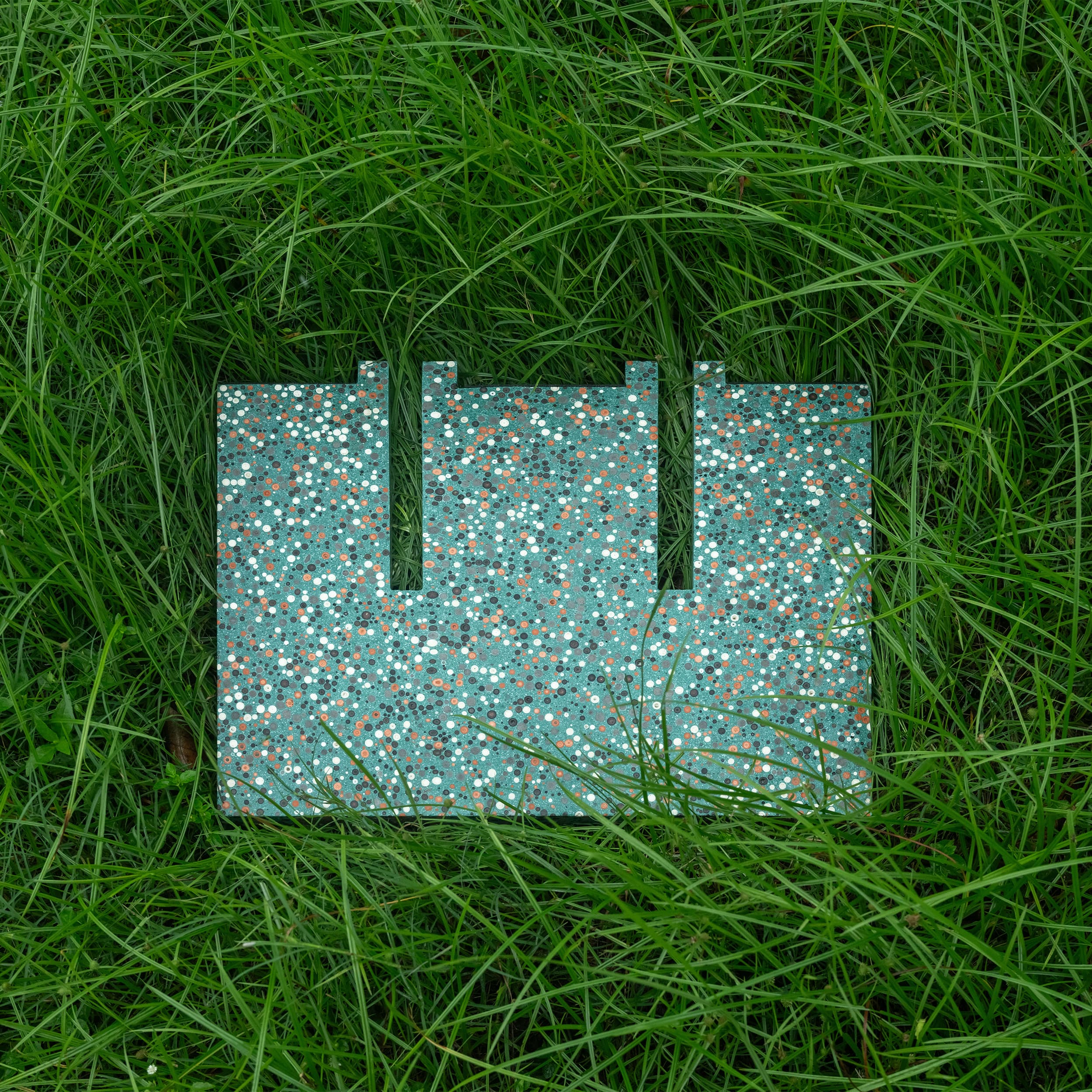
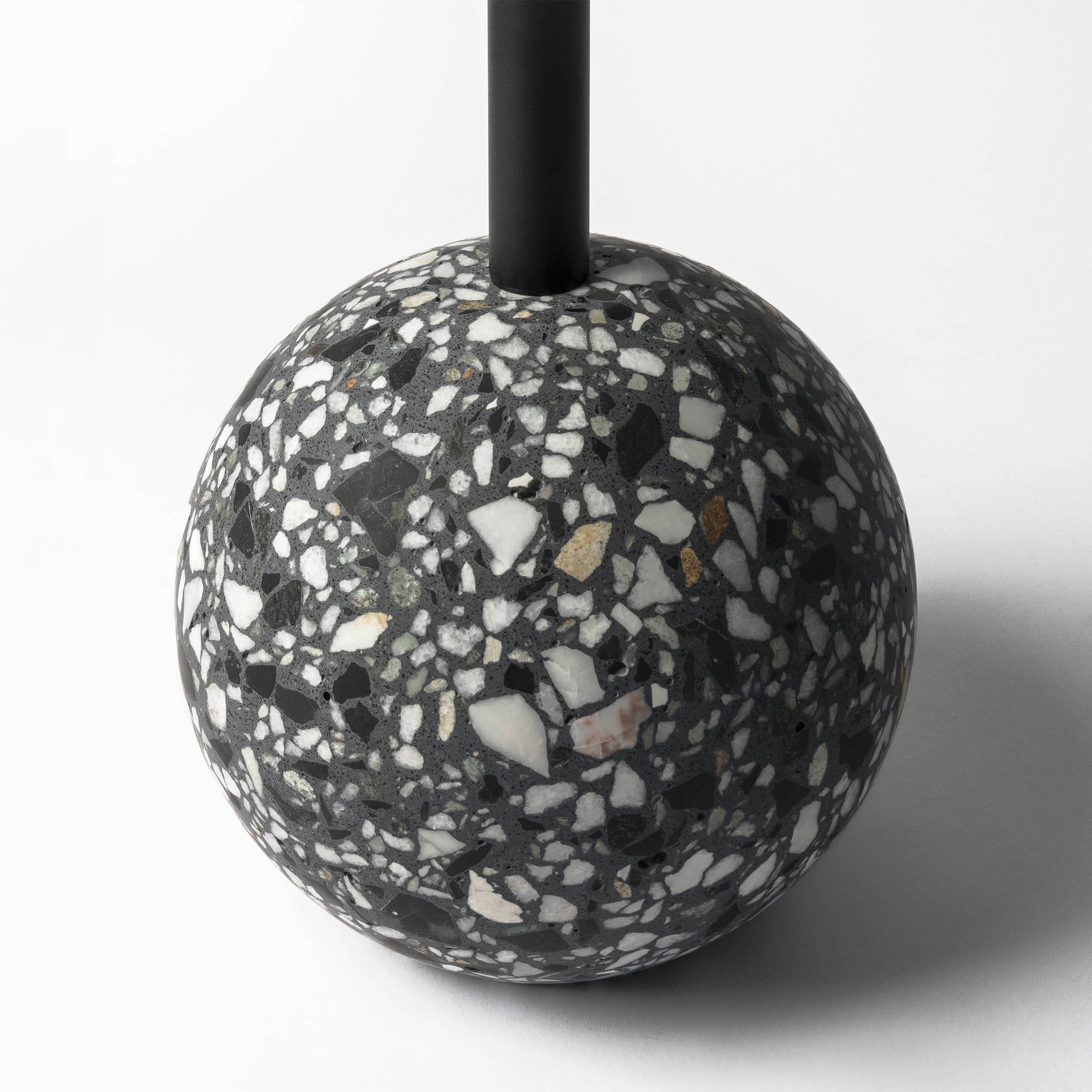
Fly ash and cement form a calm and uniform grey matte base with a low-profile visual tone, setting off natural aggregate features without visual intrusion. Rough grey-brown steel and iron slag particles are scattered throughout the matrix, retaining primitive smelting traces and creating a solemn and steady atmosphere. Varied grey shades, randomly distributed aggregates, and uneven porous textures form a restrained yet layered visual composition.
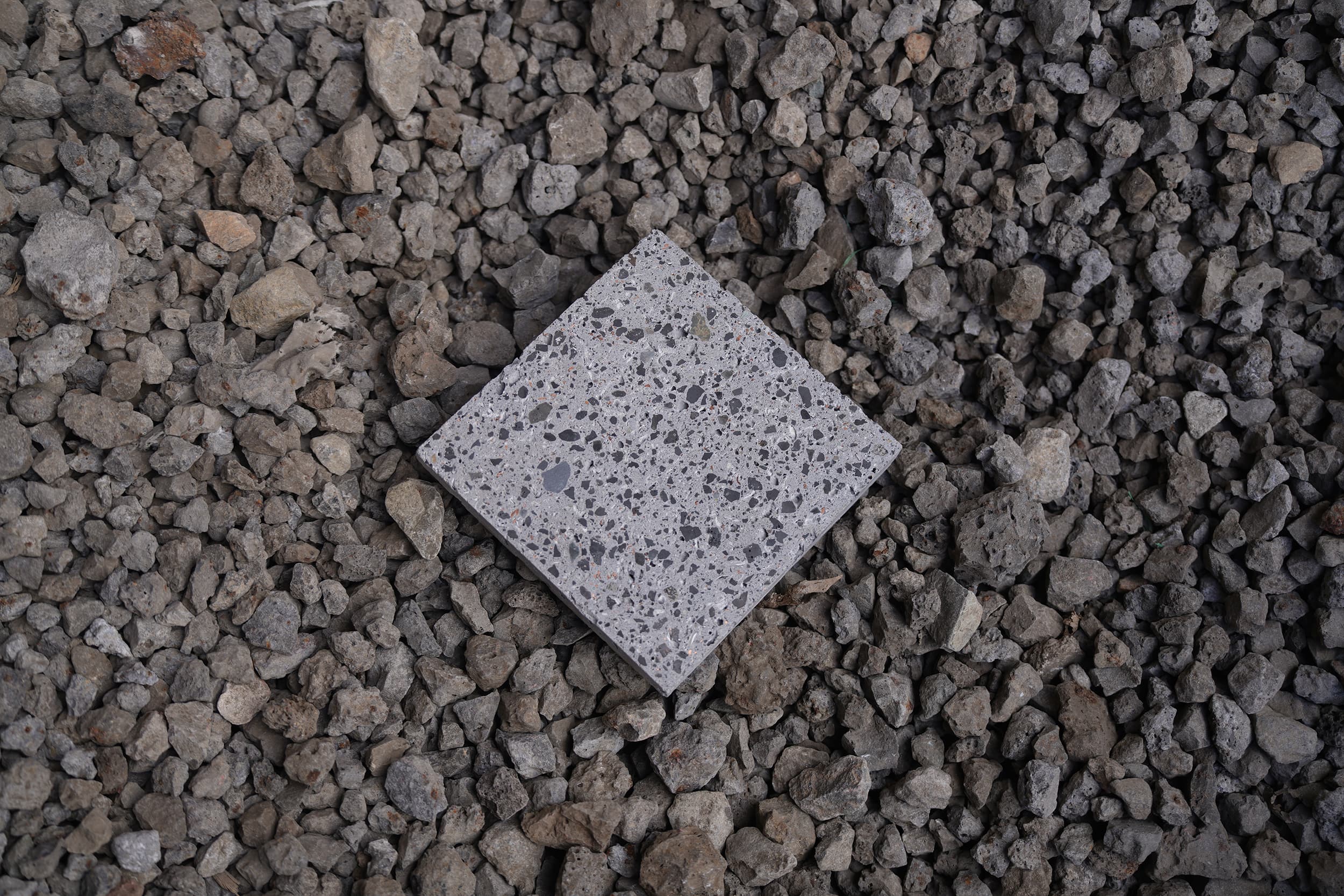
Serenity defines its core aesthetic. Remaining simple and unassuming, the material creates its natural rhythmic beauty purely through inherent texture and tonal difference. It never disguises waste origins or beautifies industrial flaws, exposing pores, sharp edges, and powder textures authentically, with no excessive embellishment.
Ecological and aesthetic concepts ultimately rely on down-to-earth repeated practice. Unlike standardized raw materials, mining and metallurgical waste has no fixed universal formula, requiring constant physical perception, experimentation, trial and error, as well as iterative optimization.
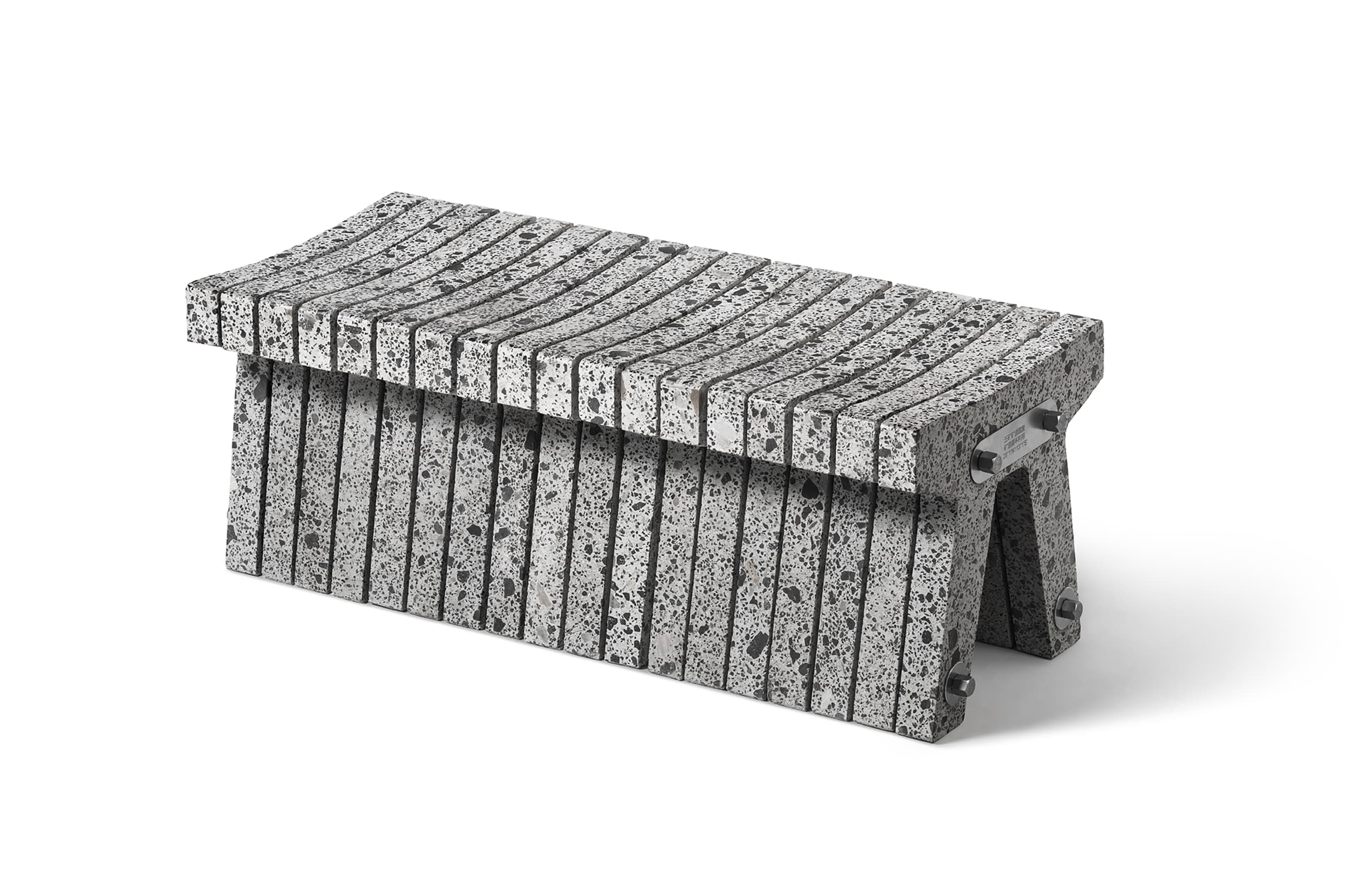
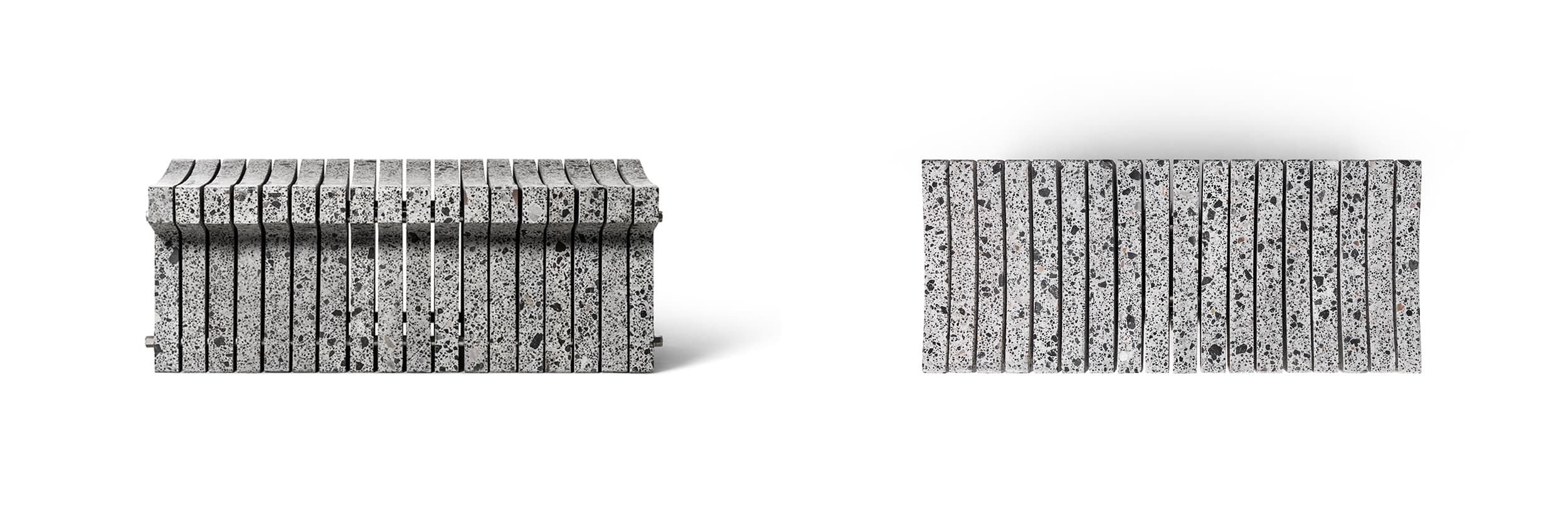
Direct contact with materials lays the foundation for thorough understanding. One must physically assess each batch of steel slag and fly ash to acquire genuine cognition of material differences. Aggregate grading, cement proportion, and curing conditions are adjusted throughout the whole process, with each variable altering final performance and appearance. Defects including insufficient strength, surface cracking, and uneven color frequently emerge, eliminating impractical schemes step by step. Continuous trial drives project progress, striking an optimal balance between mechanical property and aesthetic presentation via repeated parameter adjustment and craft refinement.
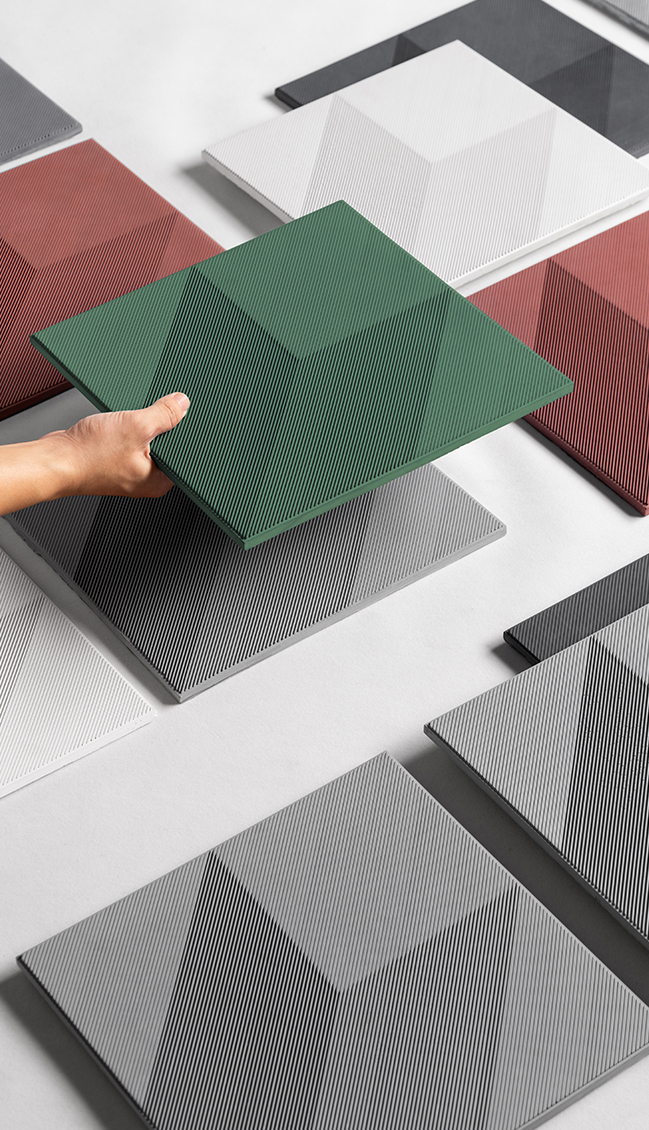
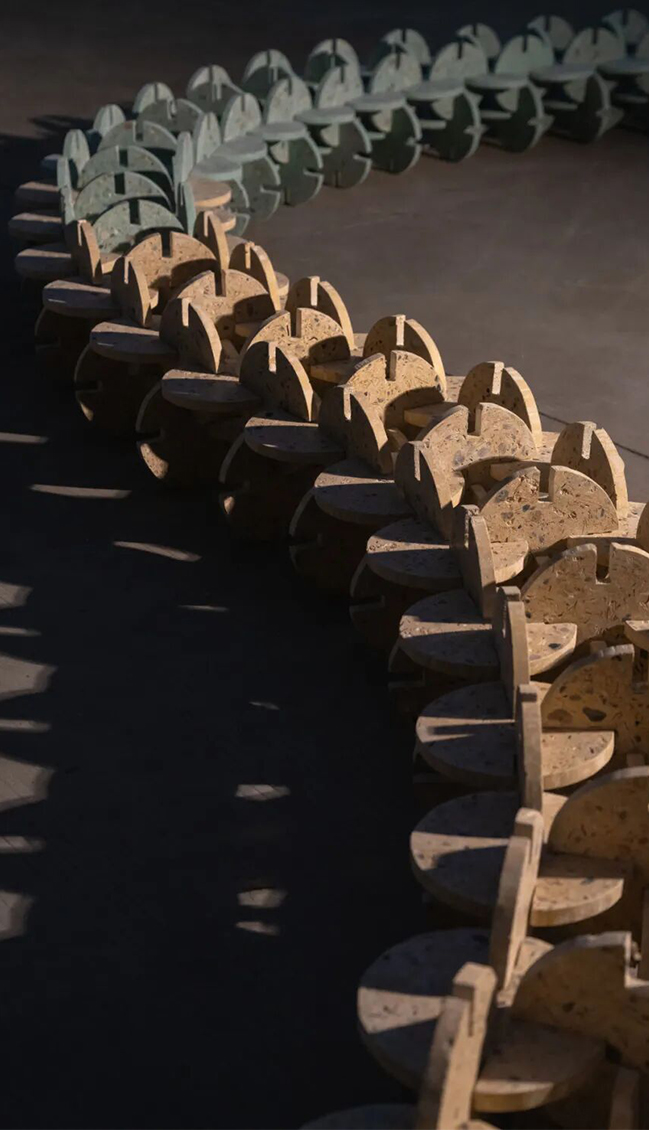
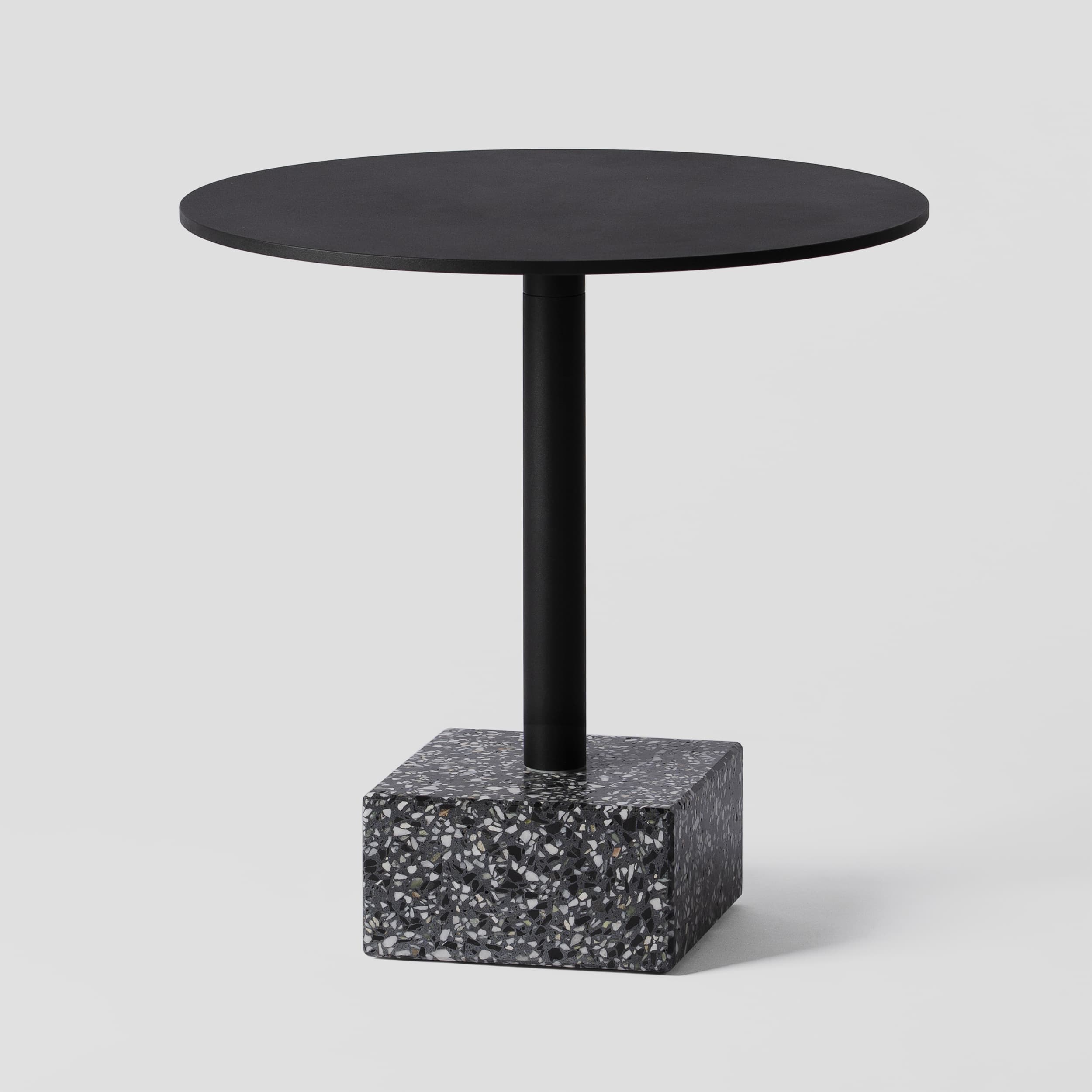
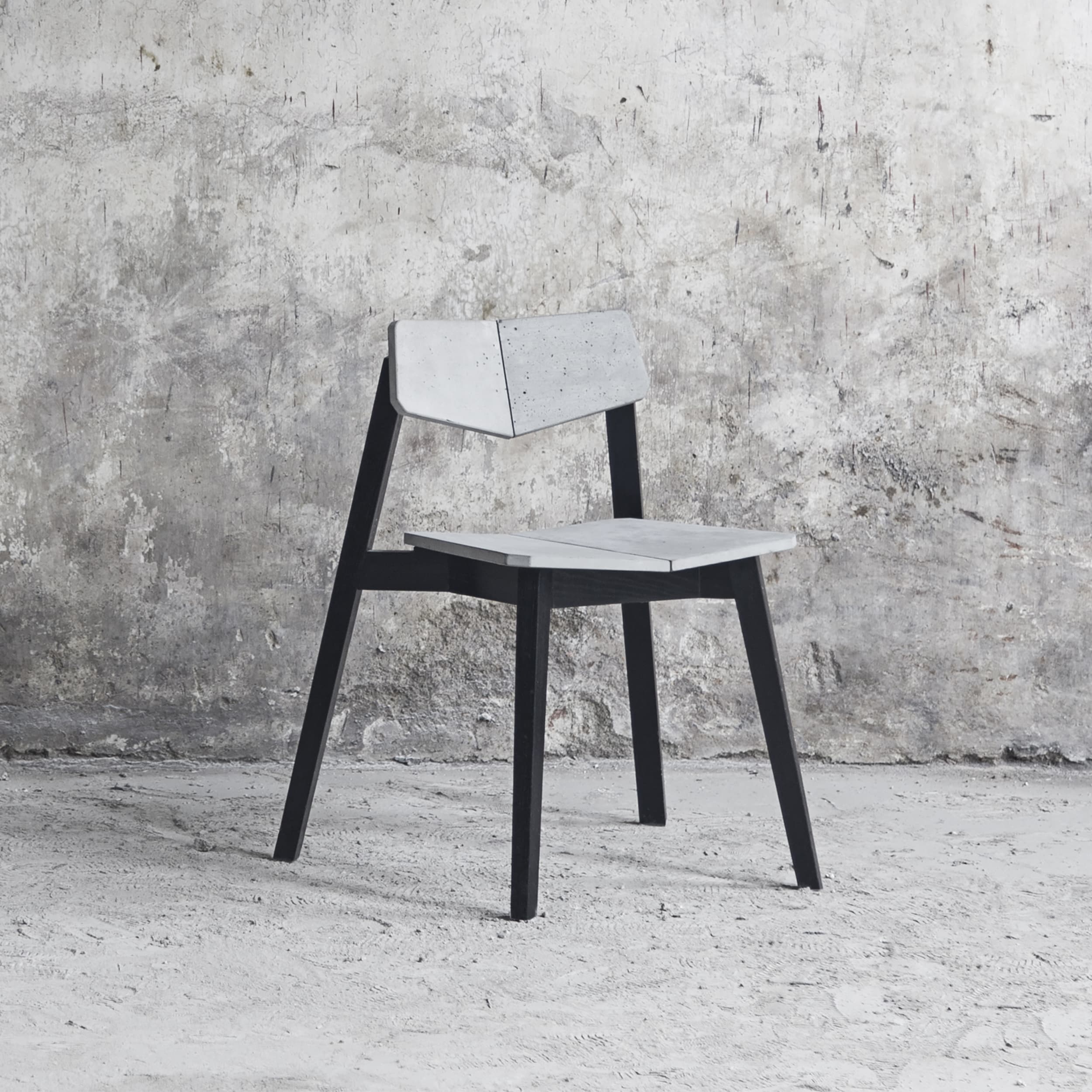
When slag waste is remade into benches, tabletops, flower beds, and other public facilities, it completes a full journey from mines to cities, bringing material circulation into real life.
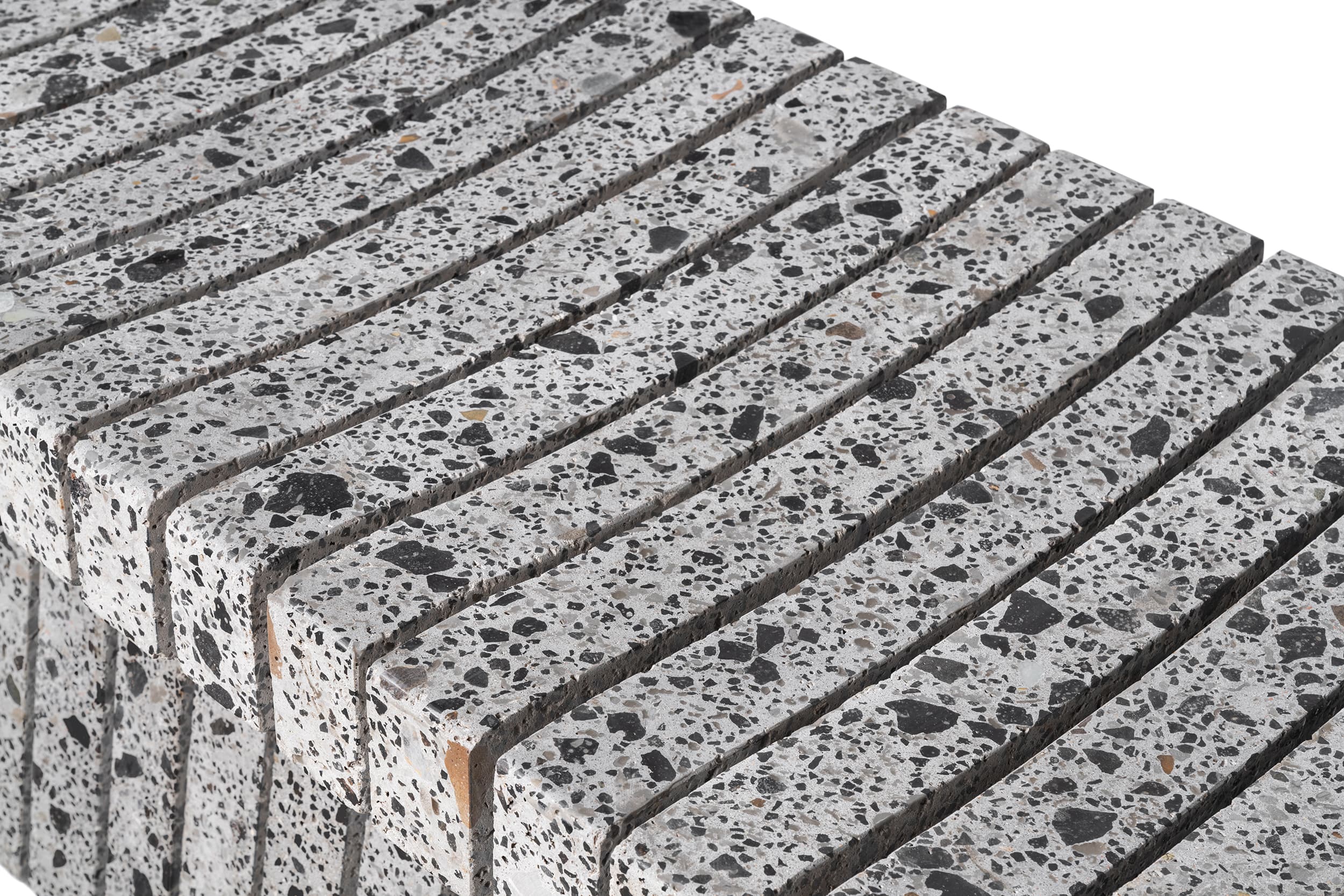
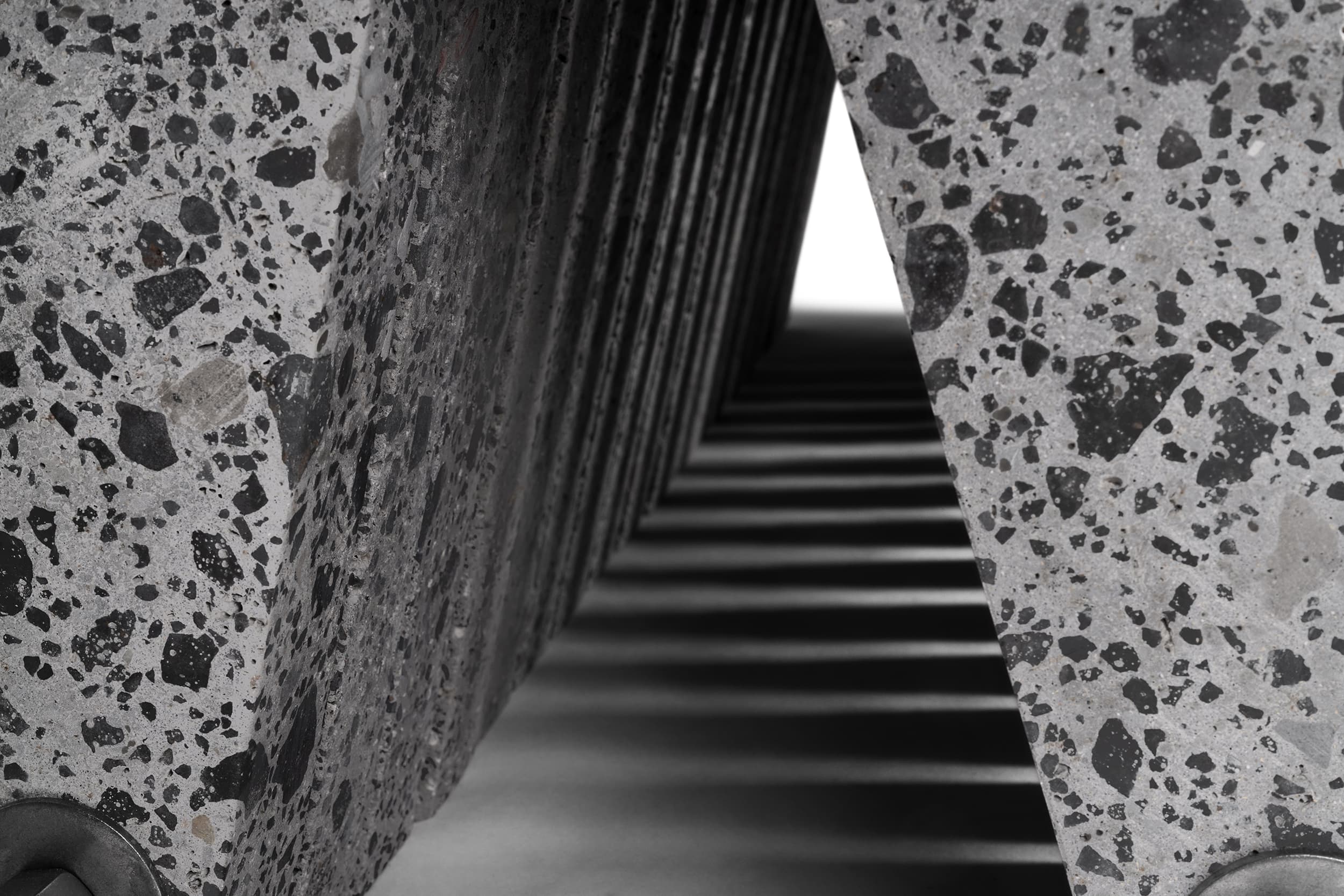
The high hardness of slag and superior compactness of UHPC endow products with outstanding durability, safeguarding long-term circular value. Short service life merely delays landfill disposal, while decades-long stable application locks mineral and metallic elements within urban spaces, enabling sustainable concepts to be fully implemented.
On a deeper level, slag regeneration constitutes an echo spanning geological evolution, industrial production, and urban space. These substances originated from ores formed over hundreds of millions of years, fueled human civilization after mining and smelting, and were discarded once their missions were fulfilled. Reborn into daily articles, they perpetuate material life rather than merely achieving simple resource recycling. When citizens sit on benches and touch porous, rugged yet mild surfaces, they tend to wonder about the origin and experience of such objects. Such subtle perception awakens dormant industrial memory. Placed permanently in public areas, these works interact with generations of people, spreading ecological awareness, industrial history, and circular philosophy through daily contact.
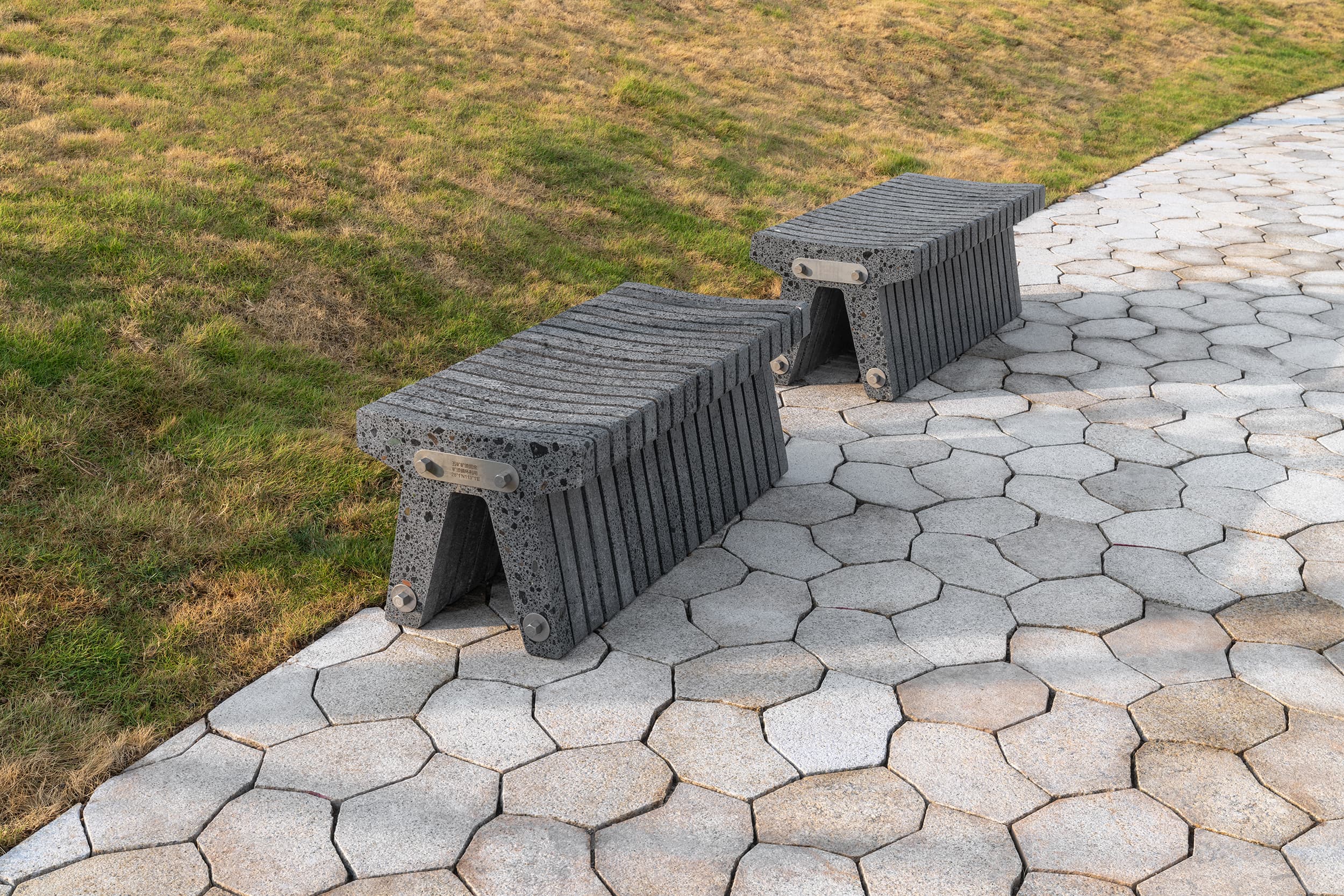
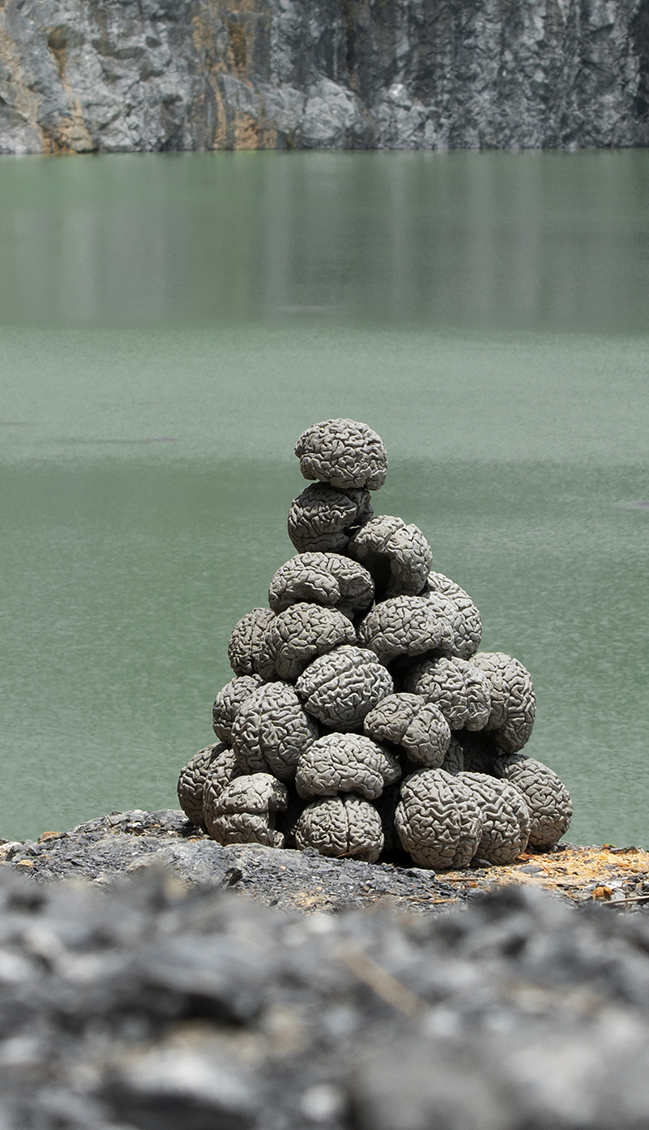
From underground ores and high-temperature smelted slag, to neglected stockpiles, to tranquil urban public facilities, slag has witnessed a miniature journey of abandonment, reflection, and rebirth.
Human beings eventually return to the essence of matter. Civilization lies not in endless resource occupation and consumption expansion, but in discovering new value from discarded substances and reconstructing order amid industrial remnants. The frigid haven of mining and metallurgical waste symbolizes reconciliation between industry and ecology, representing the most sincere and steadfast practice of sustainable philosophy.
Design Director: Xu Gang
This original article belongs to the BENTU Material Regeneration Practice Series. Taking the mining and metallurgical waste regeneration project as a case study, it explores the material circulation of metallurgical residues.

- Contact
+8620 8977 0506
- Press
press@bentudesign.com
- Enquiry & Sales
info@bentudesign.com