

Local Generation
Time: 2024 – 2025
Location: Hukou, Jiangxi, China
Dongpeng Sustainable Design Practice
Starting from the “local,” what can be “generated”?
Local Generation is rooted in the intrinsic value of place. It focuses on deep interaction between people and their sites — the shaping and sedimentation that occur there — and forms a closed‑loop system of regional material and immaterial regeneration: absorption, utilisation, decomposition, release, cycling perpetually. It maximises the value of idle resources, drives industrial upgrading, and addresses the imperatives of sustainable development through humble, grounded practice.
When economic growth exceeds environmental and resource carrying capacity, civilisations decline. Climate disruption, frequent disasters, ecological degradation, public crises and territorial conflicts are increasingly intertwined. Humanity is inadvertently building an unbalanced, resource‑depleted living sphere.
Human well‑being is fundamentally anchored in environmental sustainability. In the post‑crisis era, every individual must recognise their carbon footprint and take proactive ecological responsibility. For enterprises, crises create opportunities to reshape industry norms. Environmental and social challenges are not merely risks; they are catalysts for industrial renewal and value reconstruction.
Human life experience, identity formation and sense of belonging are deeply embedded in specific places. Locality is far more than a geographic coordinate; it is a composite carrier of natural ecology, historical lineage, social structure and emotional memory. From building sites and community clusters to urban watersheds and regional territories, places sustain human habitation, labour, social connection and cultural inheritance. They shape values and behaviours, anchor personal narratives, and maintain social pluralism, cultural diversity and long‑term sustainability.
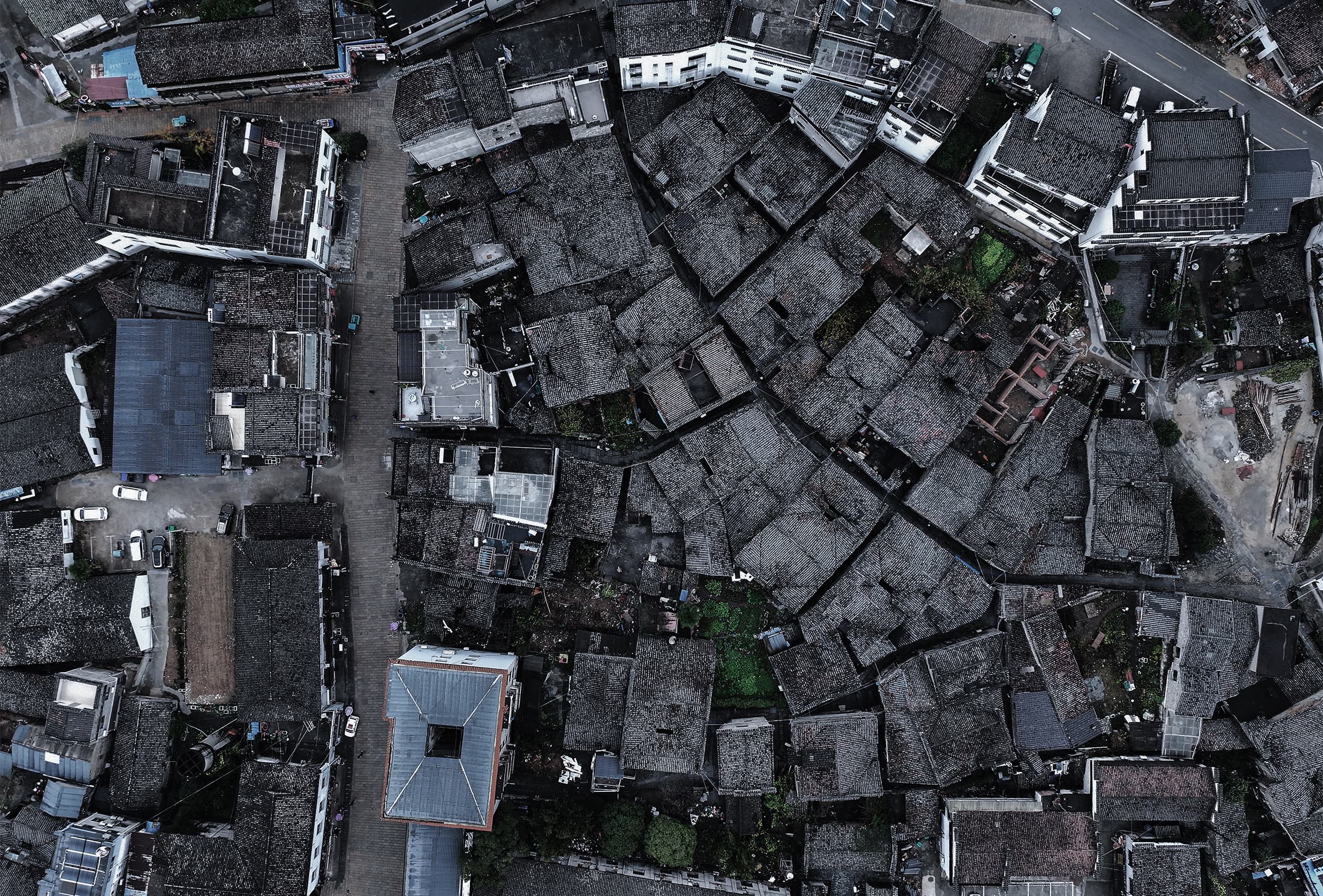
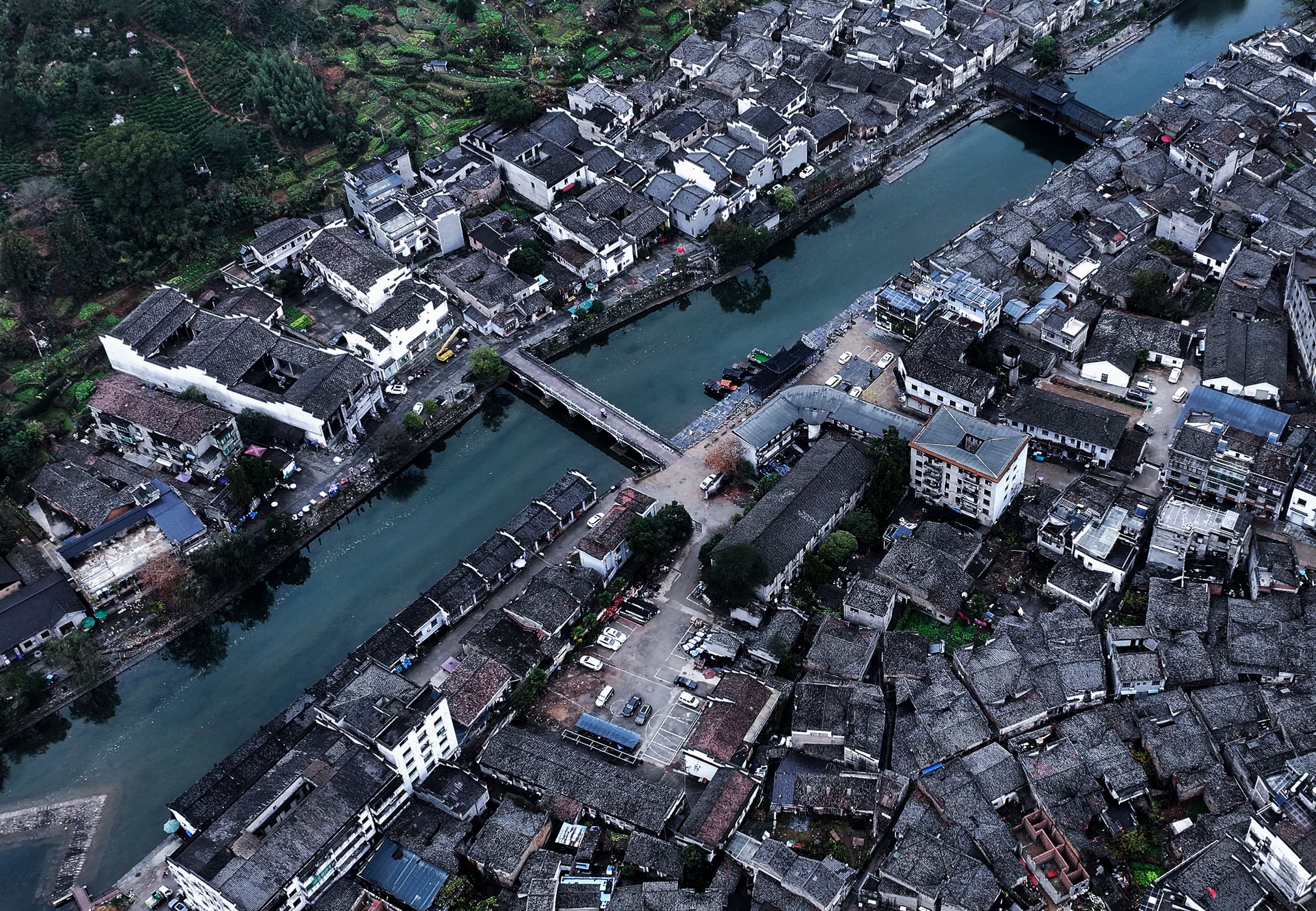
Locality honours the uniqueness and inherent value of every landscape. Each region carries distinct history, culture, geography and environmental endowments that forge irreplaceable identity. This singular land becomes humanity’s spiritual home. Locality builds profound emotional bonds between people and place, evoking inner resonance and lending spiritual depth to individual lives. The land we inhabit forms the backdrop of daily life. The unique character of homes, communities, cities and countryside constitutes the framework of existence, evolving into a spiritual entity that holds regional history, cultural heritage, social cohesion and emotional belonging.
On a deeper level, locality emerges from the mutual formation of natural endowments and socio‑cultural ecologies. Mountains, rivers, lakes, soil and climate define a region’s ecological foundation and resource potential. Local culture, production modes and living ethics in turn shape the evolution of natural environments. Natural resources sustain regional development, while the balance between humans and nature defines the red line for resource exploitation and sustainability. Nature nurtures regions; human culture reciprocates by stewarding nature. Only by respecting a site’s authentic character and understanding the deep links between land, identity, cultural lineage and emotional experience can we truly understand ourselves and the world.
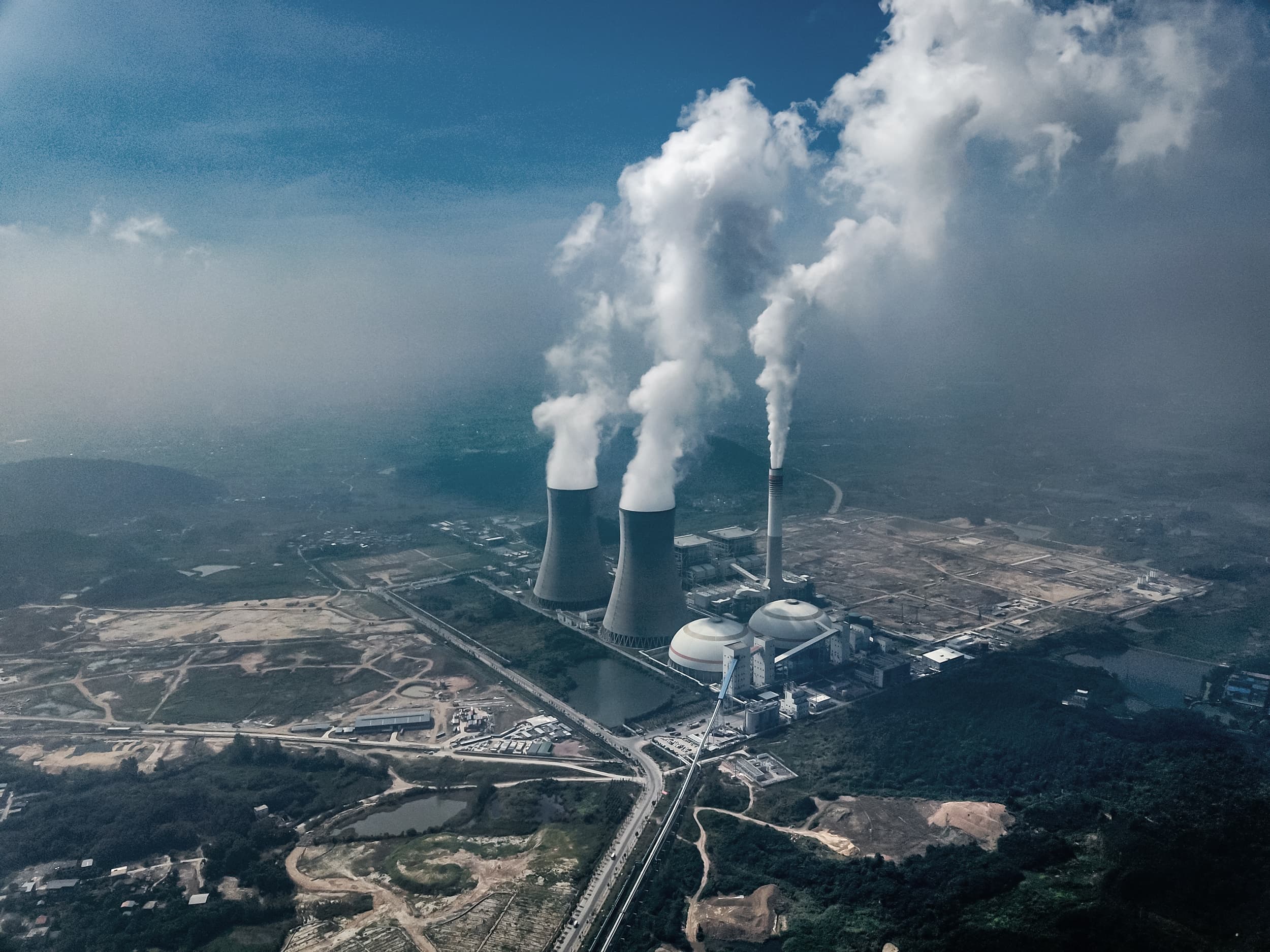
Furthermore, Local Generation provides a counterbalance to global homogenisation. Technology and logistics dissolve geographic boundaries. External cultures, commodity systems and information flows continuously permeate local territories, diluting indigenous heritage and identity. Over‑reliance on global supply chains erodes regions’ capacity for endogenous circularity. Unregulated extraction, transboundary pollution and cascading climate impacts exceed regional carrying limits. Multinational capital and industrial relocation displace local industries, worsening employment inequality and social stratification. Against this backdrop, sustainable design must answer a core question: how to safeguard local core values and preserve regional character while transcending fixed boundaries to redefine contemporary place‑based meaning.
Local Generation means taking local action with a global vision. Benchmarking global development trends, it unlocks local resources, reshapes regional value, mitigates cultural convergence and ecological over‑exploitation, and pursues balanced, symbiotic development between global and local systems.
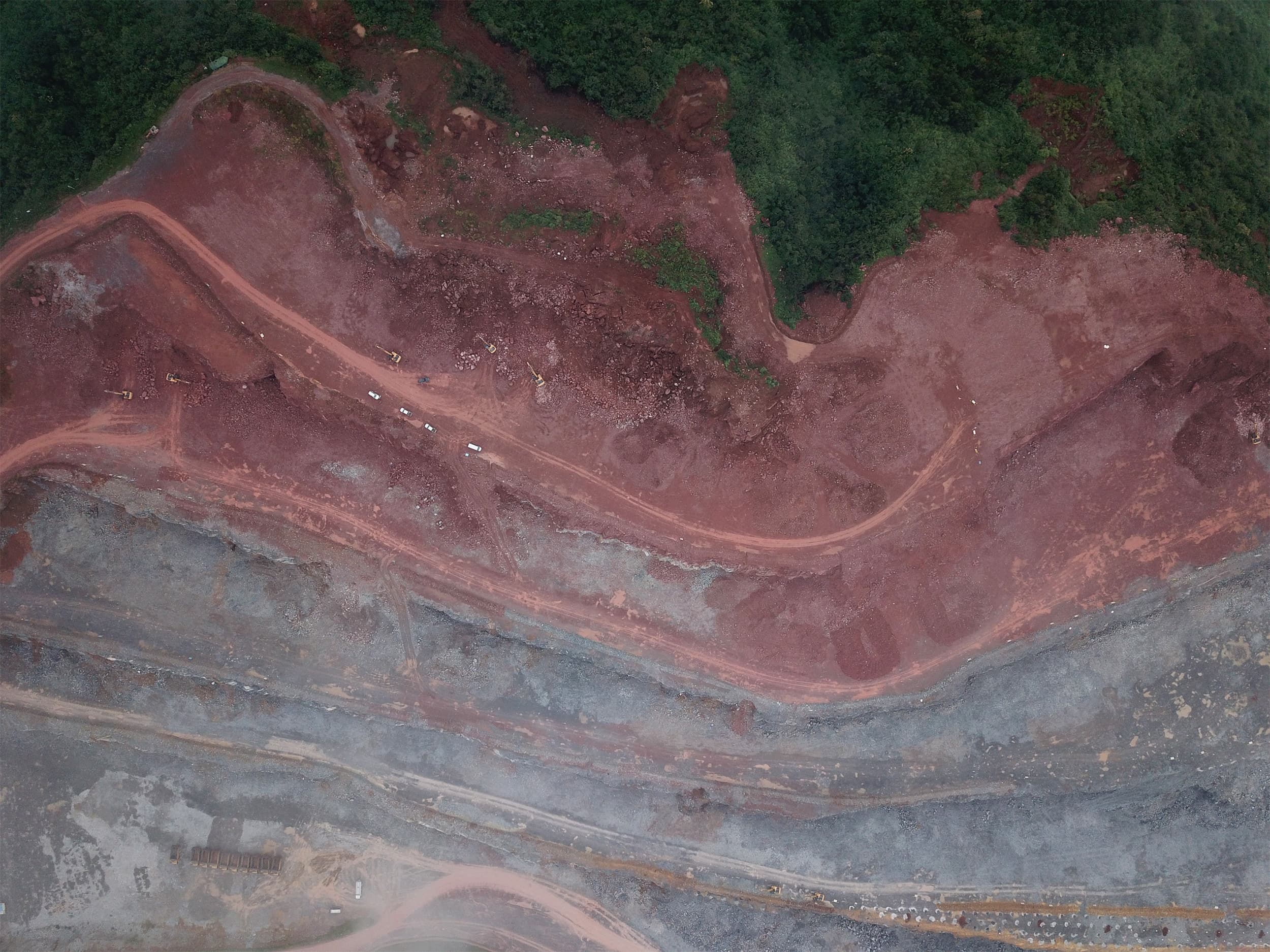
Earth’s resources are finite. Unregulated extraction and linear consumption have triggered profound ecological crises including biodiversity loss and climate destabilisation. Sustainability lies in rebuilding the ethical relationship between people, sites and materials: restructuring resource utilisation logics, establishing circular resource management systems, upholding intergenerational accountability to prevent irreversible ecological and cultural damage, respecting diverse cultural ecologies through cross‑cultural dialogue, and alleviating the pressures of global homogenisation.
Globalisation and locality exist in reciprocal symbiosis. Universal systems take root through local practice, while regional distinctiveness enriches global civilisation. Think globally, act locally. Local Generation enables the local to feed back value into the global sphere. Amid material surplus, ecological overload, ethical disorder and cultural convergence, place‑based practice opens pathways for transformation, reconstructs regional value narratives, and injects endogenous momentum into globally diverse sustainable development.
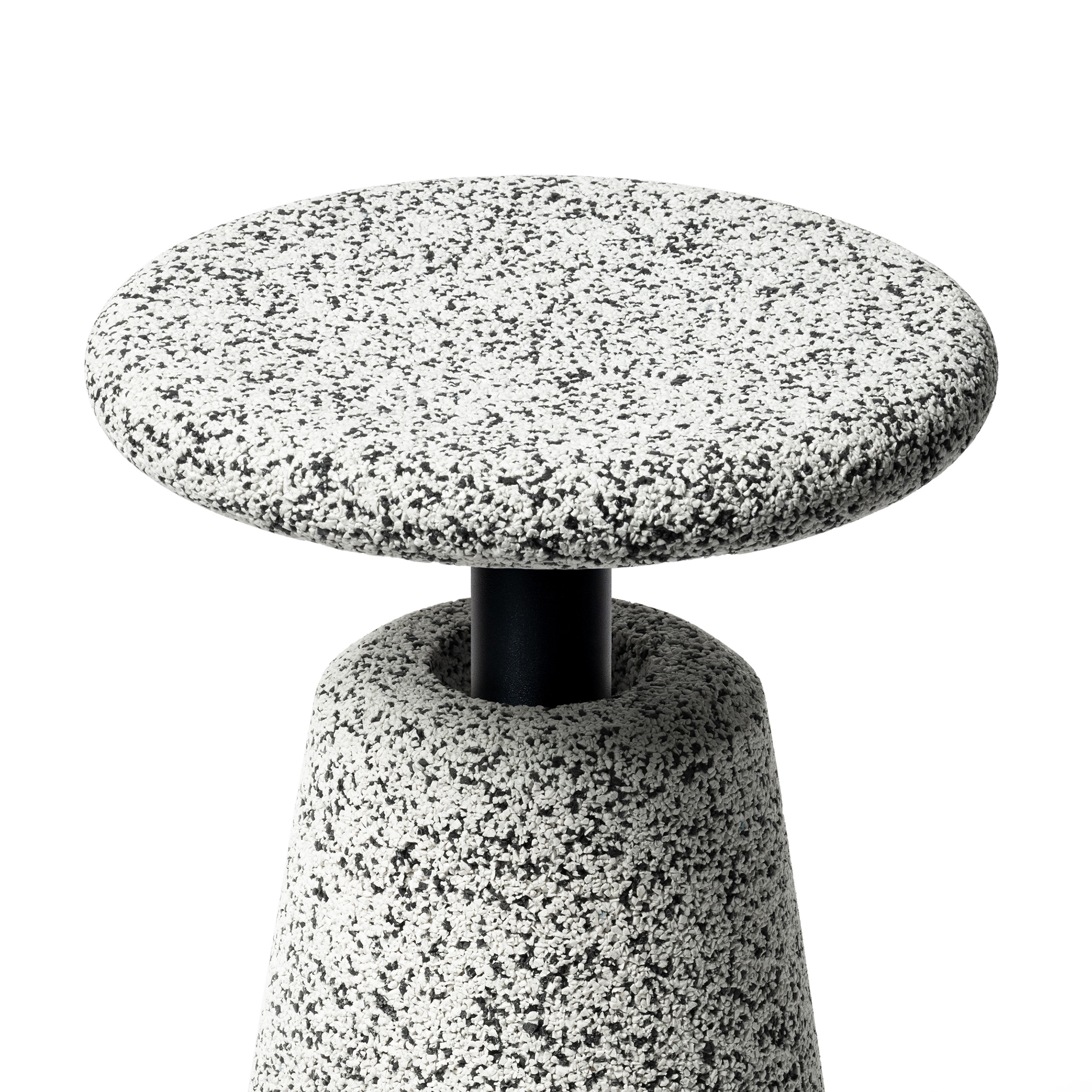
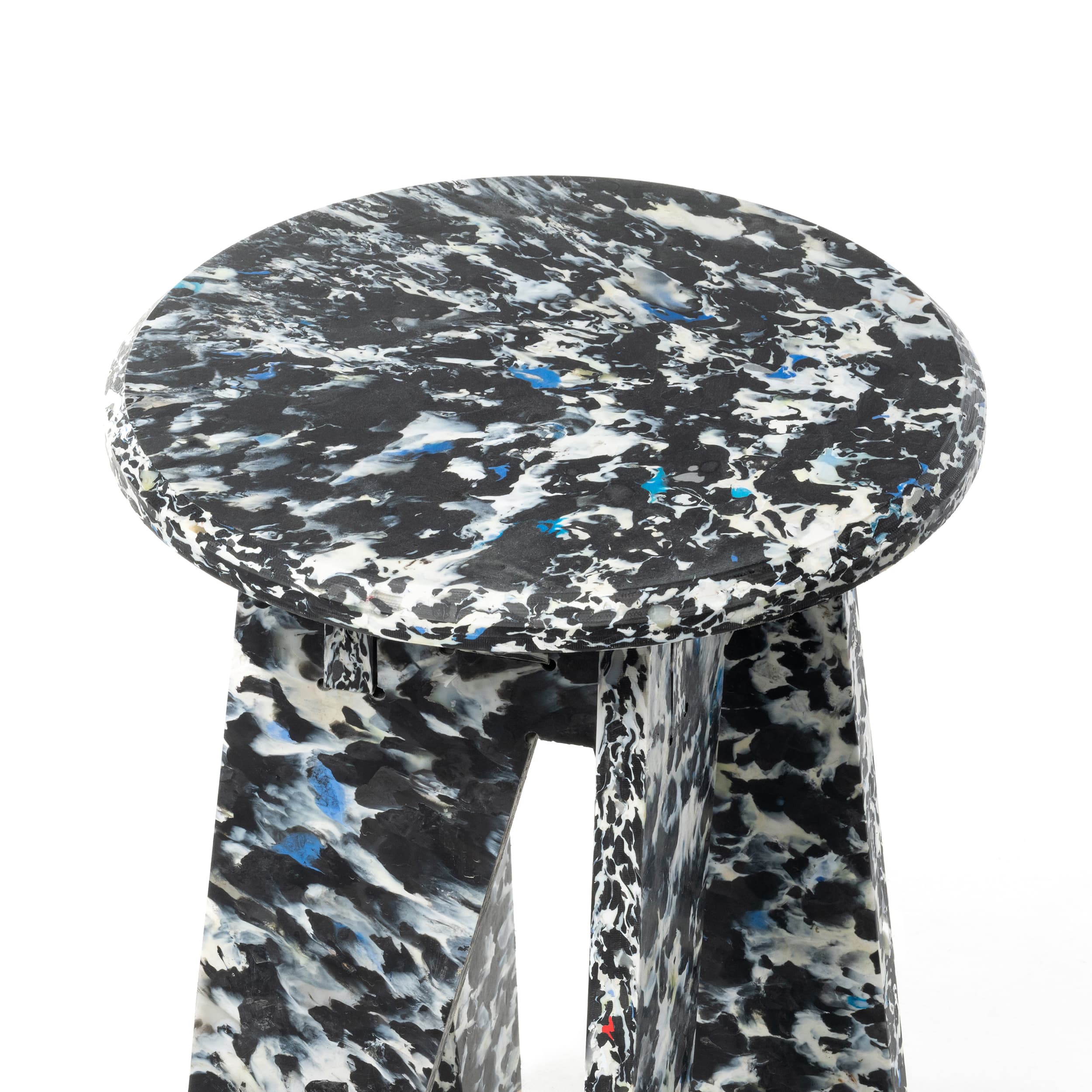
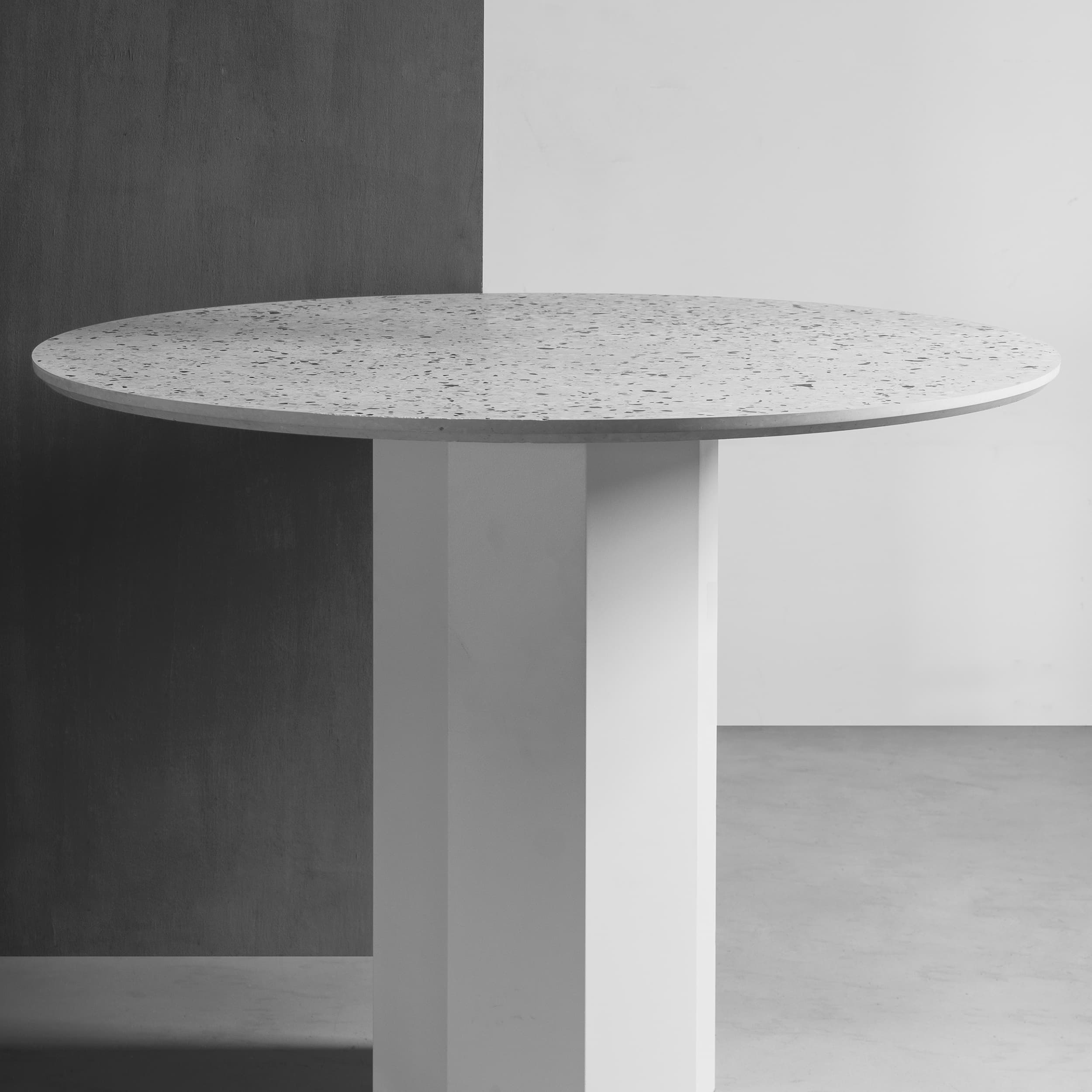
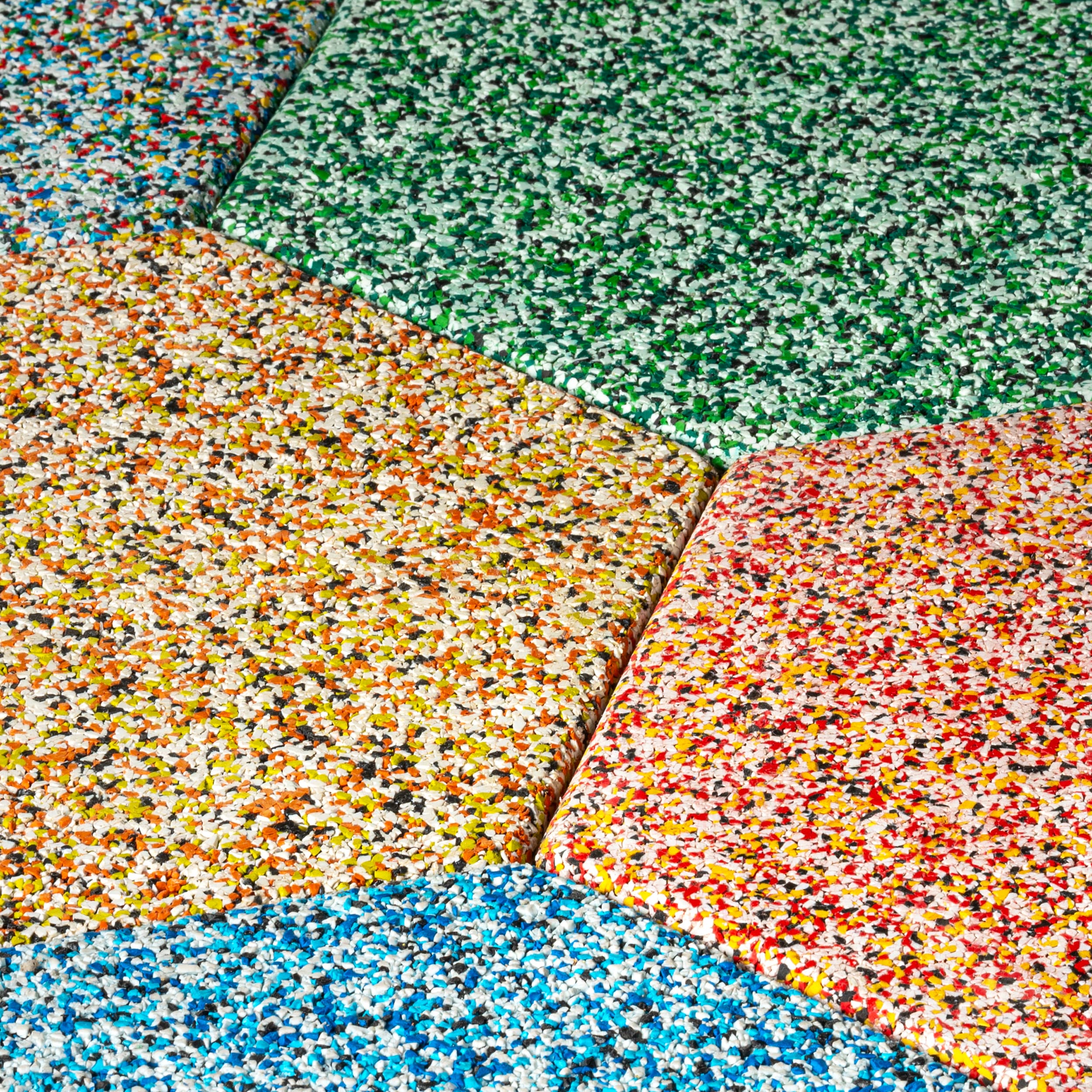
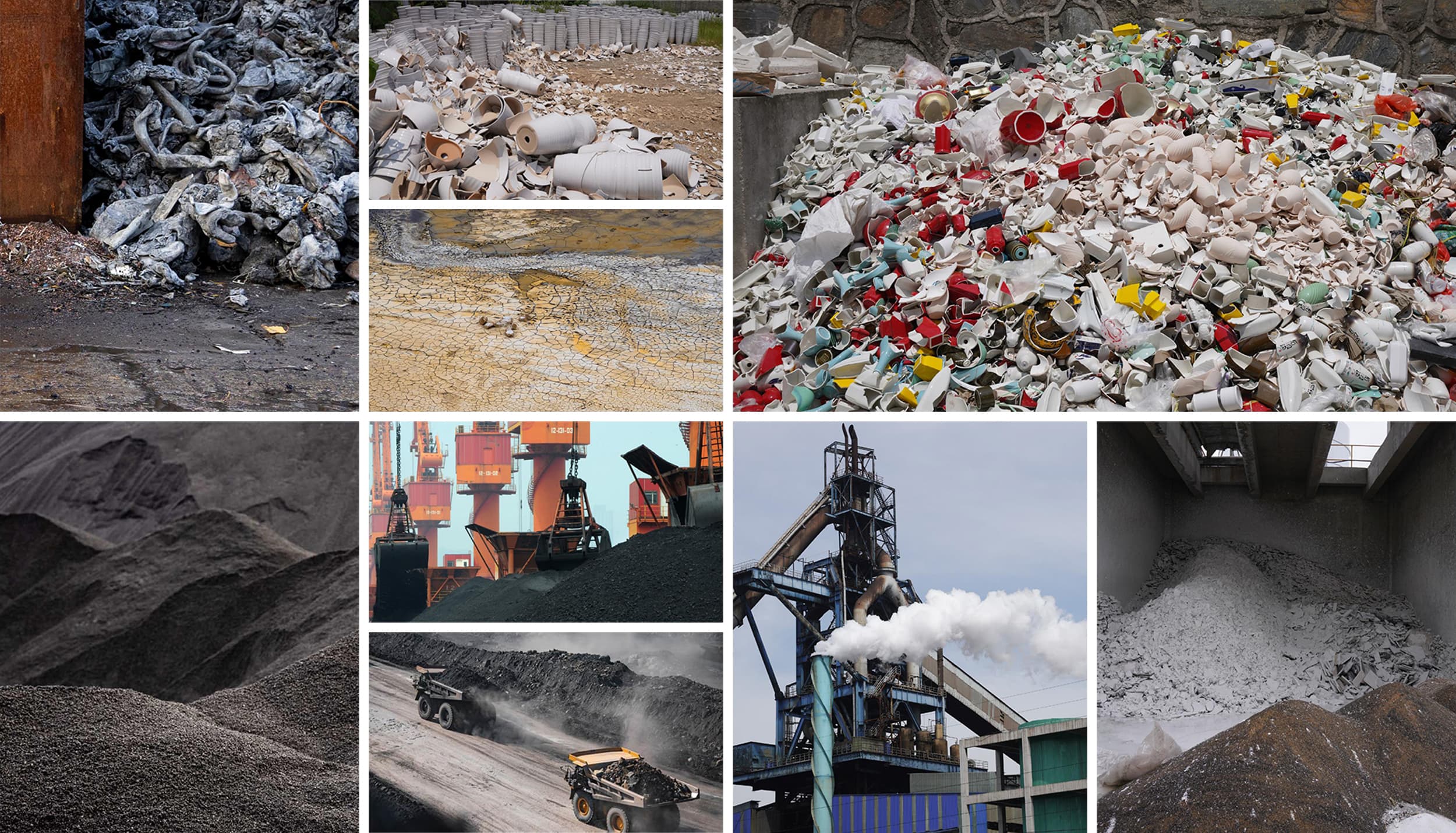
This initiative is jointly launched by Dongpeng Group and BENTU. Drawing on Dongpeng’s Jiujiang Hukou New Materials Research Base — its local industrial resources and manufacturing capacity — the partnership provides R&D support and industrialisation platforms for the building‑material application of industrial solid waste, including Jingdezhen waste ceramics, Shenhua Power Plant fly ash, Jiujiang steel slag and sandstone tailings. The four case studies below embody the philosophy of Local Generation.
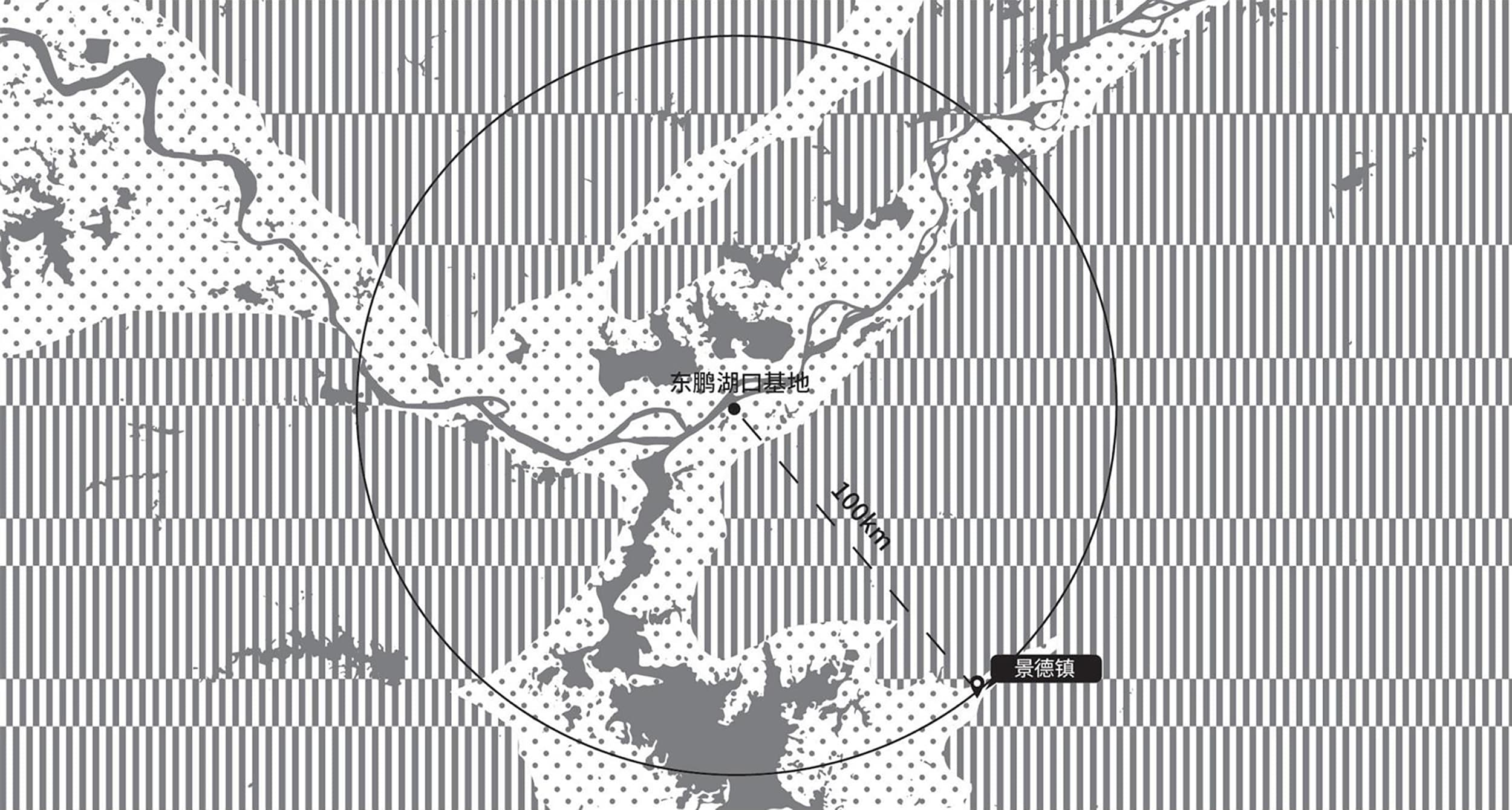
29.26° N, 117.18° E Jingdezhen, Jiangxi
I. Jingdezhen Waste Ceramics Circular Regeneration
As the world’s porcelain capital, Jingdezhen holds an irreplaceable regional identity, craft heritage and cultural roots. Generations of artisans have preserved handcrafted qualities and nurtured strong local cultural identity.
The entire ceramic lifecycle — from raw material mining and high‑temperature firing to waste disposal — generates solid waste and consumes resources. Linear production intensifies resource conflicts between humans and nature, while globalisation weakens unique local heritage and material value. Embracing regenerative production and re‑examining contemporary material ethics has become essential.
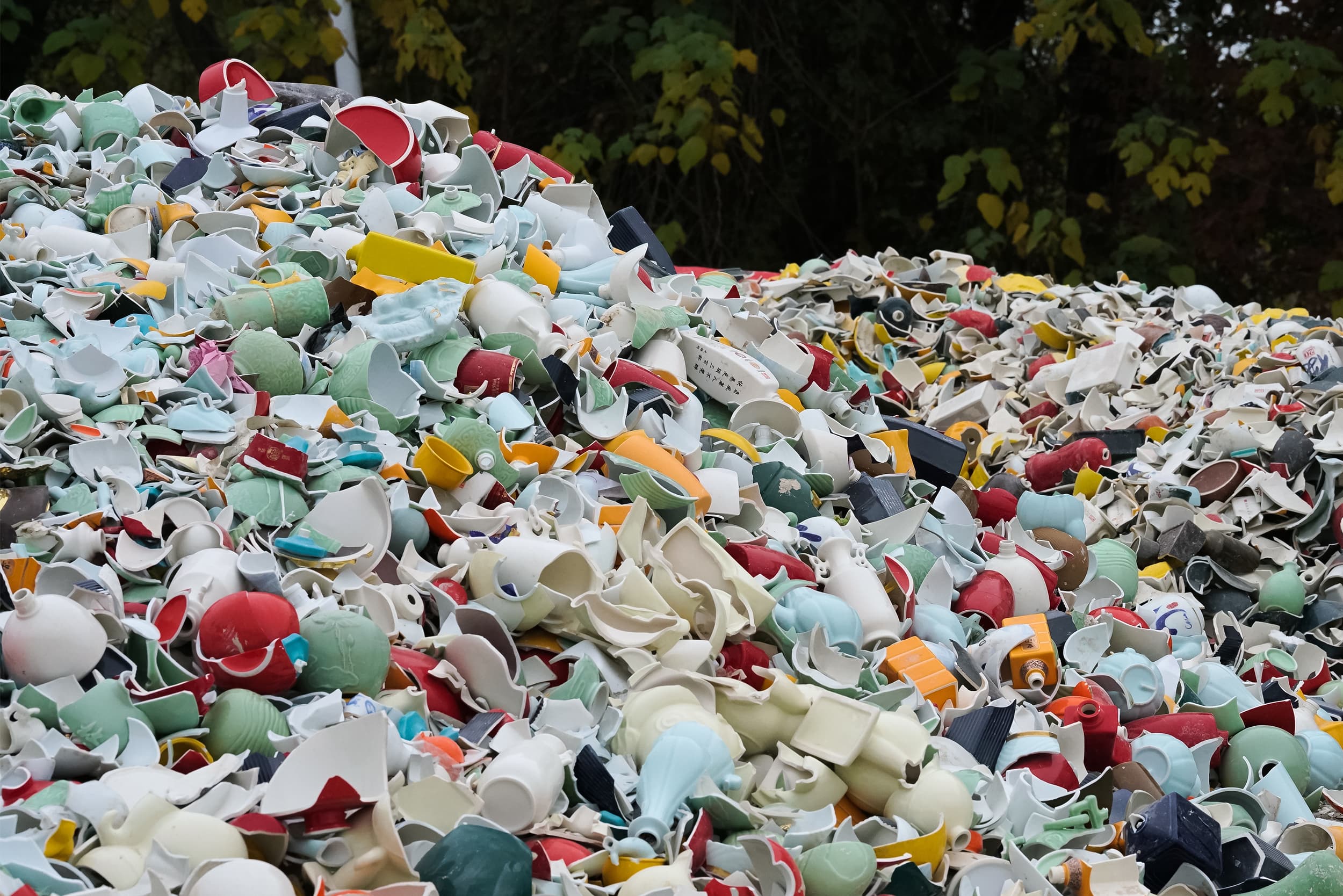
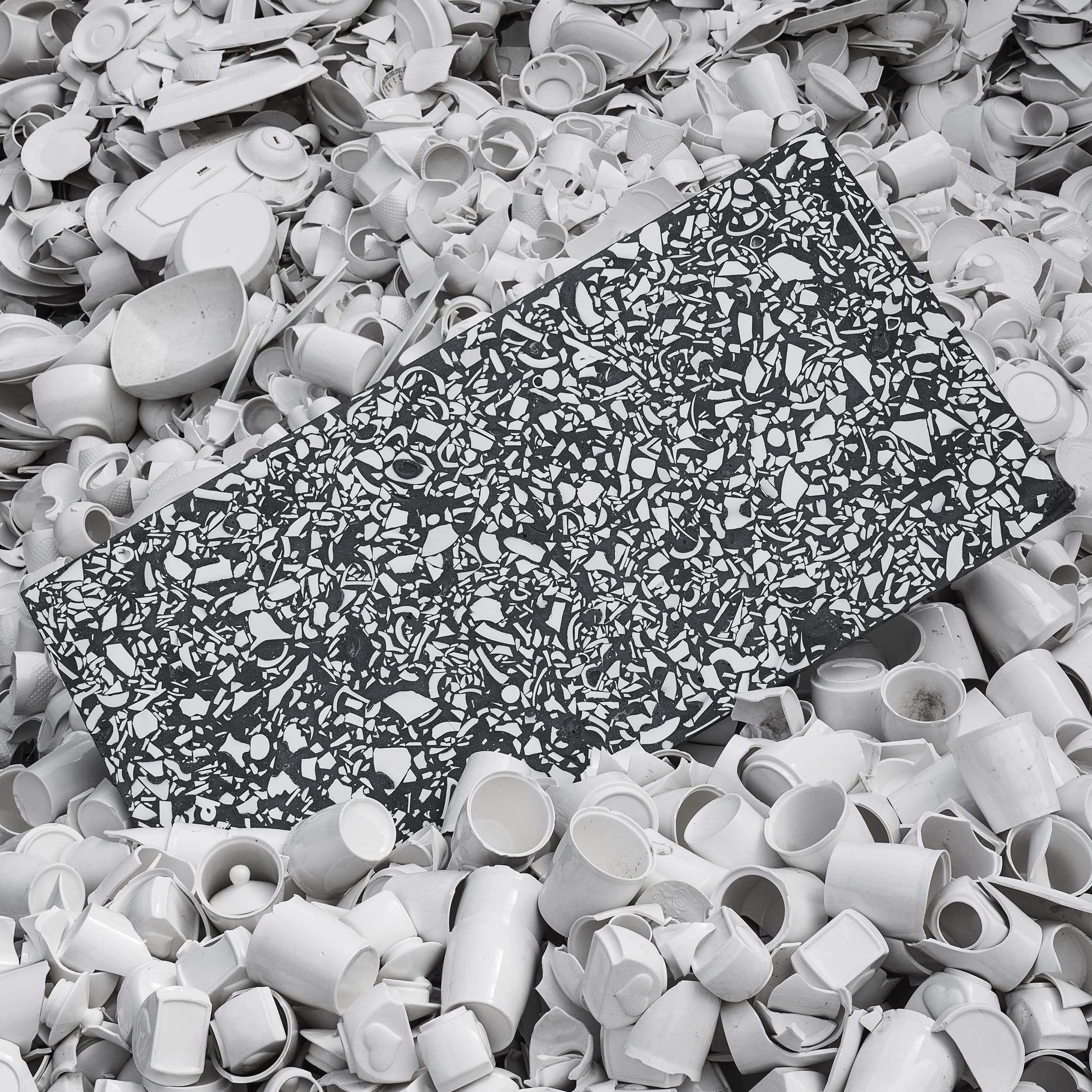
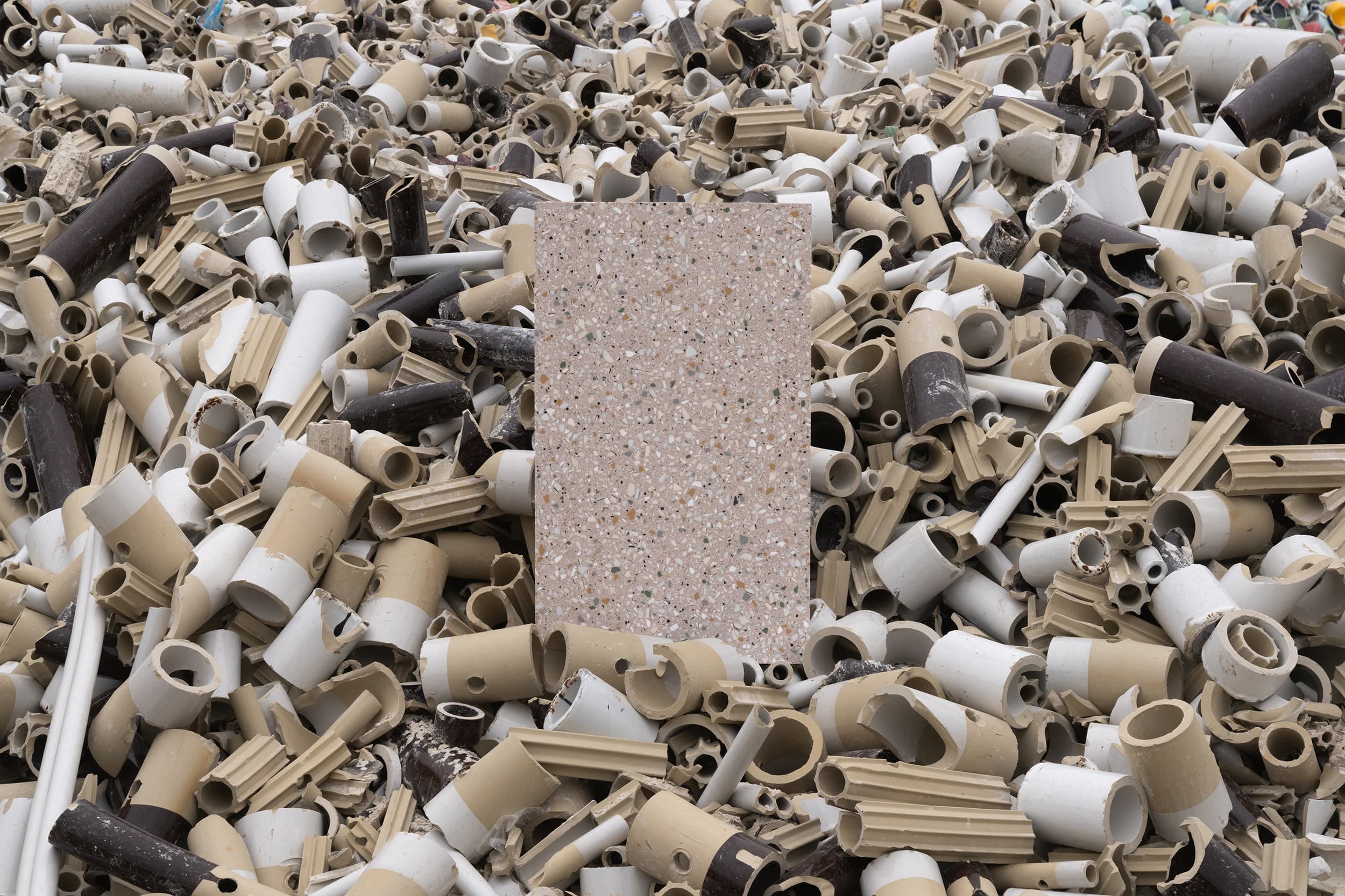
Using Jingdezhen waste ceramics for sustainable design revitalises dormant material vitality in modern contexts. It breaks conventional material hierarchies, converts industrial waste into circular resources and redefines material circulation logics. It maximises solid‑waste valorisation, reduces landfill and emissions pressure, preserves regional texture, natural character and emotional memory, and integrates local aesthetics, cultural expression and commercial innovation to develop place‑specific sustainable design solutions.
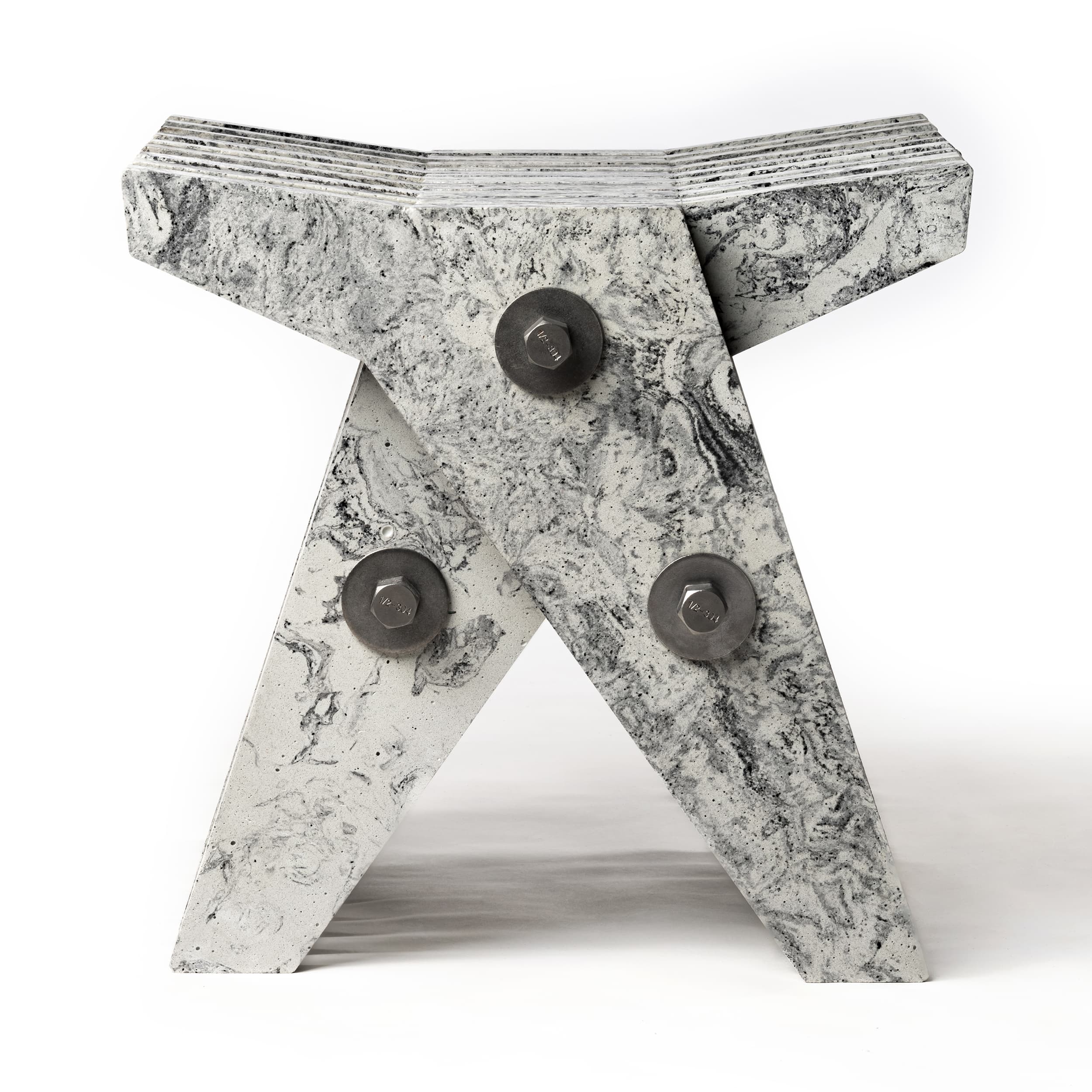
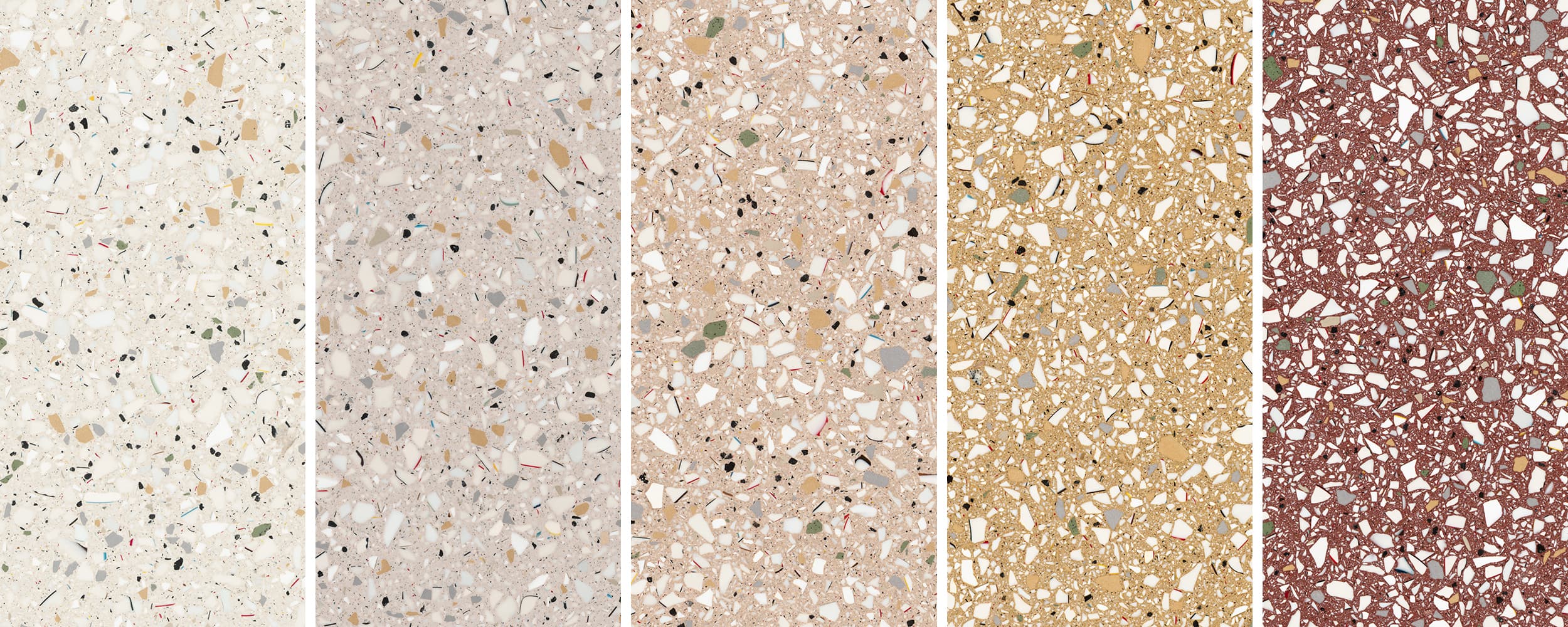
Jingdezhen waste ceramic regeneration follows two creative directions: 1. Luan (Mountain Range) – Extracting natural landscape aesthetics; 2. Kun (Earth) – Distilling place‑based ethics from craftsmanship
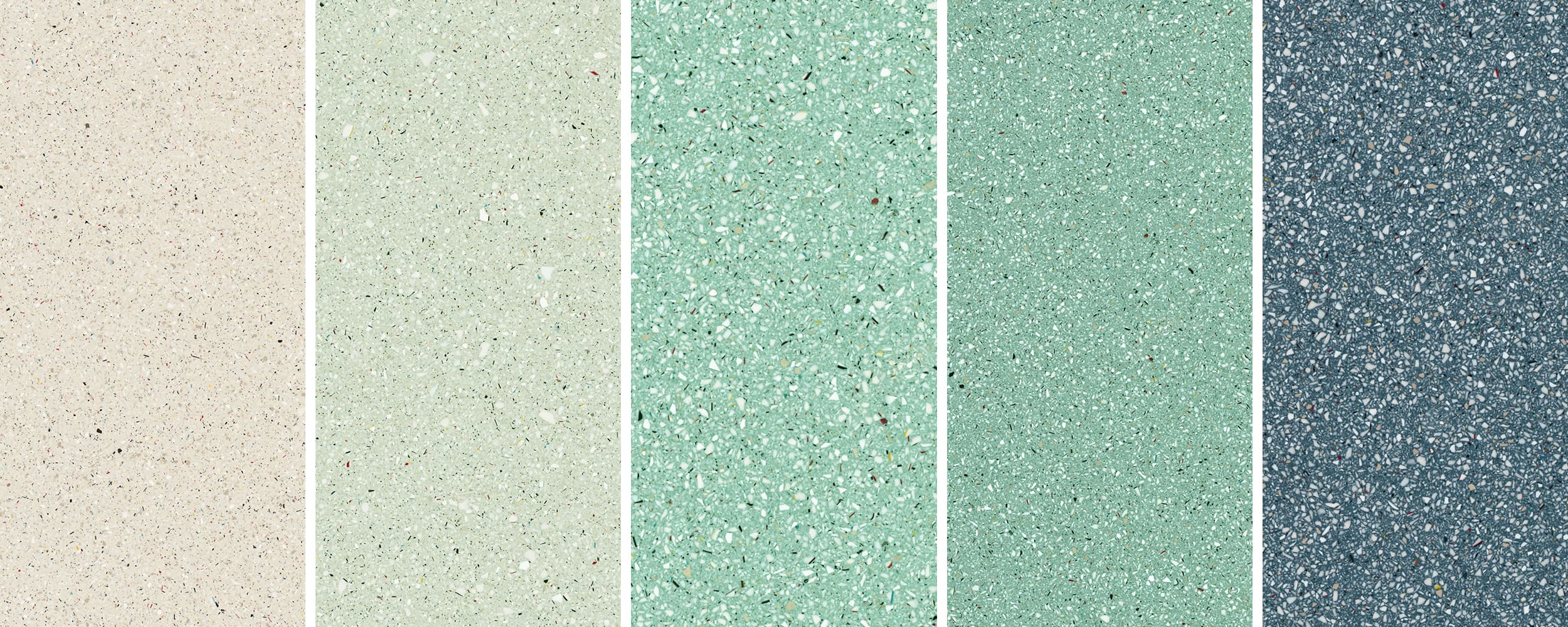
1. Luan
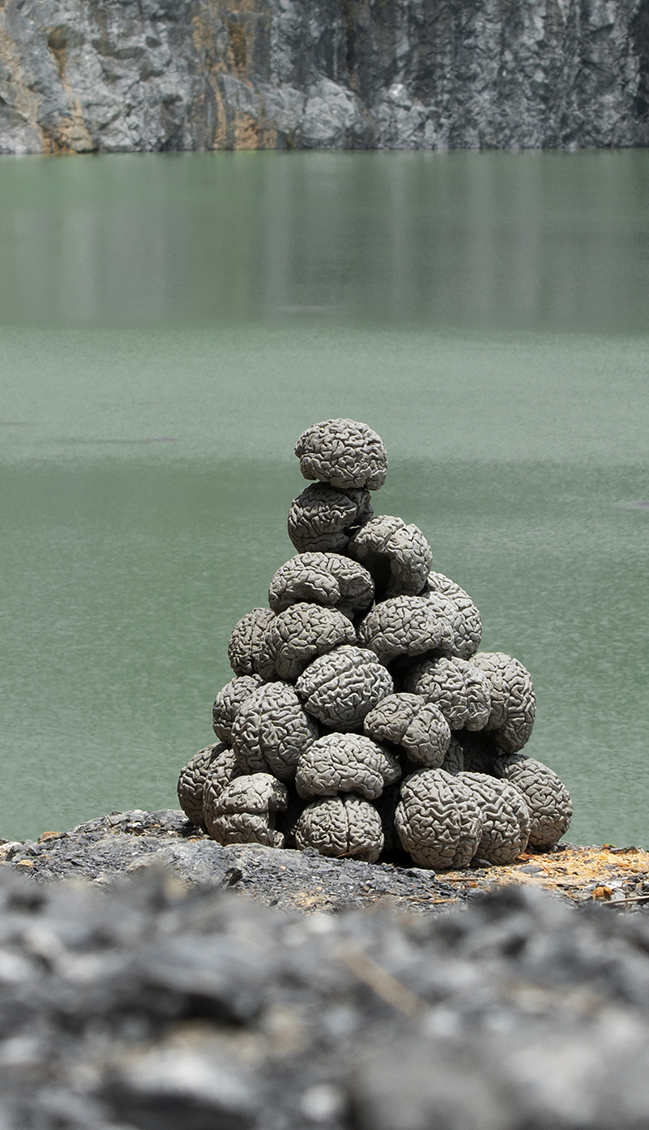
A 100‑km stretch of landscape along Poyang Lake connects Jingdezhen and Lushan Mountain. Li Bai’s poem describes the scene: “Like a nine‑fold screen of brocade clouds, the mountain’s shadow falls on the lake’s dark‑green glow.” It captures Lushan’s sublime grace and the spiritual essence of Eastern literati who seek solace in nature. “Dark‑green” is more than a colour tone; it embodies an Eastern ethos of reverence for nature, tranquility and detachment — a timeless spiritual symbol in classical Chinese landscape poetry.

The annual output of ceramic solid waste in China is 20 million tons. Jingdezhen produces 150,000 tons of ceramic solid waste every year.
Every stage of Jingdezhen ceramic production carries environmental burdens. Amid resource scarcity and stricter ecological constraints, adopting circular‑economy principles, activating local waste resources and building closed‑loop local production‑consumption systems is essential for a low‑carbon, highly circular and sustainable society.
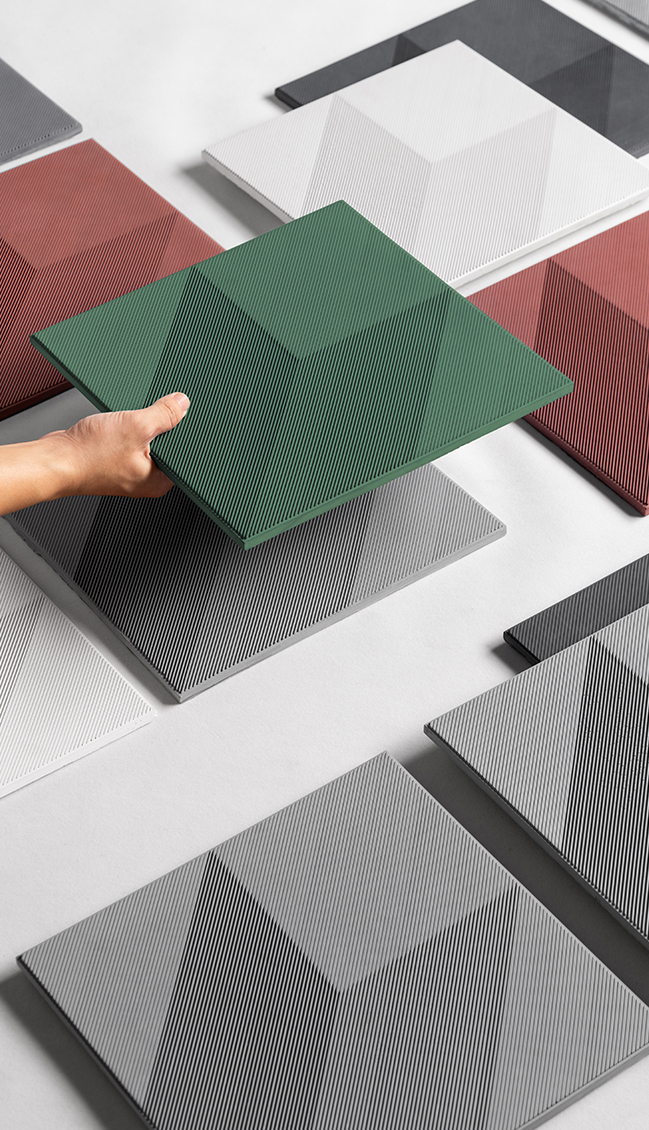
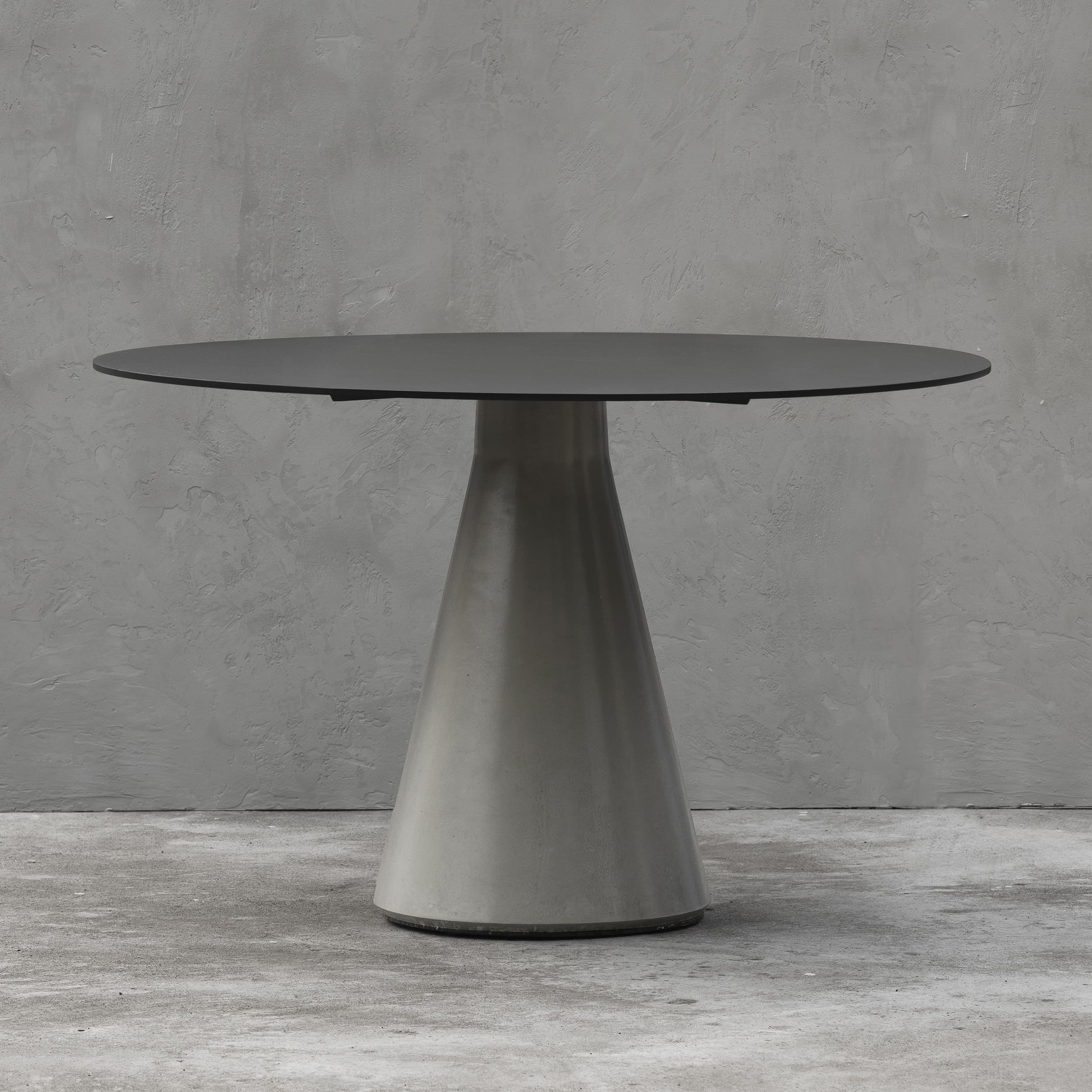
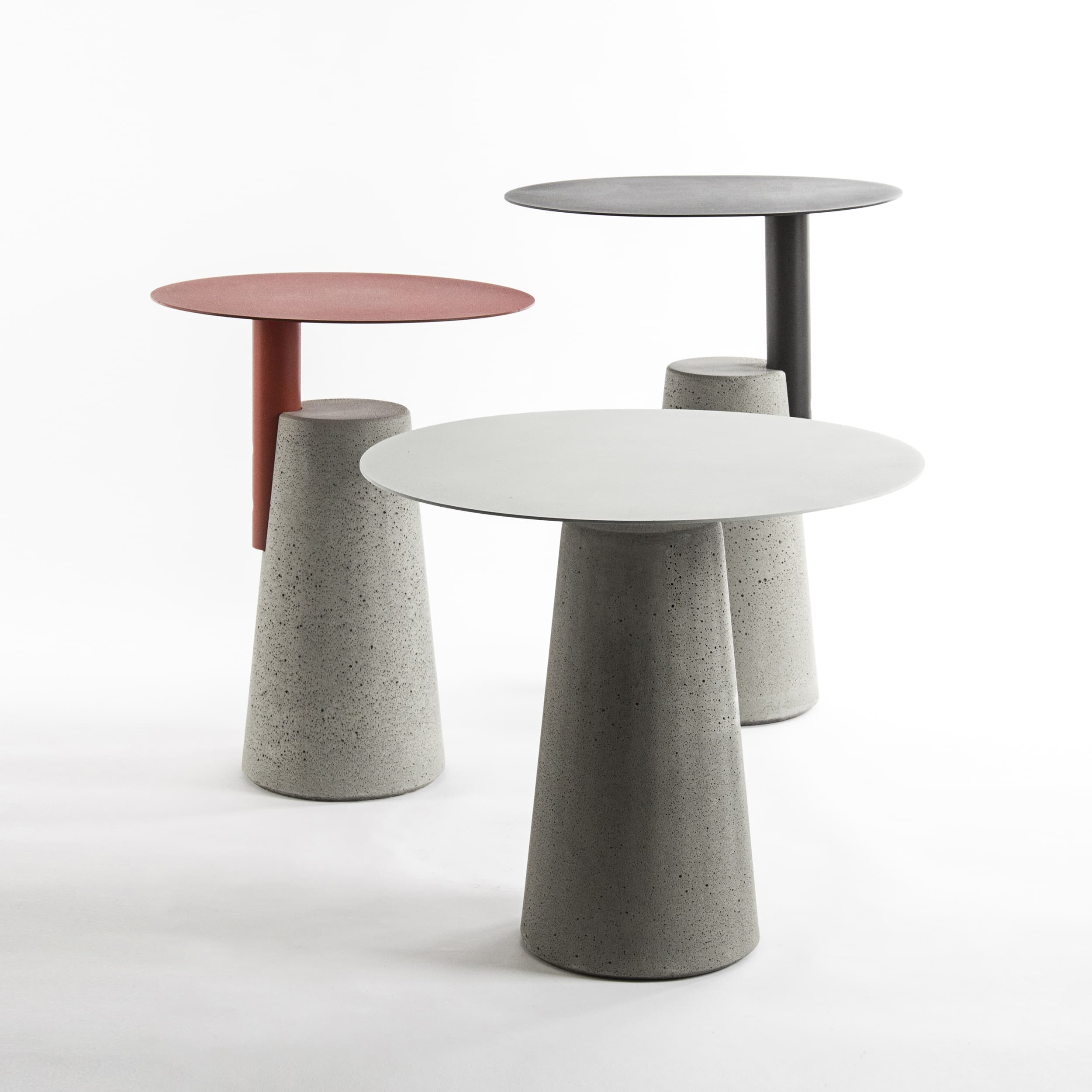
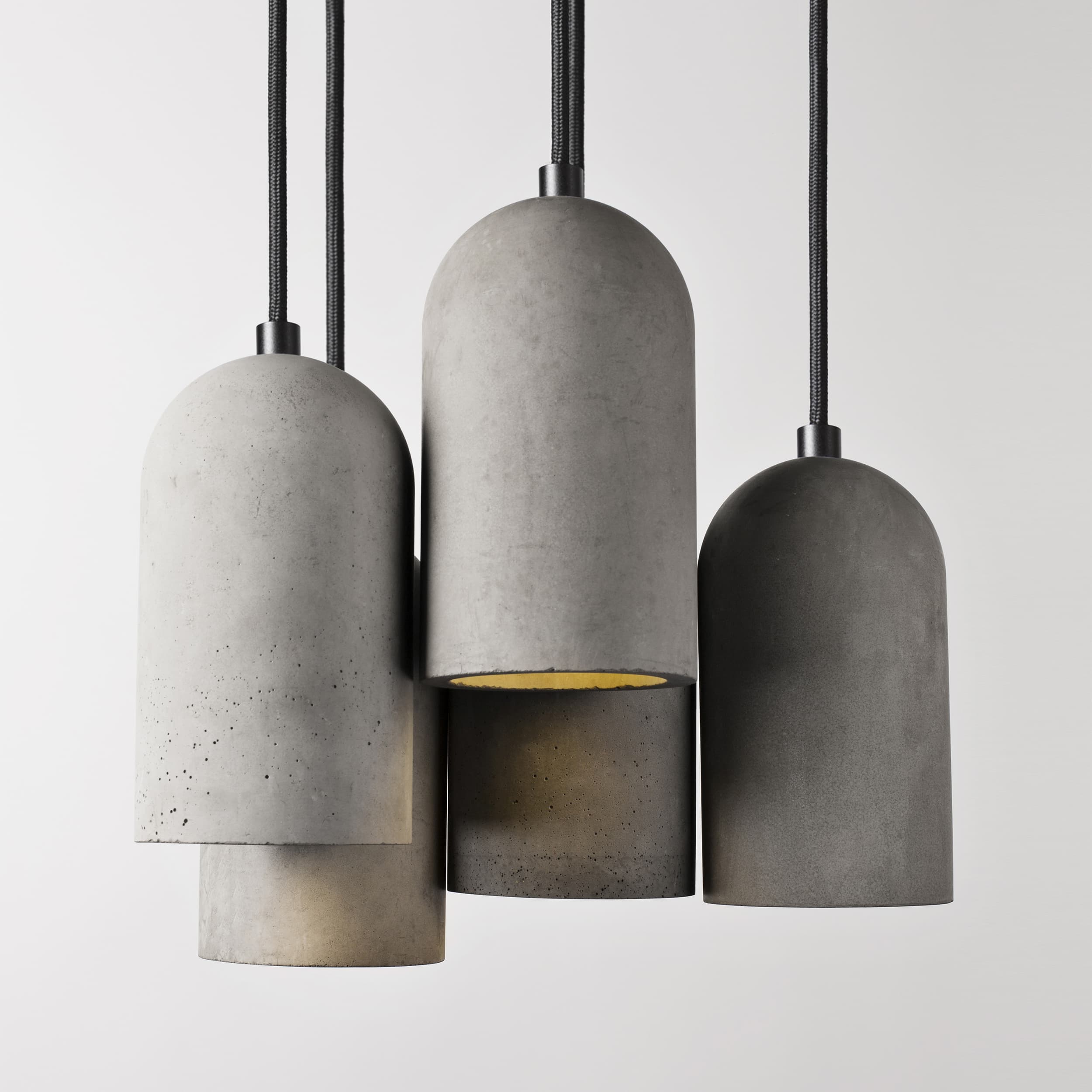
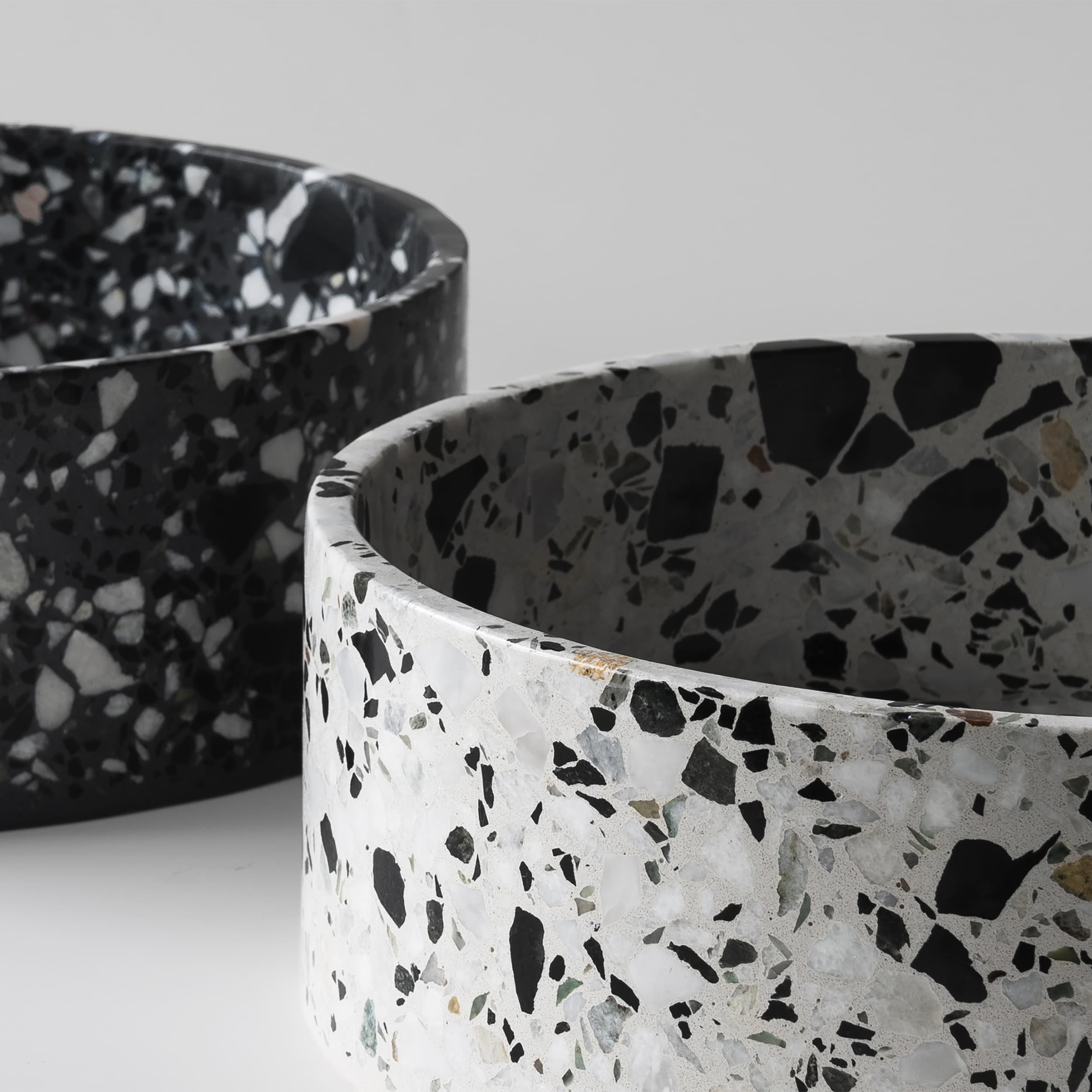
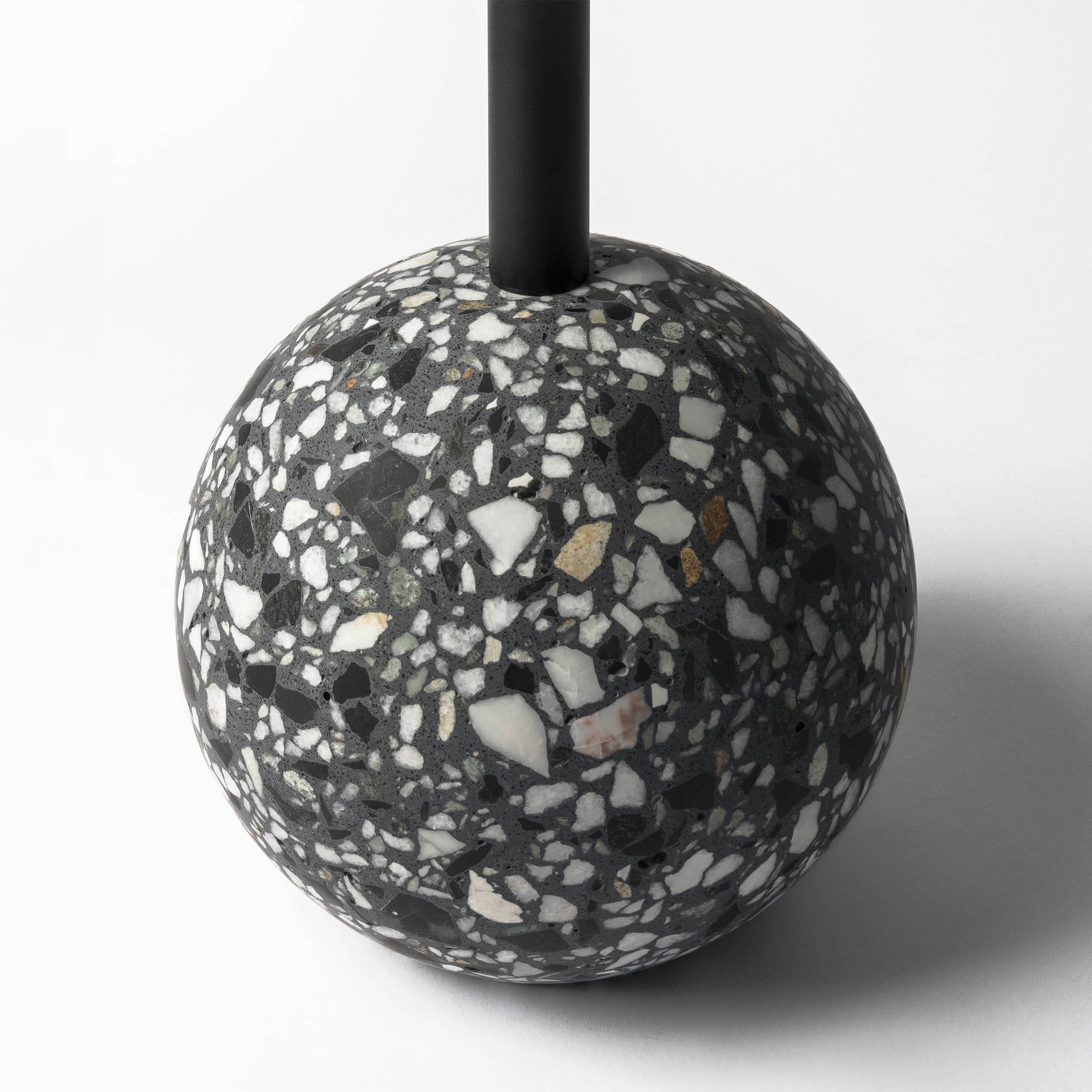
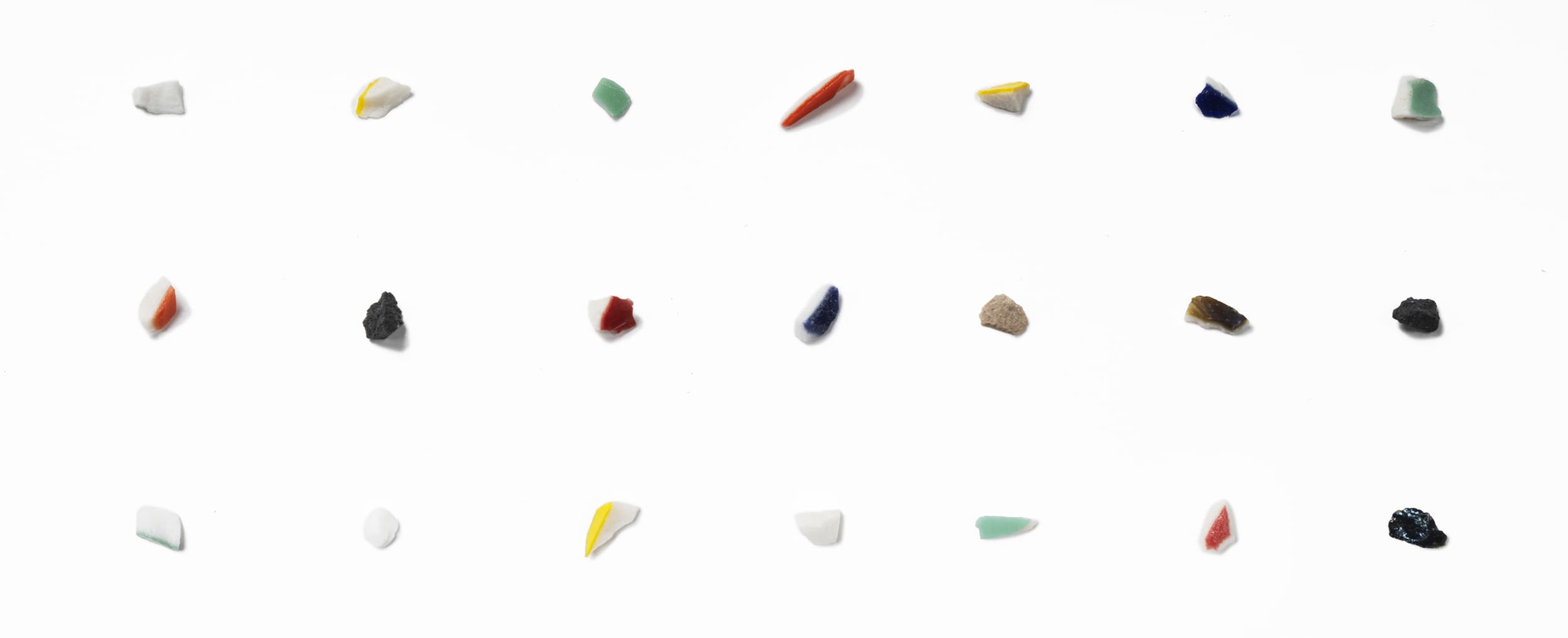
The Luan series utilises Jingdezhen waste ceramics to embody Lushan’s dark‑green mountain imagery, achieving bidirectional regeneration of industrial waste and humanistic spirit. It grants new identity to industrial residues, embedding regional memory, emotional connection and cultural narrative. Through material circularity and place‑based emotion, it delivers purposeful, responsible and warm contemporary design, enriching the experiential and spiritual dimensions of daily spaces.
2. Kun
Devote a lifetime to one craft — this creed has defined Jingdezhen artisans for generations. Behind repetitive, painstaking handwork lies the quiet continuity of local heritage and the profound emotional bond between people and land.
Local value is never static; it evolves through time and environmental change. Facing ecological crisis and social transition, we must recalibrate ethical relationships between people, materials and nature: revering nature, upholding resource circularity, advocating low‑carbon minimalist lifestyles, and building equitable symbiotic ecological and social systems.
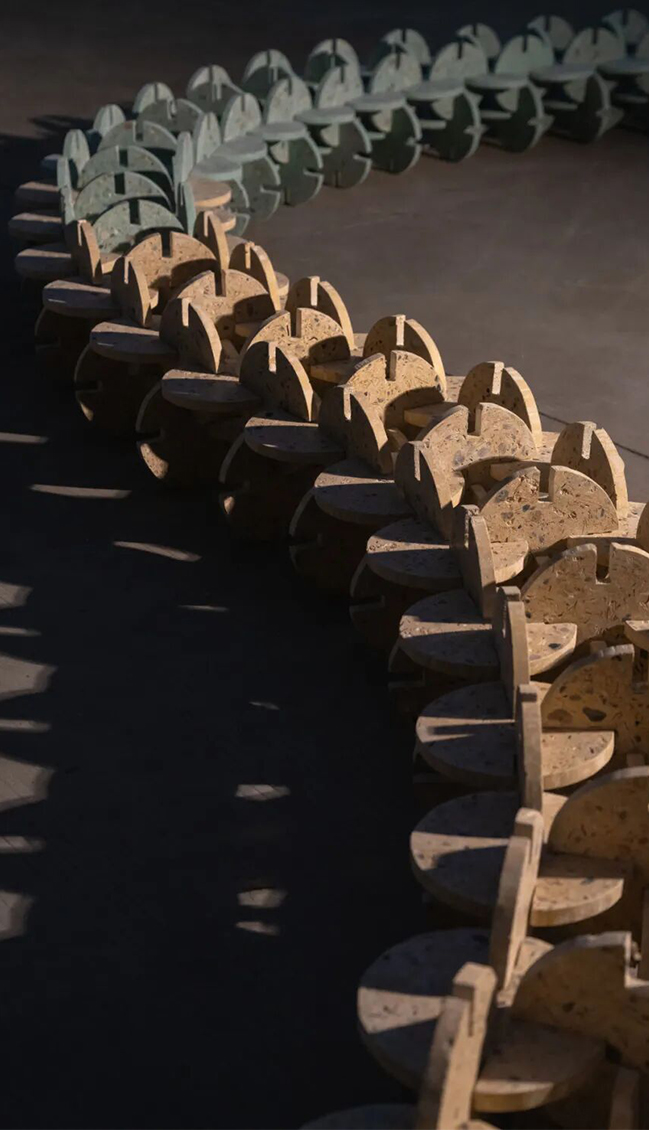
Interpreting local heritage and sensing site texture are core sources of innovation. Merging locality with cross‑regional vision expands perspective, generates new narratives and enriches contemporary regional identity. The Kun series offers humble tribute to the land, illustrating how human craft shapes objects and how objects enrich human life, while exploring the potential of combining local waste with contemporary aesthetics.
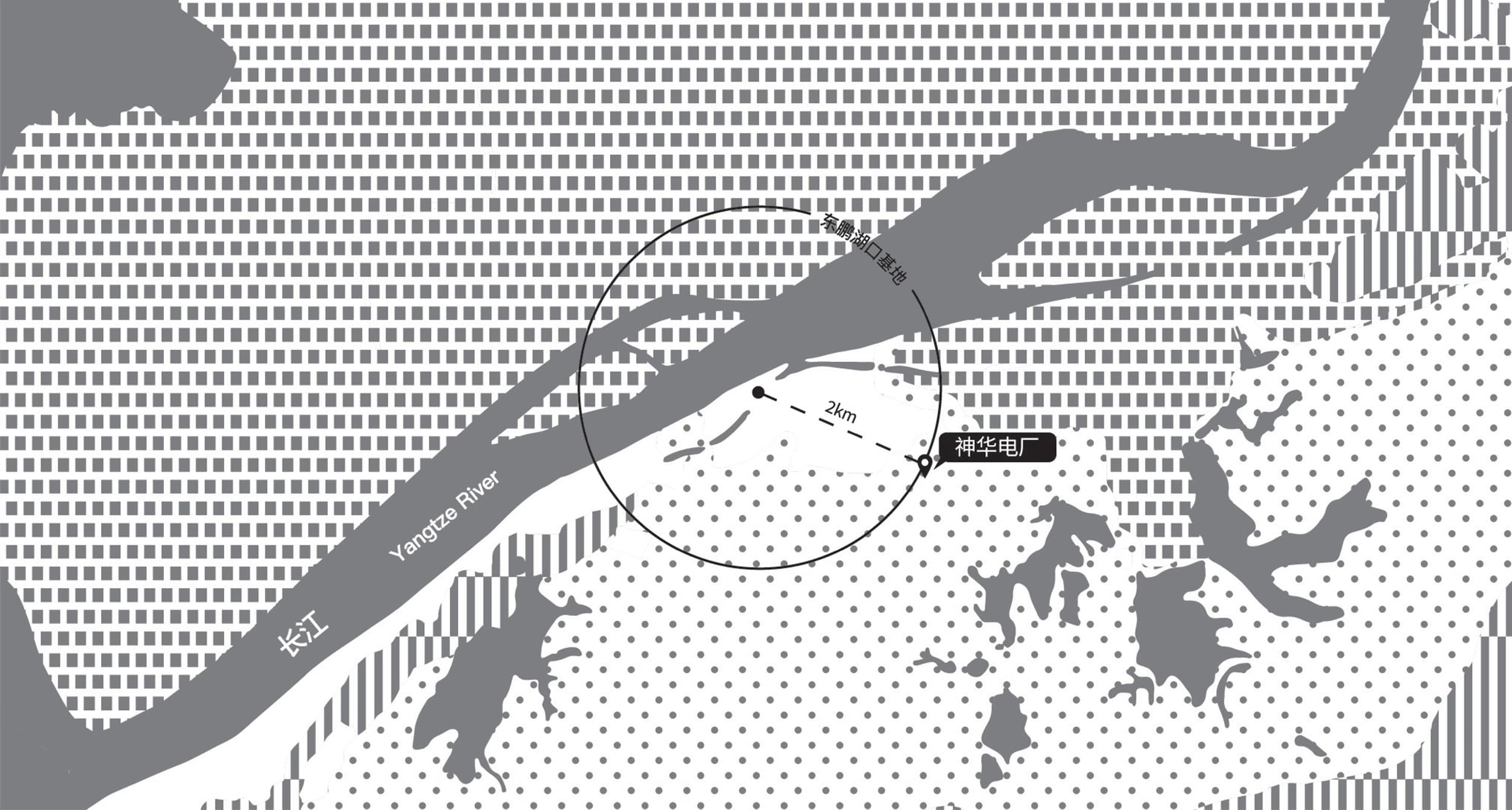
29.73° N, 116.25° E Shenhua Power Plant Hukou County
II. Shenhua Power Plant Fly Ash Regeneration
Fly ash consists of fine ash and slag captured from coal‑fired power‑plant flue gas. Every 100 tonnes of coal burned produces 15–45 tonnes of fly ash, with China’s annual output reaching 600–800 million tonnes. Traditional disposal via landfilling and open stockpiling occupies vast land and causes water, soil and air pollution. From a circular‑economy perspective, fly ash is a high‑value urban mineral resource.
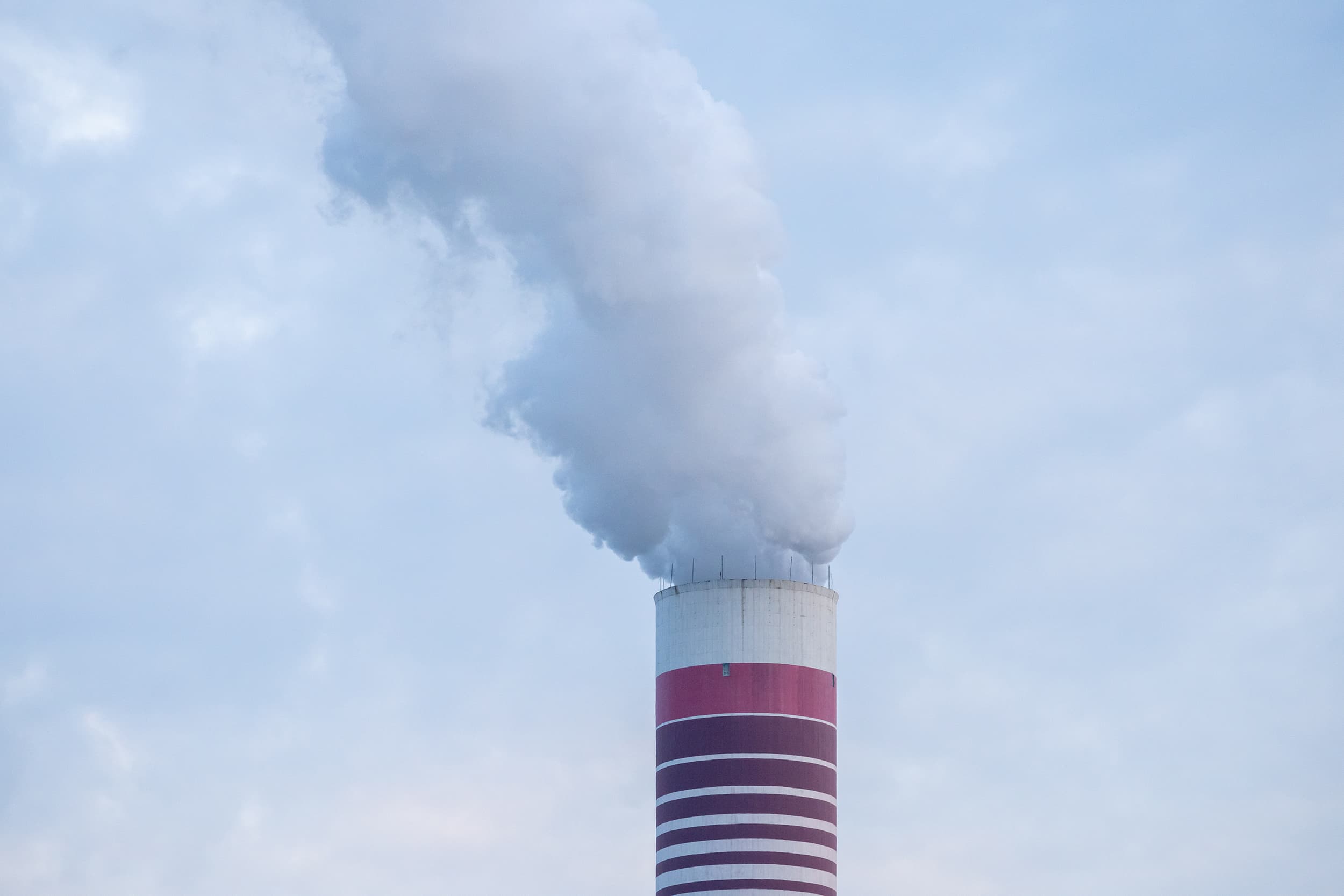
National fly ash generation of 827 million tons in 2021.
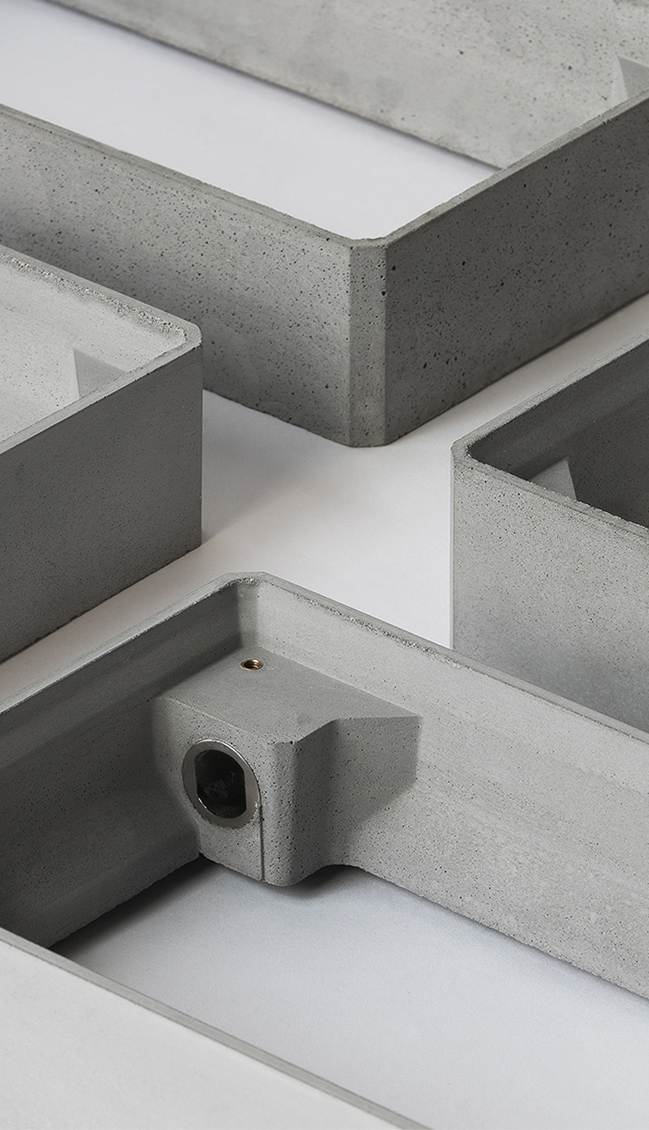
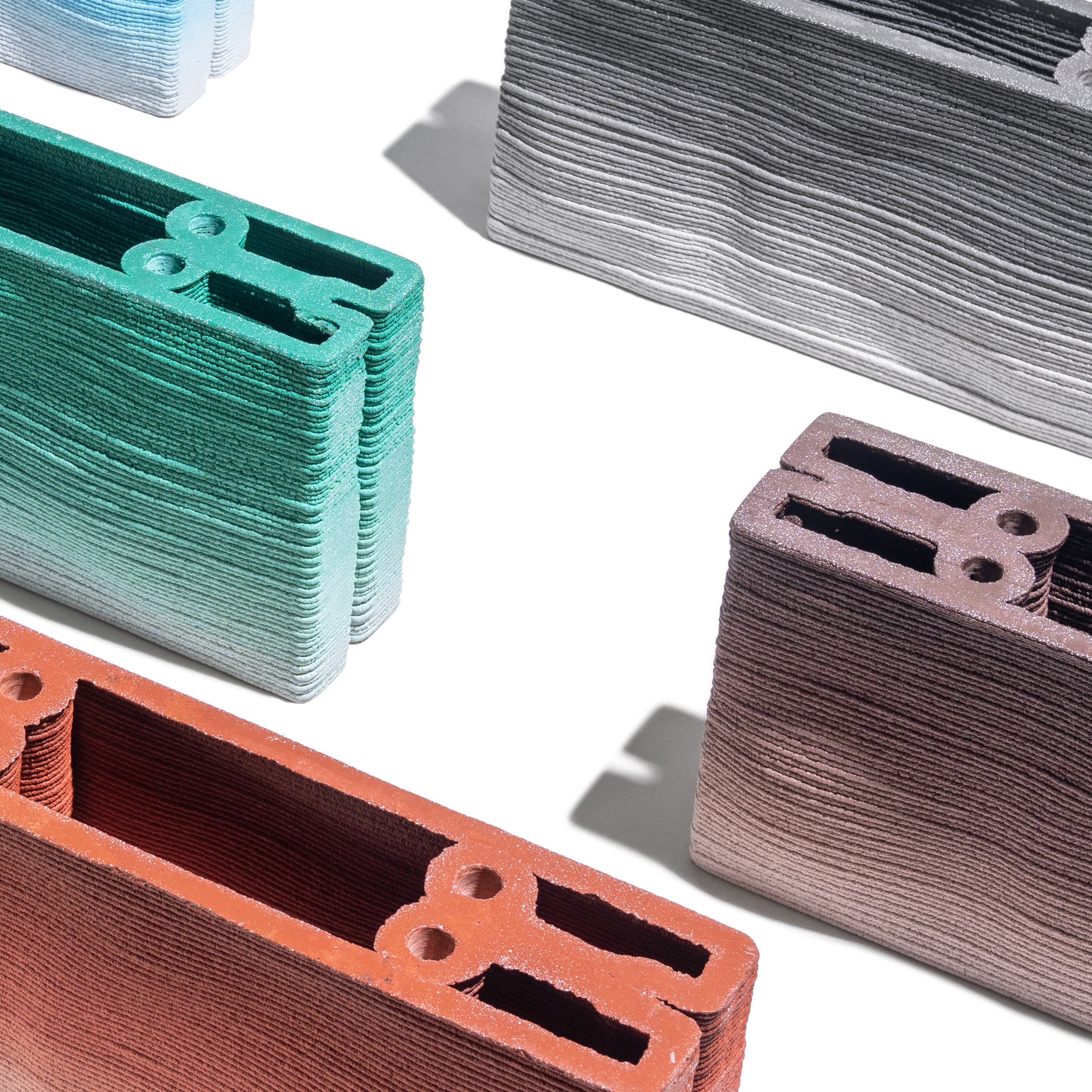
Fly ash valorisation reduces emissions, conserves virgin minerals, improves building‑material performance and supports soil remediation, delivering combined ecological, economic and social benefits. Material research using Shenhua fly ash enables cross‑industrial waste circulation: one industry’s residue becomes another’s raw material, forming local circular systems. It reduces resource waste and ecological pressure, drives coordinated development of local industries and communities, and supports sustainable socio‑ecological systems.
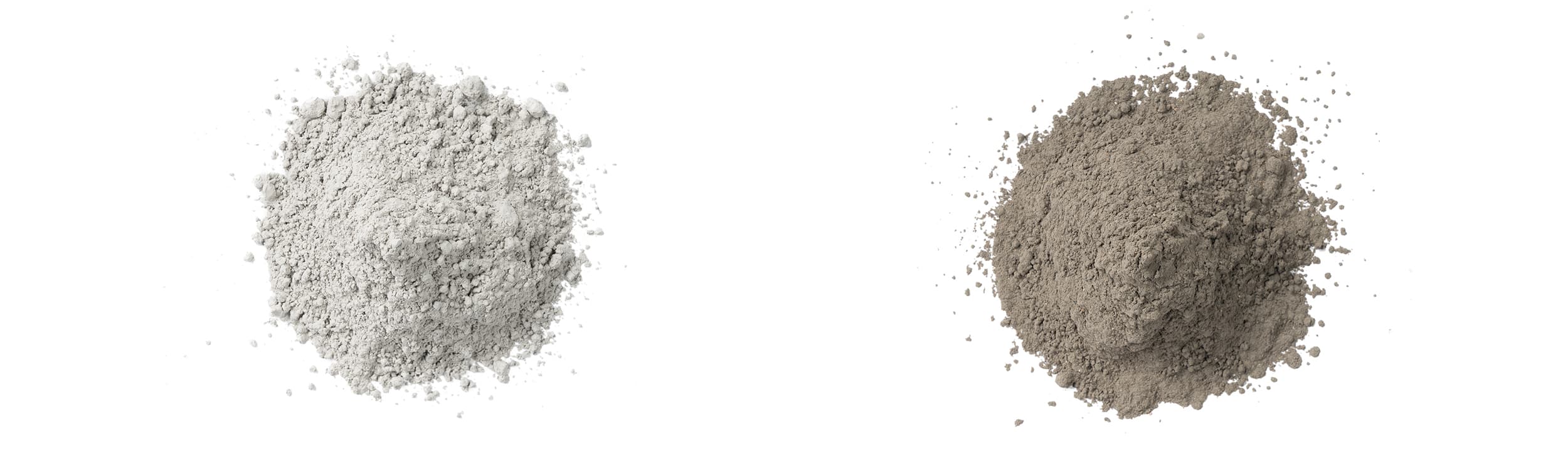
Power plant fly ash Water slag fly ash
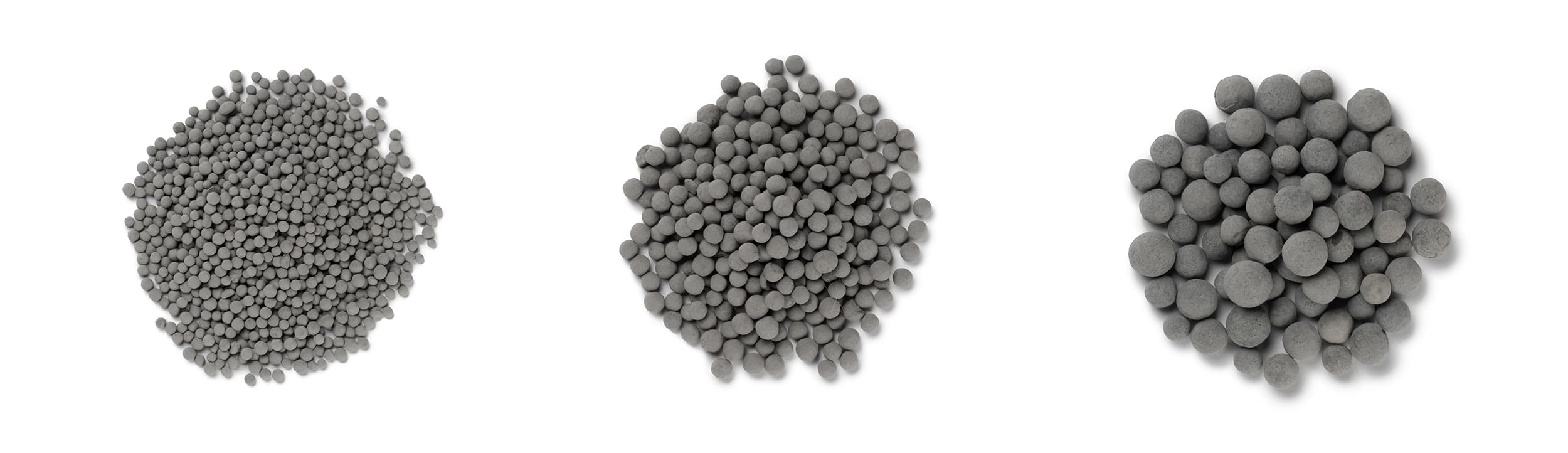
Fly ash granulation
Fly ash regeneration draws aesthetic inspiration from Poyang Lake’s water‑based landscapes and is named Miao (Water).
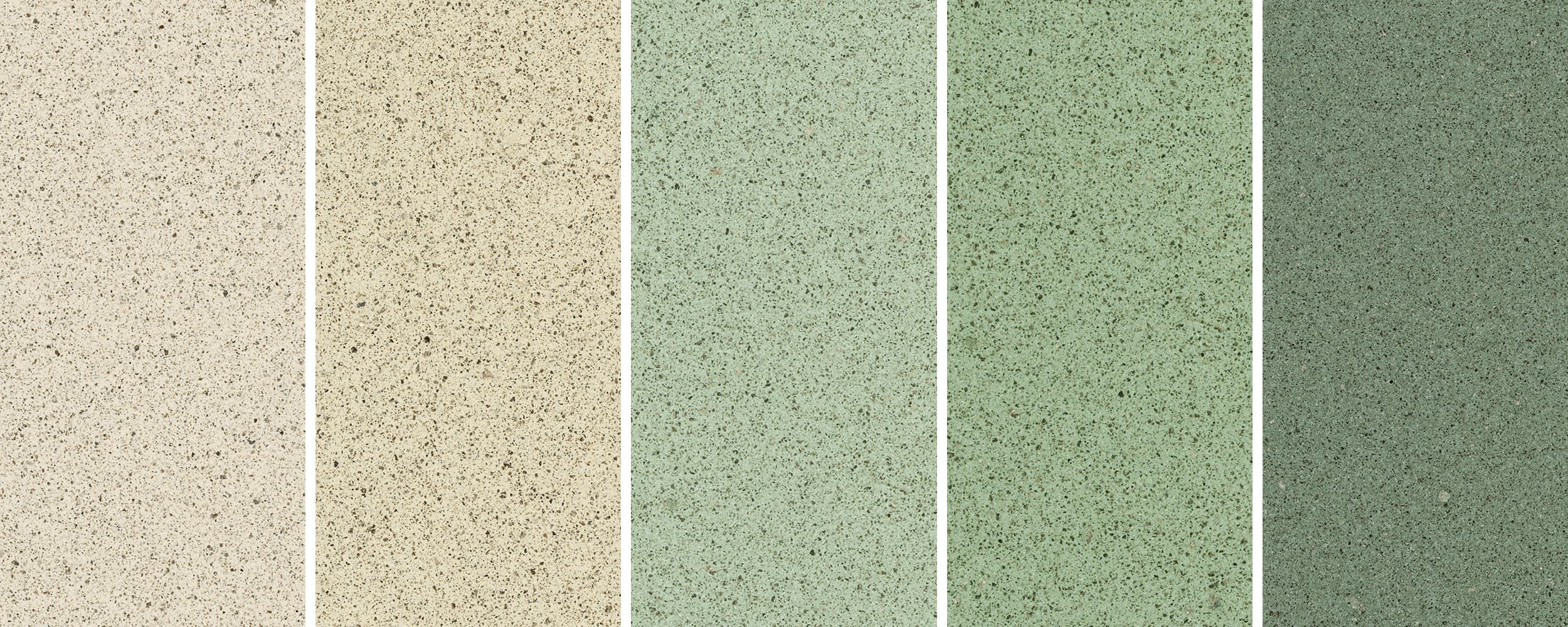
Miao
Amid the saturation of synthetic materials, people increasingly yearn to reconnect with nature and rebuild spiritual bonds with the earth, drawing aesthetic inspiration from natural systems. Adjacent to Poyang Lake — China’s largest freshwater lake and a national nature reserve — Shenhua Power Plant sits within a unique natural landscape. The lake’s textures and atmosphere form a precious local aesthetic resource.
Natural place‑based textures awaken innate ecological perception, restoring primal visual and tactile experience and revealing the deep link between existence and generation. Sunlight and wind turn water into mist and vapour, which condense into rain to nourish land and replenish water systems, sustaining endless cyclical life.
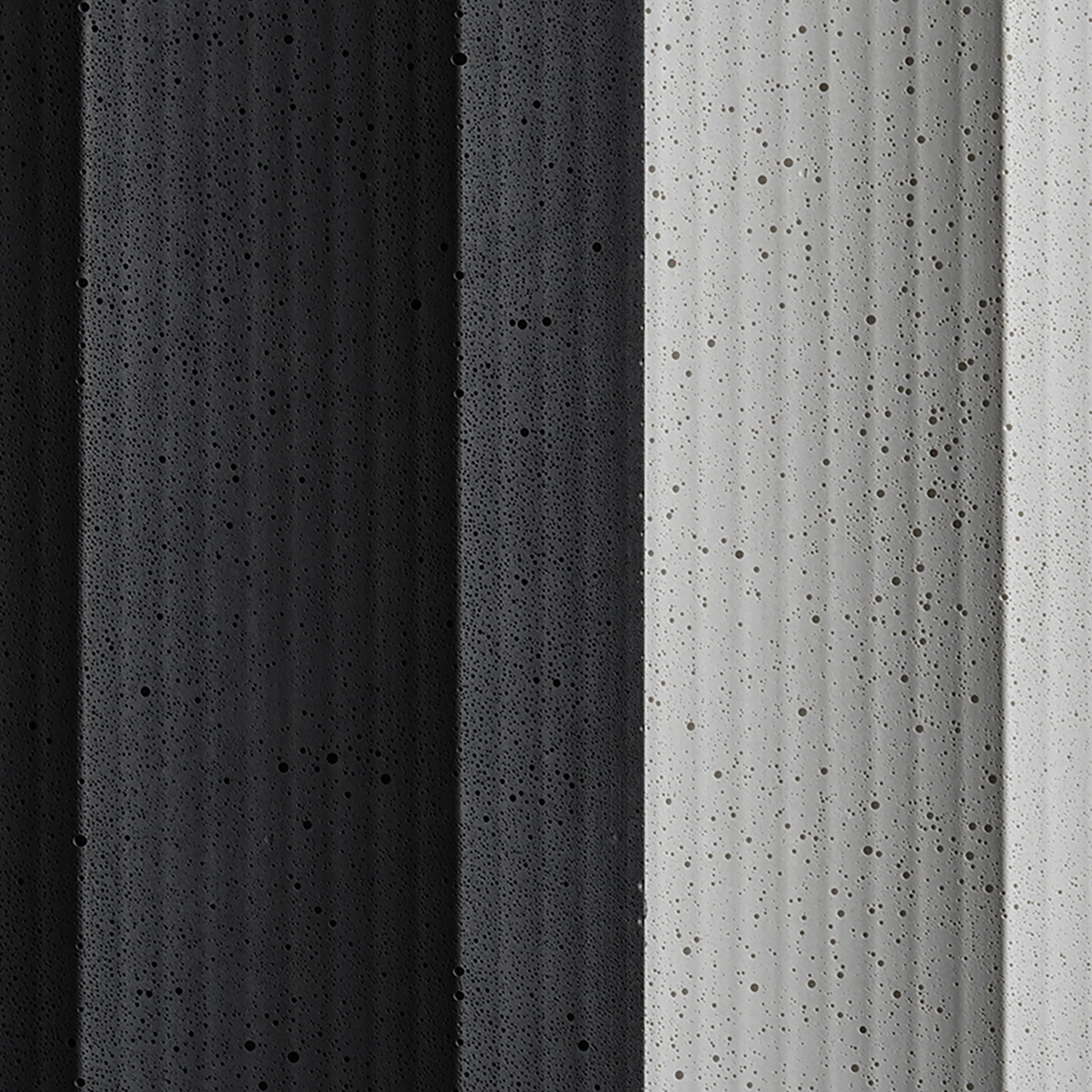
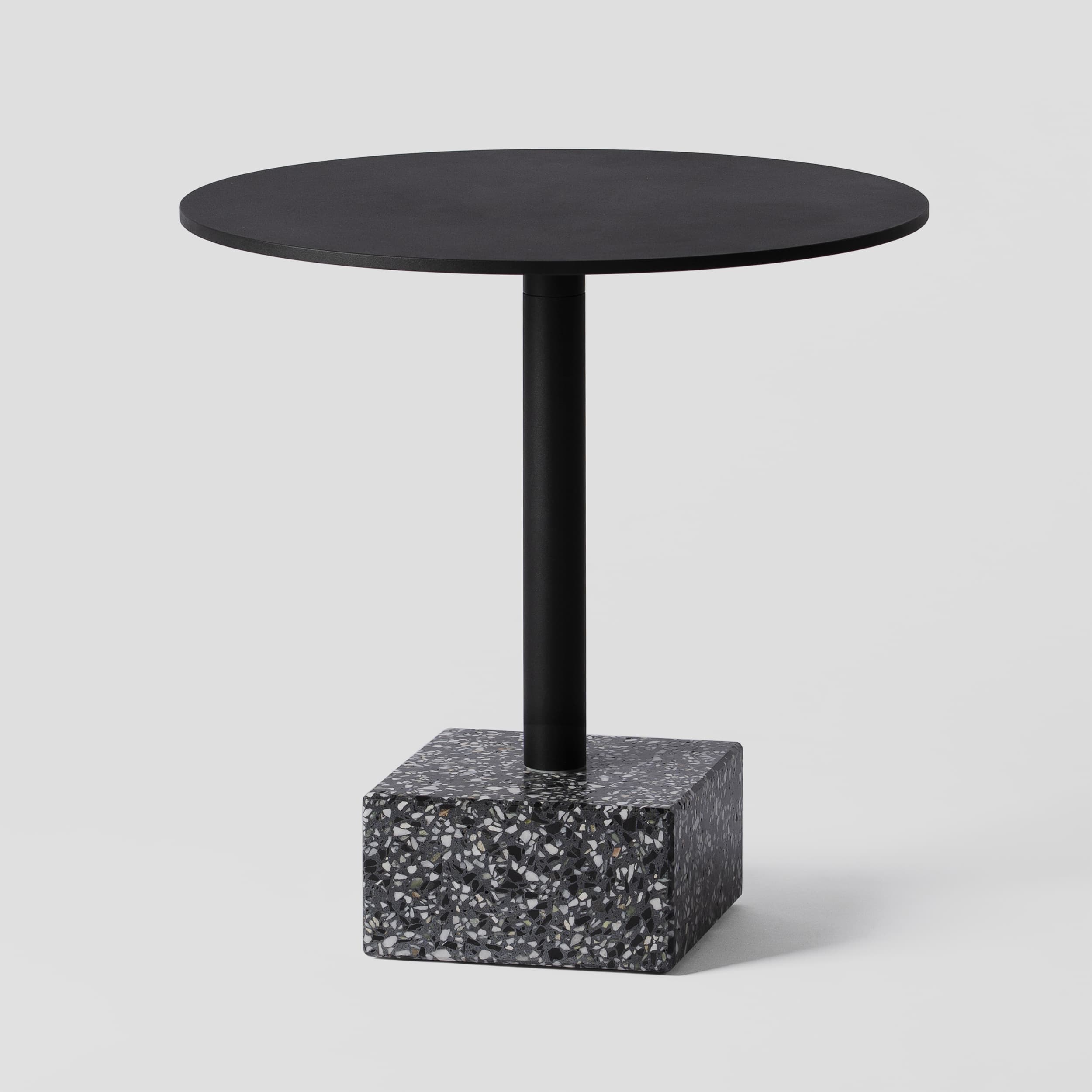
Miao embodies Poyang Lake’s natural imagery with an 80 % fly ash content. It unlocks material potential, breaks traditional application limits, integrates industrial solid waste into daily life, redefines material value through environmental ethics and design integrity, and endows industrial residues with a place‑rooted narrative of rebirth and renewal.
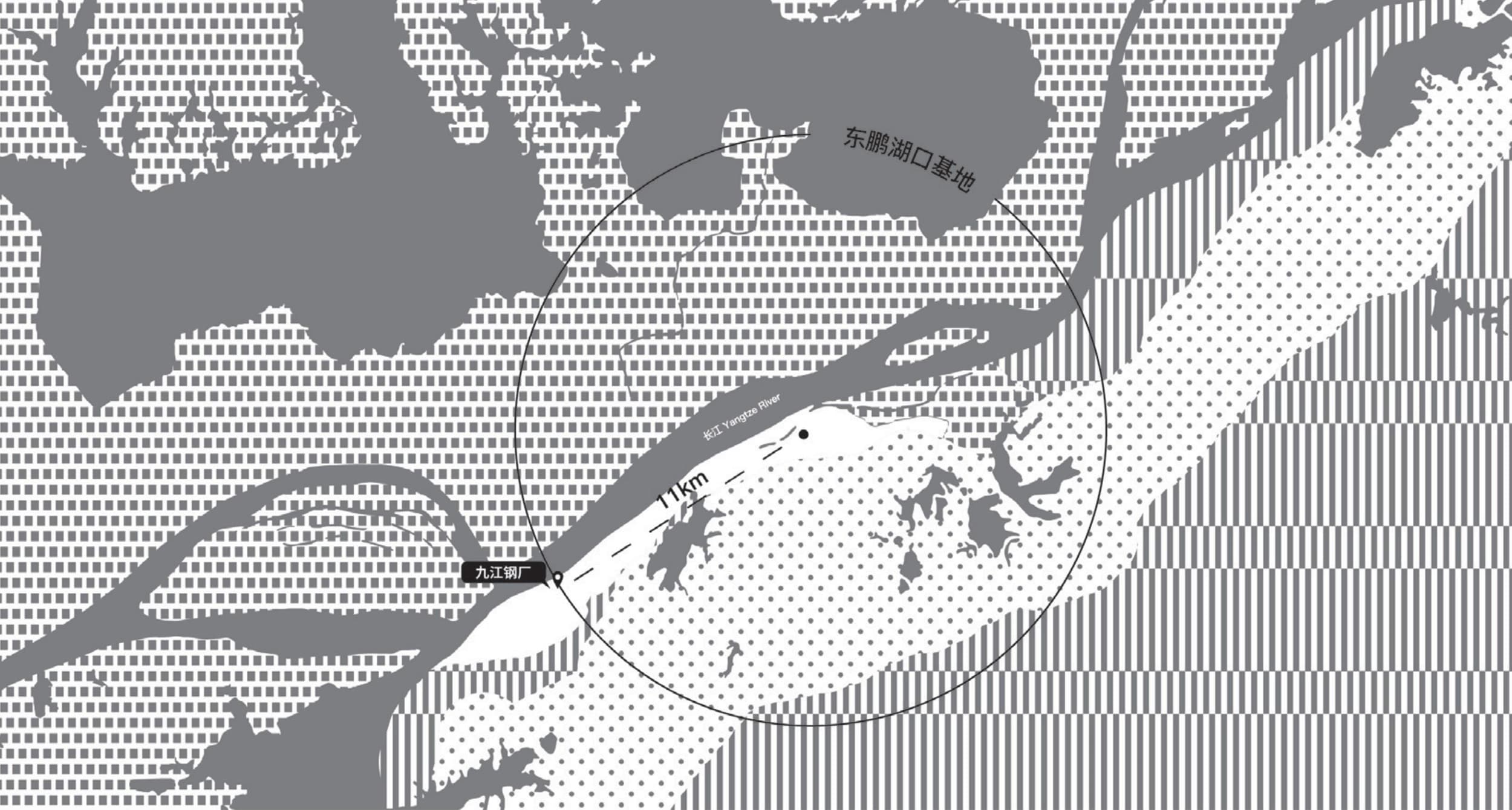
29.71° N, 115.93° E Jiangxi Hukou County Jiujiang Steel Factory
III. Jiujiang Steel Plant Steel Slag Regeneration
Steel slag is a primary by‑product of steelmaking, mainly consisting of non‑metallic oxides and silicates that form blocky or granular waste after cooling. Unregulated stockpiling causes soil compaction, heavy‑metal leaching into farmland and groundwater, and airborne dust pollution. Reducing landfill volumes and advancing resource‑oriented regeneration is widely recognised as essential.
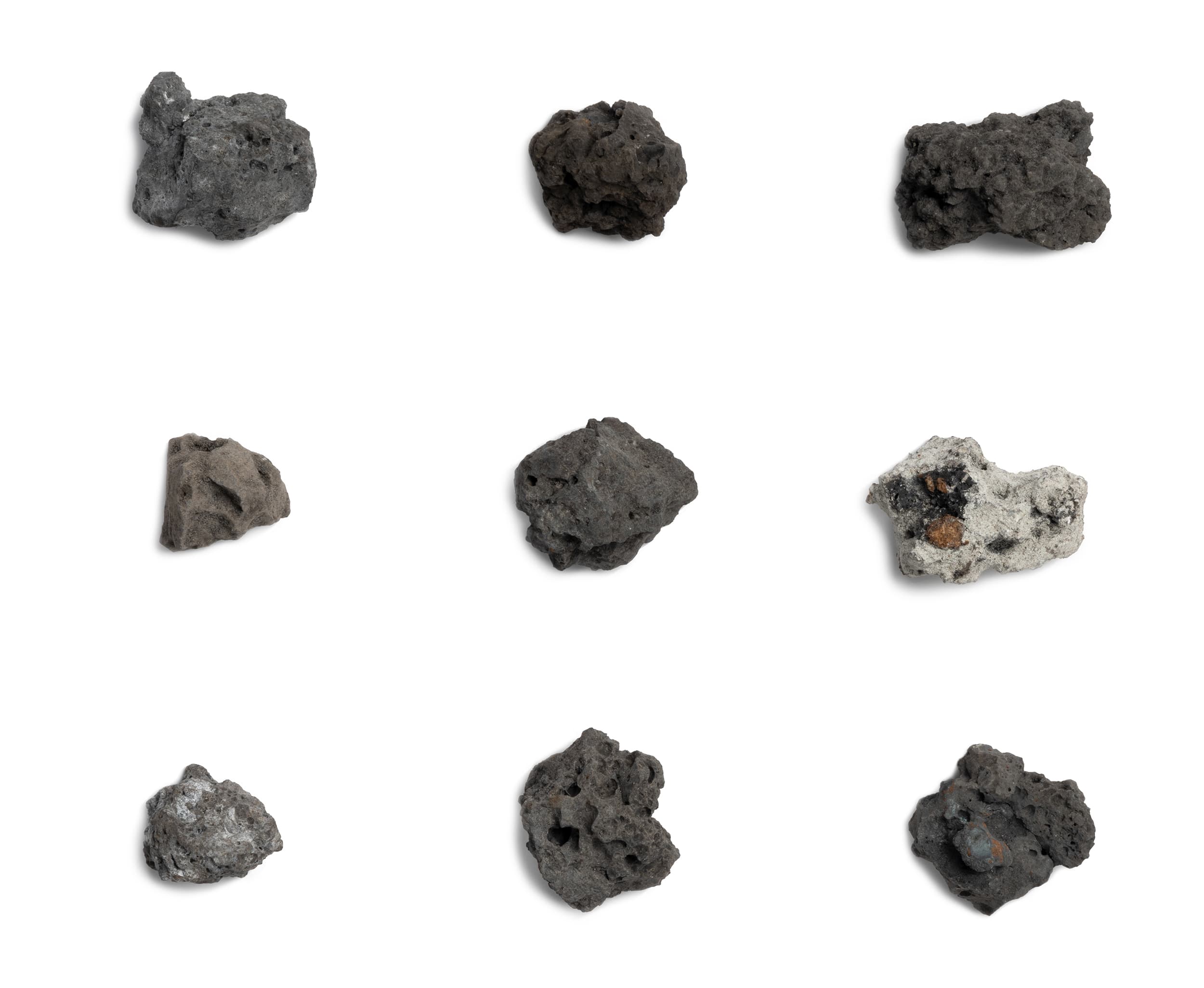
The amount of steel slag piled up is 1.446 billion tons. National steel slag generation of 153 million tons in 2022.
Analysis of Jiujiang steel slag’s physicochemical properties enables production of safe, high‑grade recycled ultrafine powder via water quenching, drying and grinding. Steel slag regeneration conserves virgin minerals, eases mining pressure and mitigates resource depletion. Using material circularity as a foundation, it develops inclusive‑growth models to pursue social, economic and ecological symbiosis toward zero‑waste industry.
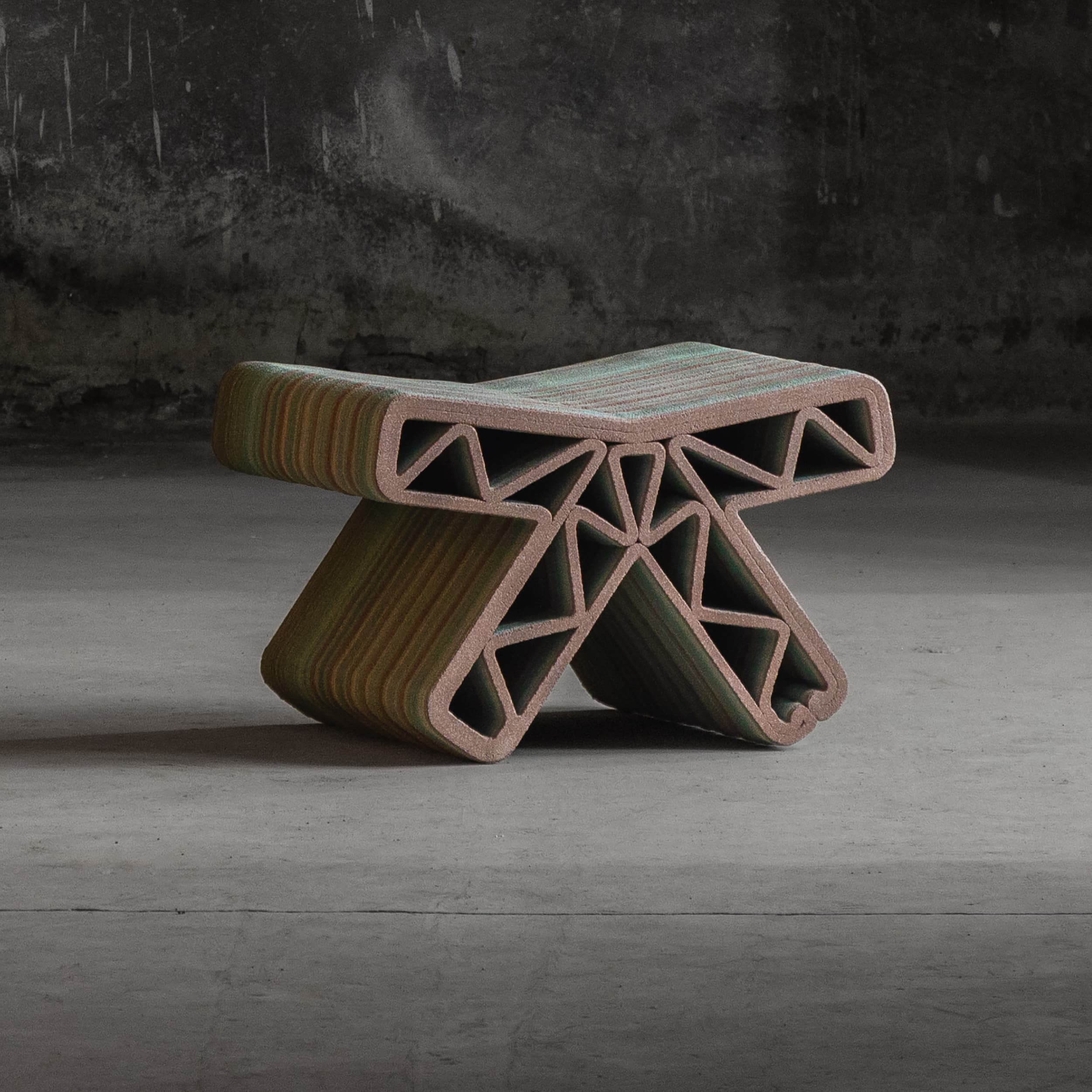
Steel slag regeneration highlights the time‑rich texture inherent to the material and is named Xiu (Rust).
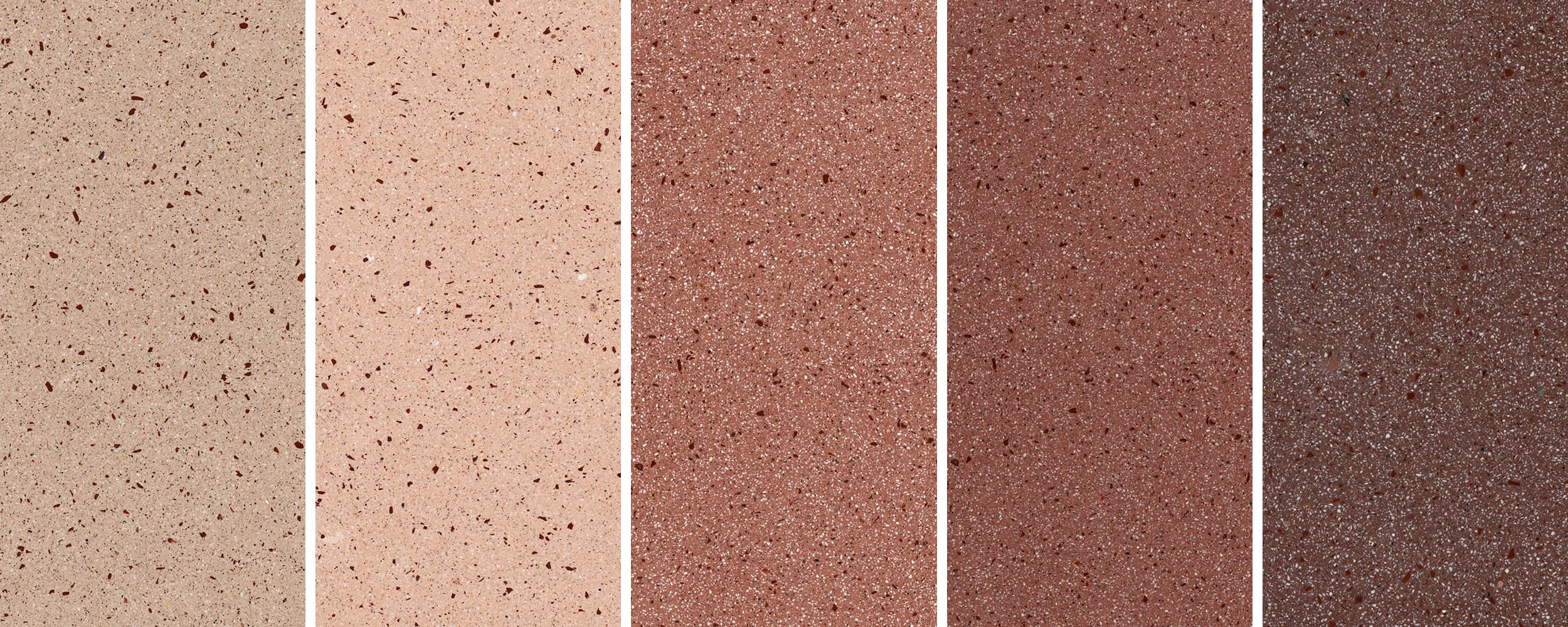
Xiu
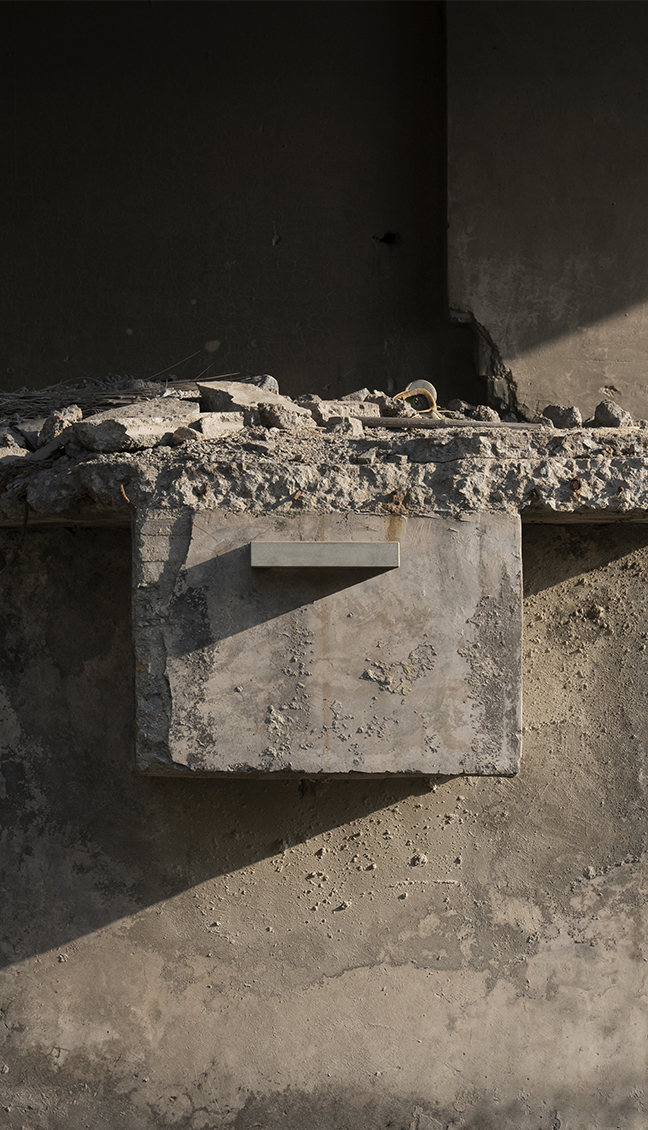
By adjusting surface texture and redefining expressive logic according to each solid waste’s physicochemical traits and industrial context, we build a distinctive industrial aesthetic system. Rust represents time’s natural imprint on metal — authentic, rugged and steeped in temporal weight. It aligns with contemporary design’s pursuit of authenticity and embodies the industrial age’s unique legacy on the land.
Drawing inspiration from raw material texture, visualising abstract time through natural form, and interpreting material character creates spiritual bridges between design production and daily life. Material regeneration awakens embedded social, cultural and emotional value. Carbon‑footprint accounting and life‑cycle assessment are now core pre‑design principles. Resource endowments, practical feasibility and creative expression converge to balance artistic and commercial value — the core of contemporary sustainable design.
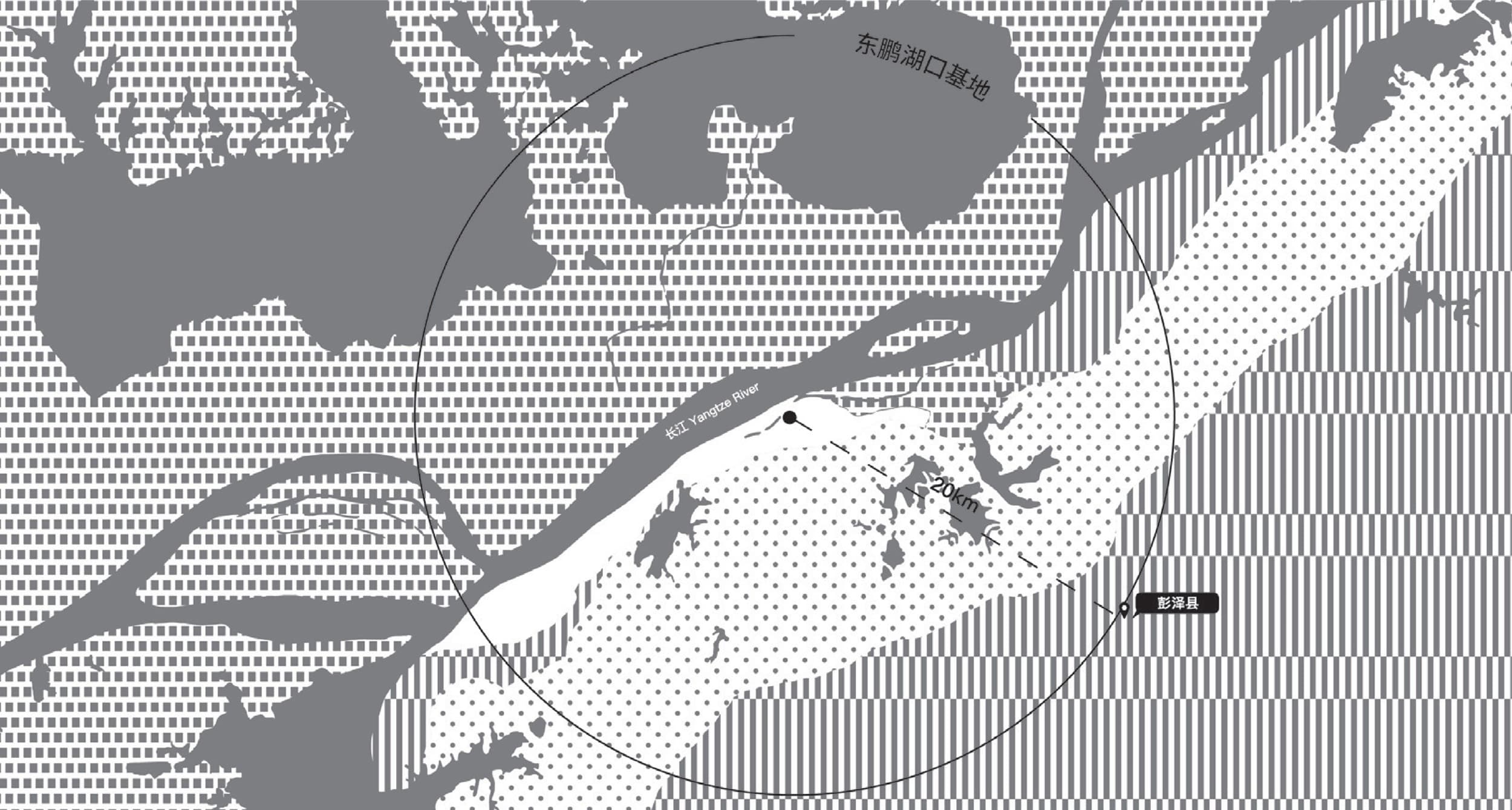
29.87° N, 116.63° E Pengze County in Jiangxi
IV. Sandstone Quarry Tailings Regeneration
The Baiya Mountain Red Stone Quarry within the Poyang Lake basin boasts a thousand‑year mining history, a thousand‑mu extraction area and ten‑million‑cubic‑metre reserves. It embodies the integration of Jiangxi’s Danxia landform and stone‑quarrying heritage, and is deeply connected to the Jinxian Yangshi Lei architectural school, carrying profound craft and historical value.
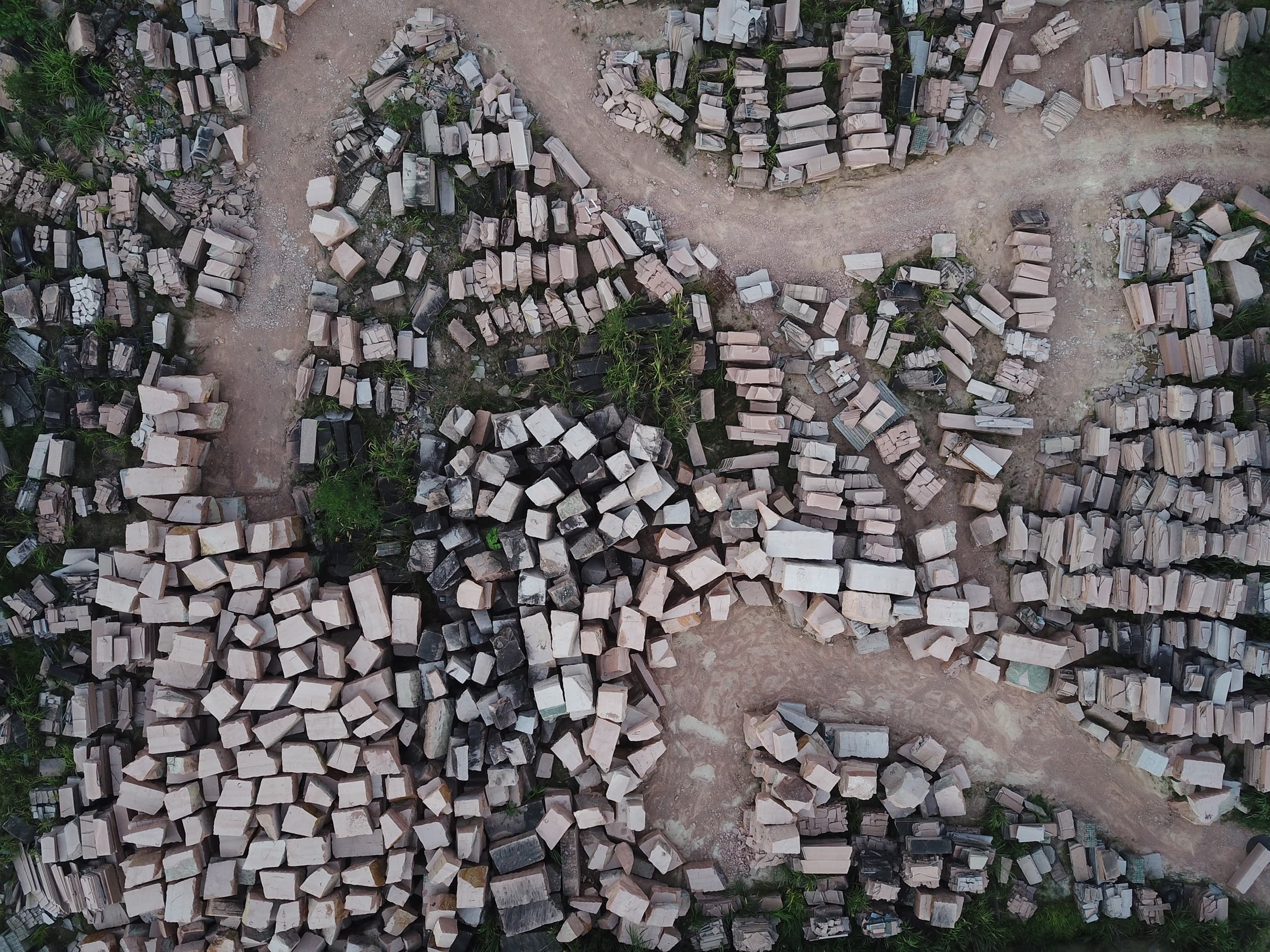
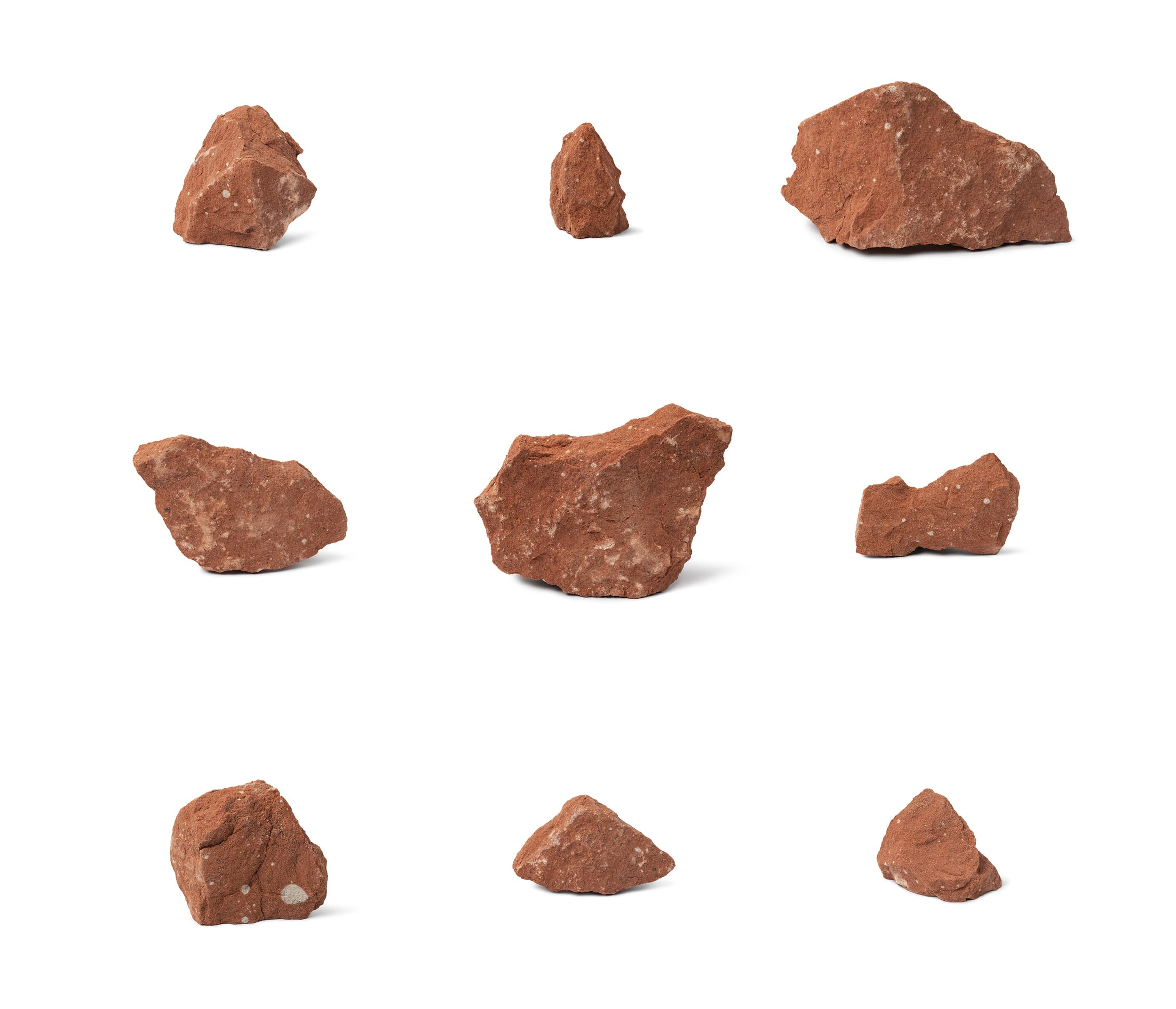
Locally known as red stone, this quartz‑rich red sandstone has long been used for vernacular construction including walls, foundations and pavements due to its workability. Today, scattered quarries and abandoned tailings scar mountain landscapes, damaging natural texture and leaving broken ecological surfaces.
Jiangxi Province red sandstone area of 1.24 million hectares, 7.5% of the province's total soil area.
Unrestrained resource extraction inevitably leads to depletion and ecological collapse. Converting mining tailings into building‑grade recycled materials enables high‑value mineral utilisation and sustains balanced ecological, economic and social development — essential for honouring and protecting the land.
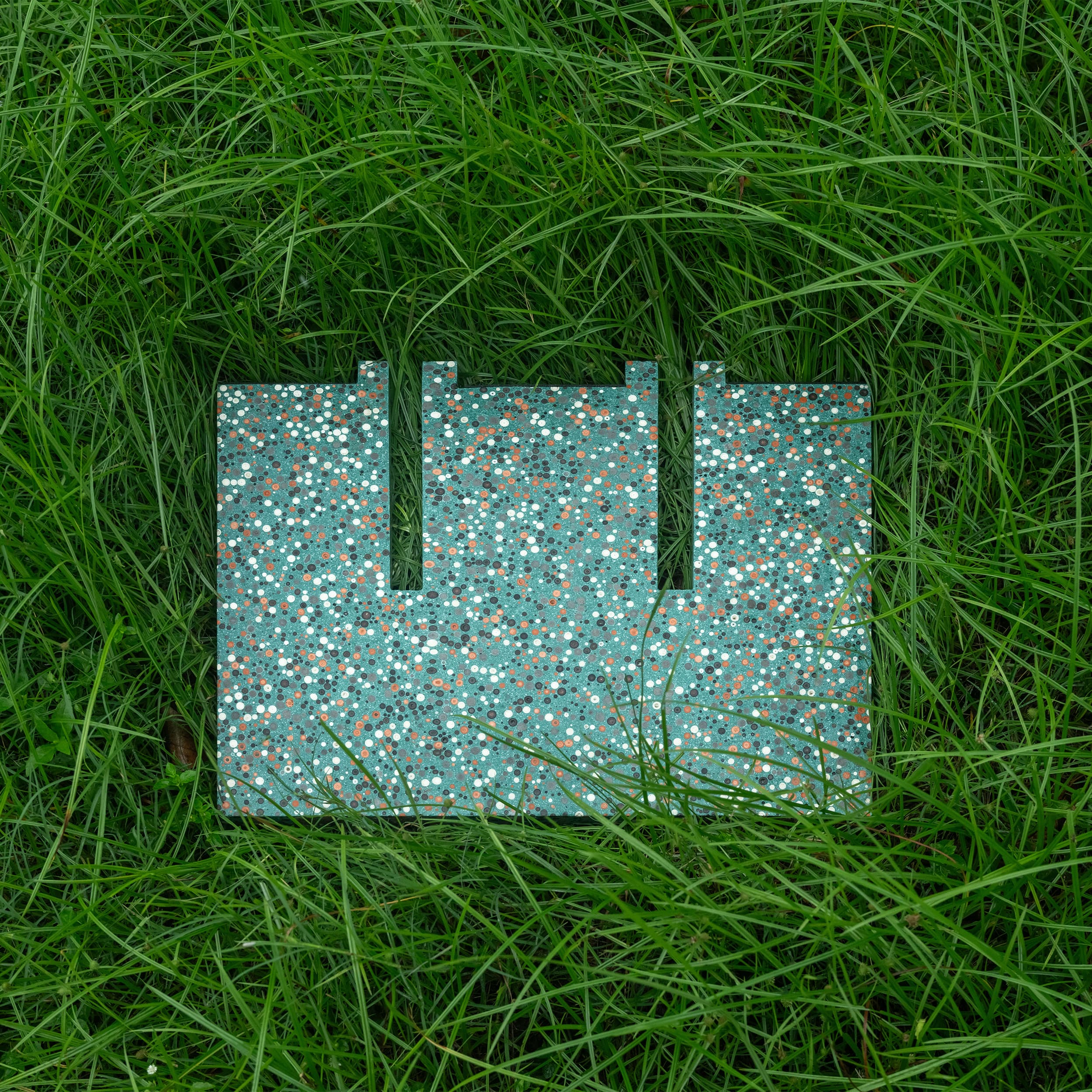
Sandstone tailings regeneration draws inspiration from Danxia landforms and is named Xia (Rosy Cloud).
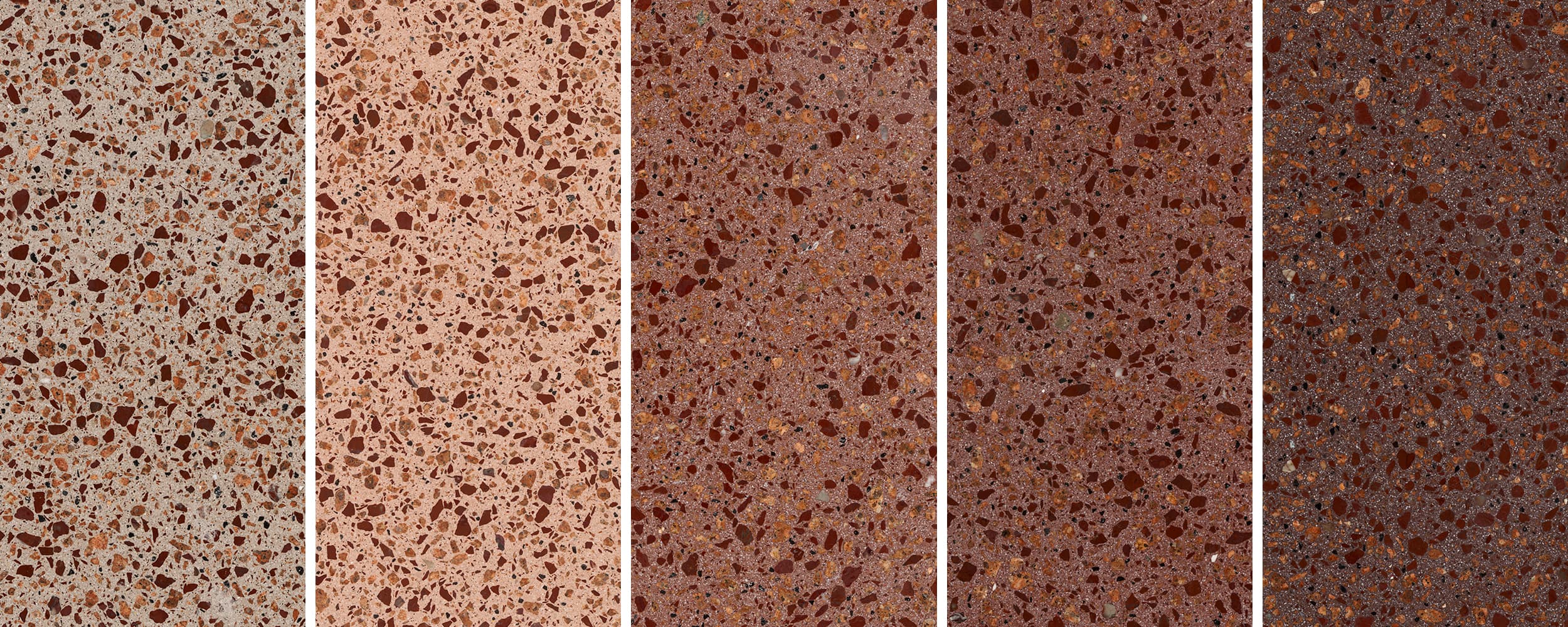
Xia
Danxia means rose‑toned sunset clouds, described as “cinnabar‑hued, radiant as rosy clouds”. Beyond visual beauty, it represents an Eastern natural philosophy of spiritual comfort and healing. Natural landscapes resonate with human emotion, fulfilling deep psychological and humanistic needs. Learning from nature cultivates a design ethos of humility, reverence and calm.
The world is composed of matter. Since the Industrial Revolution, high‑consumption, high‑emission linear development has disrupted Earth’s natural material cycles, causing resource depletion and pollution worldwide. Only through reuse and reinvention can design innovation grow organically from local material textures.
Driven by design creativity, we respect authentic material character, balance aesthetics with locality, and find valuable applications for red‑stone tailings. Through empathy and reverence for nature, we expand place‑based meaning, strengthen regional identity, and achieve value elevation from discarded tailings to contemporary sustainable design.
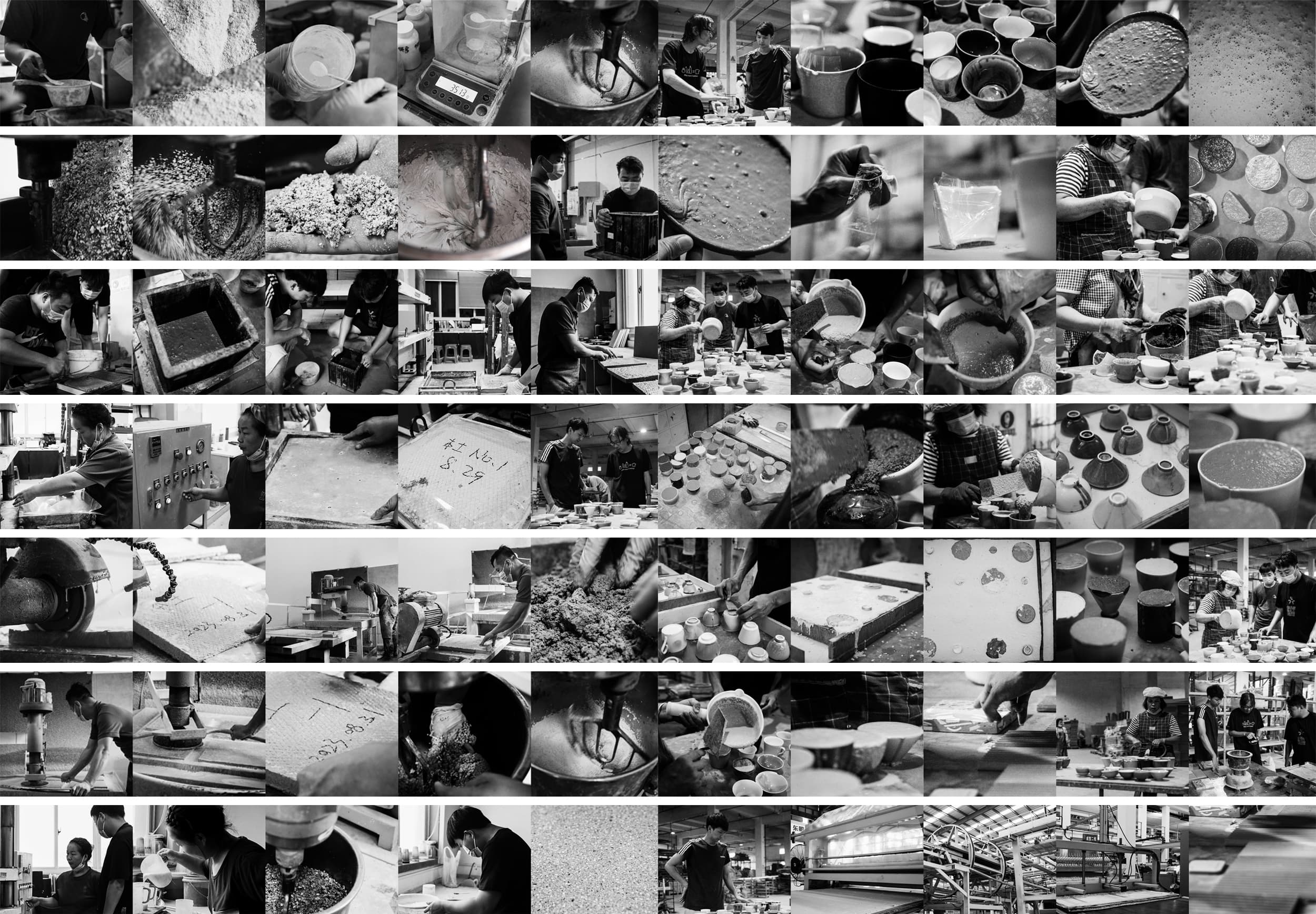
Four case studies, four types of local waste, four distinct material languages. From Jingdezhen waste ceramics to Poyang Lake fly ash, from Jiujiang steel slag to Baiya Mountain red‑stone tailings, value is embedded in every formula adjustment, prototype test and finished installation.
The Dongpeng‑BENTU collaboration proves industrial solid waste is never a burden for development — merely valuable resources misplaced. When local waste is re‑evaluated and global vision translates into collaborative local action, sustainable design evolves from distant vision into tangible change.
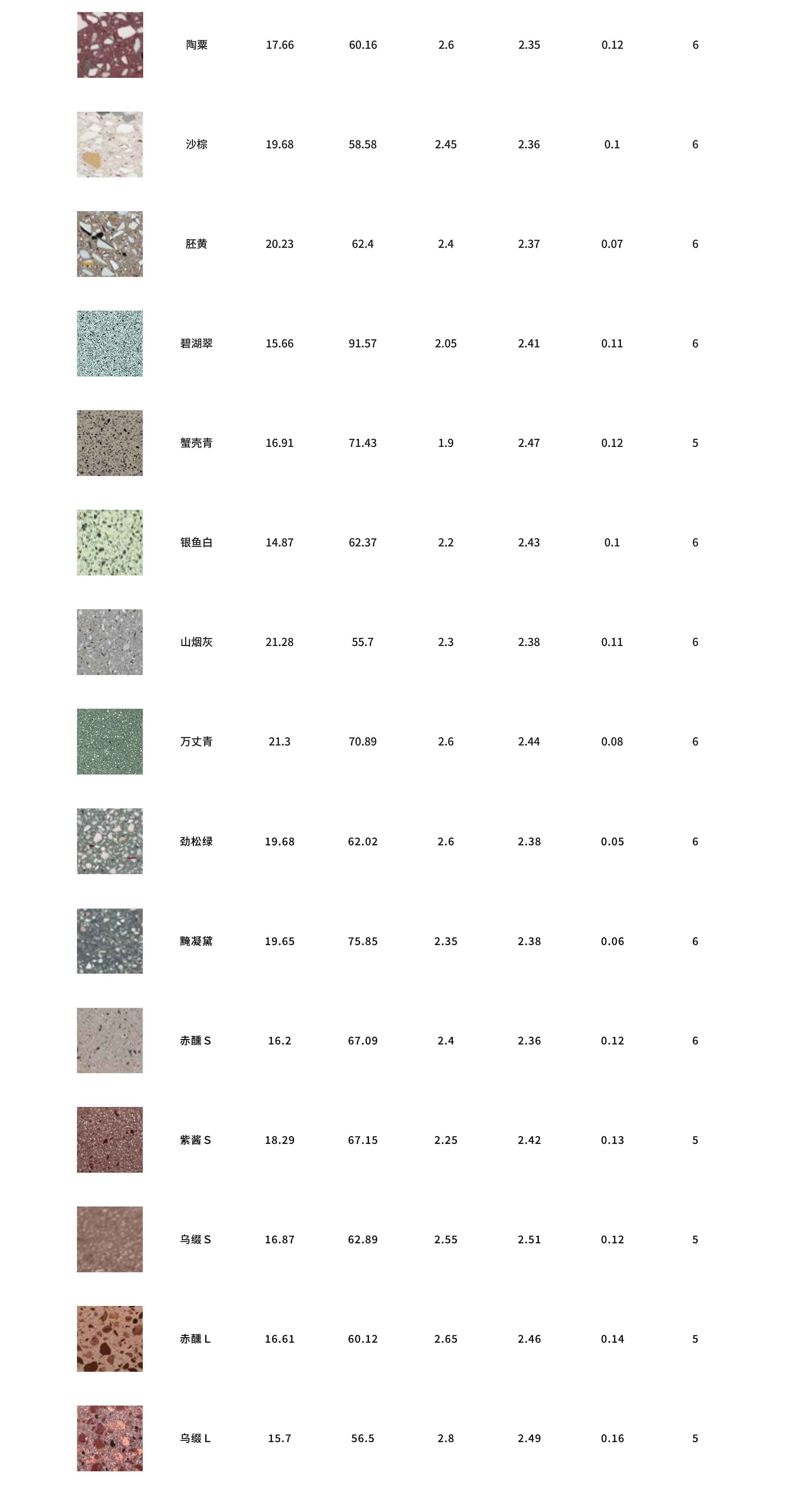
Building Flexural Compression Resistance to Volume Water Mohs hardness
material name Strength strength falling ball impact density absorption rate (level 4)
Design Director: Xu Gang
This article is an original work of the BENTU Local Regeneration Practice Series. Based on the dialectical relationship between globalisation and locality, it systematically elaborates the theoretical logic and practical pathways for transforming industrial waste into sustainable design resources under the philosophy of Local Generation.

- Contact
+8620 8977 0506
- Press
press@bentudesign.com
- Enquiry & Sales
info@bentudesign.com