

Inorganic Growth: Regenerating Urban Village Memory
Time: 2025 – 2026
Location: Foshan, Guangdong, China
Every layered hue records the palette of a bygone life; Every regenerated texture narrates the land’s untold story.
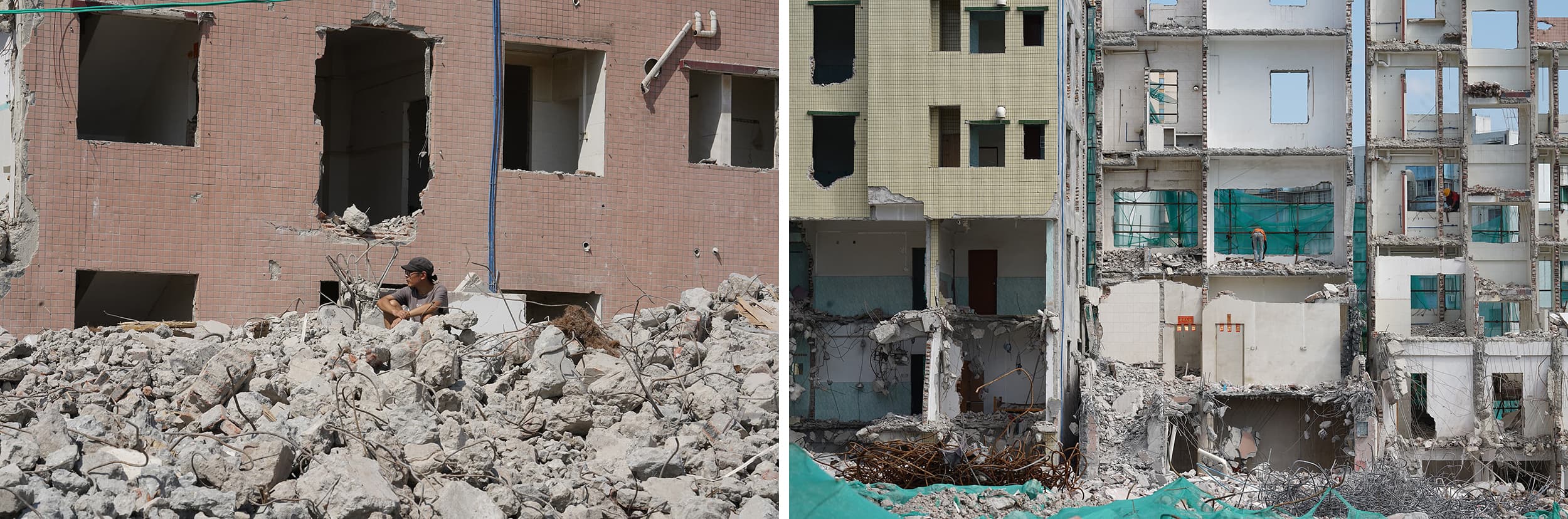
I. Ruin Reborn: From Demolition Site to "Urban Ink" — A Material Metamorphosis
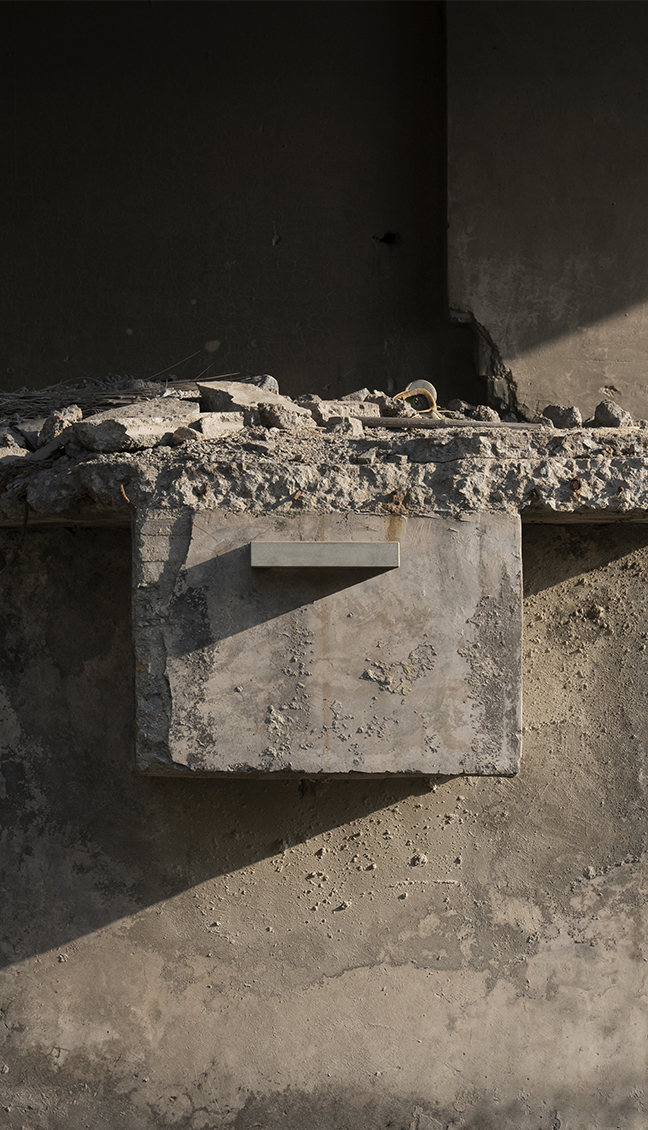
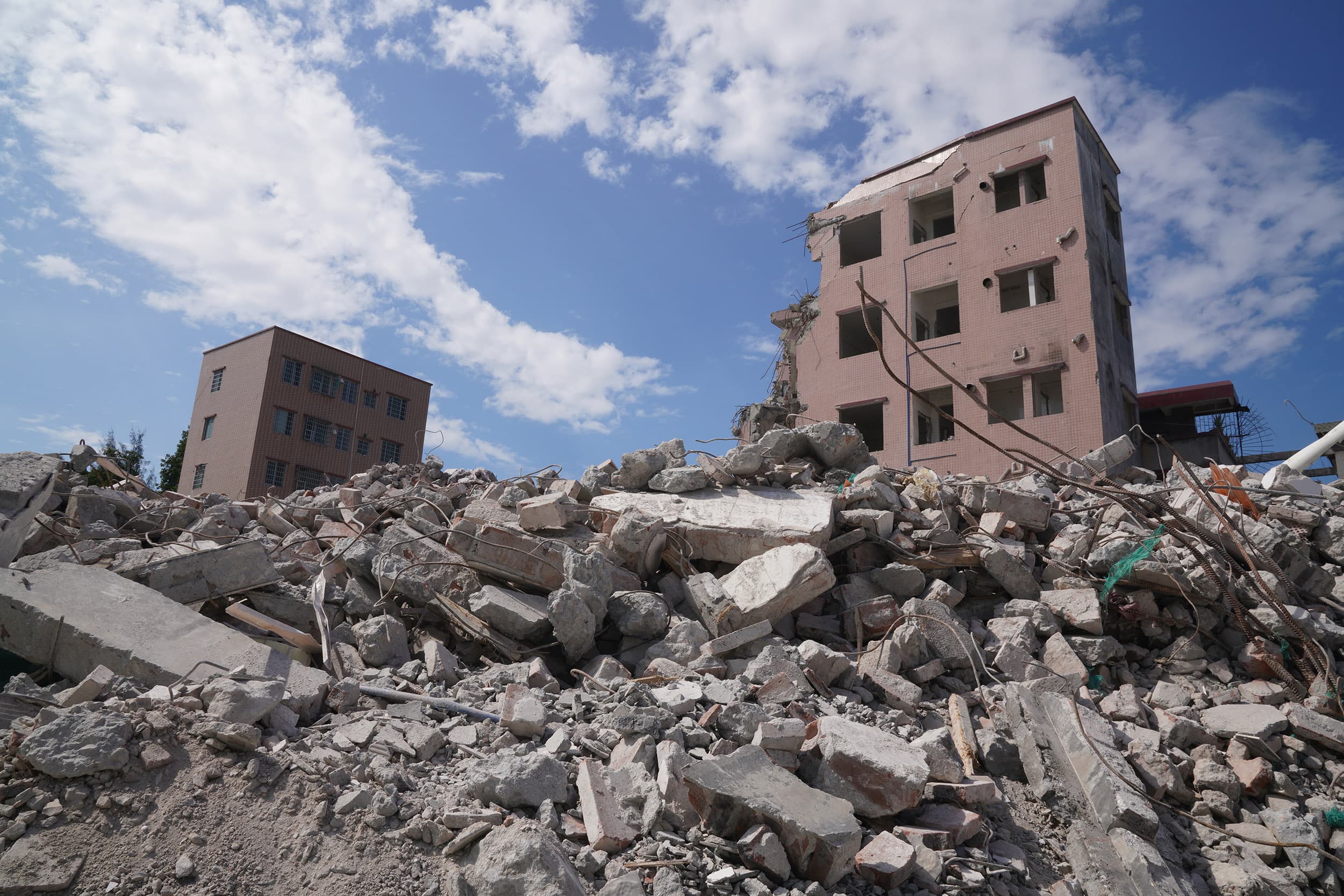
Within China’s broader urbanisation narrative, urban village demolition is often seen as a fleeting transitional wasteland. Once construction machinery falls silent, piles of concrete debris, red‑brick rubble and mortar dust blanket the site. These seemingly useless construction solid wastes are in fact an untapped urban mineral reserve dormant within the city.
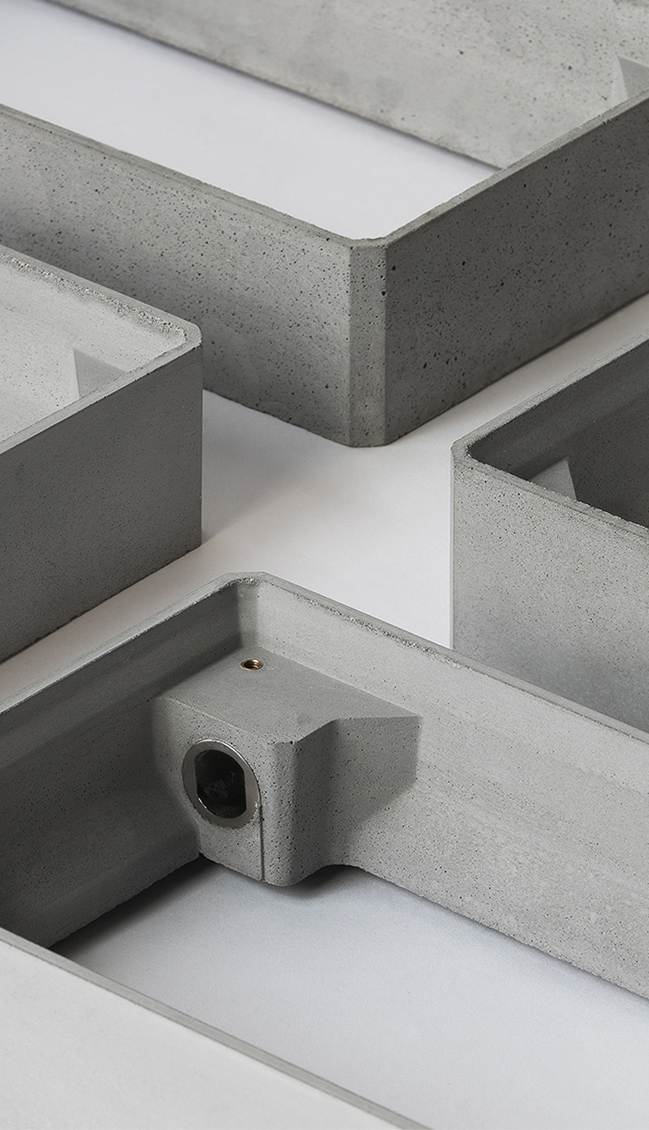
The project employs a precise workflow of graded crushing and activation: primary crushing via jaw crusher, secondary shaping with impact crusher, and multi‑layer vibratory screening to classify recycled aggregates by particle size.
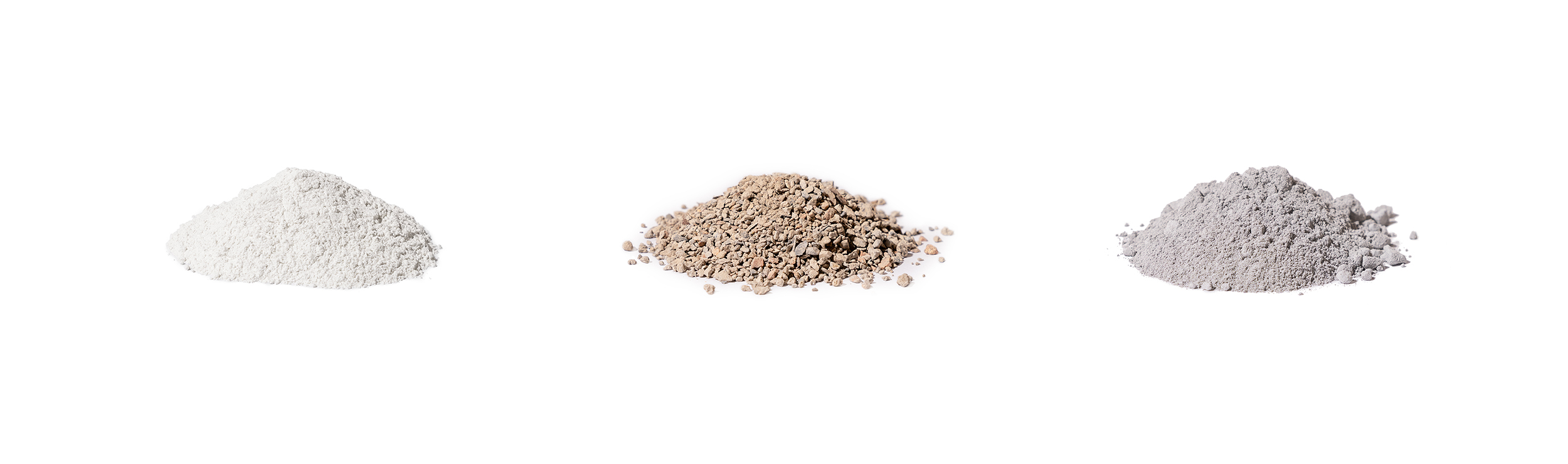
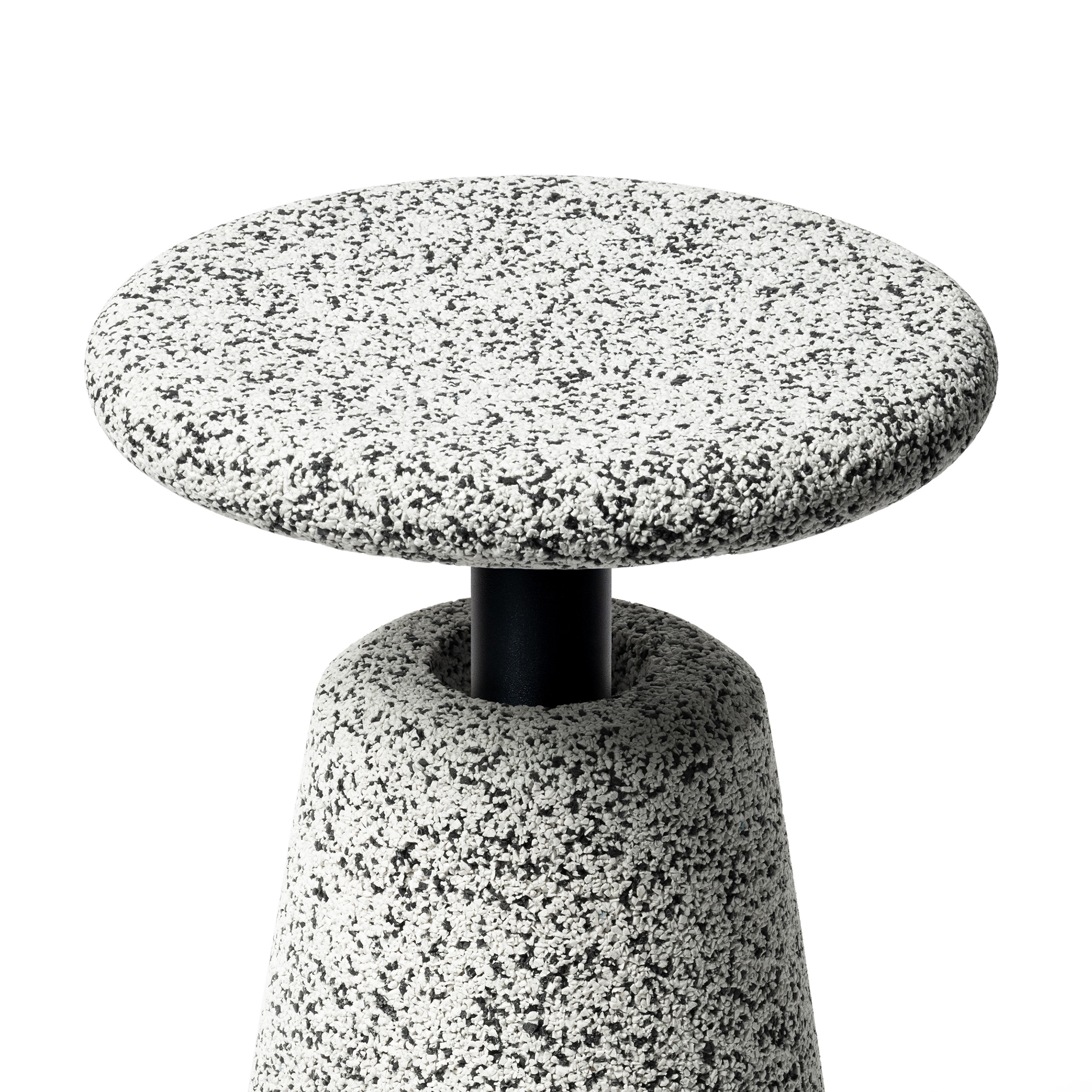
The technical core lies in the practical application of an 85 % high solid‑waste incorporation rate: Fine powder (0–3 mm), accounting for 30–35 % of total waste, undergoes mechanical activation and chemical modification. Blended with fly ash, slag powder and silica fume, it forms recycled cementitious components with potential pozzolanic activity; Coarse aggregate (3–6 mm) acts as the structural framework for 3D‑printable composites.
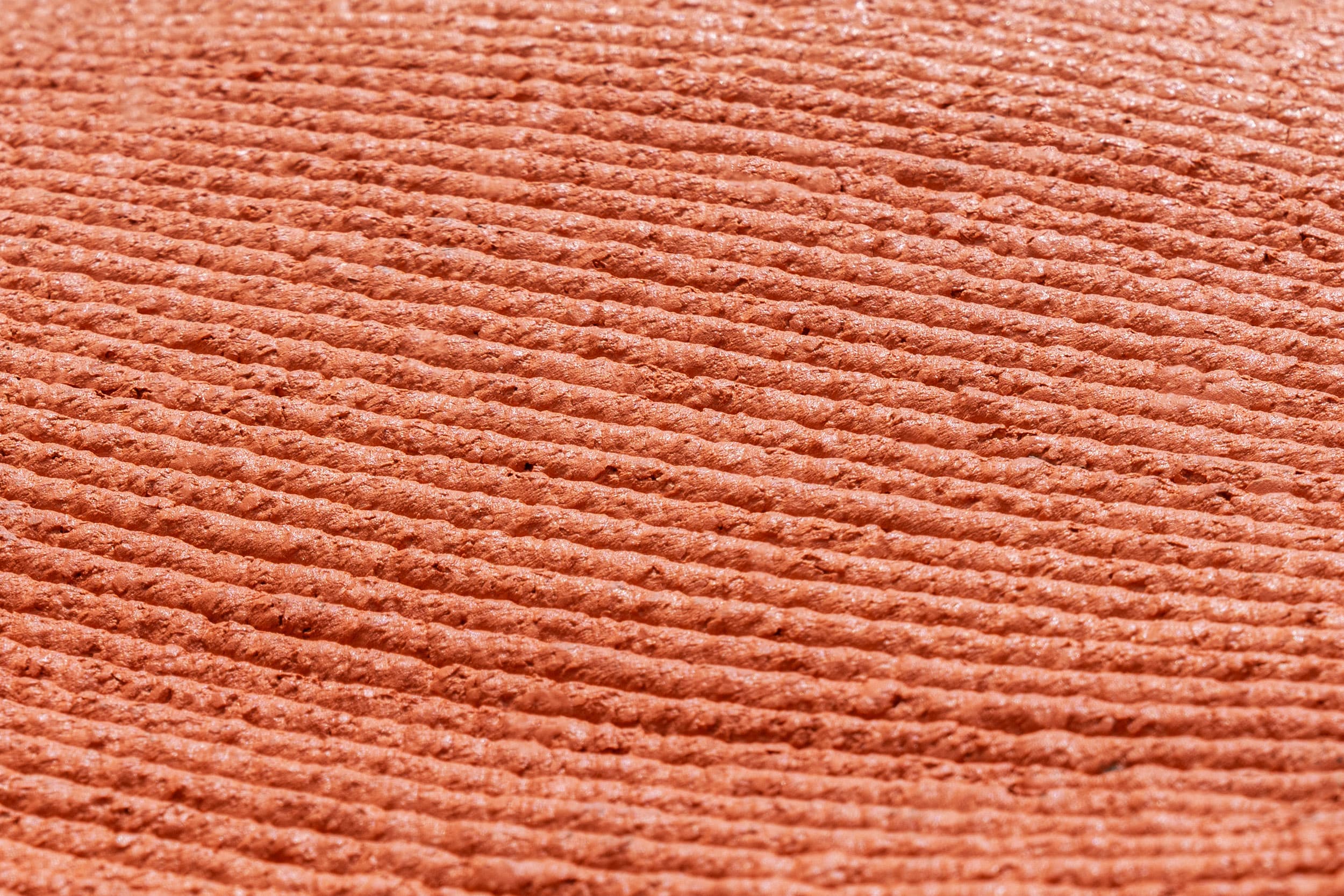
Through nano‑suspension surface modification, recycled aggregate water absorption falls from 8–10 % to 3–5 %, while interfacial transition zone strength increases by over 40 %, resolving the industry‑wide challenge of performance loss in high‑dosage recycled‑aggregate printing materials.
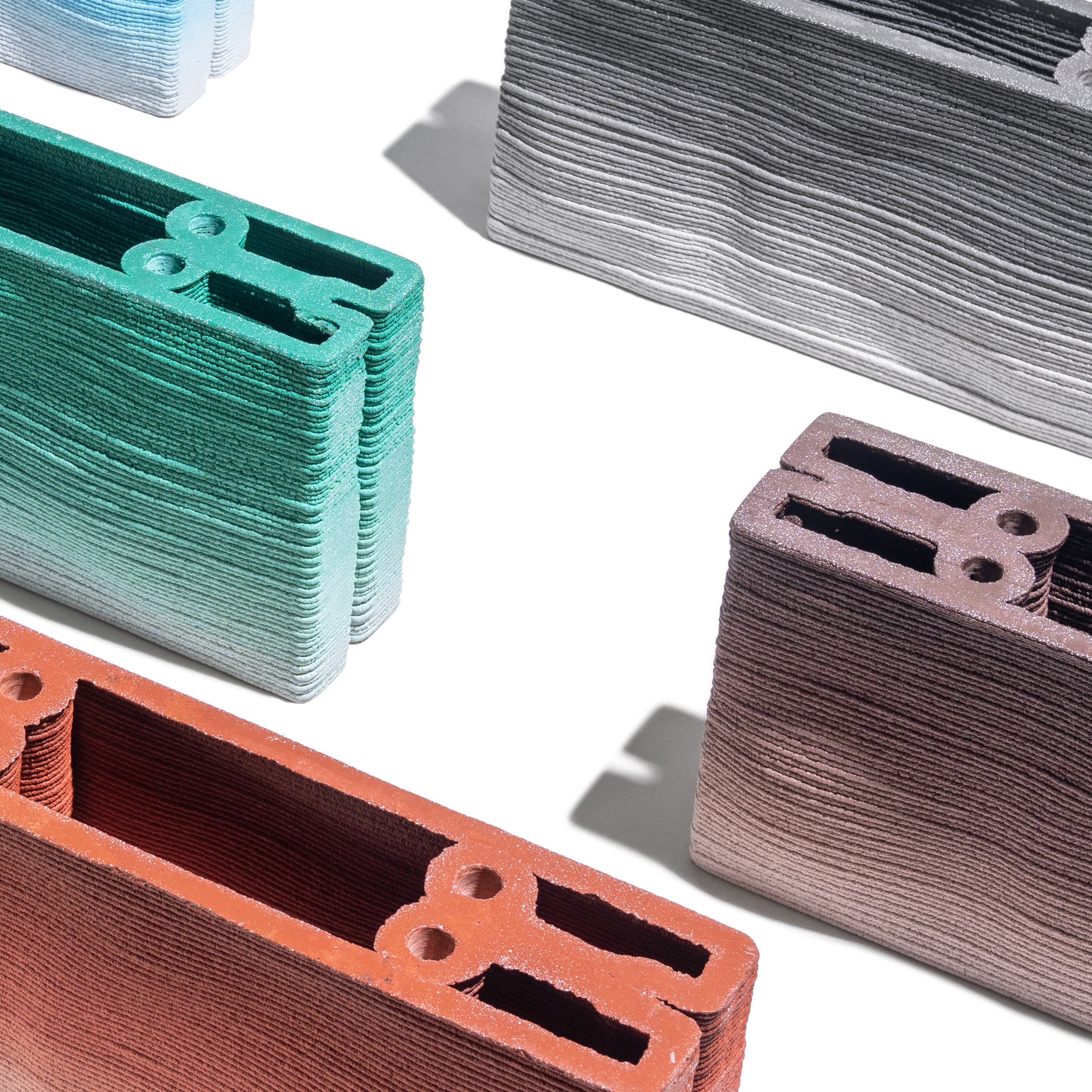
3D‑printing materials require both smooth extrusion and stable stacking. Formulated with dedicated thixotropic agents and optimised via an AI proportion‑prediction model, the composite retains outstanding printability and self‑supporting performance even with high recycled aggregate content.
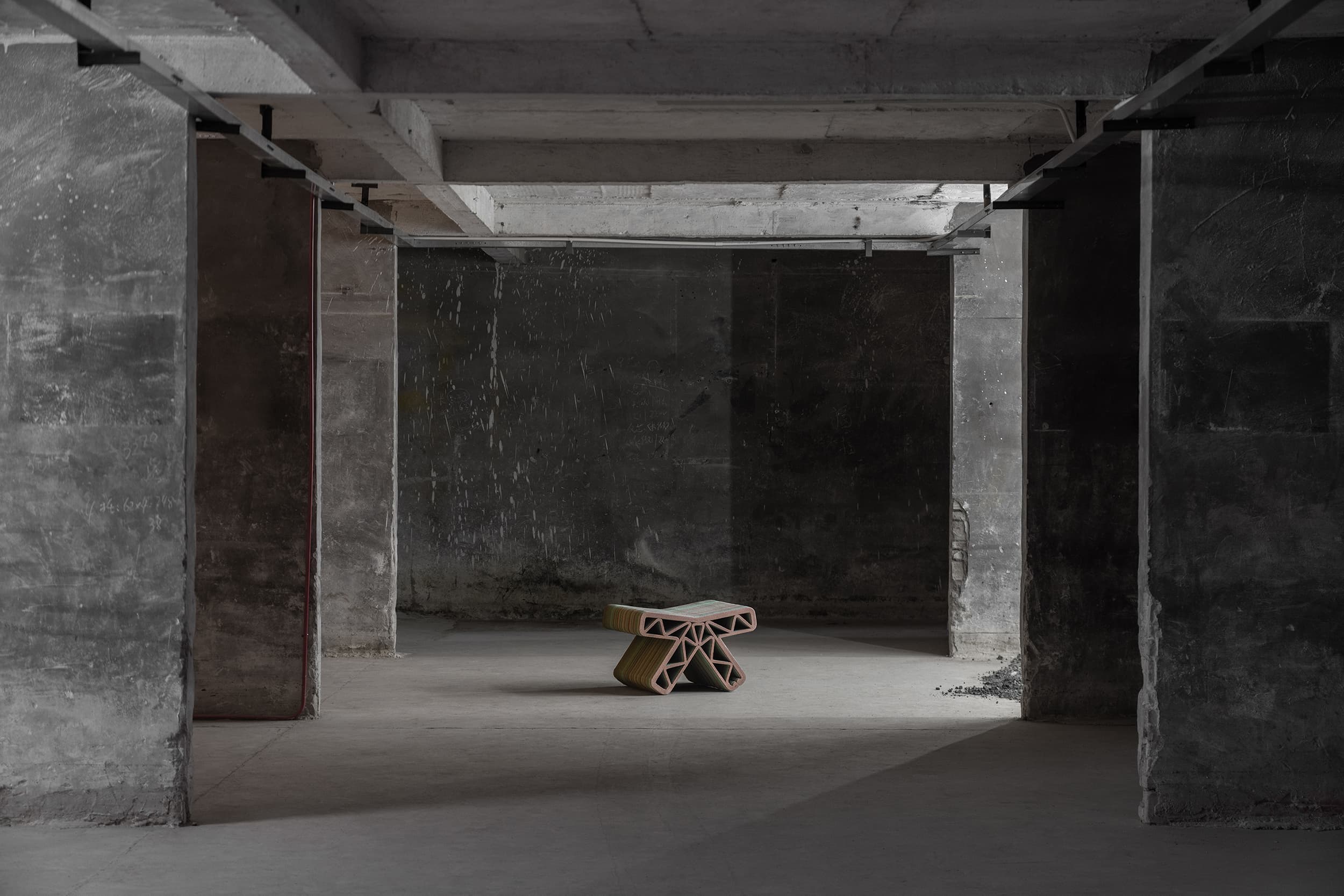
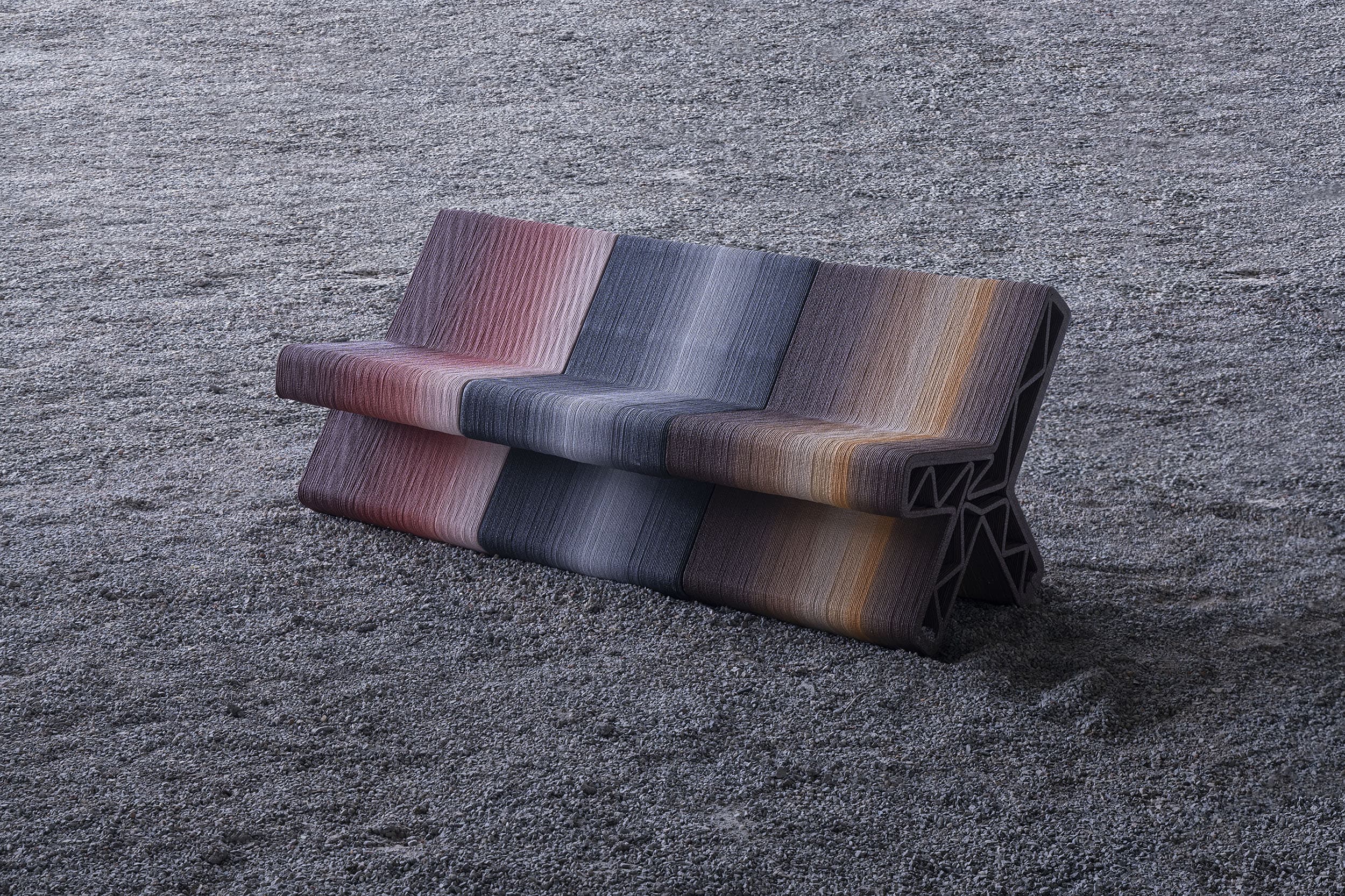
II. Stratigraphic Aesthetics: Symbiosis of Inorganic Chromatics and Digital Fabrication
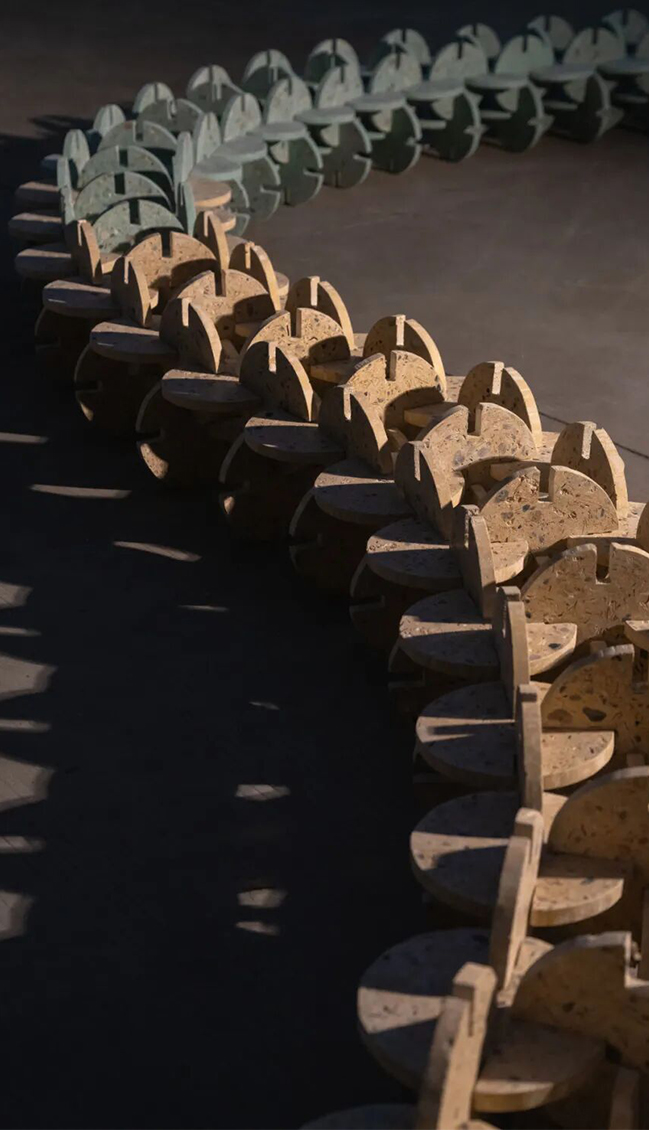
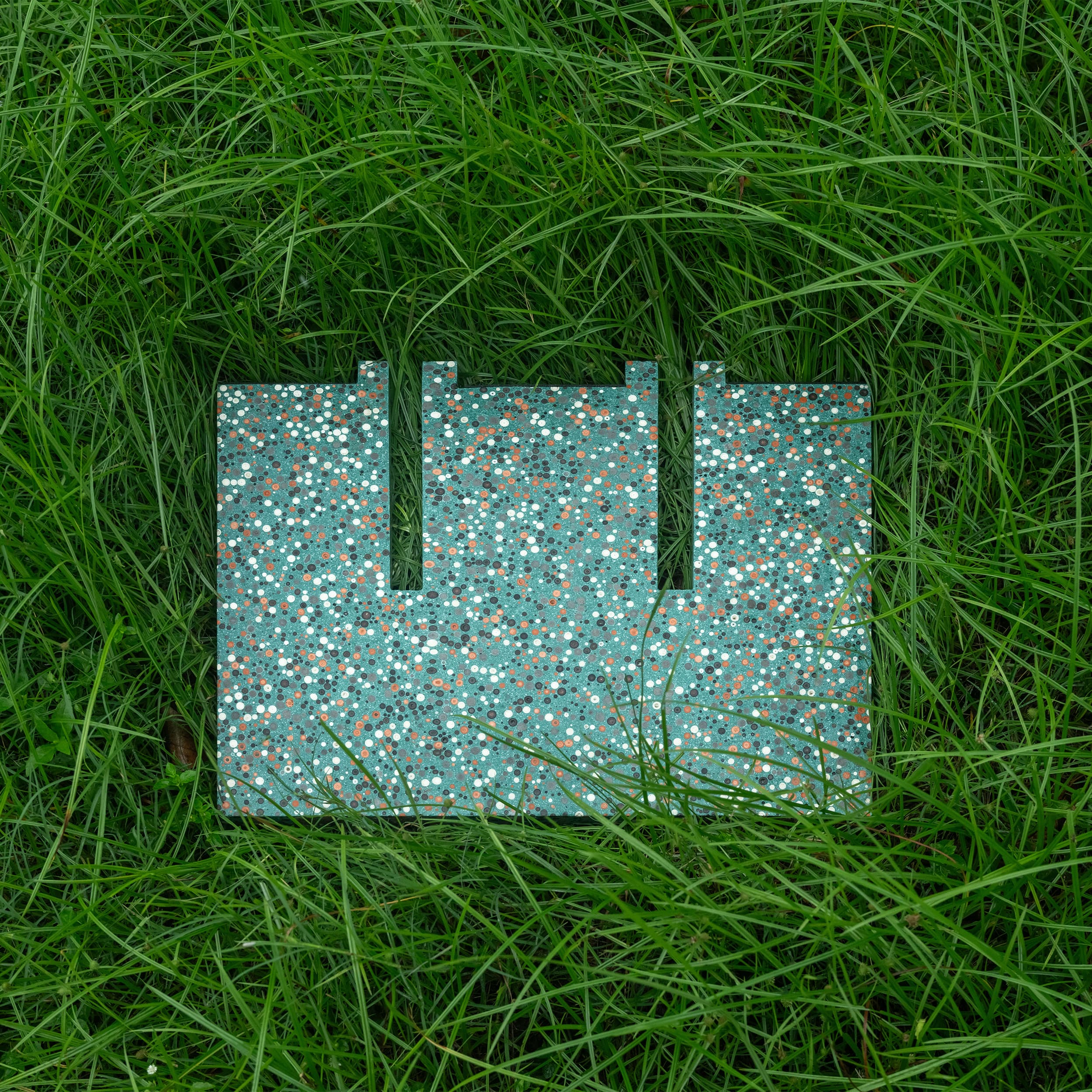
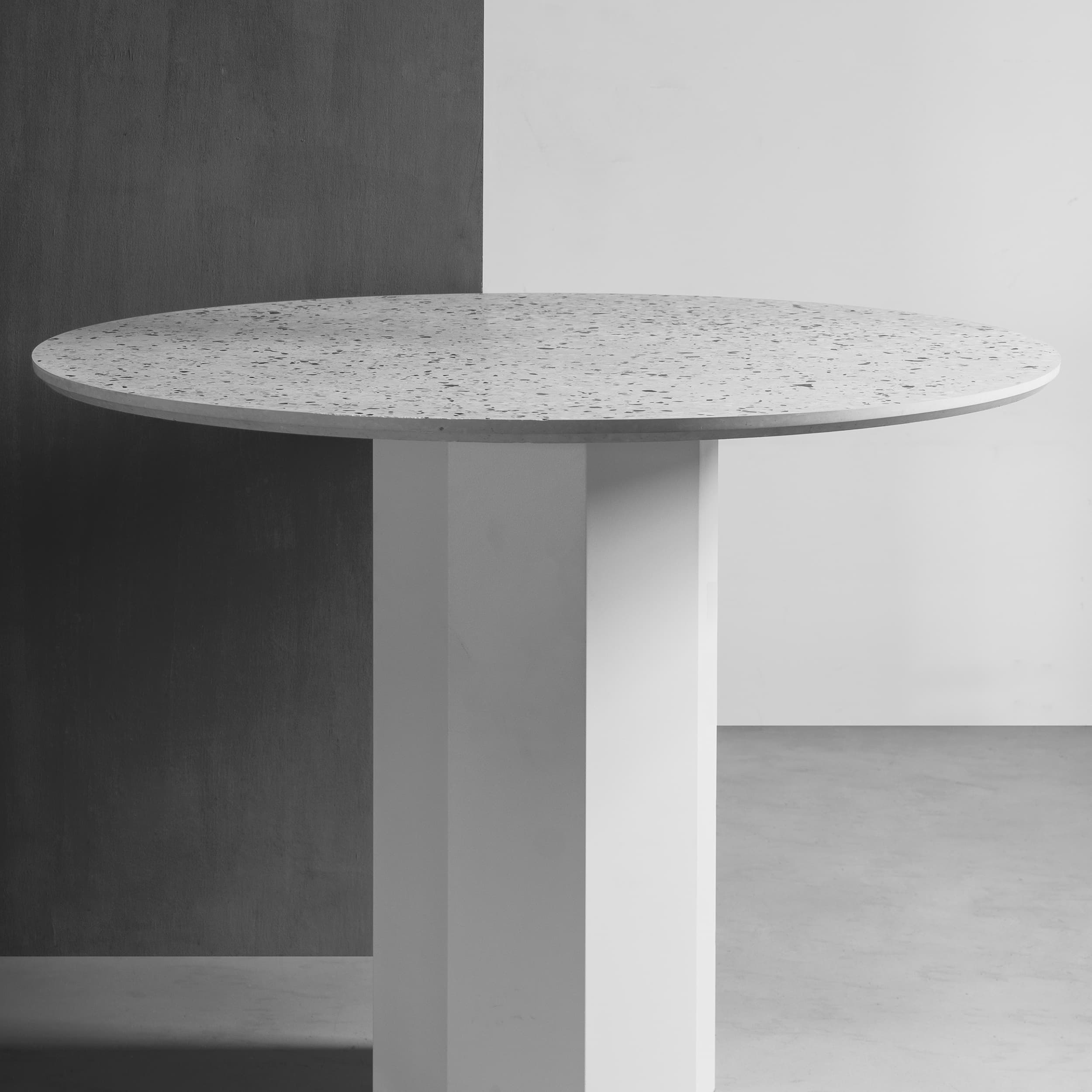
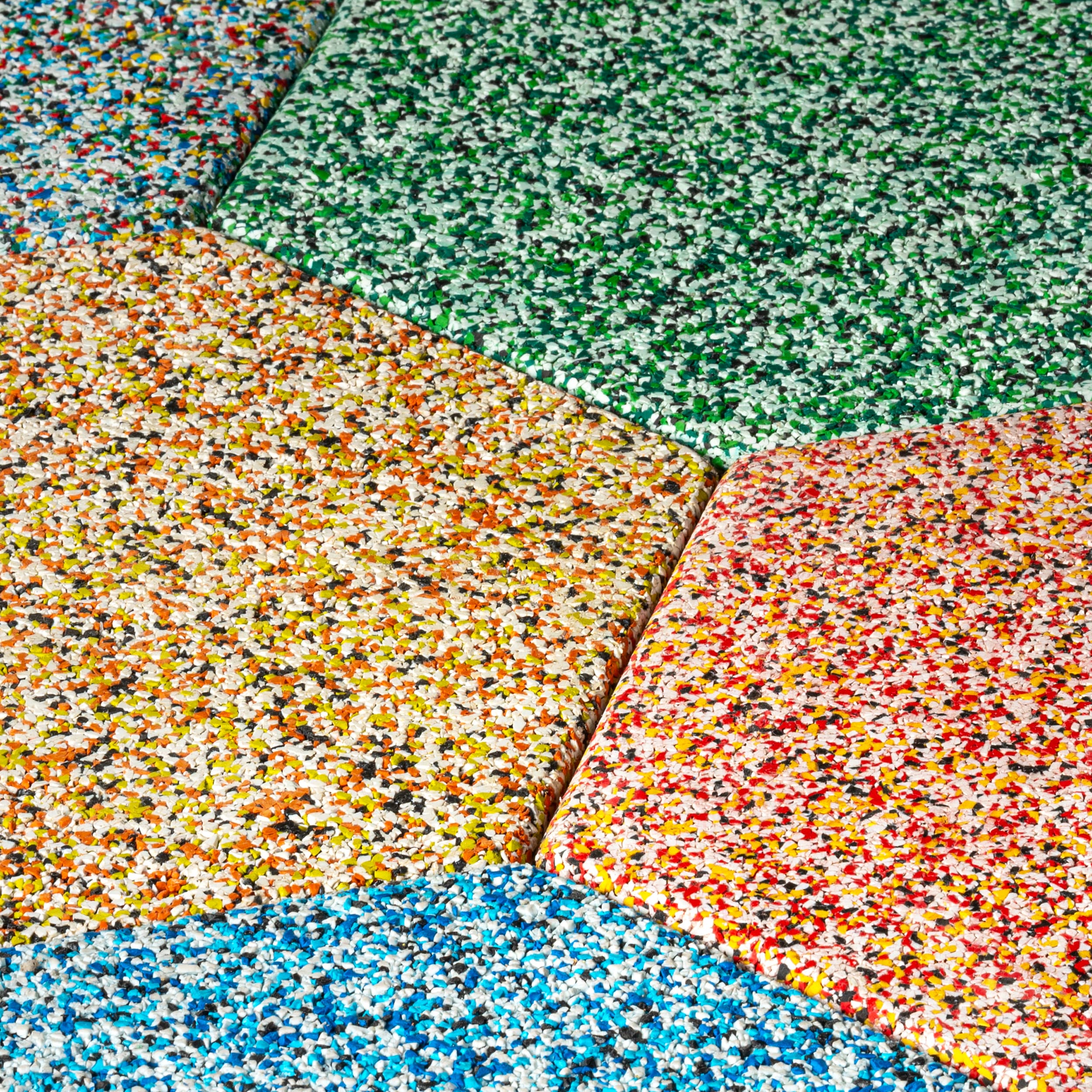
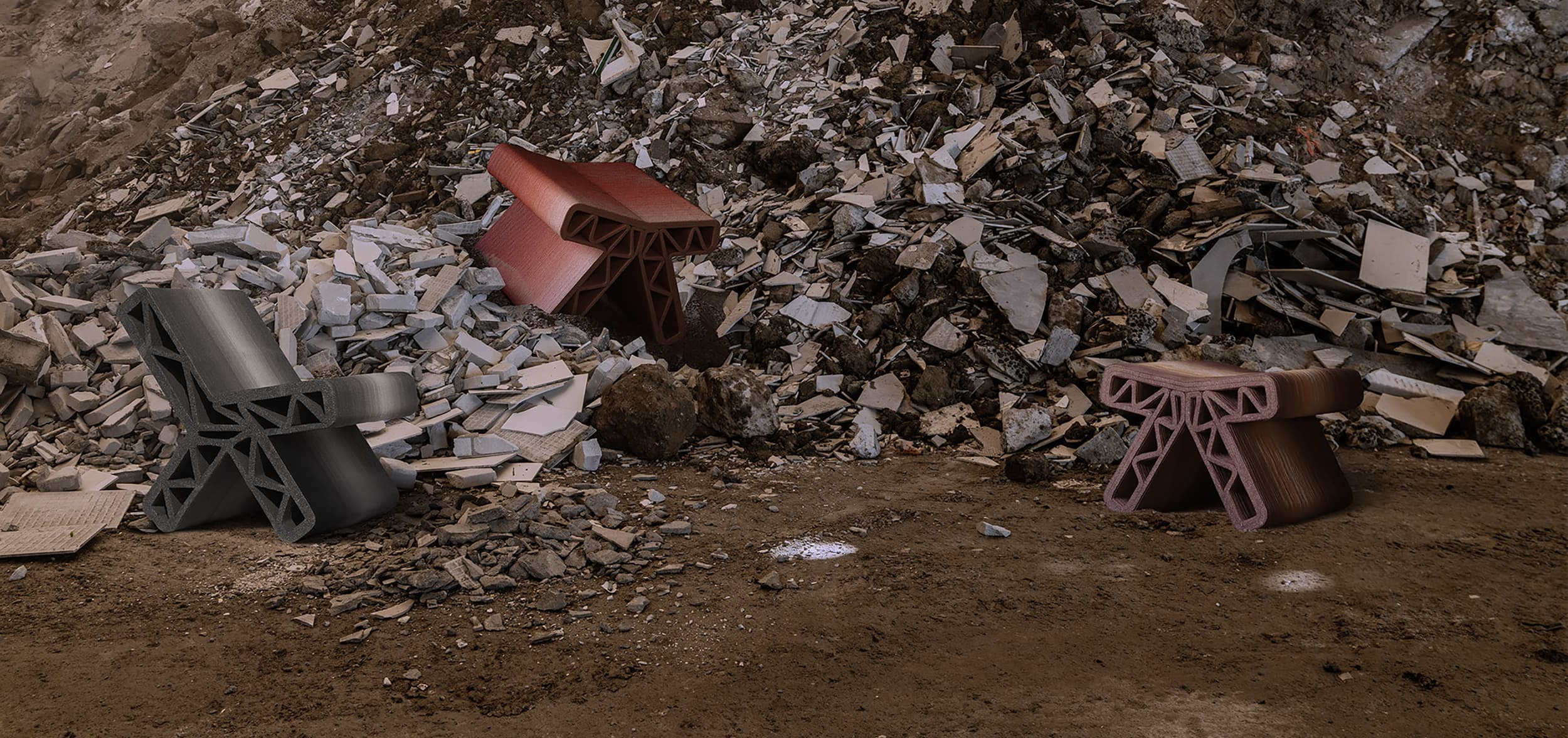
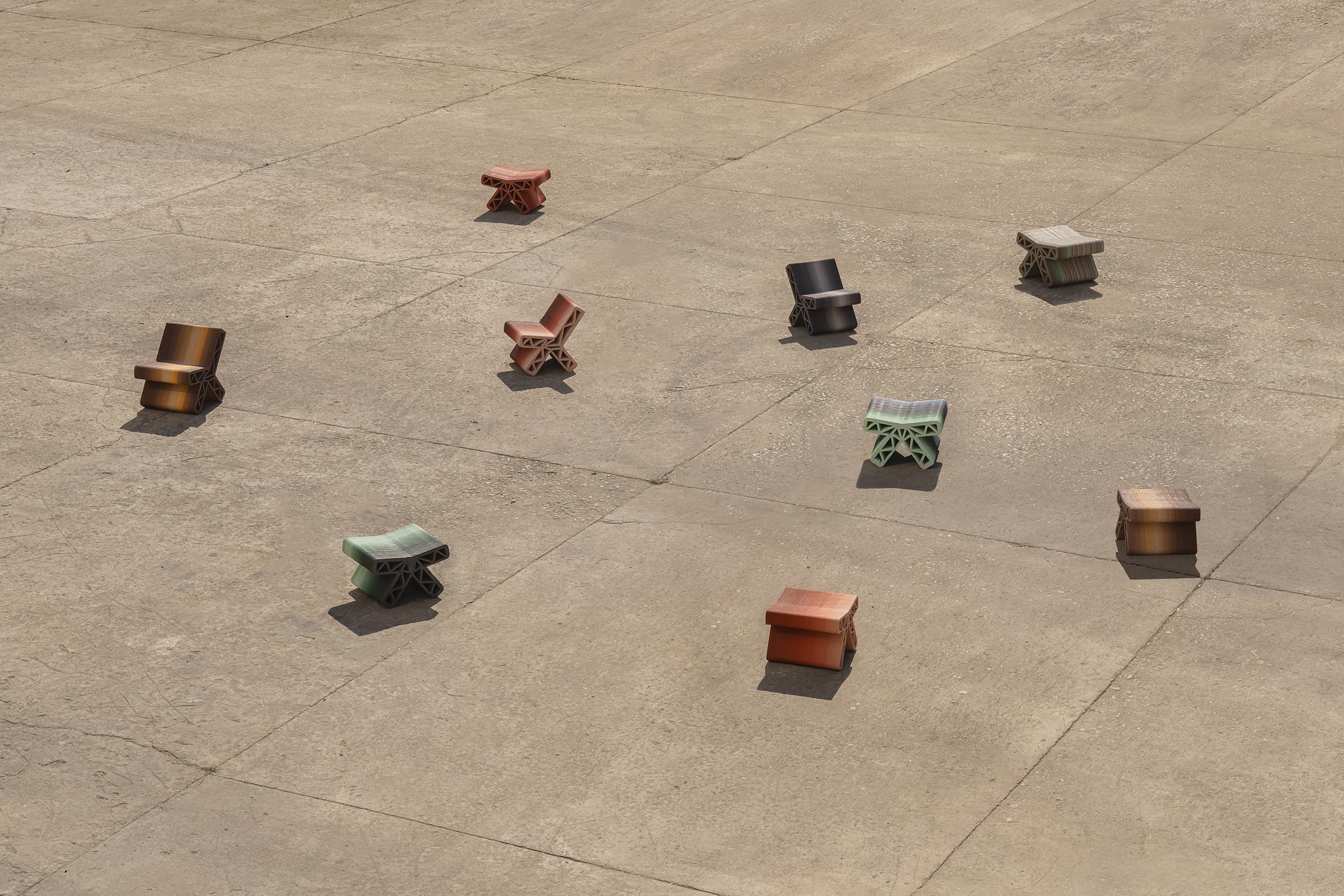
The vernacular life of urban villages endows the Inorganic Growth series with distinctive aesthetic DNA. Image algorithms deconstruct on‑site scenes to distil a unique local colour palette: deep crimson from faded Spring Festival couplets, grey‑green patina on rain‑stained walls, rusted ochre of metal roofs, and indigo from vintage ceramic tiles.
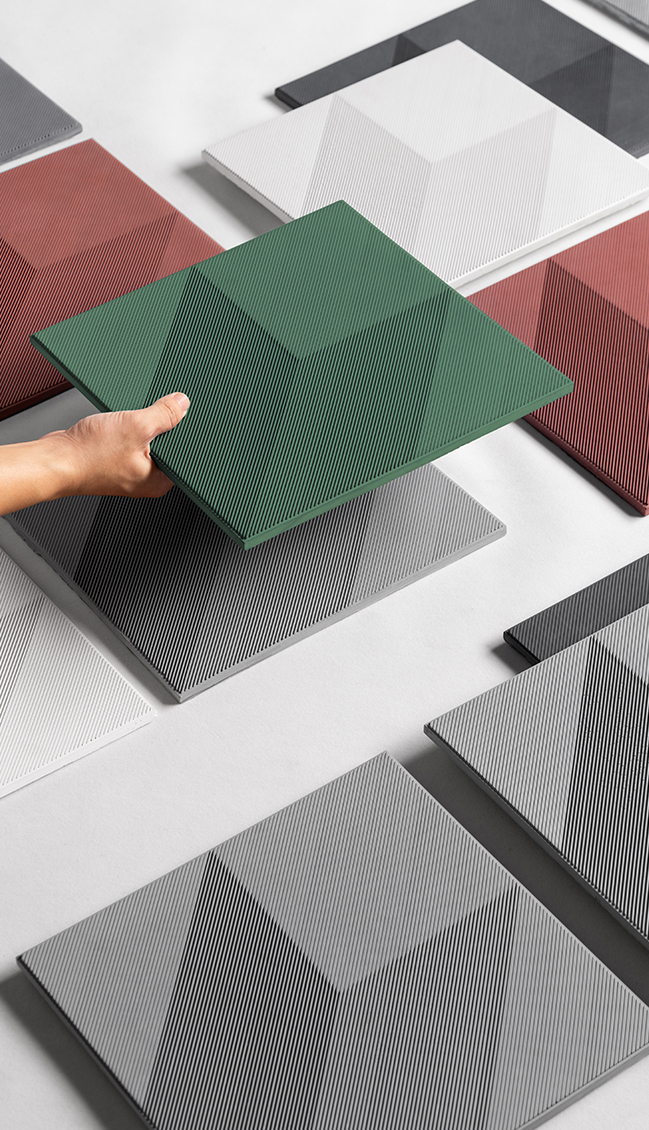
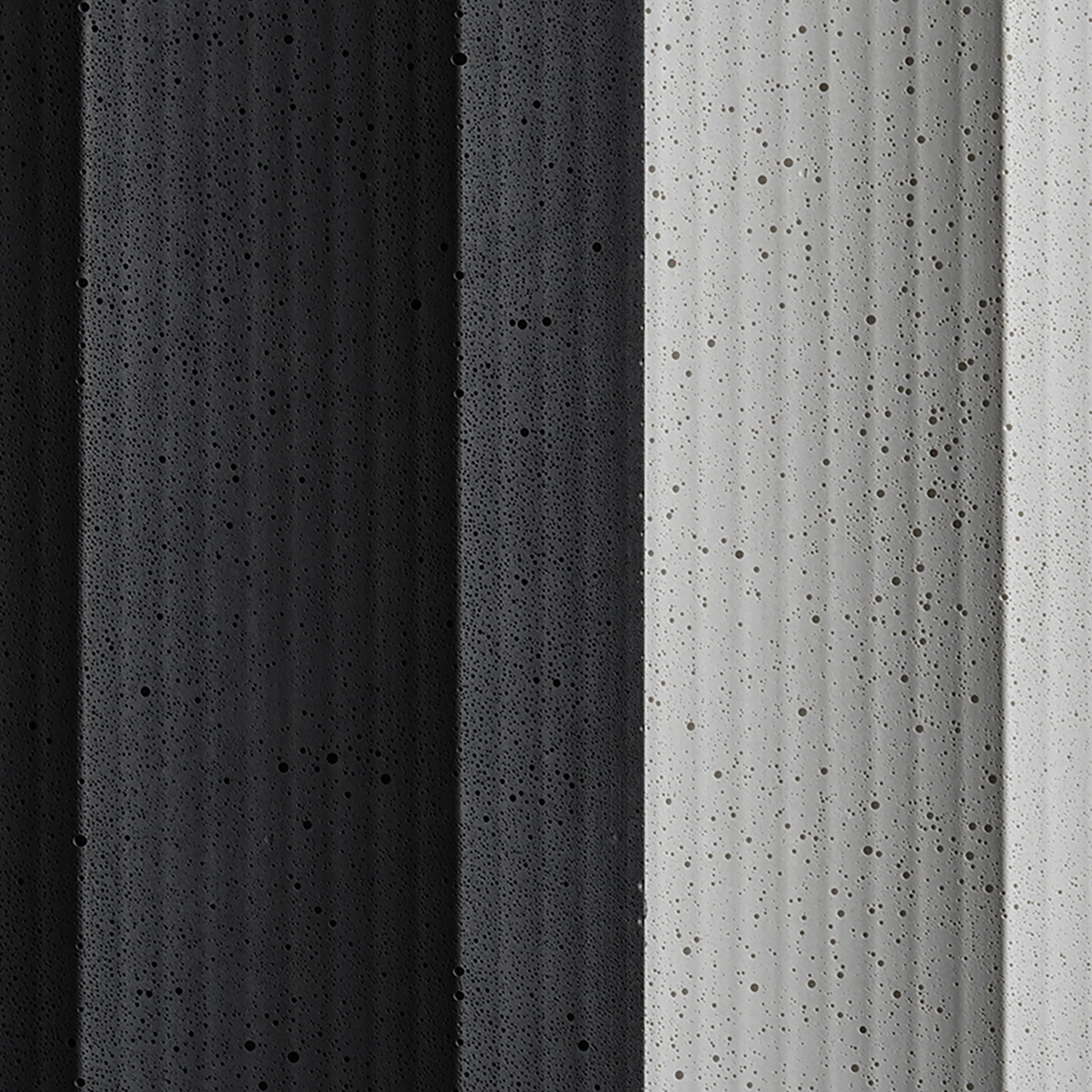
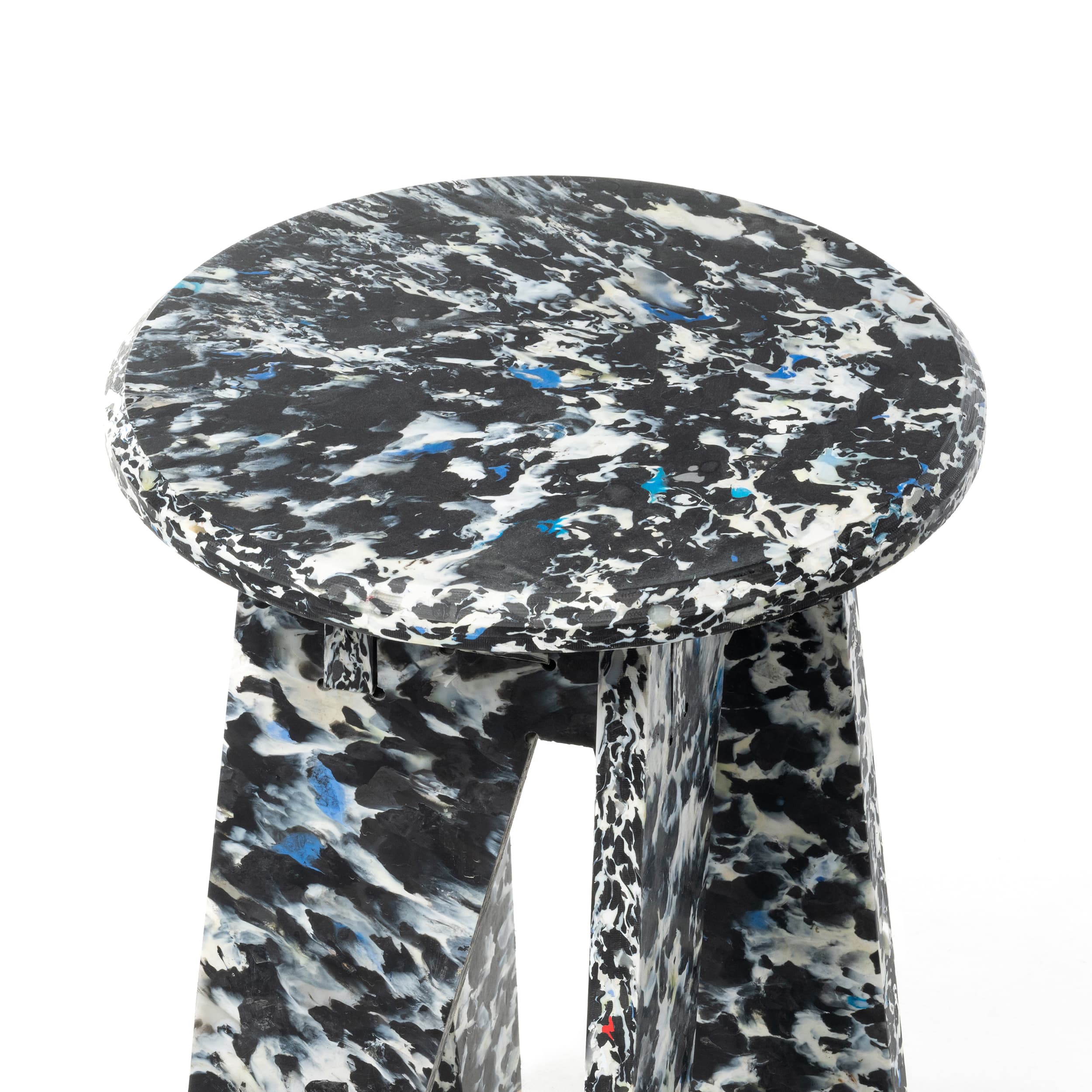
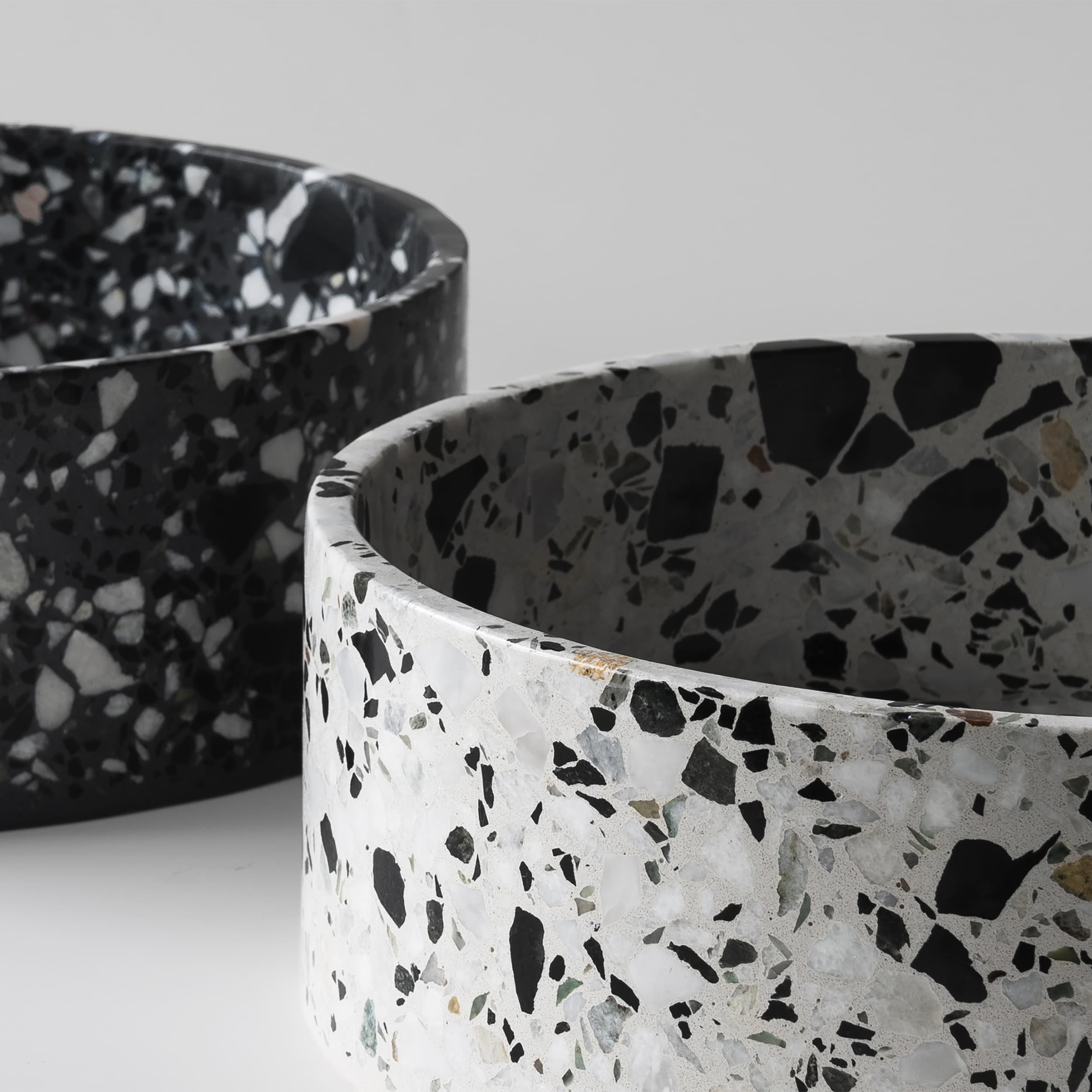
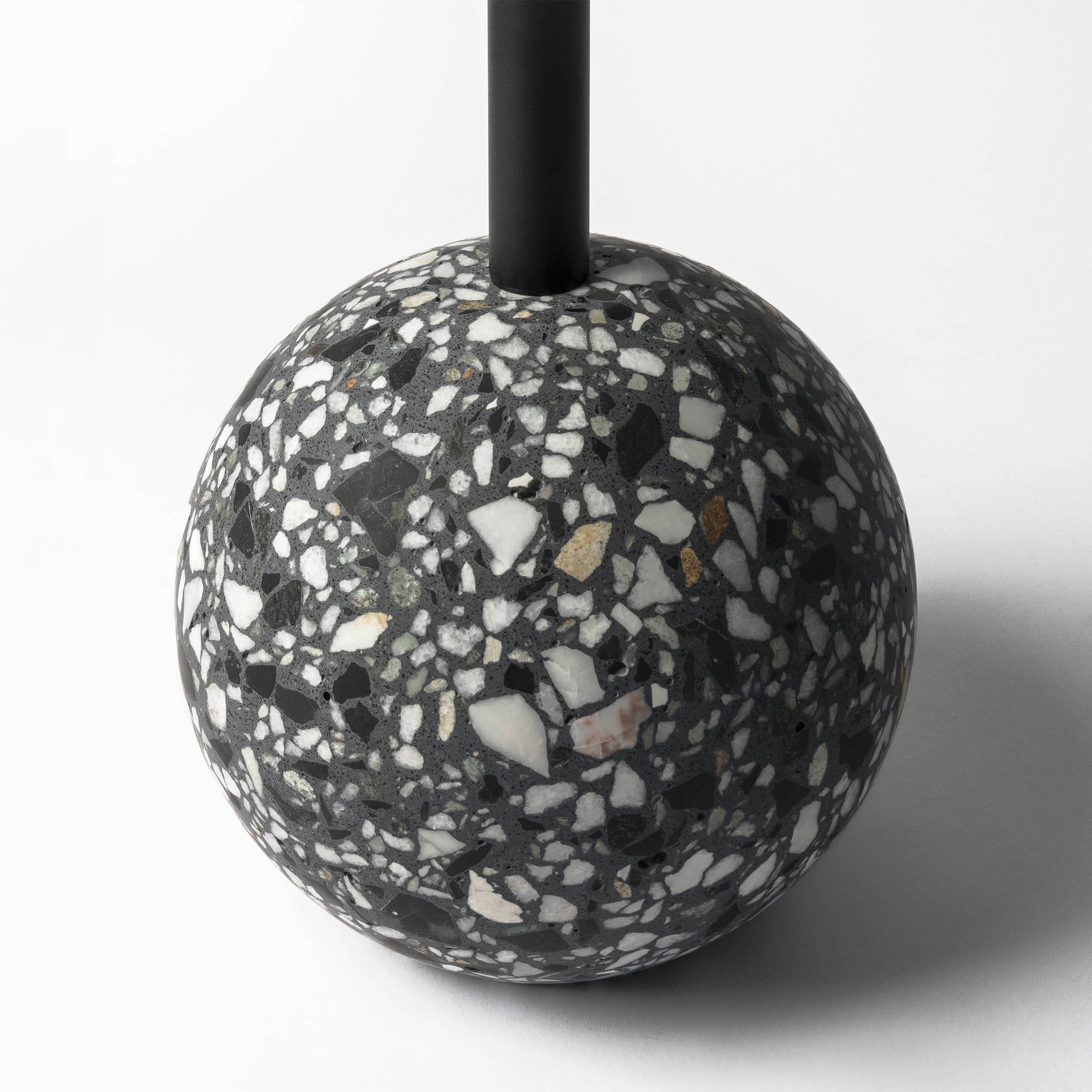
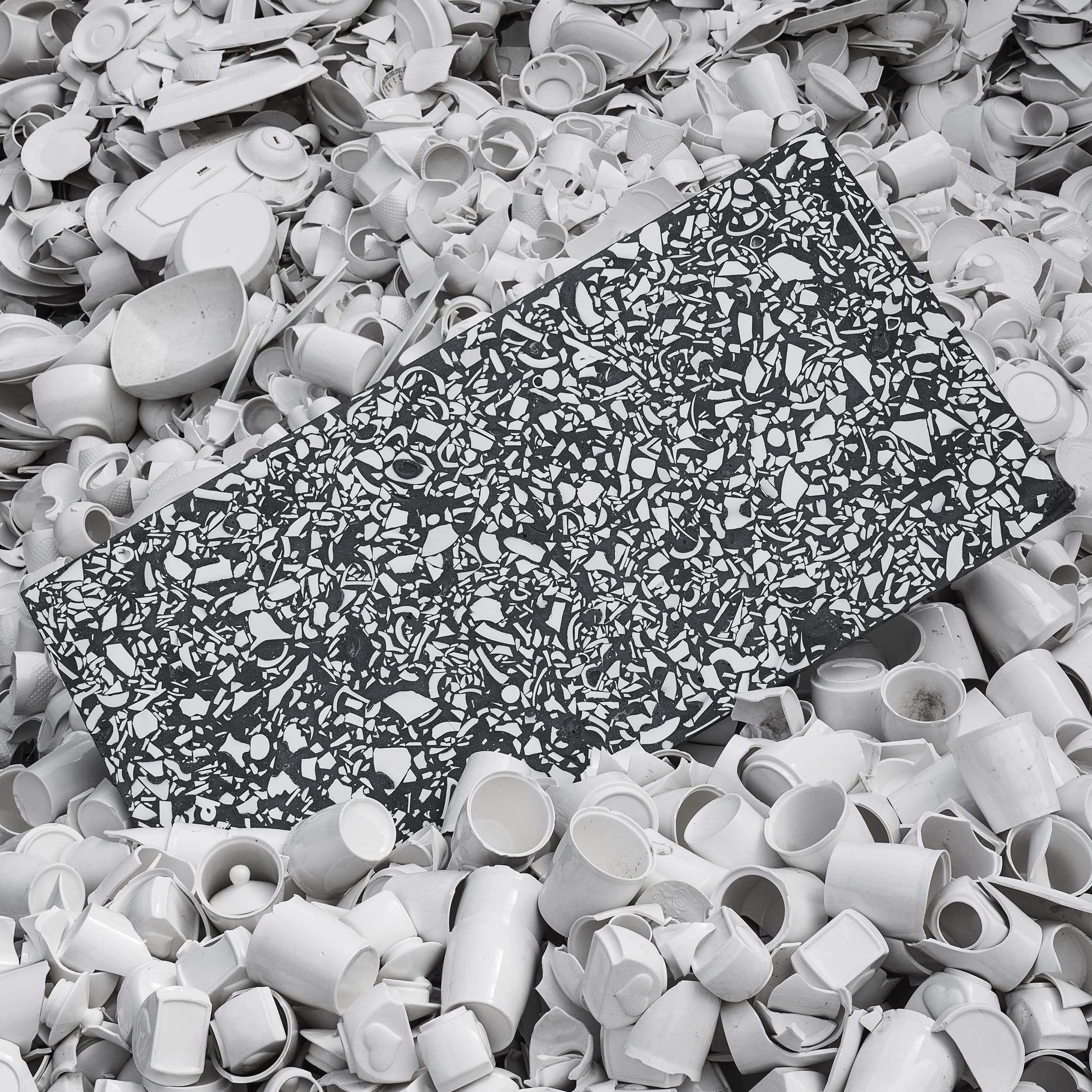
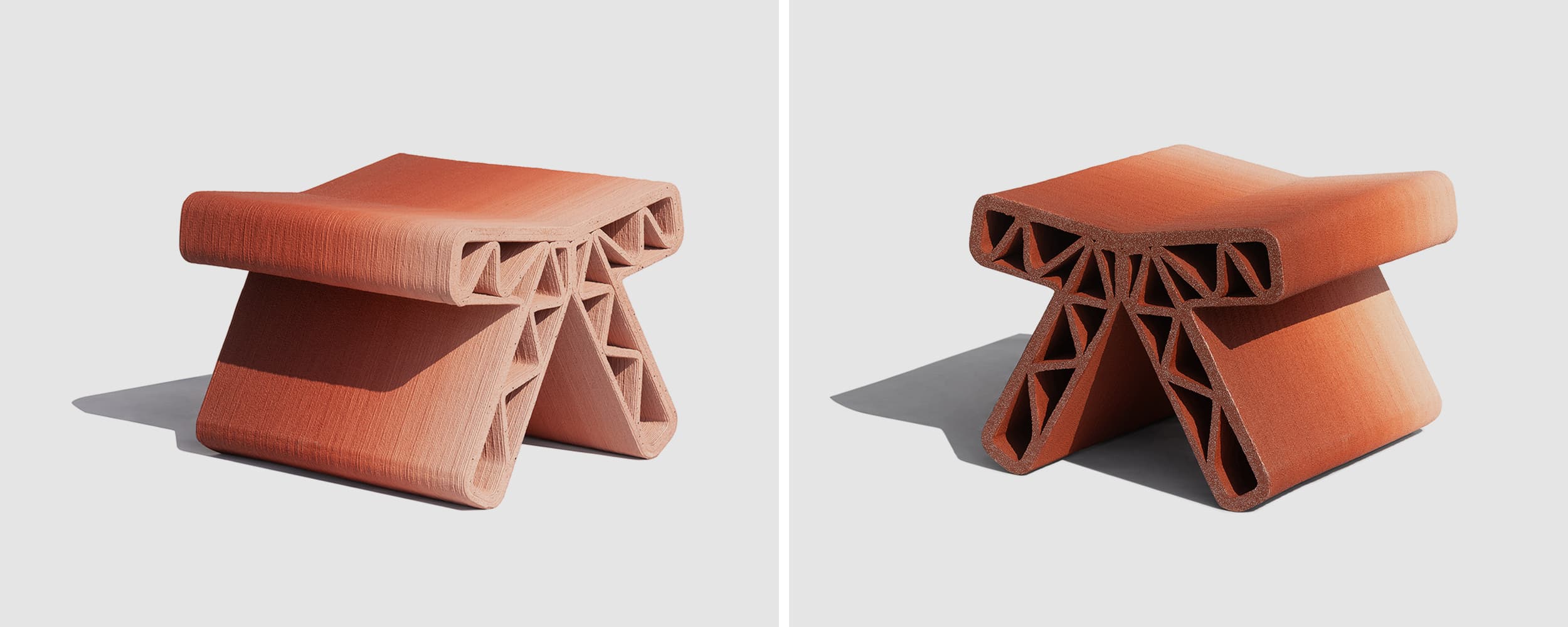
Drawing on inherent mineral variations in construction waste and supplemented by inorganic mineral pigments, a natural colouring system emerges: crushed red brick establishes an iron‑red base; pulverised concrete delivers cement grey; milled glass residue adds subtle teal‑green layers.
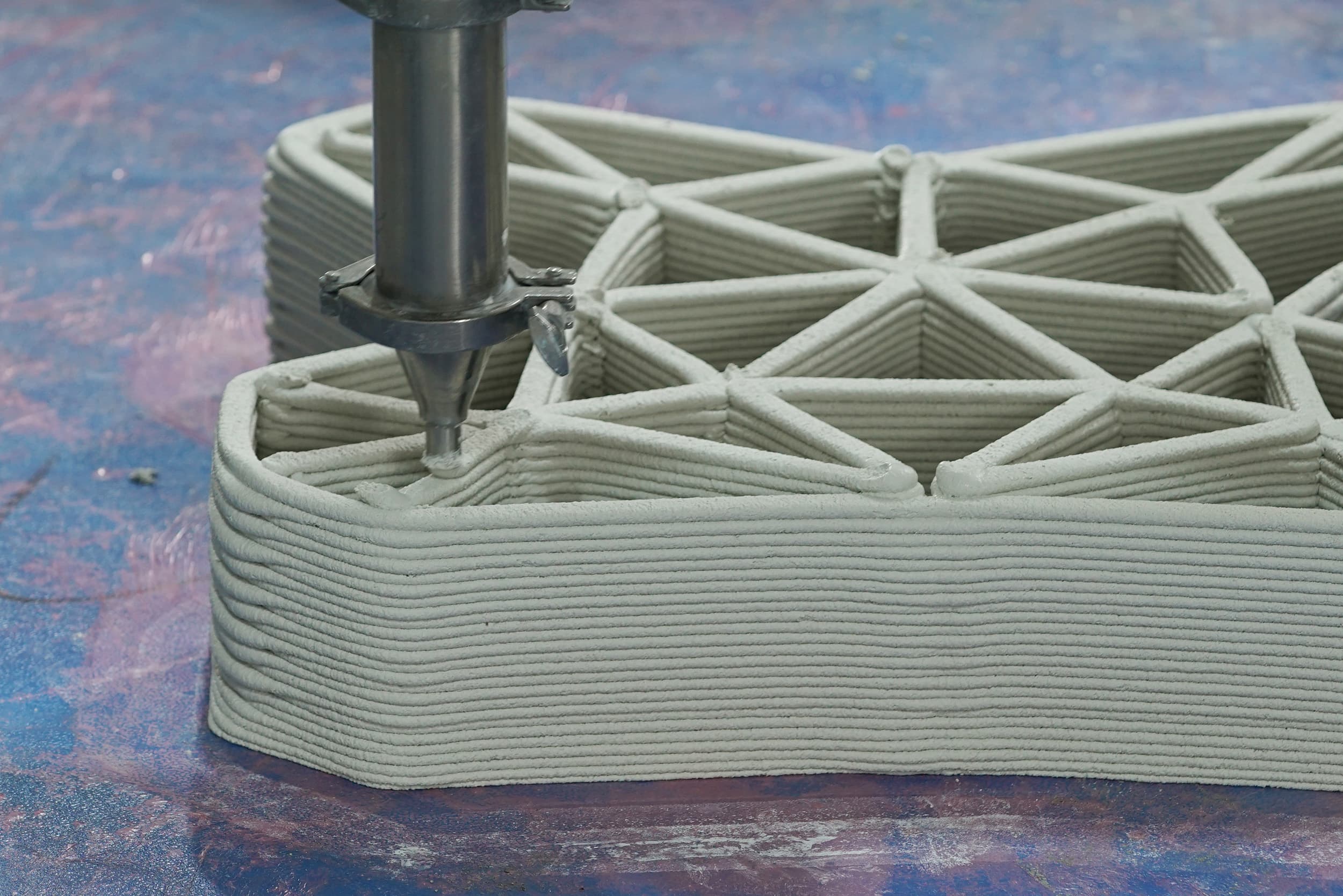
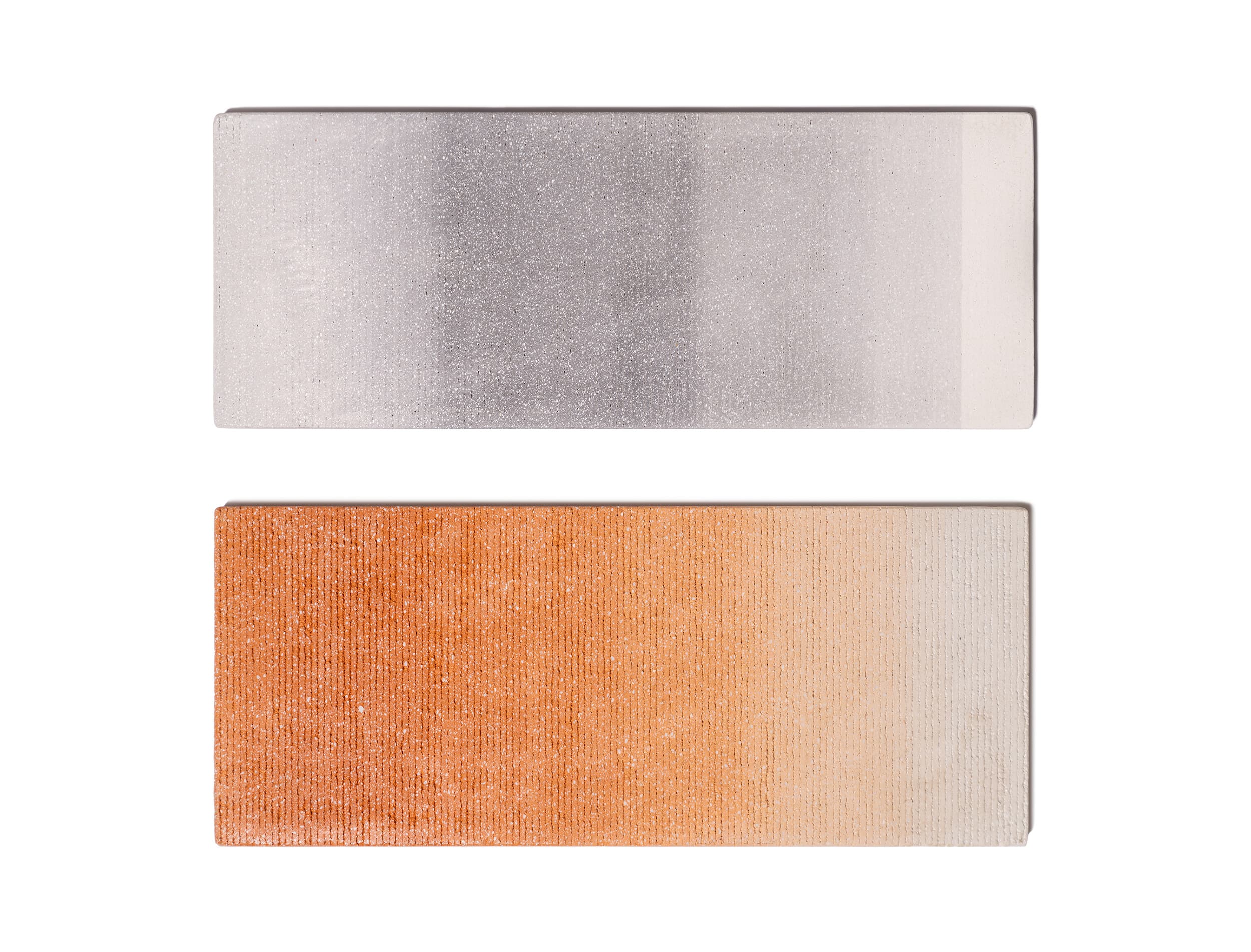
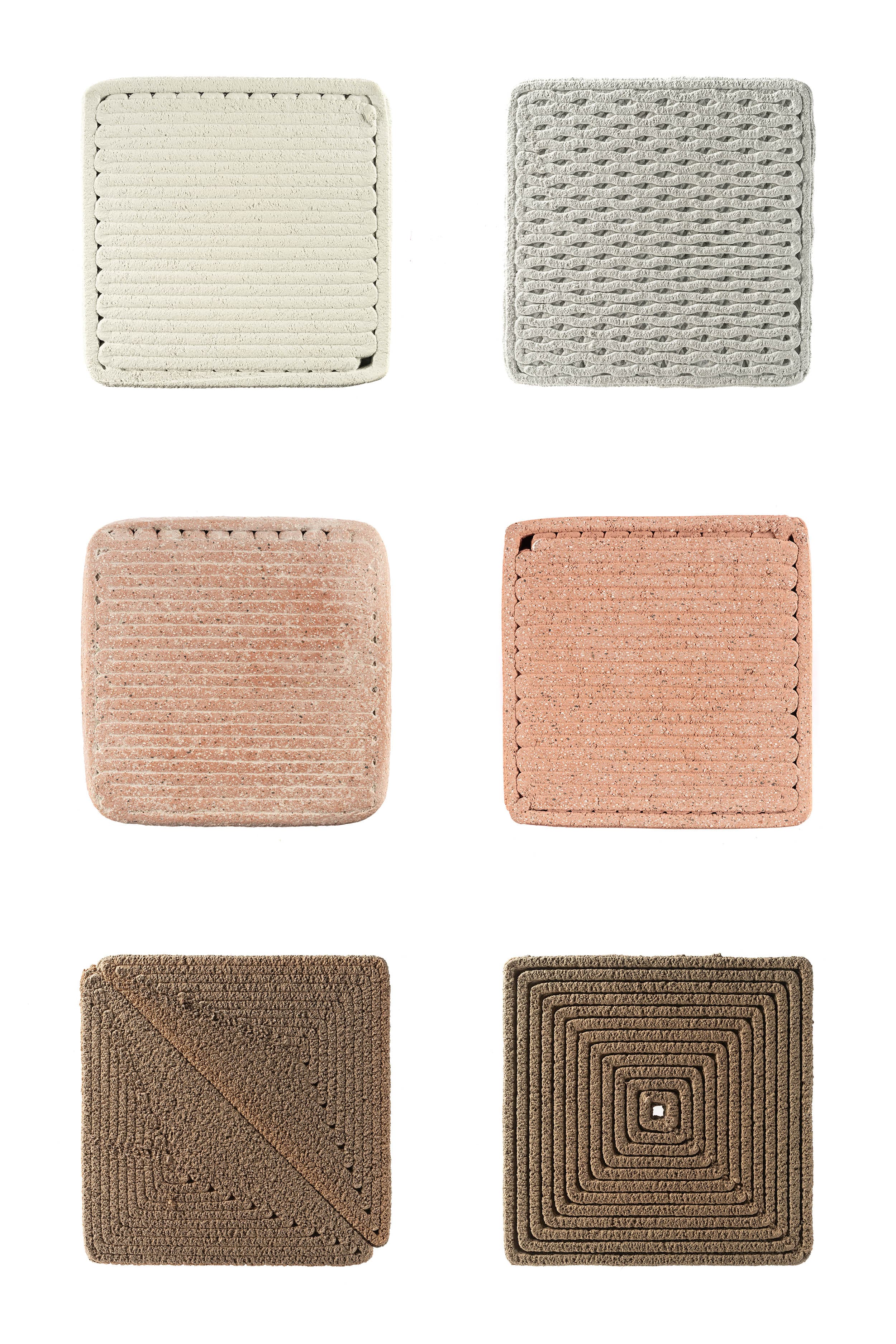
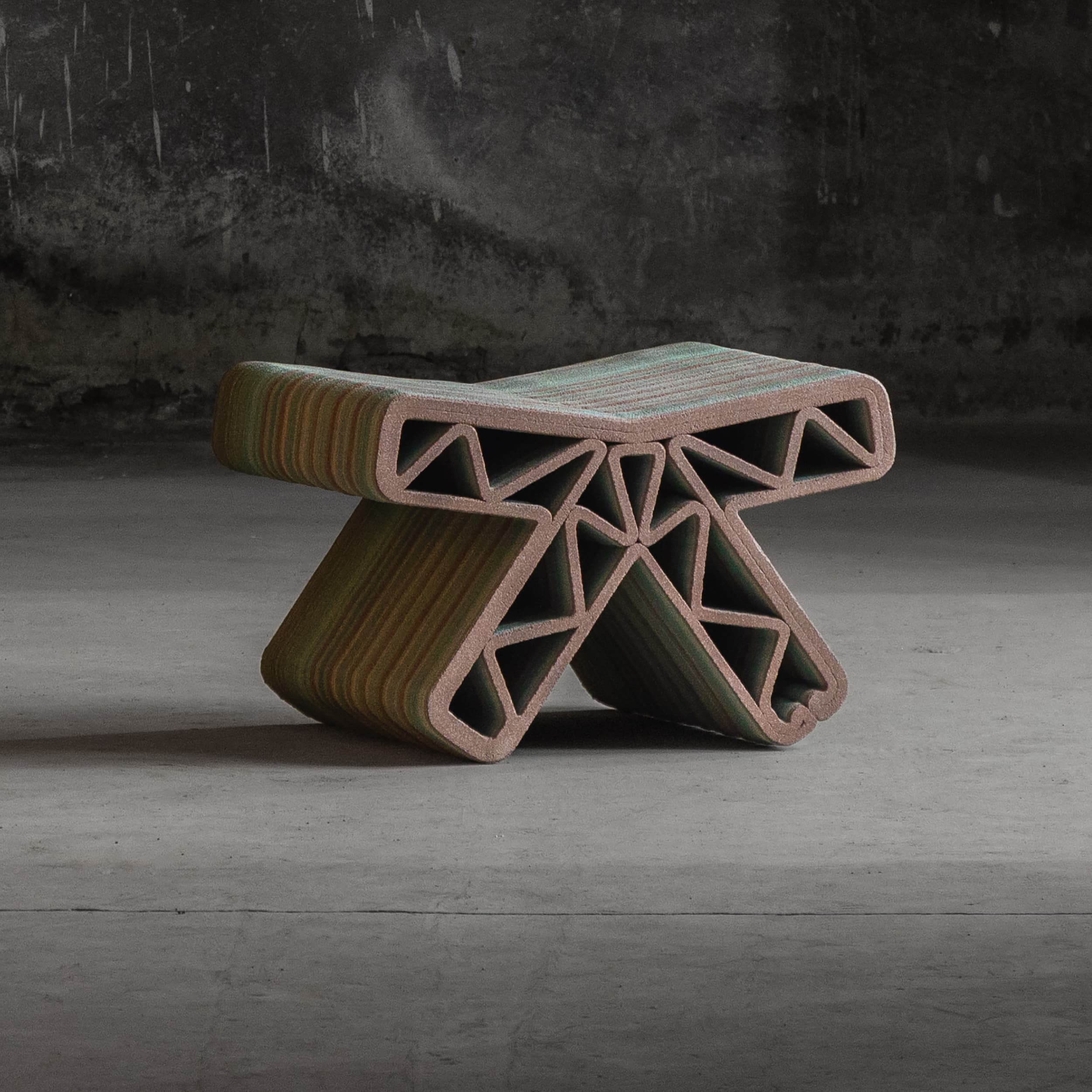
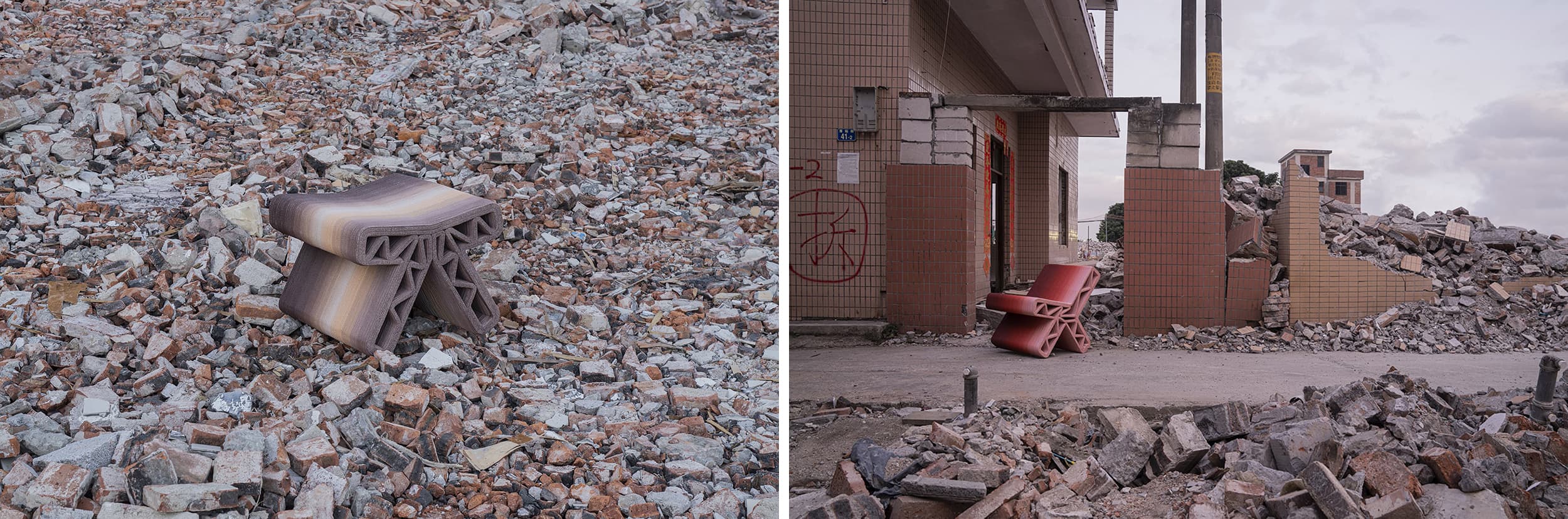
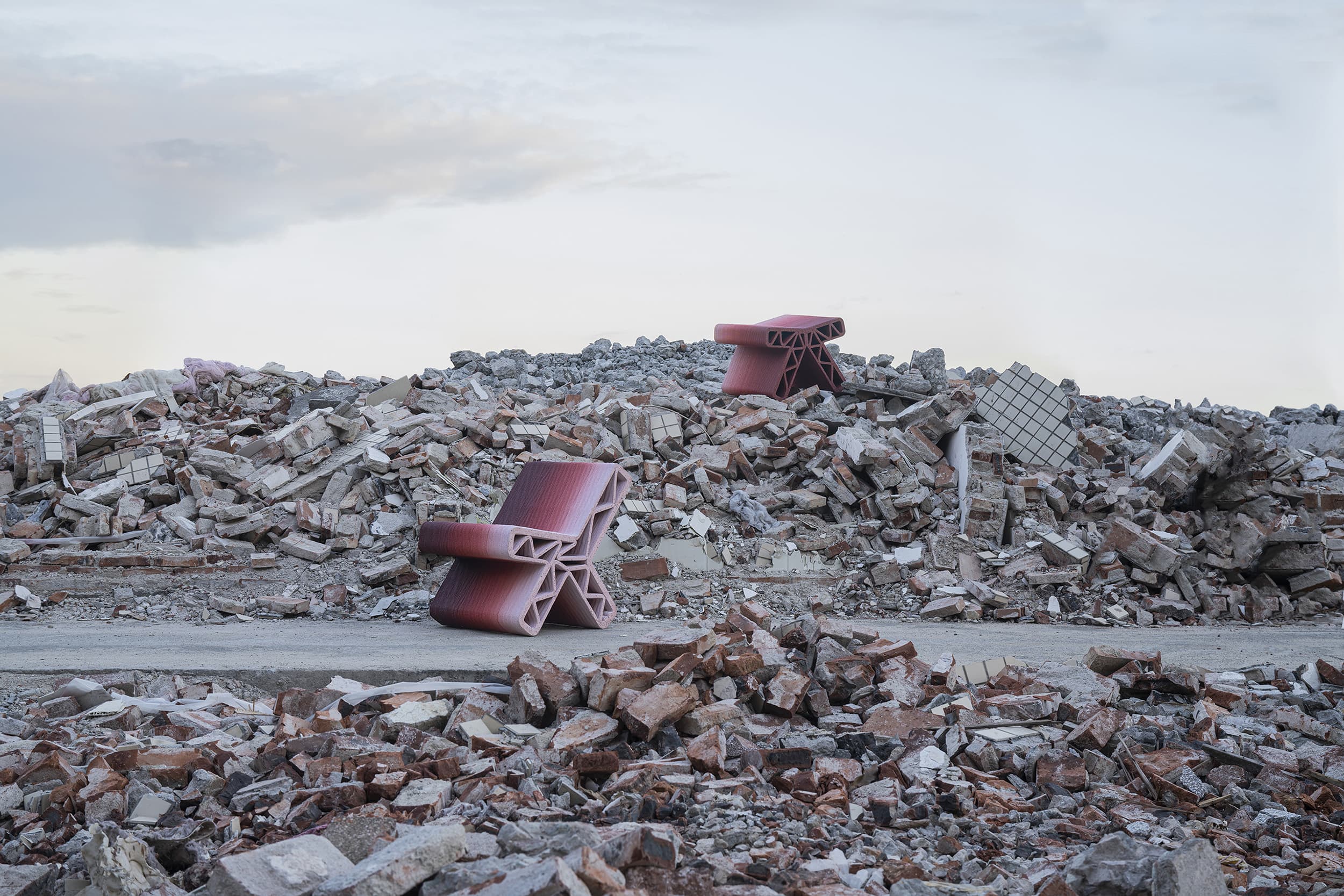
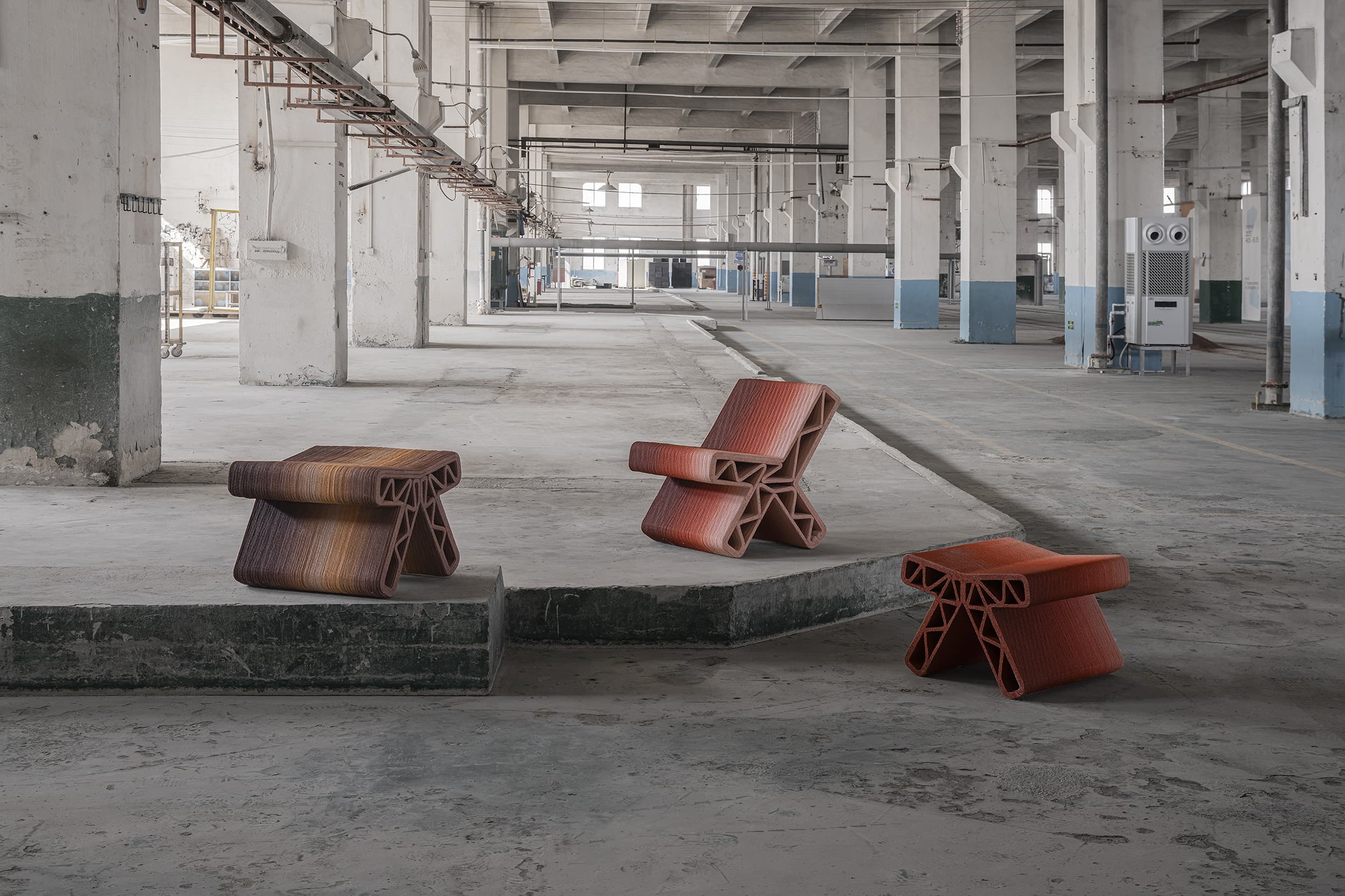
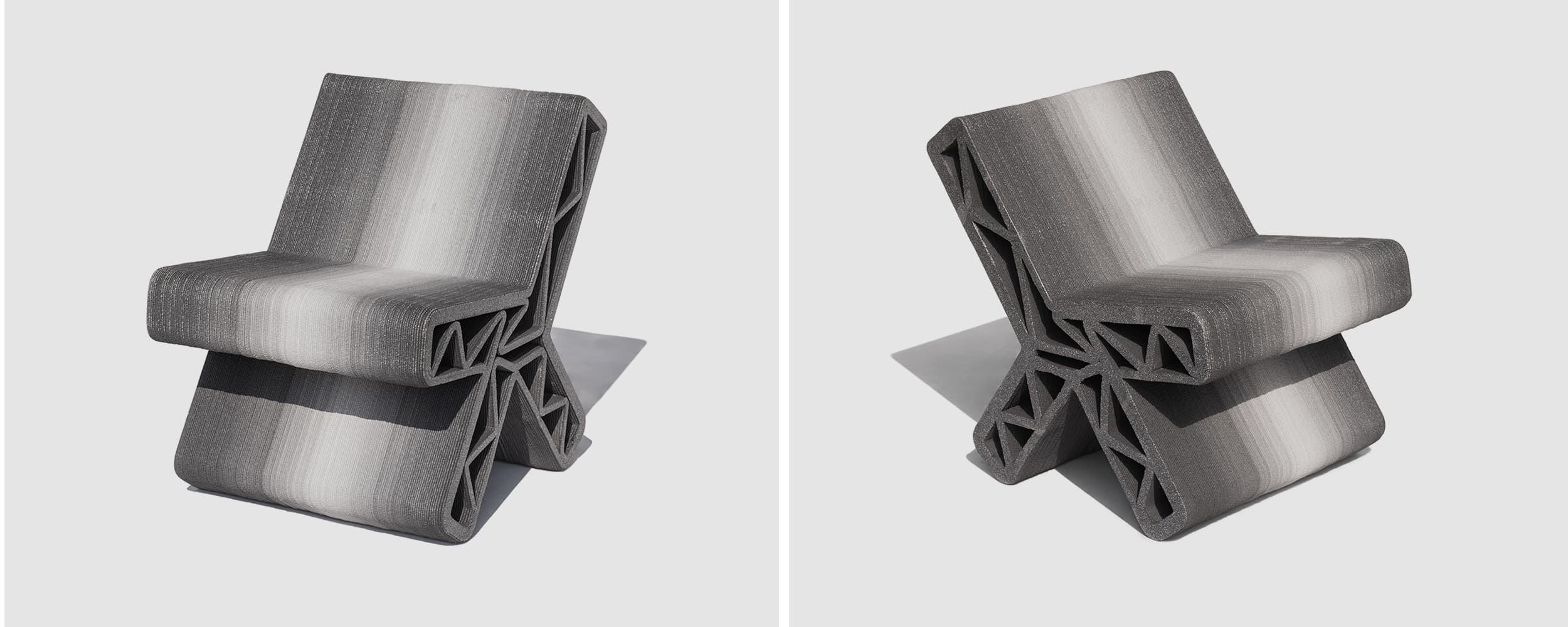
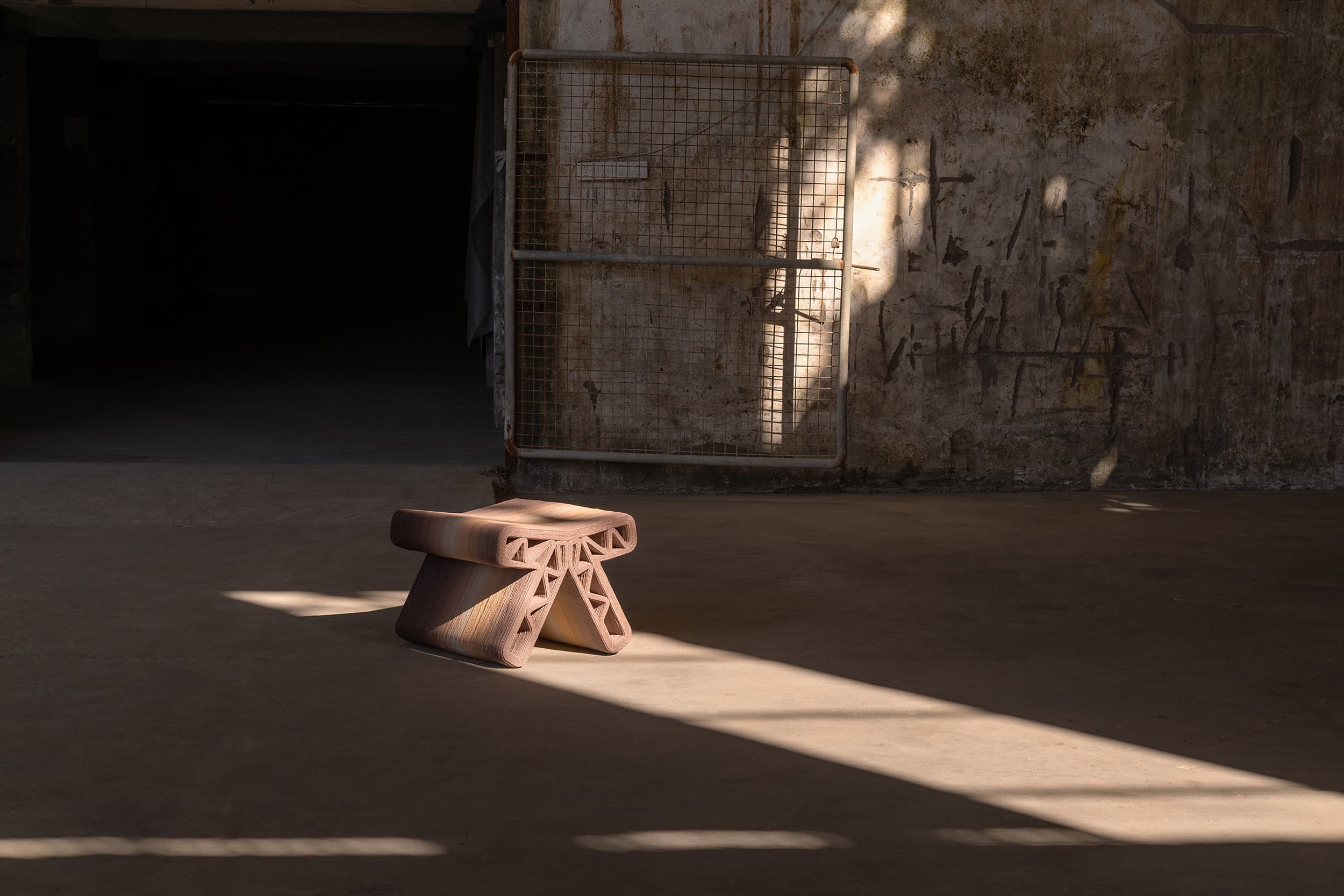
Following FDM 3D‑printing’s layer‑by‑layer deposition logic, a dynamic colour‑gradient control system is developed. Dual print heads precisely regulate pigment ratios to enable seamless colour transition along the Z‑axis — shifting from deep grey at the base to brick red on upper surfaces.
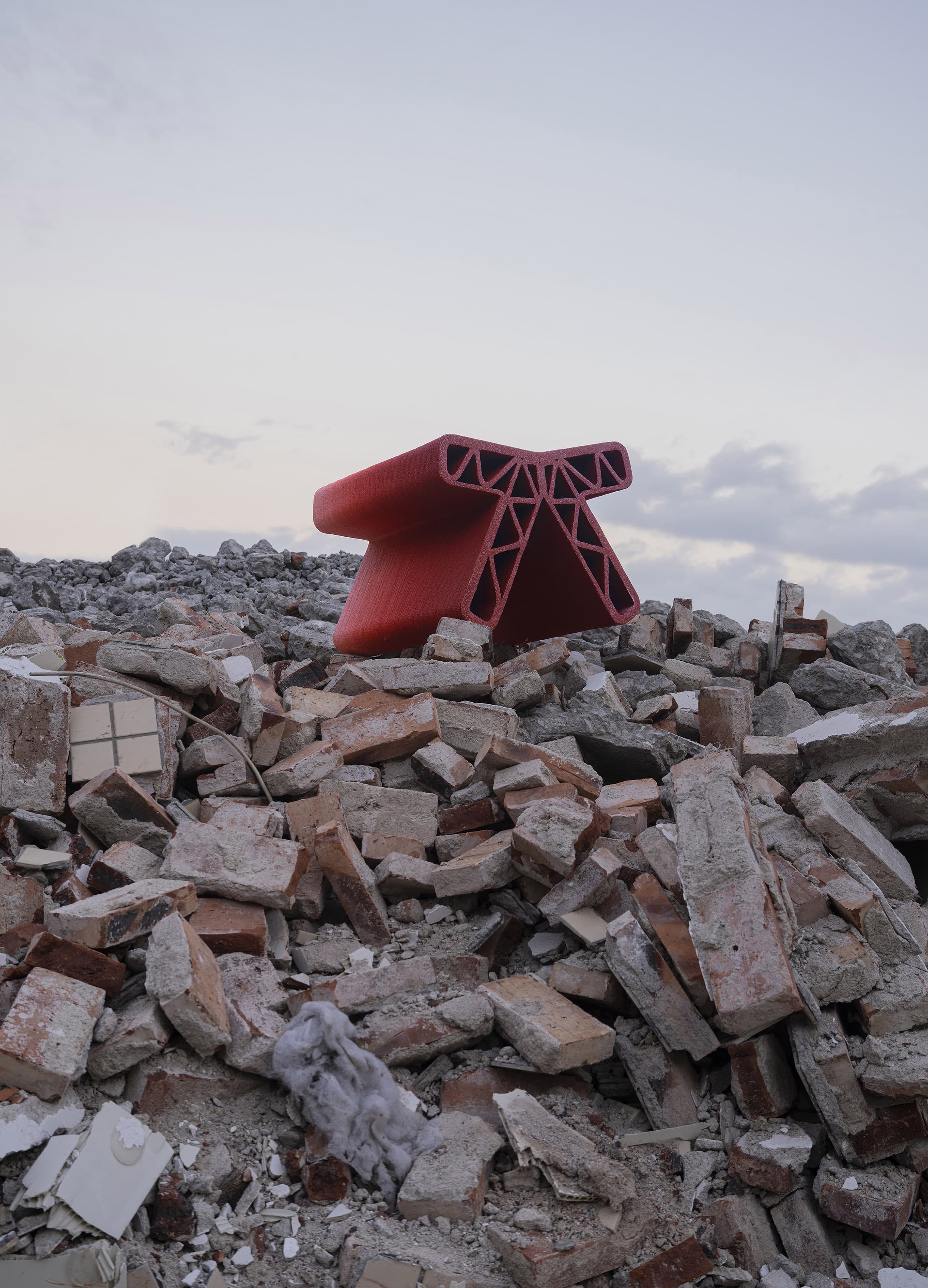
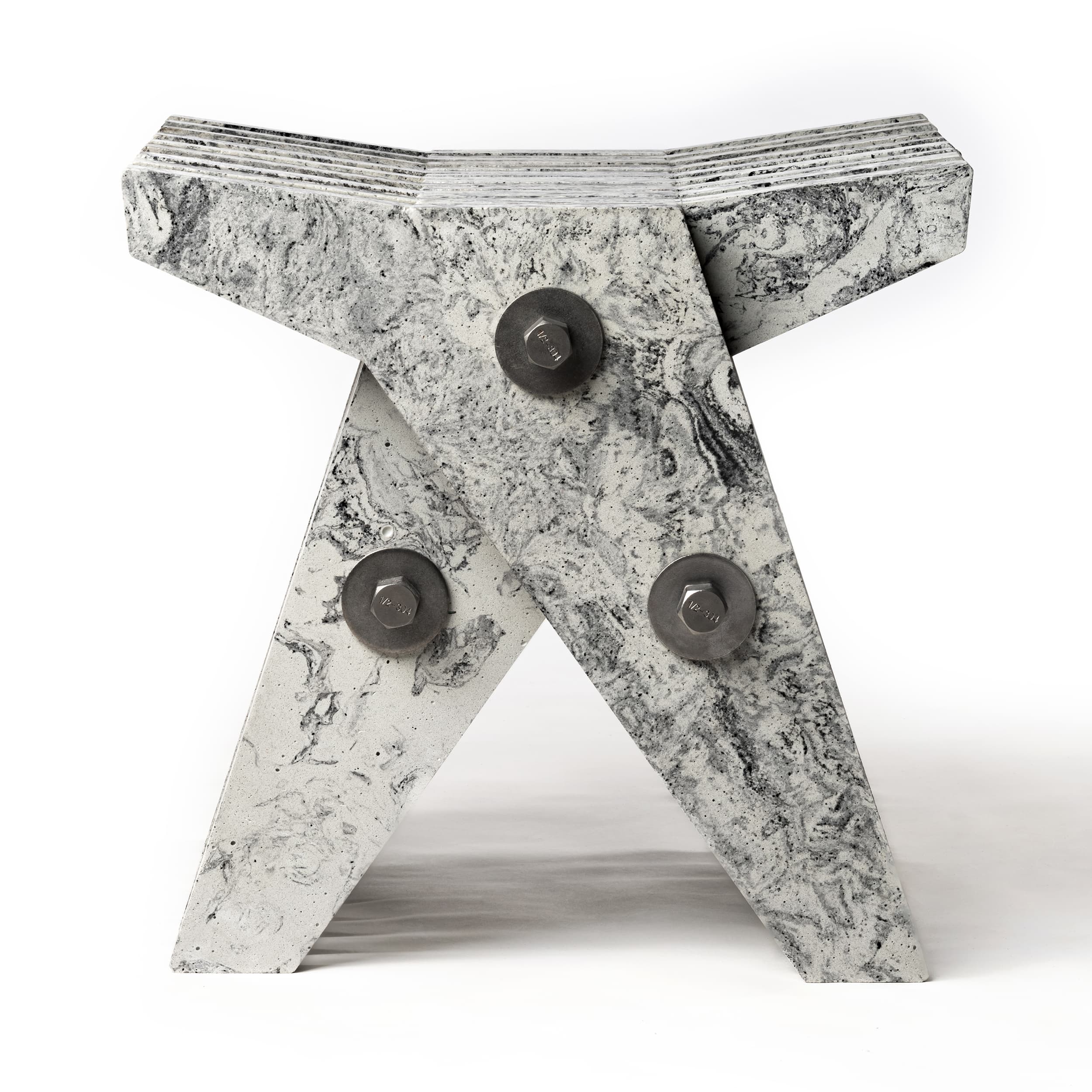
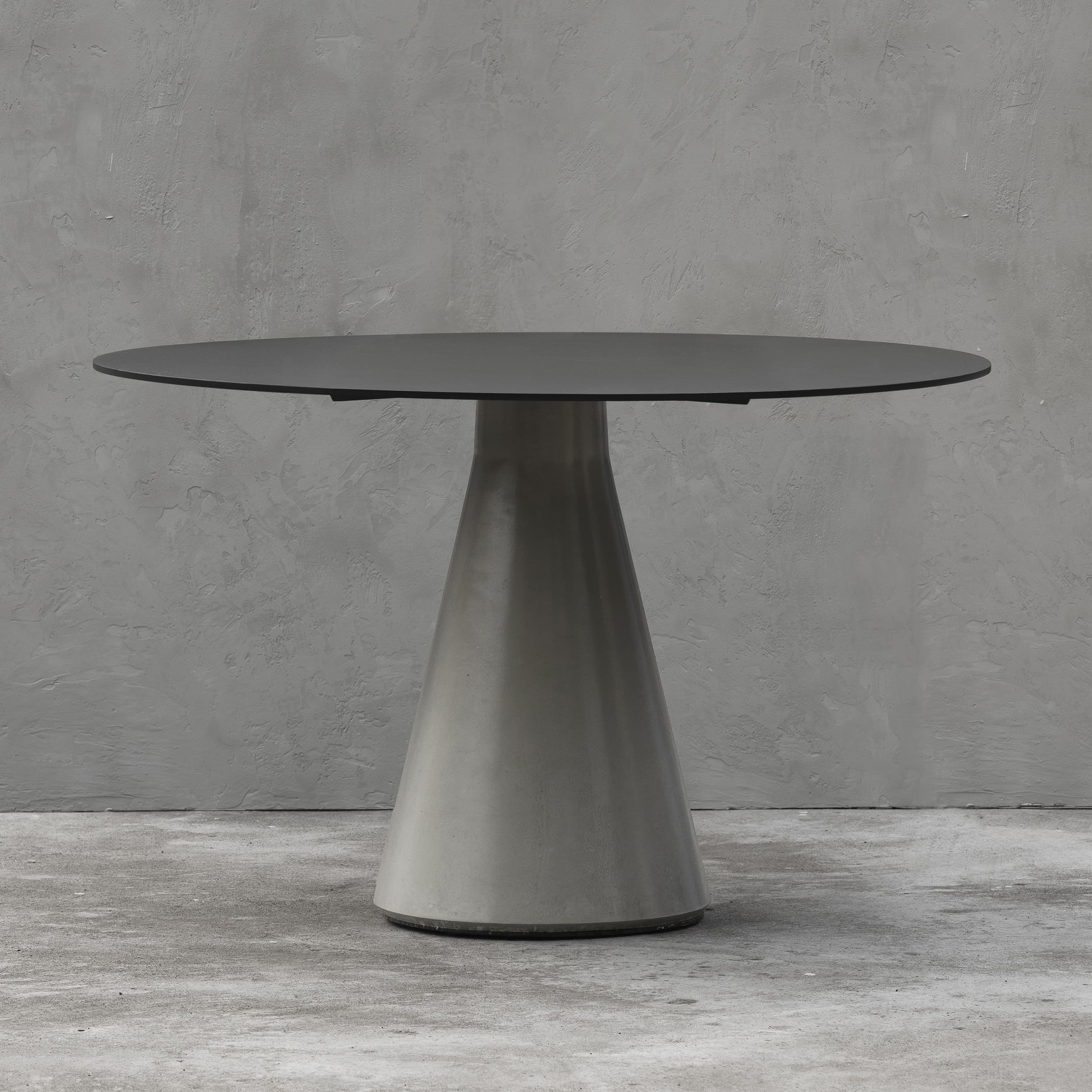
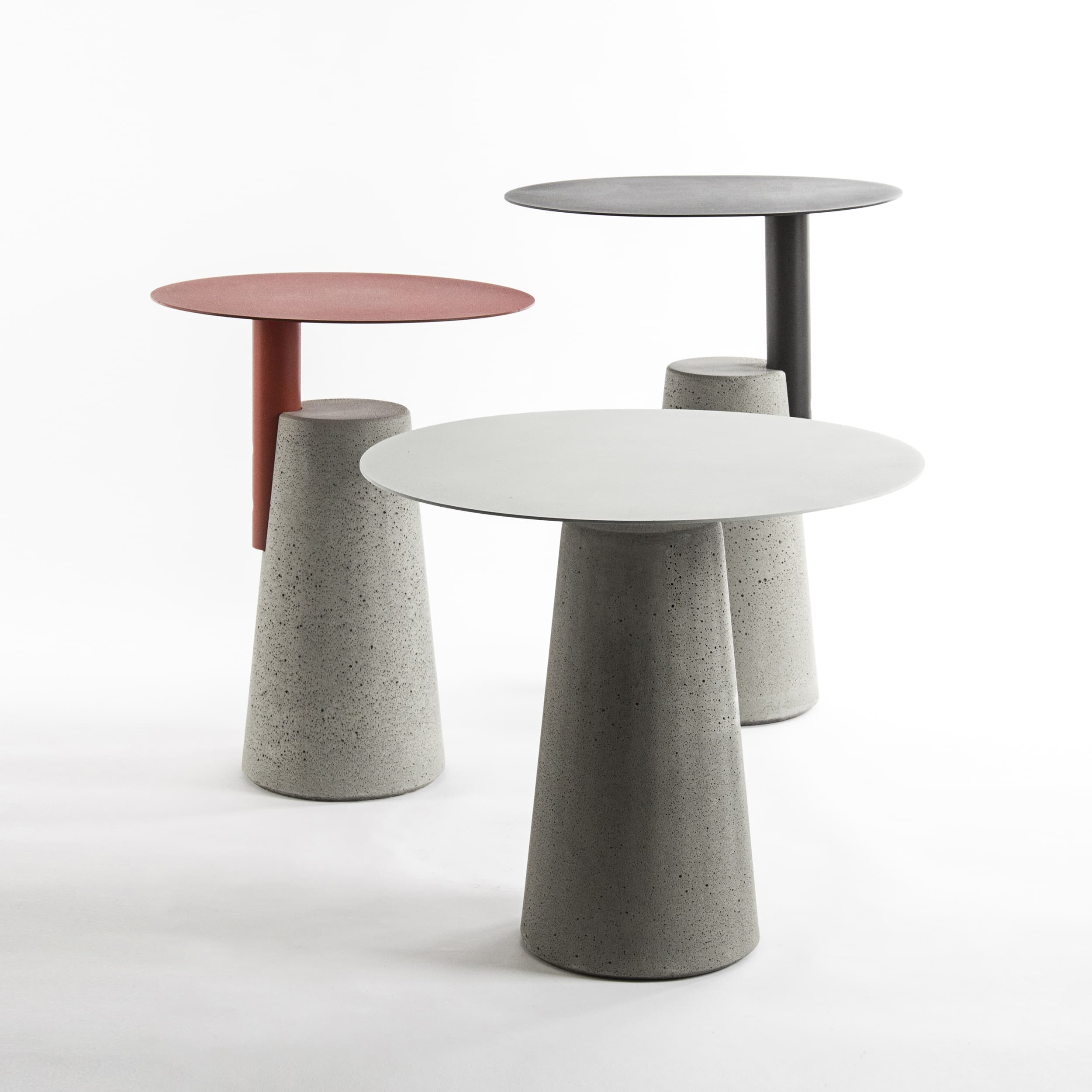
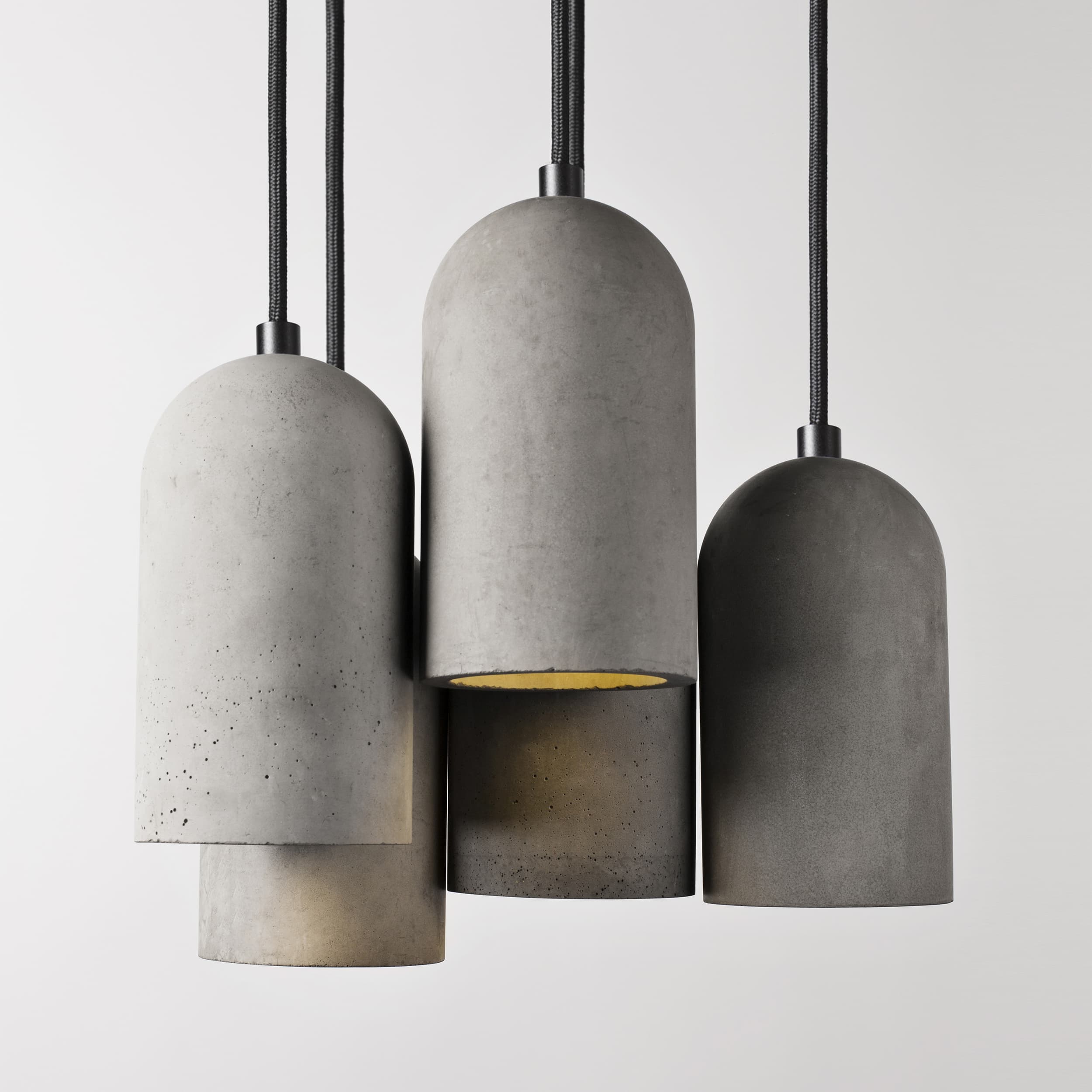
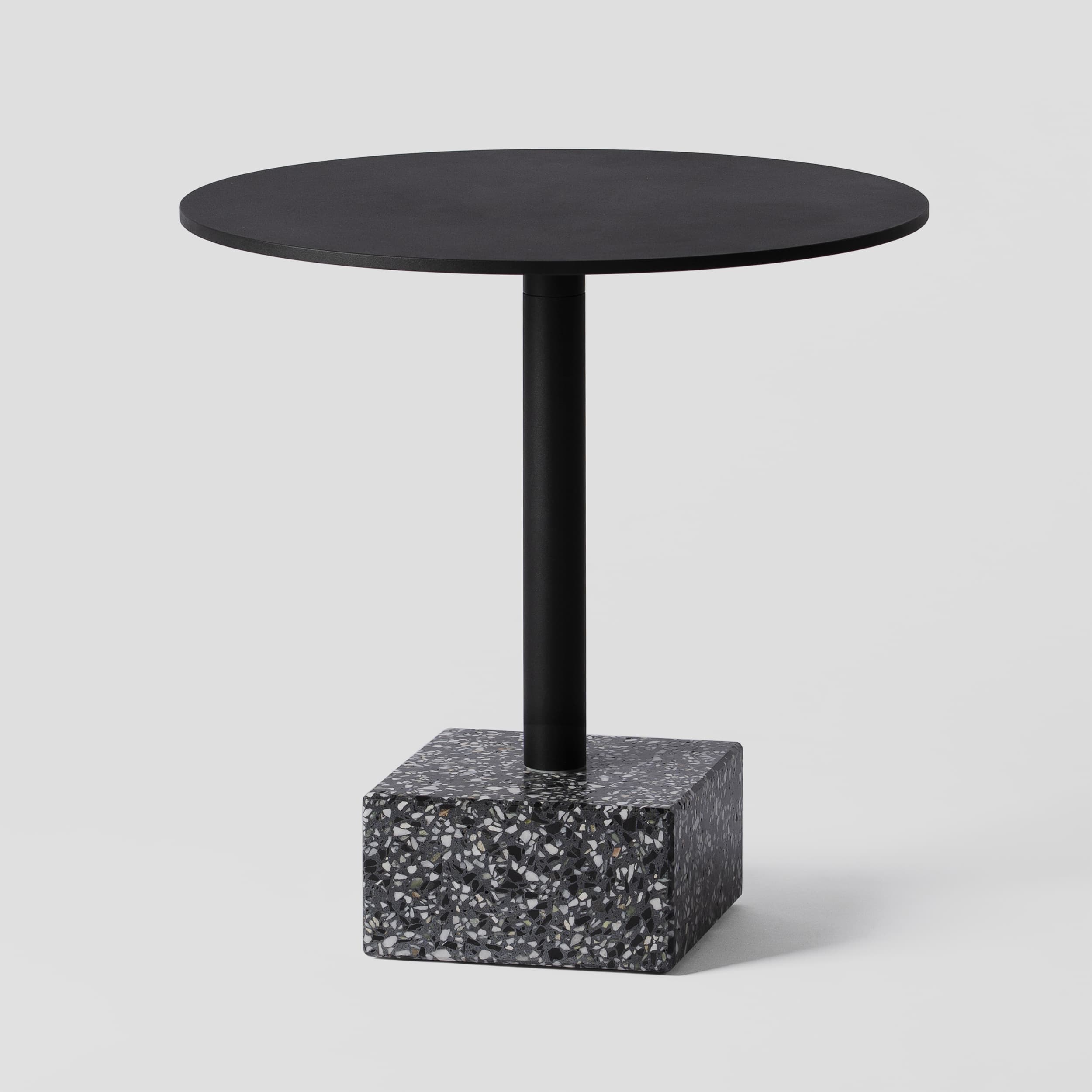
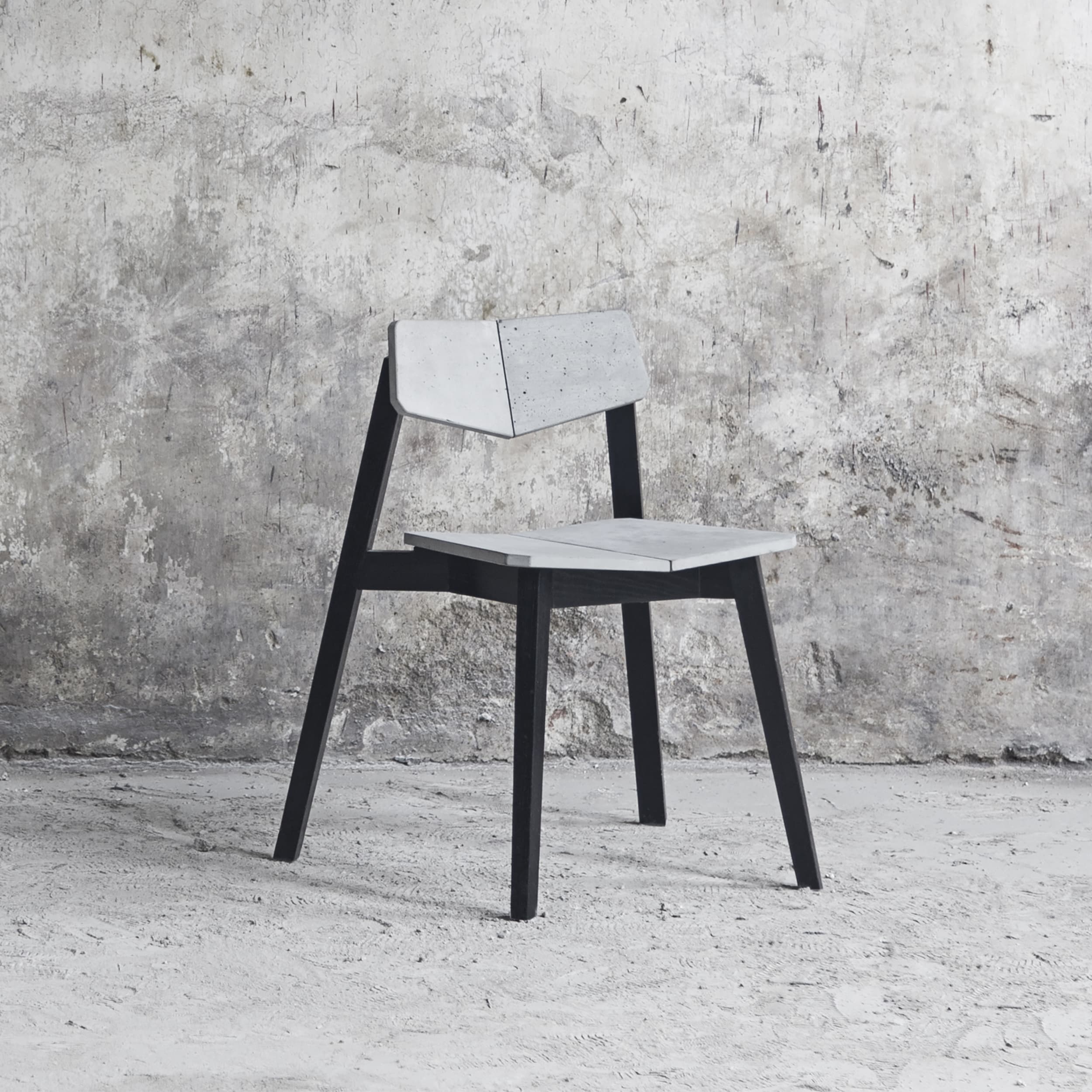
This design approach turns each piece of urban furniture into a three‑dimensional stratigraphic profile, translating time into visible colour storytelling. A chair’s cross‑section captures light gradients from dawn to dusk; other works replicate weathered textures of walls shaped by years of wind and rain.
III. Technical Circularity: A Complete Sustainable Loop
Mobile processing stations are deployed directly at demolition sites to create an integrated closed‑loop system: Demolition → Crushing → Sorting → Preparation → 3D Printing. On‑site testing shows this localised model cuts transport‑related carbon emissions by 70 % and boosts overall material utilisation to 92 %, enabling genuine on‑site resource circularity.
Compared with conventional precast concrete and metal fabrication, the full‑lifecycle carbon footprint of 3D‑printed recycled concrete furniture is reduced by 65–80 %. Intelligent slicing algorithms optimise toolpath layout to cut average material consumption by 40 %, forming a low‑carbon, material‑efficient digital manufacturing system.
IV. Memory Reconstructed: Material as Emotional Carrier and Community Bond
The deeper value of Inorganic Growth lies in its role as a tangible vessel for urban village collective memory. It draws on recycled material properties to visualise the abstract concept of time, using organic forms to express material character and create a familiar‑yet‑unfamiliar local sensory experience.
A spiritual bridge connects design production with daily life. Through deconstruction and regeneration, the hidden social fabric, cultural lineage and emotional resonance embedded in waste materials are awakened.
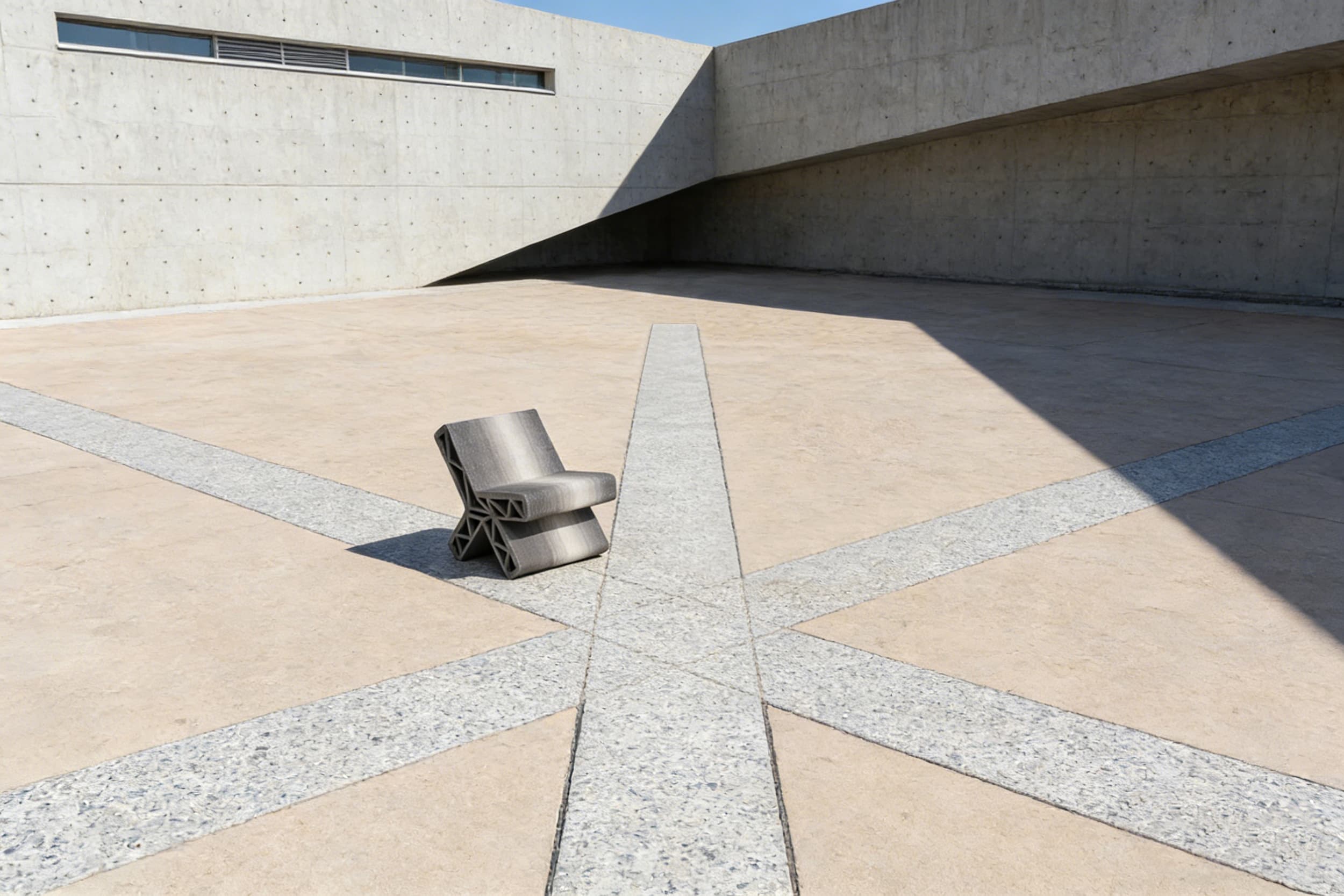
Beyond technical testing and aesthetic exploration, the series proposes a new ethic of urban renewal: what we dismantle is physical built space; what we rebuild is local community identity and cultural belonging.
Every quiet piece of urban furniture reveals a simple truth through its texture: true urban renewal does not create history‑free new landscapes from scratch. Instead, it uses technology to allow scattered local memories to sustainably regrow in new forms.
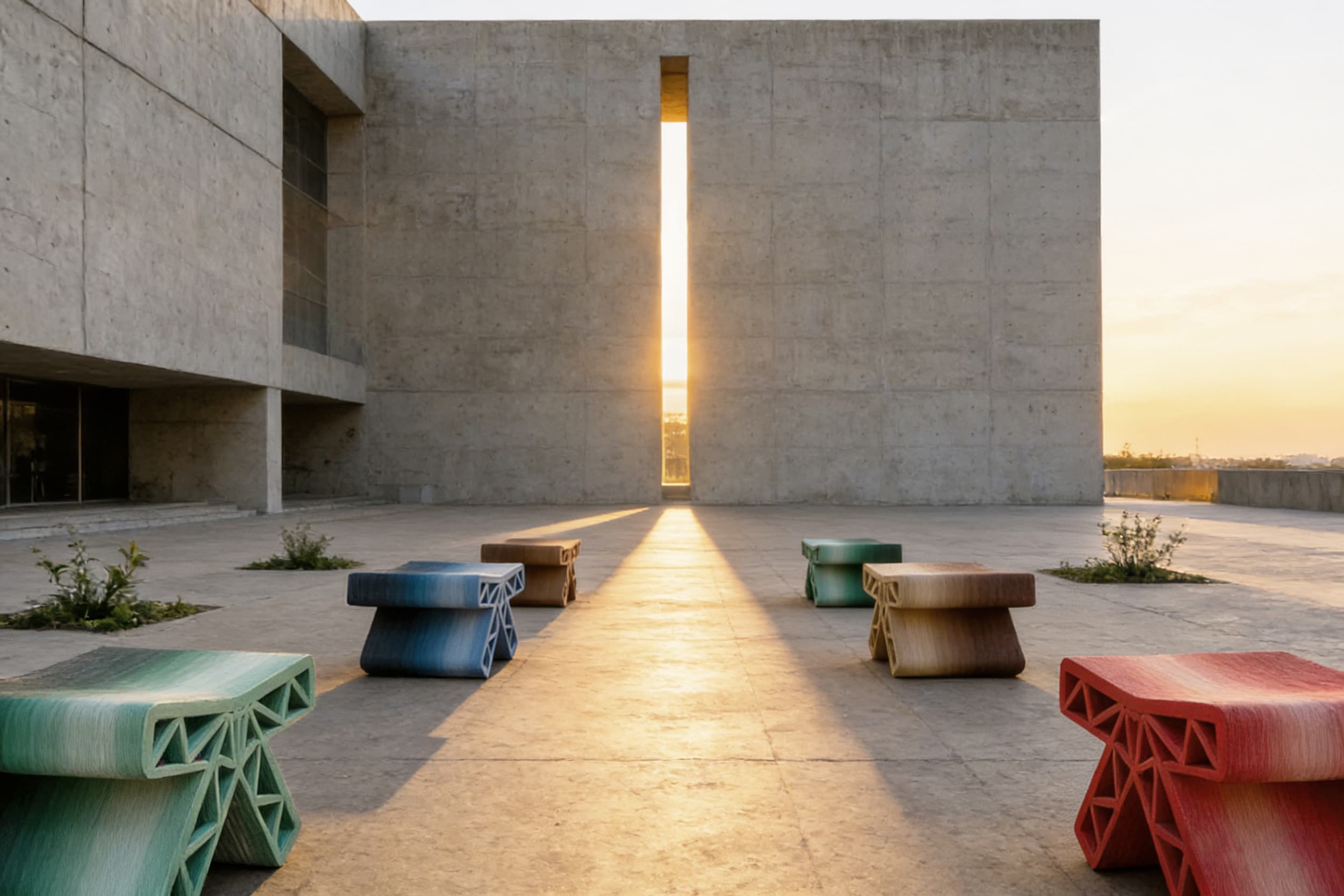
At sunset, gradient surfaces glow with gentle warmth. What people touch is not merely the texture of recycled materials, but the collective warmth accumulated by a community. Inorganic matter thus achieves its most humanistic organic rebirth.
Design Director: Xu Gang
This original work is part of the BENTU Local Regenerative Design Practice Series. Focused on construction waste regeneration and digital fabrication in urban villages, it explores the reconstruction of inorganic materials, local colour chromatics and collective urban memory.

- Contact
+8620 8977 0506
- Press
press@bentudesign.com
- Enquiry & Sales
info@bentudesign.com