

Flowing Stars: BENTU's Design Practice of Translucent Concrete
Time: 2025
Location: Shunde, Guangdong, China
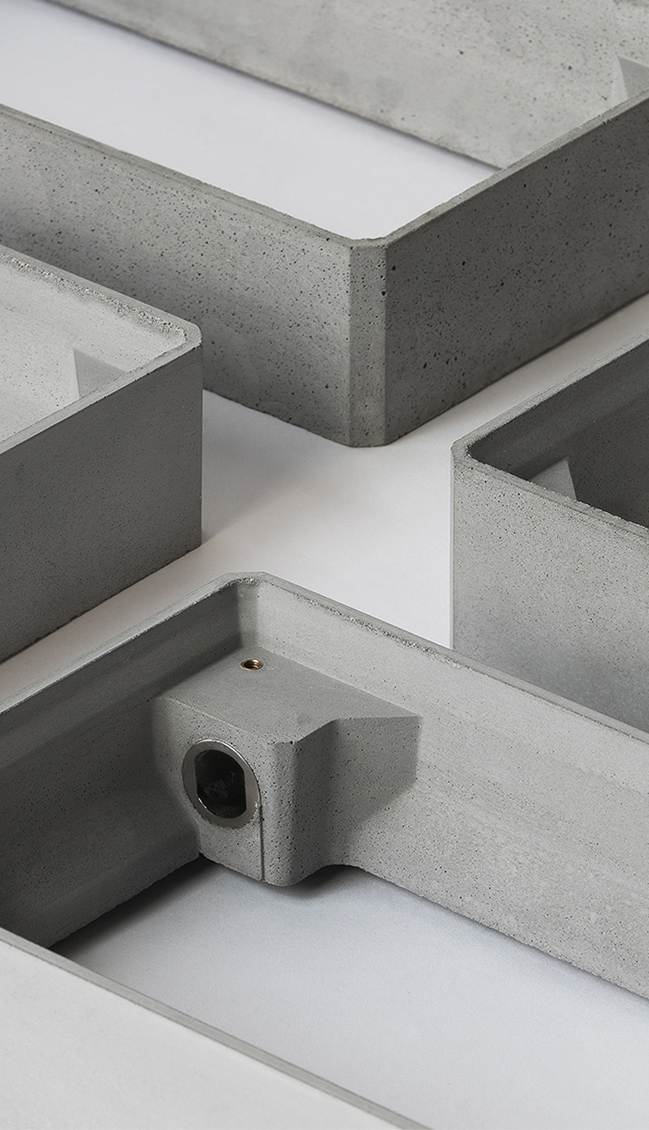
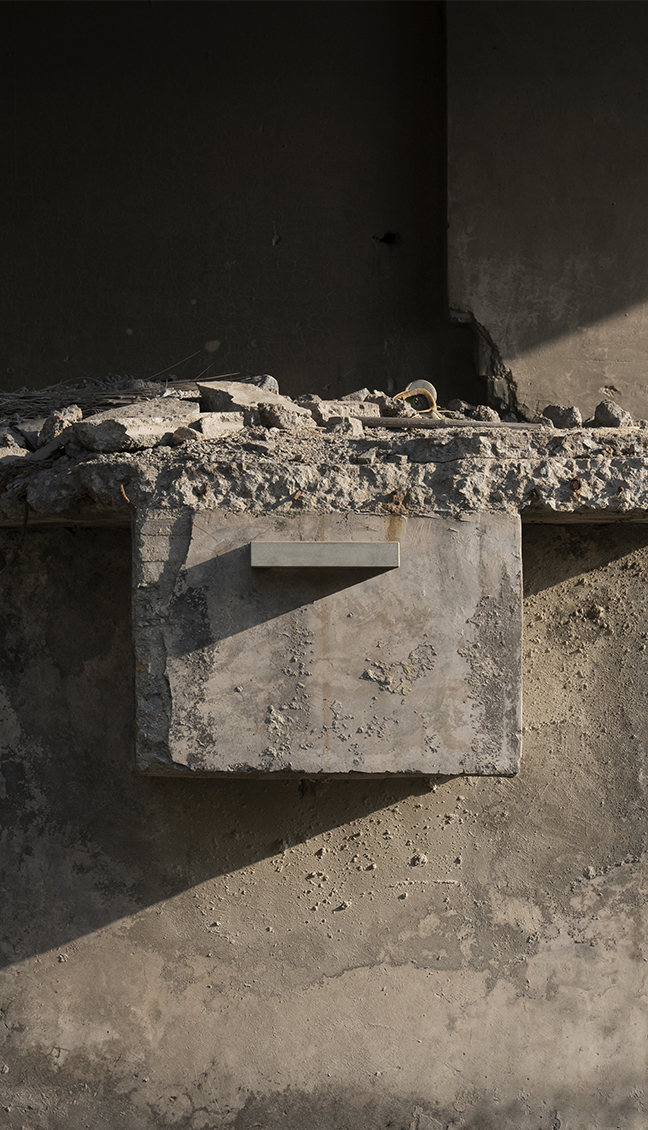
For a long time, concrete has been framed as a purely structural medium for infrastructure — heavy, cold-edged, coarse, and opaque. These are deep-rooted public stereotypes of the material.
As the most widely used man-made material in human civilization, the history of concrete has evolved nearly in tandem with modern architectural progress. The ancient Romans first blended volcanic ash, sand, and lime to create an early form of hydraulic-setting concrete, laying technical groundwork for bridges, thermal baths, and domed structures, and founding the origins of modern concrete technology. Over the following millennia, concrete formulations underwent continuous refinement. In the 19th century, the advent of reinforced concrete revolutionized urban construction logic, enabling high-rise buildings and large-scale infrastructure projects.
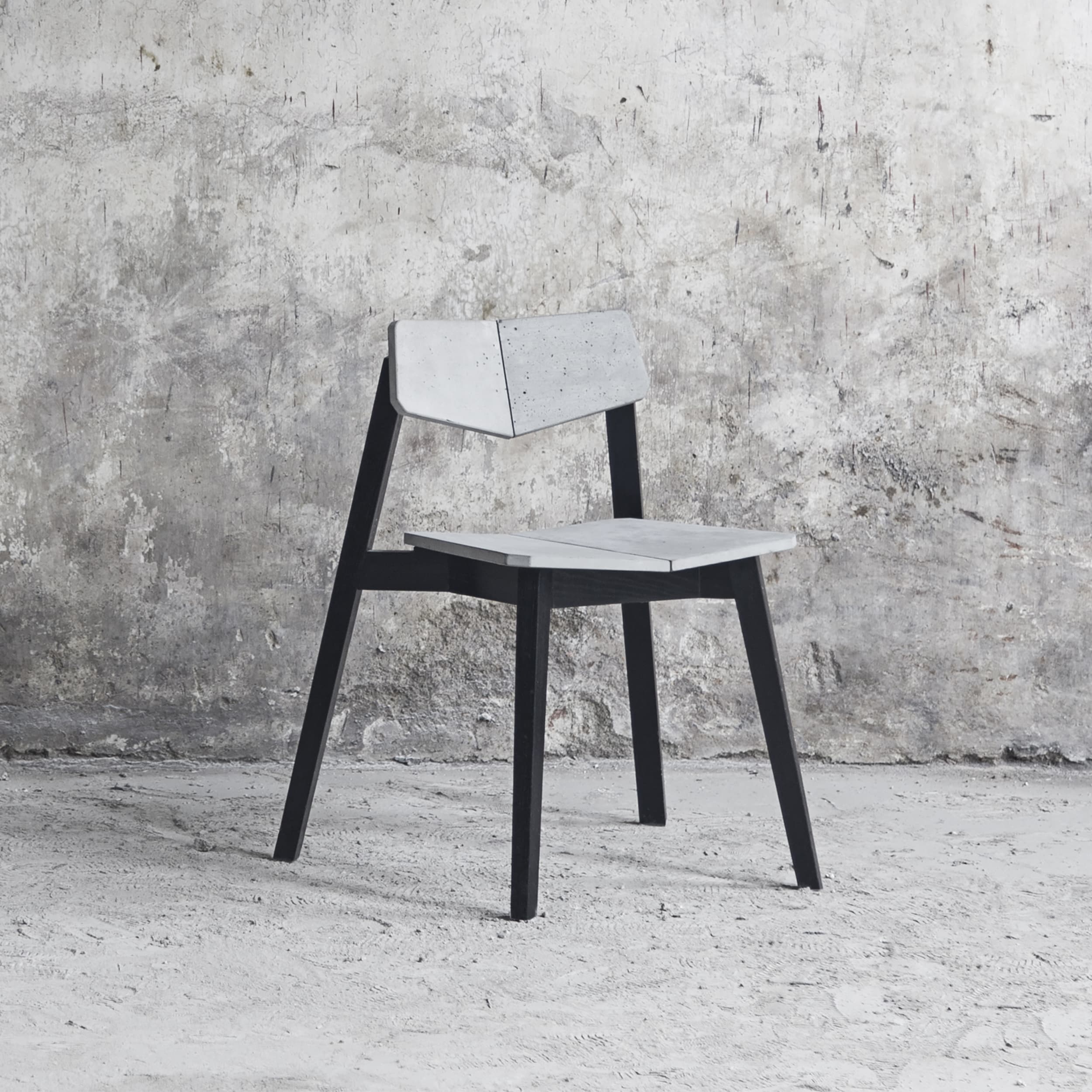
In modern times, concrete has long been confined to a narrow material identity: gray, understated, and utilitarian, tasked solely with support, enclosure, and load-bearing, with little connection to aesthetic expression or light-driven spatial experience. Even in contemporary applications, compositional adjustments remain limited to minor tweaks. The public still perceives concrete as cold, rigid, non-transparent, and lifeless, restricting it exclusively to structural engineering.
Yet amid evolving design thinking and material innovation, concrete has transcended its role as a mere construction material. Boasting exceptional plasticity and process adaptability, it has become a vehicle for conceptual breakthroughs and value regeneration in product design. Modern expectations for materials extend far beyond durability and strength, embracing texture, emotion, narrative, and sustainable value. Concrete's transformation from "the skeleton of architecture" to "everyday functional objects" — from stark engineering jargon to a refined design language — marks both material evolution and a deliberate reawakening of traditional building materials through design practice.
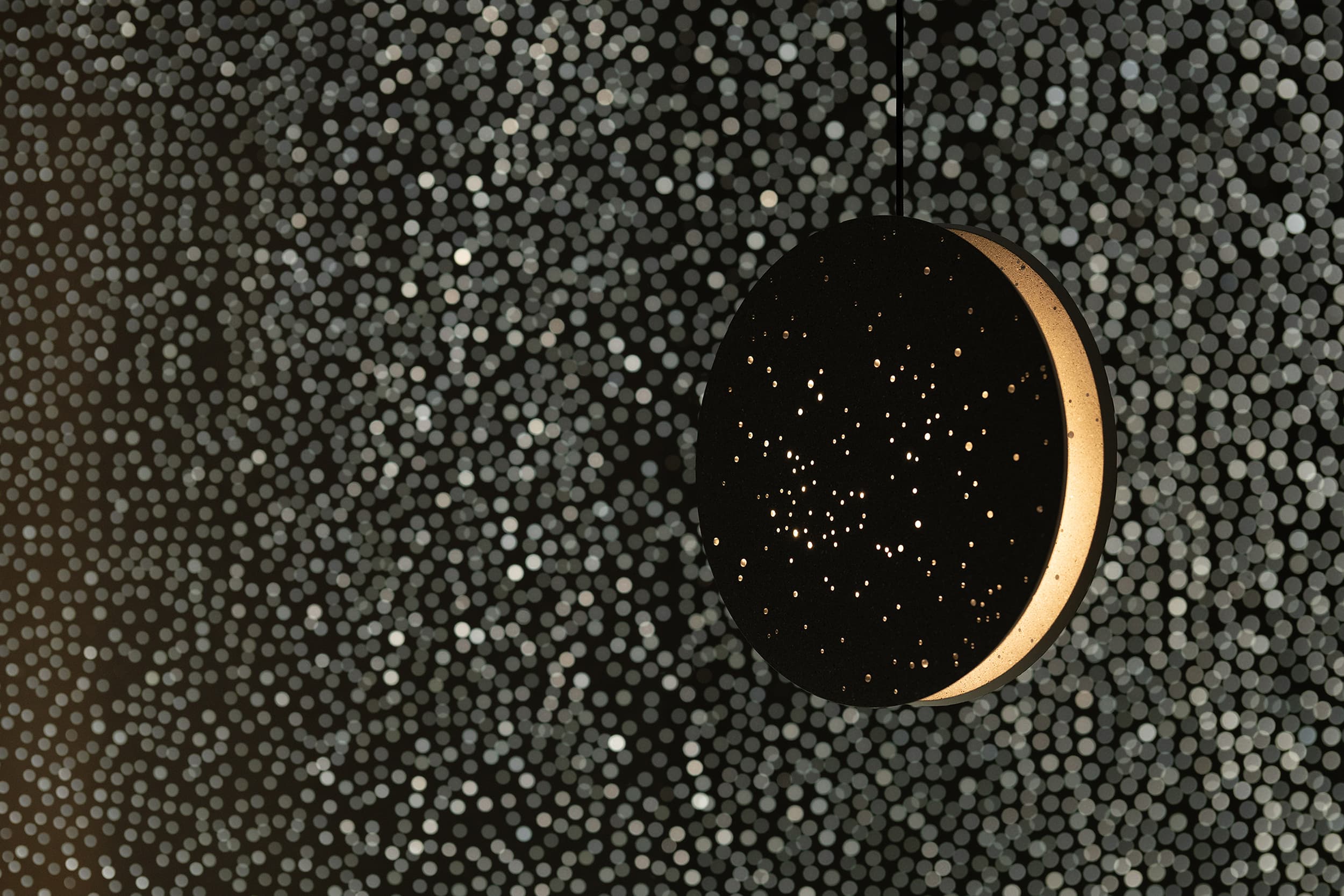
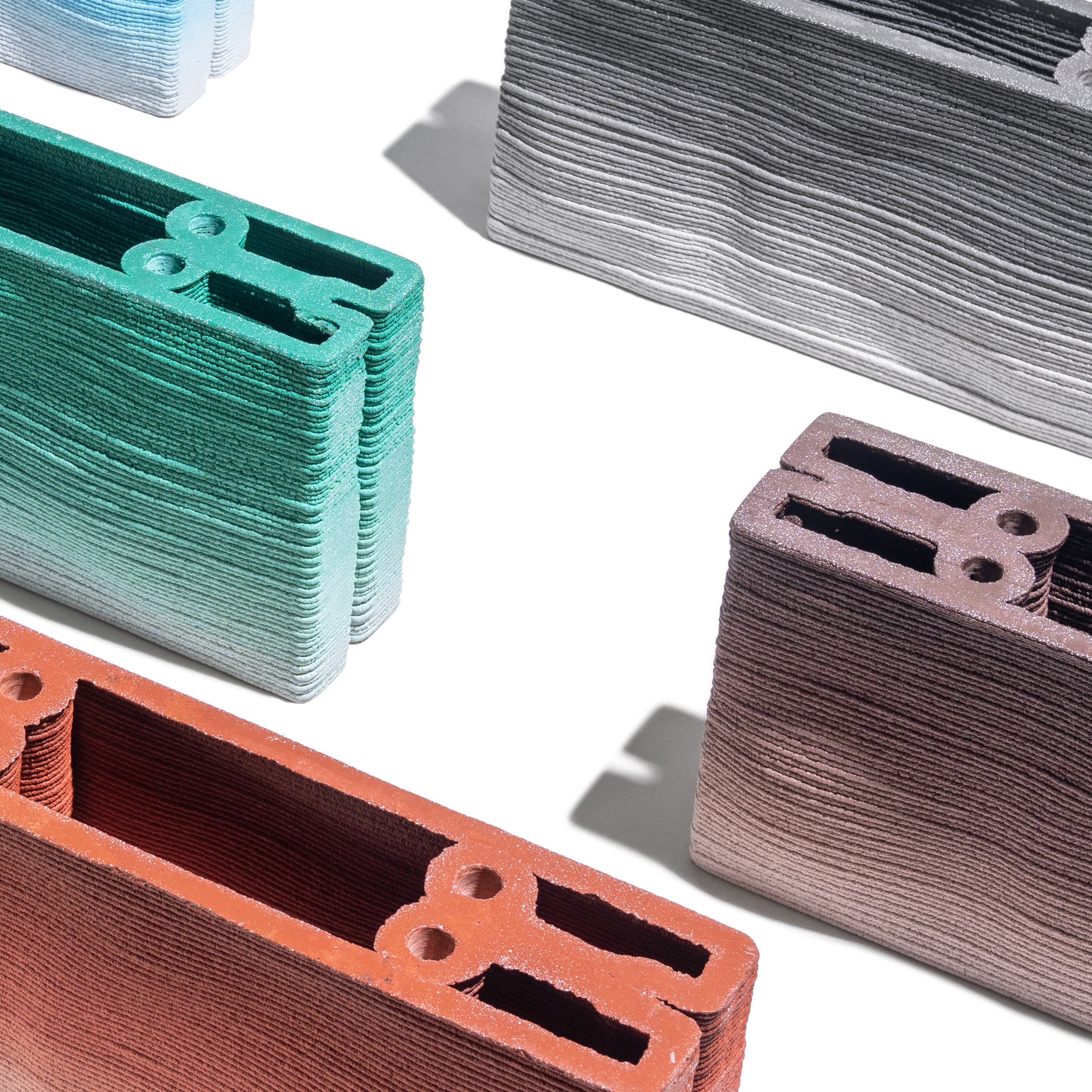
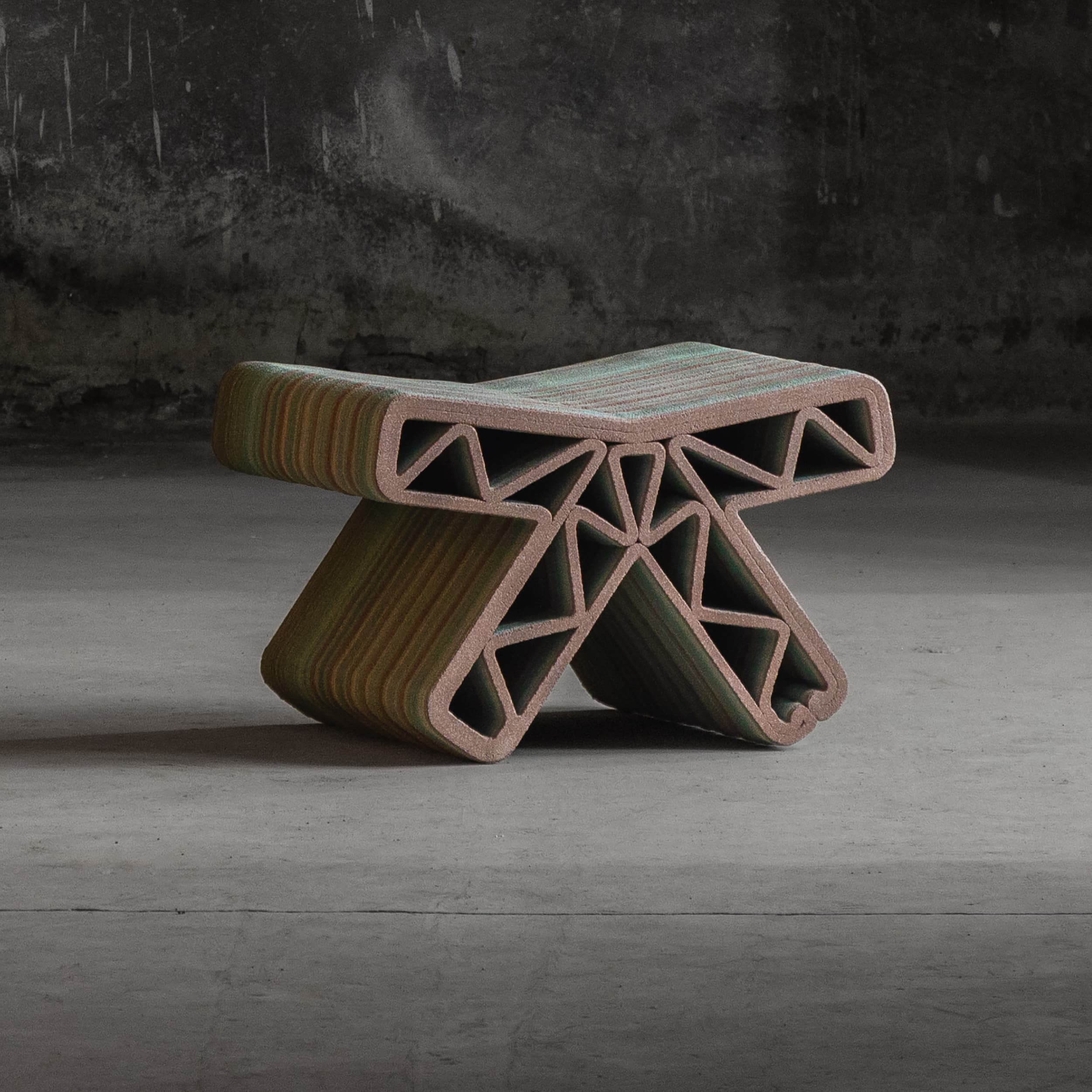
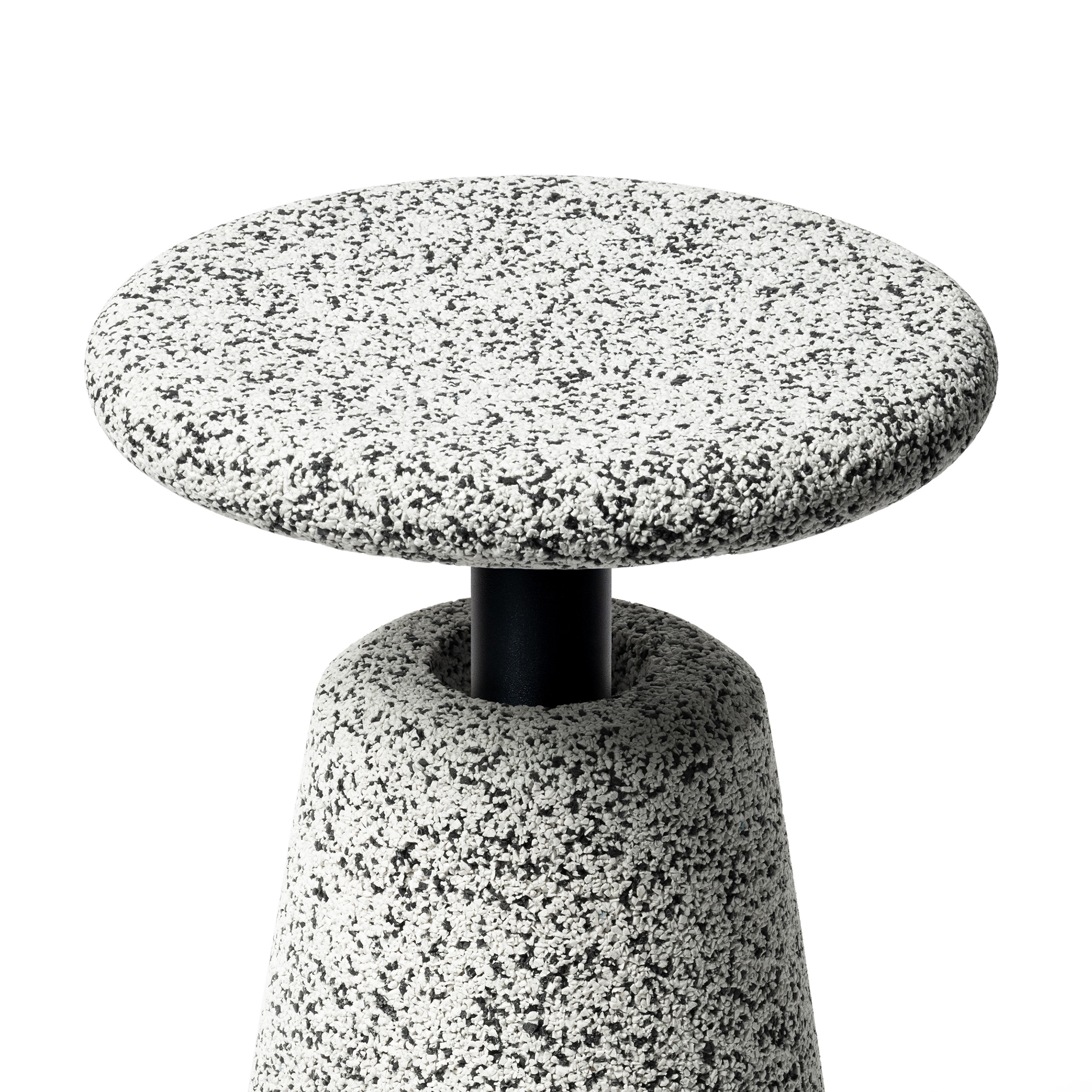
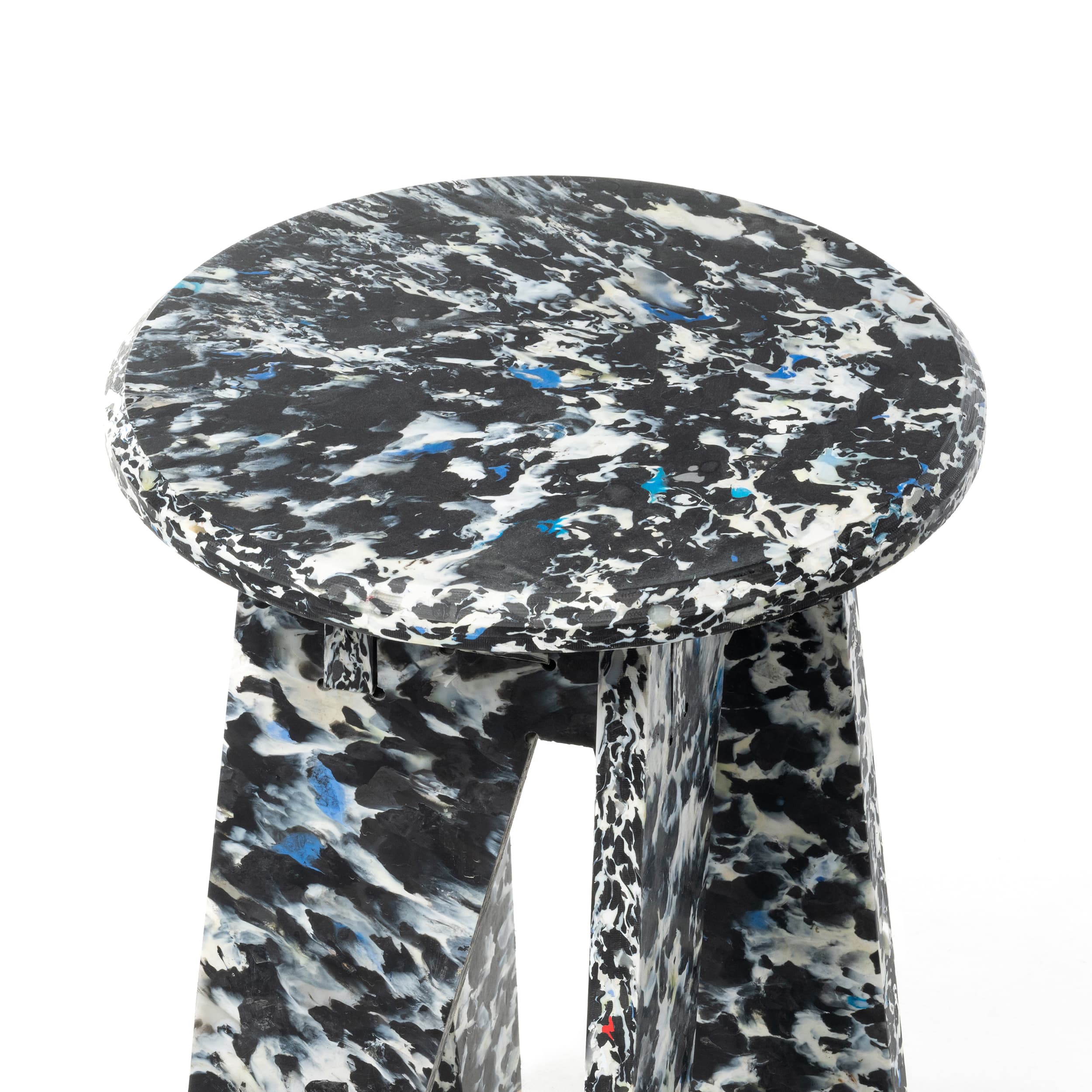
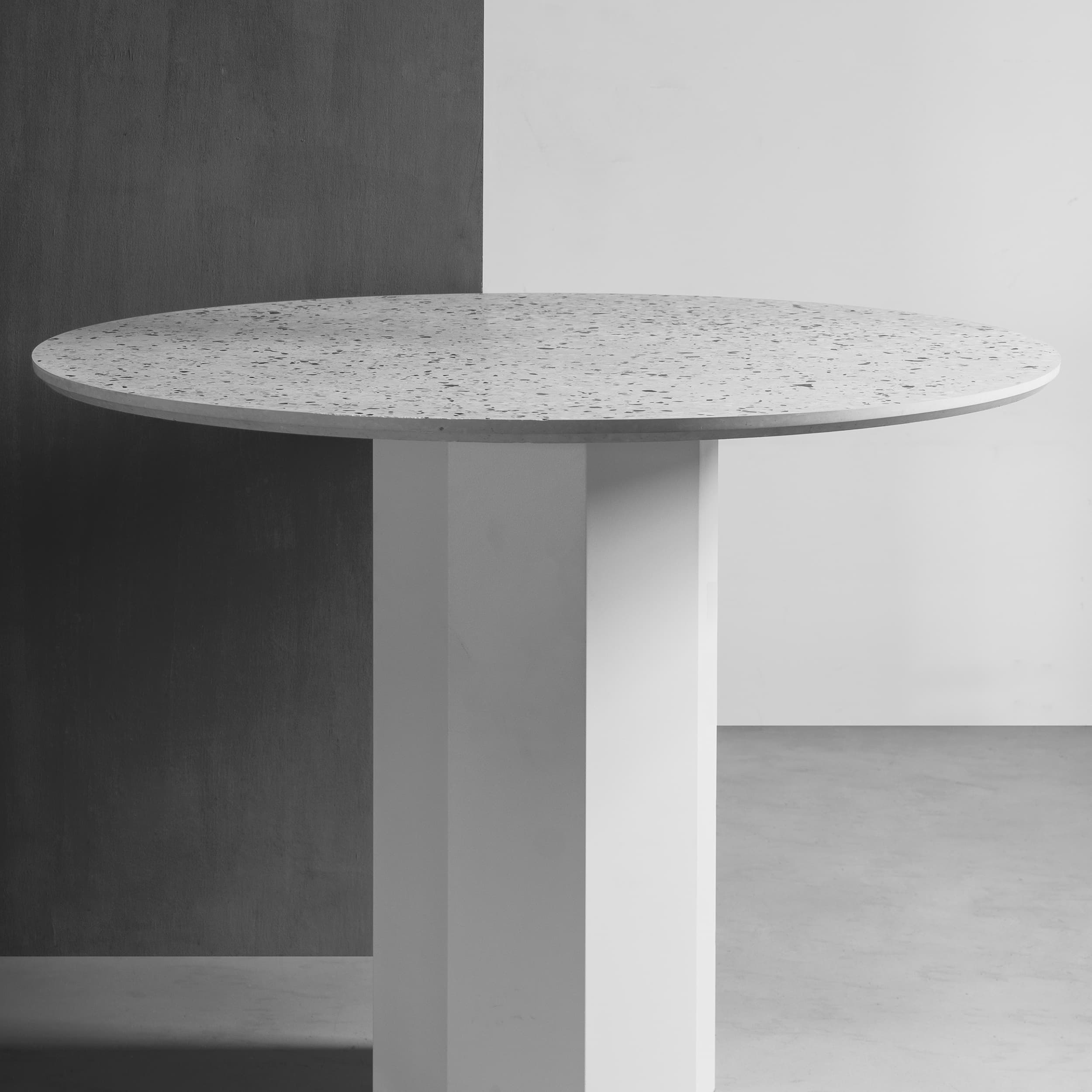
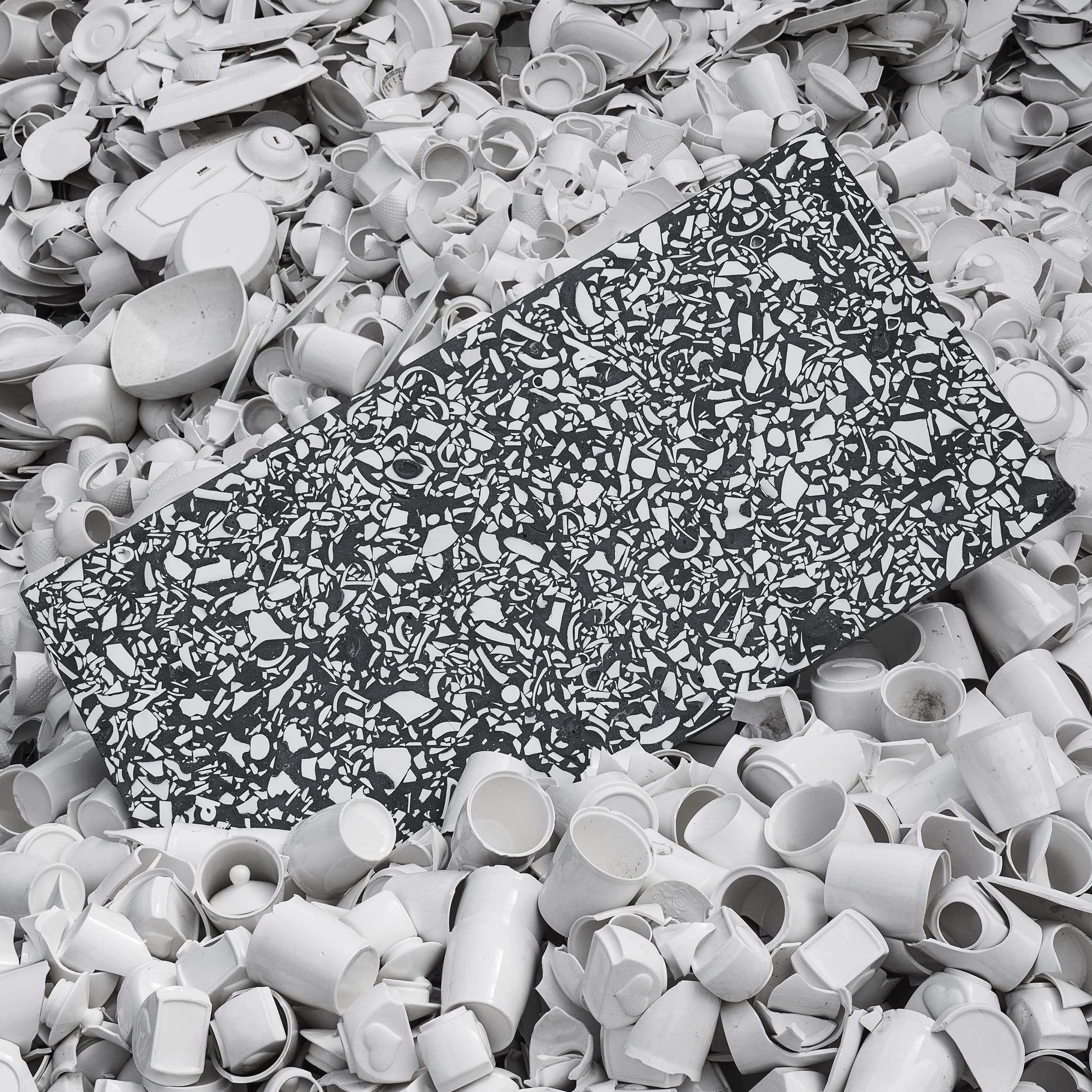
BENTU has consistently re-examined concrete — one of the most humble yet resilient traditional materials — from a critical perspective. We continue to advance research in industrial waste regeneration, cement-based material modification, and precision craftsmanship. Grounded in sustainable design principles, we expand concrete's application from architectural spaces into daily life, elevating it from a purely functional component to an aesthetic medium.
Ongoing technological advancement continues to redefine concrete's potential. Breakthroughs in materials science and manufacturing unlock unprecedented performance and expressive possibilities for this age-old building material. Innovations in composite modified materials have breathed new vitality into concrete, with translucent concrete standing out as one of the most remarkable explorations in this field. Rather than subverting concrete's essence, translucent concrete awakens and completes it: retaining concrete's solid tactile quality while infusing it with luminous poetry, reconciling mass and transparency, rigidity and softness, rusticity and refinement.
Translucent concrete is no spontaneous experiment, but decades of technical research and commercial refinement brought to fruition. As early as 1935, Canadian Bernard Long patented the concept of semi-transparent concrete. In the 1990s, architect Bill Price conducted prototype development and strength testing for the technology, paving the way for its later commercialization.
Hungarian architect Áron Losonczi turned translucent concrete from theoretical concept into practical reality. In 2001, he invented the world's first commercially viable translucent concrete, Litracon Classic®, and established a company for mass production in 2004. That same year, Time magazine recognized it as one of "the world's most important inventions." Short for Light Transmitting Concrete, LiTraCon redefined concrete's visual potential and technical boundaries through structured optical fiber integration, offering a pivotal benchmark for global material innovation.
In 2010, the Italian Pavilion at the Shanghai World Expo pioneered large-scale facade application of translucent concrete. By alternating translucent and standard modules, it delivered natural daylight by day and a gentle ambient glow by night, marking a milestone for the material's integration into landmark architecture. Major projects including the Italian Embassy in Bangkok later adopted translucent concrete, progressively validating its structural reliability and aesthetic merit.
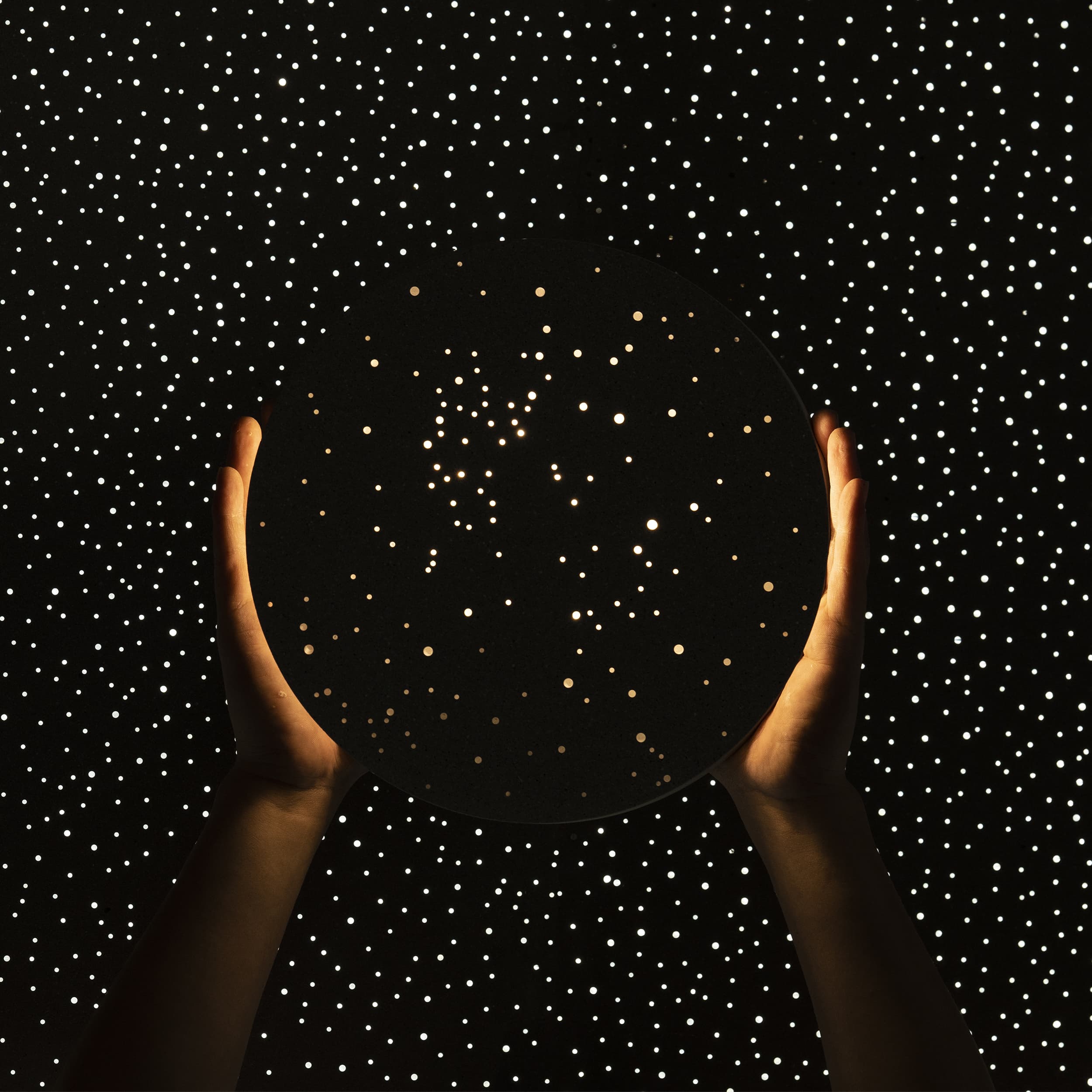
Technically, translucent concrete consists of a fine-grained concrete matrix embedded with optical glass fibers. Countless optical fibers are laid in a uniform matrix, running parallel through the entire block at a typical proportion of about 4%. Leveraging the physical light-conducting properties of the fibers, light penetrates the concrete seamlessly, transmitting shadow contours and color information with minimal attenuation.
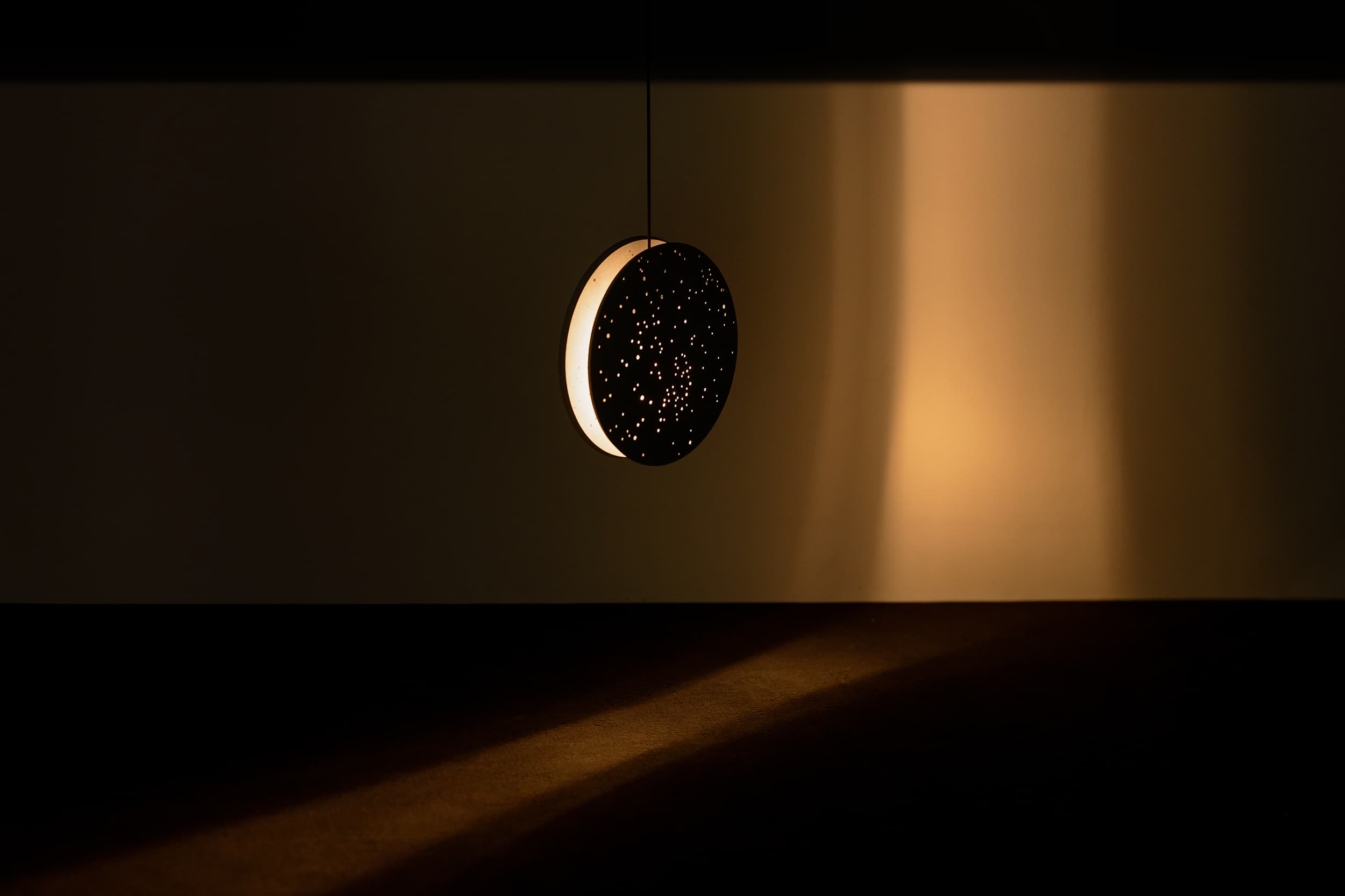
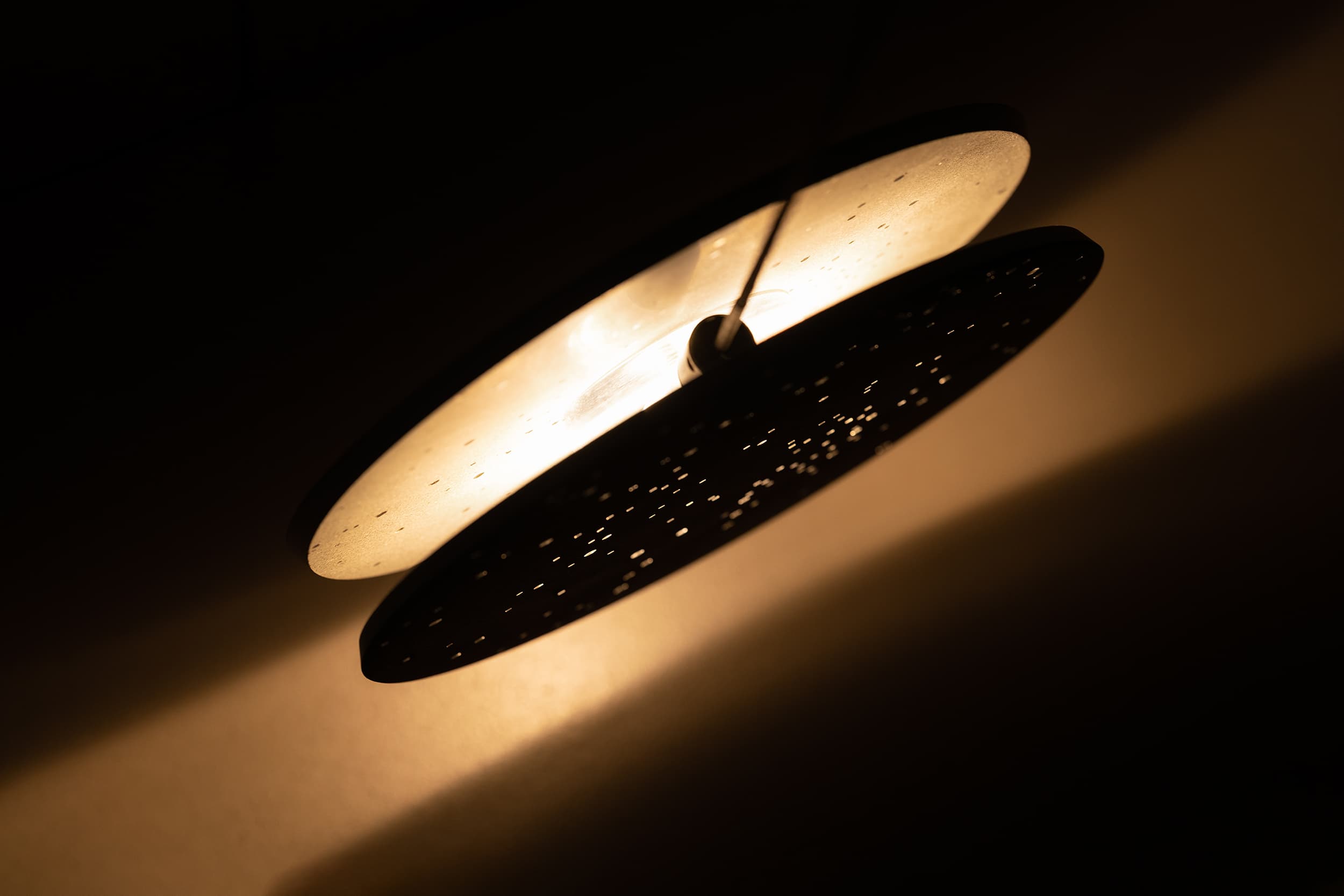
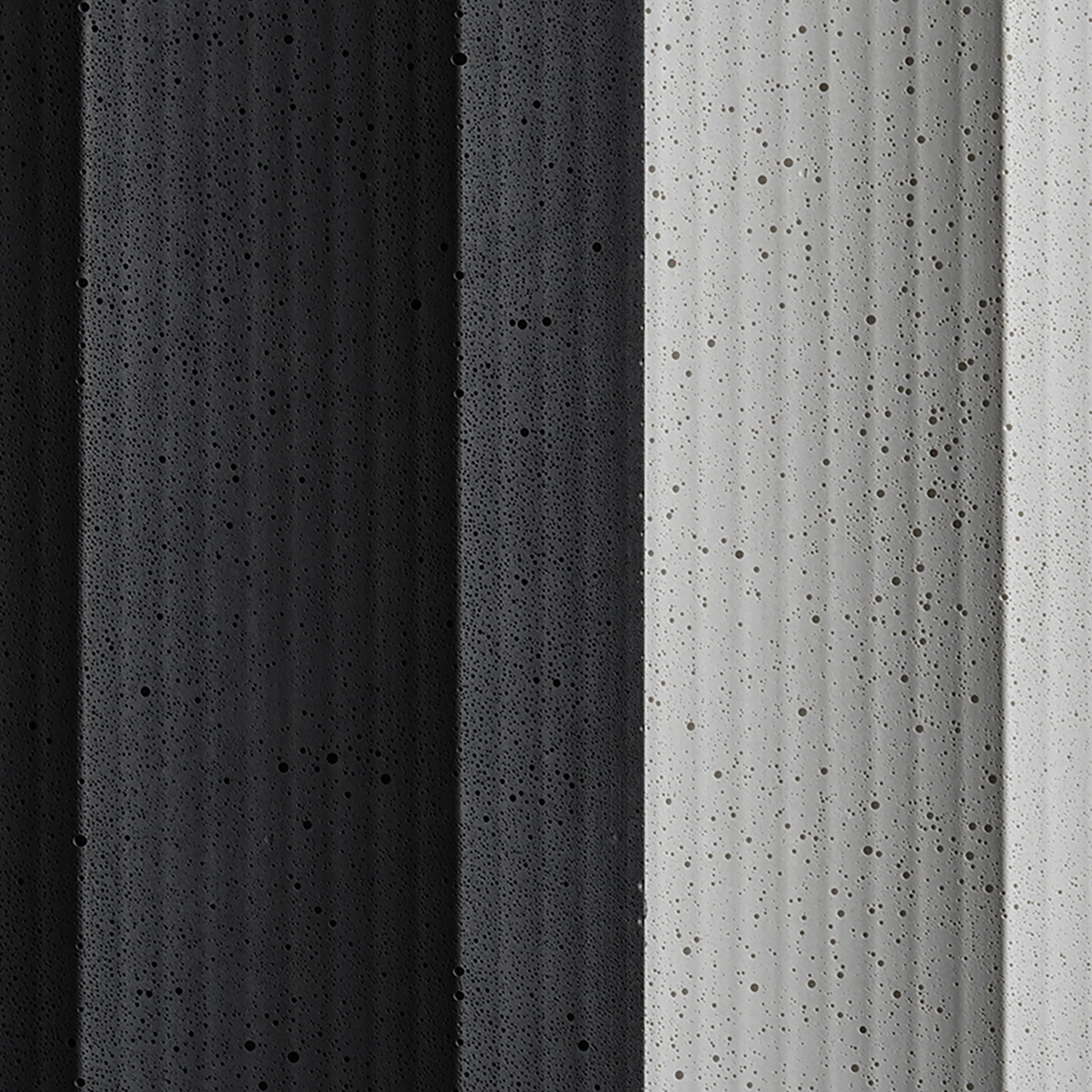
As fine as concrete's fine aggregate, the fibers disperse evenly within the base matrix and become an inherent structural component rather than a superficial additive. Two materials merge to form a fully integrated composite with consistent internal structure and uniform surface texture, preserving concrete's integrity while ensuring stable light transmission. Visually, it retains the muted gray calm of monolithic concrete, yet holds luminous transparency within, striking a perfect balance between solid texture and flowing light. This fundamentally dismantles the century-old bias that concrete is opaque and lifeless.
As a prefabricated composite material, translucent concrete delivers notable engineering and practical benefits: lighter than conventional concrete, it reduces dead load, accelerates assembly, and cuts transportation and installation costs. Fiber-guided directional lighting introduces natural daylight while safeguarding privacy, drastically lowering artificial lighting consumption. Certain modified formulations also provide thermal insulation, resisting extreme ambient temperatures across diverse climates to achieve a unique quality: enclosed yet unconfined, luminous yet non-transparent.
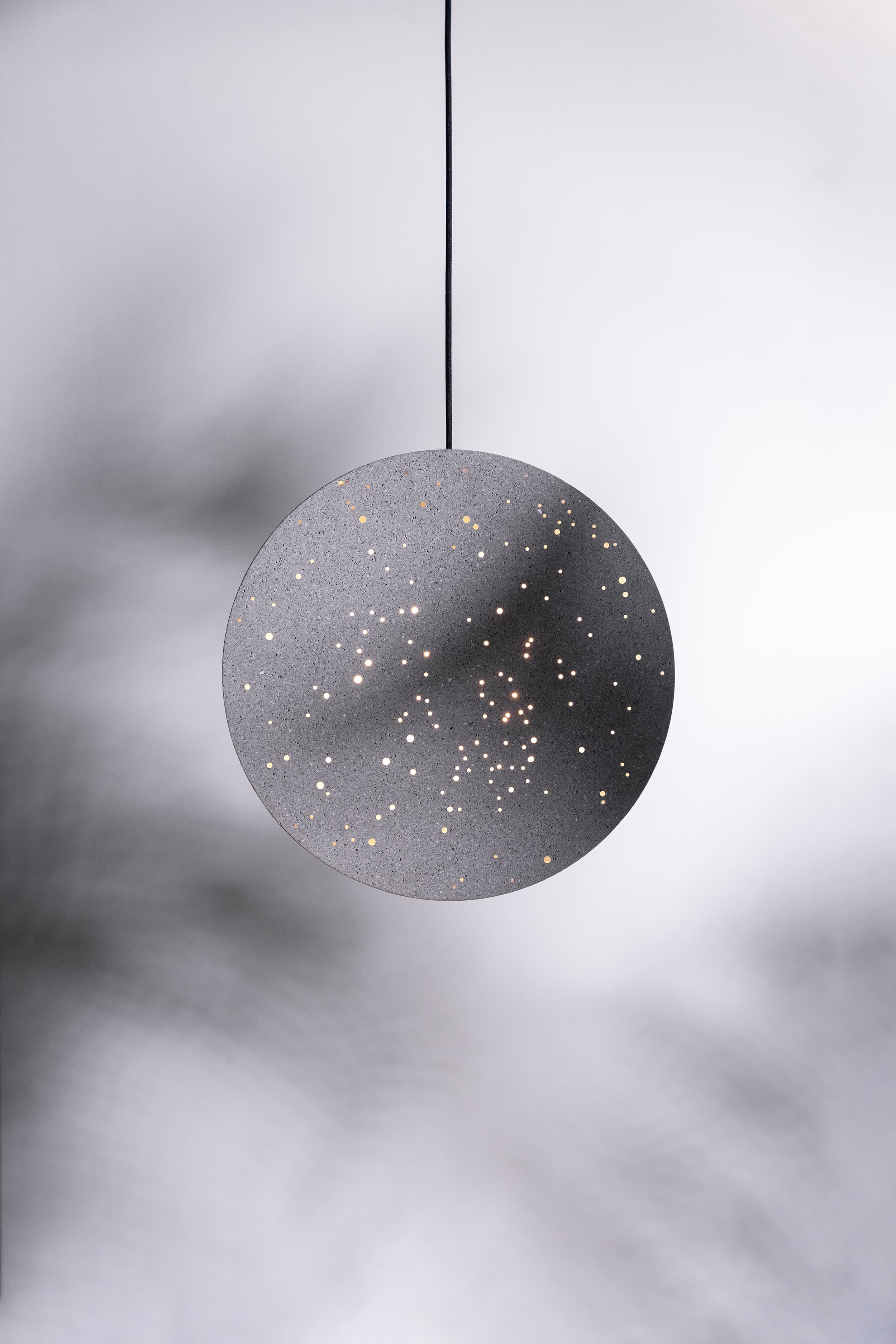
BENTU's experimental data demonstrates that incorporating glass rods or fibers at a volume ratio of approximately 3%, evenly spaced at 1.5 cm intervals, increases test block compressive strength by 5%–10% at 7 days and 10%–15% at 28 days. This maintains mechanical performance comparable to standard concrete without compromising light transmission. Higher fiber ratios boost translucency but gradually reduce compressive strength, making balanced formulation critical to reconciling performance and aesthetic effect.
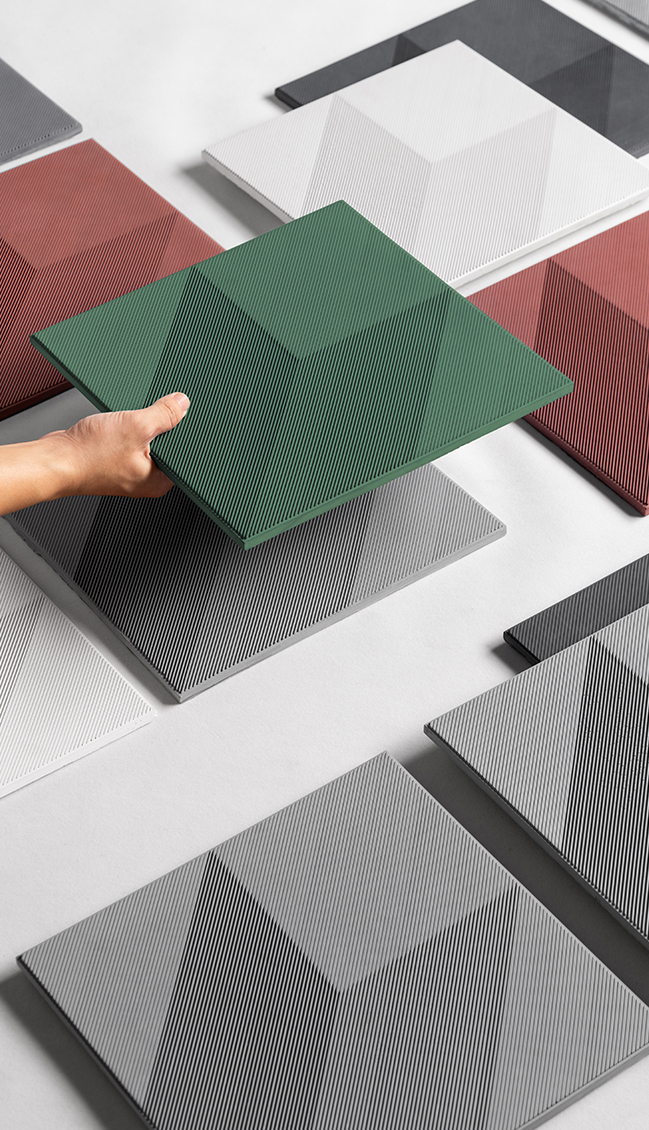
Commercial optical fibers currently range from 2 microns to 2 millimeters in diameter. Adjustments to fiber density, spacing, and orientation produce varied luminous effects — dotted glow, grid patterns, contour illumination, and even custom graphic projection — granting exceptional design flexibility.
Despite technological maturity and a growing number of project cases, translucent concrete remains severely underutilized. Industry applications are largely confined to outdoor cladding, landscape facades, interior partitions, and commercial wall systems — limited to superficial decorative use focused on visual impact, with little meaningful engagement with daily life.
This texture-rich, warm, and narrative-driven composite remains vastly untapped in home product design, the sphere most closely tied to everyday experience. Long restricted to architectural facades, it has yet to enter people's daily lives or connect meaningfully with end users. A material's warmth reveals itself only through routine interaction, and translucent concrete's most evocative light and texture shine brightest through close, frequent contact.
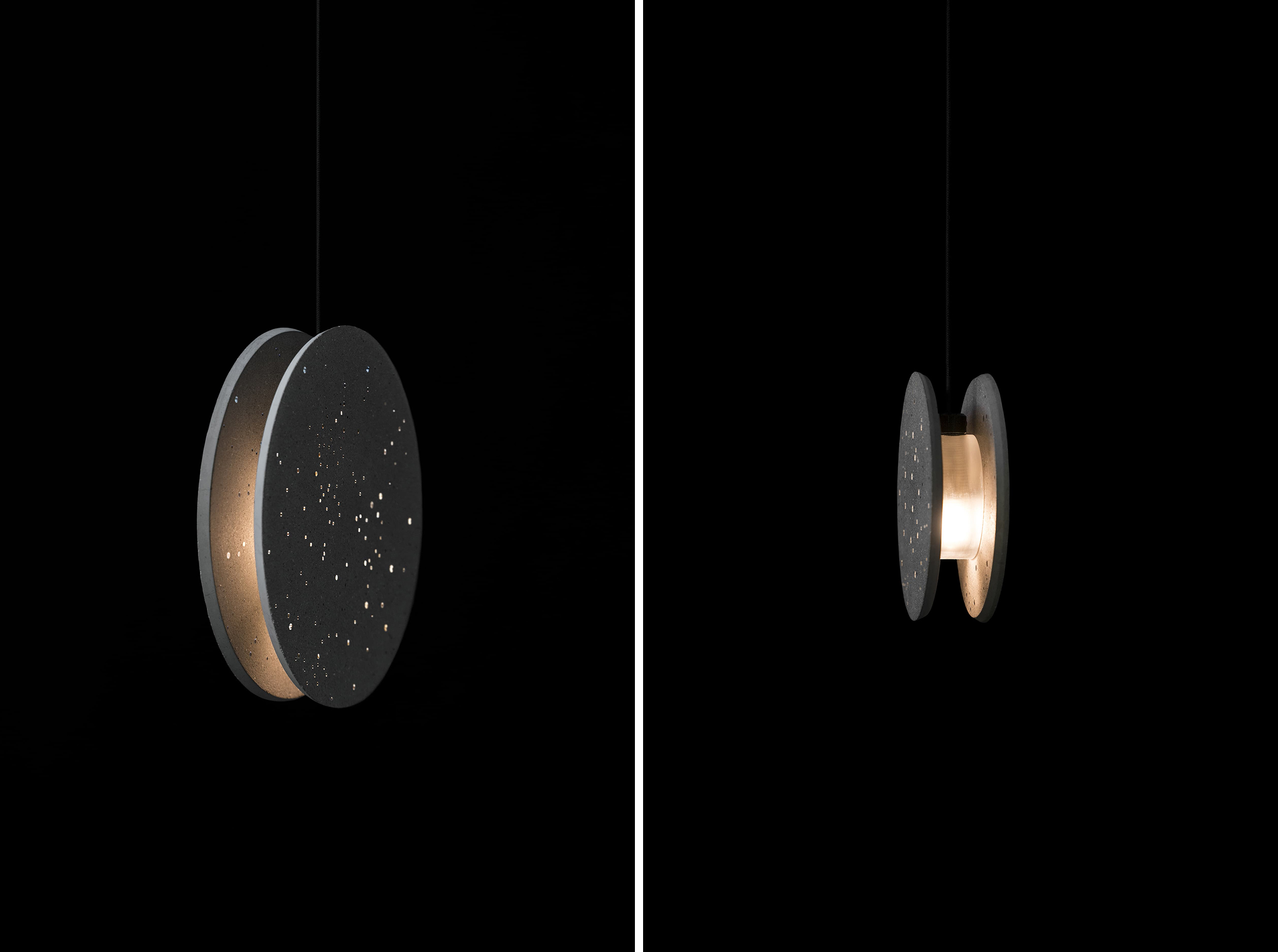
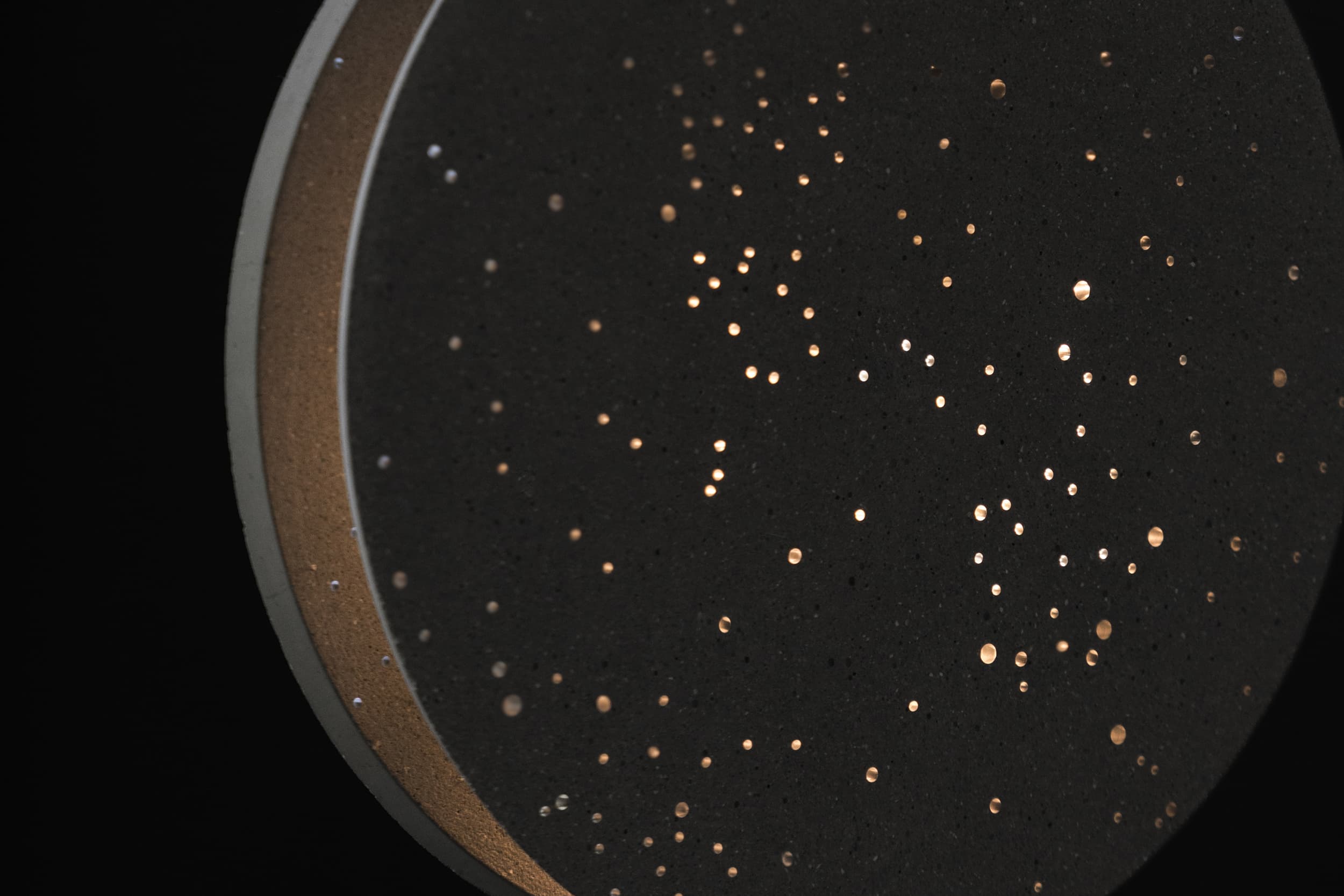
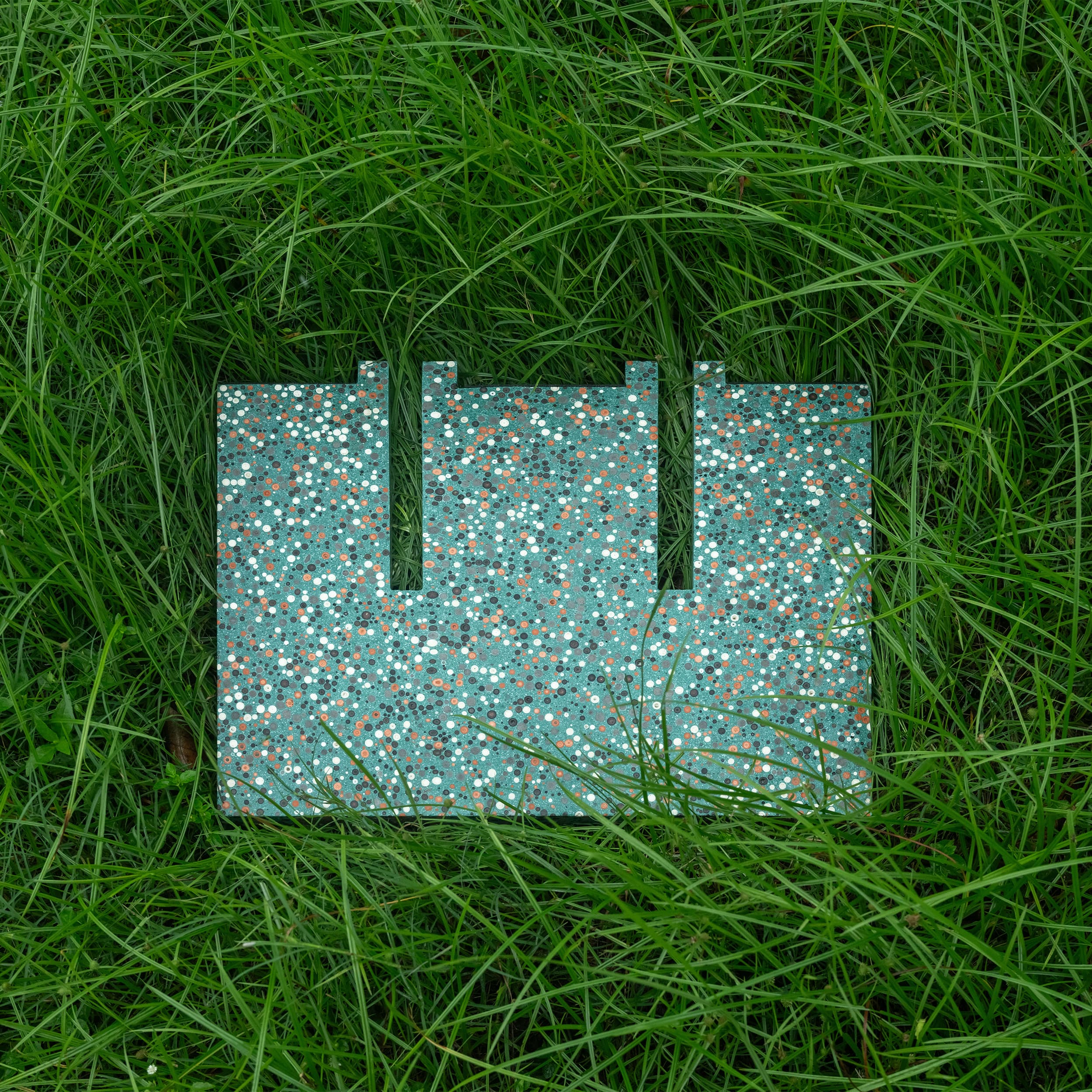
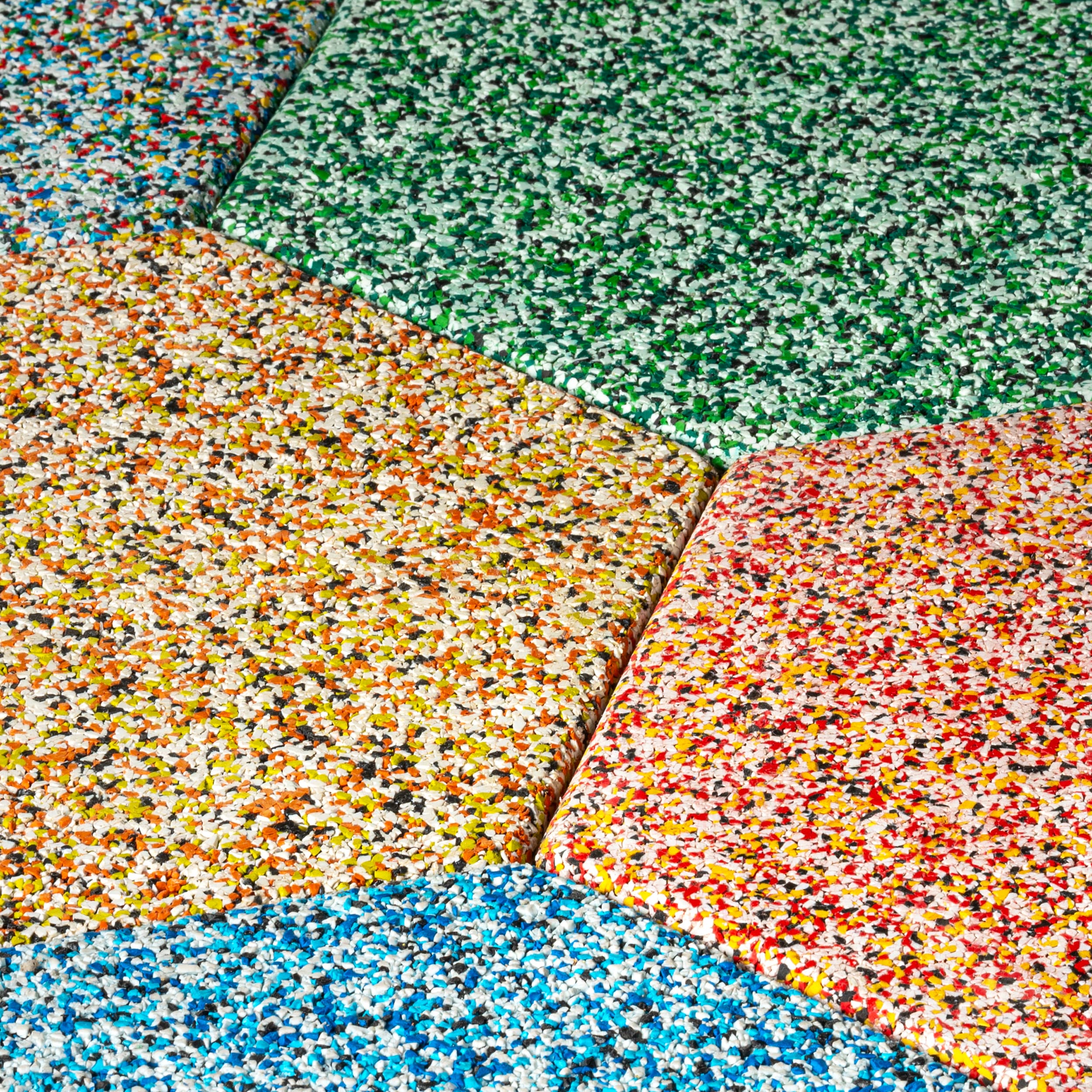
For years, BENTU has dedicated itself to waste residue regeneration and cement-based material development, steadfastly pursuing sustainable design practices. Our team explores industrial and domestic waste residues, developing cement-based composite solutions to maximize solid waste aggregate utilization and reduce raw resource consumption. We rigorously refine production workflows through repeated trials of formulation, casting, texture control, and performance tuning, accumulating robust practical expertise to support cross-sector material applications.
We firmly believe that exceptional materials belong not only to monumental architecture but also to everyday objects; they should serve not just visual appeal, but lived experience. Introducing translucent concrete's unique material properties and craft logic into home product design for innovative reinvention embodies BENTU's longstanding experimental spirit.
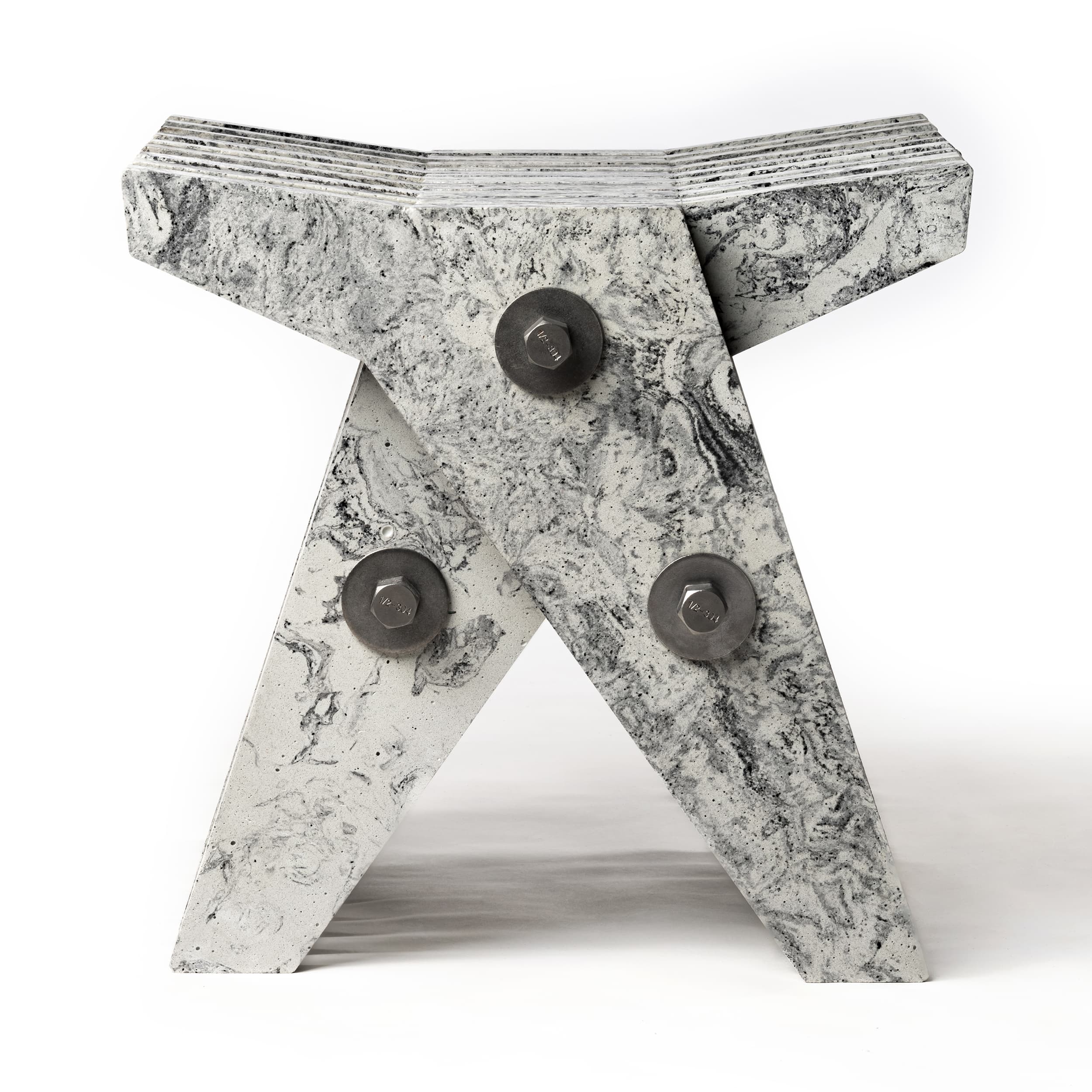
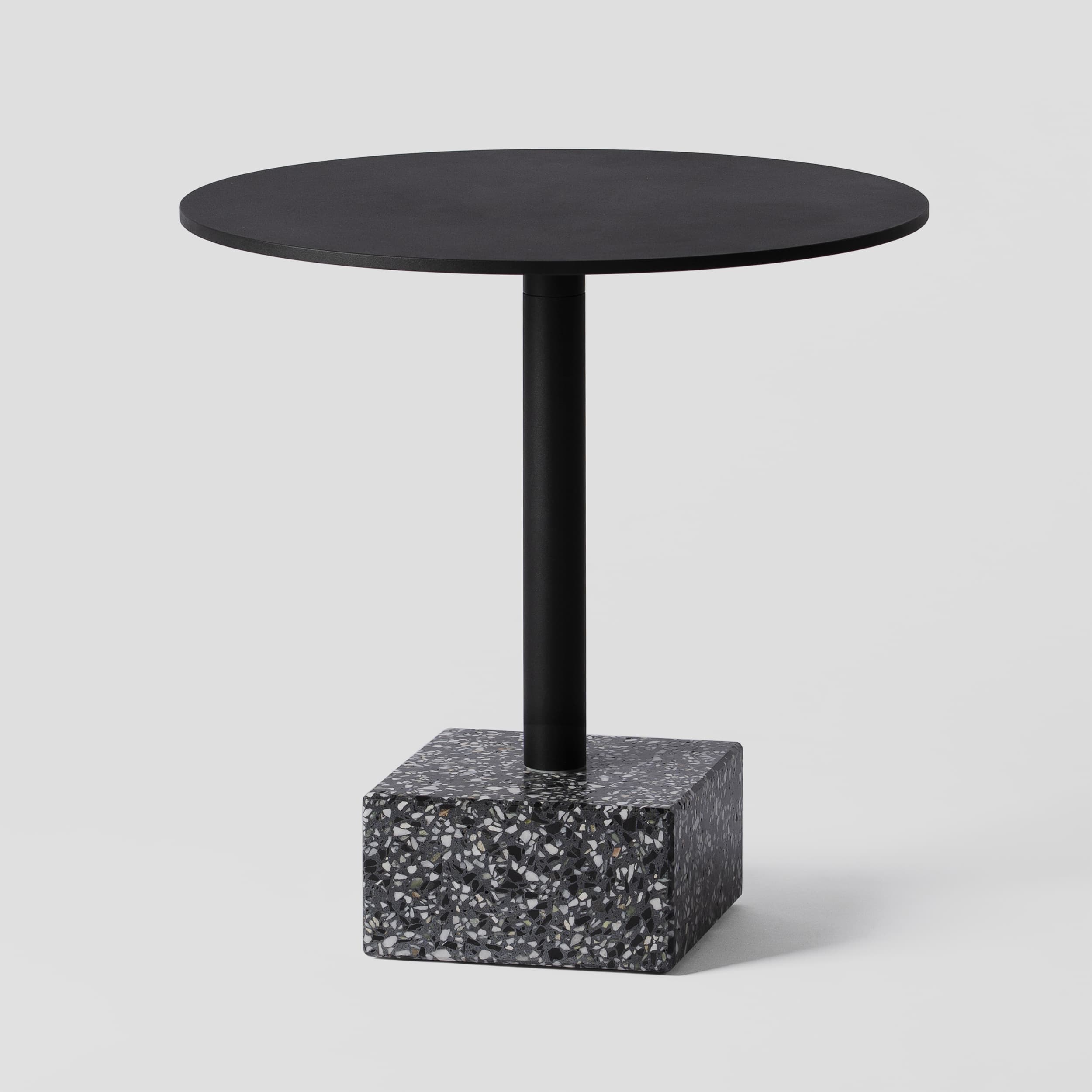
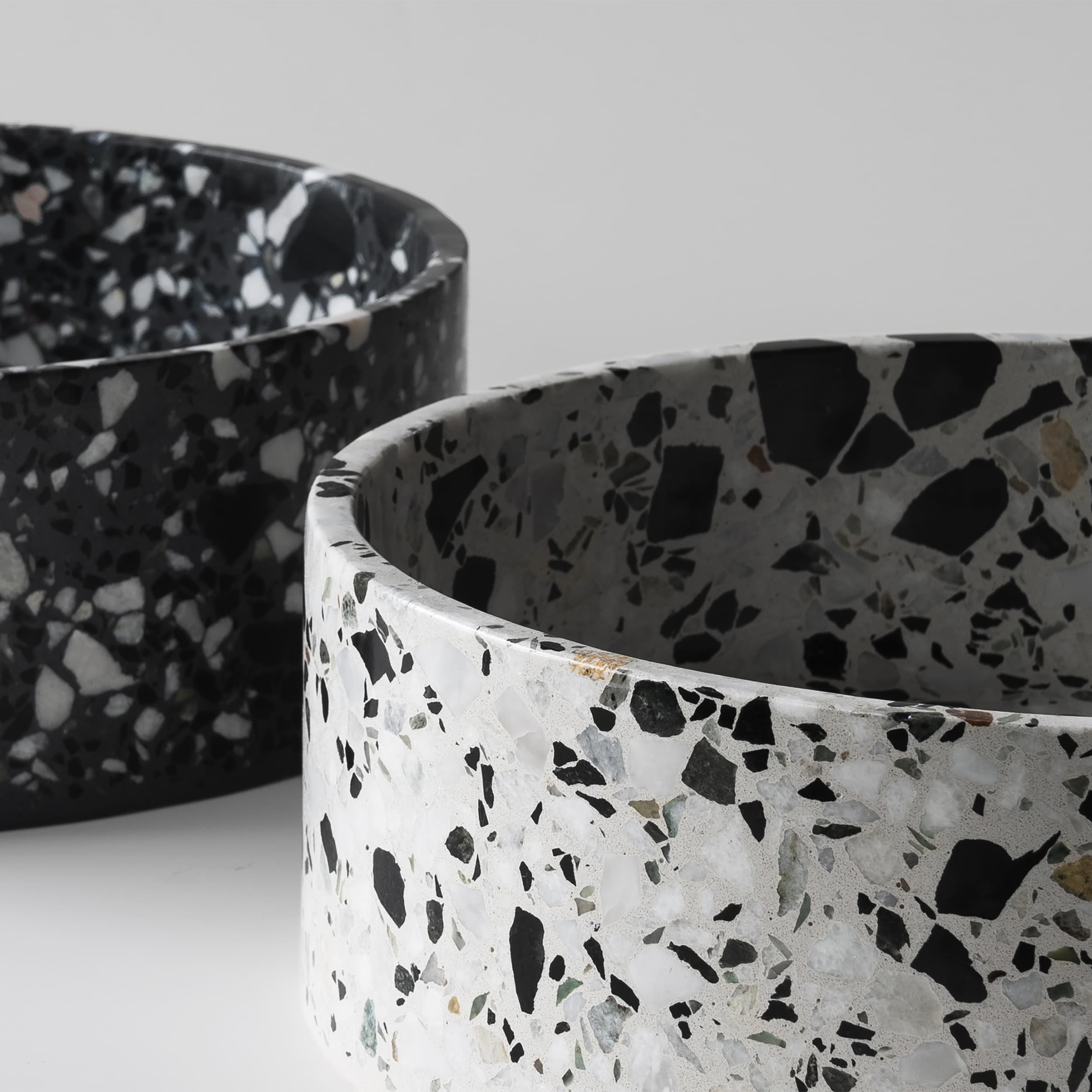
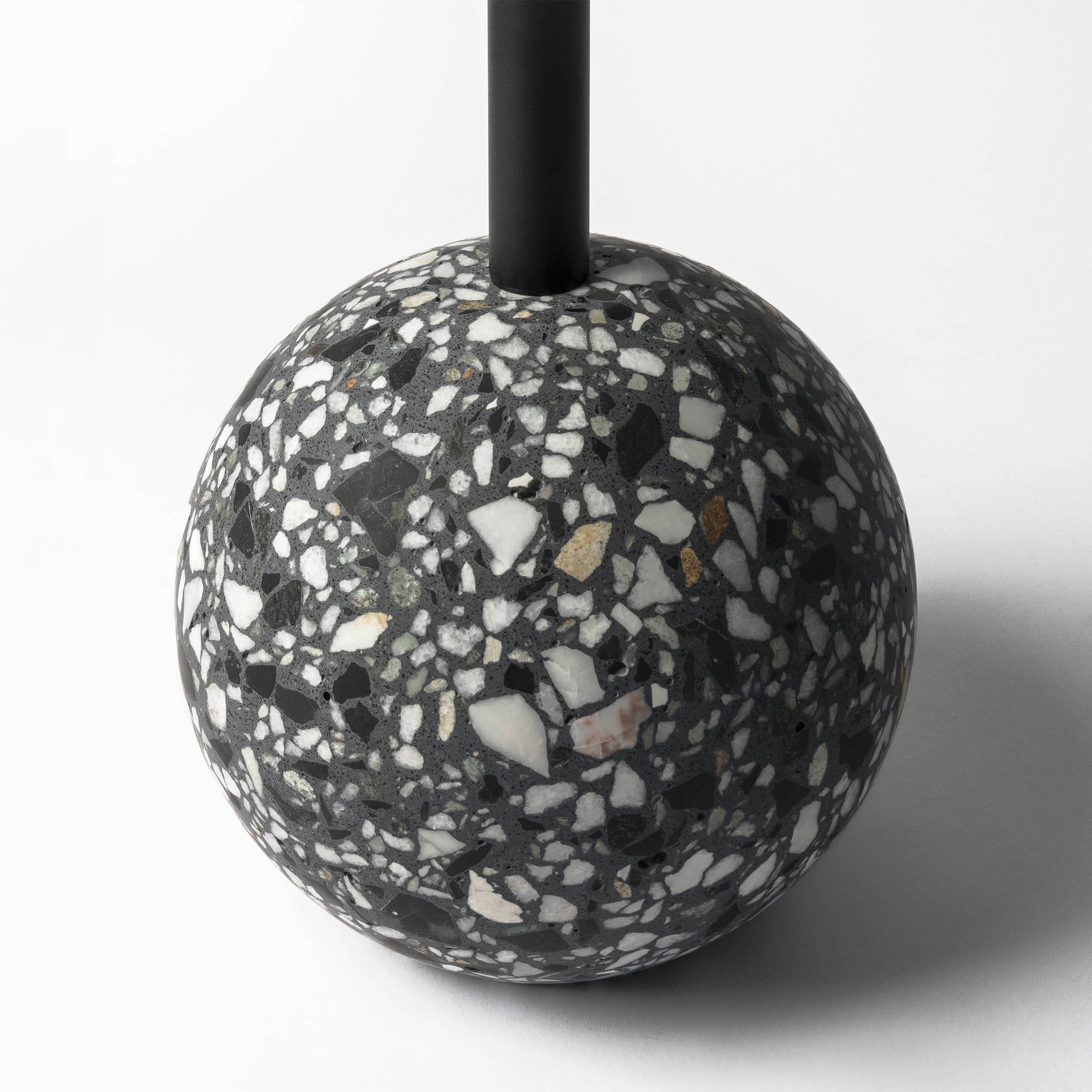
Through continuous material testing and process iteration, we explore ways to integrate translucent concrete into household wares: optimizing matrix fluidity and fineness to meet the small-scale, high-precision molding requirements of home goods; tuning fiber density and direction to produce softer, more restrained, and more atmospheric light effects; refining surface finishes to retain concrete's raw tactile character while enhancing smoothness and warmth for daily contact and use.
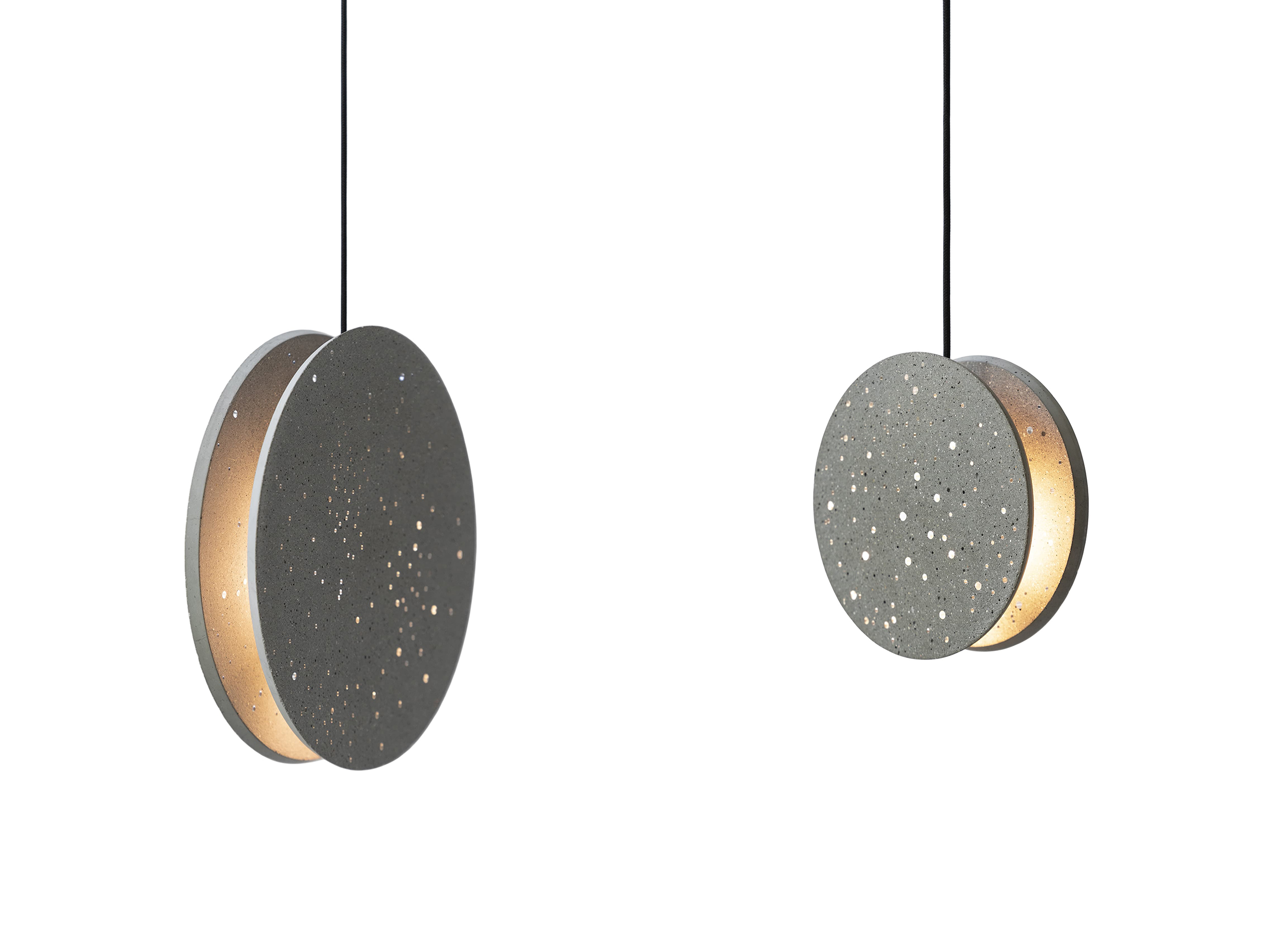
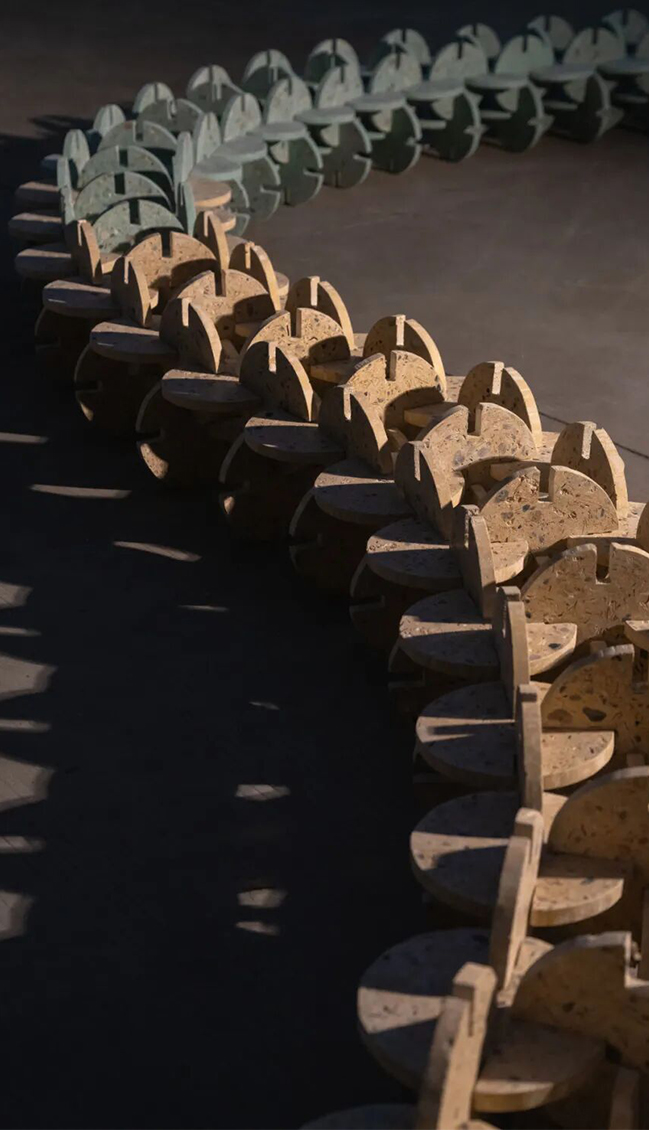
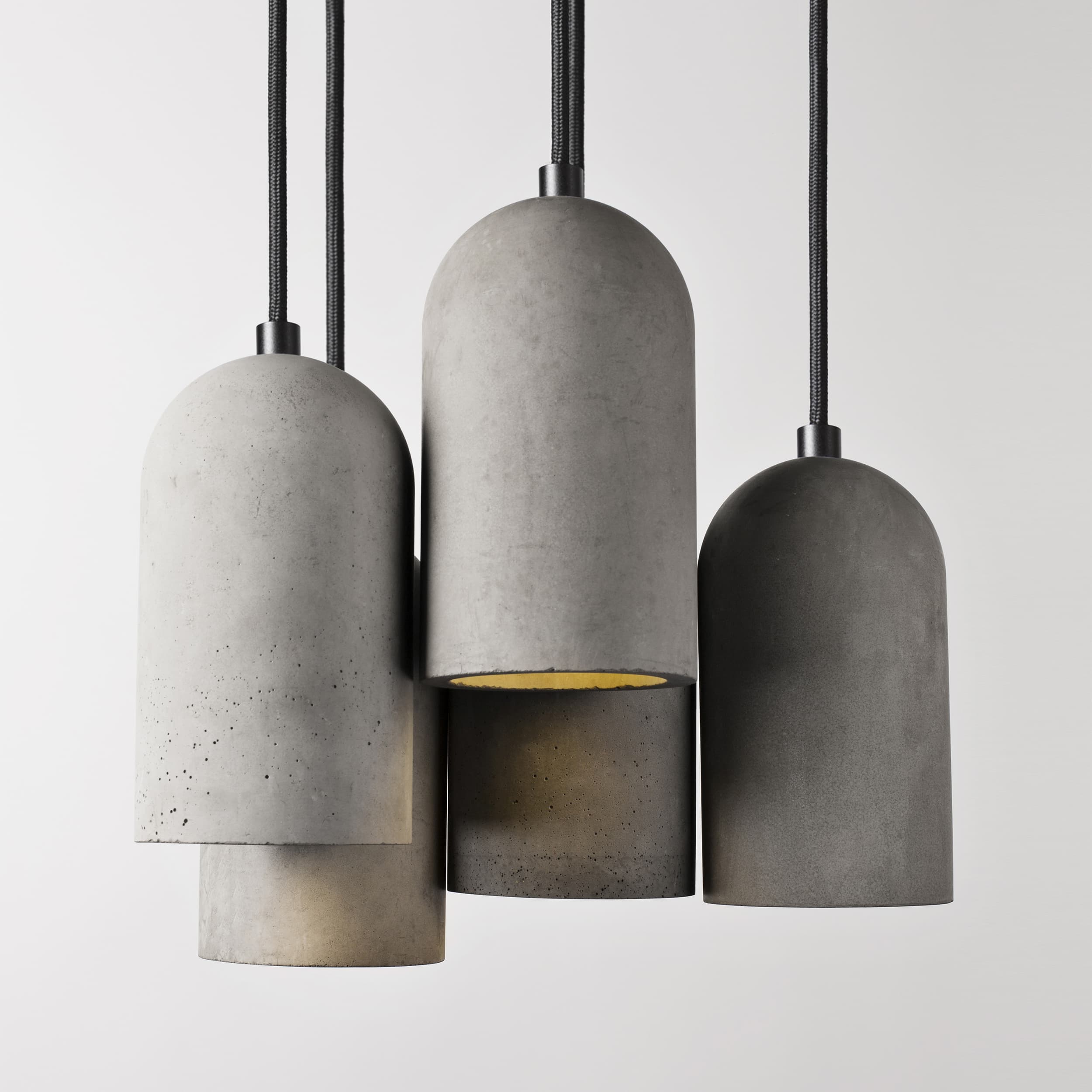
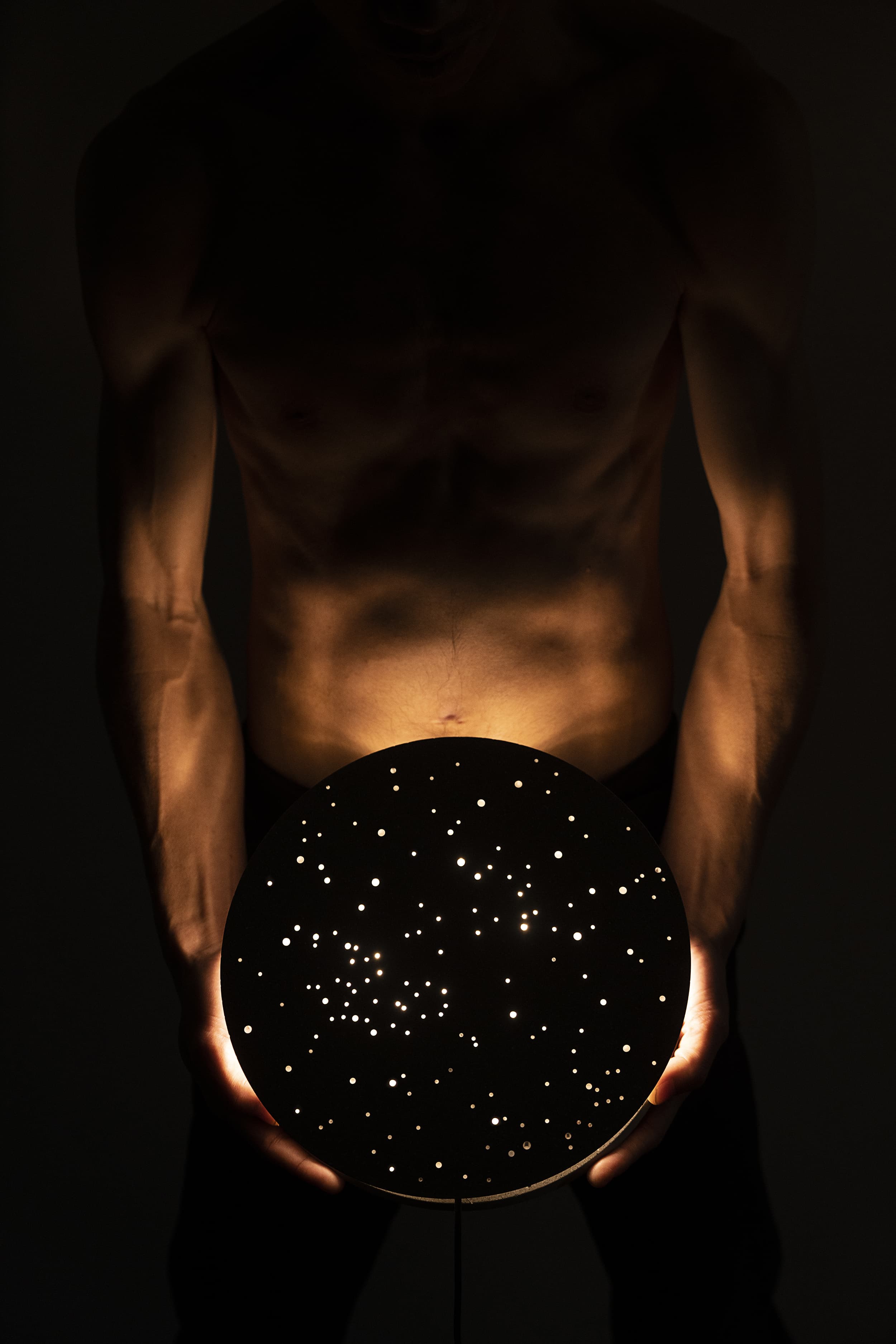
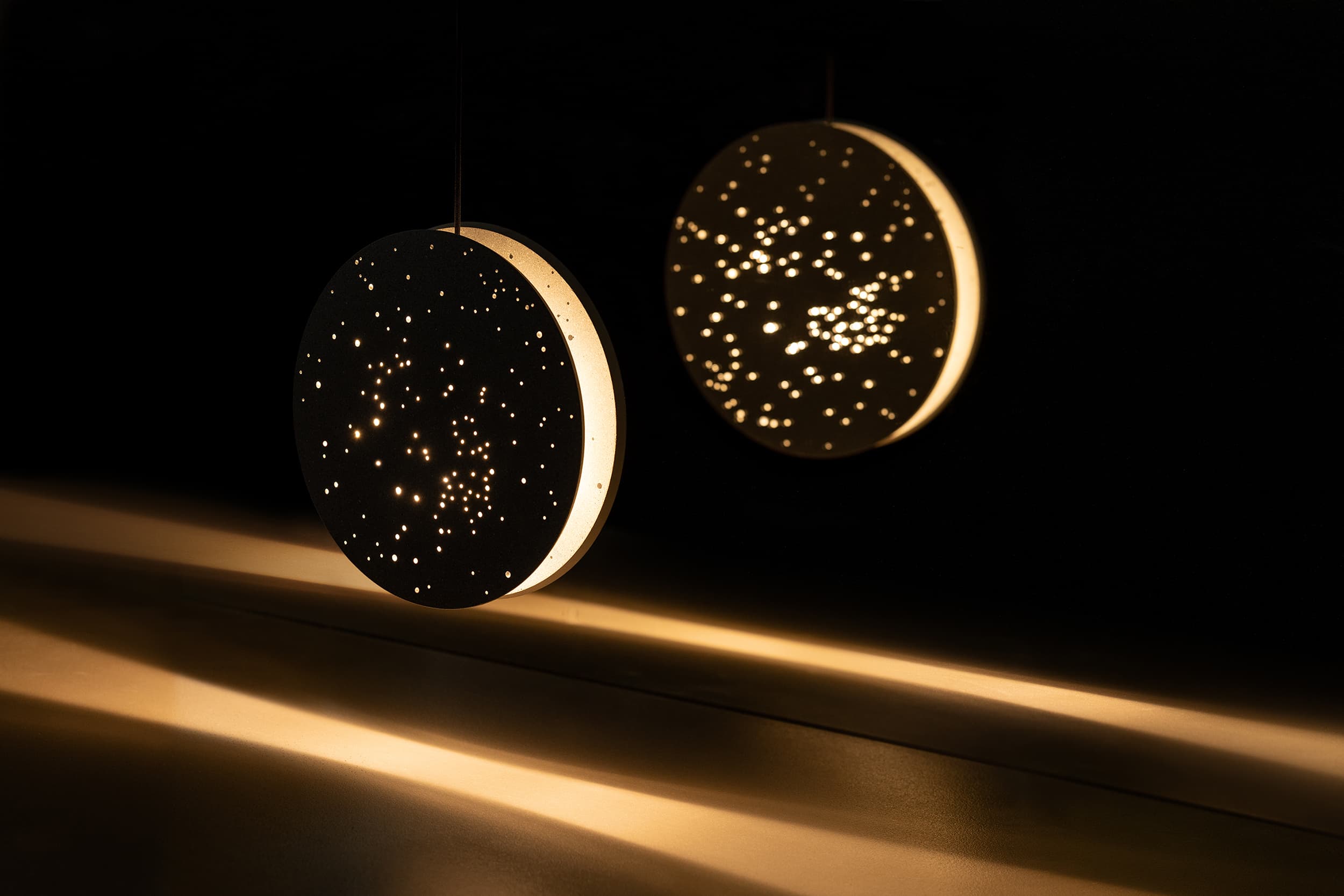
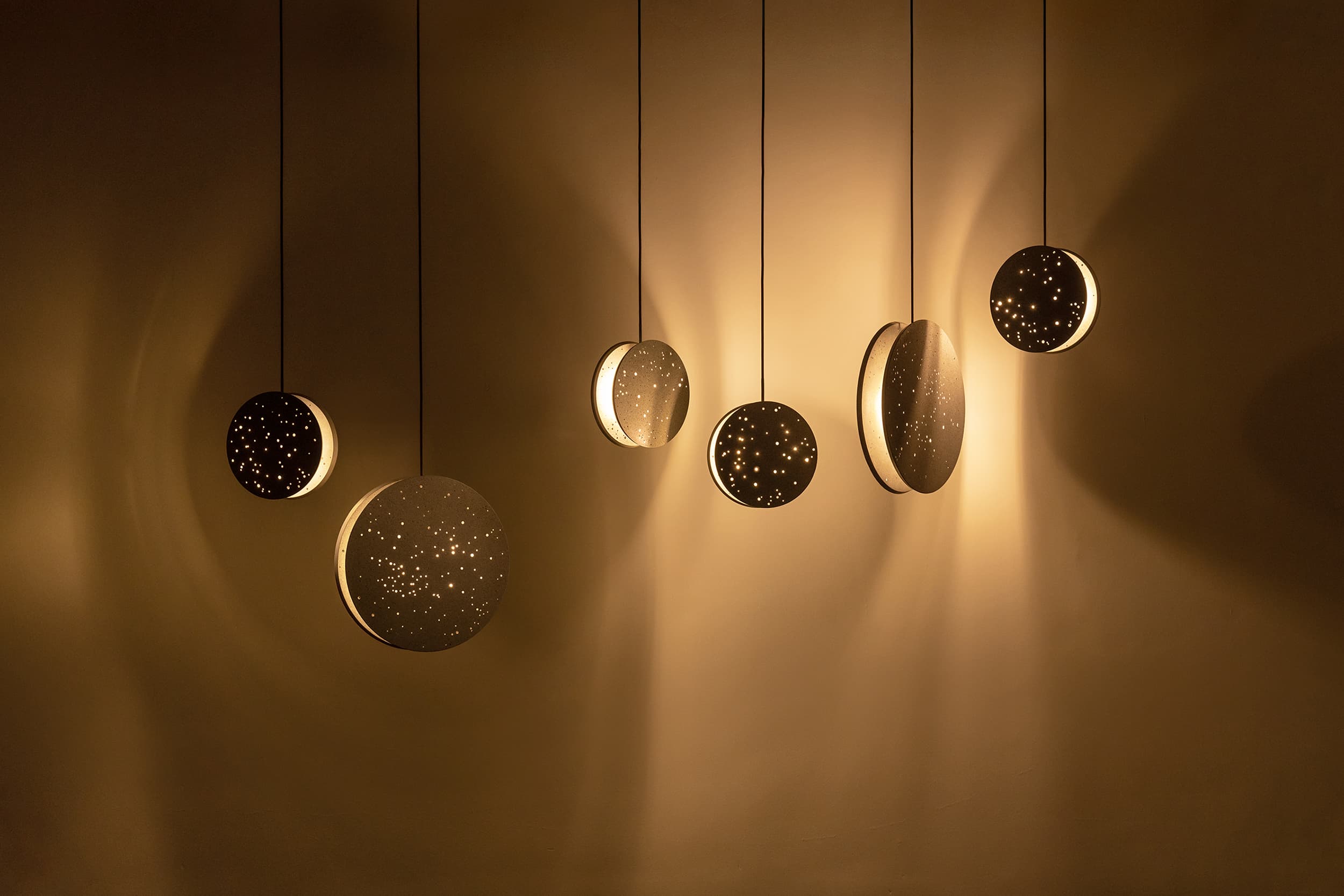
Drawing on its distinctive light-conducting mechanism and luminous qualities, we reimagine the form and temperament of ordinary objects through evocative, imaginative design. Lamps evolve from simple light sources into luminous sculptures; decorative pieces transform from static ornaments into light-responsive dynamic installations. Household products gain material depth and emotional resonance beyond practical function, expanding the boundaries of design possibility.
Shifting translucent concrete from monumental architectural contexts to everyday product design represents a reinterpretation and redefinition of the material's character. Textures once concealed within building facades are condensed into intimate household forms, experienced up close by users. With the light off, it embodies concrete's quiet simplicity — understated, composed, warm, and grounded. With the light on, a gentle glow emanates through the embedded fibers, like flowing stars or a soft, rhythmic breath, uniting the substantial weight of stone with the fluid tenderness of light and shadow.
This dramatic contrast and narrative quality delivers rare emotional value to residential design. Meanwhile, translucent concrete redefines its own identity through this cross-disciplinary shift: no longer merely architectural cladding, it becomes a mass-producible, everyday material. It breaks long-held public misconceptions about concrete, freeing its design language, expressive potential, and application scenarios to embrace a more accessible, life-centered direction.
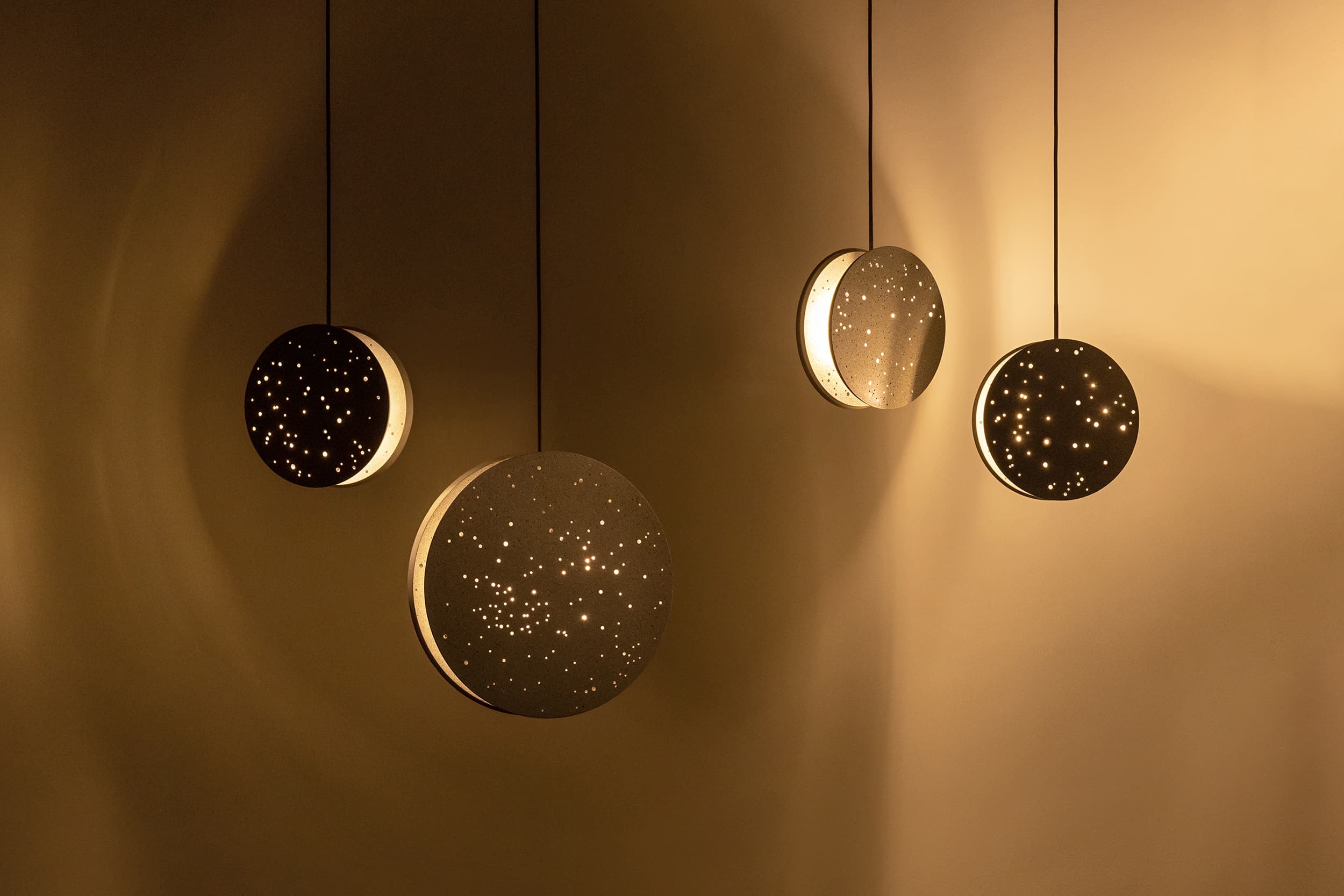
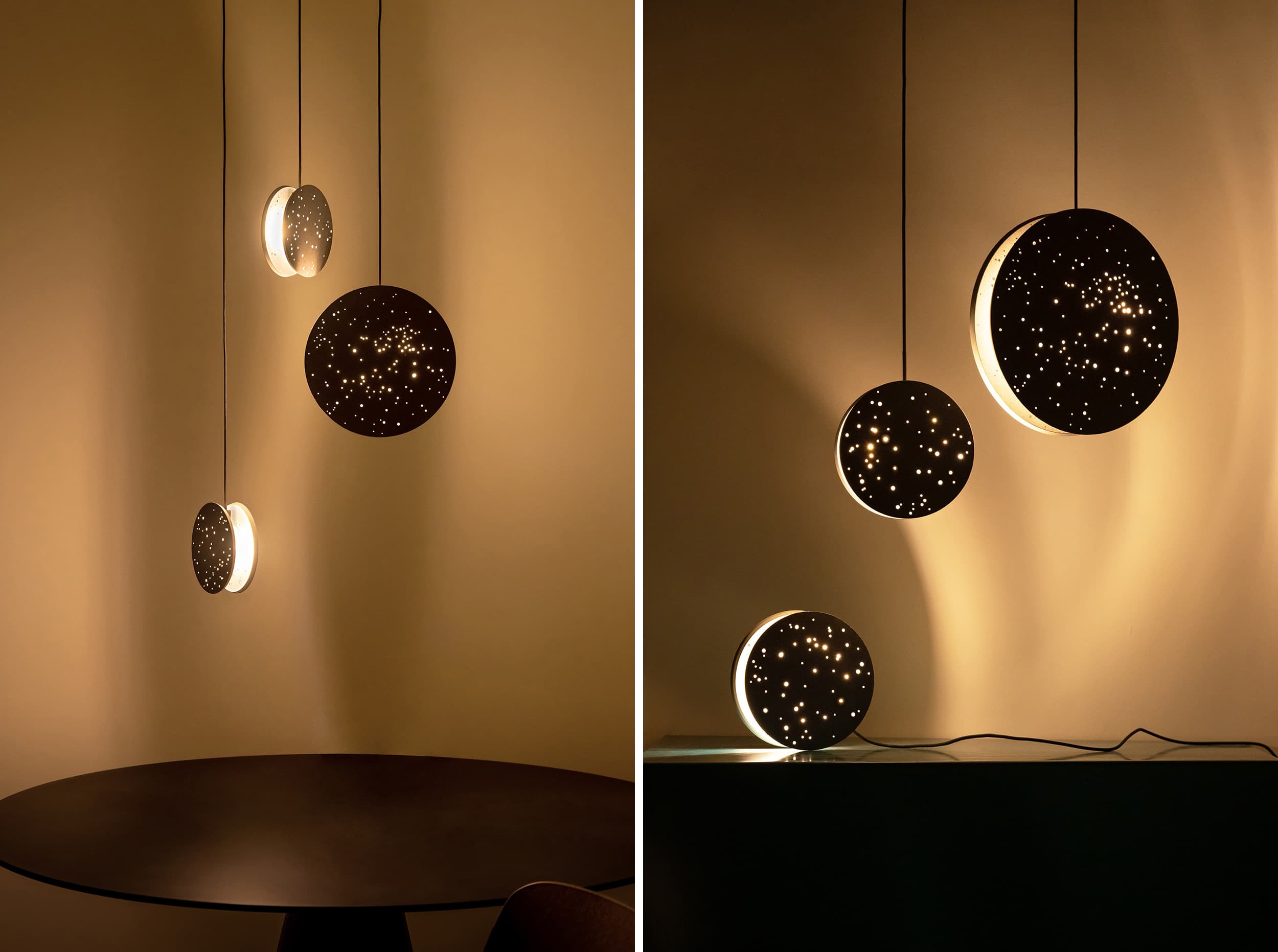
From ancient Roman structural foundations to the LiTraCon-led translucent revolution, and now to BENTU's integration into daily living, concrete has continuously broken boundaries and reinvented itself across millennia. Once the structural backbone of civilization, it now serves as a luminous medium for daily life. Once a cold, utilitarian engineering material, it stands today as a light-infused design carrier.
Amid flowing star-like glimmers lie material evolution, craft refinement, sustainable implementation, and design's enduring commitment to infusing warmth into life. It proves that the most traditional materials can achieve the most avant-garde expression, and the quietest of substances can emit the most radiant light.
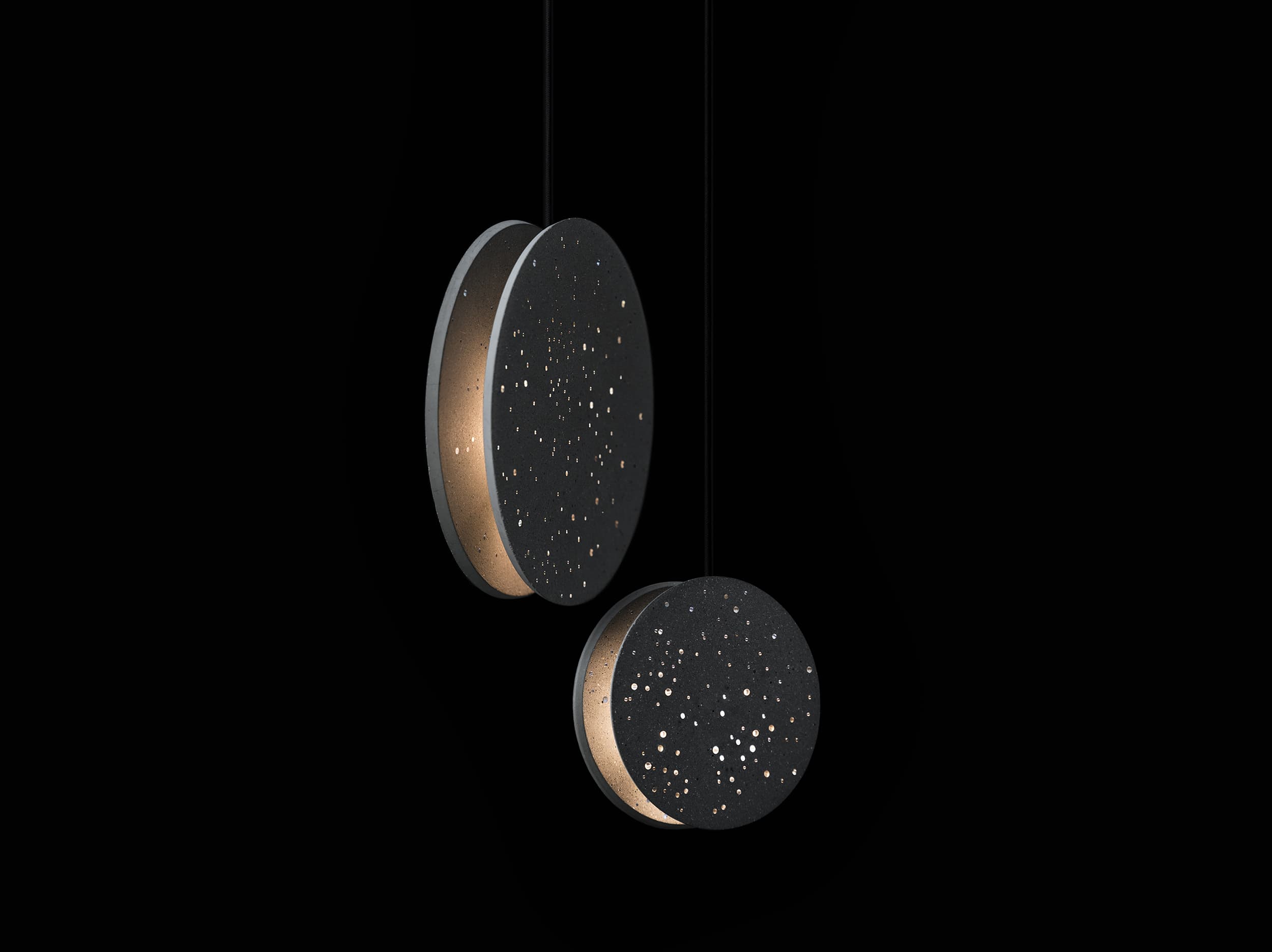
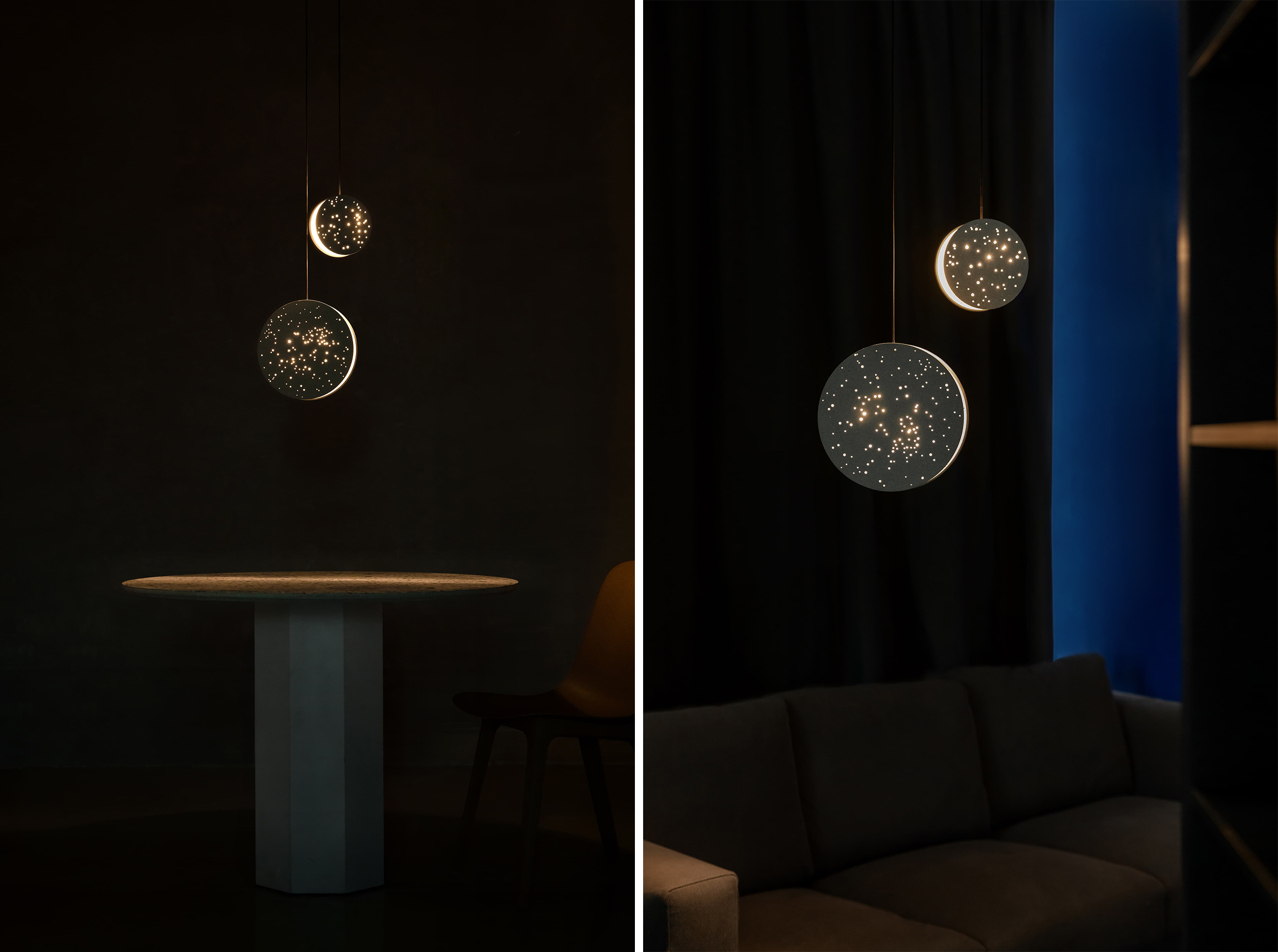
Looking ahead, BENTU will continue to anchor its exploration in concrete, uncovering further potential for cement-based materials within sustainable design. We strive to revitalize overlooked, stereotyped traditional materials through contemporary design, letting technology and craft serve daily life, restoring materials to their authentic essence, and imbuing ordinary moments with poetic grace.
Design Director: Xu Gang
This article is an original work from the "BENTU Sustainable Design Practice Series", examining cross-field applications of translucent concrete and the product-oriented reconstruction of material aesthetics.

- Contact
+8620 8977 0506
- Press
press@bentudesign.com
- Enquiry & Sales
info@bentudesign.com