

The Metamorphosis of Mud: From the Collapse of Mulberry‑Fish Pond Systems to the Redemption of Circular Materials
Time: 2022 – 2025
Location: Shunde, Guangdong, China
I. The Disappearance of Mulberry‑Fish Ponds: The Fracture of a Circular Civilisation
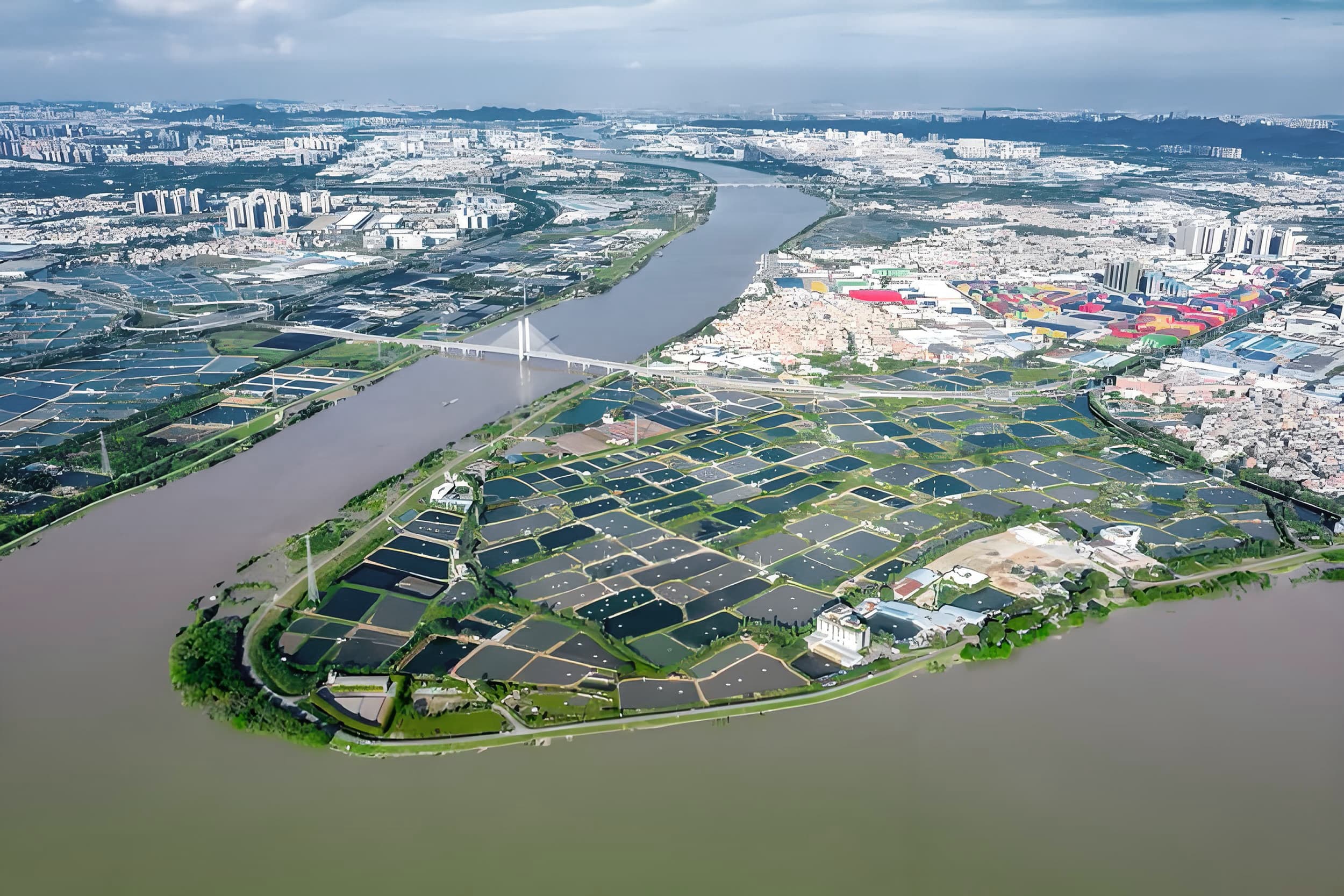
The Pearl River Delta is defined by dense water networks and crisscrossing rivers — a geography that has shaped its landscapes, economies and cultural identity. To thrive in low‑lying flood‑prone terrain, local ancestors dug ponds and piled dredged soil into raised beds, creating a self‑sustaining closed‑loop system: mulberry grows on beds, fish live in ponds, mulberry leaves feed silkworms, silkworm manure feeds fish, and pond mud fertilises mulberry trees. This sophisticated circular farming system enabled the Delta to sustain high yields and dense human settlement with remarkable long‑term efficiency, nurturing a distinctively resilient Lingnan agrarian civilisation.
Ecologist Ma Shijun hailed it as a classic agro‑ecological model embodying “holism, coordination, circulation and regeneration”. The FAO has shortlisted mulberry‑fish ponds for designation as a Globally Important Agricultural Heritage System.
Yet industrialisation and urban expansion have inflicted profound structural damage on traditional agrarian culture. Urbanisation across the Pearl River Delta has transcended mere technological upgrade to challenge ecological ethics, cultural heritage and social governance. Once a benchmark of circular ecology, the mulberry‑fish pond system has lost its mulberry component amid declining sericulture, gradually becoming an endangered cultural relic as its age‑old symbiotic wisdom fades away.
The decline of traditional farming appears to stem from competing economic efficiencies, yet fundamentally it represents a clash between industrial linearity and natural circular ethics. Modern intensive aquaculture abandons ancient symbiosis in favour of artificial feed and monoculture fish farming. According to the 2020 Pearl River Delta Aquaculture Pollution Survey by Guangdong’s Department of Ecology and Environment, intensive ponds receive 400–600 kg of nitrogen and 80–120 kg of phosphorus per hectare annually, only 30–40 % of which is absorbed by fish. Remaining nutrients accumulate in water and sediment, turning once‑fertile pond mud into a source of eutrophic pollution. The demise of mulberry‑fish ponds is not merely a shift in production modes; it marks the erosion of millennial‑old wisdom governing water‑soil‑human coexistence.
II. The Plight of Pond Mud: Hidden Risks of Aquatic Ecosystems
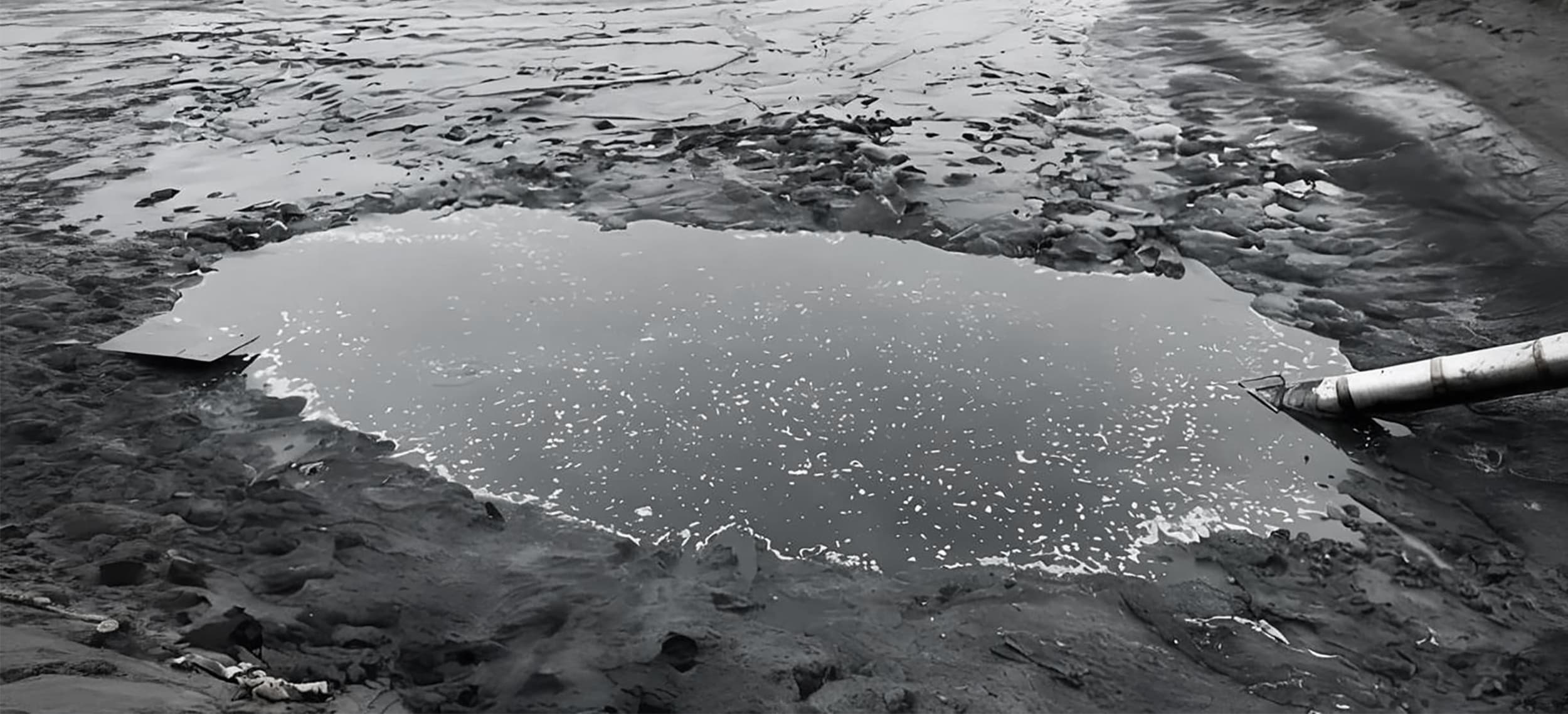
Sediment in modern fish ponds accumulates high levels of nitrogen, phosphorus and organic waste from uneaten feed and fish excreta, continuously releasing nutrients that fuel algal blooms, worsen eutrophication and raise risks of fish hypoxia. Anaerobic decomposition of sediment organic matter releases toxic hydrogen sulfide and methane, harming aquatic life. Per the IPCC Fifth Assessment Report, methane carries a 100‑year global warming potential 28 times higher than CO₂, substantially amplifying greenhouse gas effects. Undredged sediment also hosts parasites such as Lernaea (anchor worms) and pathogens including Aeromonas hydrophila, increasing disease risk. Heavy metals like copper and zinc from feed additives bioaccumulate in sediment and travel up the food chain to humans. It is estimated aquaculture methane emissions account for 15–20 % of regional agricultural methane output in the Pearl River Delta.
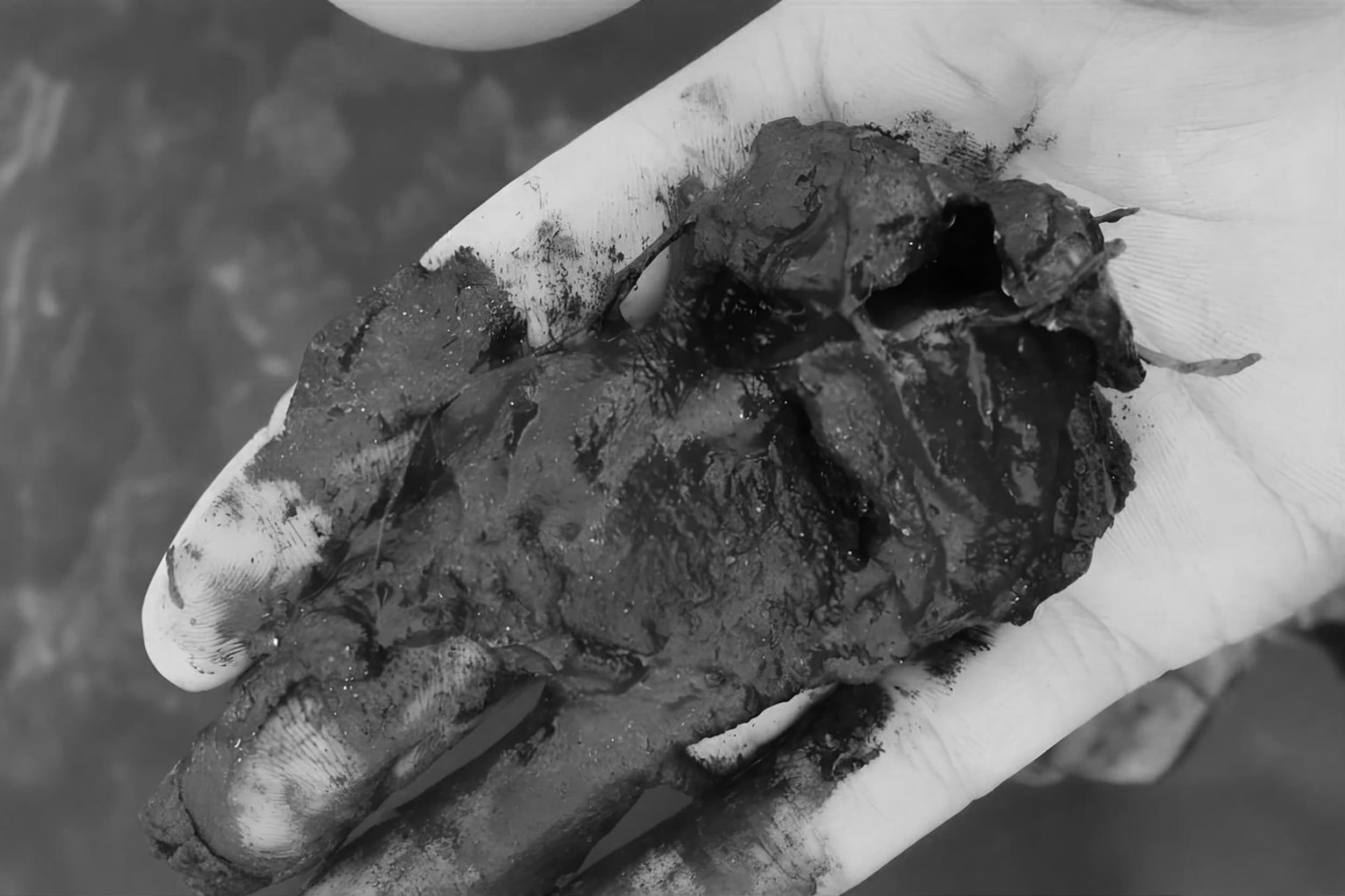
Once a vital recyclable resource within ecosystems, pond mud has become an intractable environmental burden. Conventional landfilling consumes scarce land and creates long‑term risks of leachate contaminating groundwater and soil — pollution displacement rather than true remediation. Without resource recovery, sediment continues to degrade land and water while wasting materials and boosting greenhouse gas emissions.
To address this ecological crisis, we must rebuild vernacular symbiotic principles amid industrial fragmentation, preserving ecologically viable, memory‑rich landscapes within urban concrete environments.
III. Technical Regeneration: Developing Unfired Mud‑Based Construction Materials
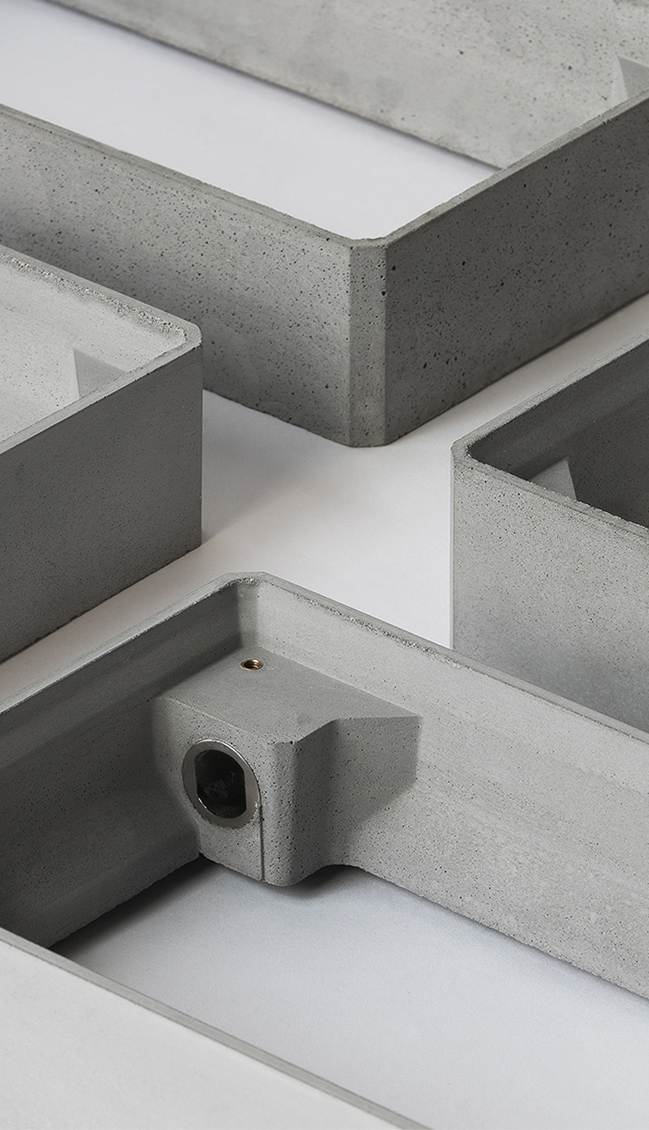
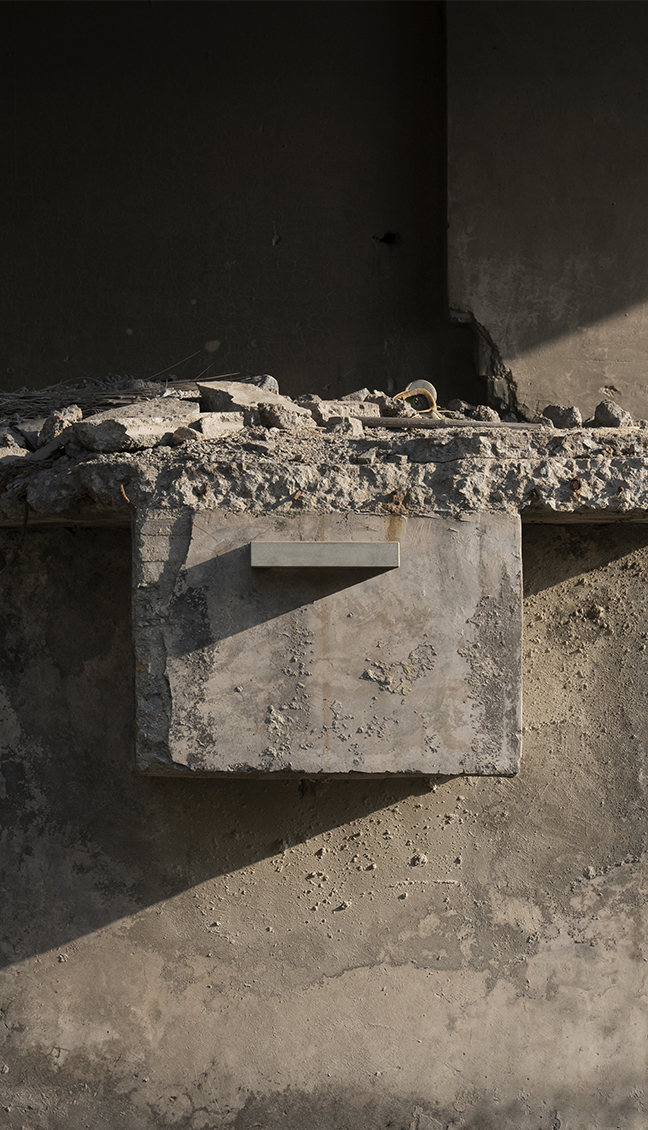
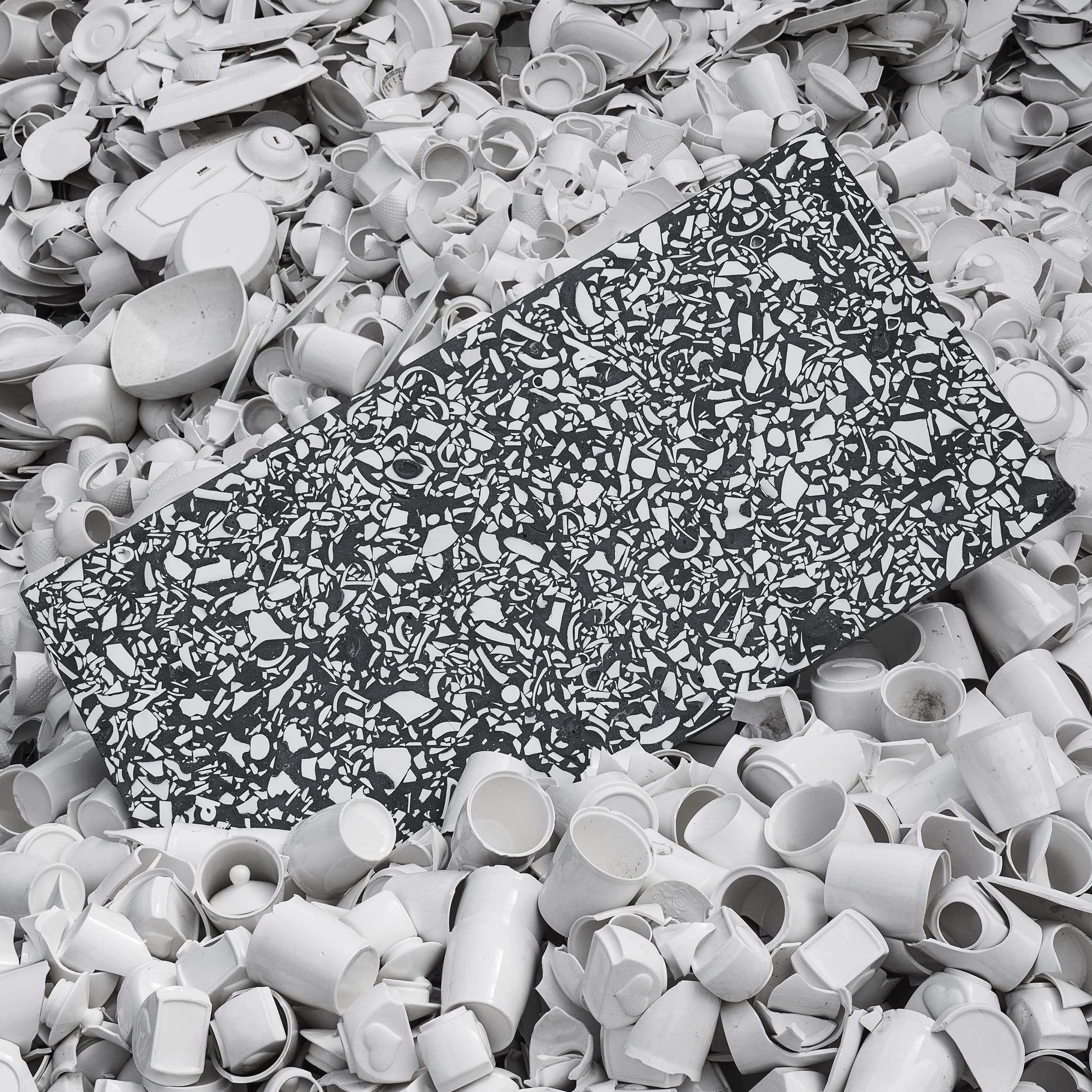
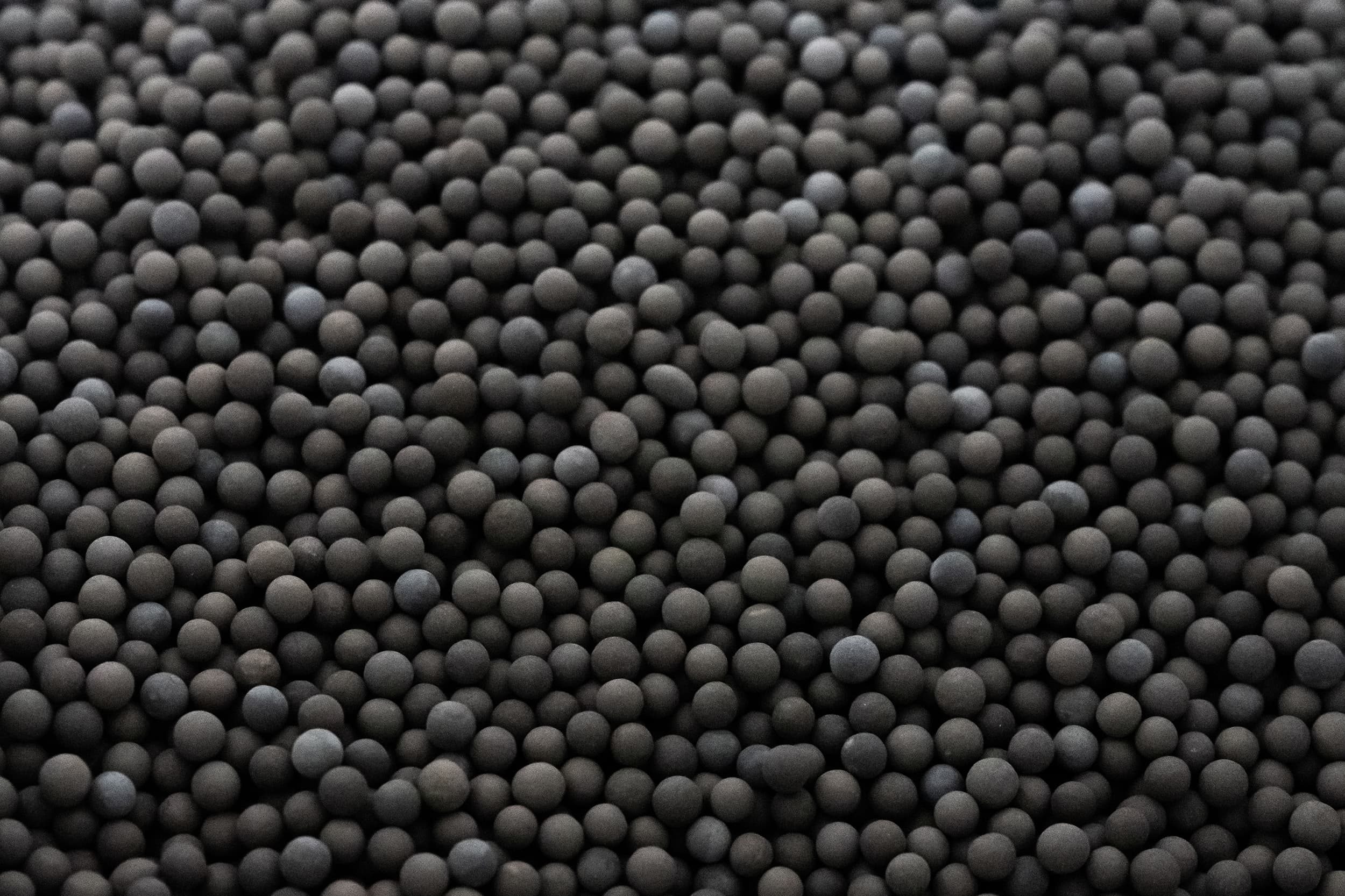
Since 2022, BENTU has developed a full‑scale manufacturing process for unfired ceramsite panels from aquaculture sediment. Traditional ceramsite requires sintering at 1000–1170 °C for over ten minutes with extreme energy intensity: 80–200 kWh of electricity per tonne, translating to 0.8–1.0 tonne CO₂ per tonne of finished product across the full lifecycle.
Our unfired process adopts alkali‑activated geopolymer technology. First proposed by French scientist Joseph Davidovits in 1978, geopolymers are inorganic cementitious materials forming stable three‑dimensional networks via oxygen‑sharing between silicon‑oxygen and aluminium‑oxygen tetrahedra. Fish‑pond mud, rich in amorphous silica and alumina (SiO₂: 50–65 %, Al₂O₃: 15–25 %), serves as an ideal geopolymer precursor. Blended with slag and fly ash as supplementary aluminosilicate feedstocks and activated by sodium silicate‑sodium hydroxide alkaline solution, aluminosilicate glass phases break Si‑O and Al‑O bonds to release reactive silicon and aluminium ions. These reassemble into oligomeric aluminosilicate tetrahedral units and cross‑link via oxygen polycondensation into rigid inorganic polymer networks. Sodium ions stabilise charge balance and structural integrity, forming dense cementitious matrices that bind aggregates into solid panels.
Curing occurs at ambient or low temperature without high‑heat sintering, drastically cutting energy use and carbon emissions — saving approximately 300 kg CO₂ per tonne of ceramsite.
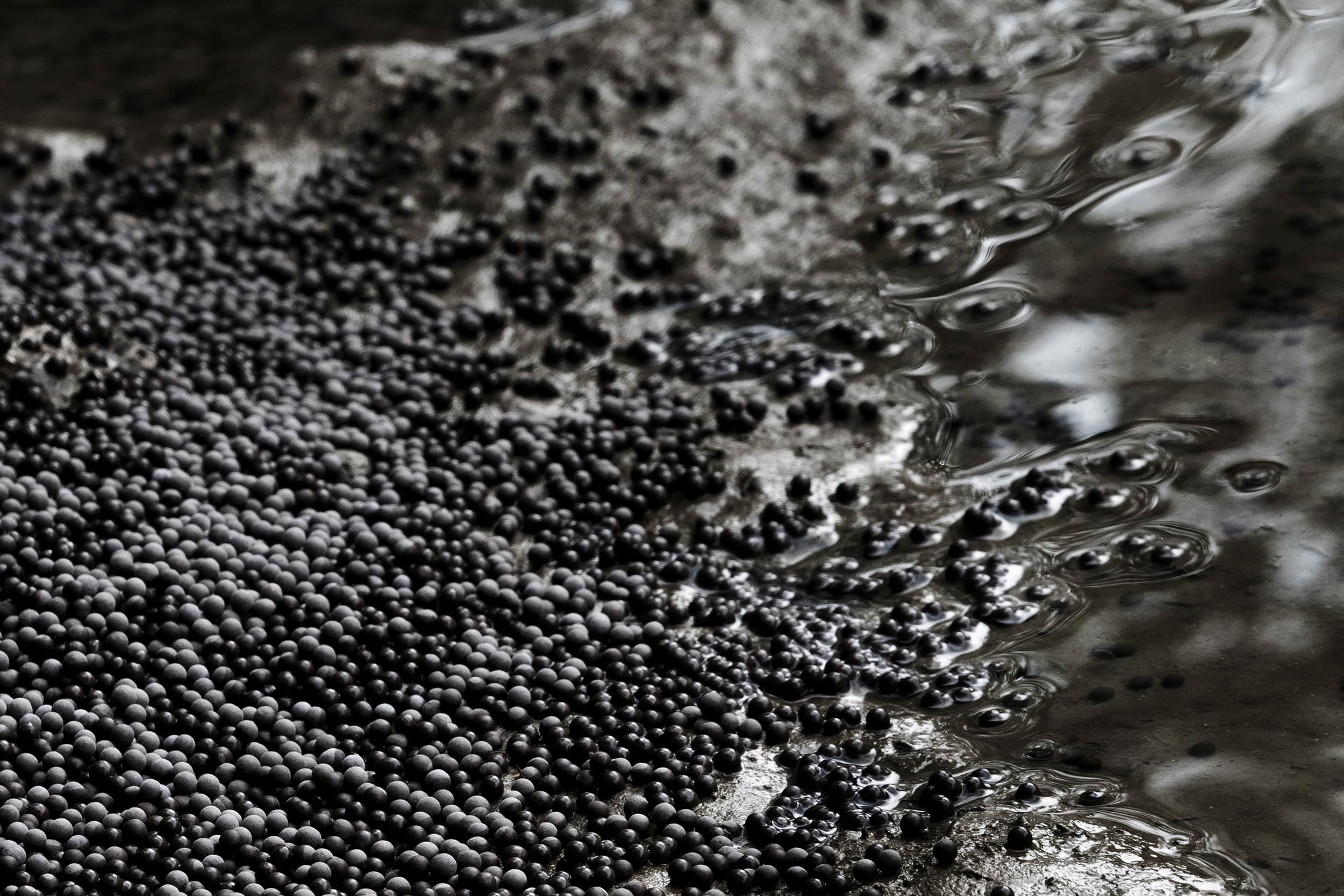
Fresh mud is air‑dried or mechanically dewatered to below 30 % moisture and cleaned of stones and shells. The dry‑mix ratio is mud : slag : fly ash = 60:25:15 by weight, with 8–12 % composite alkali activator added. The mixture is pressed into moulds and cured for 7 days at ambient temperature or 30 minutes via low‑temperature steam.
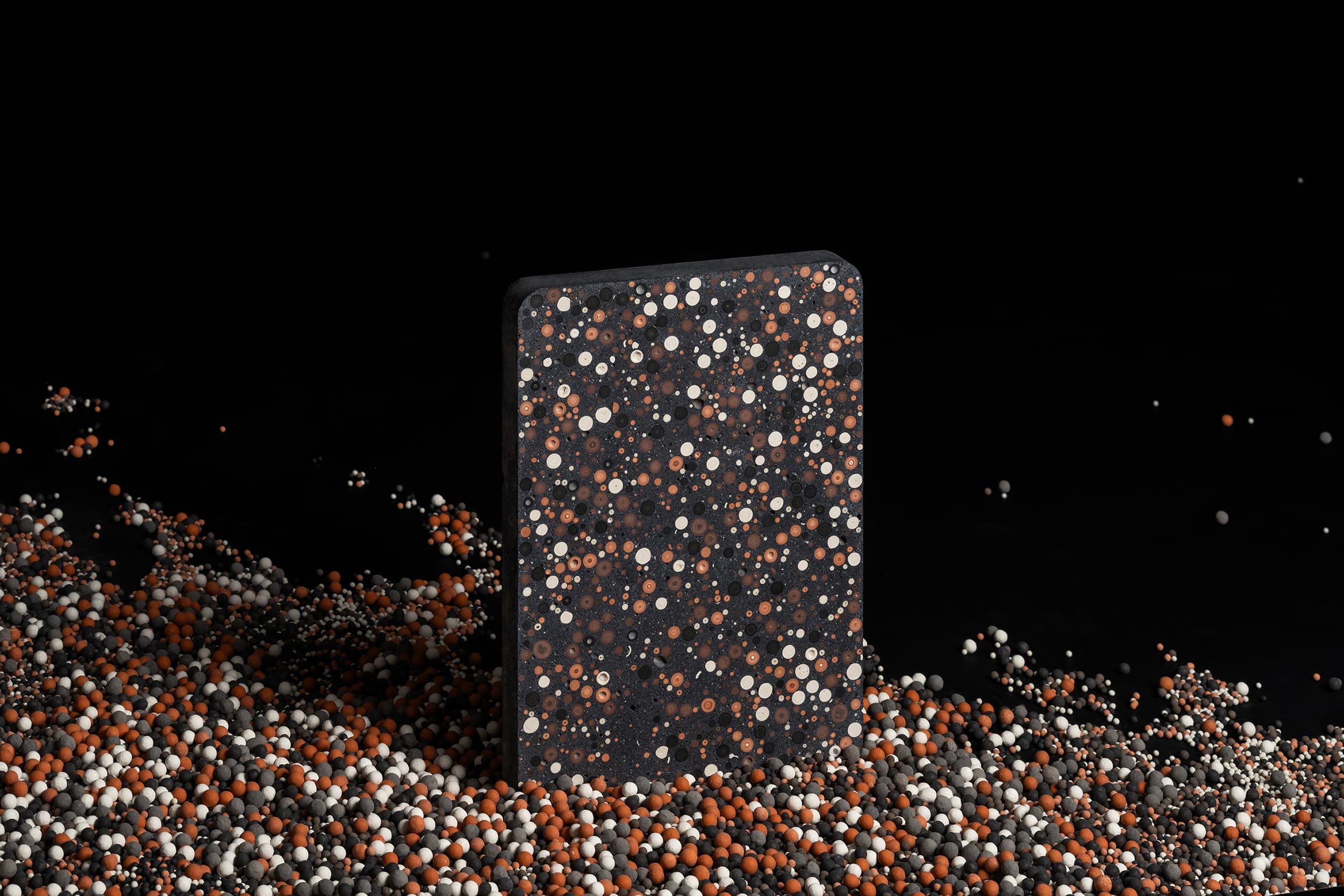
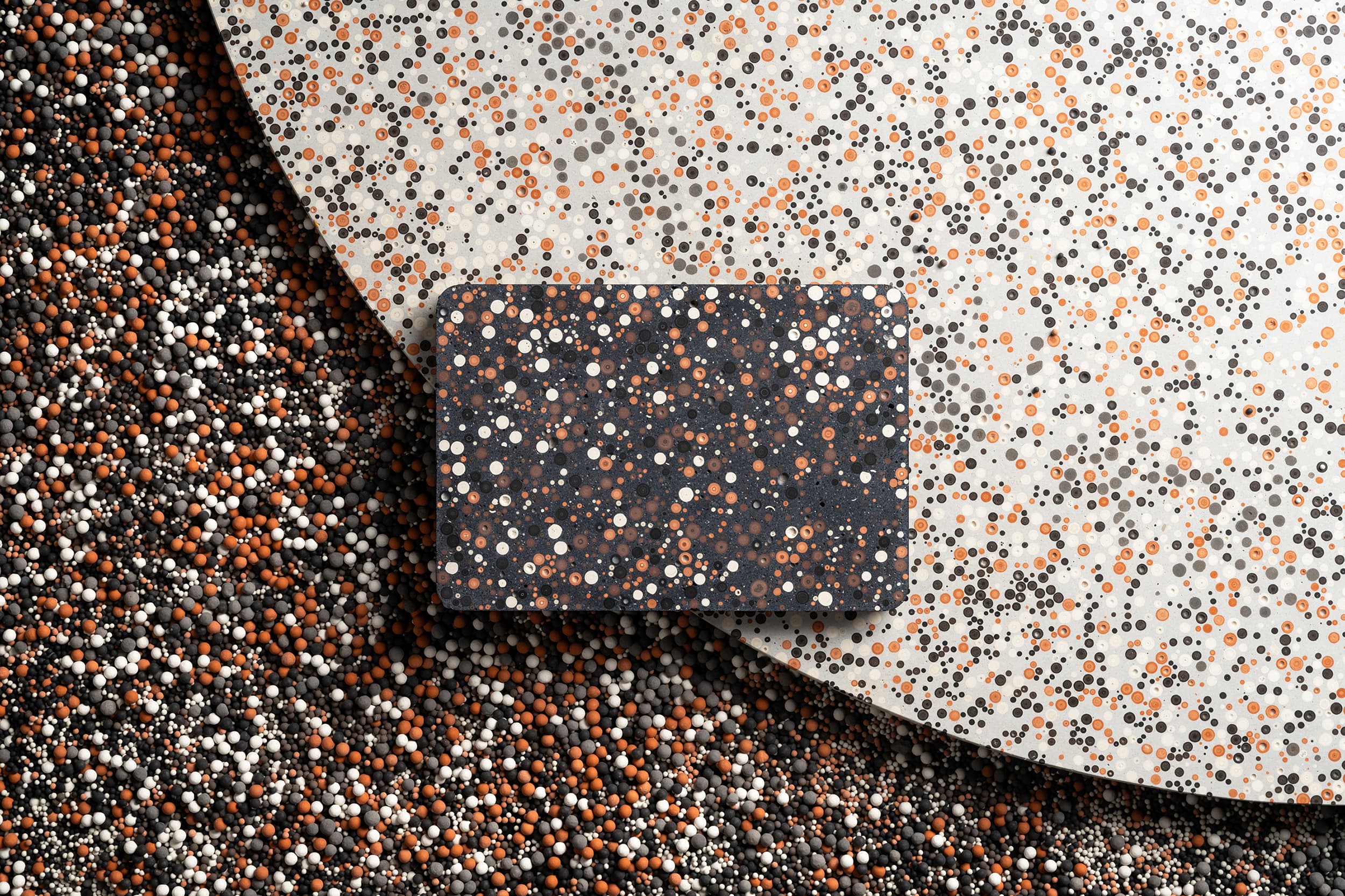
Third‑party testing confirms flexural strength of 8–12 MPa, compressive strength of 30–50 MPa and moisture content as low as 3.2 %, exceeding national standards for interior/exterior cladding, partitions and paving with excellent ecological safety and no secondary pollution risk.
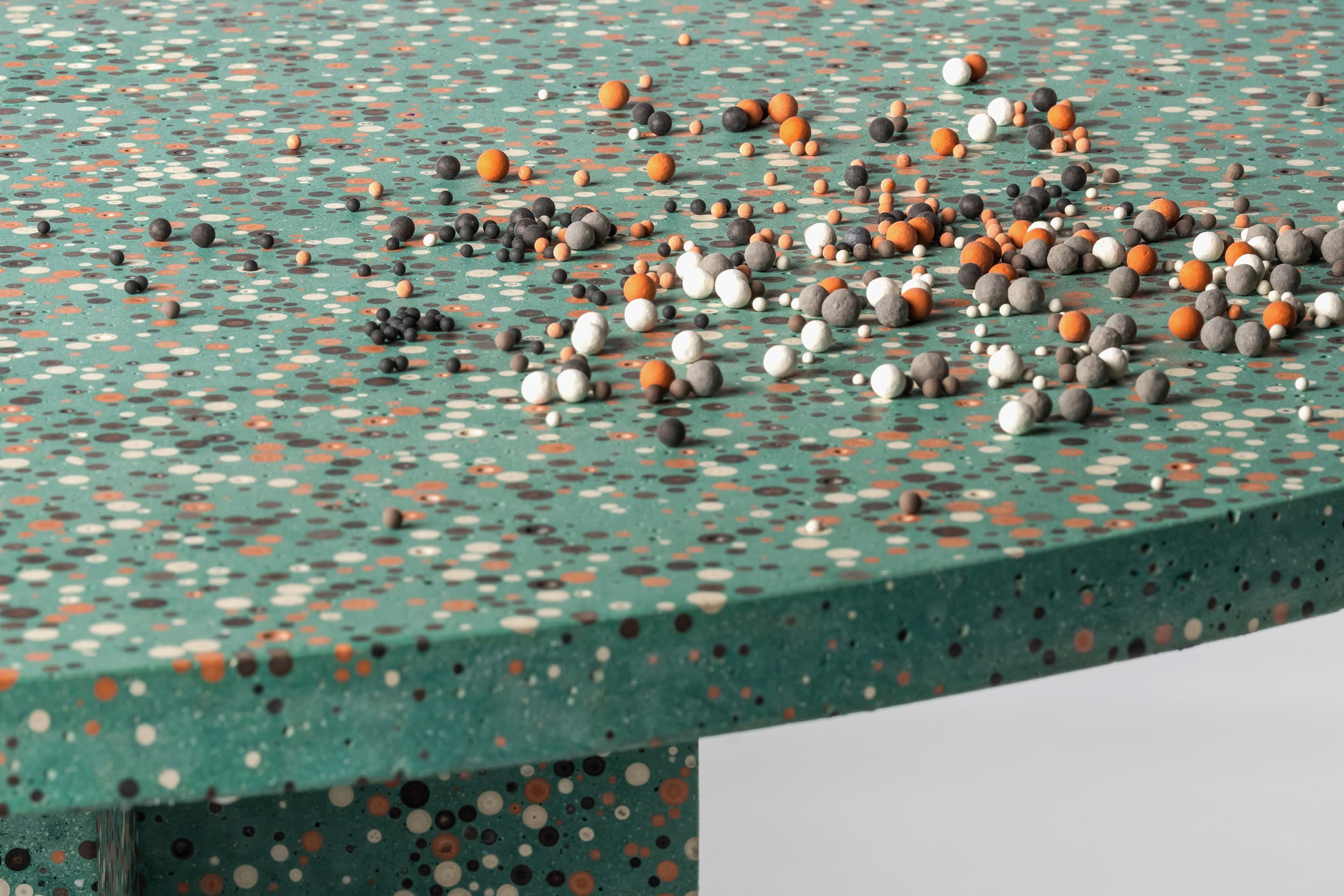
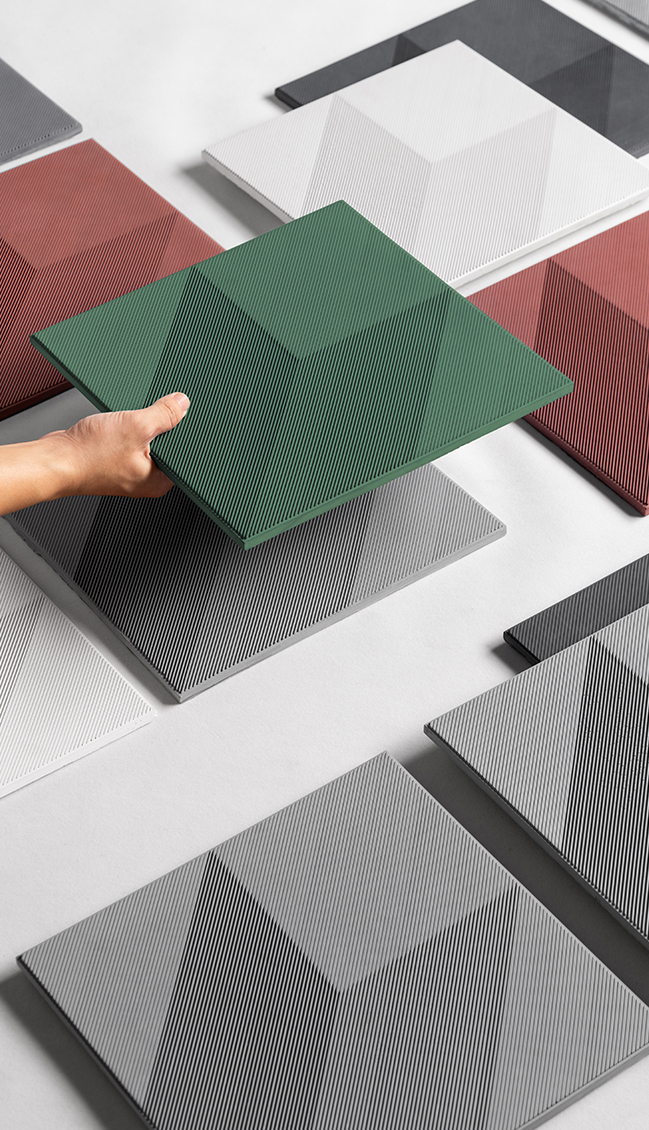
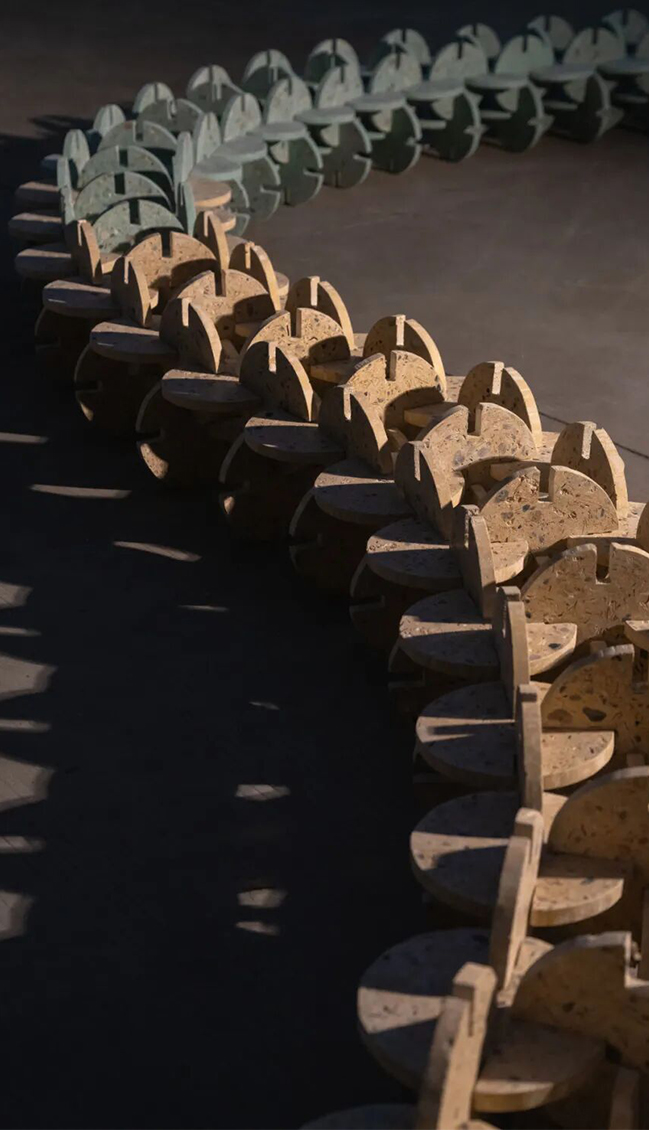
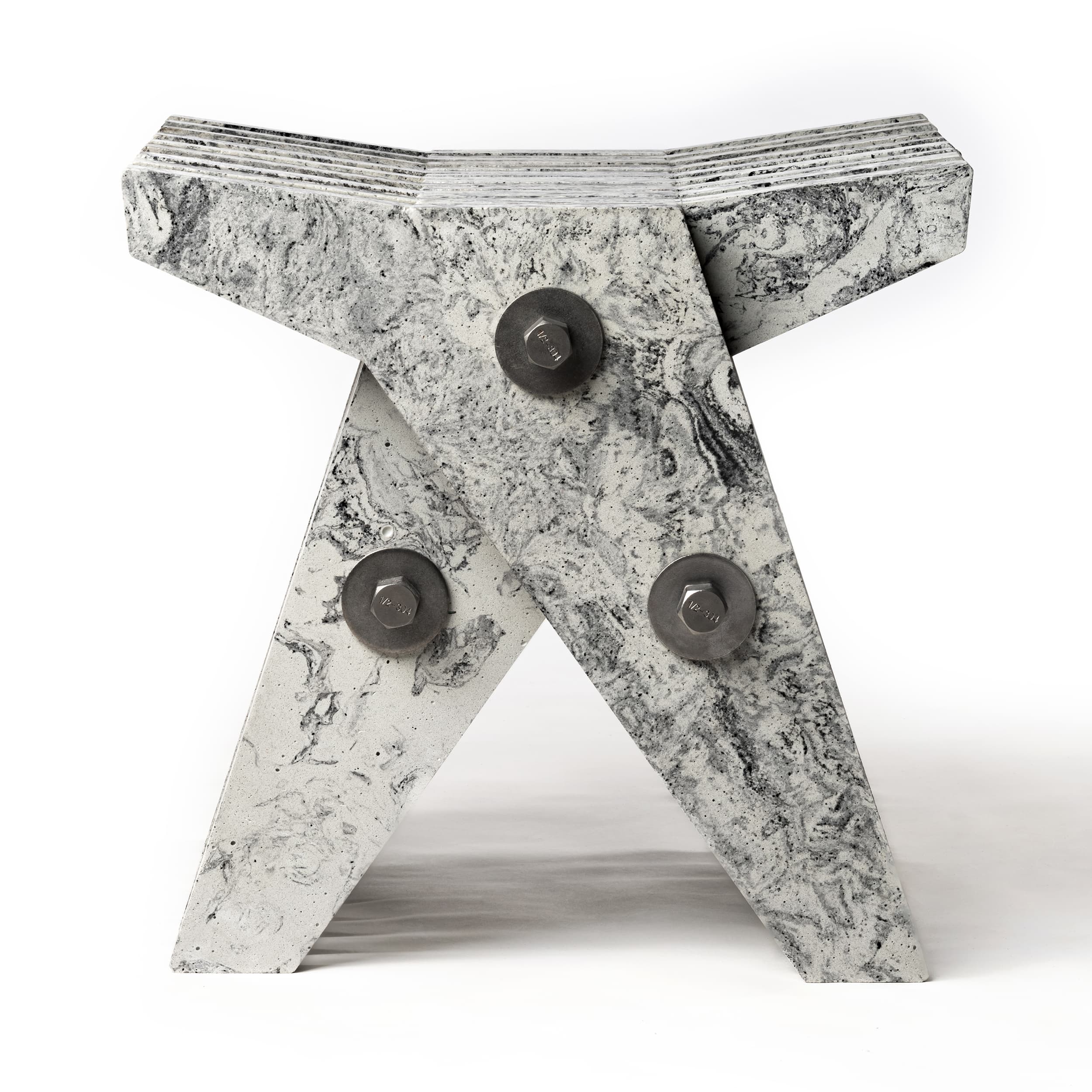
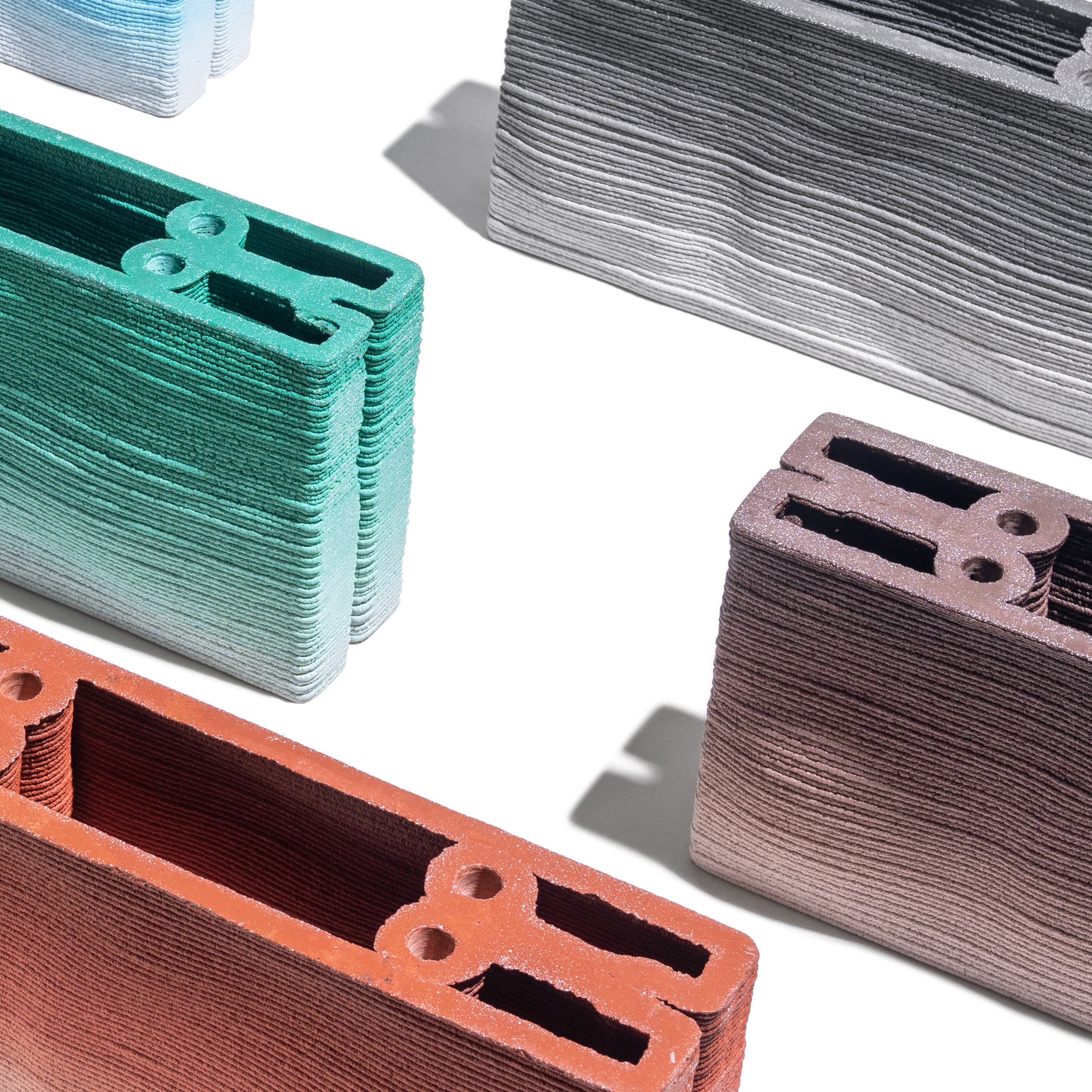
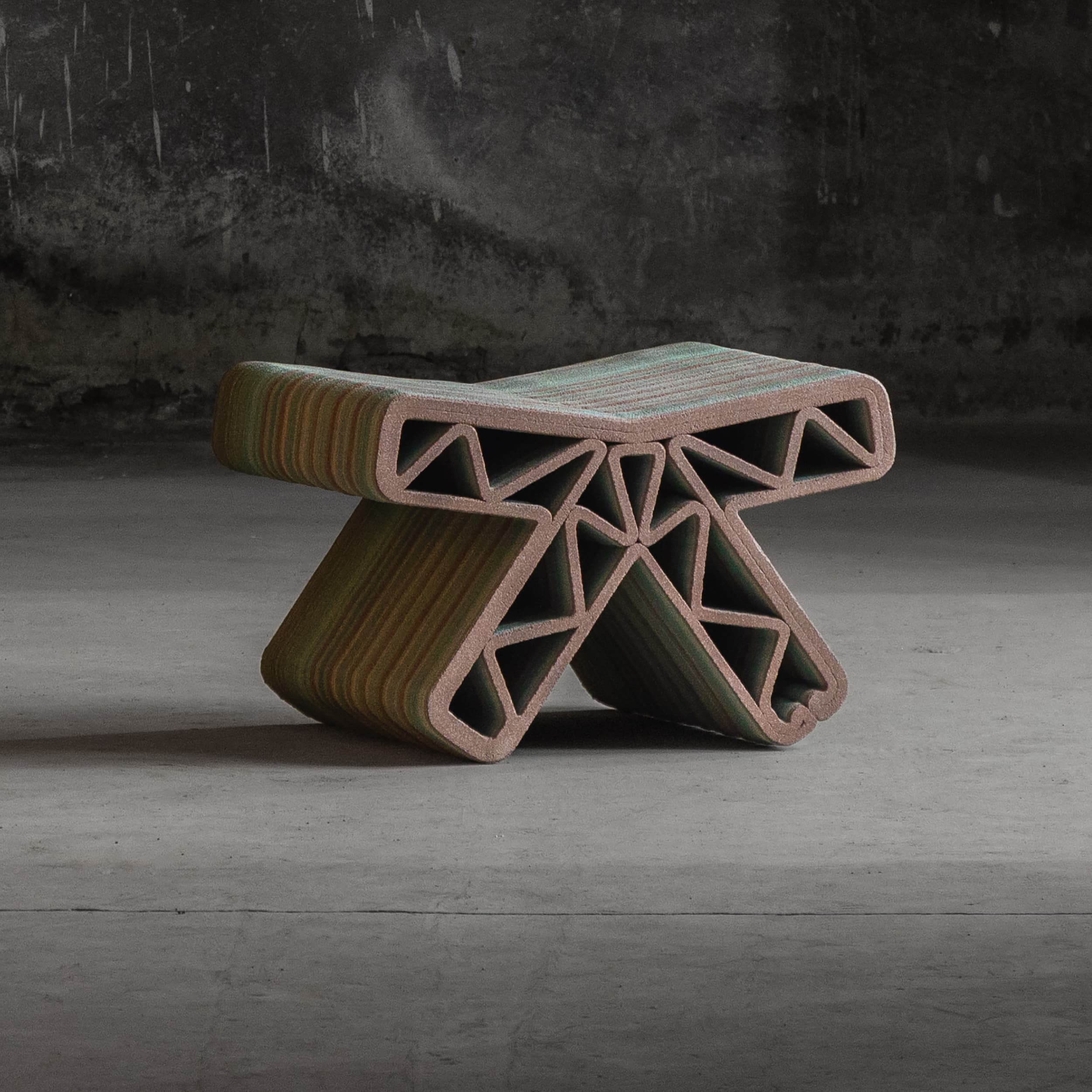
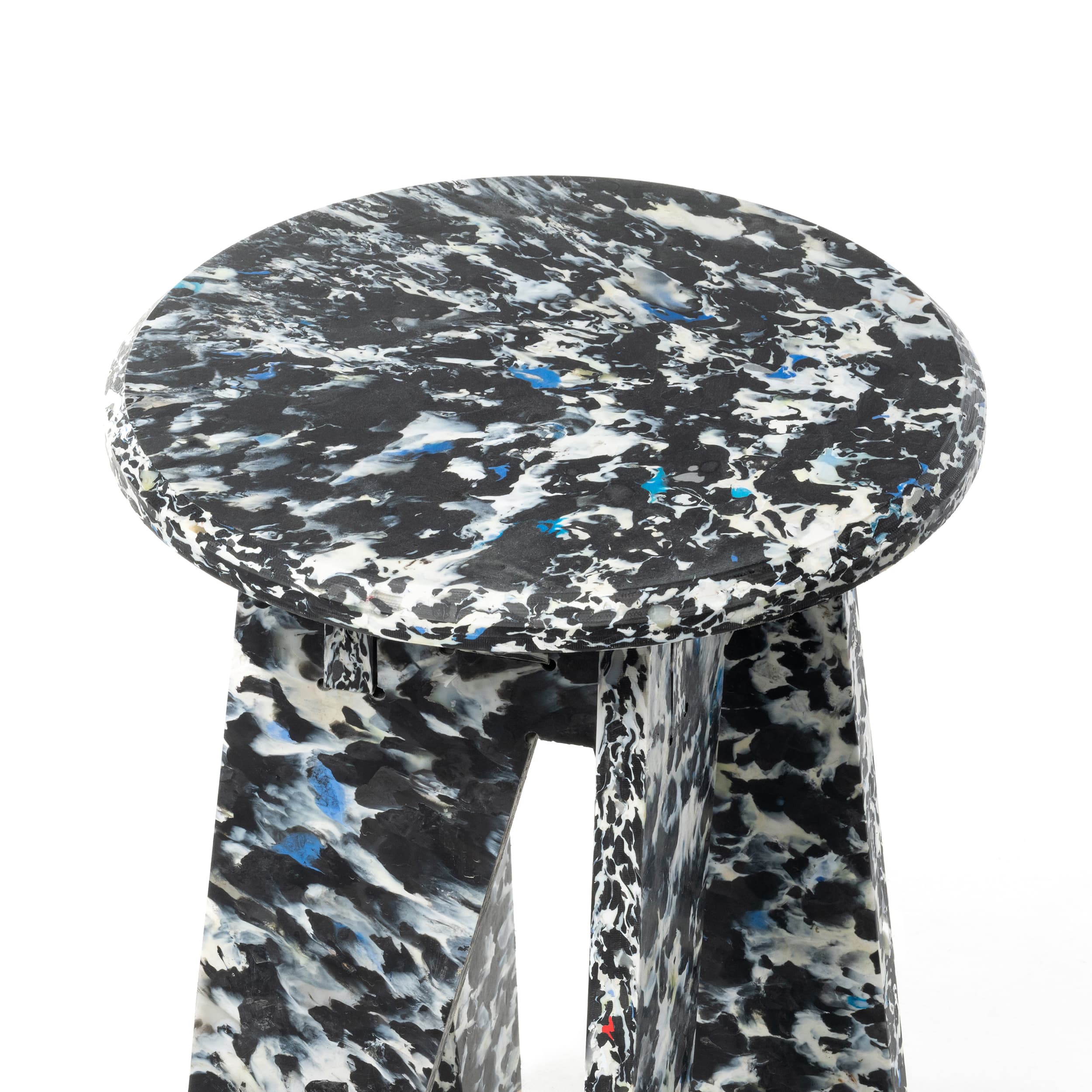
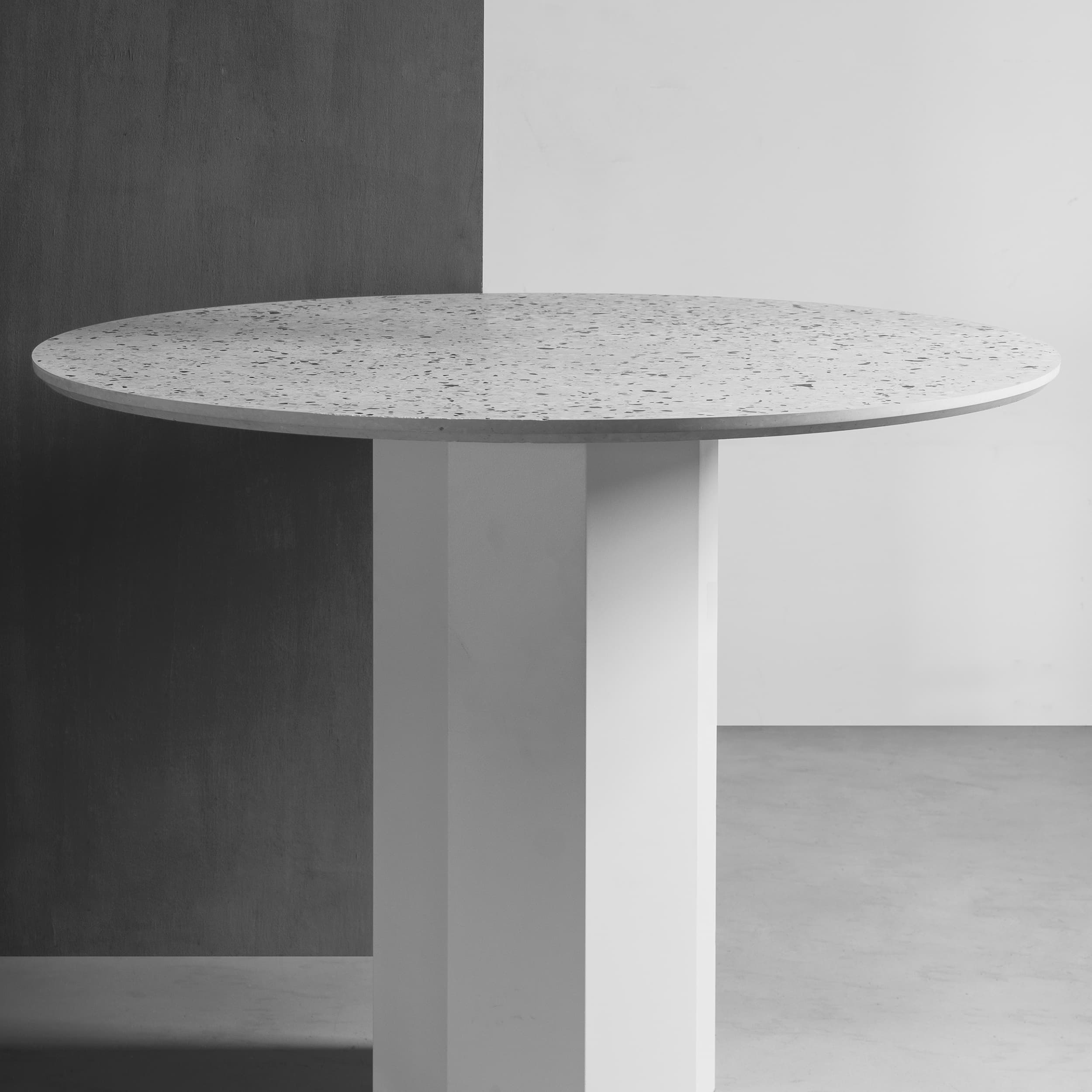
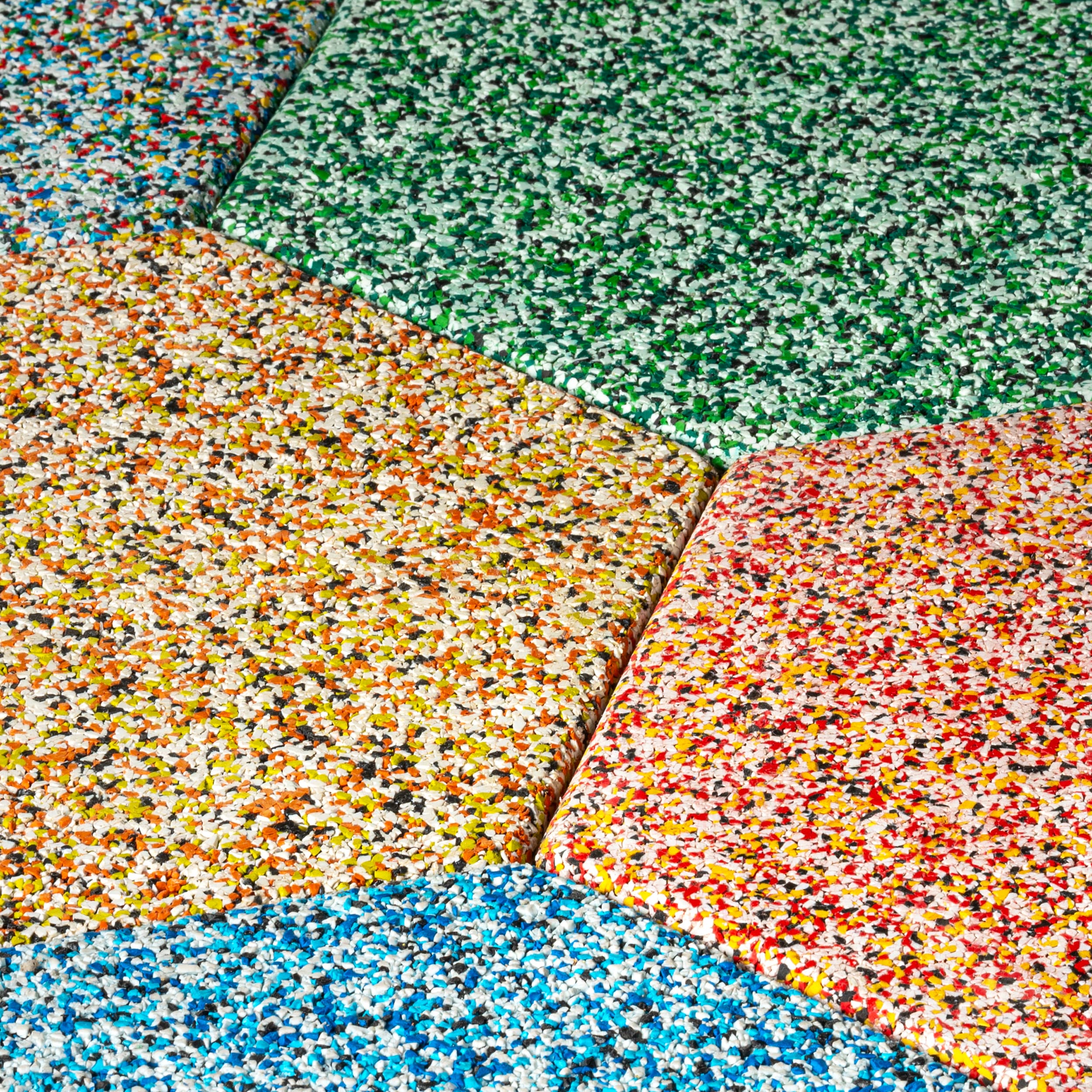
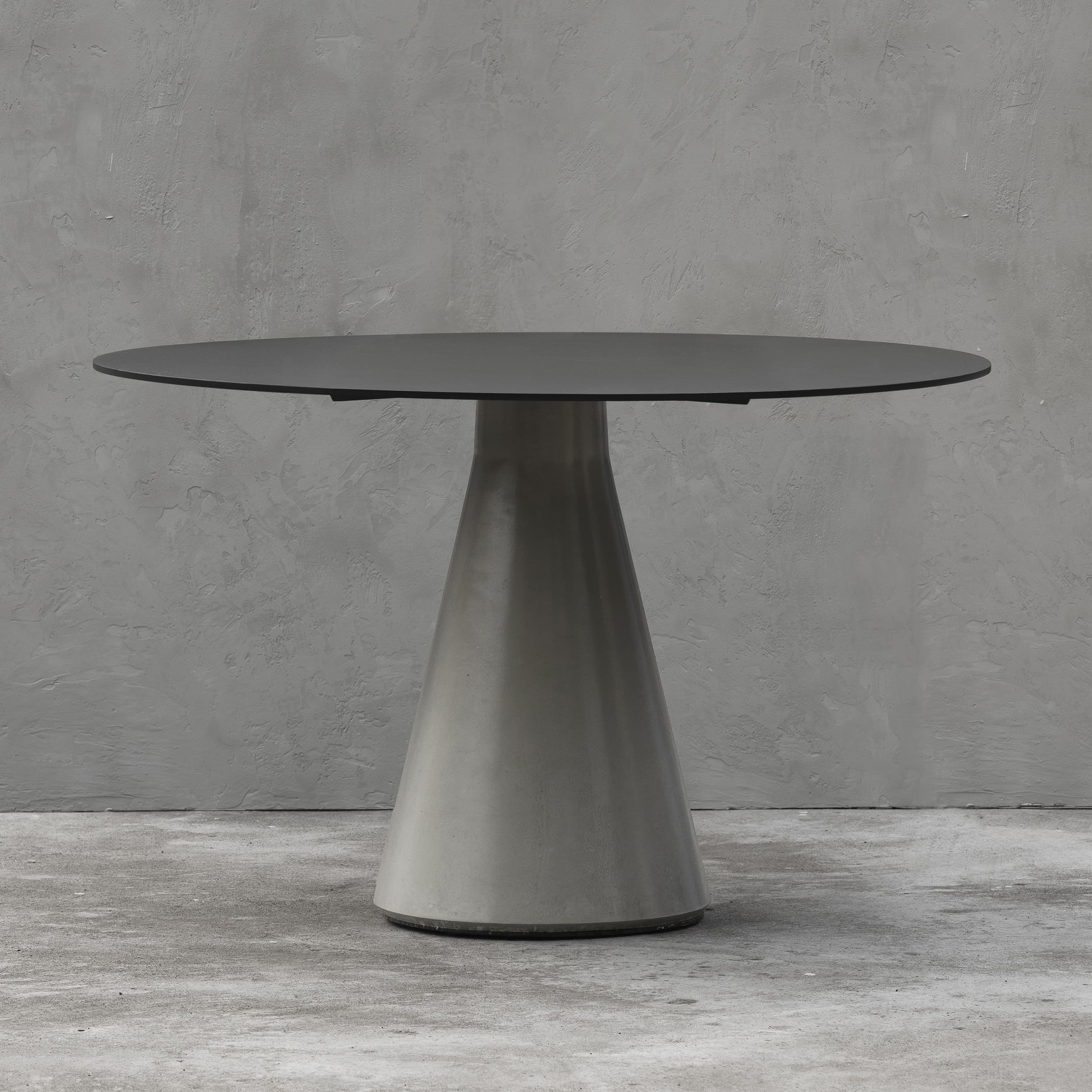
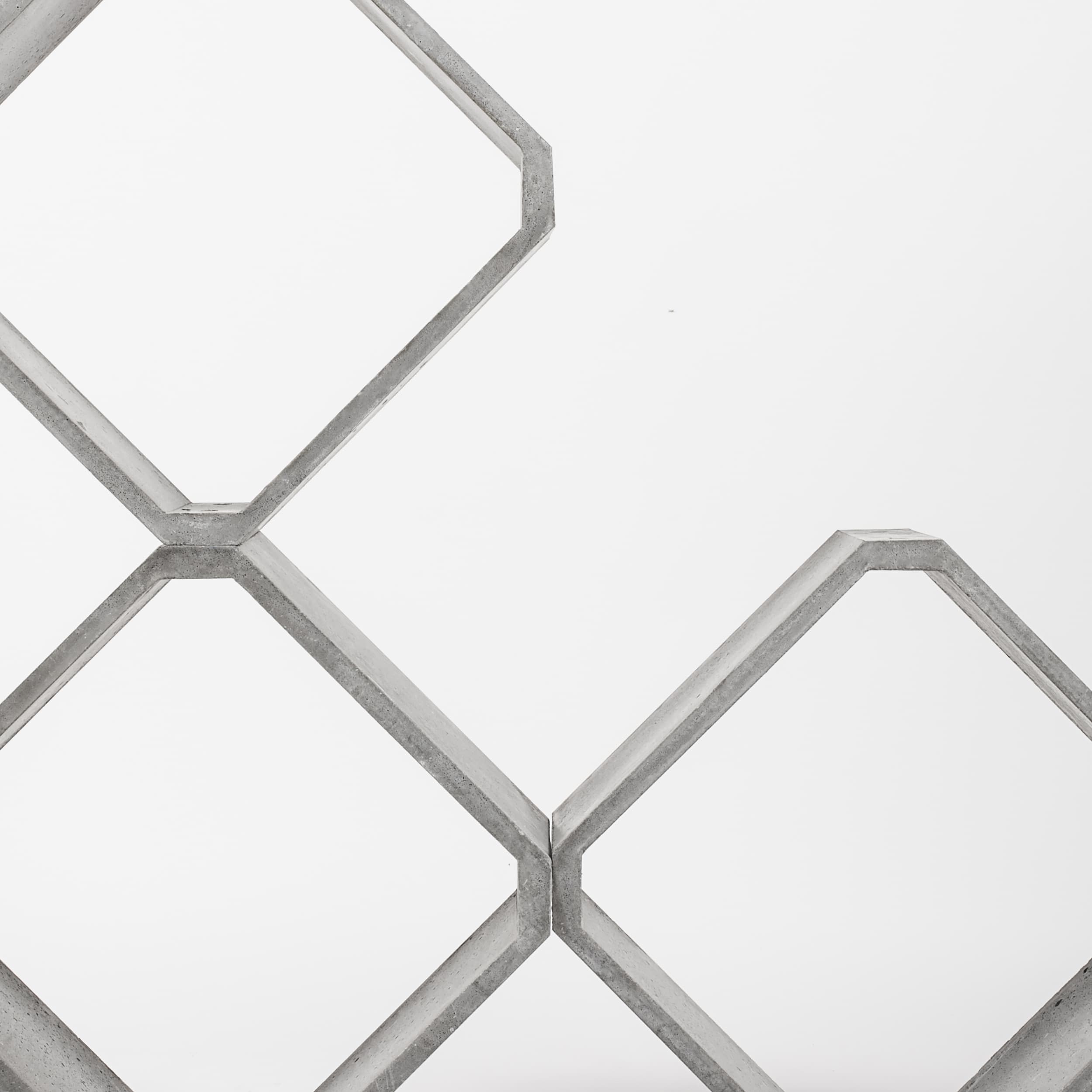
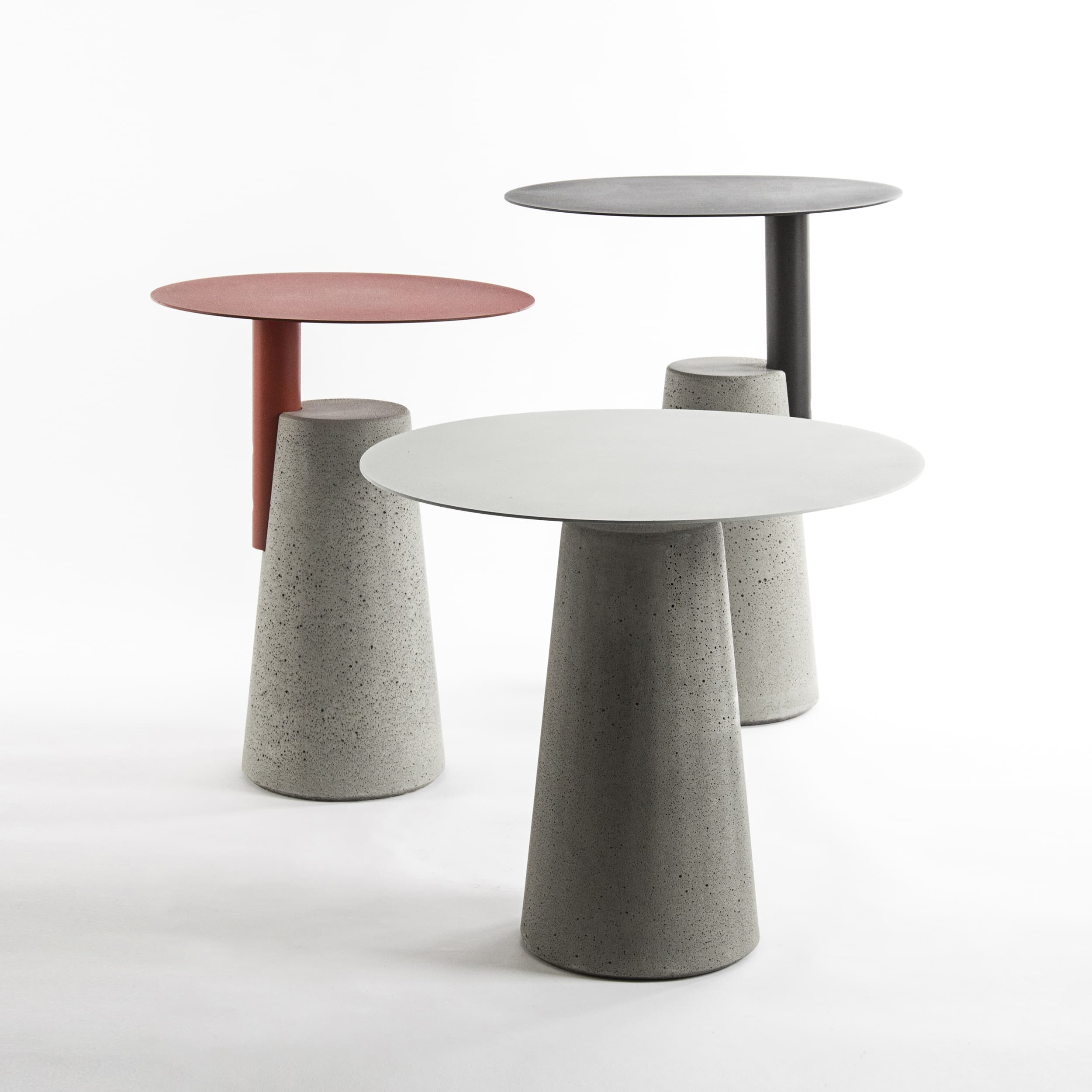
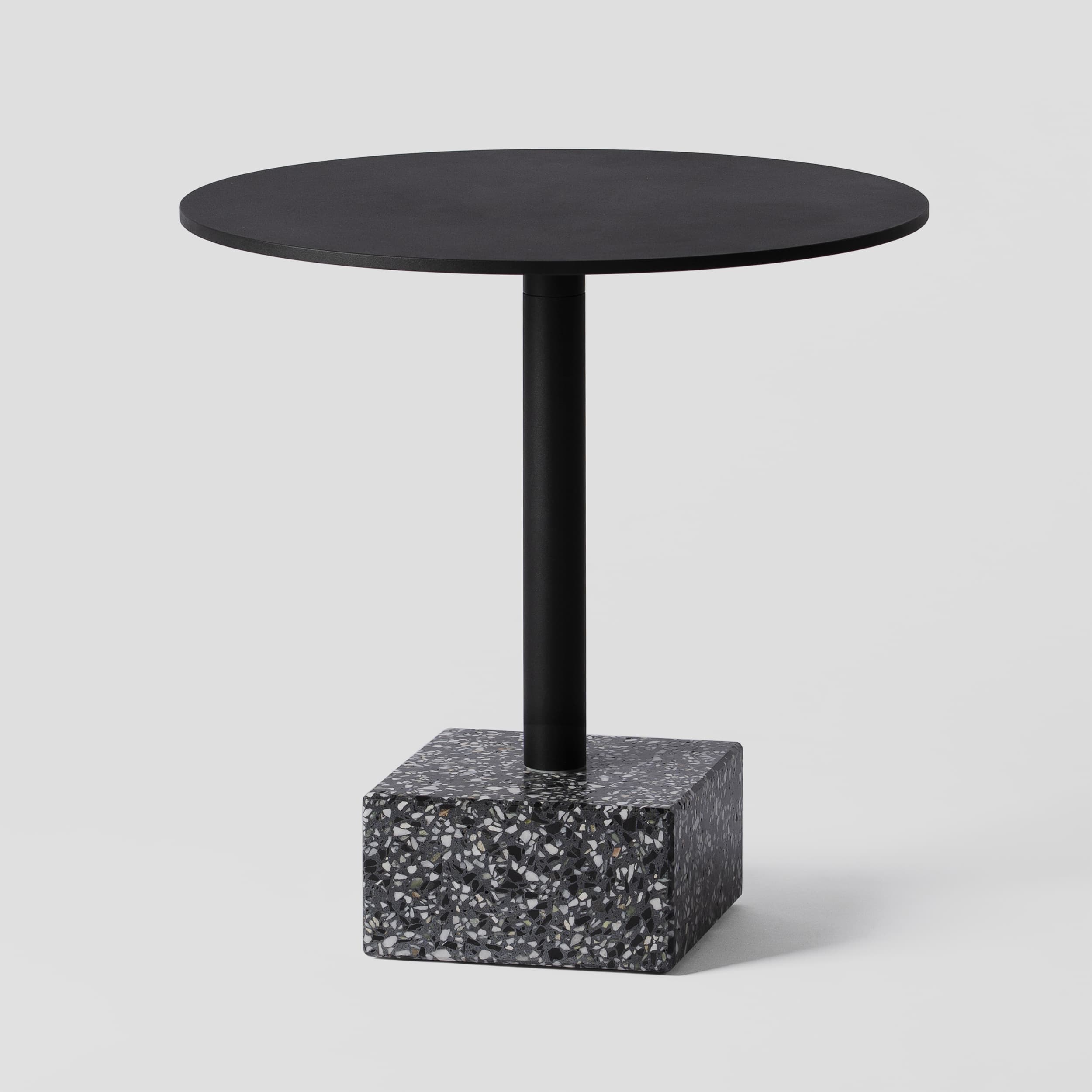
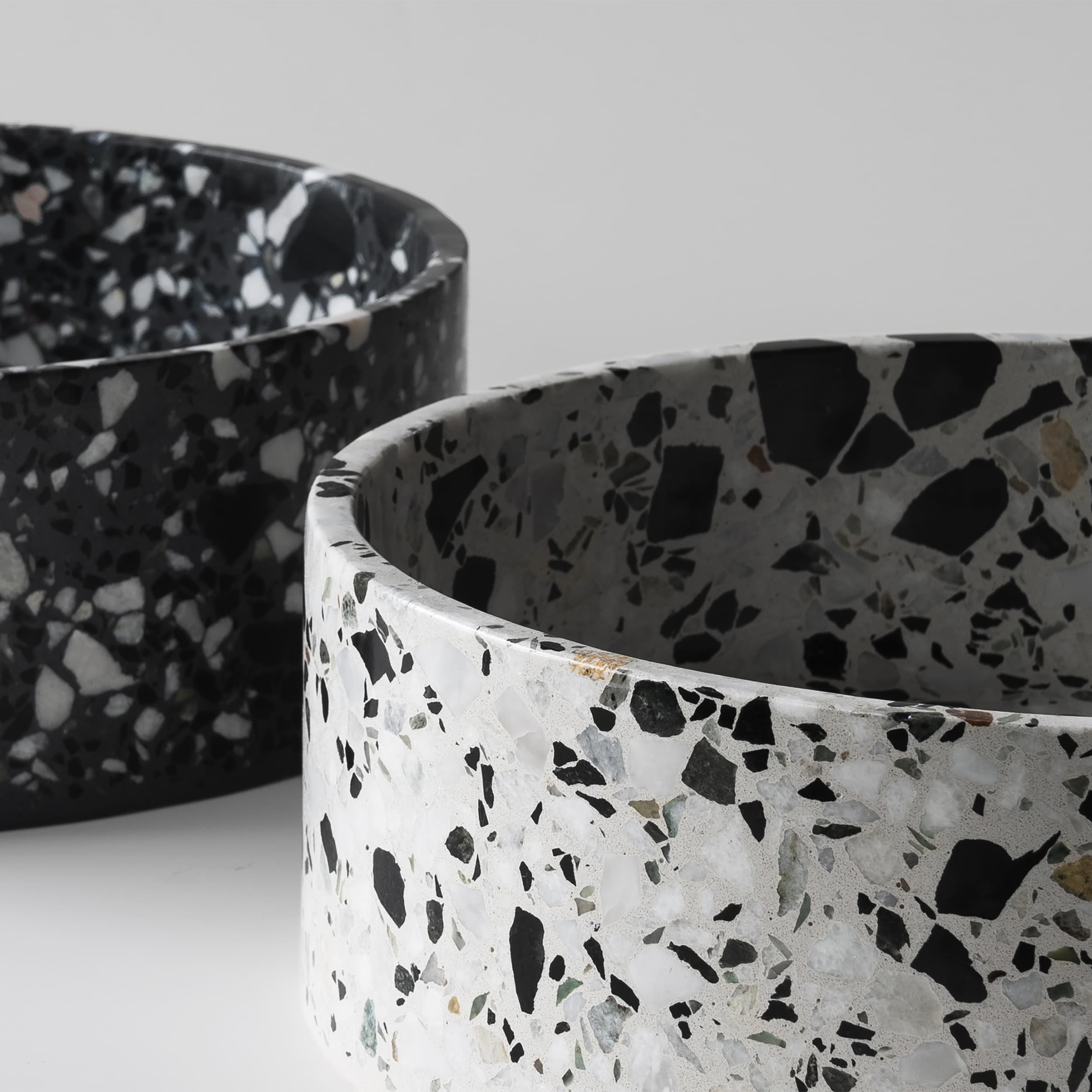
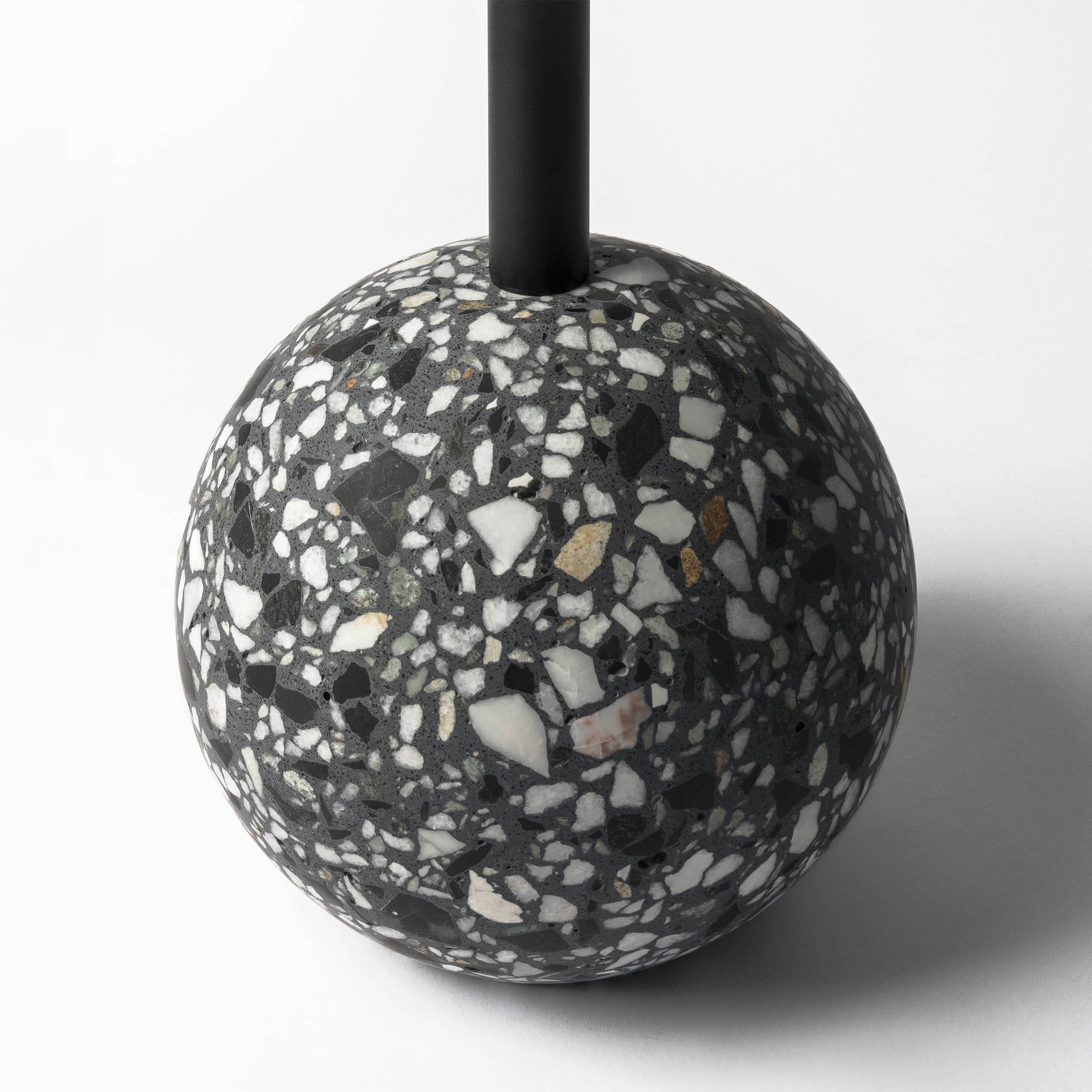
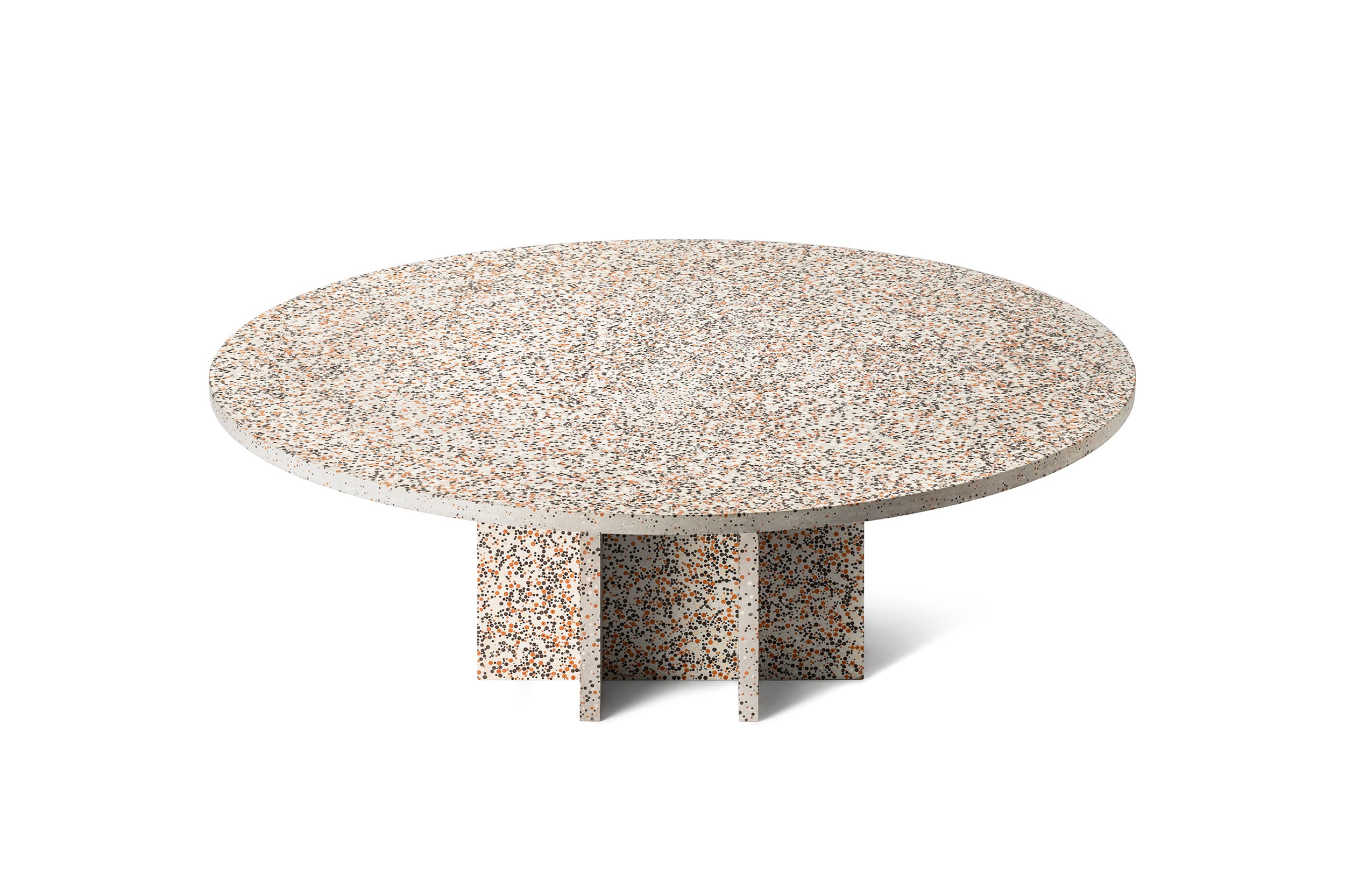
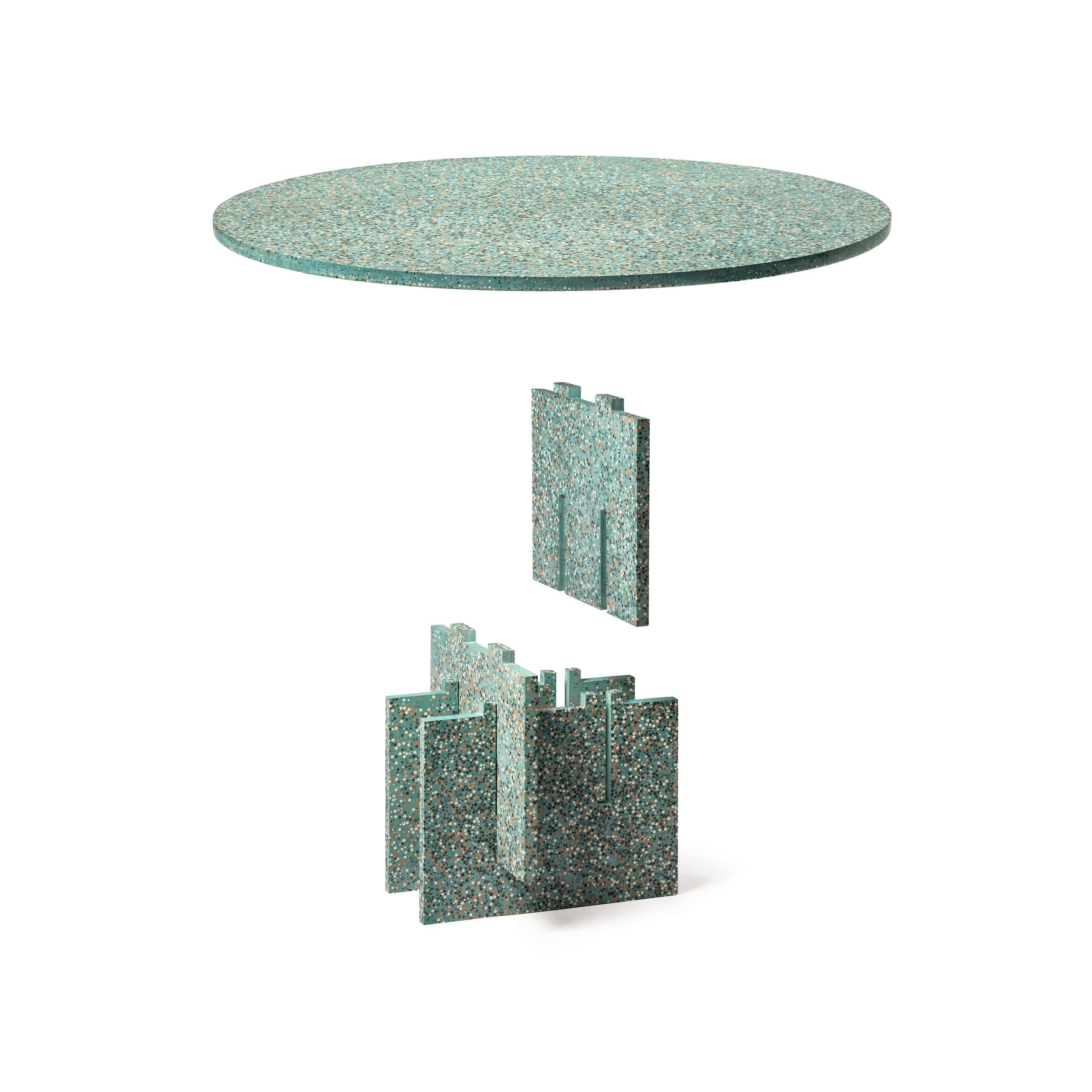
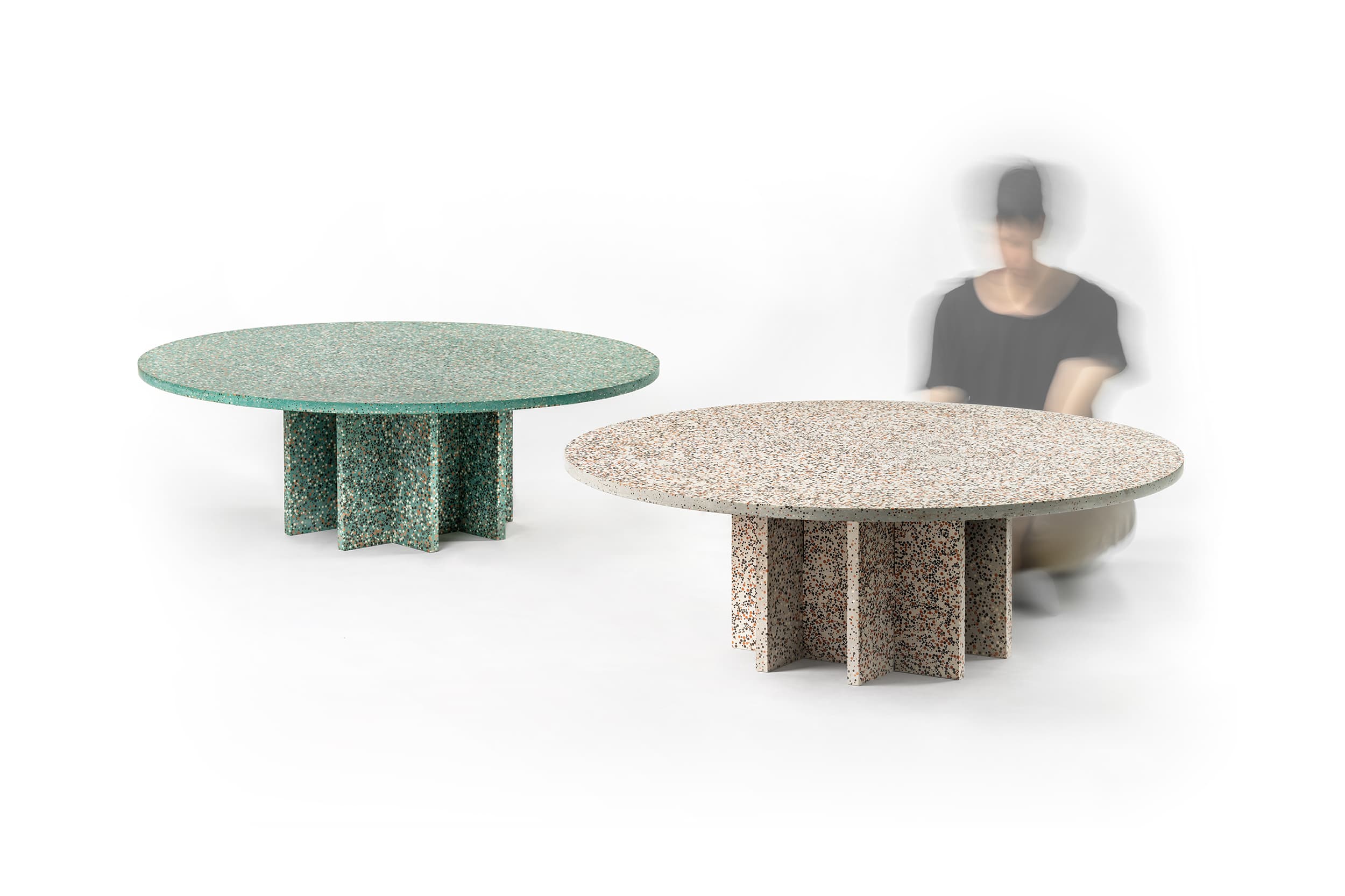
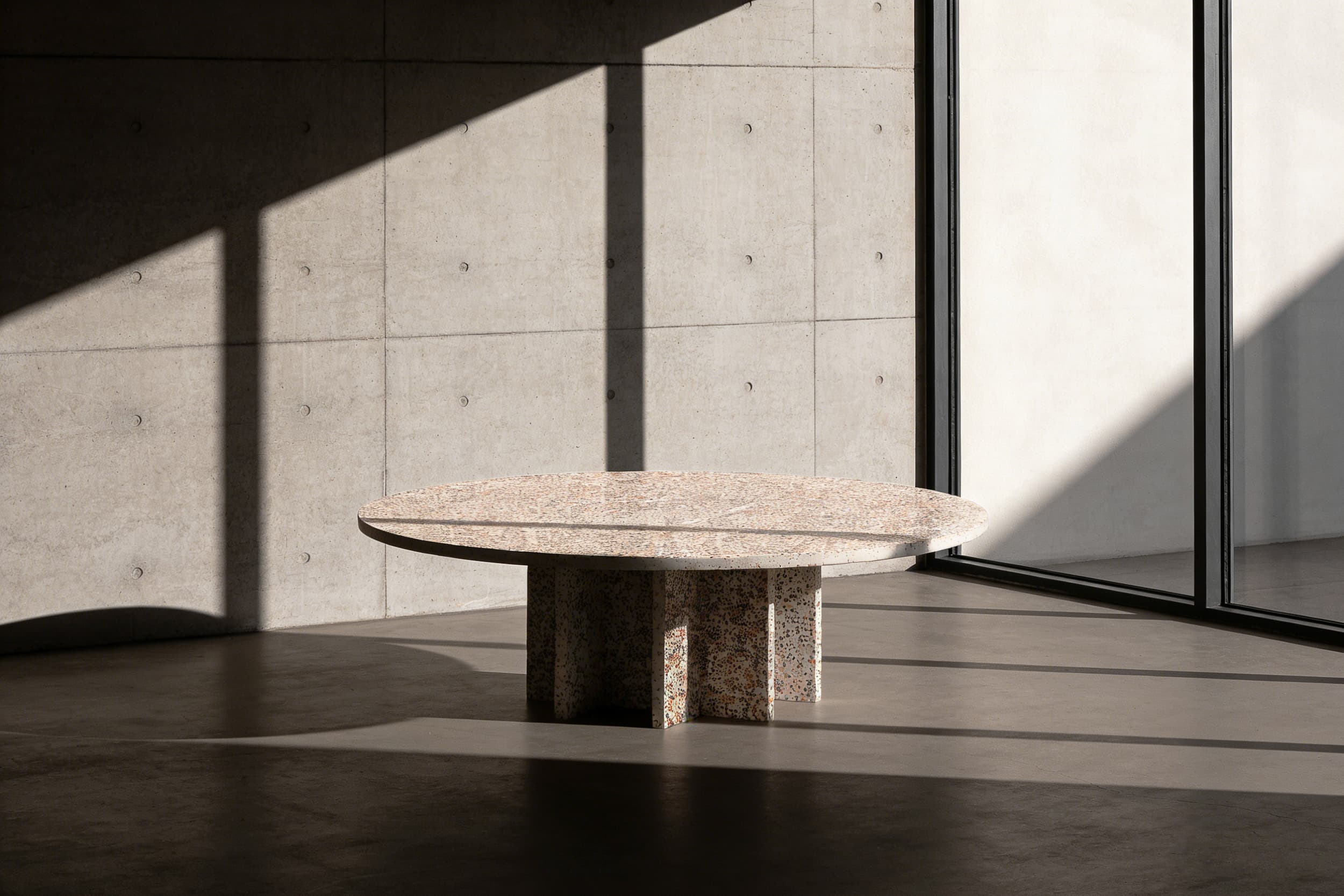
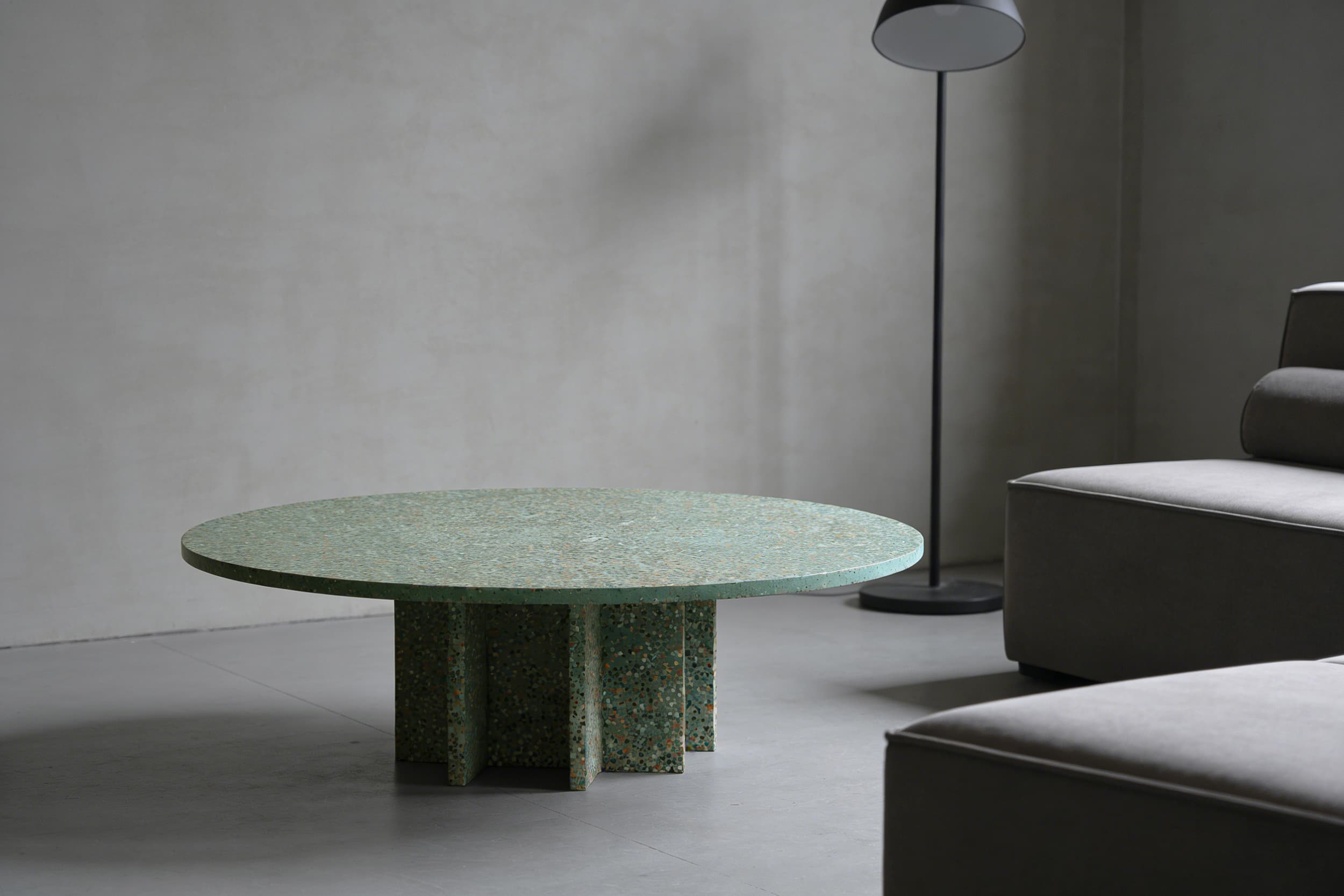
BENTU’s research extends beyond technical performance to integrate ecological value with aesthetic expression. By tuning pigmentation, aggregate grading and surface texture, we transform pollutive sediment into a vernacular material defined by circularity and artistic character.
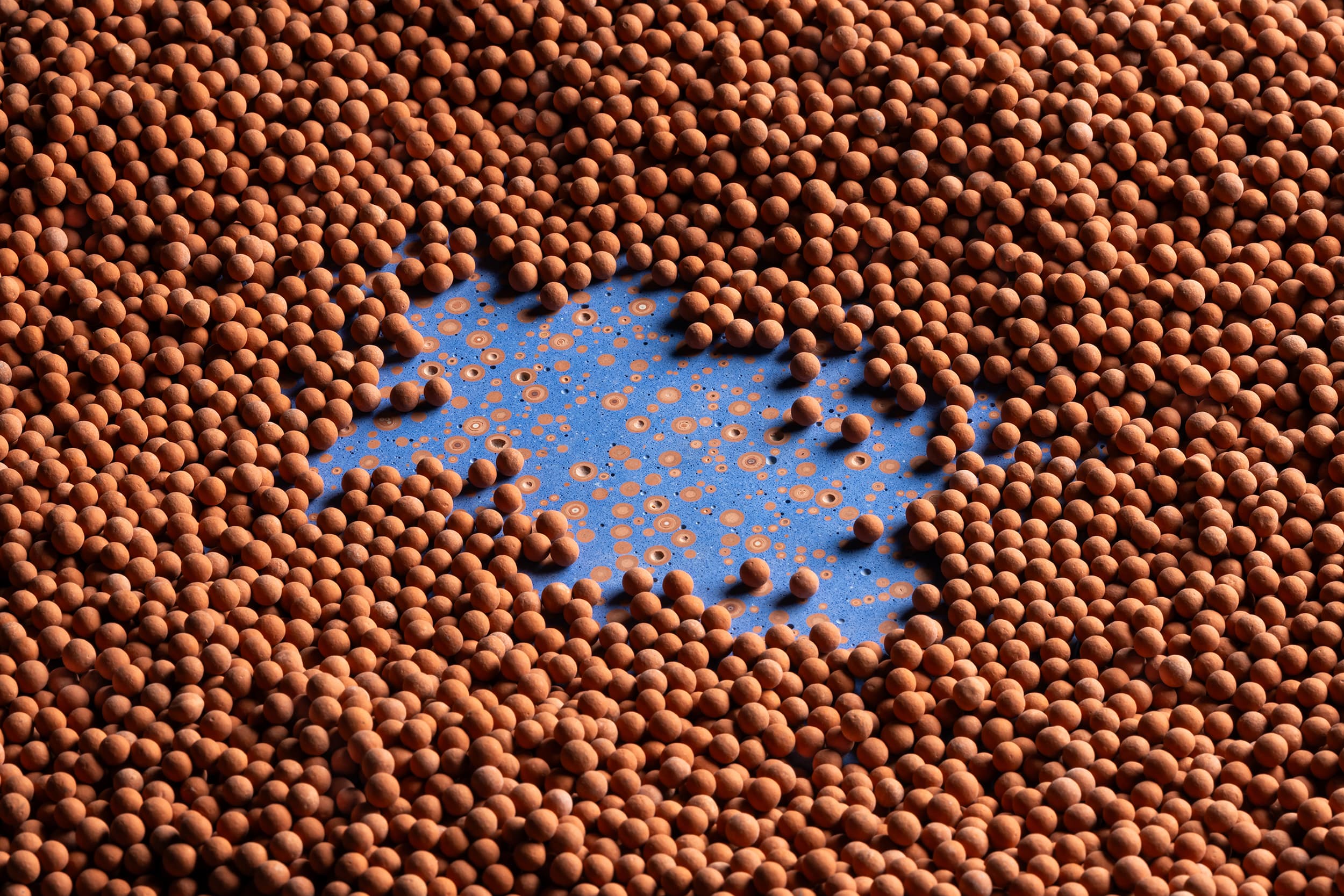
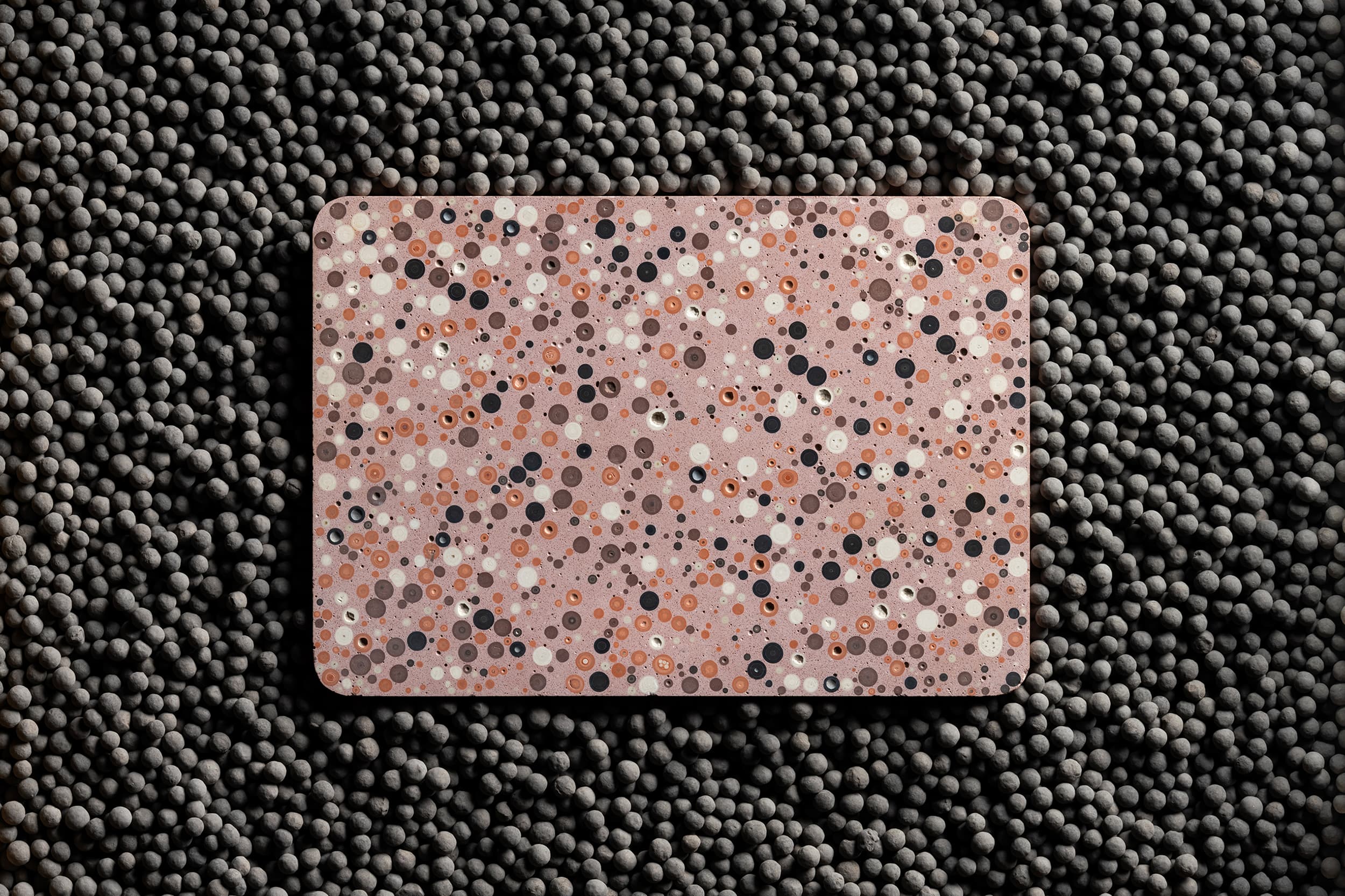
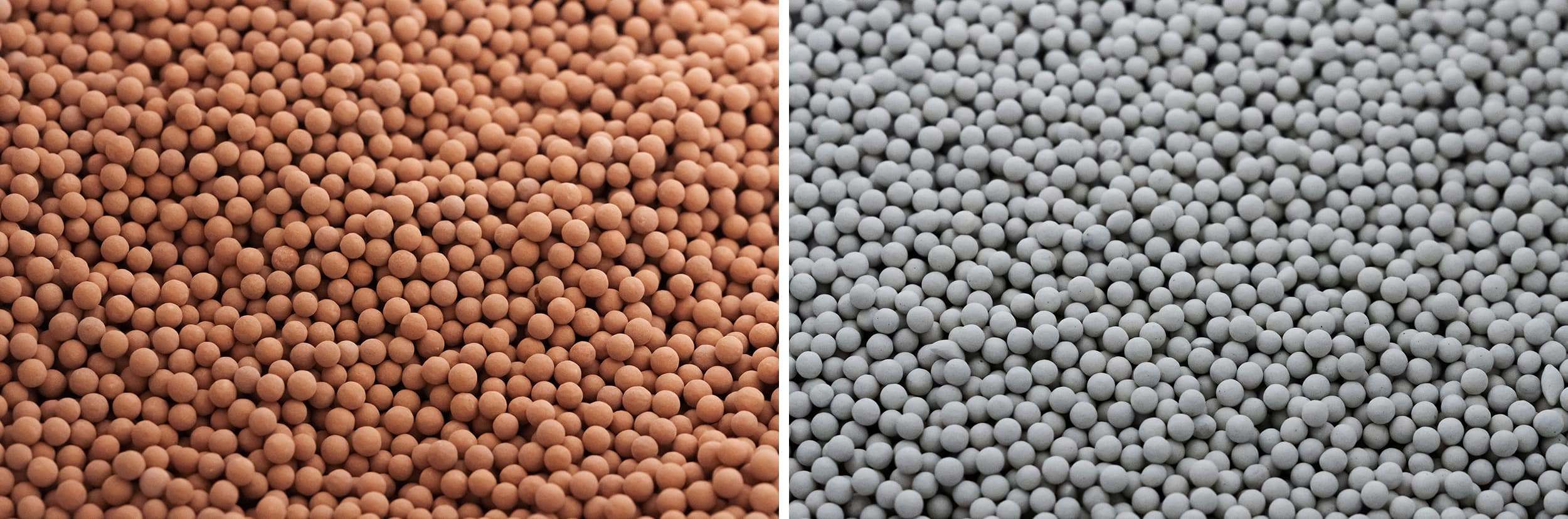
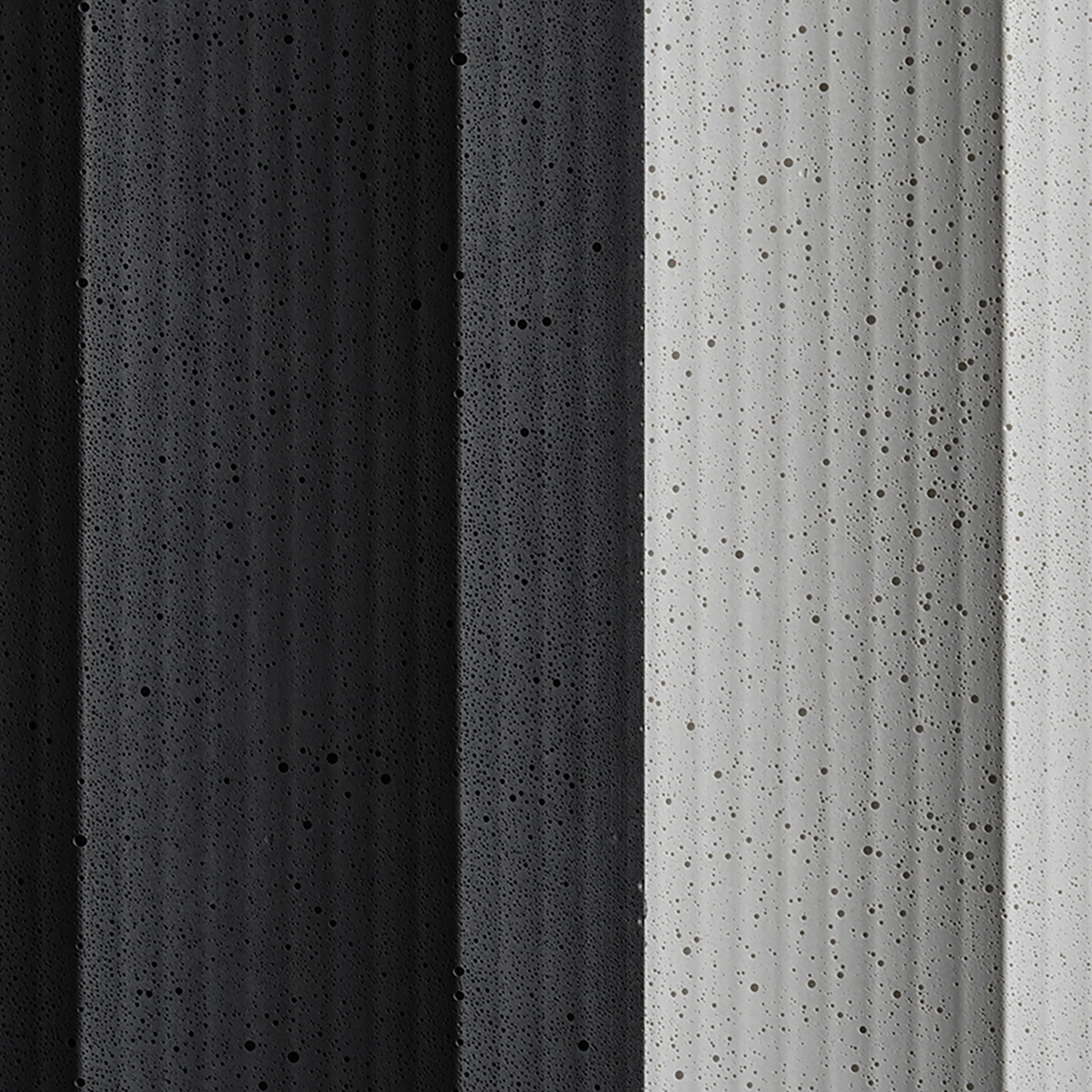
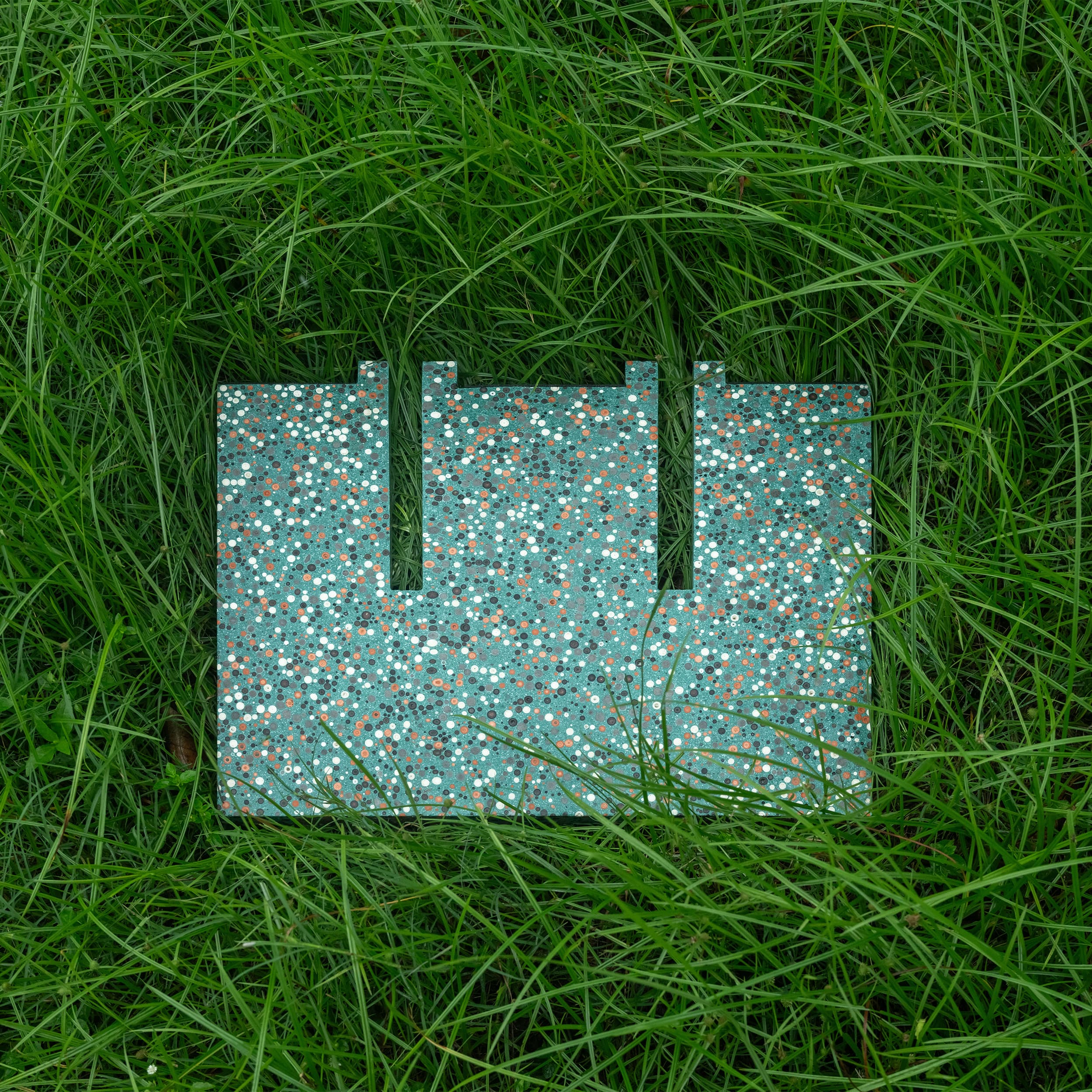
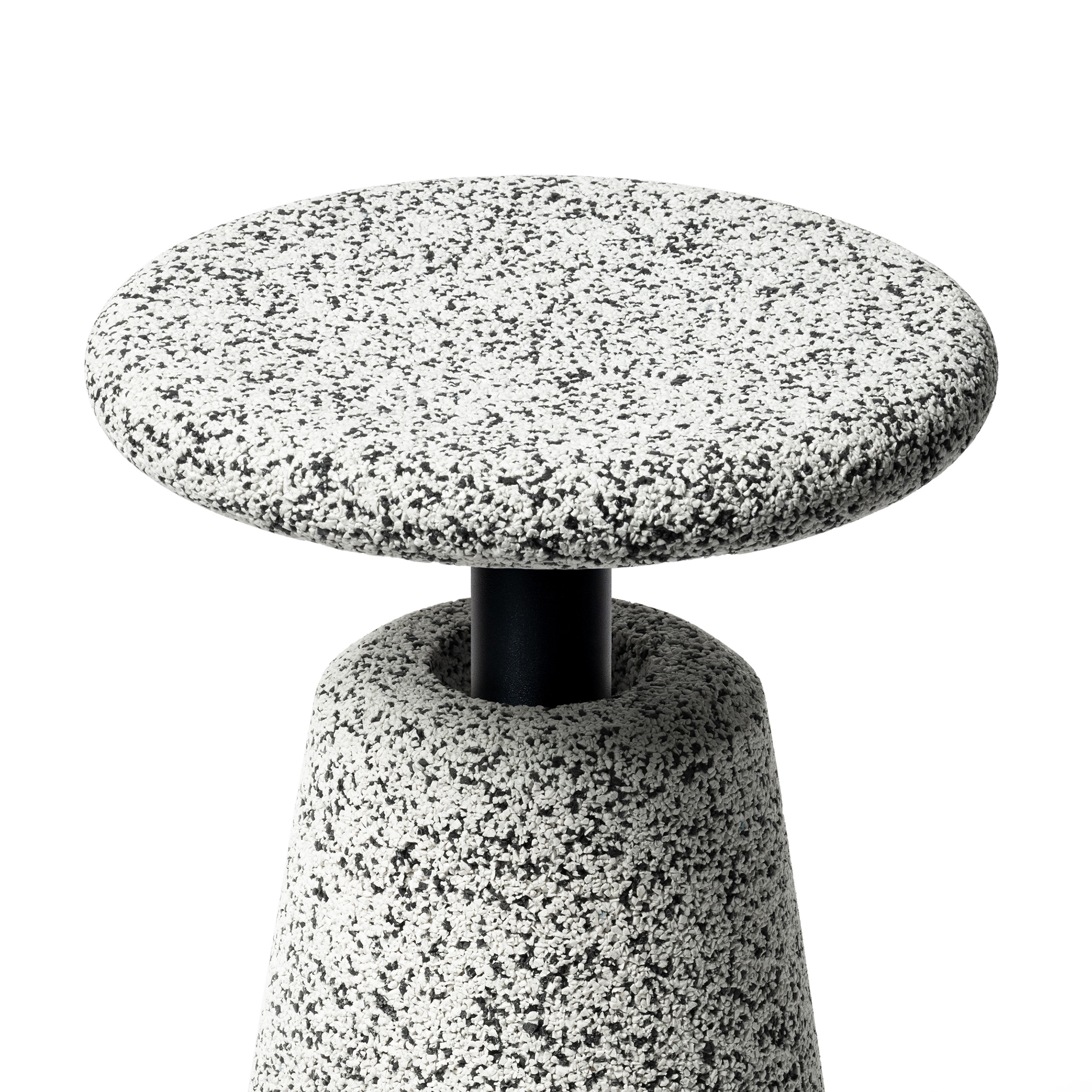
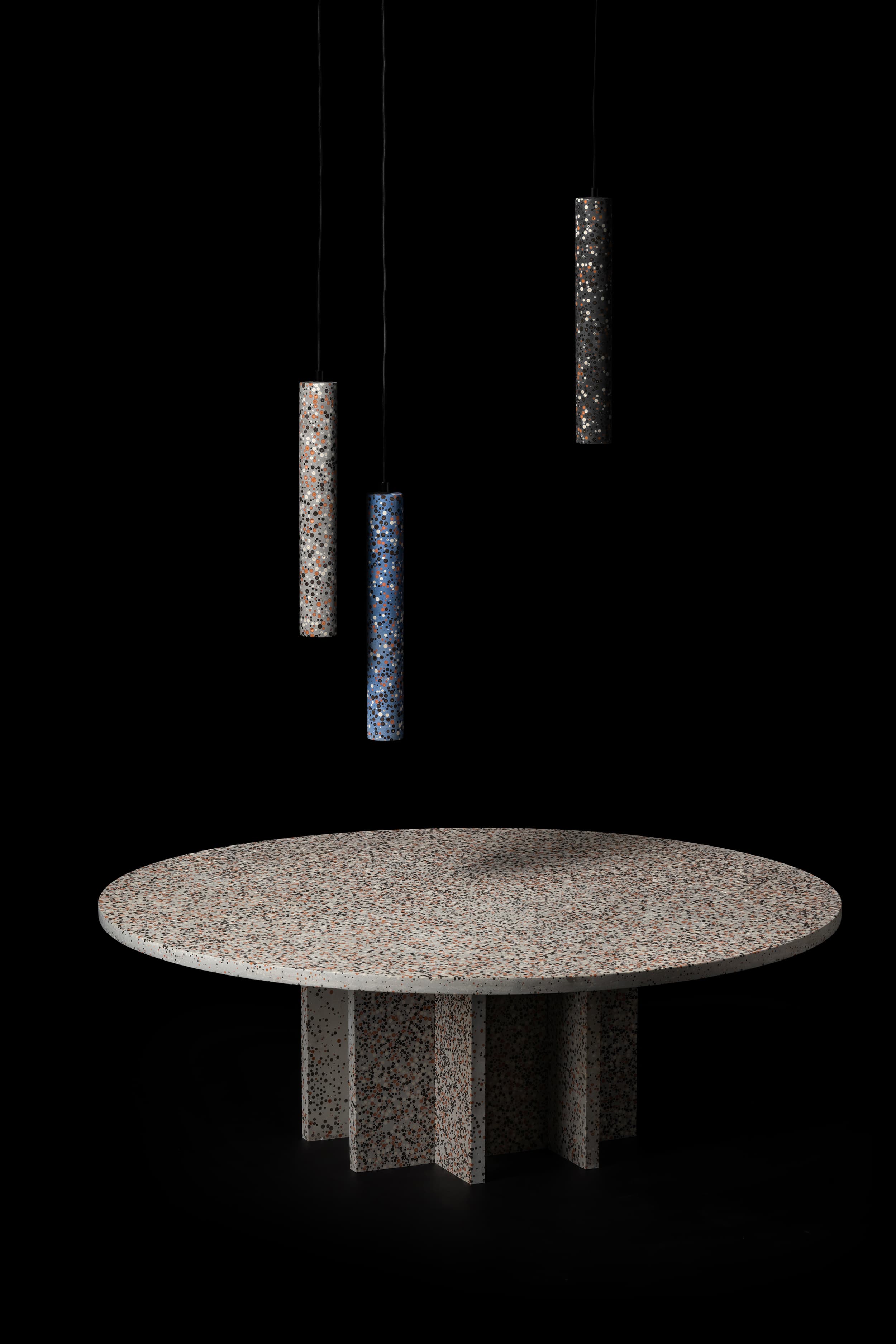
Adjusting activator dosage and type yields natural earth tones including charcoal grey, ochre and warm brown; iron‑oxide‑based inorganic pigments enable customised red, yellow and blue hues. Graded aggregates (0.2–6 mm) create organic granular textures, while mould‑pressing replicates wood, stone and woven patterns. Silicone‑based hydrophobic treatment or polishing delivers natural tactility alongside stain resistance.
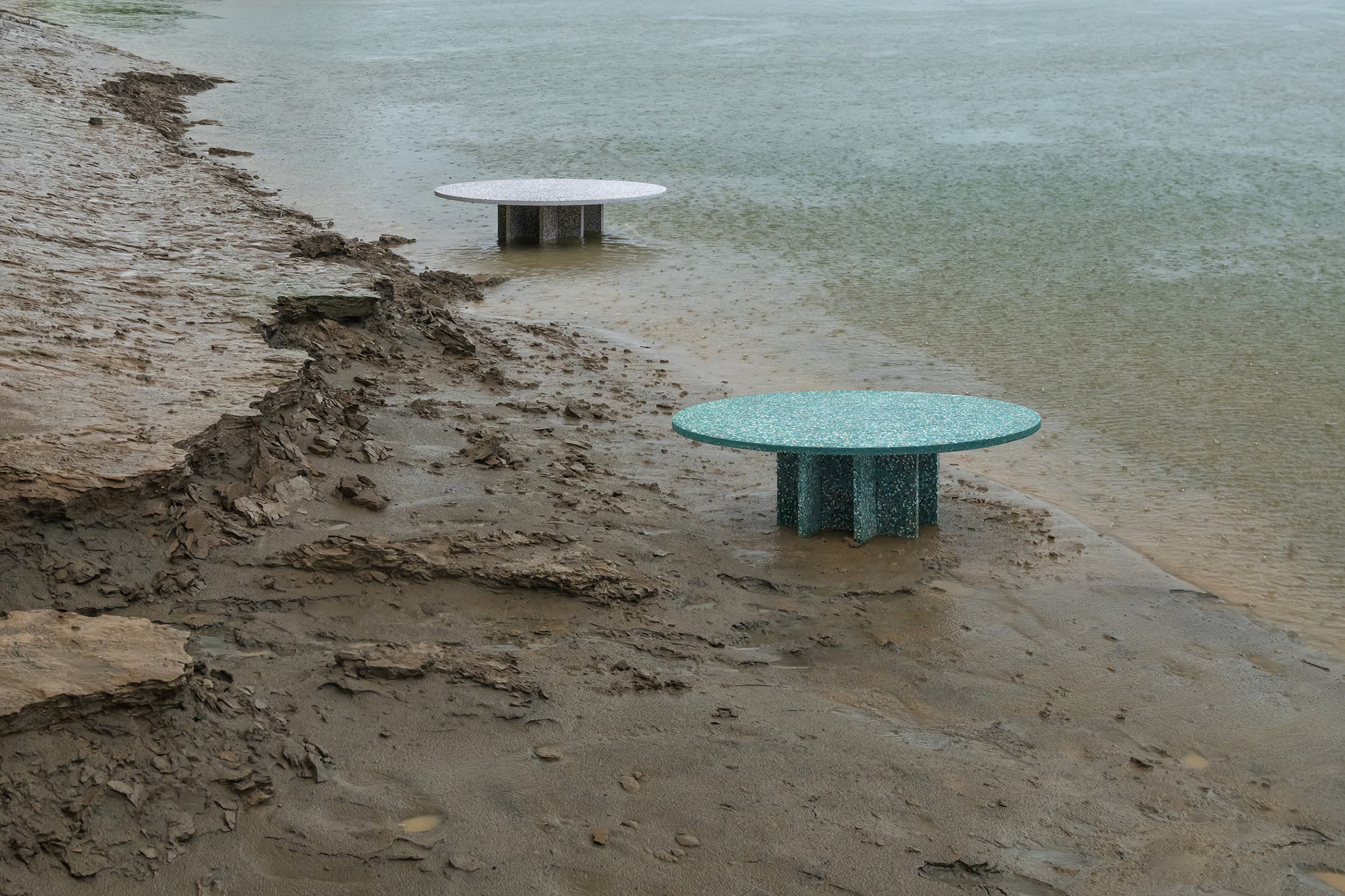
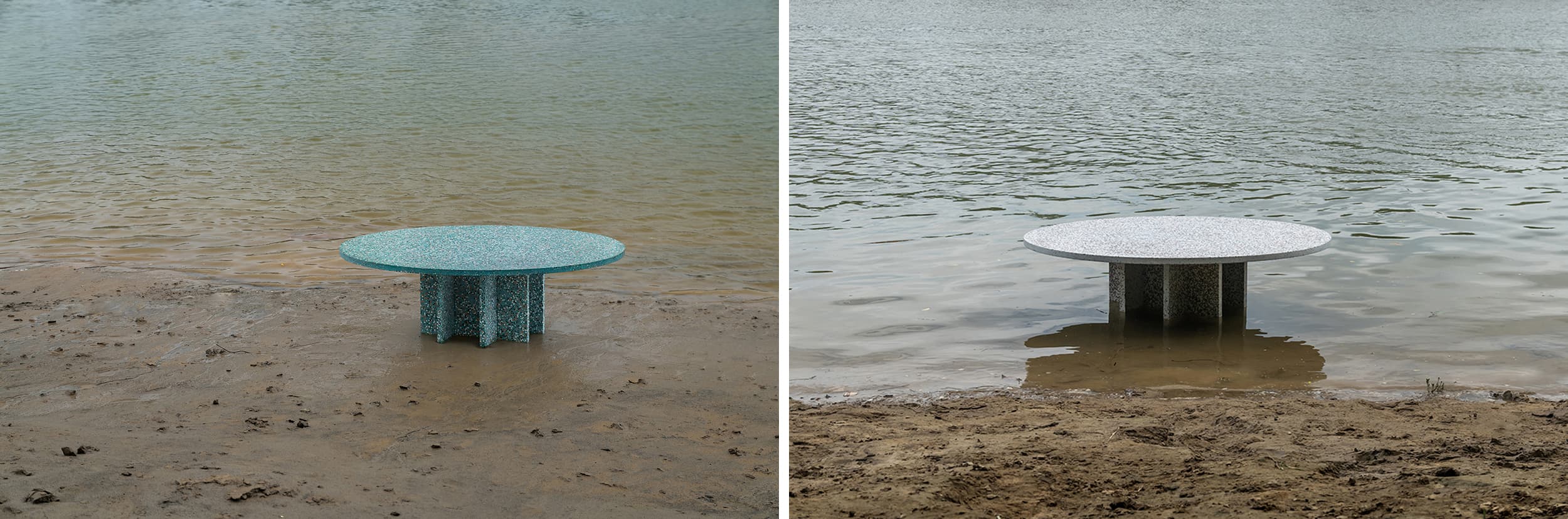
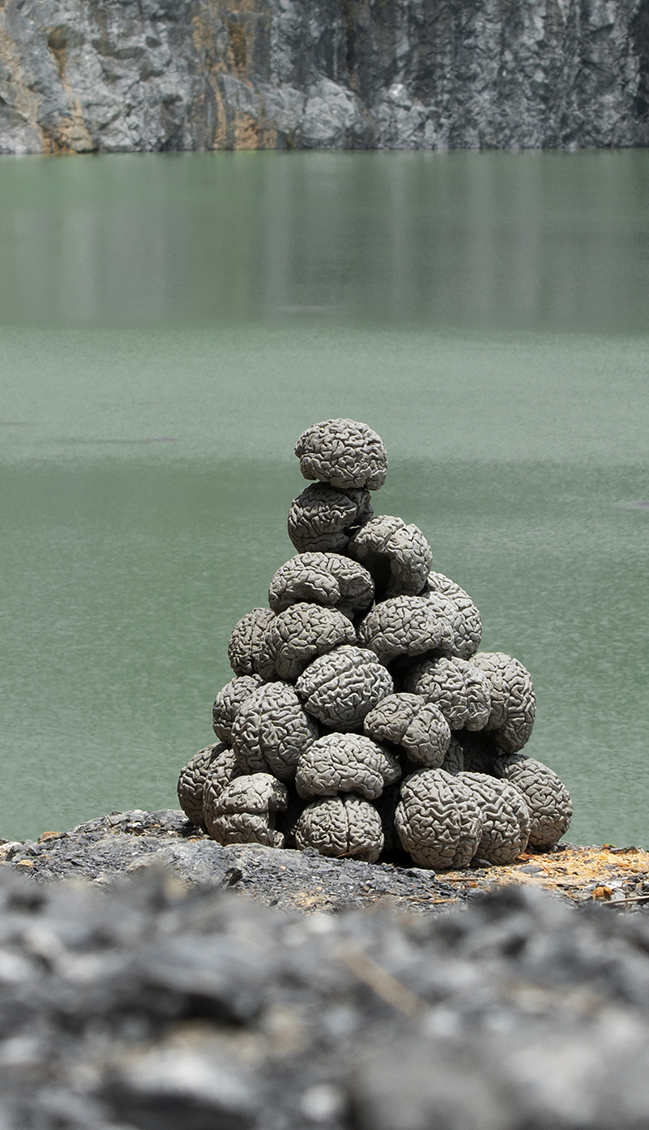
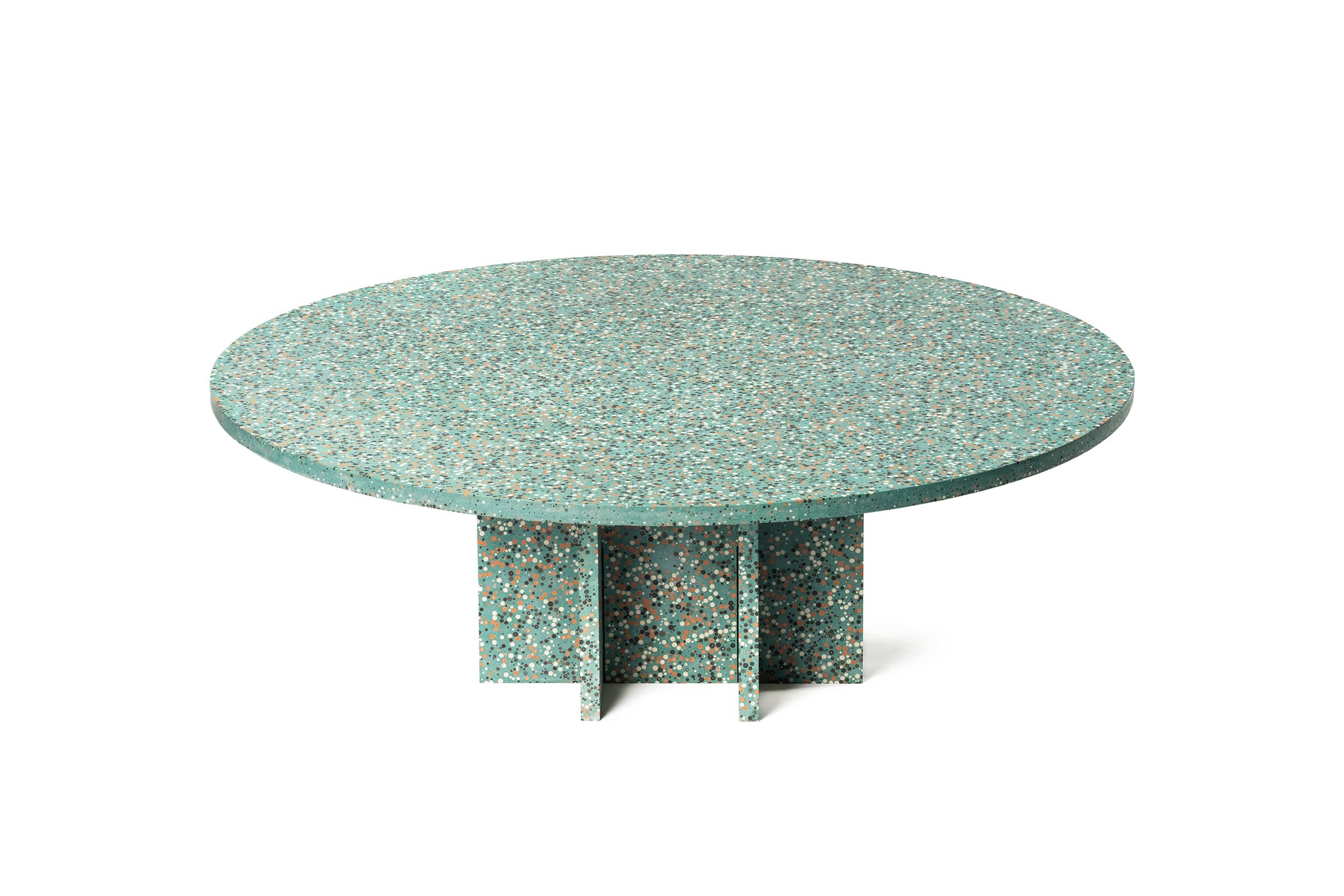
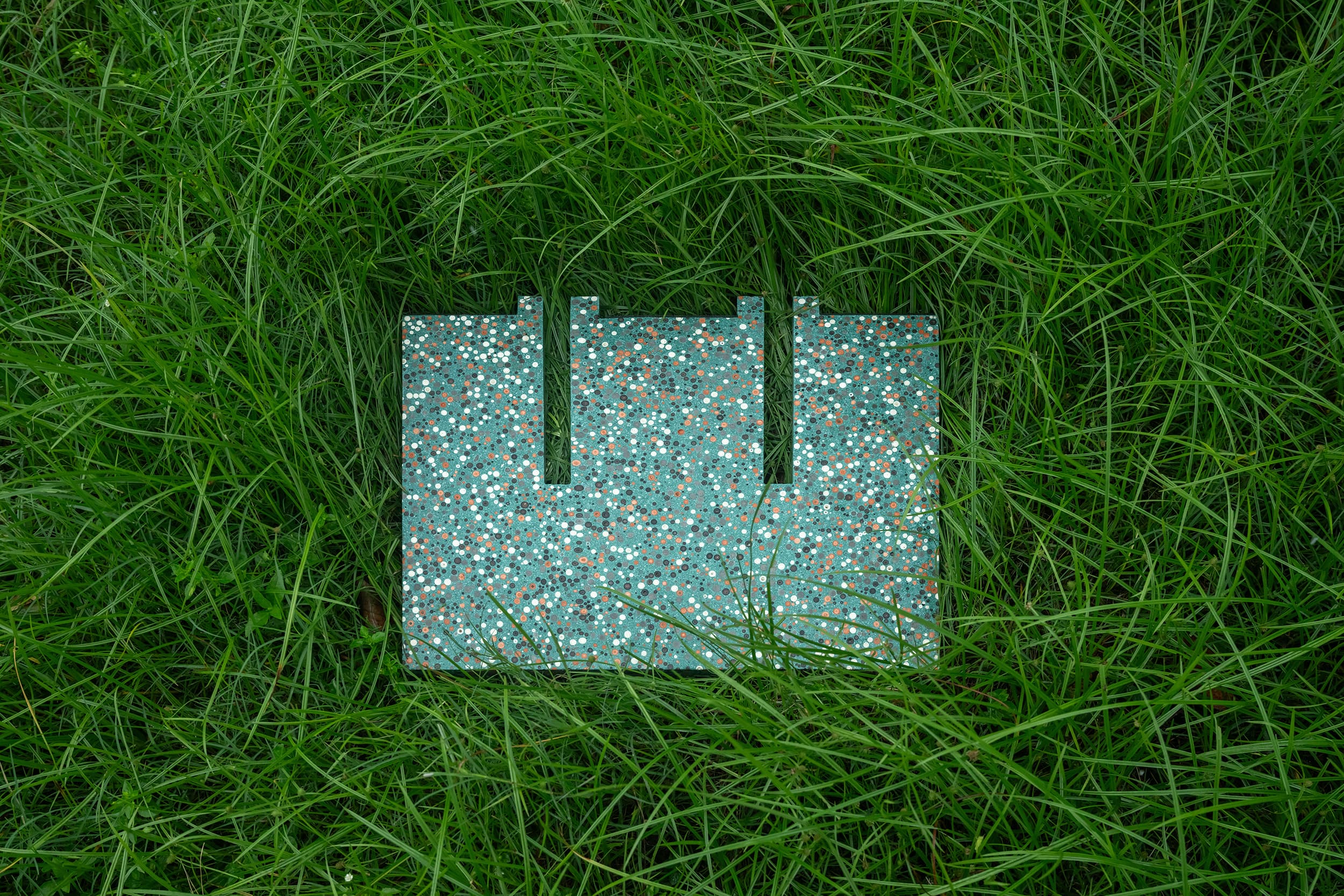
Finished panels retain the mud’s native character with fine pores and organic grain, feeling warm and rustic rather than cold and industrial. No longer an environmental hazard, pond mud becomes a tangible carrier of place‑based memory. This visible, tactile circularity makes abstract ecological restoration concrete and experiential. When people touch mud‑derived ceramsite panels, they engage with a complete narrative of material transformation: where sediment originates, how it is re‑processed, and how it re‑enters daily life. This immersive experience delivers public environmental education and fosters deeper ecological awareness.
IV. Reviving Vernacular Wisdom: The Value of Circular Design
As design theorist John Thackara states: “The heart of sustainable design is not to reduce harm but to repair relationships.” Unfired mud‑based ceramsite panels reconnect fractured bonds between city and countryside, industry and agriculture, consumption and waste. Former aquaculture ponds evolve into local low‑carbon material sources, linking polluters, developers and end‑users within a shared accountability framework.
Based on Guangdong aquaculture planning data, the Pearl River Delta generates millions of tonnes of pond mud annually. Full conversion into unfired ceramsite panels would deliver carbon sequestration equivalent to nearly 80,000 mu of forest per year (based on 18.75 tonne carbon fixation per mu), representing substantial emissions‑reduction potential.
The circular philosophy of mulberry‑fish ponds aligns perfectly with contemporary circular‑economy frameworks. Five core pillars of UNEP’s 10R principle — reduce, reuse, recycle, recover, remanufacture — are inherently embedded within the traditional farming system. Rather than replicating historic forms, we extract its core principles: local sourcing, closed‑loop flows, multi‑level symbiosis and long‑term sustainability, re‑interpreting ancient agrarian wisdom through modern material science.
Cross‑disciplinary integration of design, science and technology can mend industrial fractures between humanity and nature, agriculture and urbanisation, establishing renewed symbiotic systems. When pond‑mud‑derived panels clad urban buildings, they embody not only local memory but also a vital reminder: solutions to modern ecological crises often lie within the vernacular wisdom we have long overlooked.
Design Director: Xu Gang
This article is an original work of the BENTU Local Regeneration Practice Series. Using Shunde fish‑pond sediment as a case study, it traces the complete transformation of local waste mud from ecological burden to viable circular building material.

- Contact
+8620 8977 0506
- Press
press@bentudesign.com
- Enquiry & Sales
info@bentudesign.com