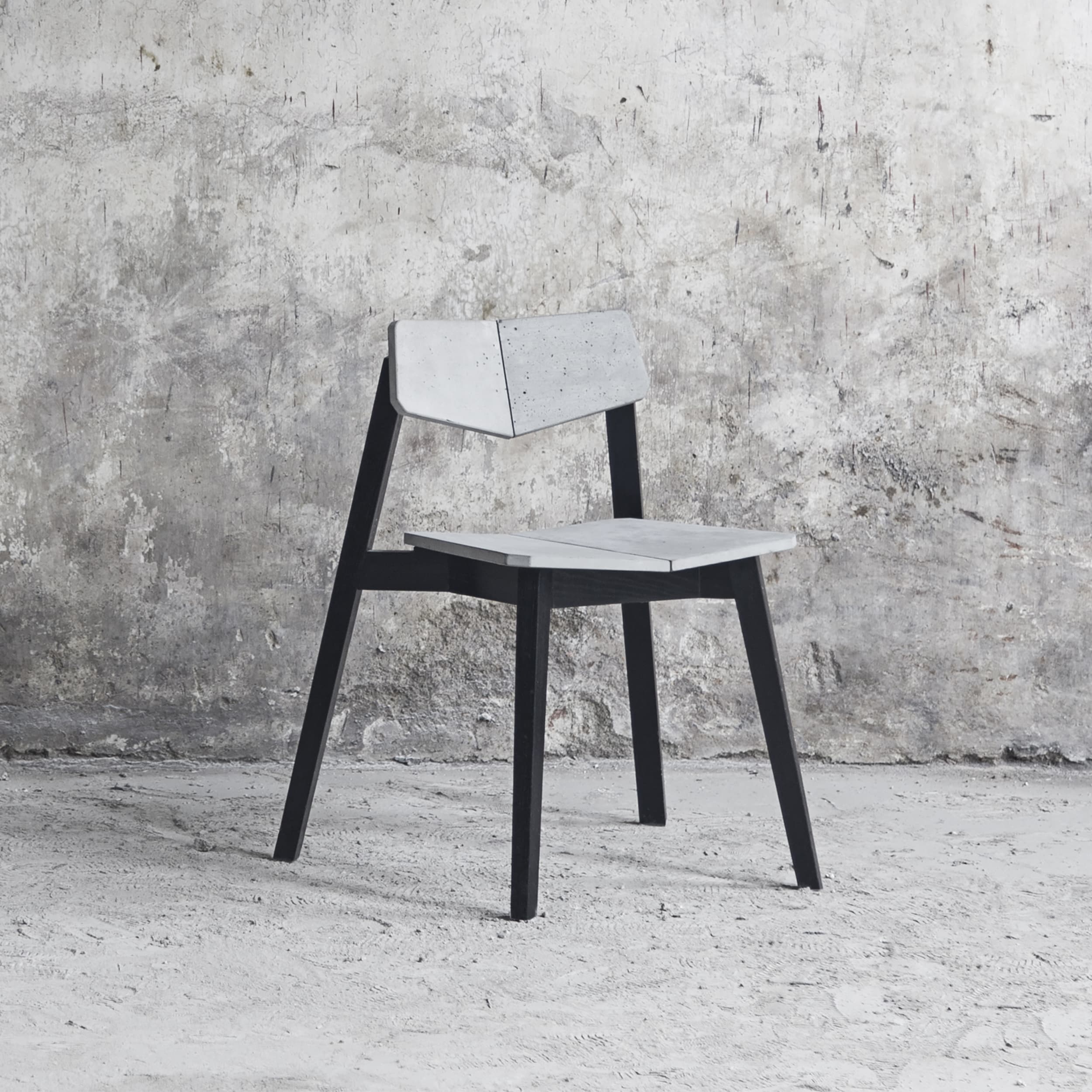


Modularity, Ruins, and Urban Shanshui: The Installational Potential of Concrete
Time: 2022
Location: Shunde, Guangdong, China
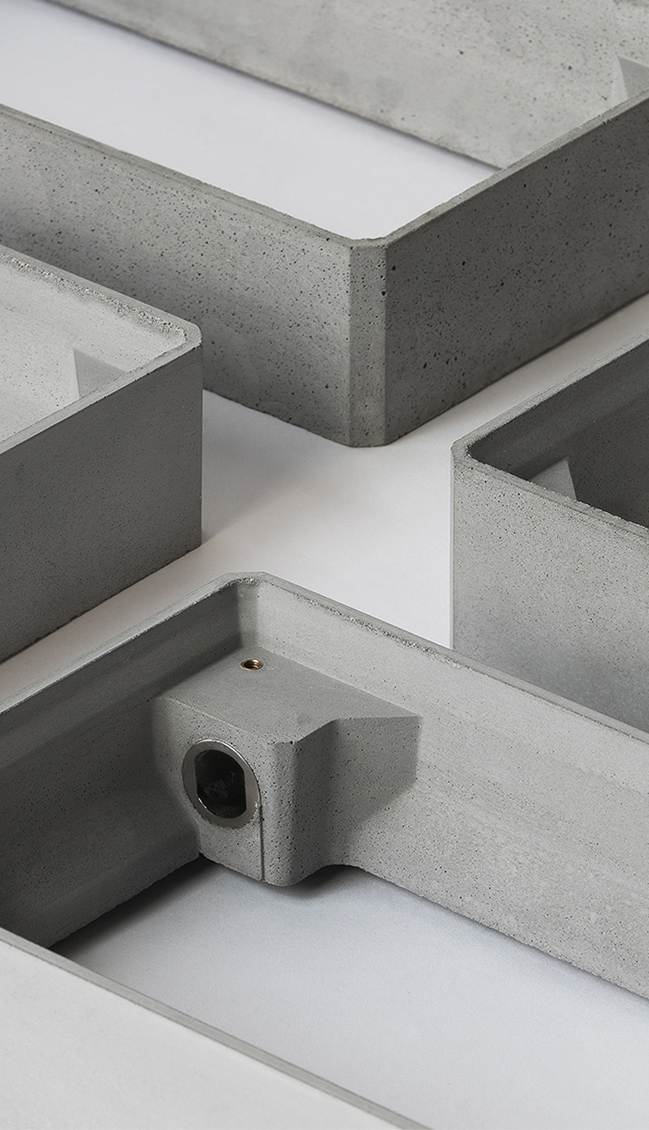
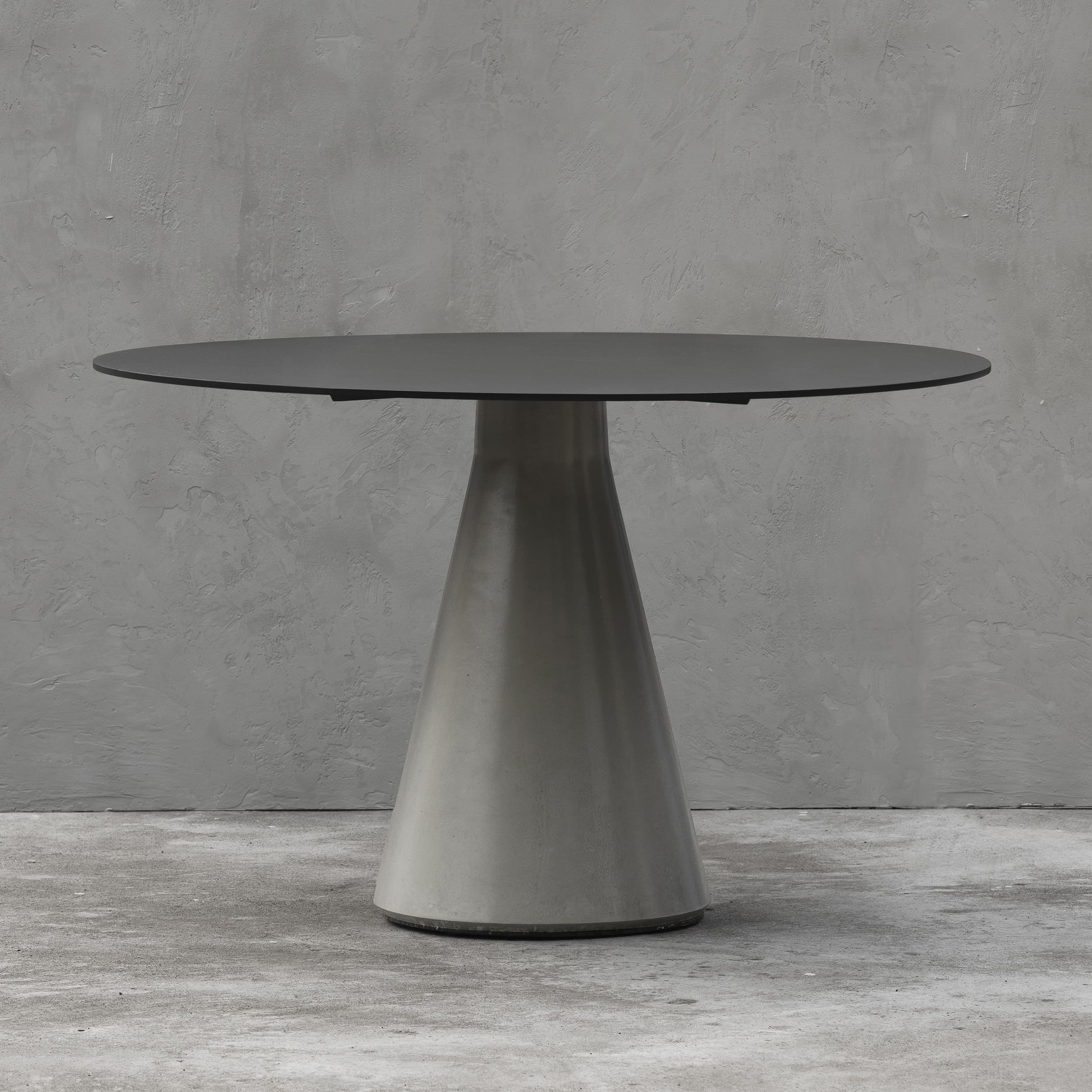
Concrete has always been the silent foundation of architecture — solid, ubiquitous, embedded in daily life, yet rarely the object of sustained gaze. When detached from structural load‑bearing systems and situated within installation art, it transcends pure functionality to become a material language that carries order, bears a ruinous dimension, and embodies the spirit of regeneration.
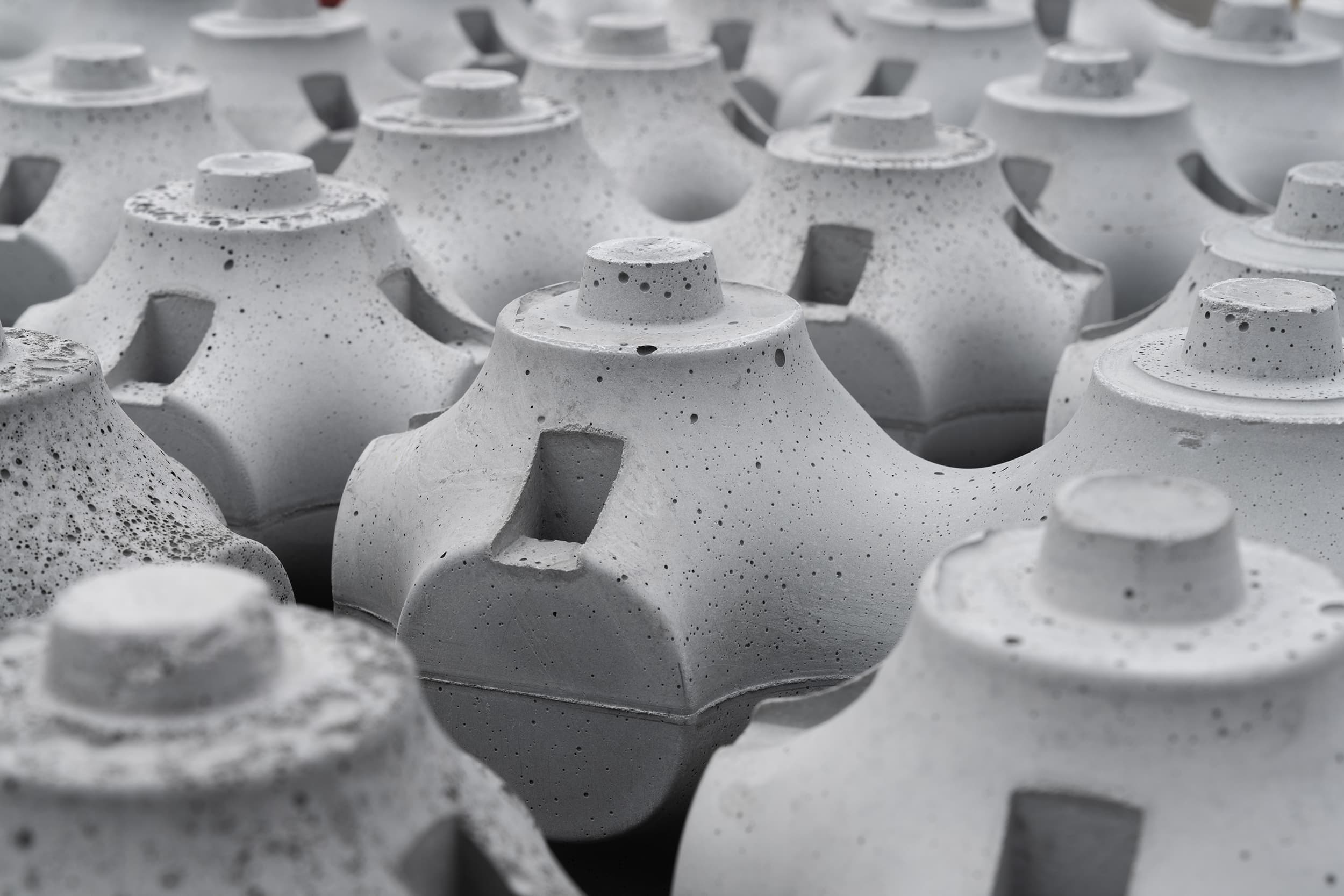
Cross‑disciplinary symbiosis between materials is never mere physical superposition. As the material backbone of modern civilisation, concrete possesses a coarse, cool, almost affectless materiality. This quality grounds installation art in an ethos of resisting noise and rejecting ostentation. In an era saturated with digital light installations and overstimulated visual input, concrete modules — through their distinctive weight and tangible texture — draw viewers into slow, contemplative perception, gently rebalancing the sensory excess of contemporary society. In a world where everything competes for attention, concrete turns inward. It is this understated restraint that grants it enduring power beyond fleeting trends.
Modularity: Mass Production and Freedom
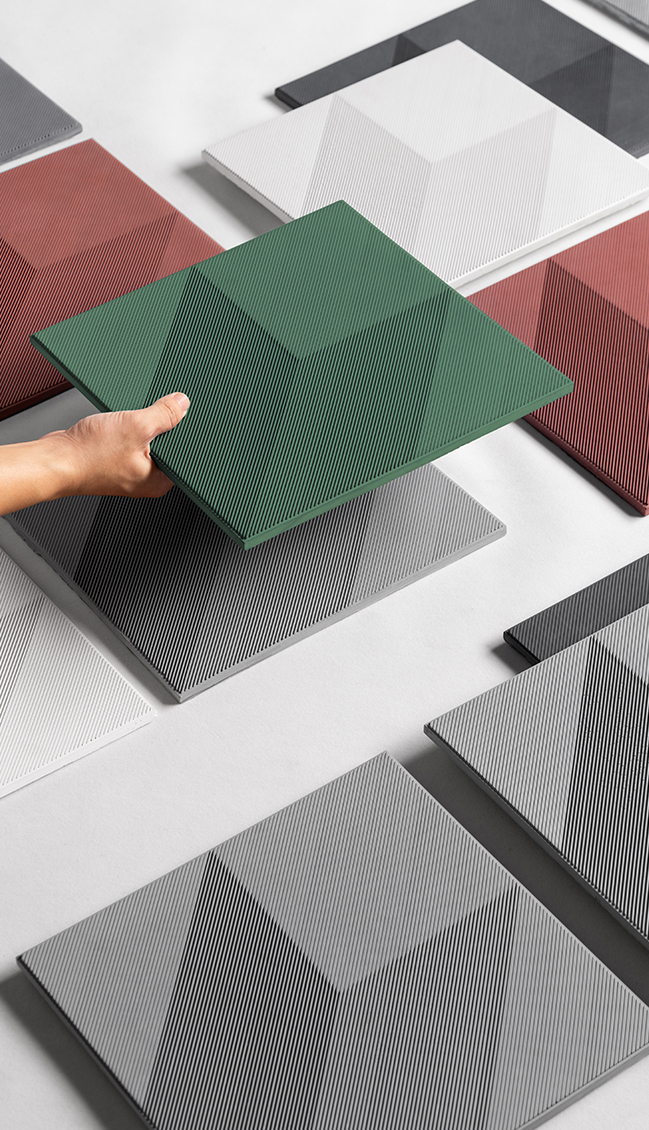
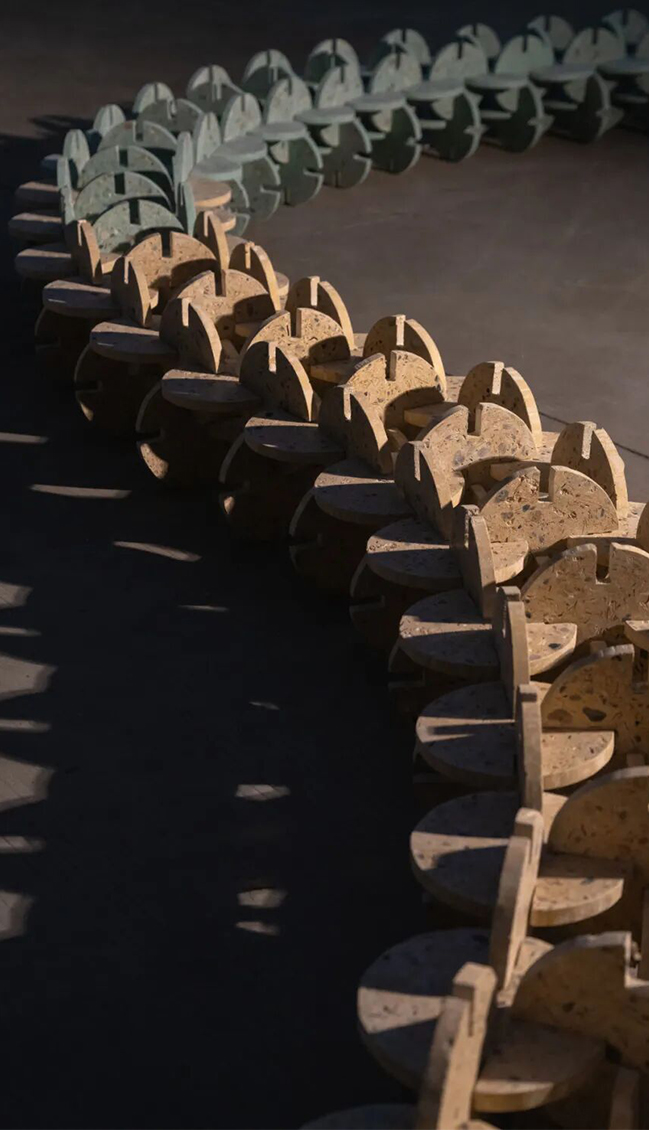
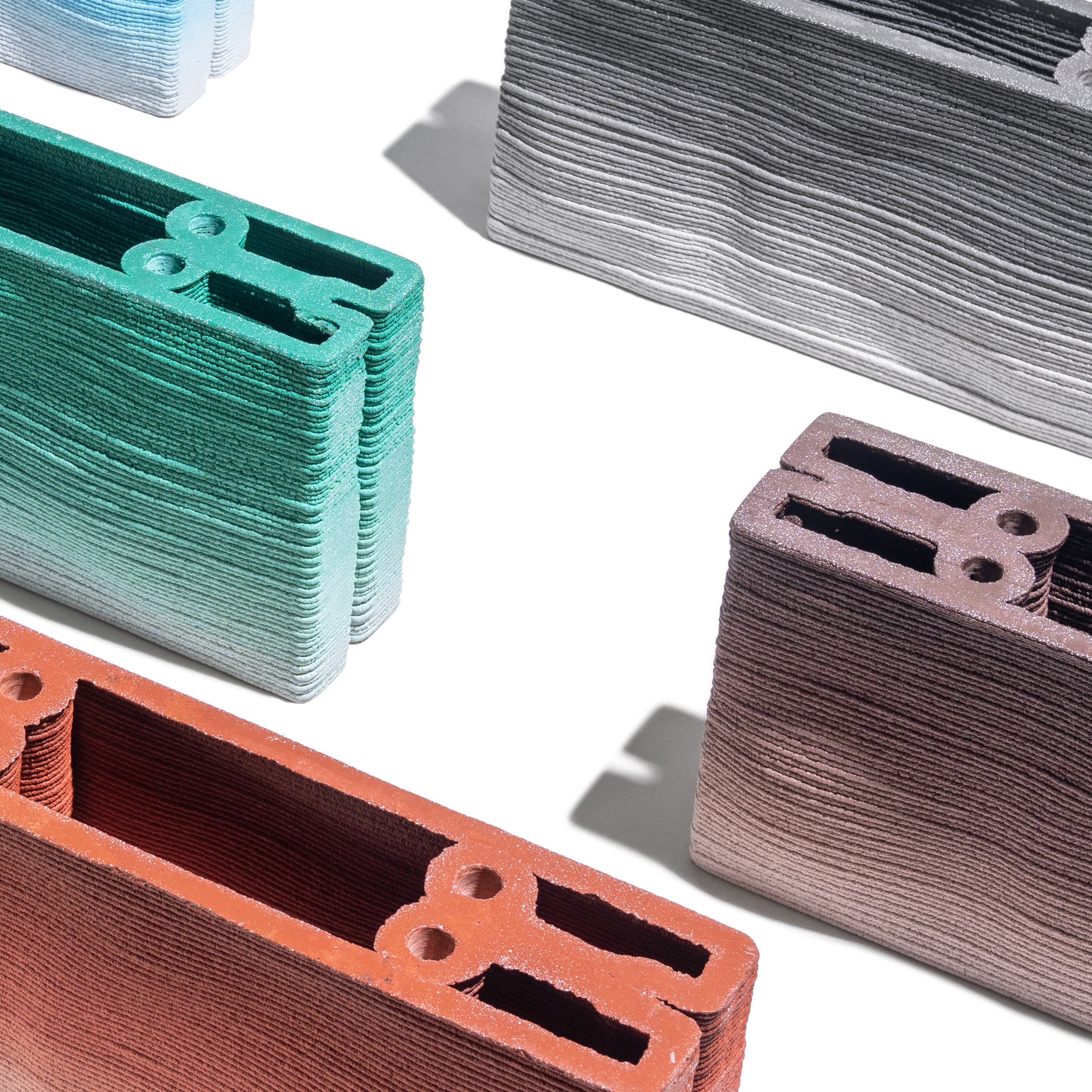
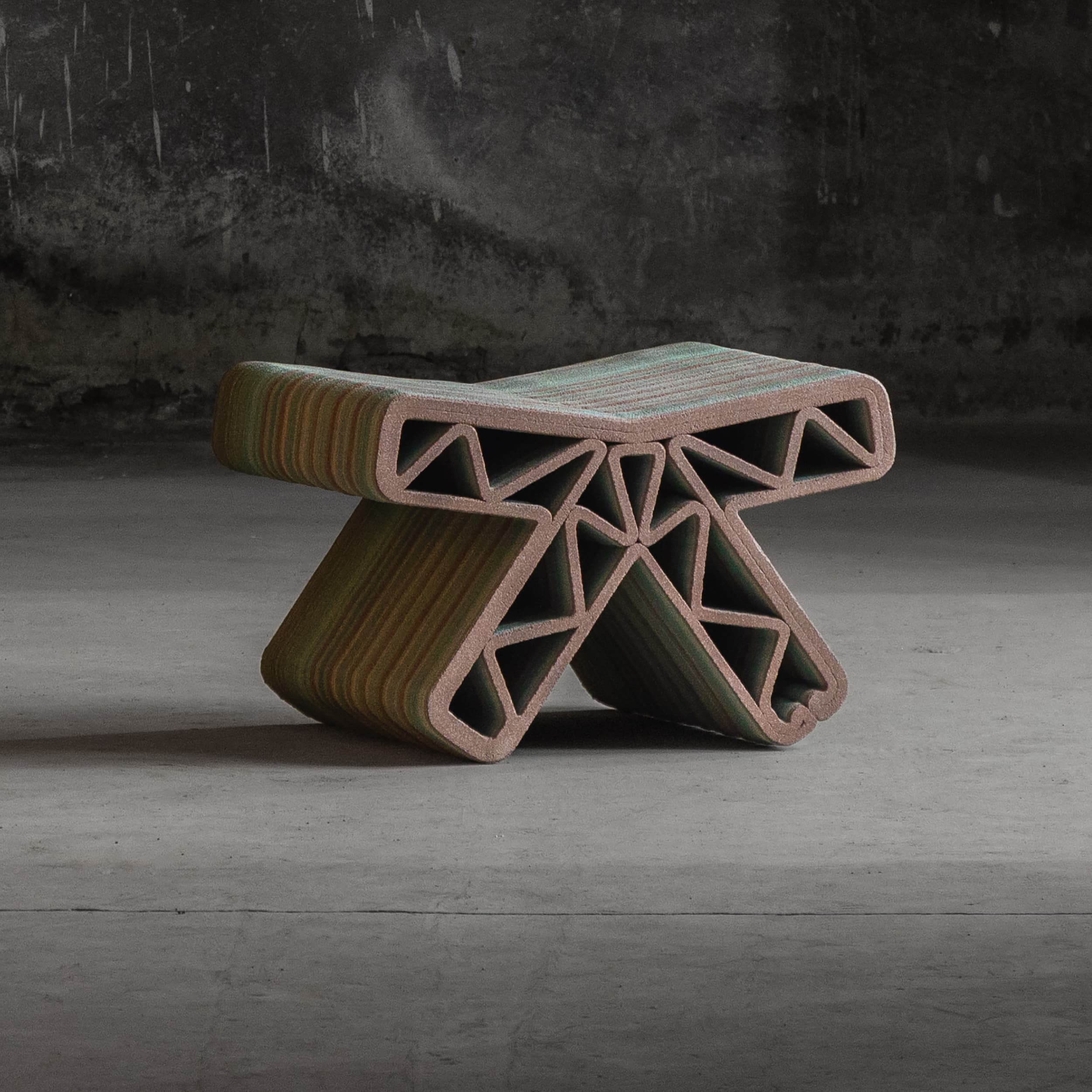
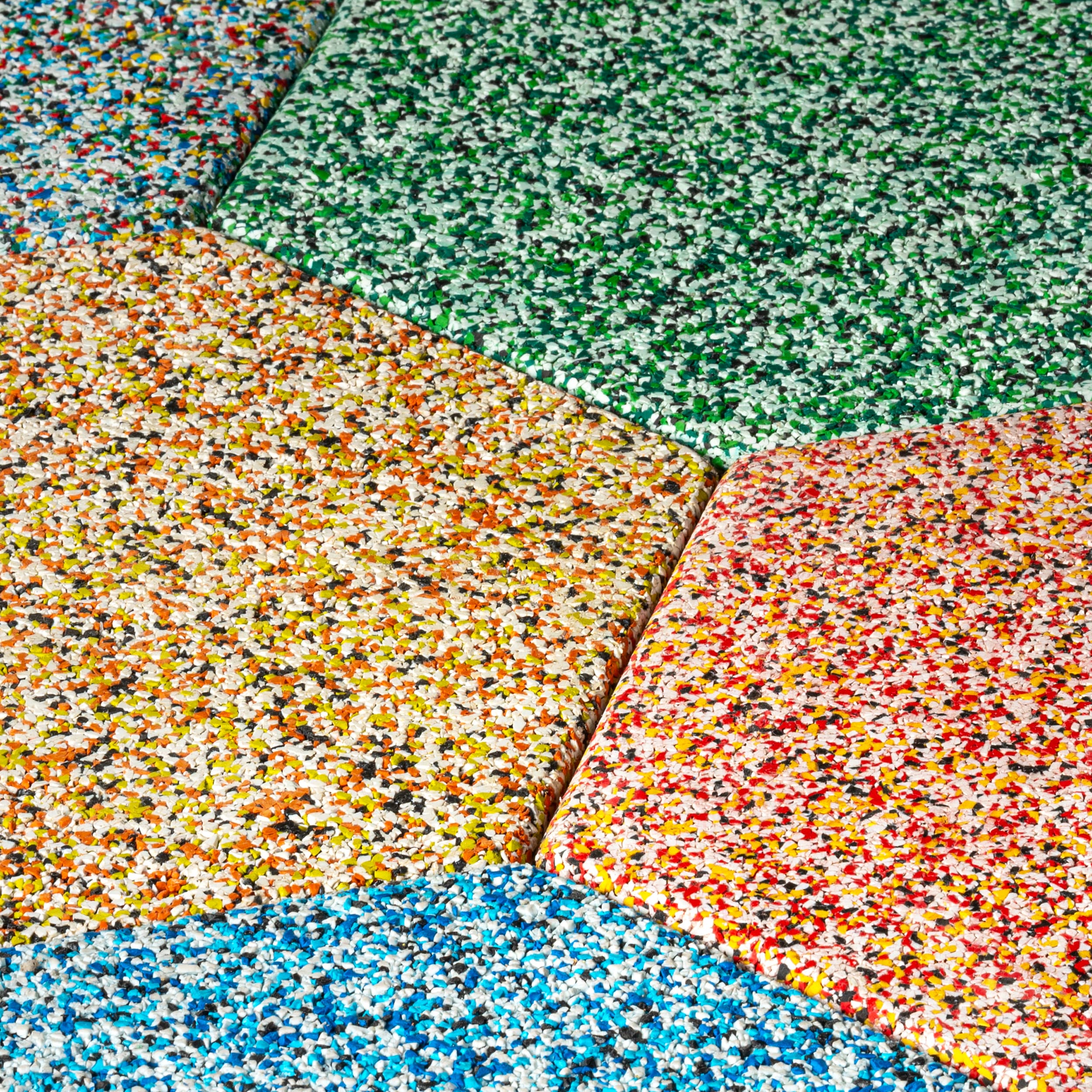
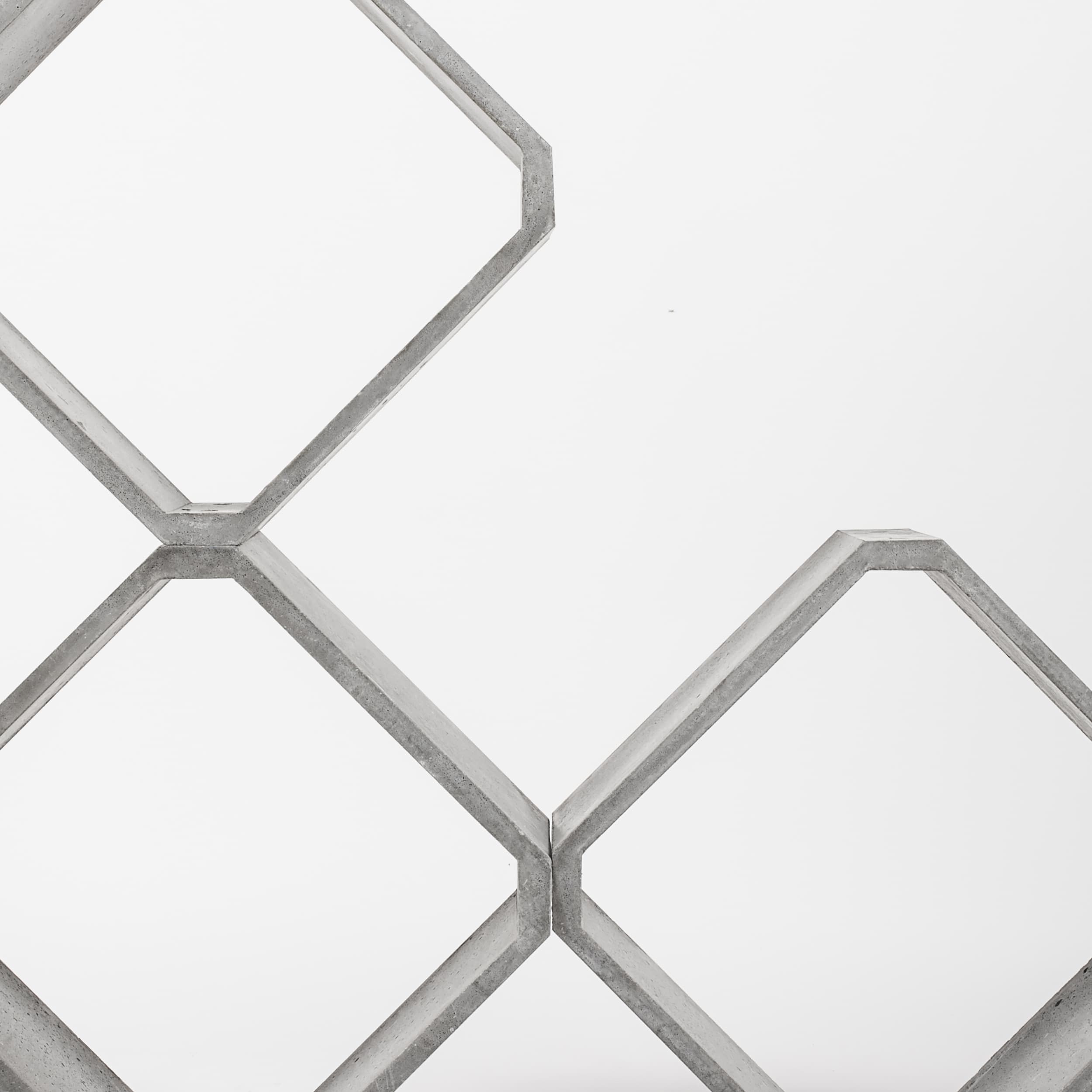
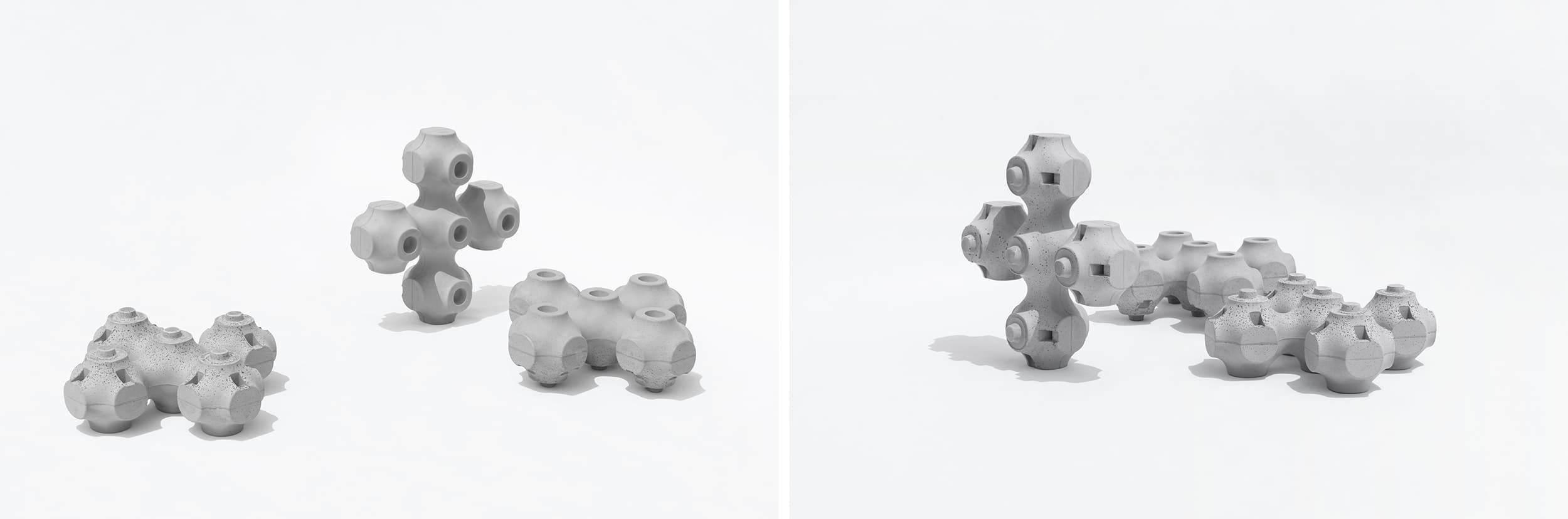
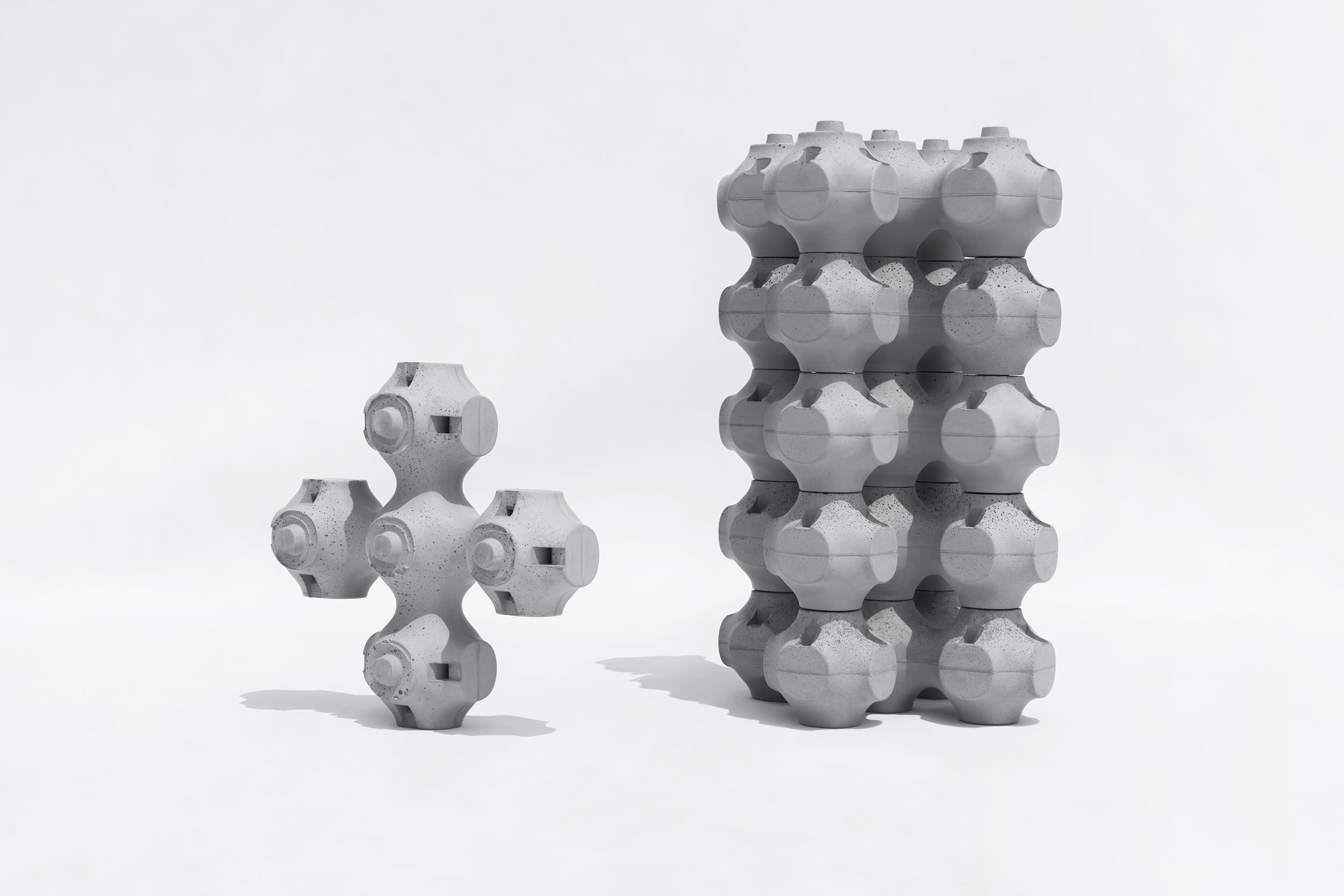
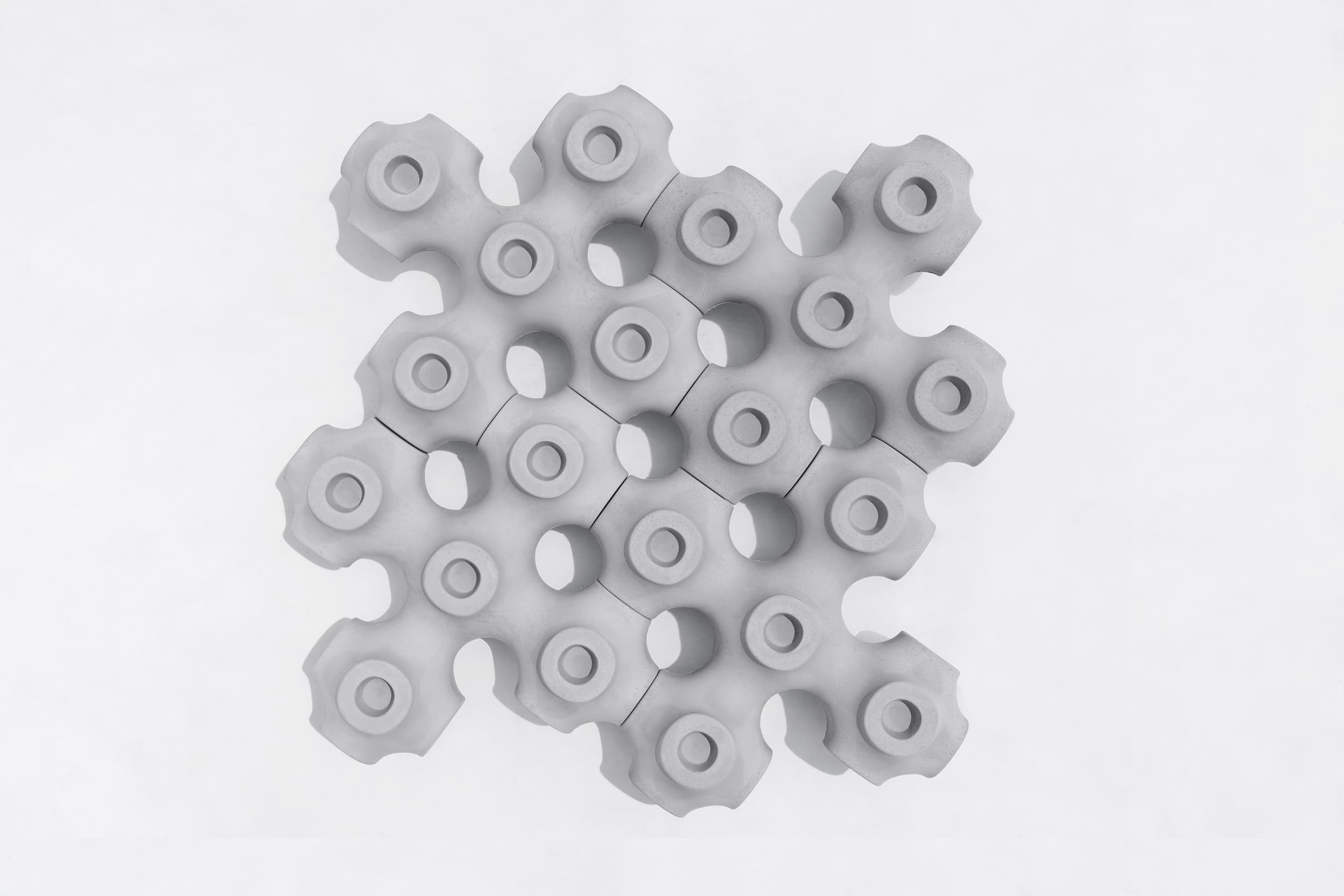
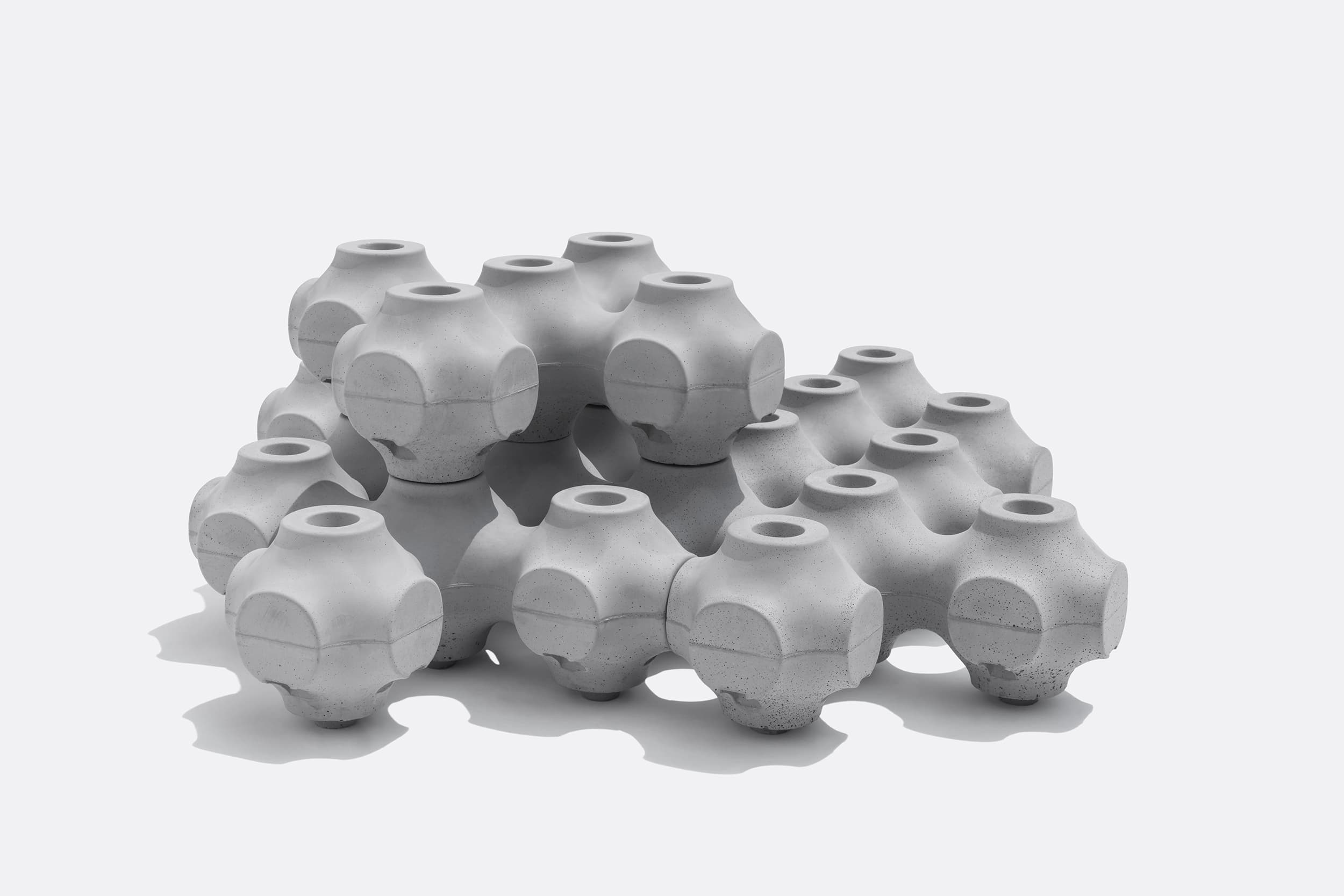
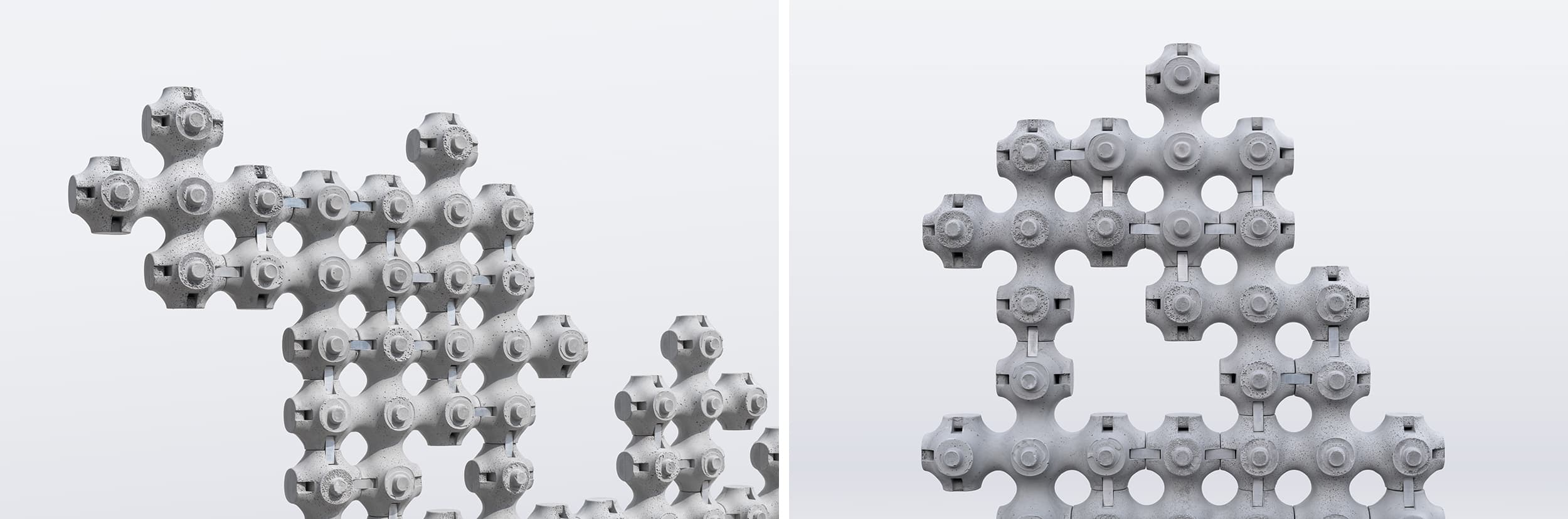
Modular design is often typecast as industrial: standardised dimensions, repetitive arrangements, lacking human warmth. Yet when modular logic is applied to installation practice, conventional perceptions are fully overturned. Standardised units cease to be constraints of mass production and instead evolve into a creative language of free combination. Each module acts as an independent lexeme; through assembly and juxtaposition, they compose a cohesive spatial narrative.
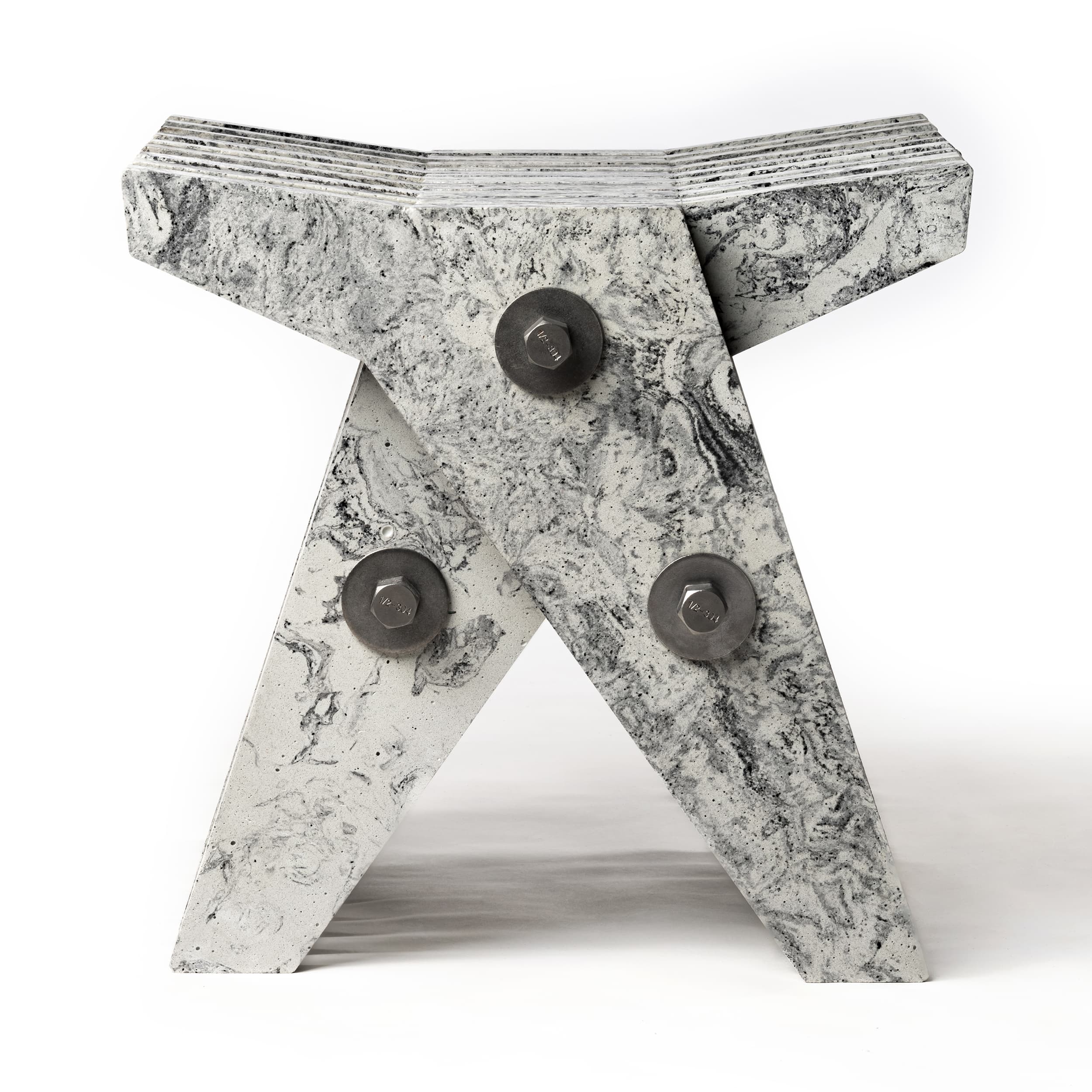
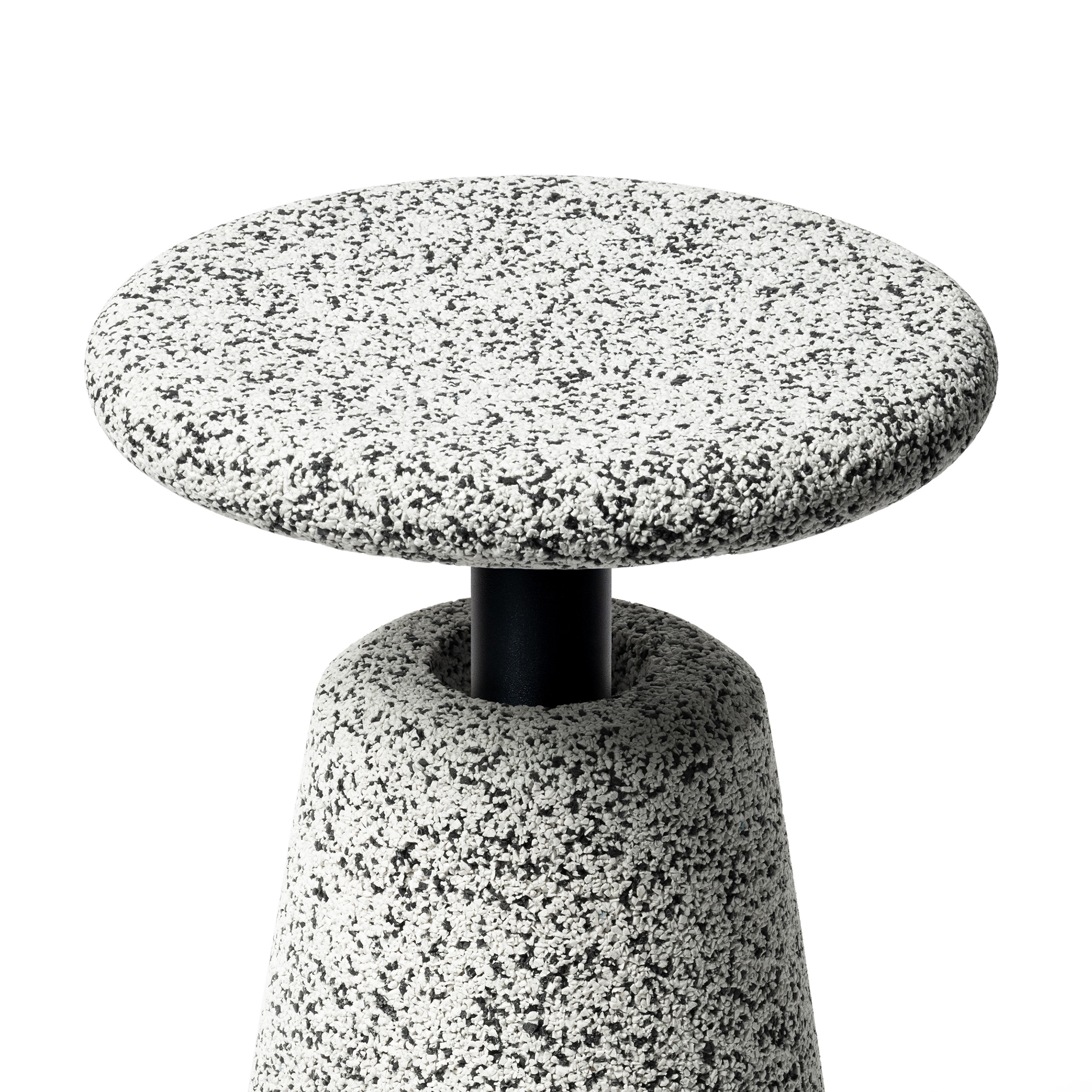
This creative trajectory continues mid‑20th‑century minimalism’s exploration of seriality. Modularity does not stifle creativity; it dissolves the hierarchical order of traditional composition. No single focal point anchors the work — its gravitational centre disperses across the full array, inviting viewers to observe and interpret autonomously. Modular concrete installations inherit this artistic lineage while integrating the material’s inherent weight and tactility. The same module can function as a seat, a partition, or a public monument. Design agency shifts from creator to user.
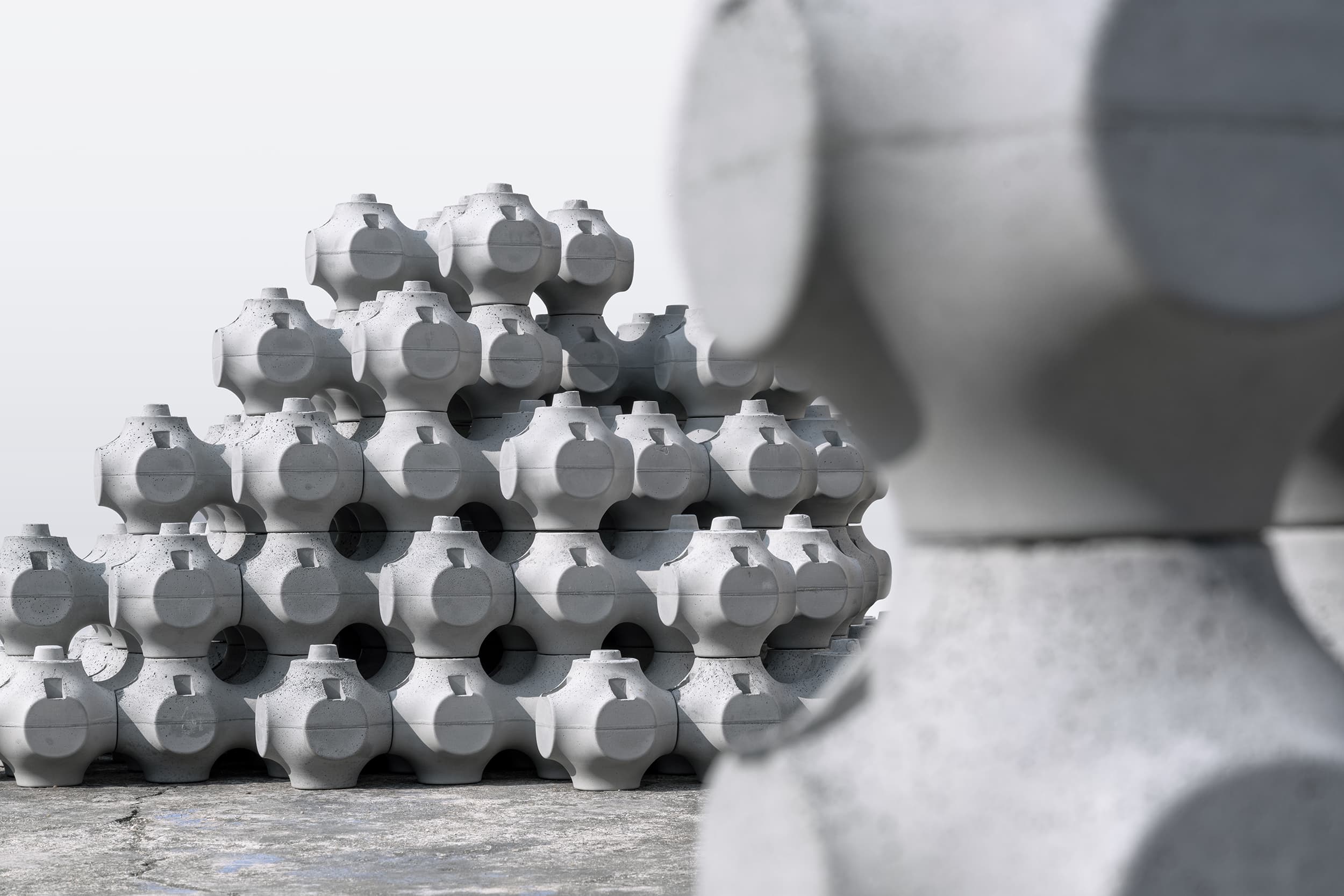
The scope of design intervention thus expands continuously: from compact domestic seating and interior screens to large‑scale urban public installations, one modular system can define light and shadow within private spaces just as readily as it stacks to form distinct urban landscapes in public plazas.
Crucially, modularity inherently enables disassembly and reconfiguration, delivering a practical material framework for the circular economy. When a work reaches the end of its lifecycle, it need not be discarded entirely; modules can be separated and reorganised into new spatial configurations. This material reversibility underpins closed‑loop resource systems. Design is no longer a one‑off definitive choice, but a sustainable, iterative practice of long‑term construction.
Waste Aggregates and Material Circulation
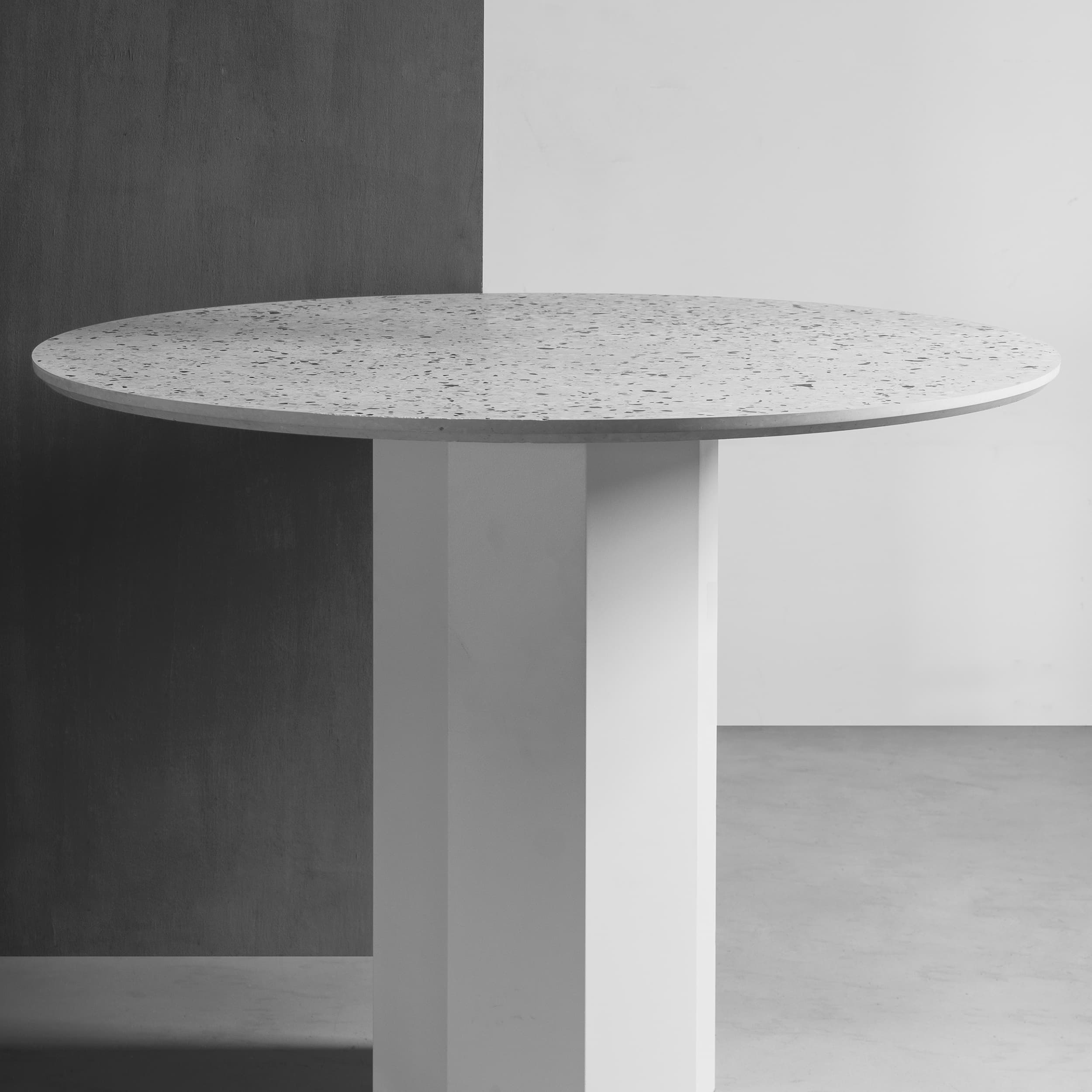
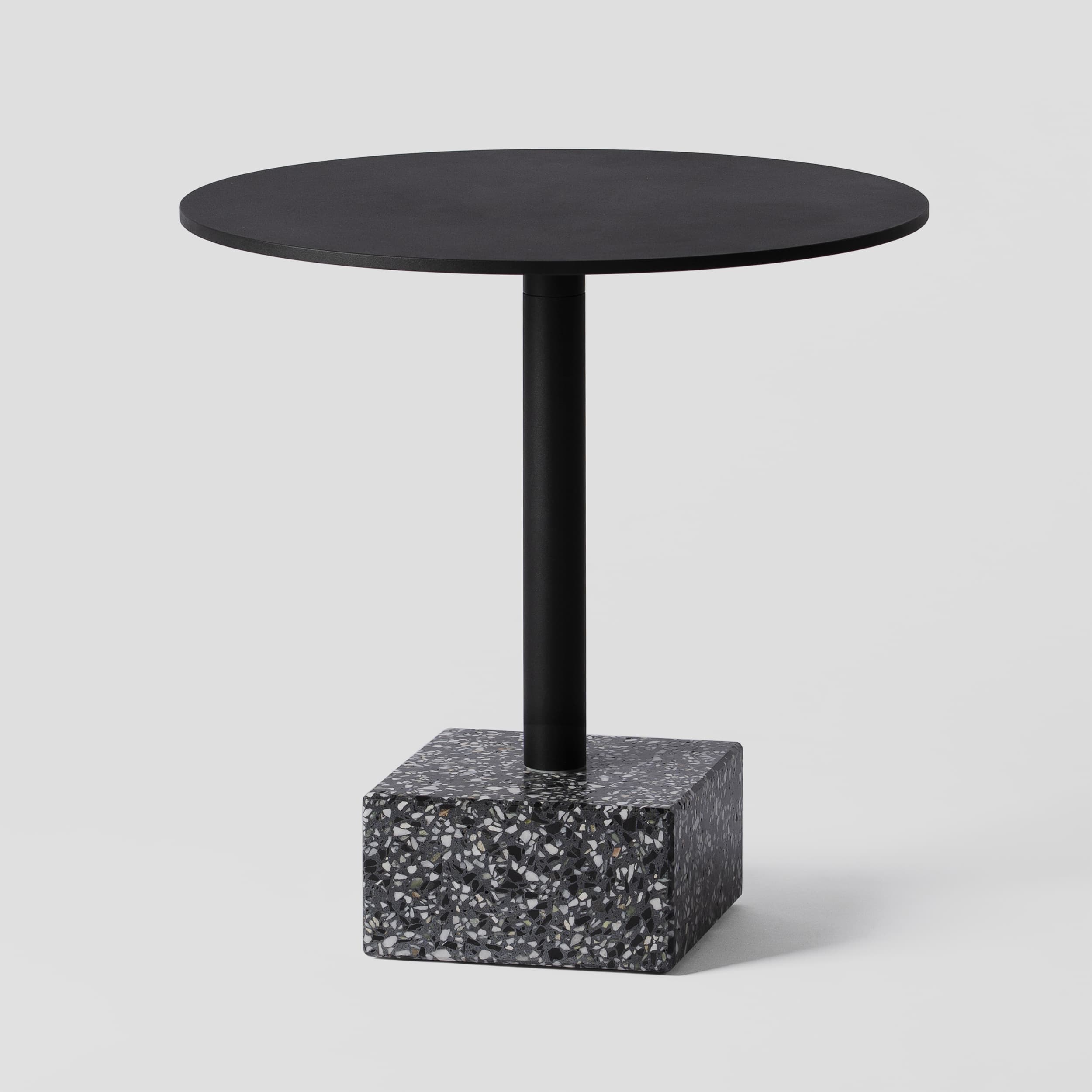
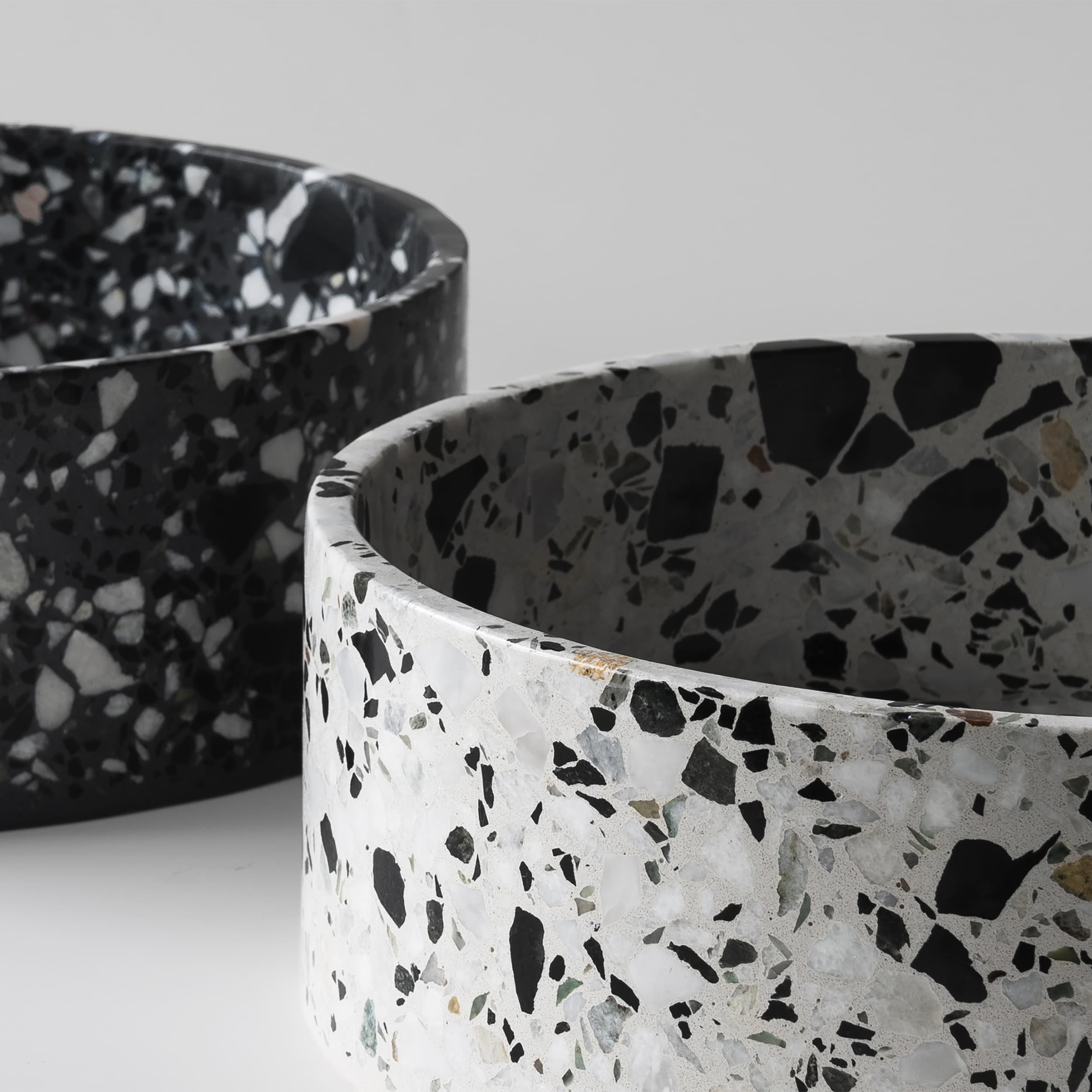
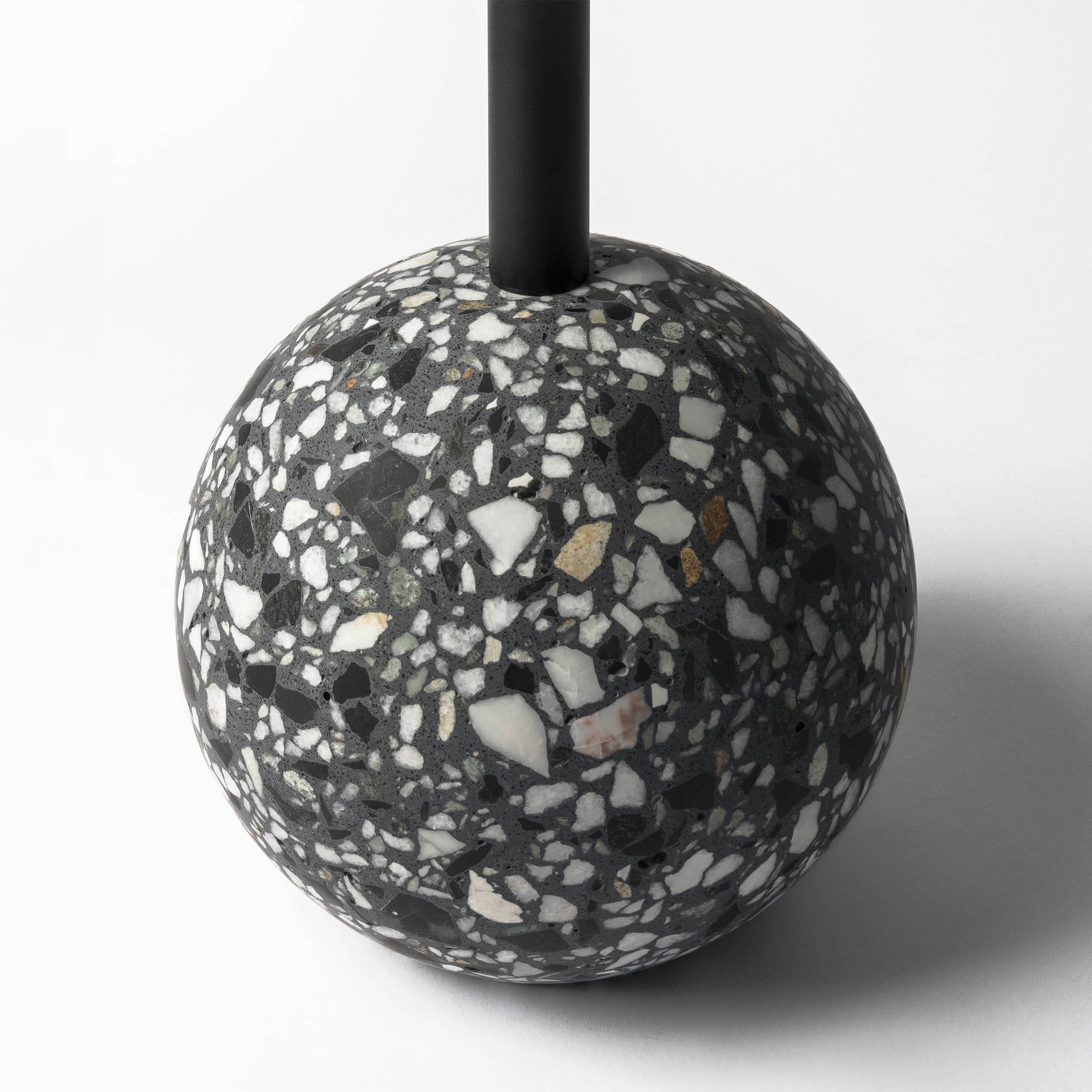
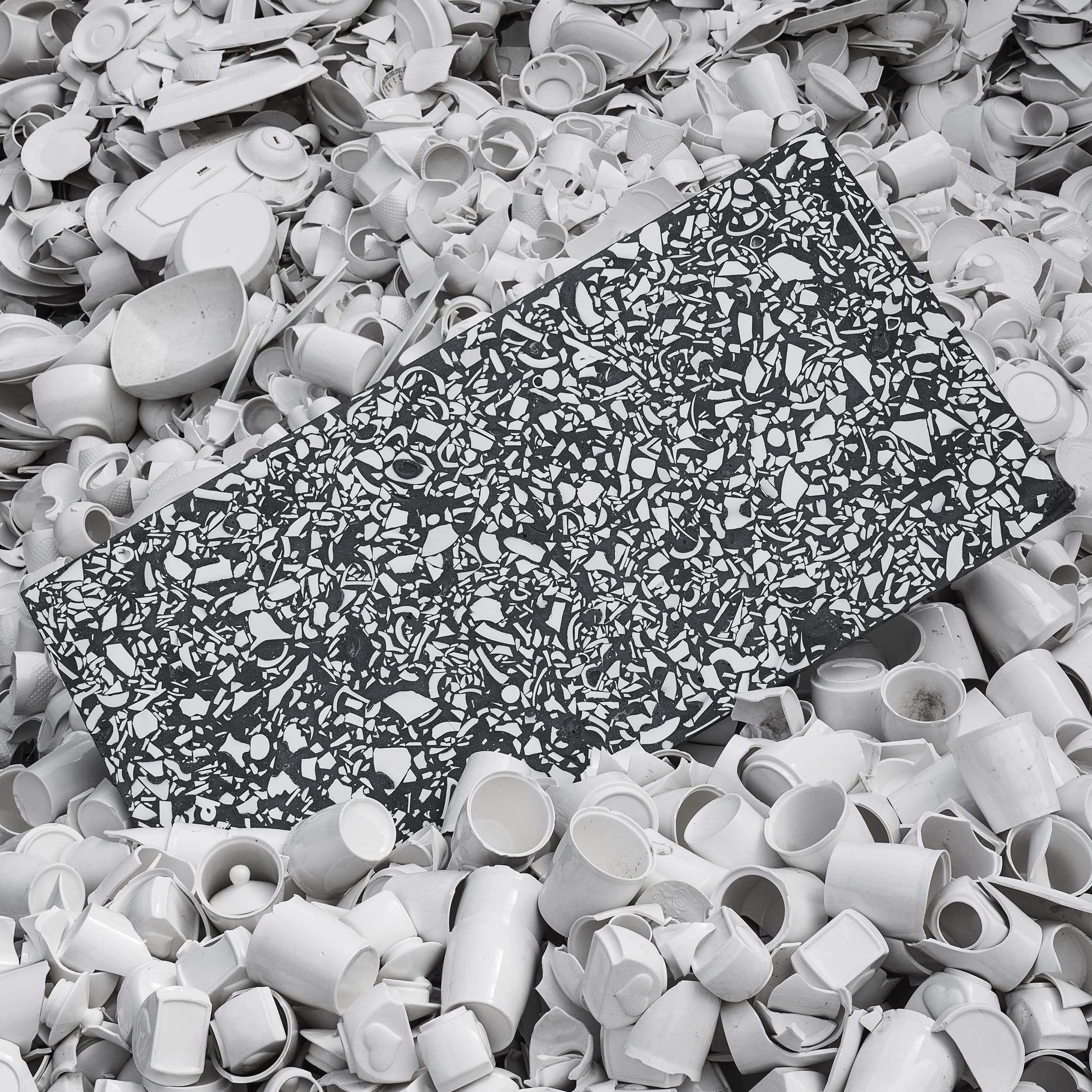
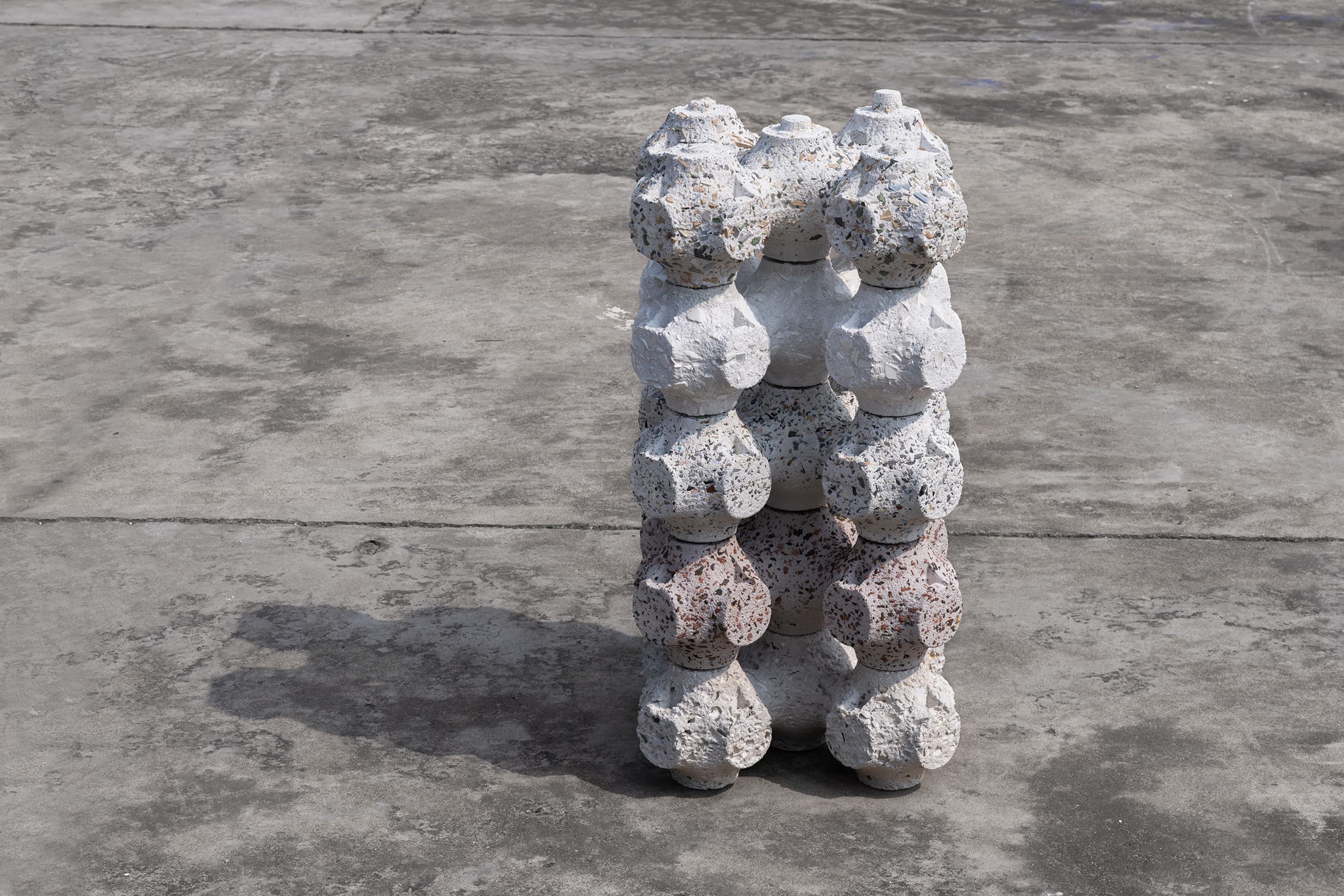
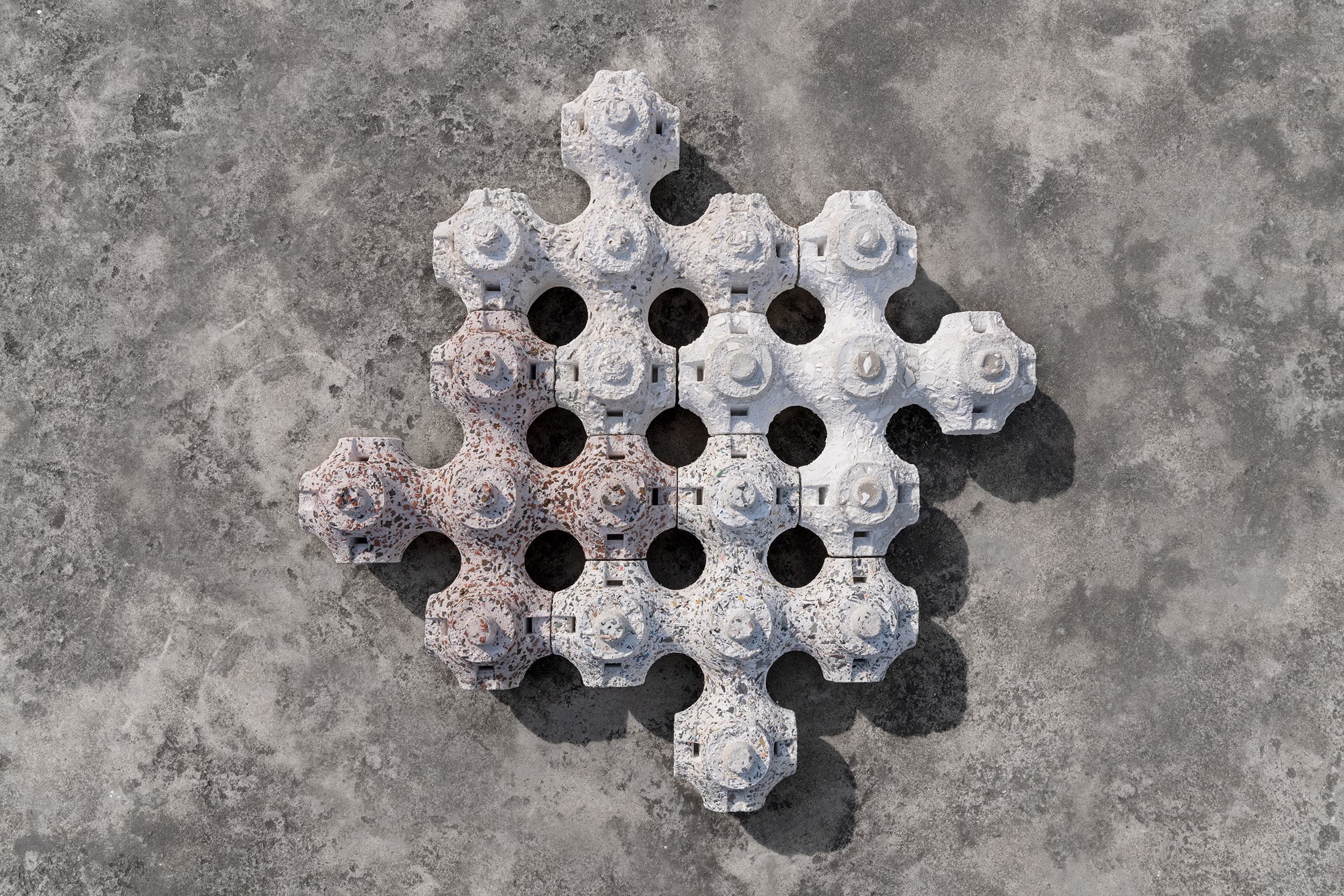
Traditional concrete is formed by blending cement, sand, aggregate stone and water. We pursue an alternative material pathway: 70% of its raw material composition consists of industrial solid waste, including discarded ceramic powder and fly ash. These fine particles, otherwise bound for landfill or abandoned at industrial sites, are re‑coalesced into entirely new material forms.
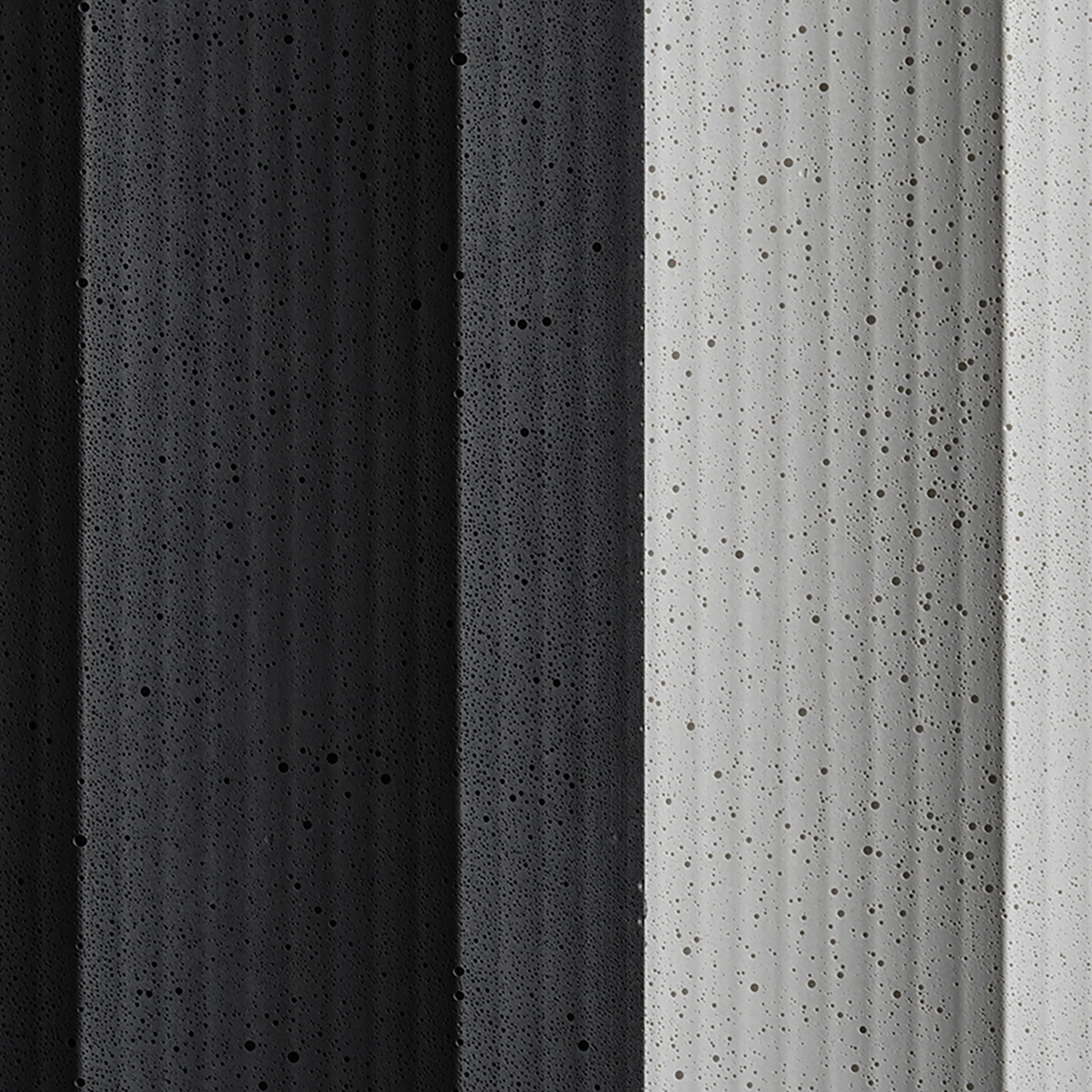
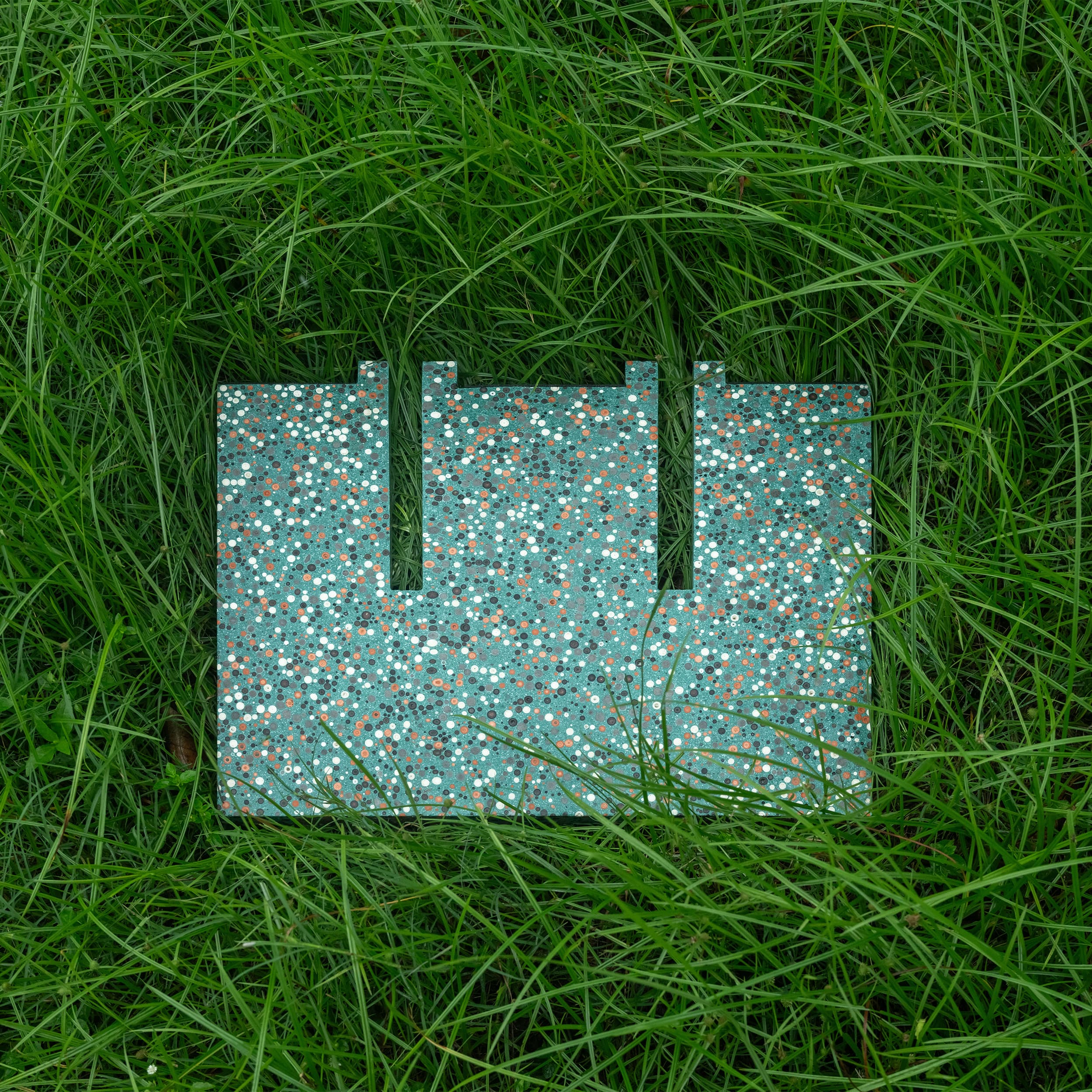
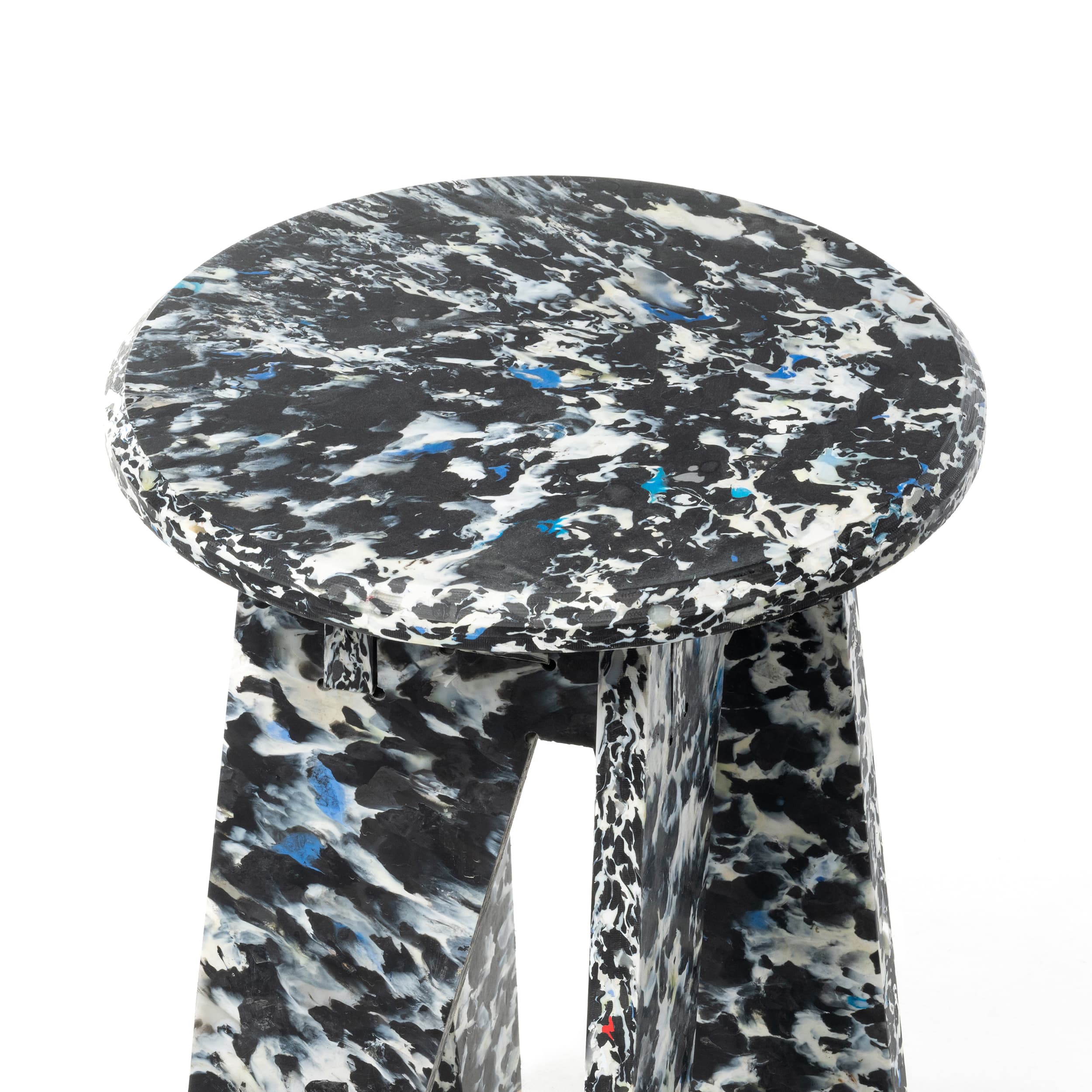
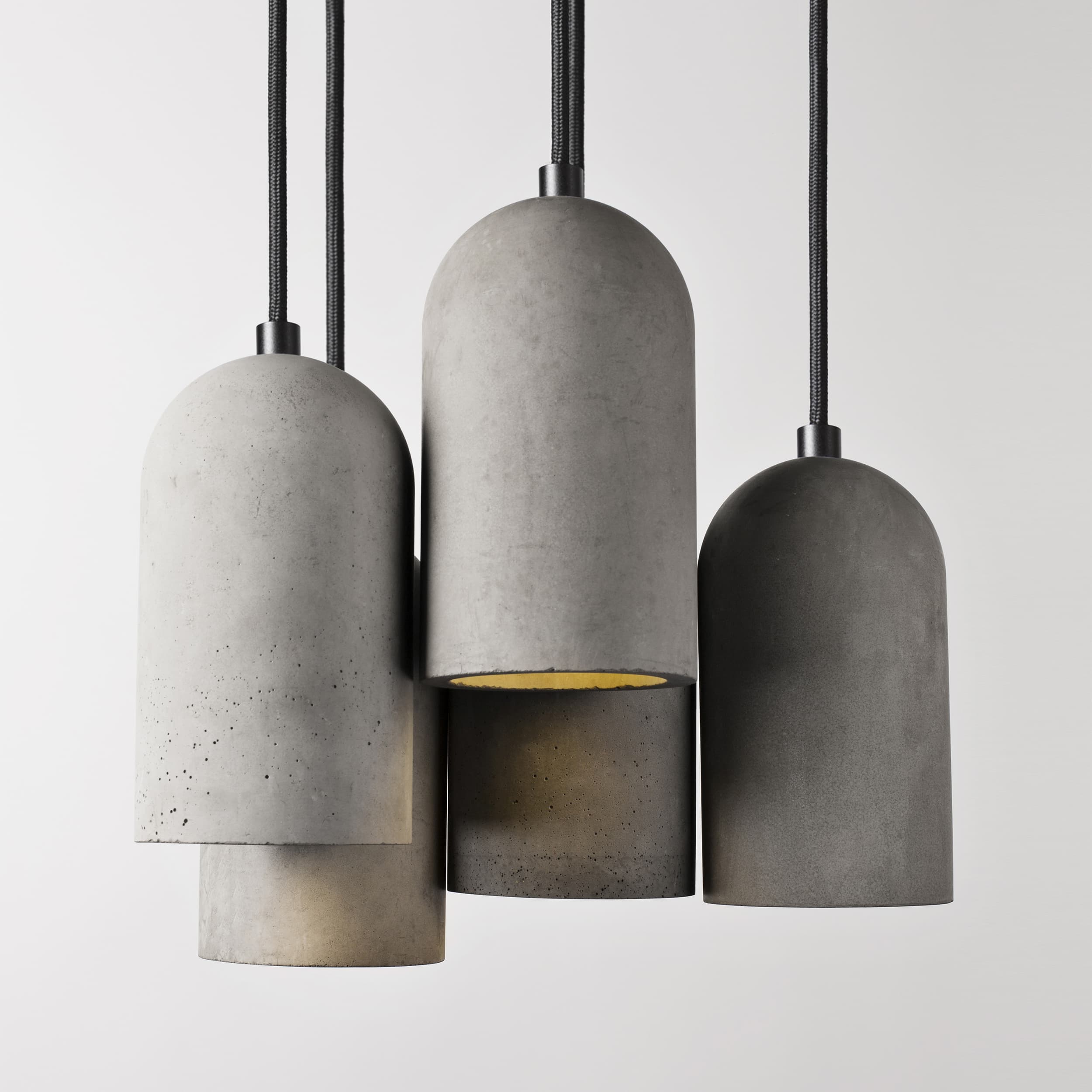
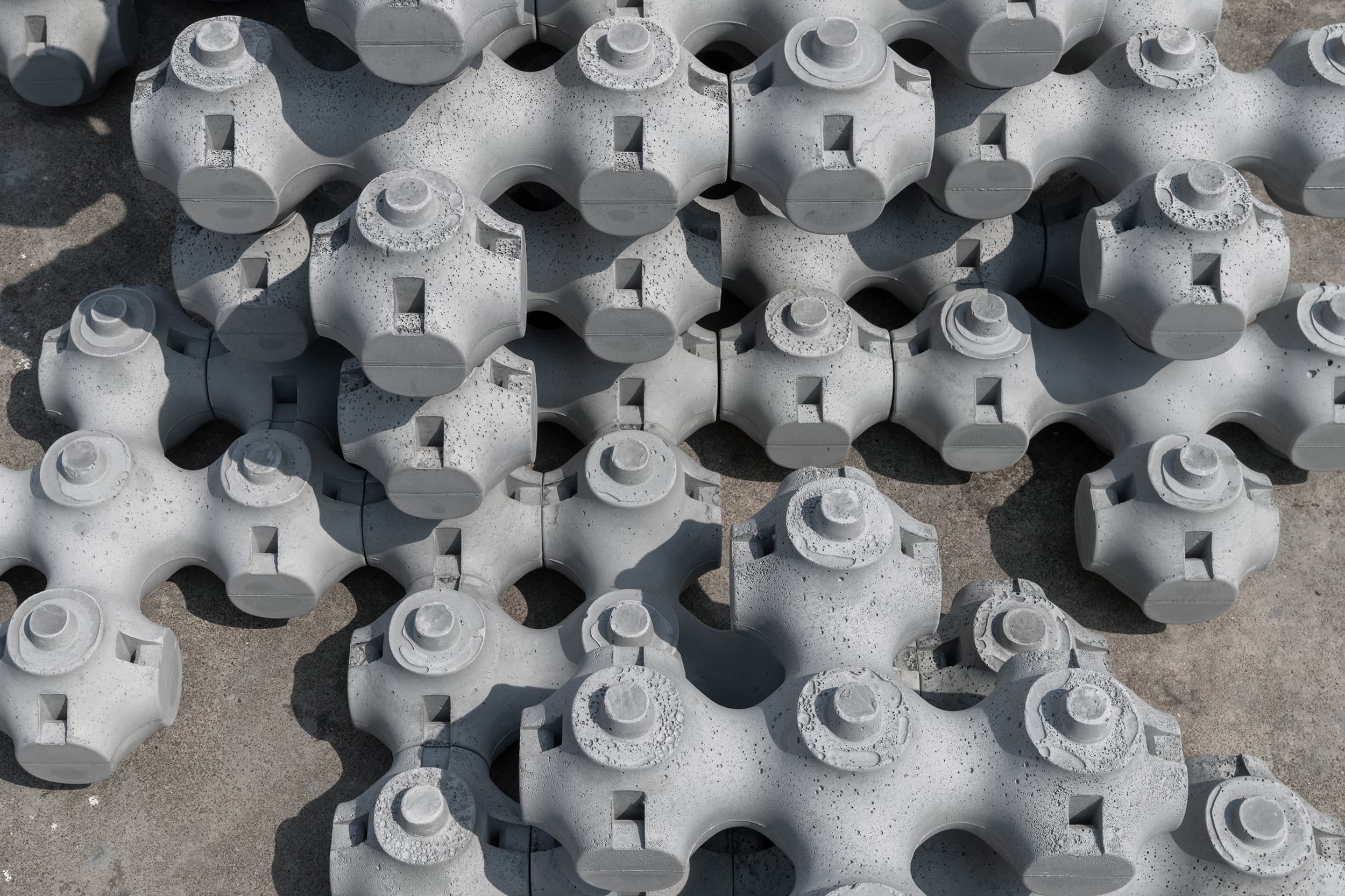
This is no romanticised glorification of industrial waste, but honest engagement with material reality. Waste aggregates yield coarse surface textures, stripping away the smooth homogeneity of conventional building materials and preserving authentic traces of fragmentation and renewal. It is a memory‑laden material: holding production residues from ceramic plants, sedimentary deposits from coal‑fired power stations, and imprints of urban metabolic cycles. Installations thereby gain temporal depth — they are not arbitrarily fabricated artefacts, but a “second nature” organically emerging from industrial ruins.
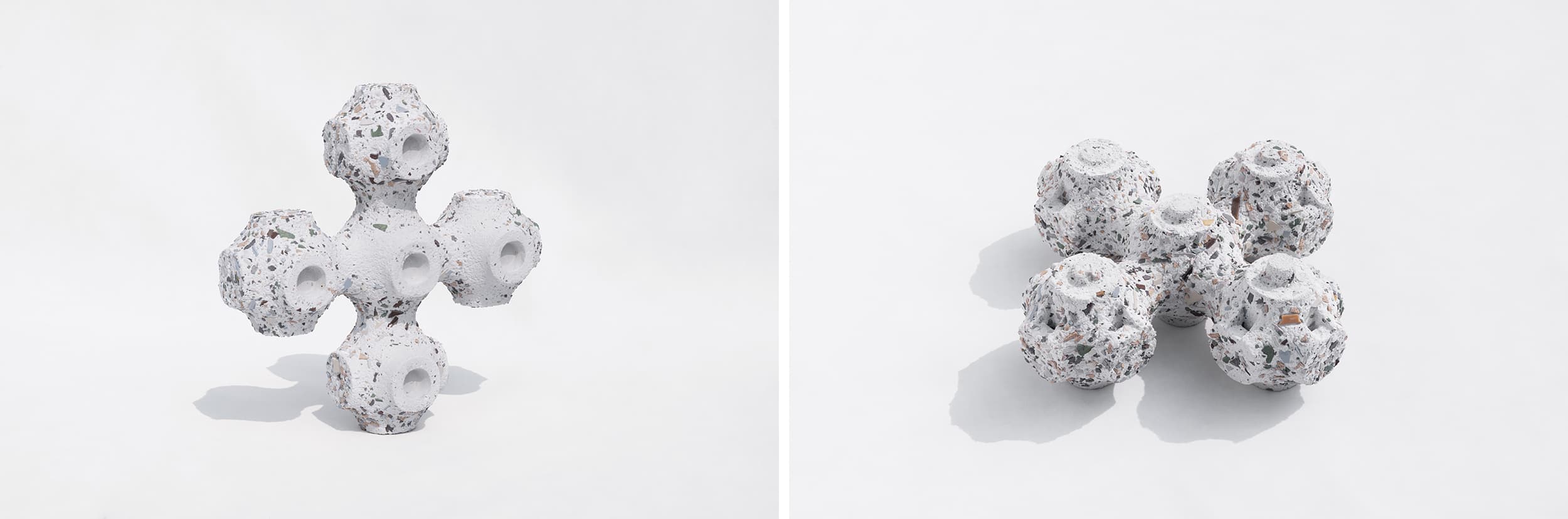
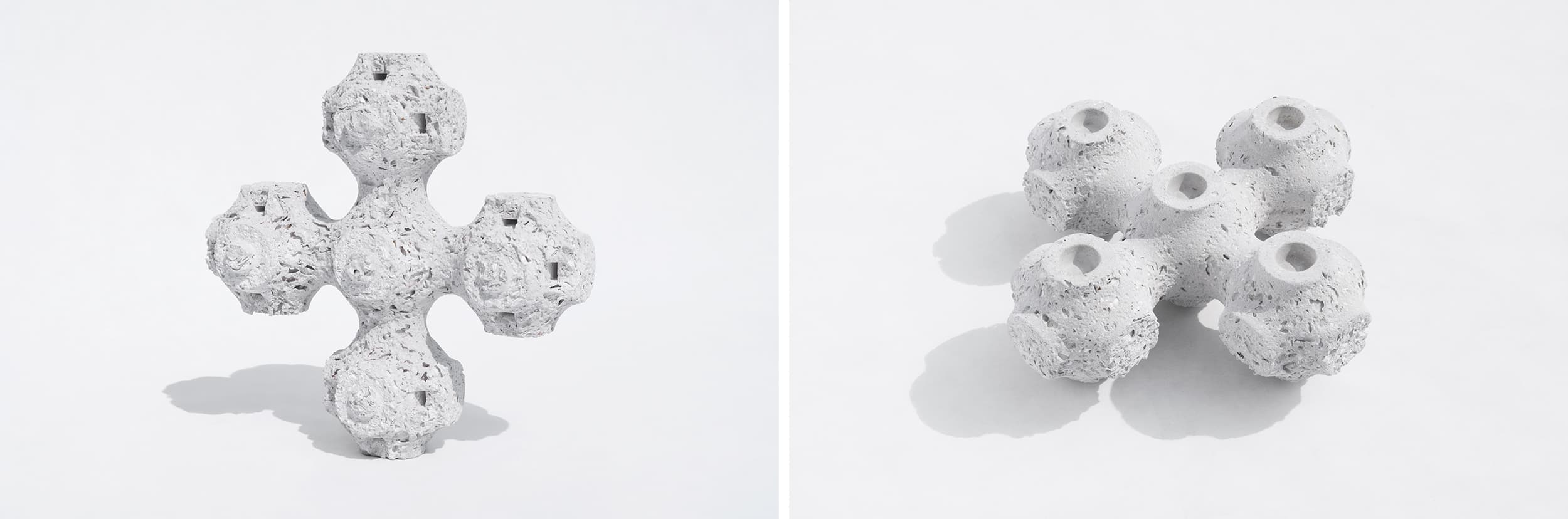
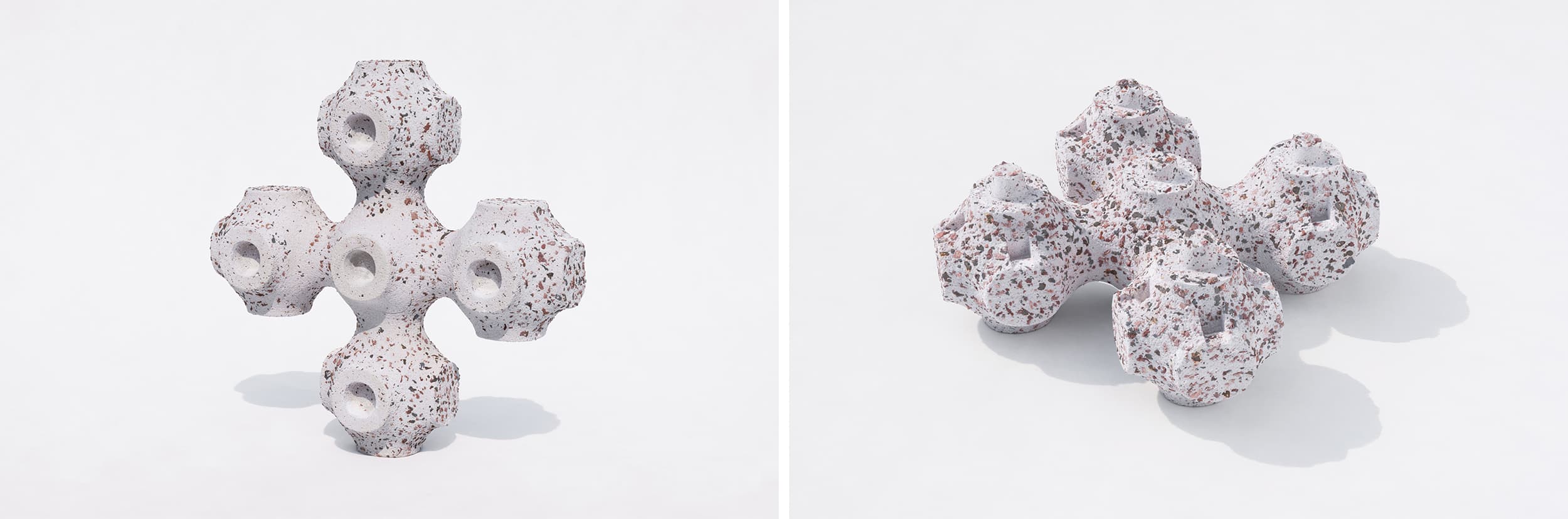
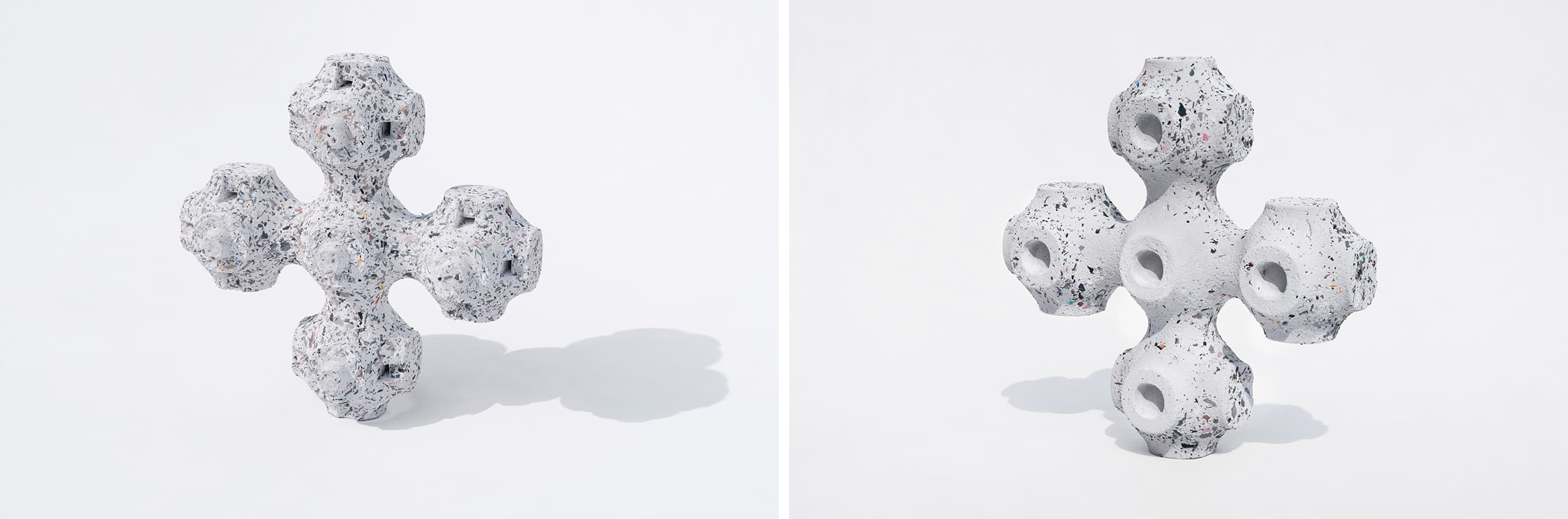
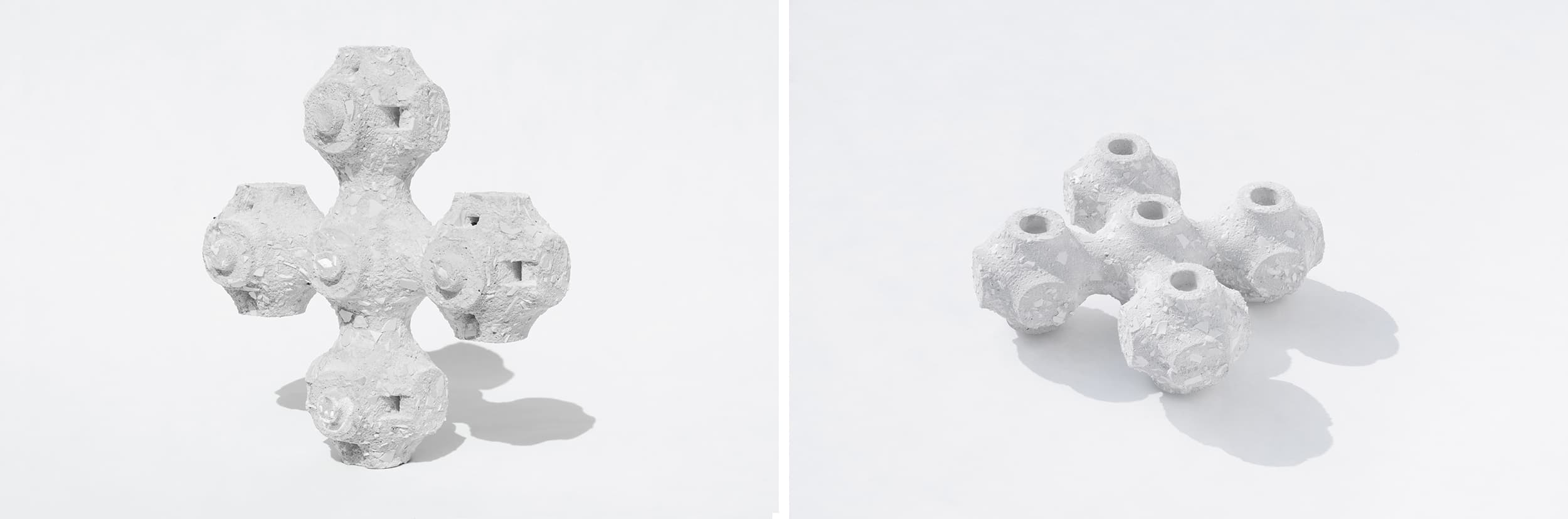
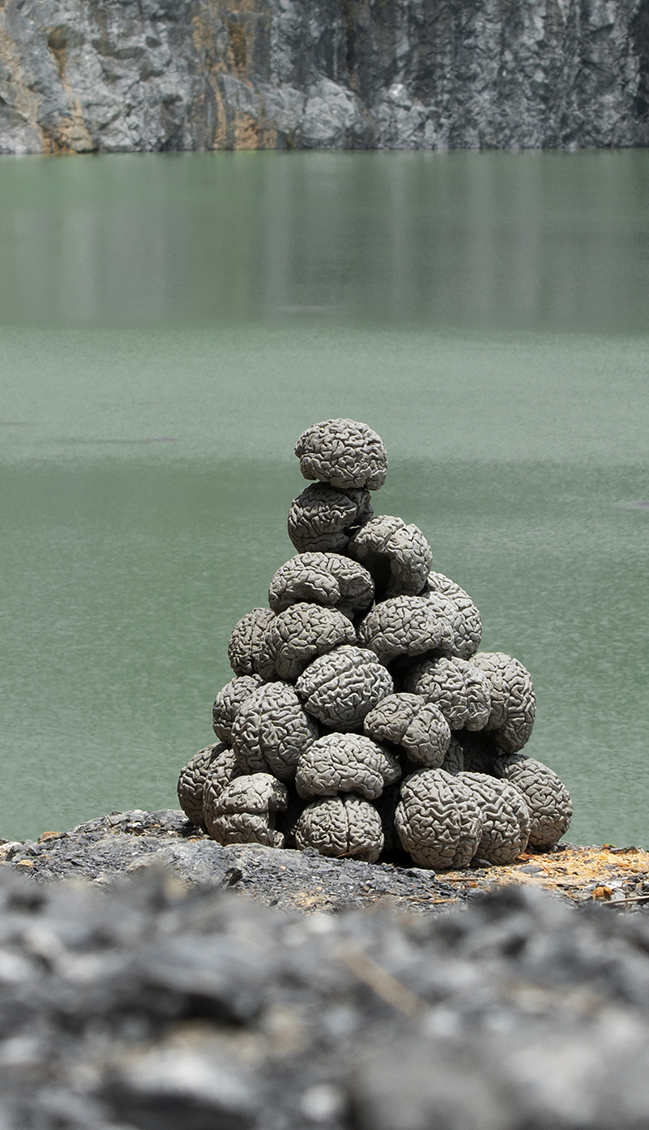
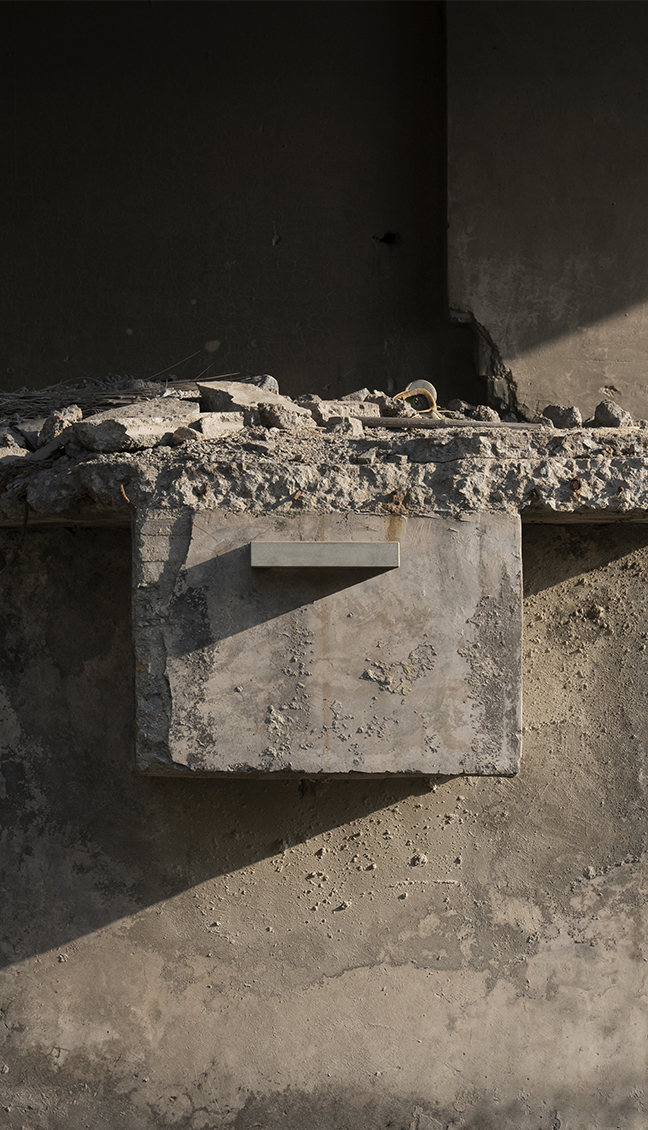
Contemporary art and design are re‑evaluating the value of ruins. No longer viewed as urban nuisances to be cleared, ruins are recognised as vessels of latent regenerative force. Modular concrete installations extend this logic, consolidating scattered industrial debris into tangible forms, allowing forgotten industrial residues to resurface and speak. They embrace past fragmentation with candour and nurture regenerative potential from within it.
Waste ceramics illustrate this clearly: the ceramics industry generates millions of tons of waste annually, historically managed only via landfill or crude recycling. Fine ceramic powder blended into concrete can replace part of high‑carbon cement clinker, cutting production energy consumption and yielding a warm texture intermediate between clay and stone. Fly ash optimises particle packing and mitigates heat of hydration. Together, these two solid‑waste streams transform concrete from a high‑carbon conventional construction material into a low‑carbon, circular creative medium.
The Cool Aesthetics of Concrete
Concrete’s aesthetic character is commonly described as cool, solemn and grounded. Yet this coolness is not contrived detachment, but the natural expression of rigorous order. Regular module arrangements and precise assembly techniques embody concrete’s distinctive rational logic of making. This sense of order manifests both the rationality of industrial technology and deeper spiritual metaphor. Amid fragmented information and scattered attention spans, concrete’s calm temperament provides a natural buffer, easing sensory overload and guiding audiences back to unpretentious aesthetic perception.
Through repetitive yet subtly varied arrangements, the installation hovers between architecture and sculpture. It fulfils none of architecture’s sheltering, inhabitation functions, nor is it confined to sculpture’s fixed, finalised forms. Its units are detachable and infinitely extendable: a fluid monument balancing structural rationality and artistic sensibility.
When matter is allowed to exist purely as itself, concrete achieves a dimensional breakthrough. It transcends its identity as mere material to become a core medium for organising space, crystallising time, and directing perception.
The Extended Logic of Modular Installation
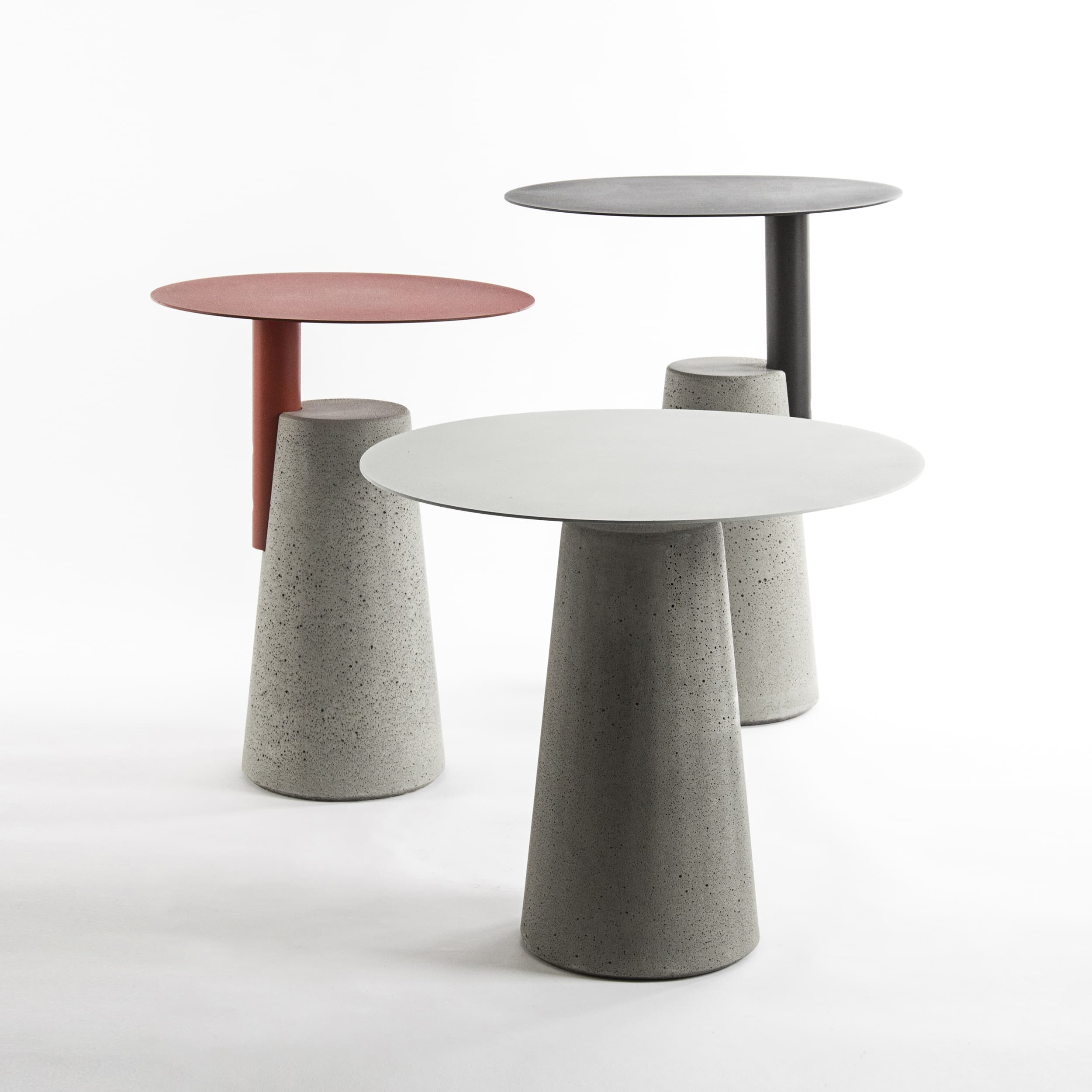
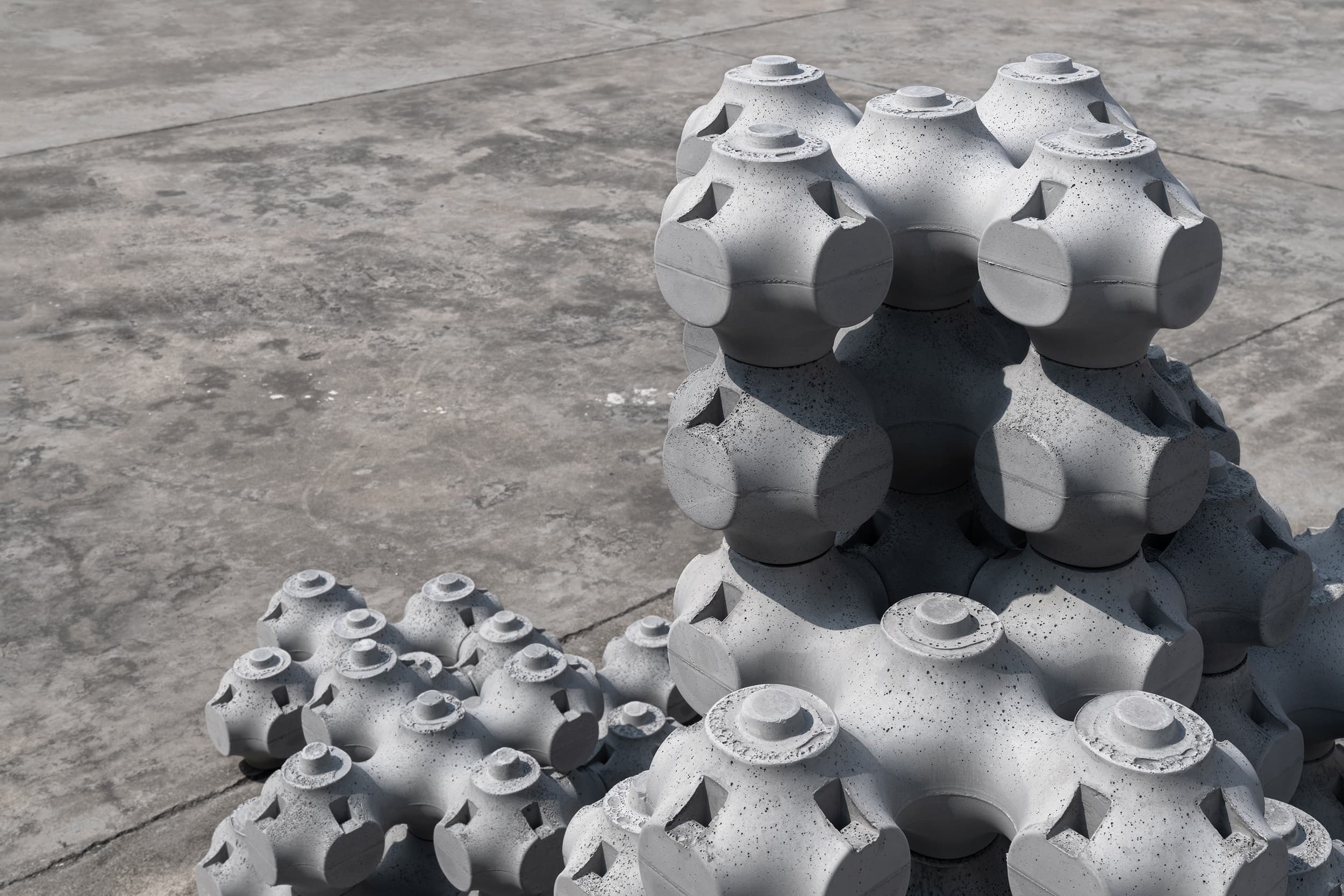
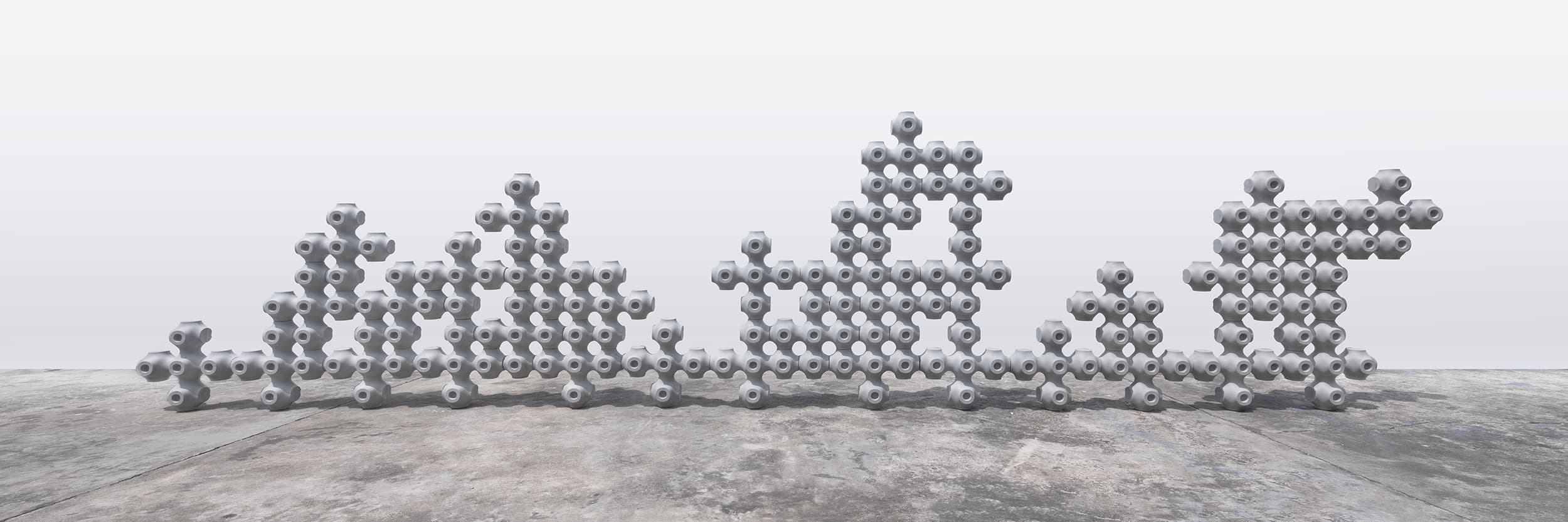
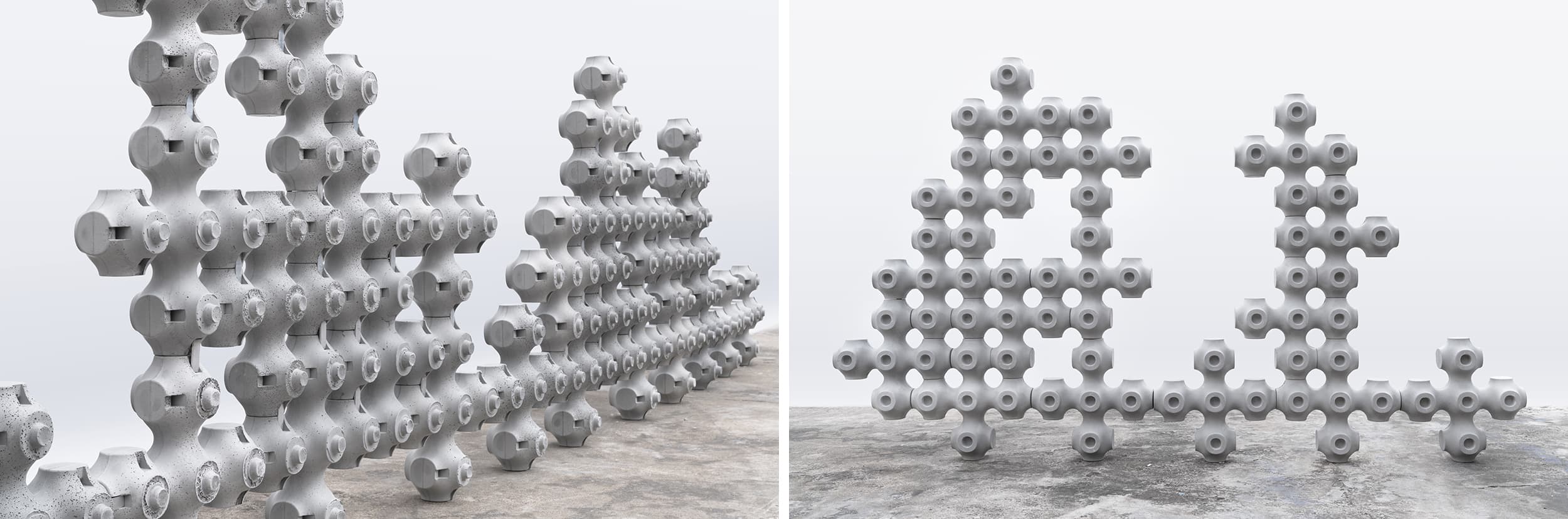
The profound potential of modular concrete installations lies in their consistent cross‑scalar unity. In conventional design systems, furniture, objects and architecture operate in isolation, each governed by separate craft principles and production workflows. The modular concrete system, by contrast, employs standardised units and connections so that tabletop objects, spatial partitions and urban installations differ only in scale, not essential character.
A single basic module can serve as a small daily tabletop element, stack into a room divider, or expand into urban landscape structures. This cross‑scalar coherence has long been a core aspiration of modernist architecture. Le Corbusier proposed the Unité d’Habitation, seeking to unify architecture and furniture under one modular system, yet became constrained by rigid functionalism.
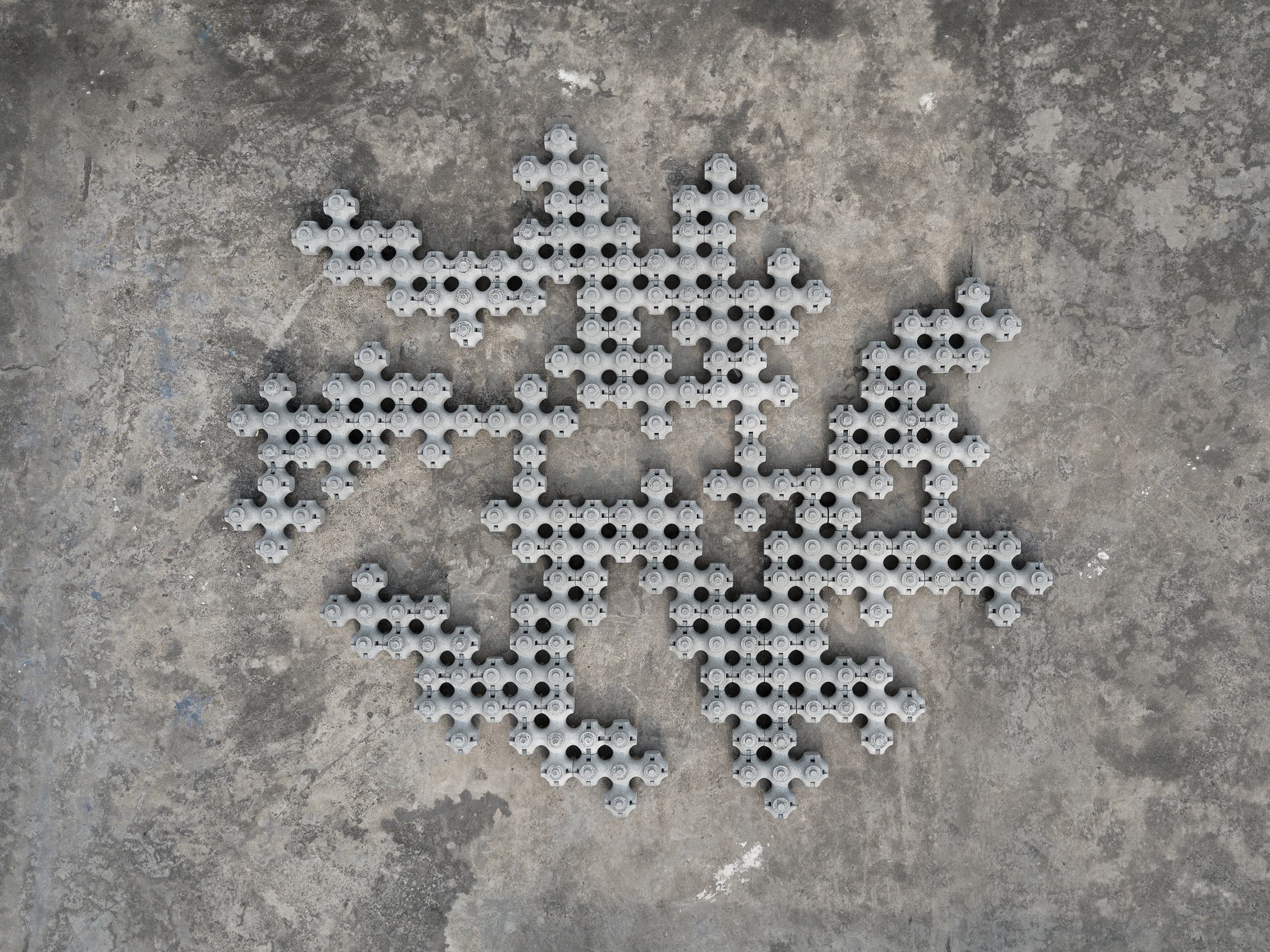
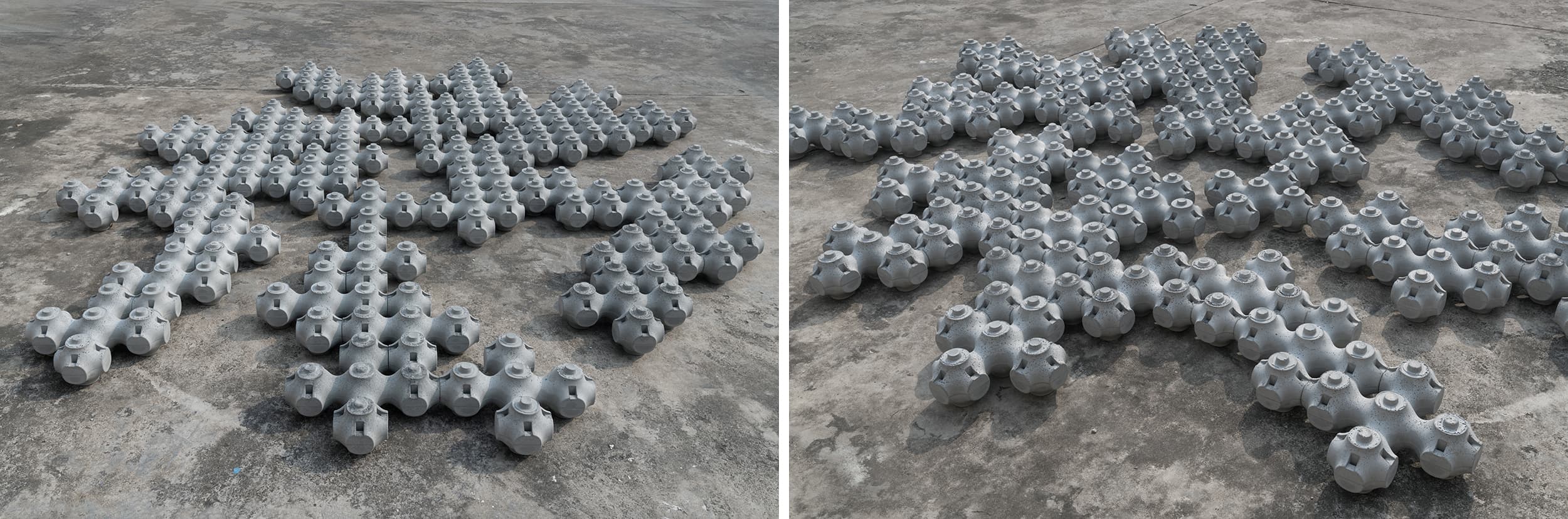
The concrete modular system offers a renewed solution: it avoids pre‑defined functions and provides only an open structural framework. It achieves standardised mass production through modularity and extends into architectural creation via installation and furniture applications, retaining industrial efficiency while enabling diverse free assembly. It constitutes an open constructive system and a deliberate counter to consumerism’s throwaway culture — modules can be cyclically reconfigured without endless manufacture and disposal.
Urban Shanshui: A New Way of Looking Back
Traditional shanshui painting depicts the profound, ethereal grace of natural mountains and rivers. Concrete‑constructed urban shanshui repurposes industrial remnants to build spiritual landscapes unique to modern metropolises. Within Eastern aesthetics, shanshui never imitates nature literally; it constructs spiritual realms. Literati forged realms through brush and ink; contemporary creators build them with concrete. Both pursue spaces for spiritual dwelling. Urban shanshui stacked from concrete modules carries forward this spiritual essence, cultivating a second nature amid steel‑and‑concrete cityscapes. This man‑made terrain, marked by industrial scars and austere simplicity, abandons ostentatious ornamentation and embodies the authentic vitality of the city.
The exploration of concrete as installation ultimately establishes a new design methodology: structuring space through modularity, upholding ecological principles via waste aggregates, and countering contemporary noise with restrained cool aesthetics. Every concrete module poses a quiet question to modern life: in an age where consumerism churns out countless ephemeral objects, what value truly endures across time?
Design Director: Xu Gang
This article is an original work of the BENTU Material and Artistic Practice Series, exploring the potential of modular concrete installations and the aesthetic construction of recycled waste materials.

- Contact
+8620 8977 0506
- Press
press@bentudesign.com
- Enquiry & Sales
info@bentudesign.com