

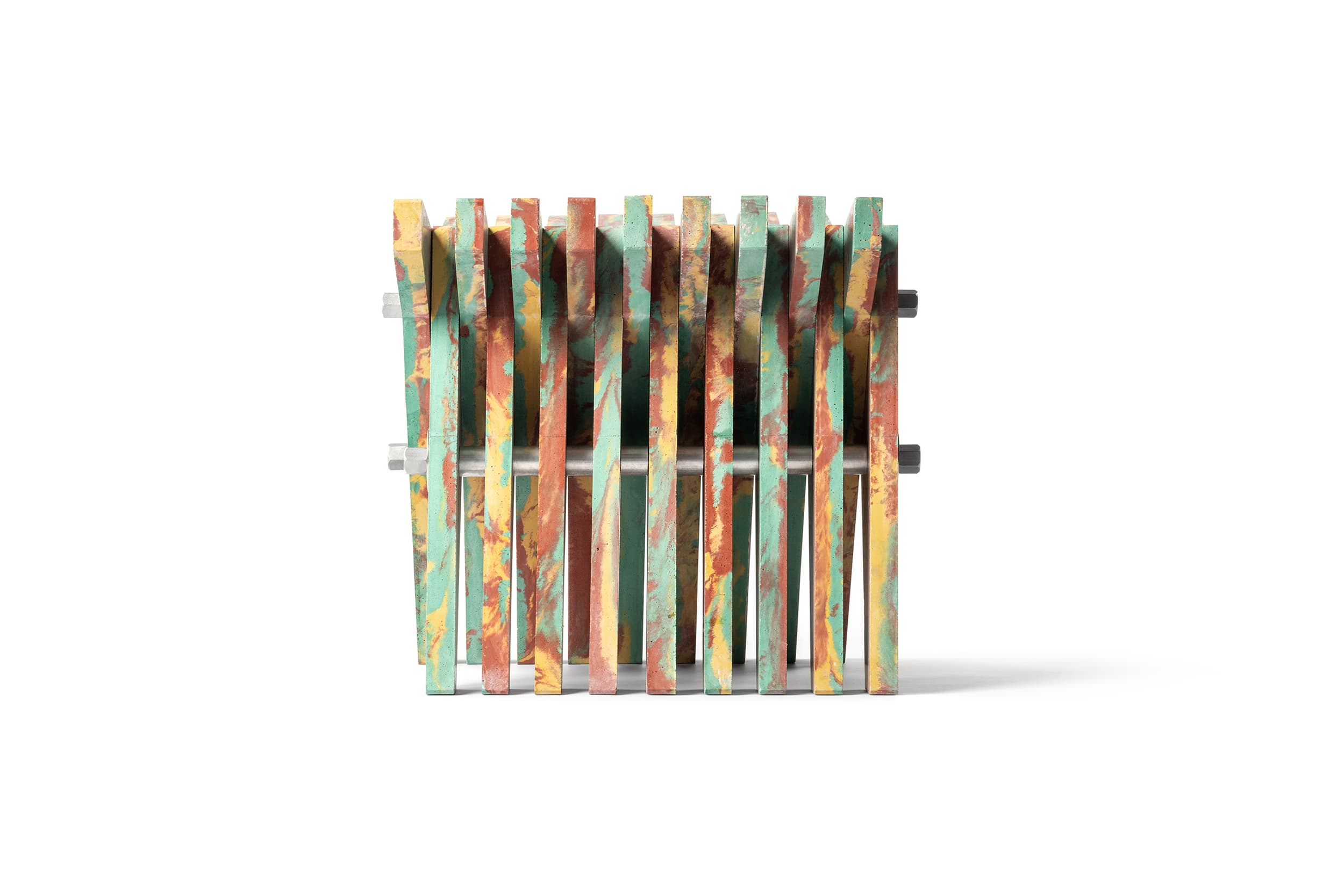
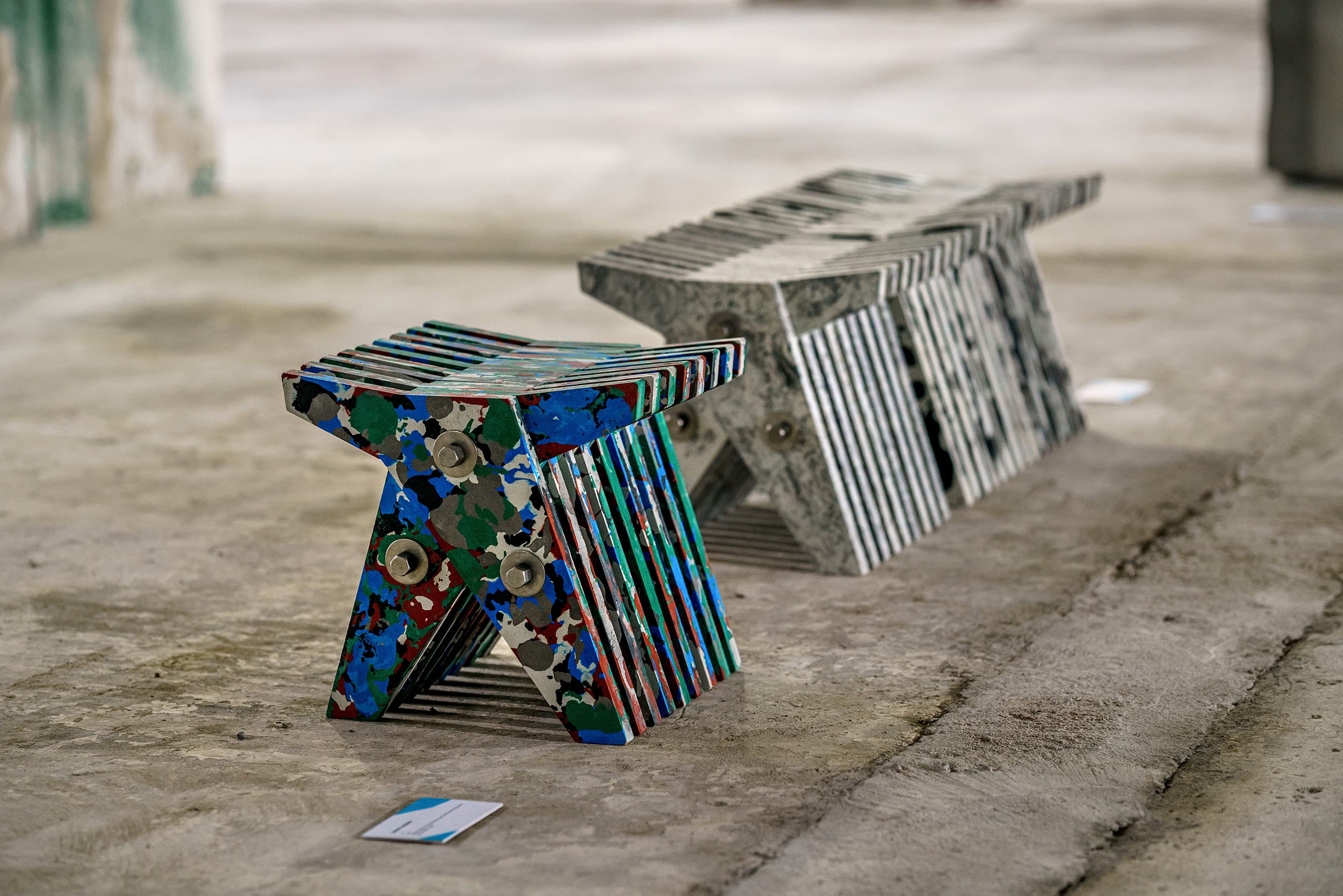
Recycle Solid Waste Stool
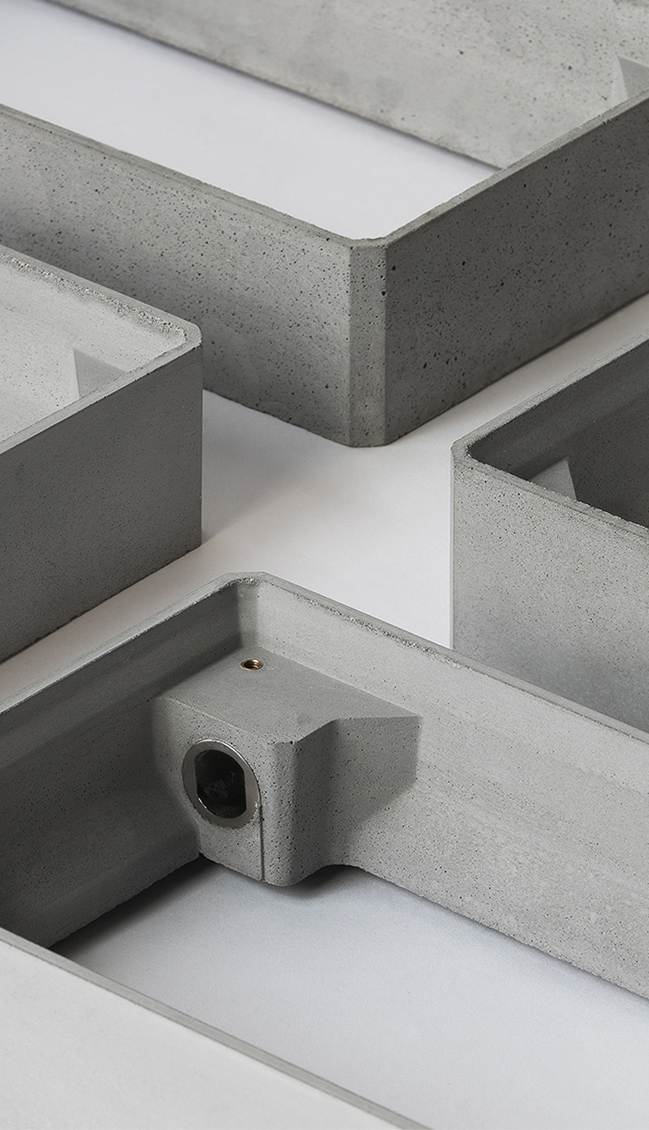
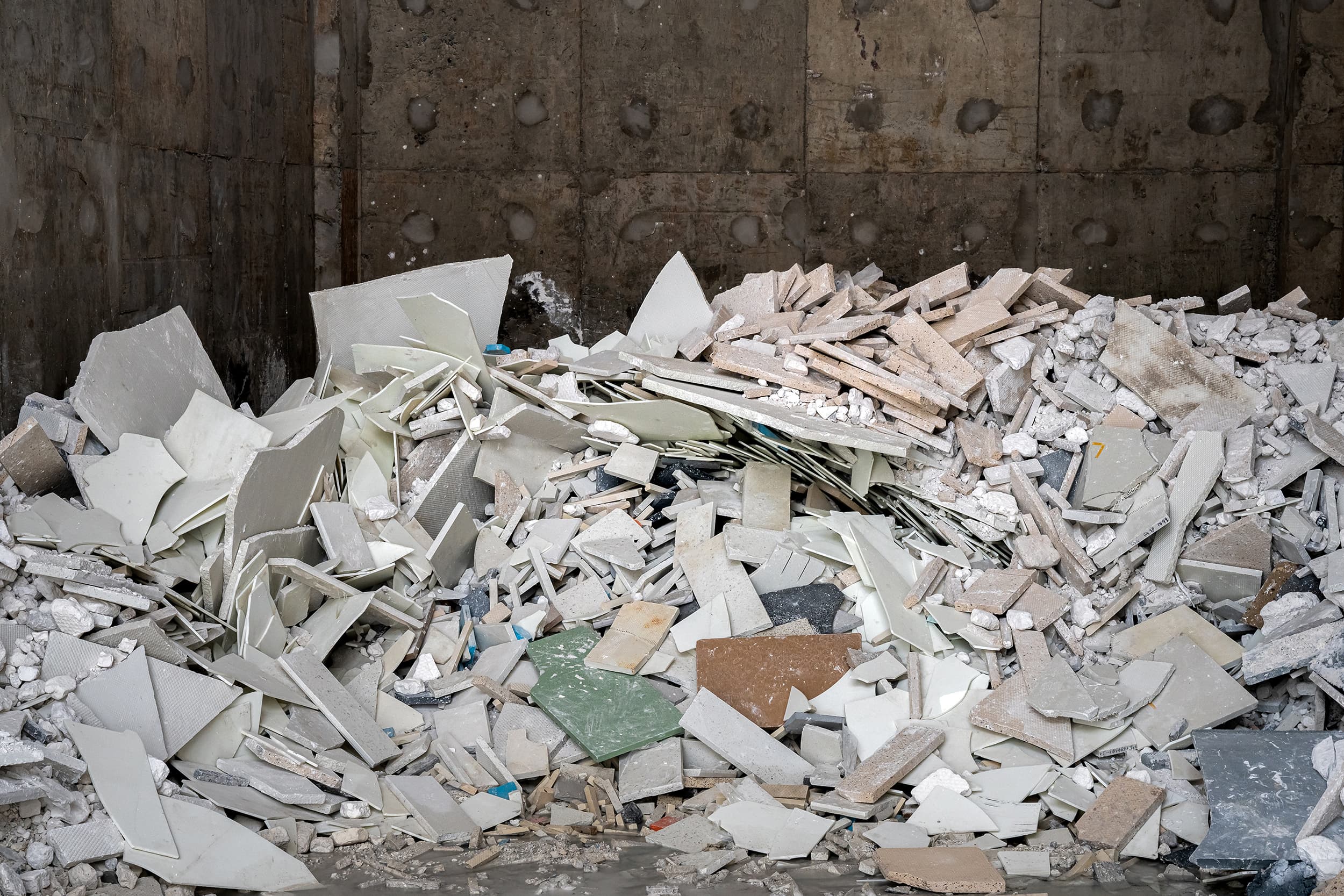
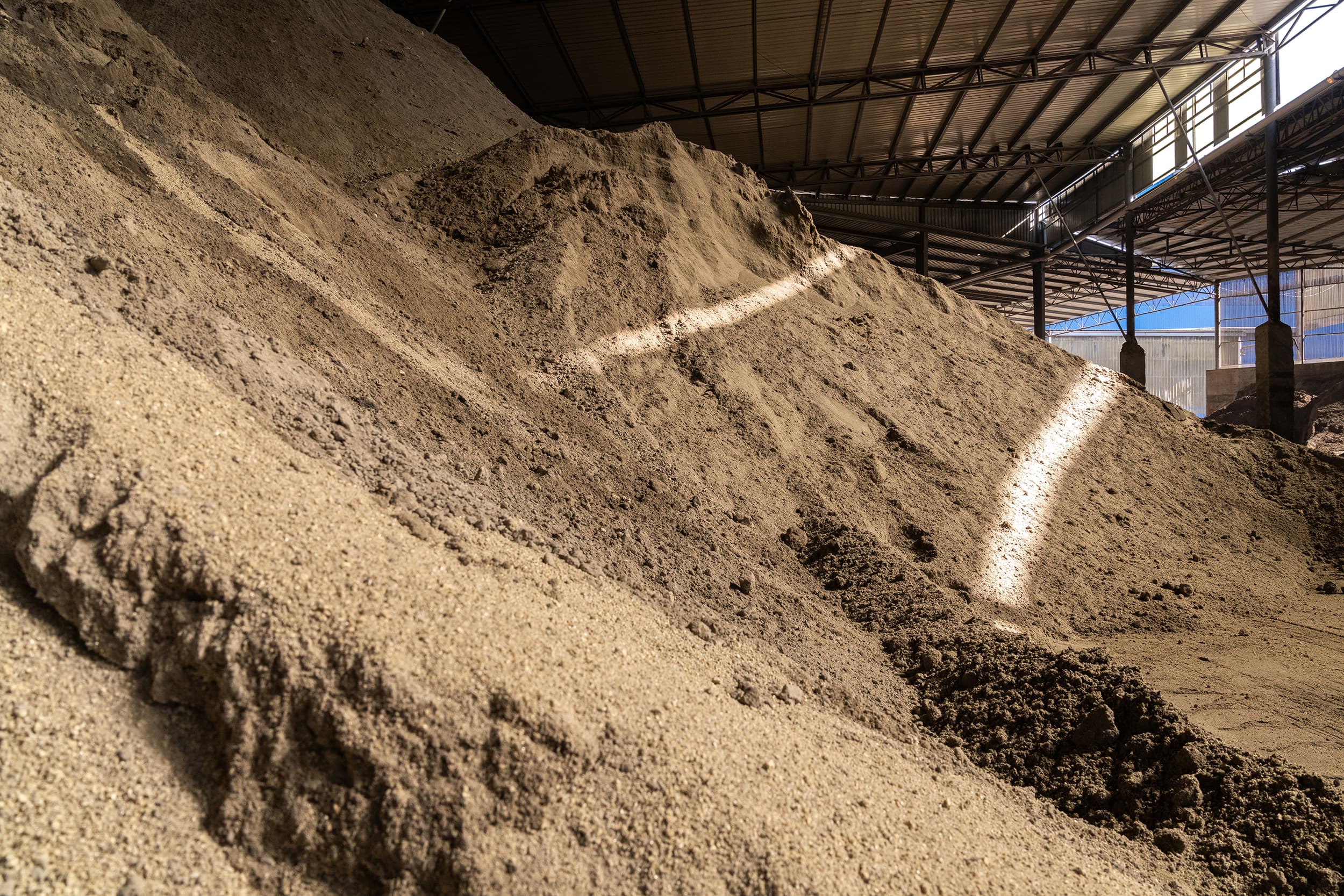
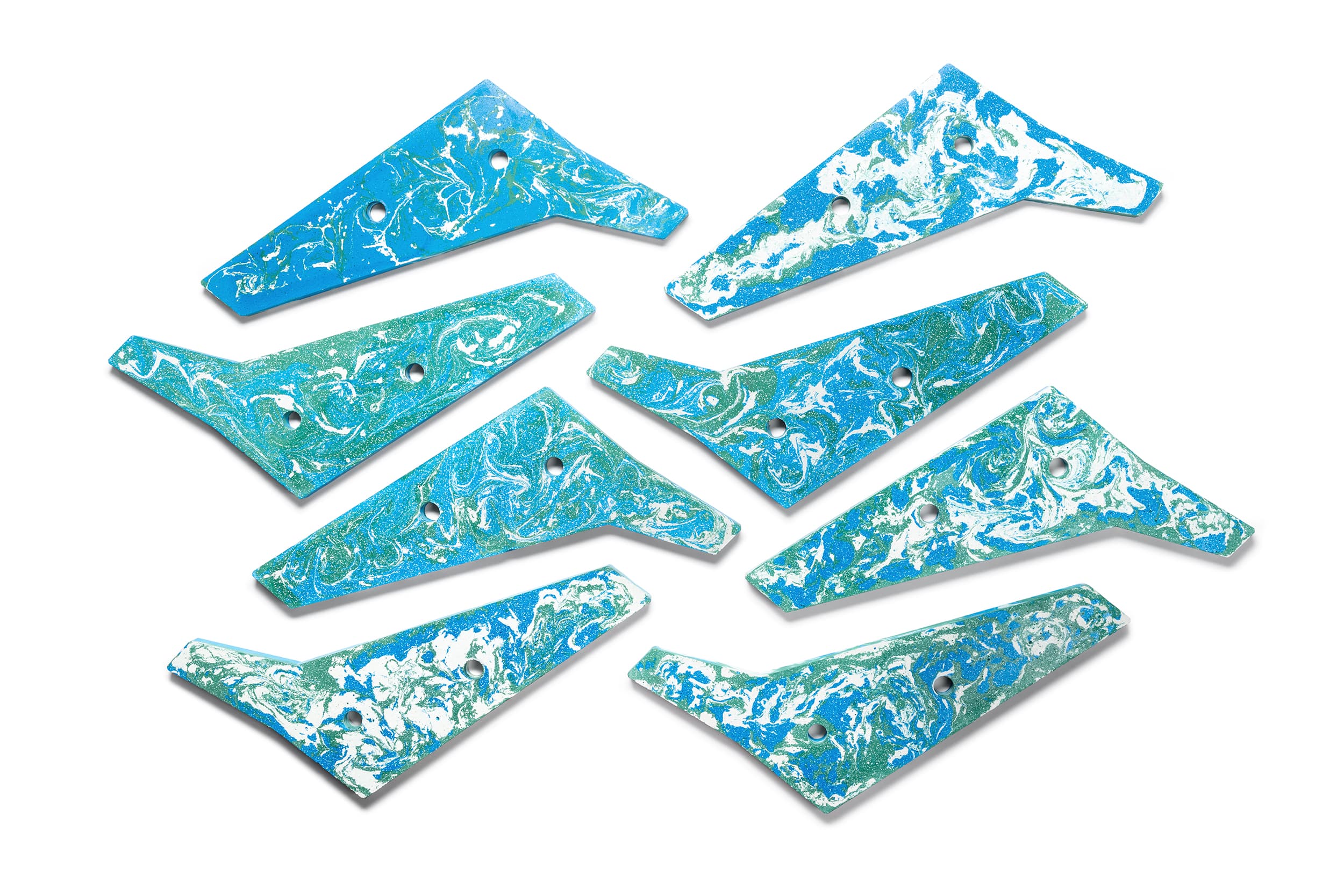
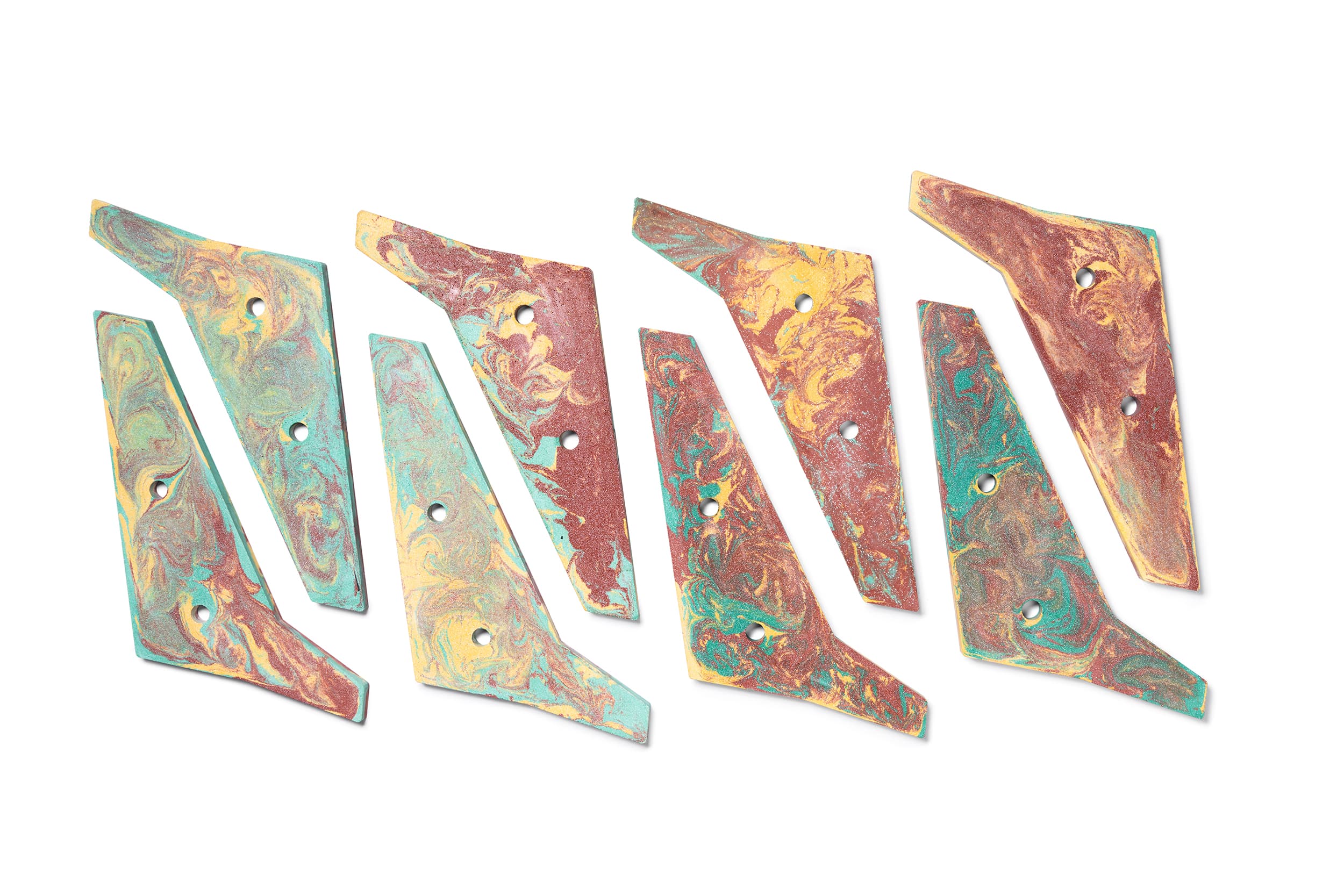
Material: BTPC、Steel slag / Recycled Jingdezhen ceramics / Red sandstone tailingsl、Fly ash、Active silica powder、Polymer materials
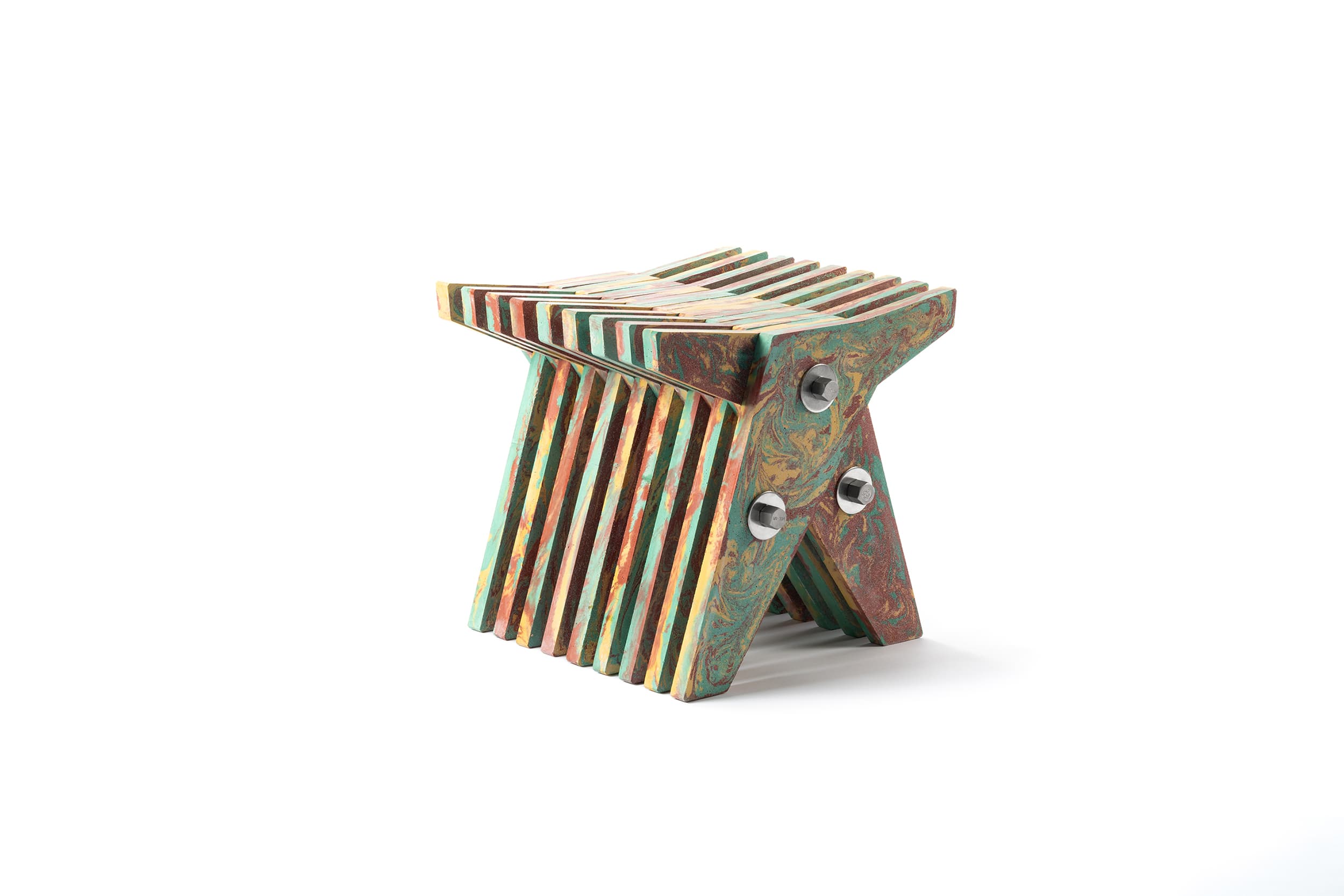
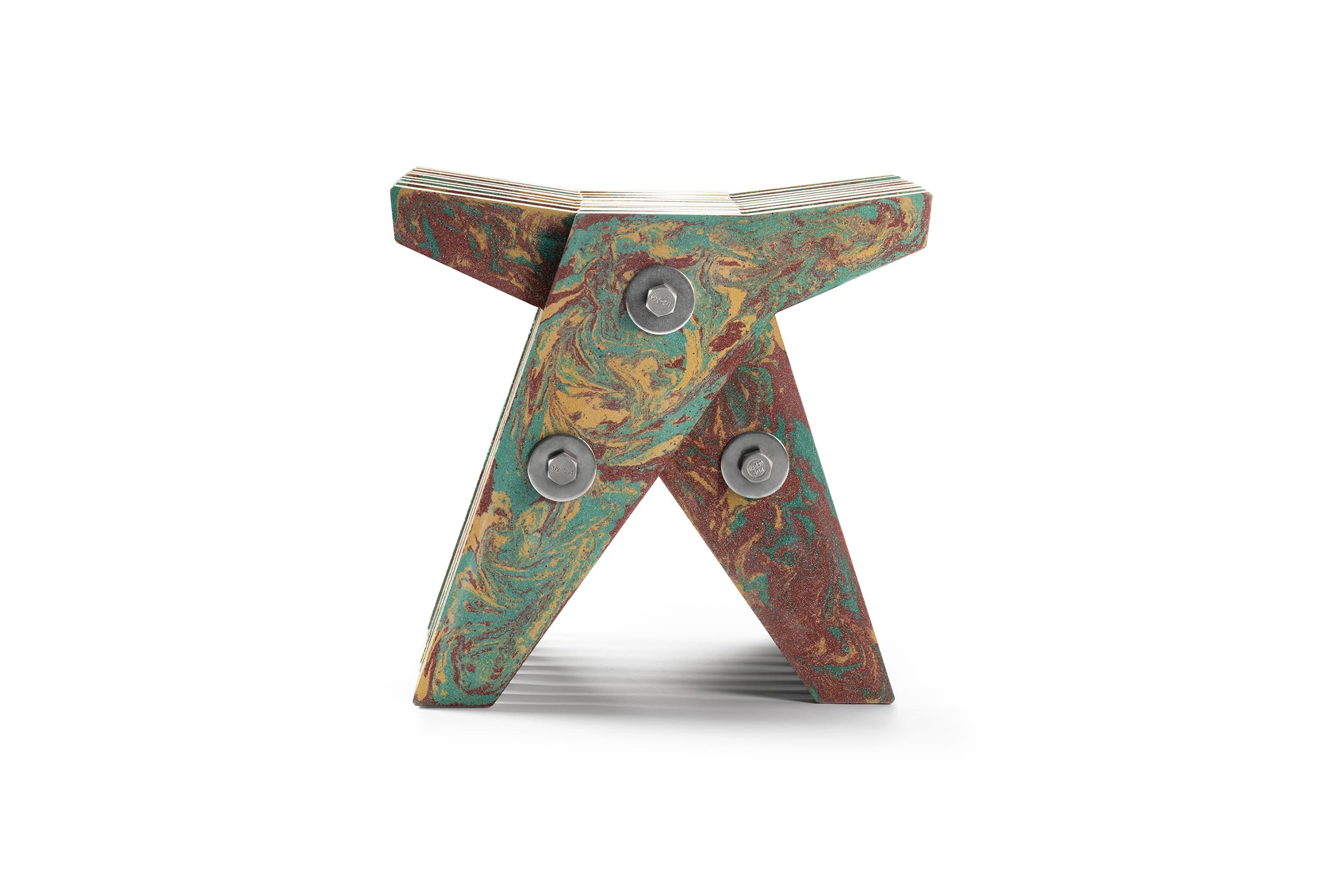
Size: L500xW480xH480 / L800xW480xH480 mm
Weight: 65 / 105 kg
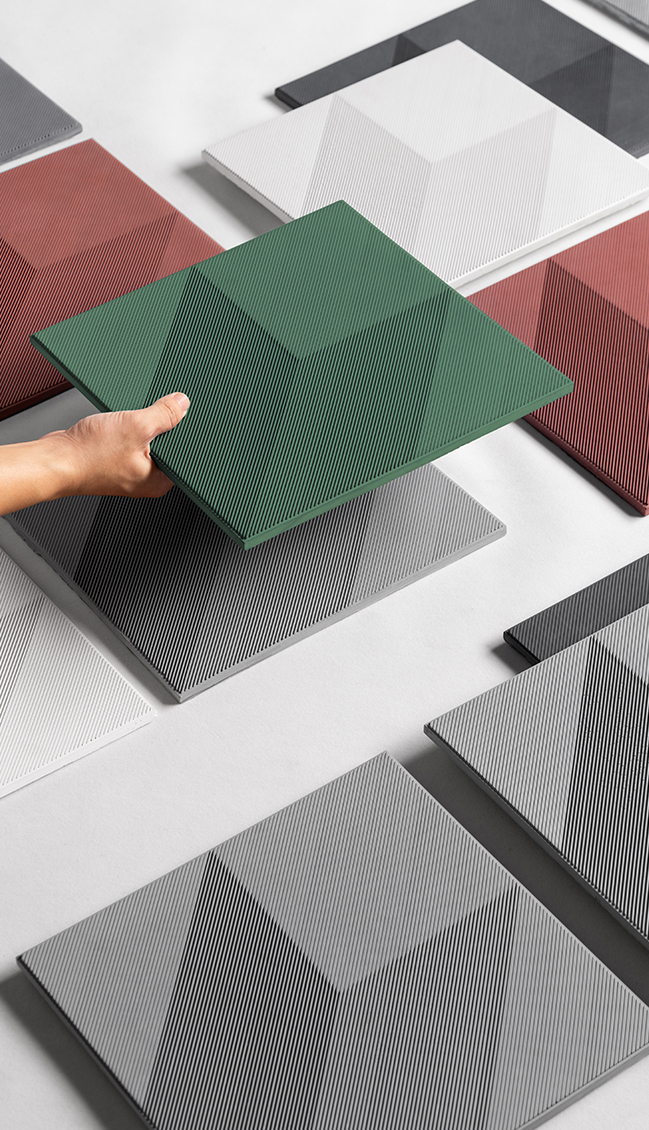
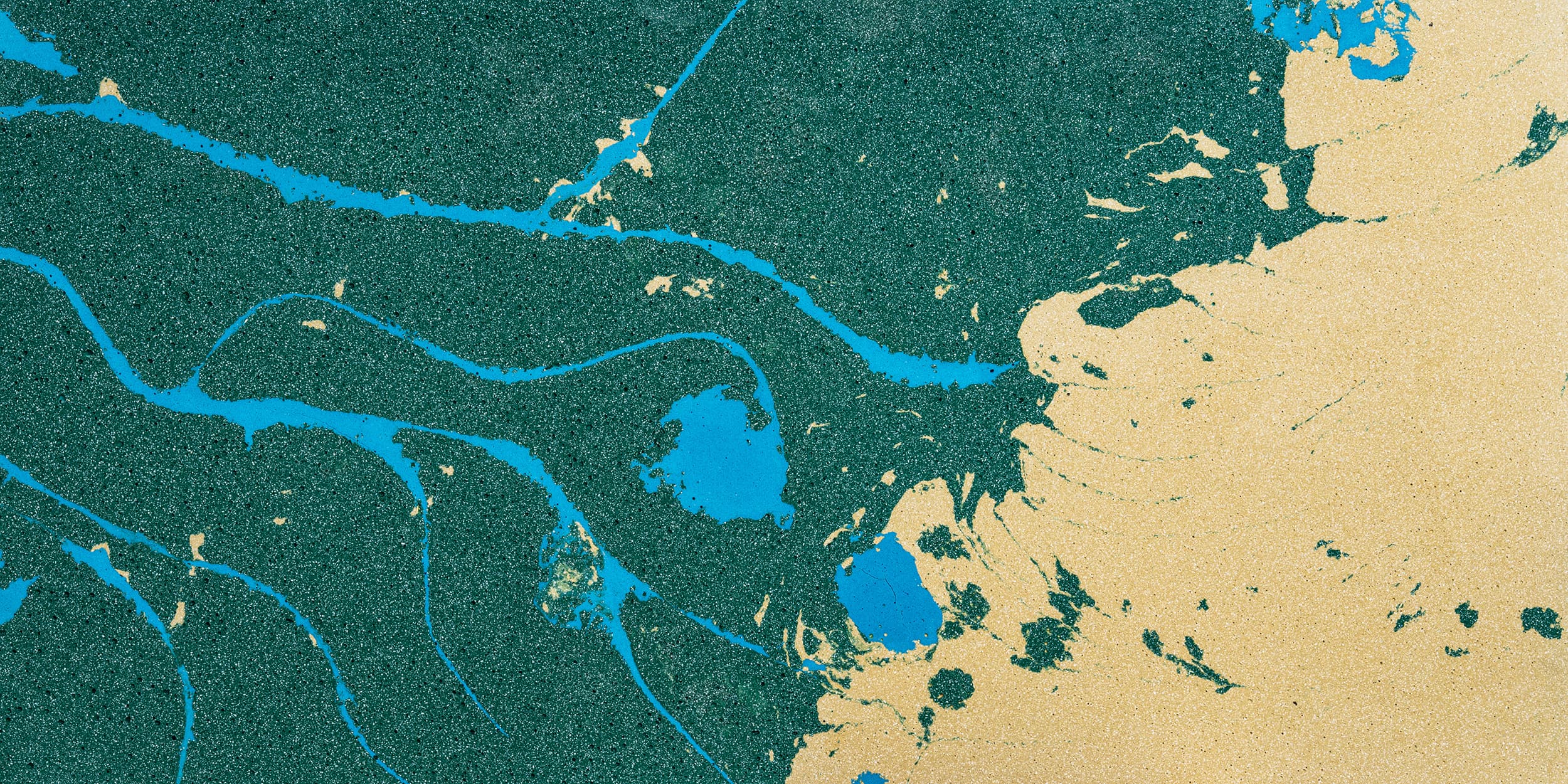
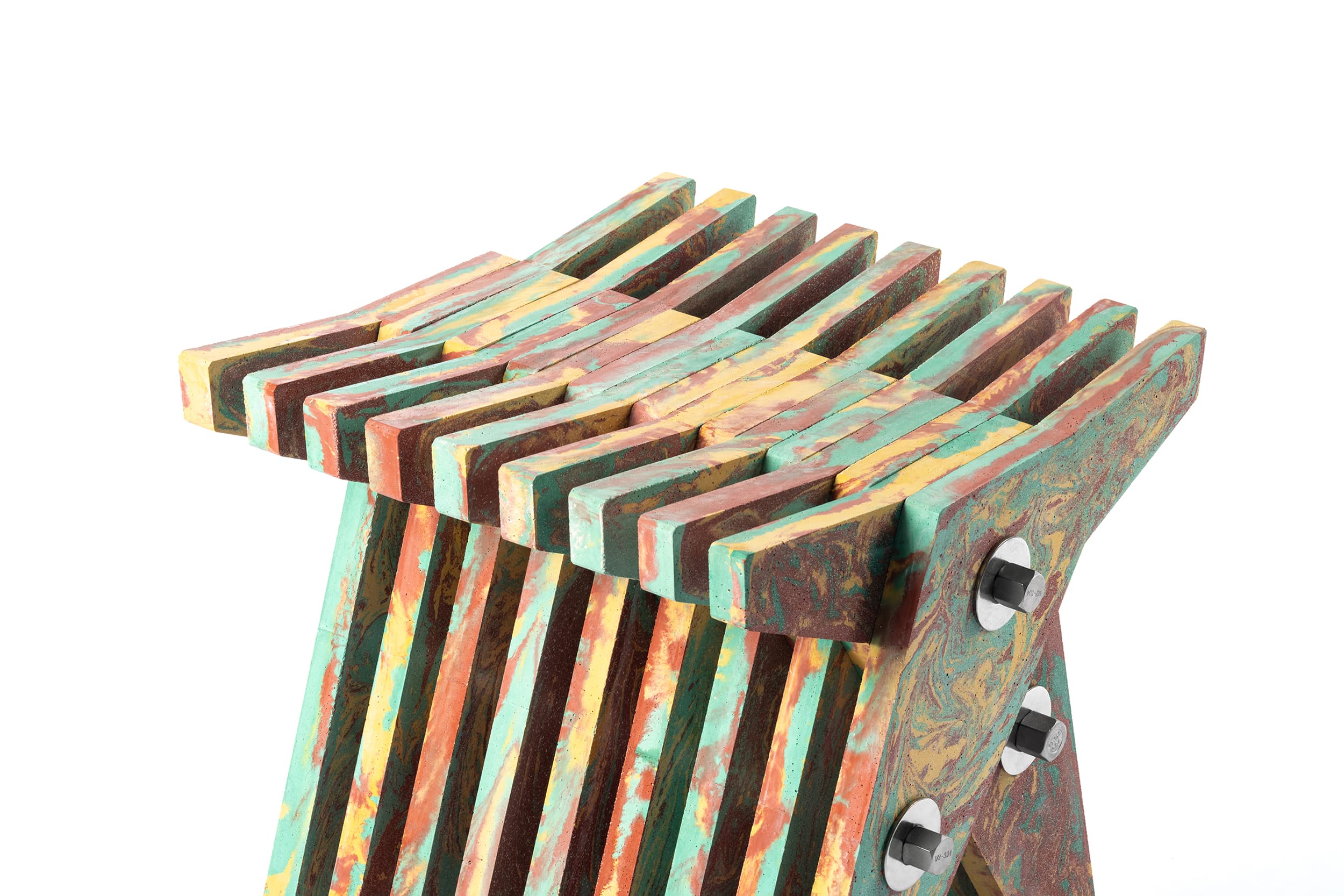
Colour: Black and white / Blue, white, and green / Red, yellow, and green / Black, white, red, green, and blue
Sustainable Fly Ash Recycling Practces: BENTU And The Second Mine
The Second Mine
Second Excavation
Second Production
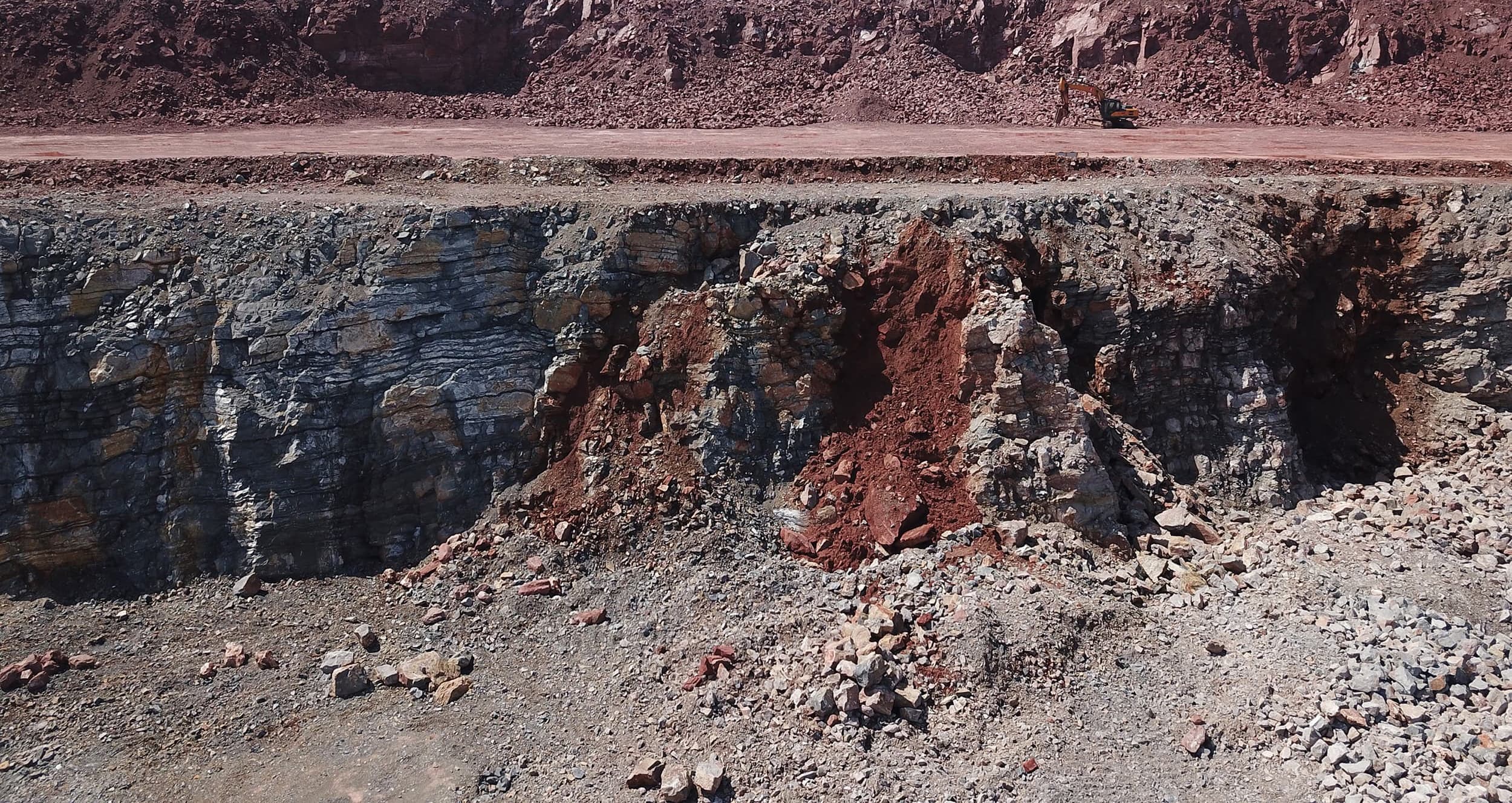
"The Second Mine" is a metaphorical concept, signifying "second excavation" or "second production." It emphasizes the exploration of new resources, new potential, and new opportunities within existing local systems, in response to local environmental crises and the urgent need to transition toward sustainable resource utilization.
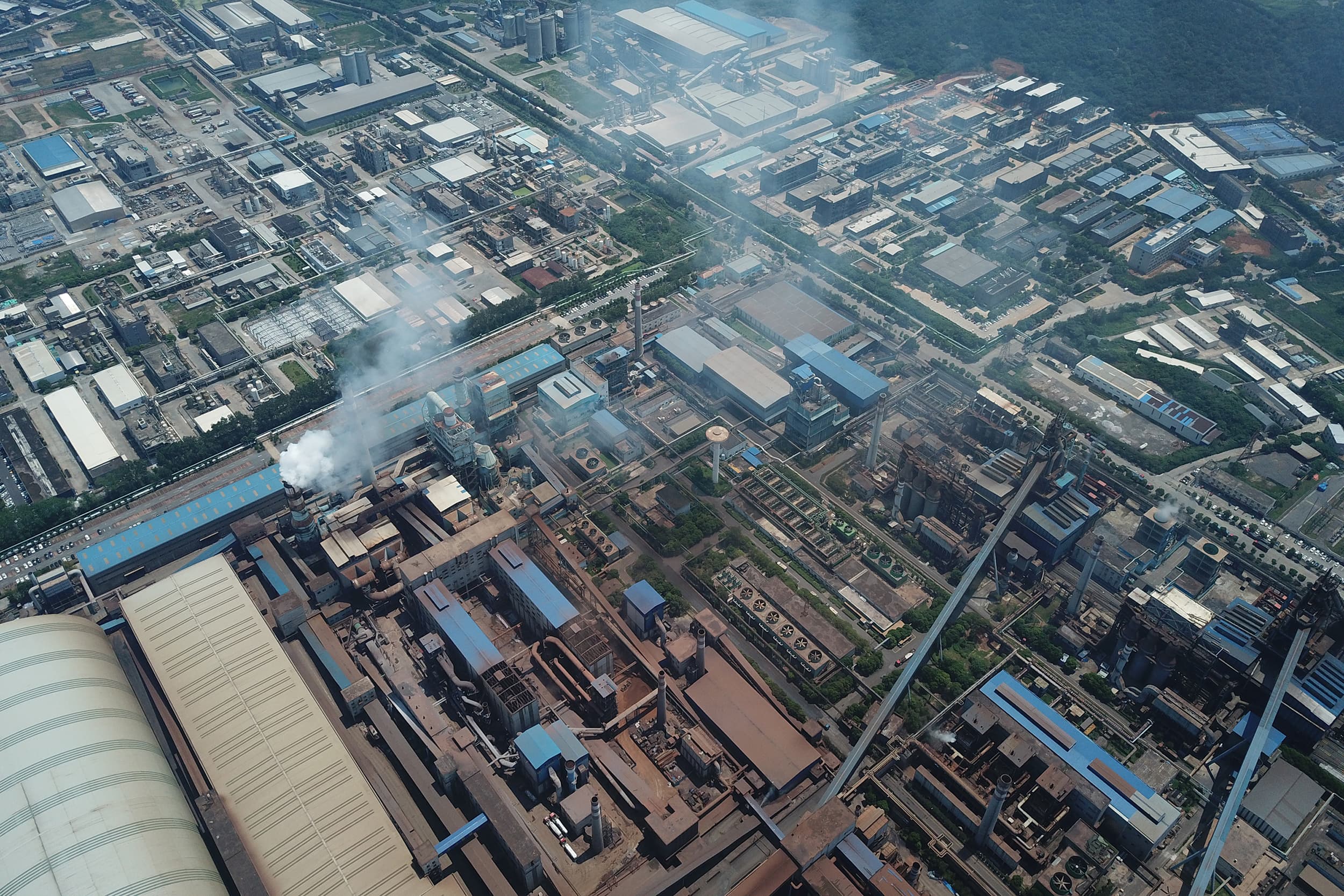
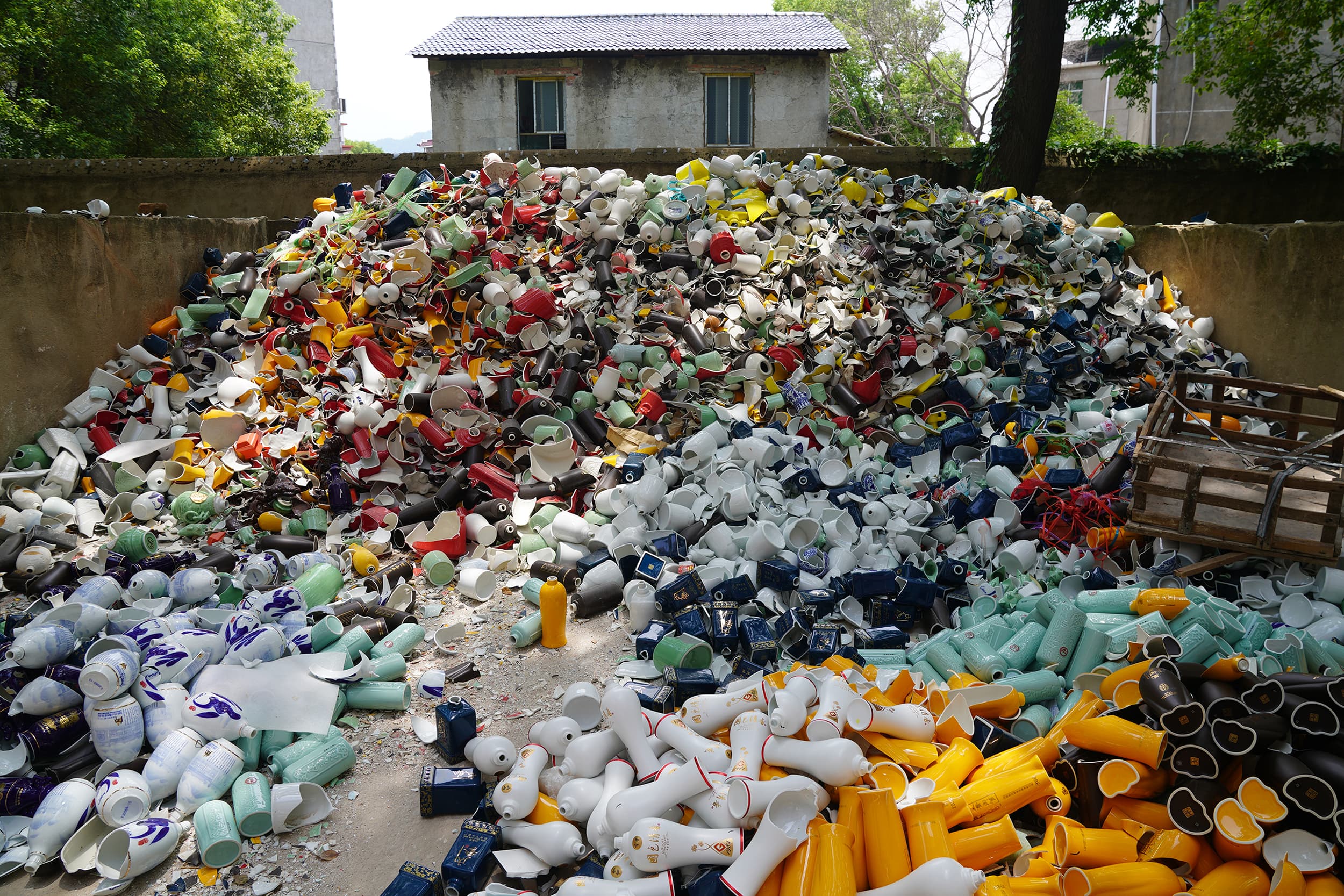
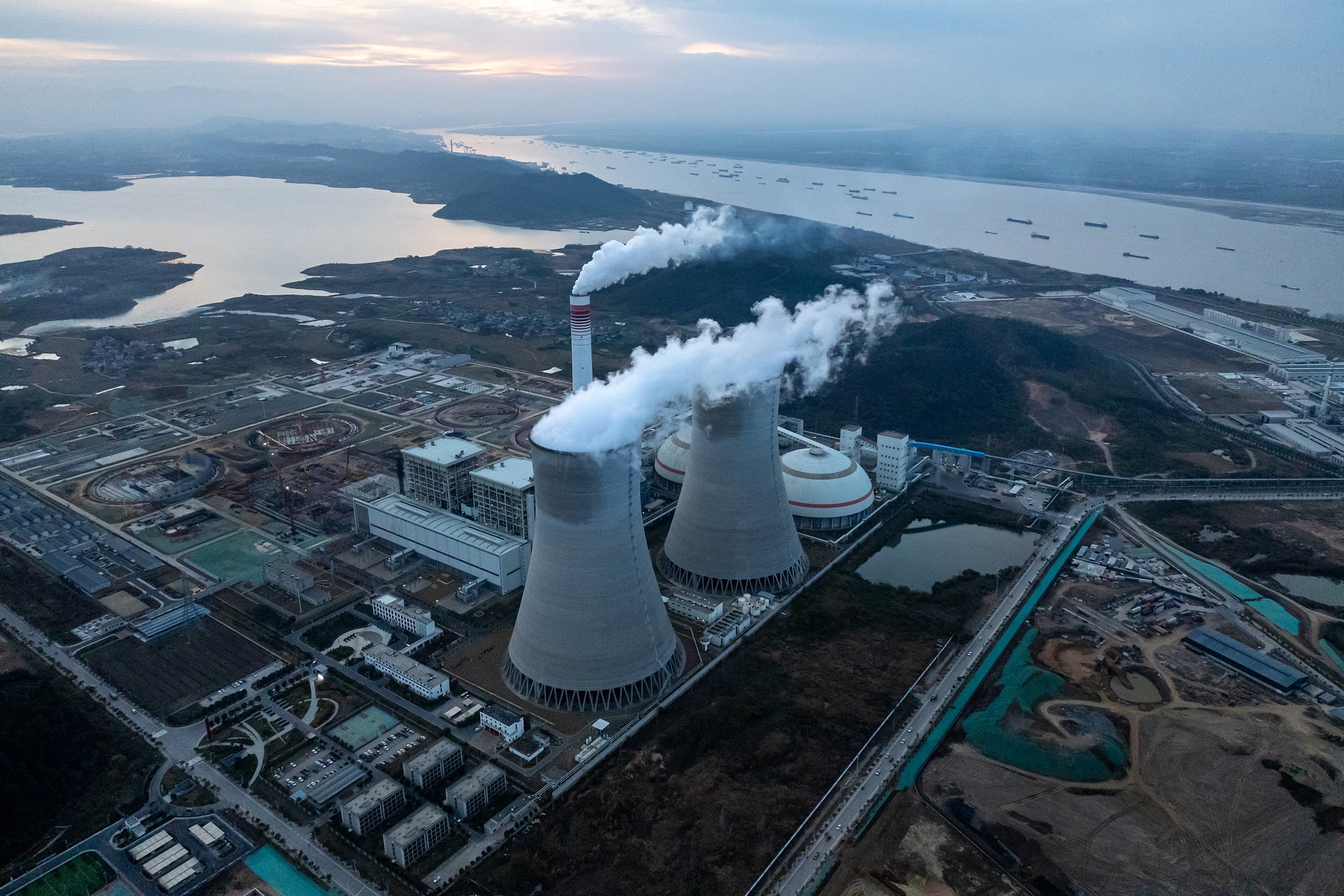
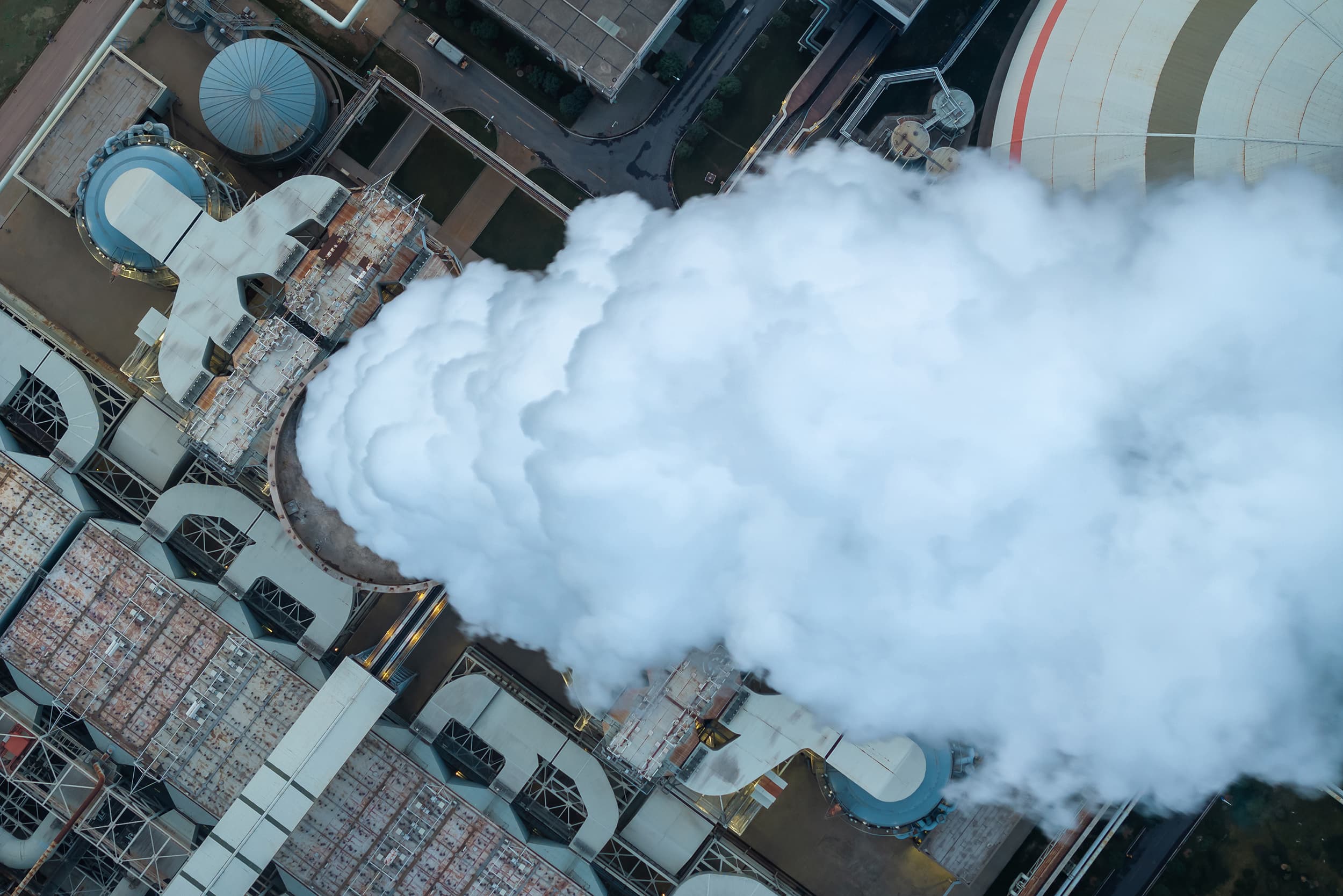
Urban Mining
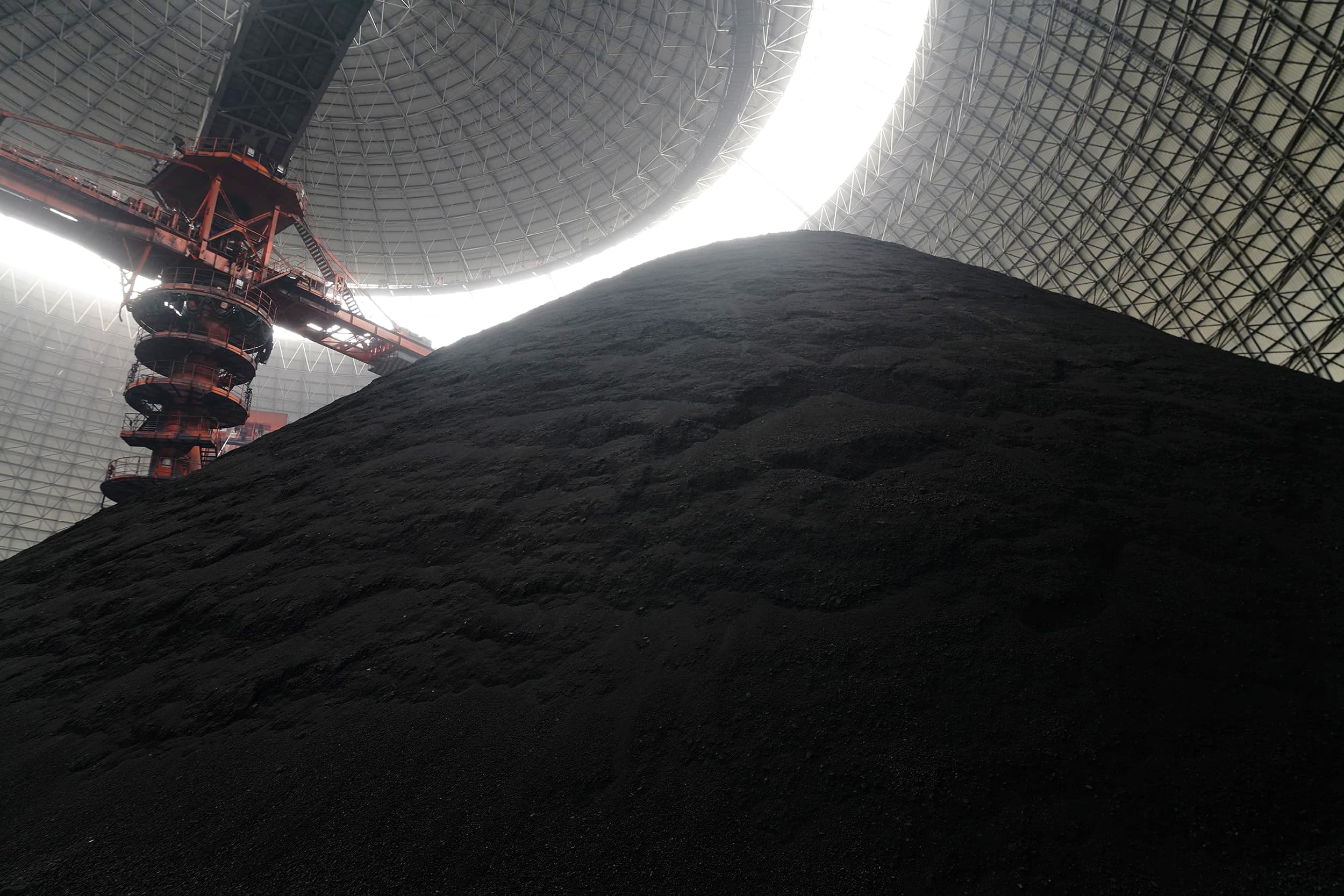
At Hukou County, where the Poyang Lake meets the Yangtze River, the Shenhua Power Plant generates a large amount of coal fly ash daily. Fly ash refers to the fine ash and furnace slag collected by dust collectors from boiler flue gases during the comprehensive utilization of coal-fired power plants, coal gangue, and coal slime. According to statistics, for every 100 tons of coal burned, an average of 15 to 45 tons of fly ash is produced.
For a long time, fly ash has been primarily disposed of through landfilling and stockpiling, which not only occupies vast amounts of land but also impacts water quality, soil, and air, posing ecological and social risks. However, from the perspective of circular utilization, fly ash truly deserves the title of "urban mining."
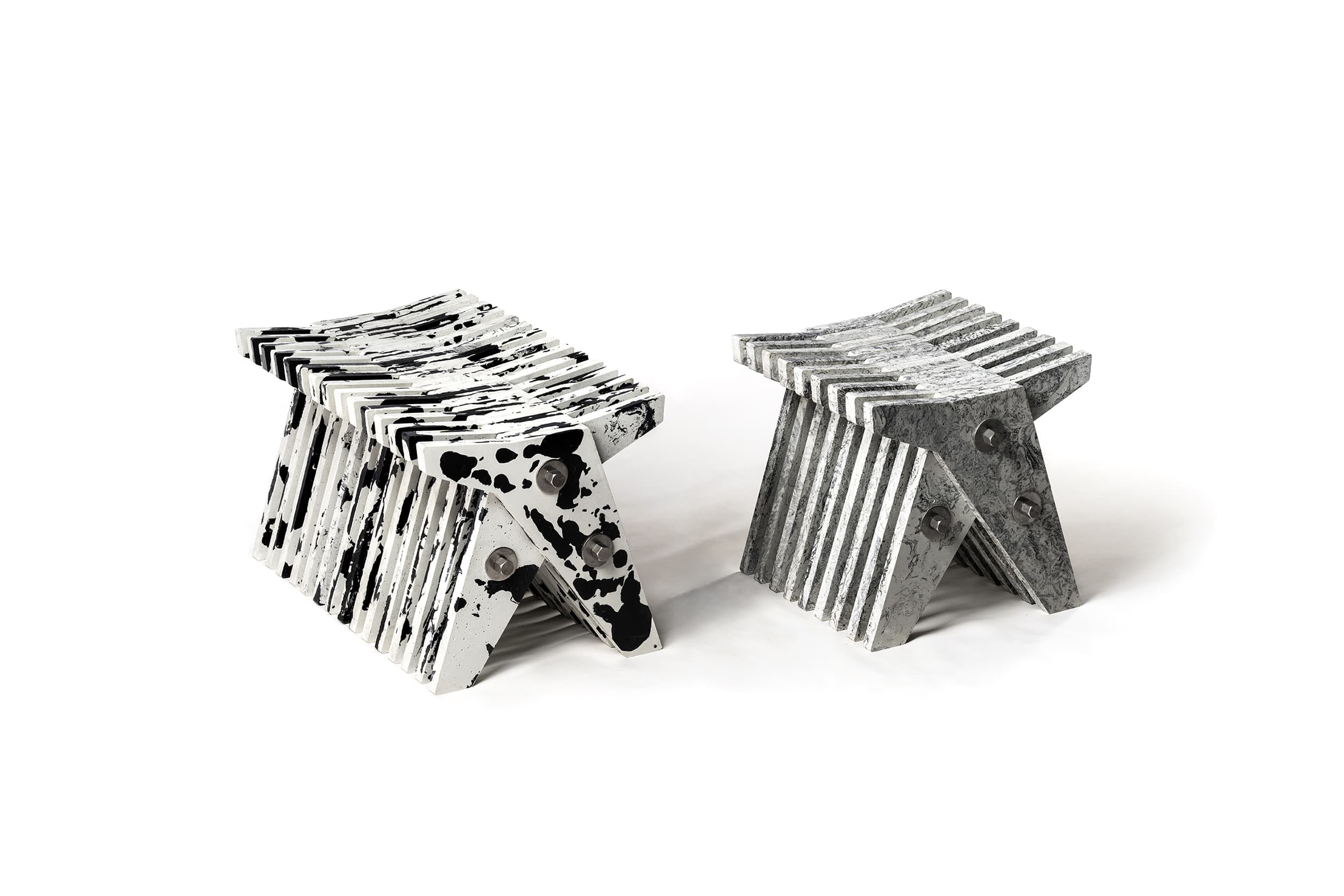
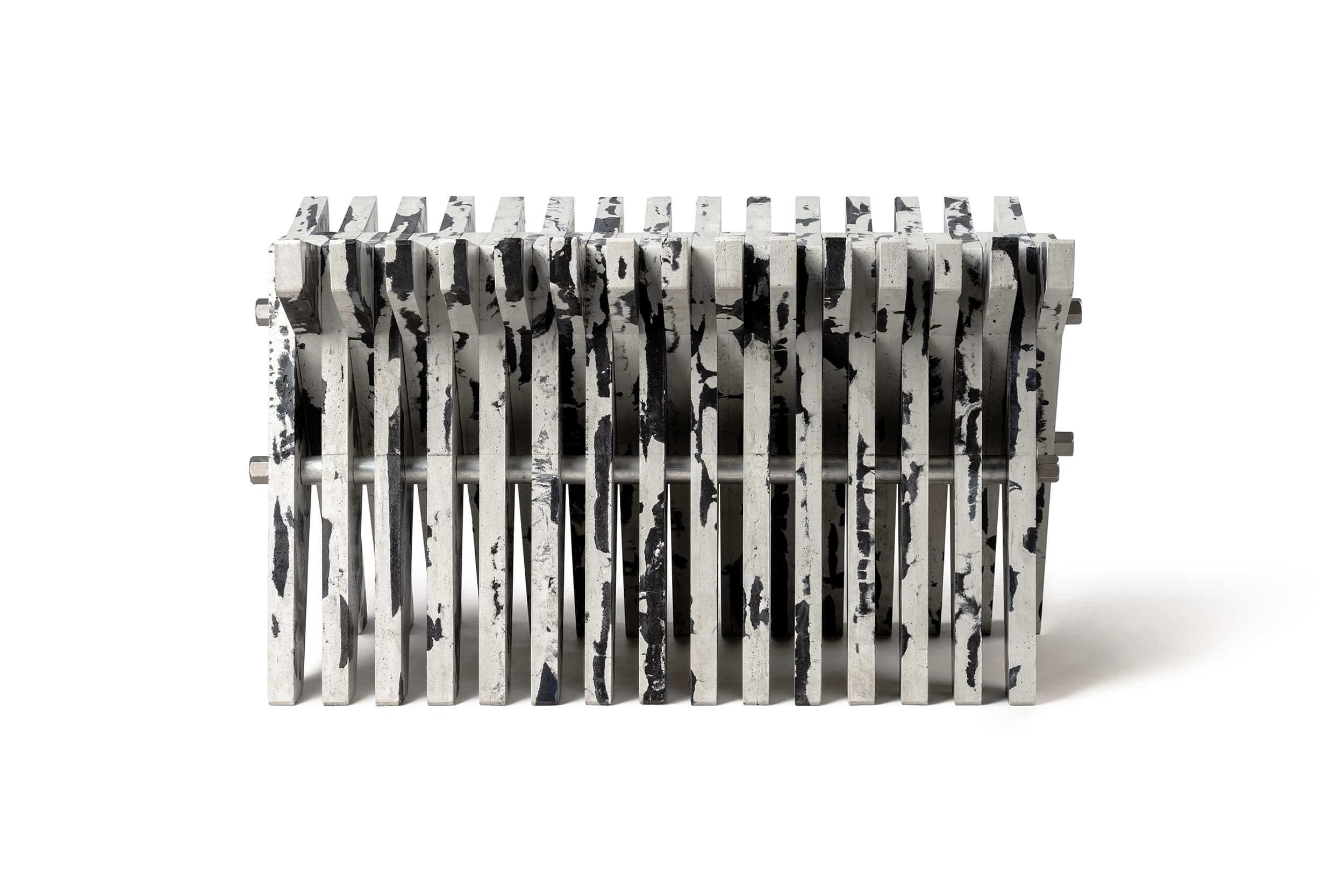
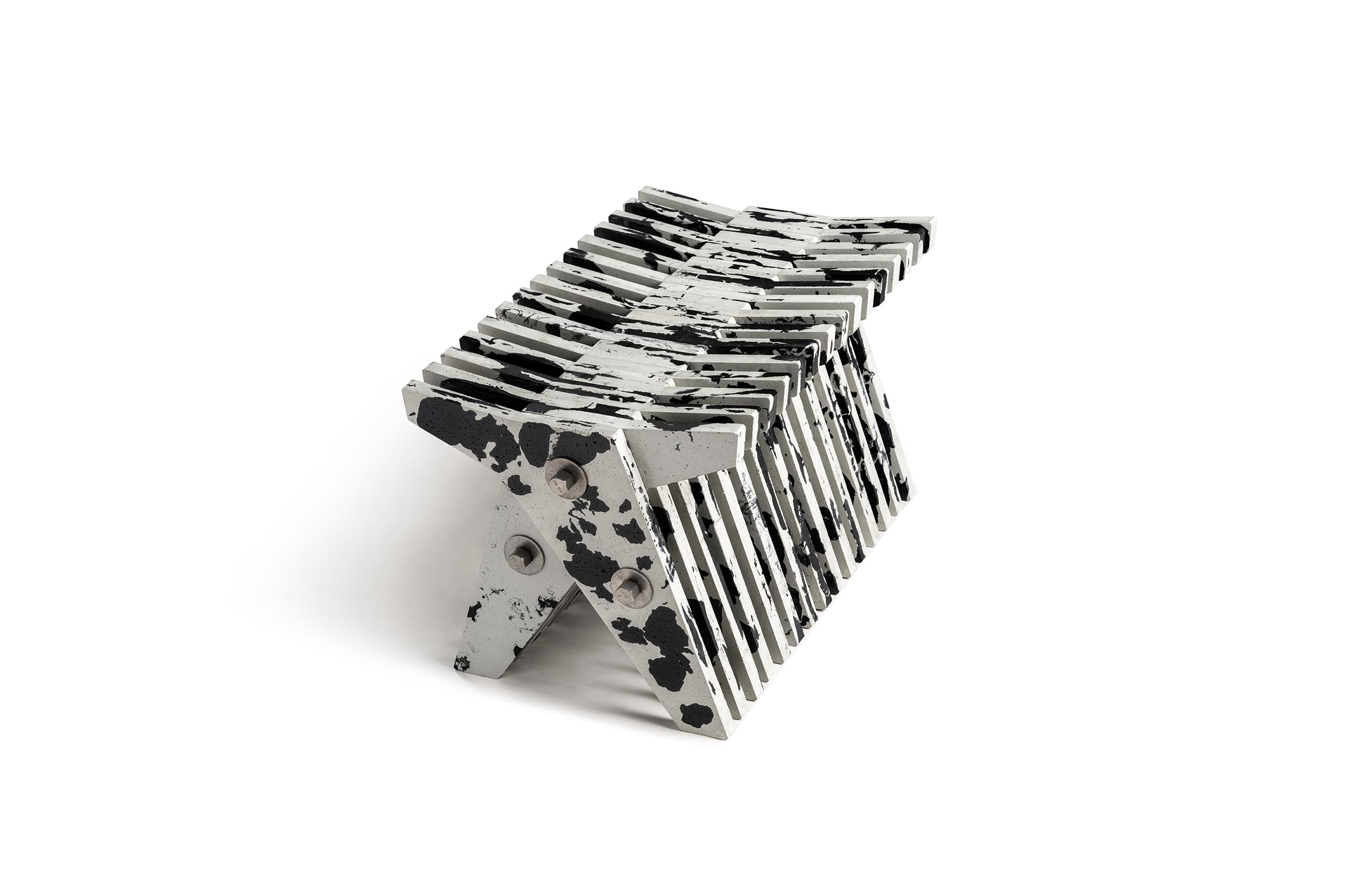
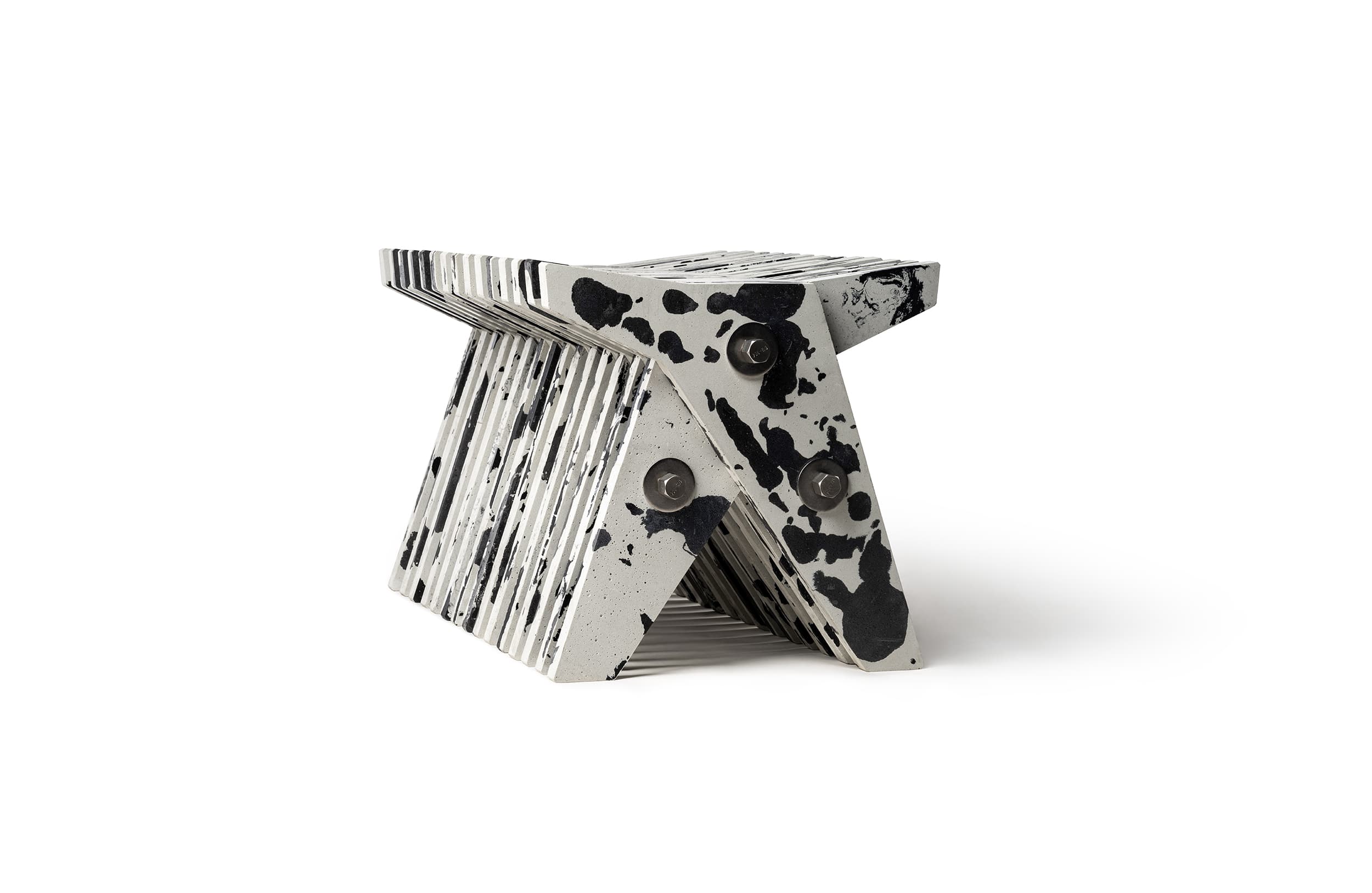
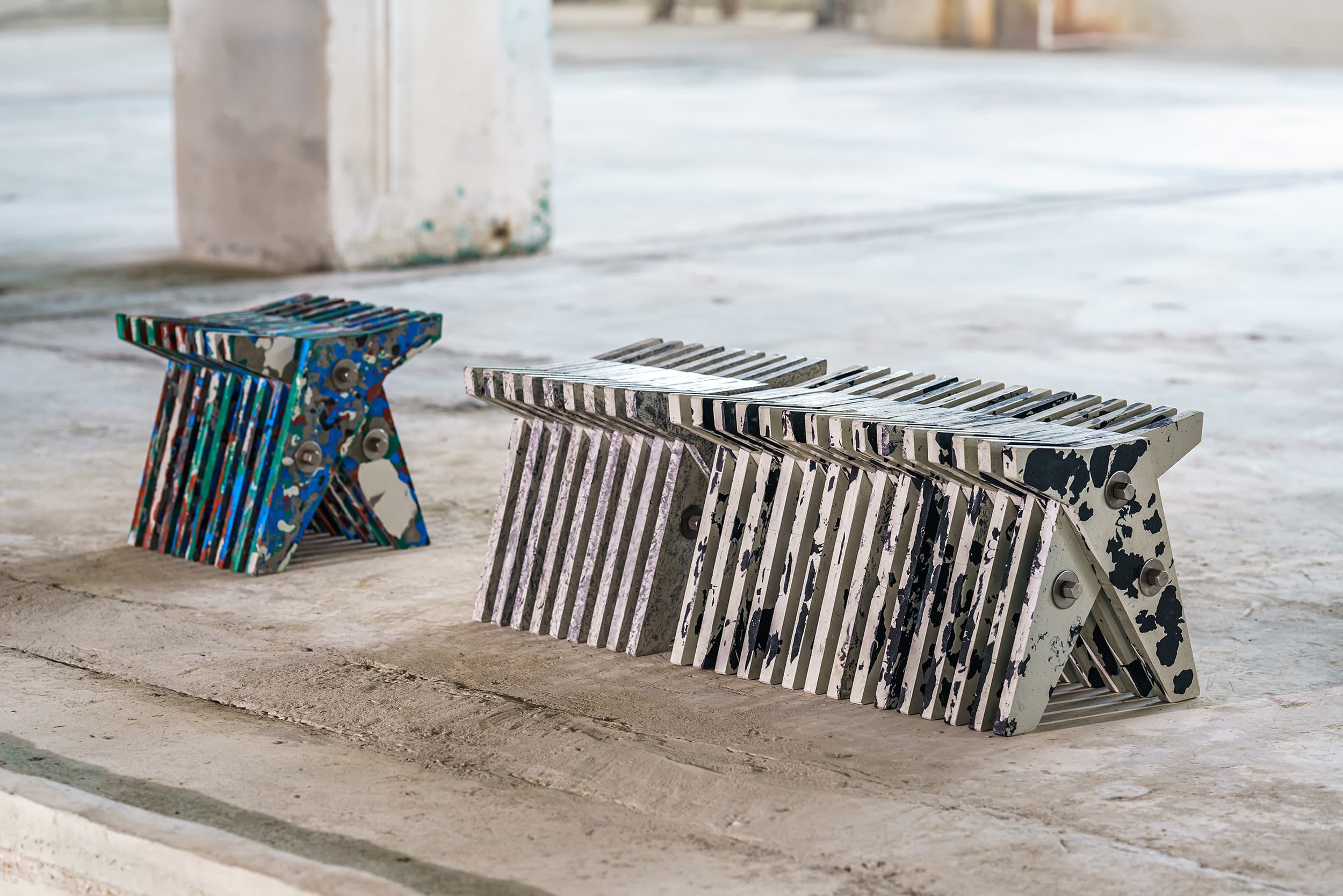
Waste from One Industry Becomes Raw Material for Another
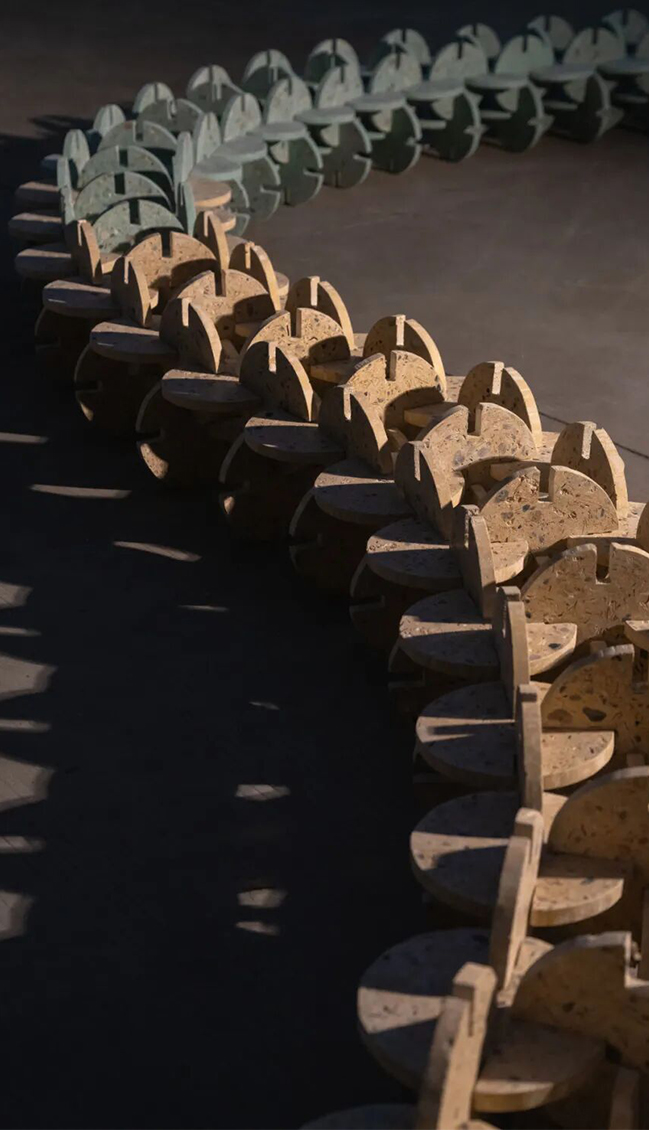
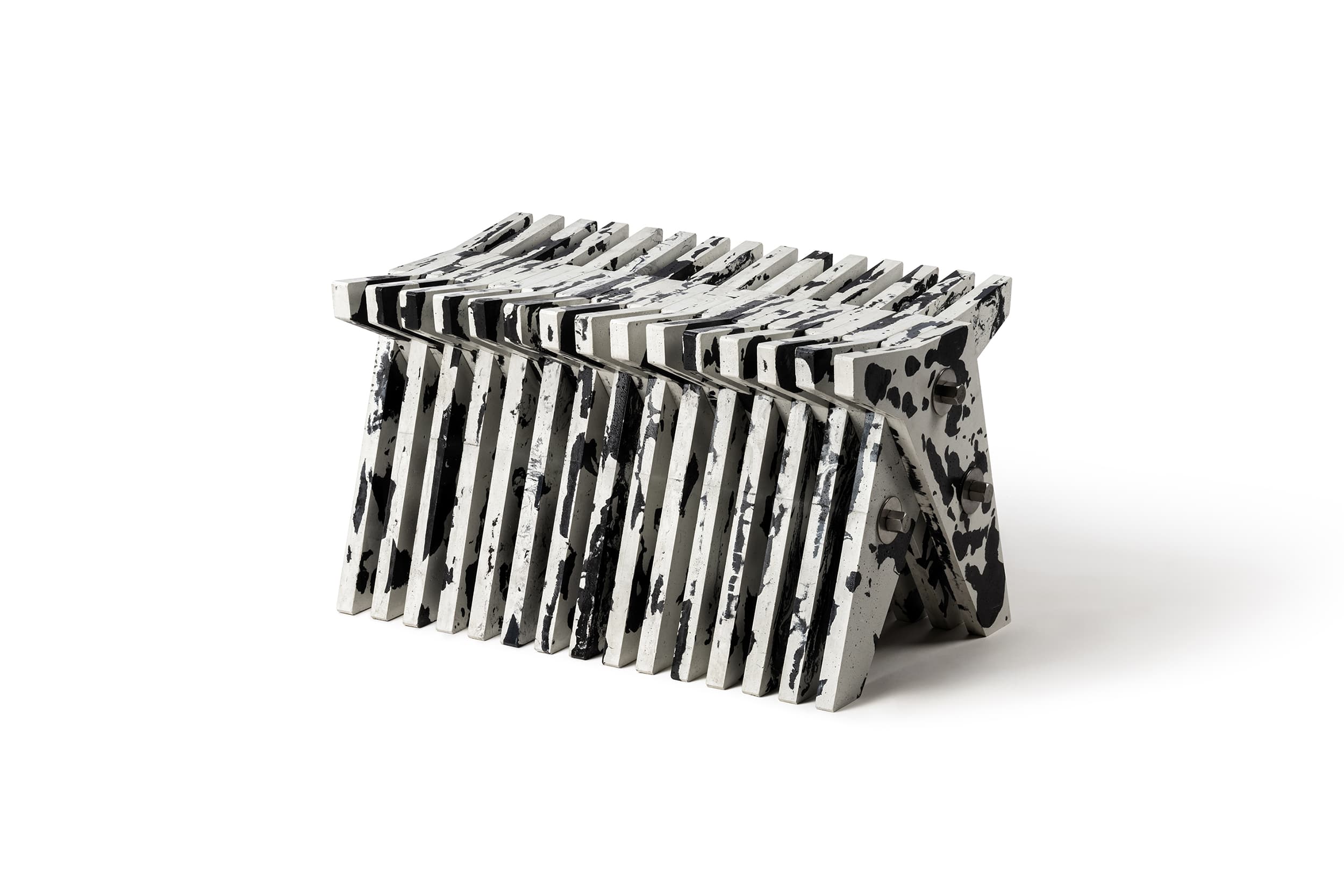
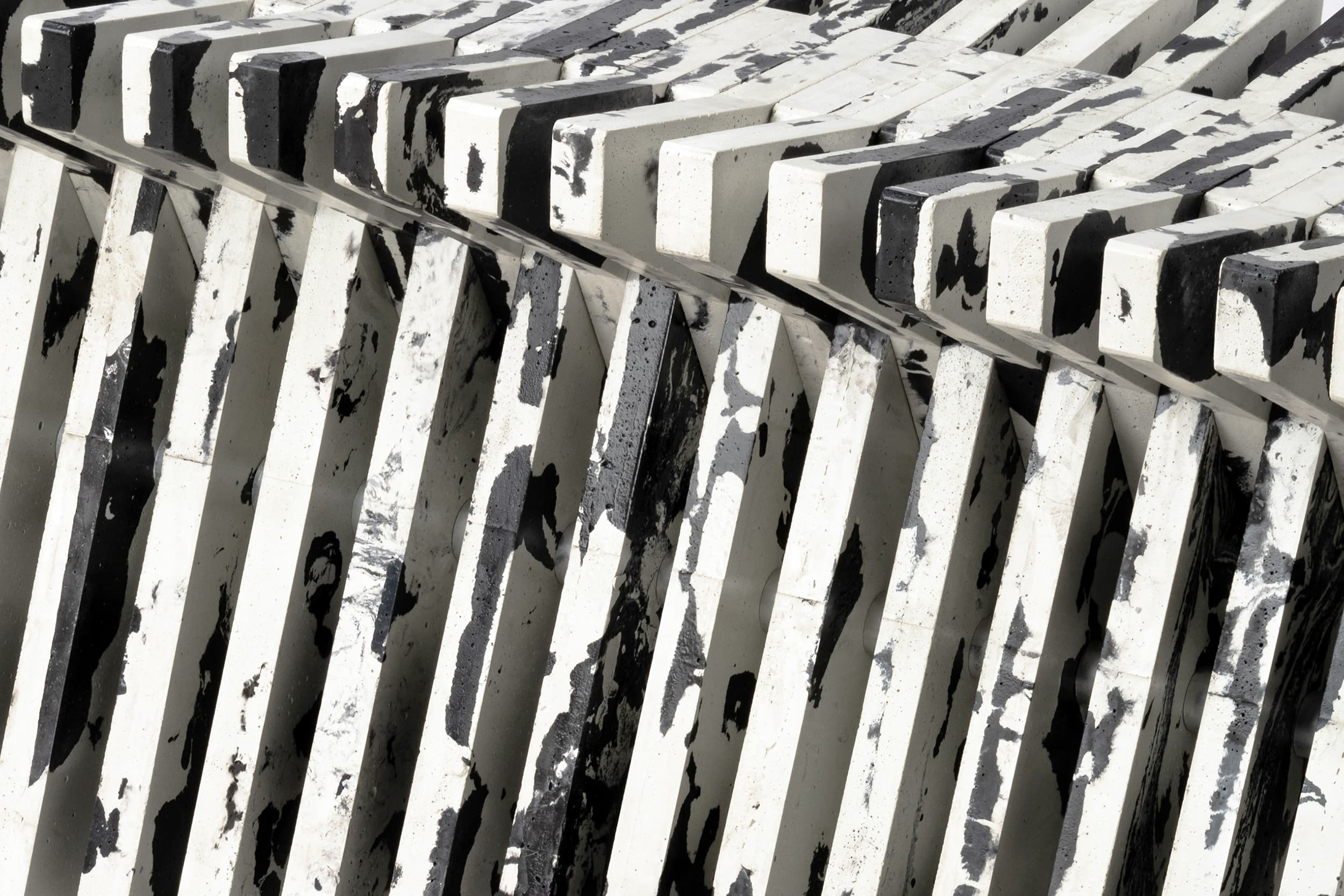
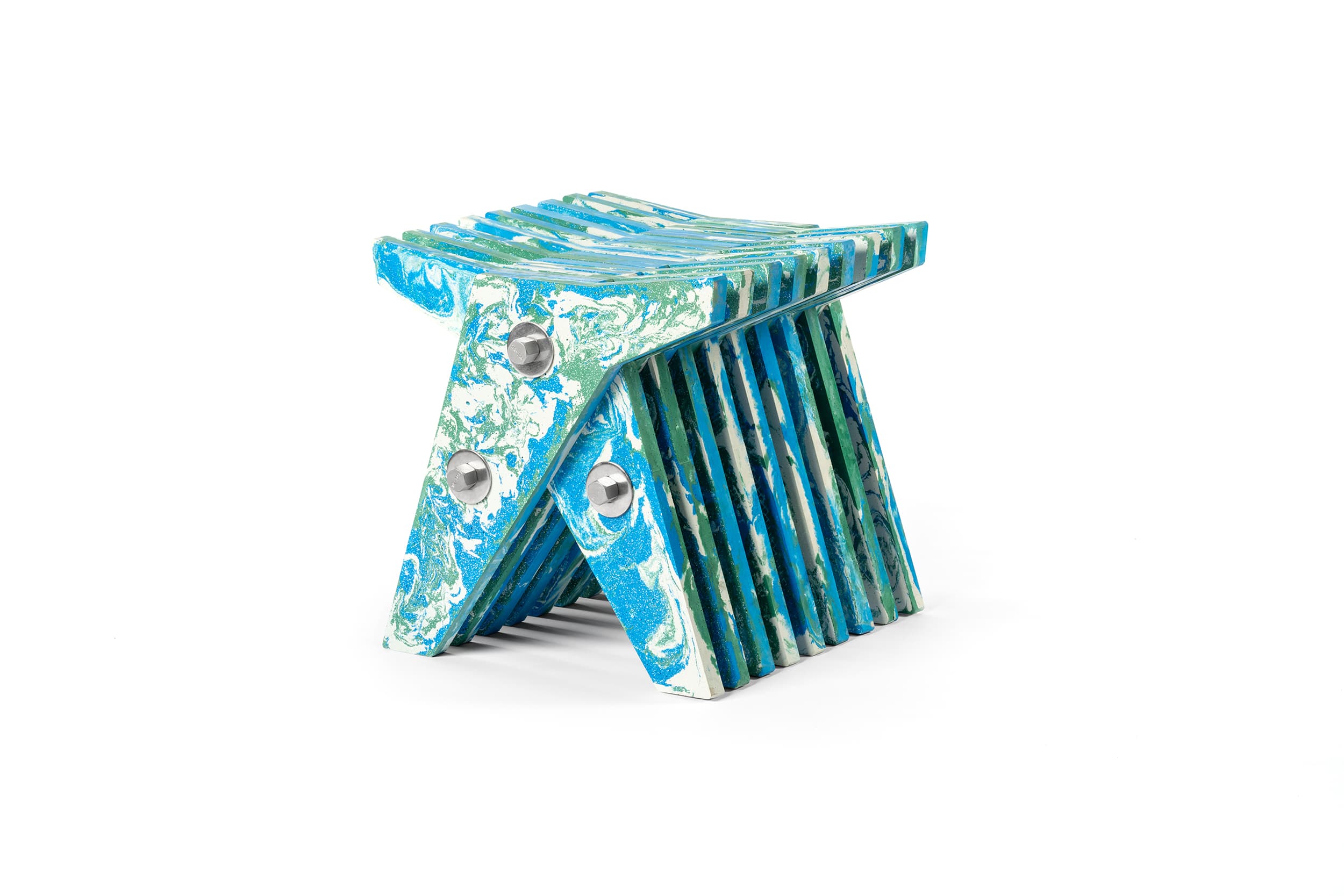
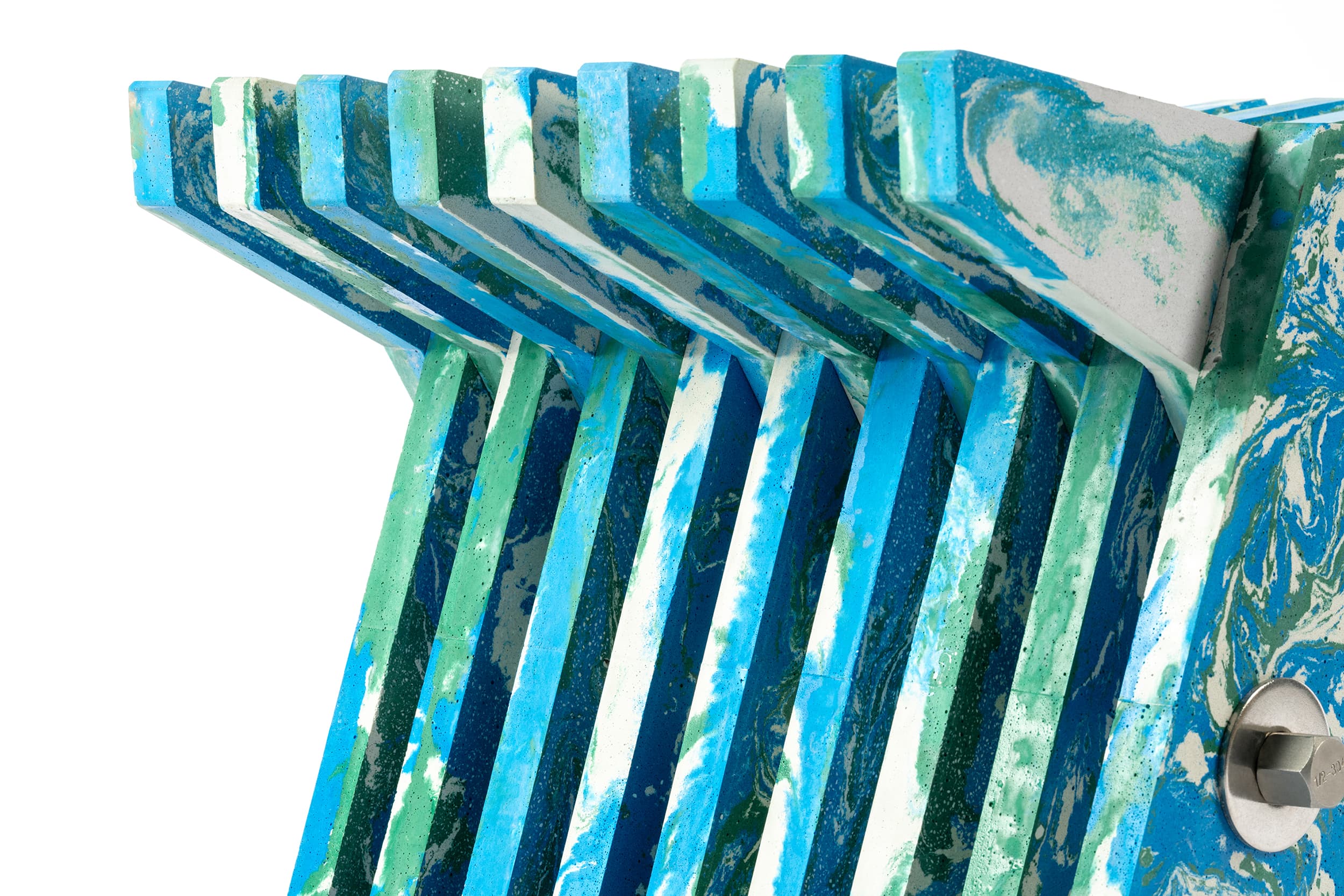
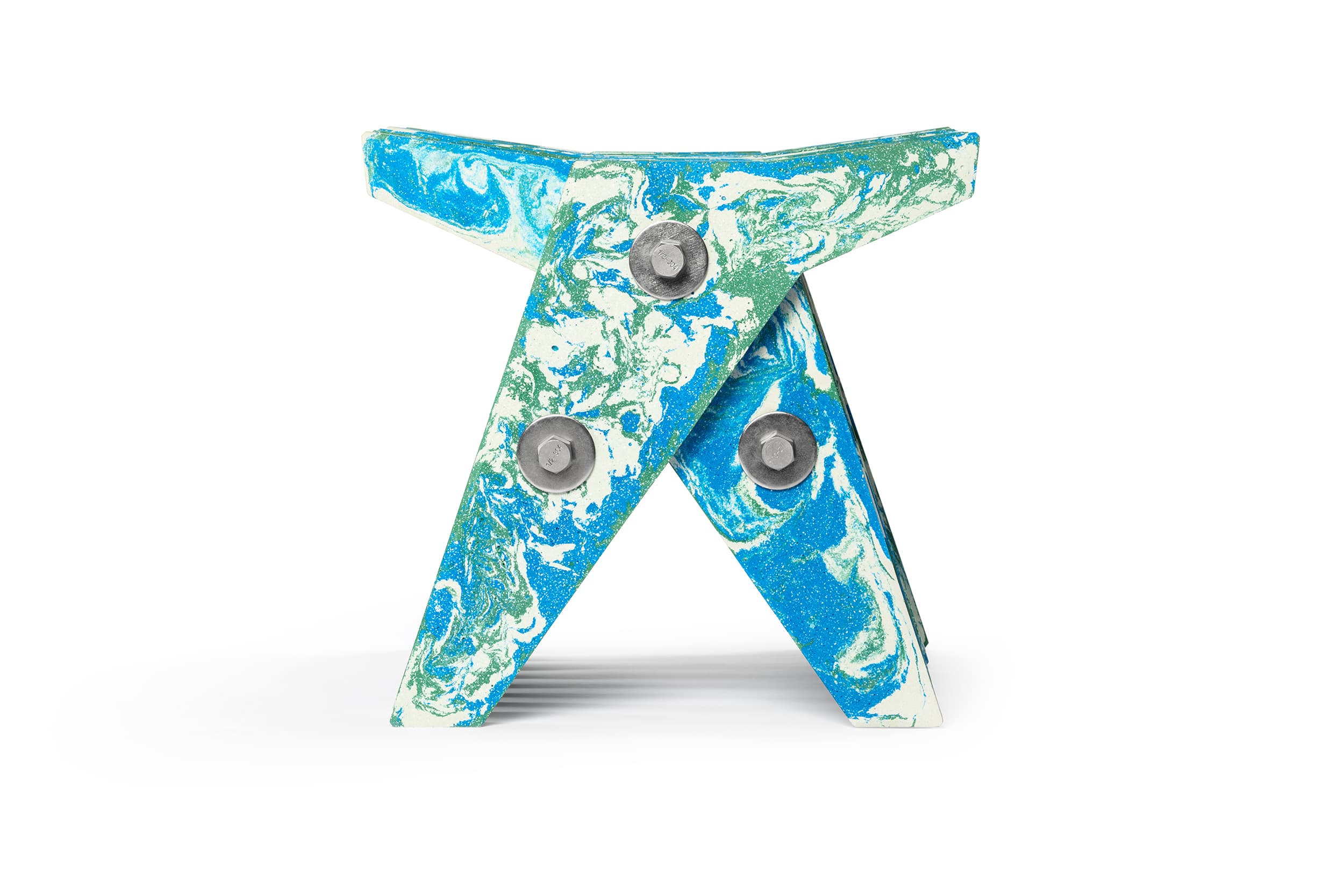
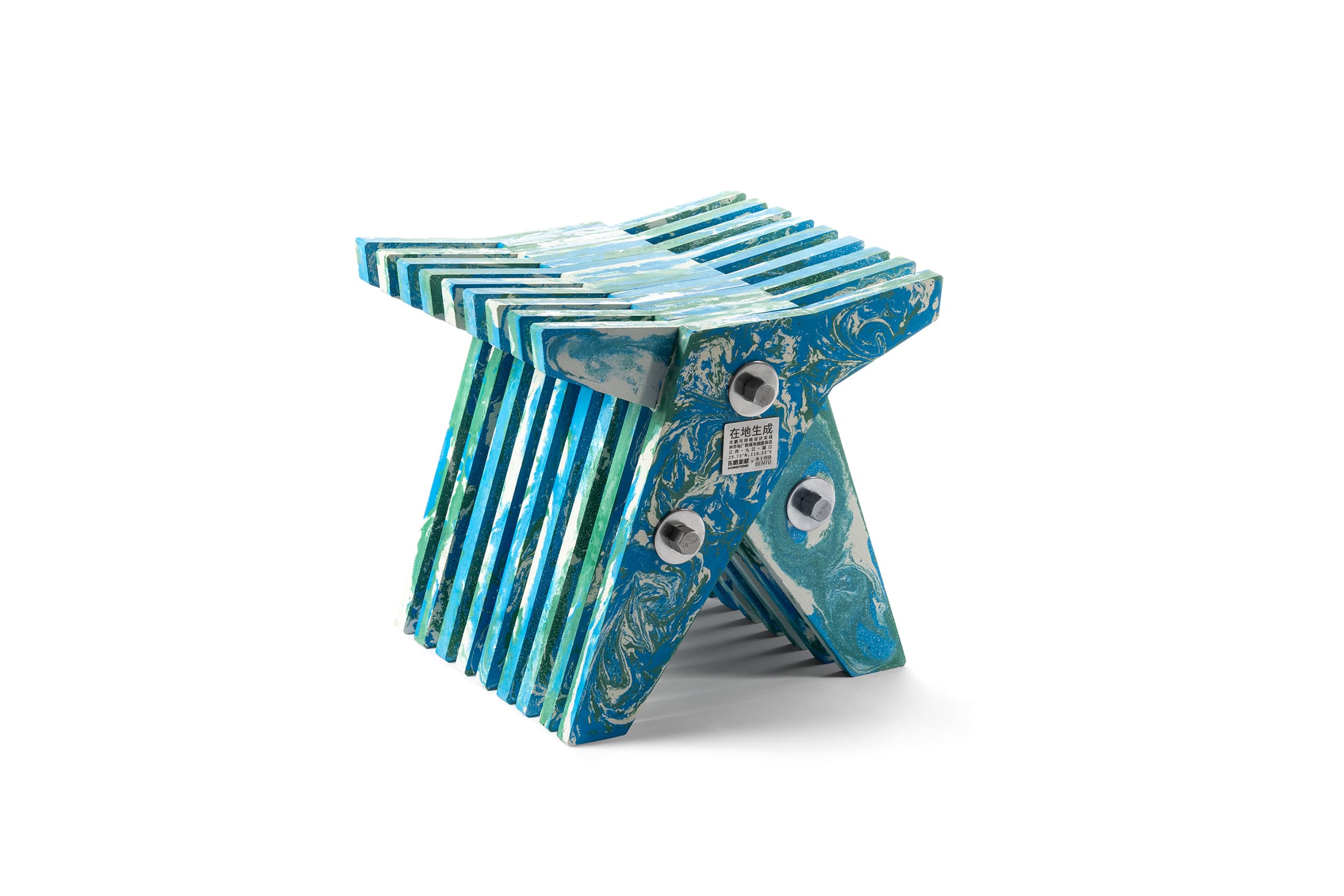
"X" is a piece of outdoor concrete furniture developed by "Bentu" using fly ash from the Shenhua Power Plant for material research and product creation. Guided by the philosophy that "waste from one industry becomes the raw material for another," it represents a sustainable design practice rooted in local production.
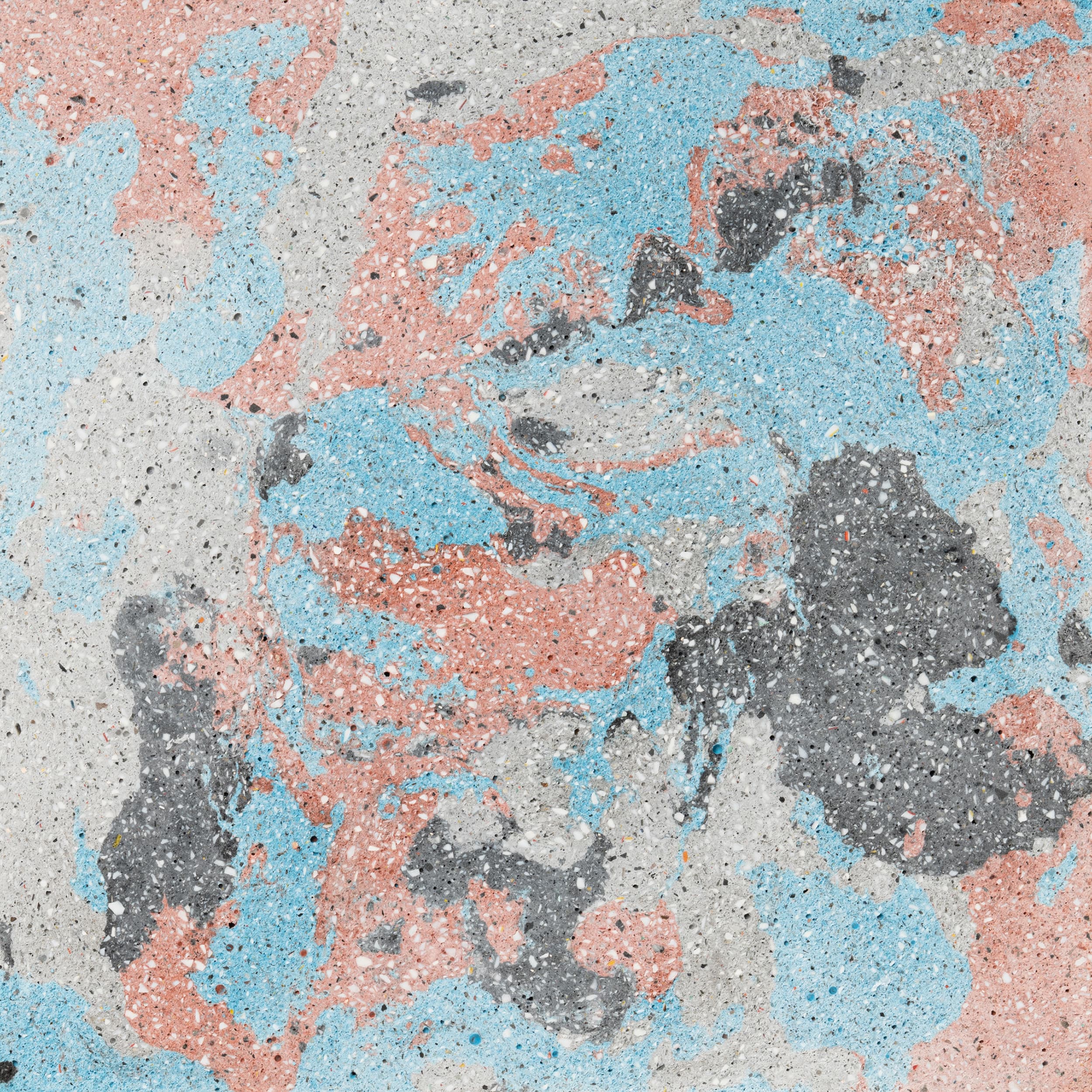
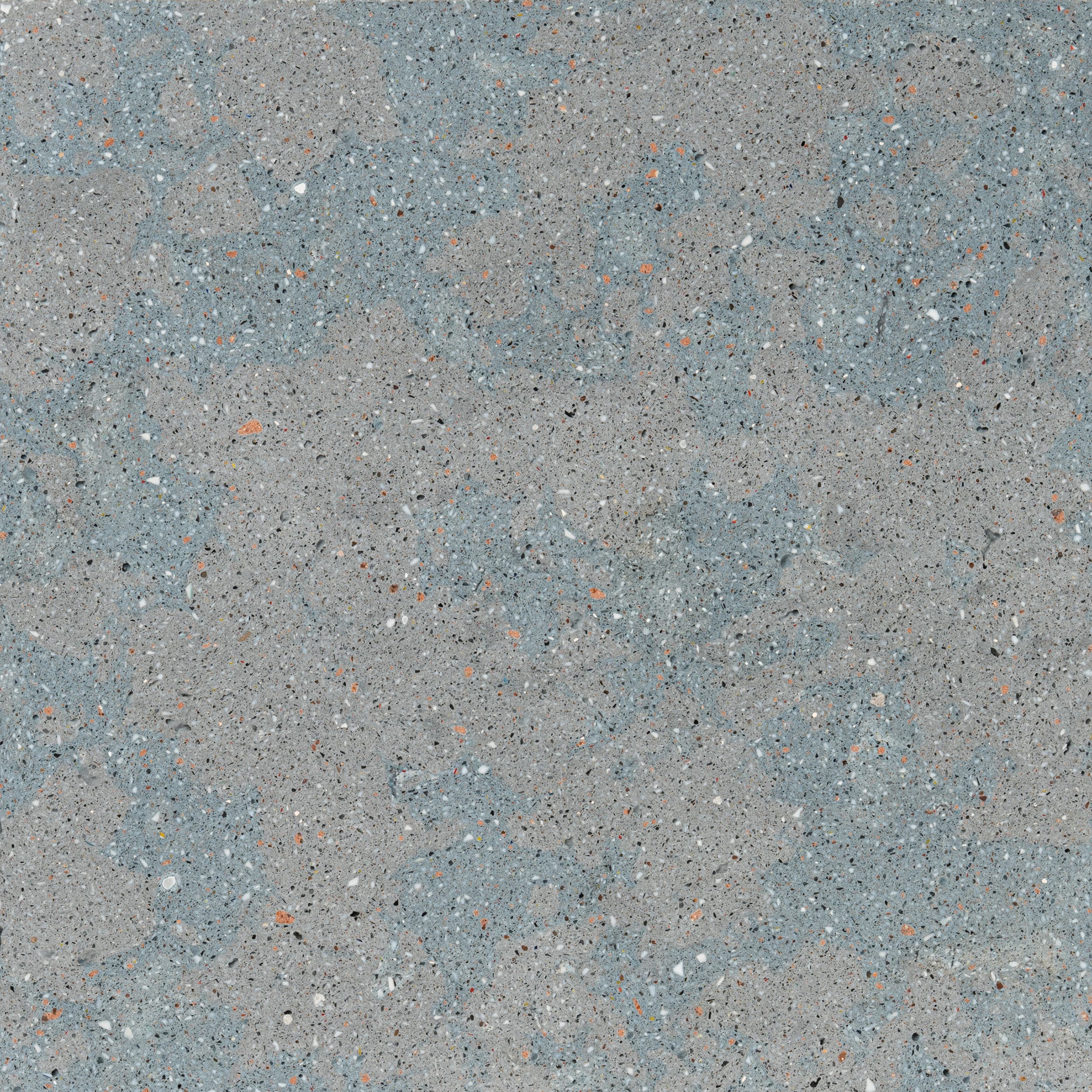
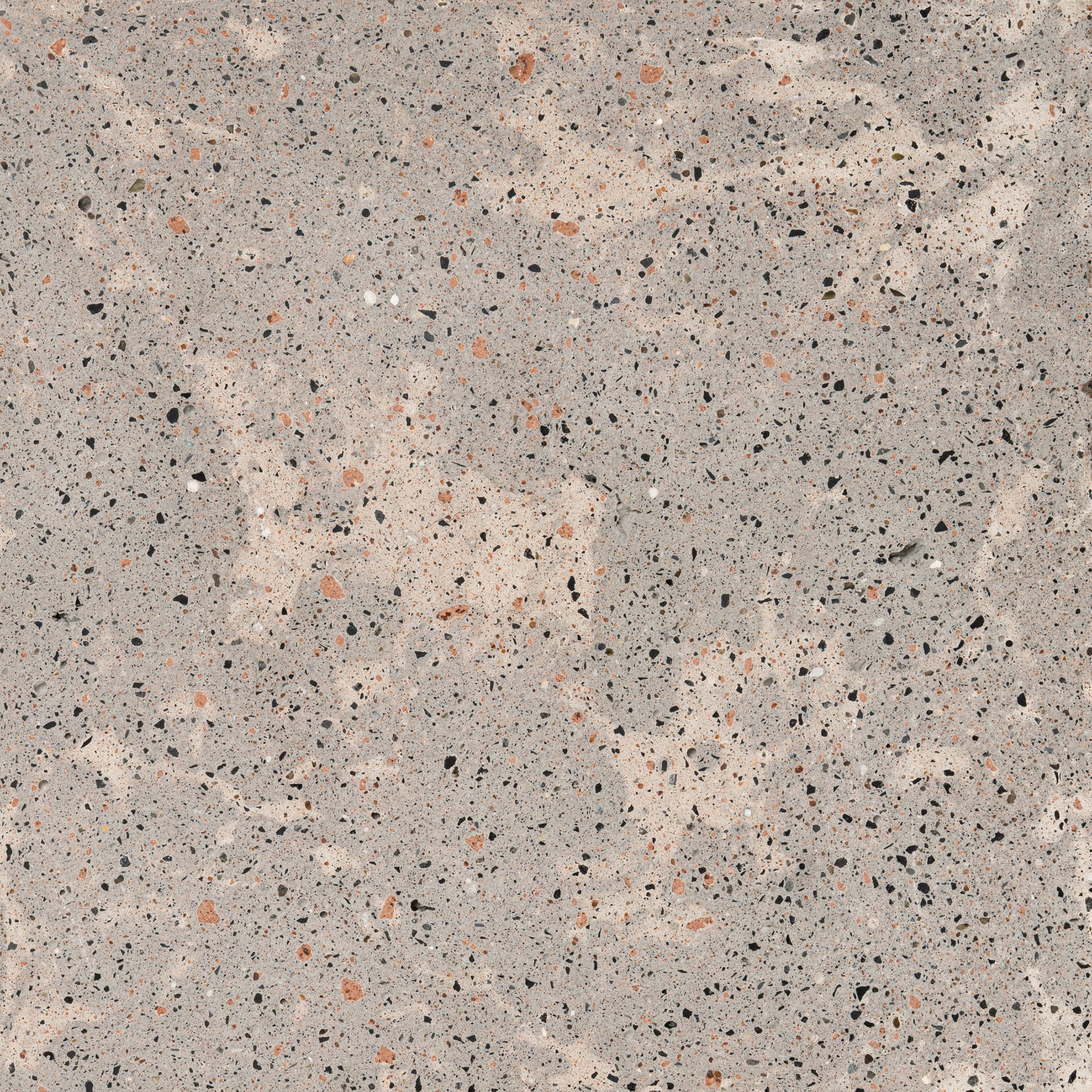
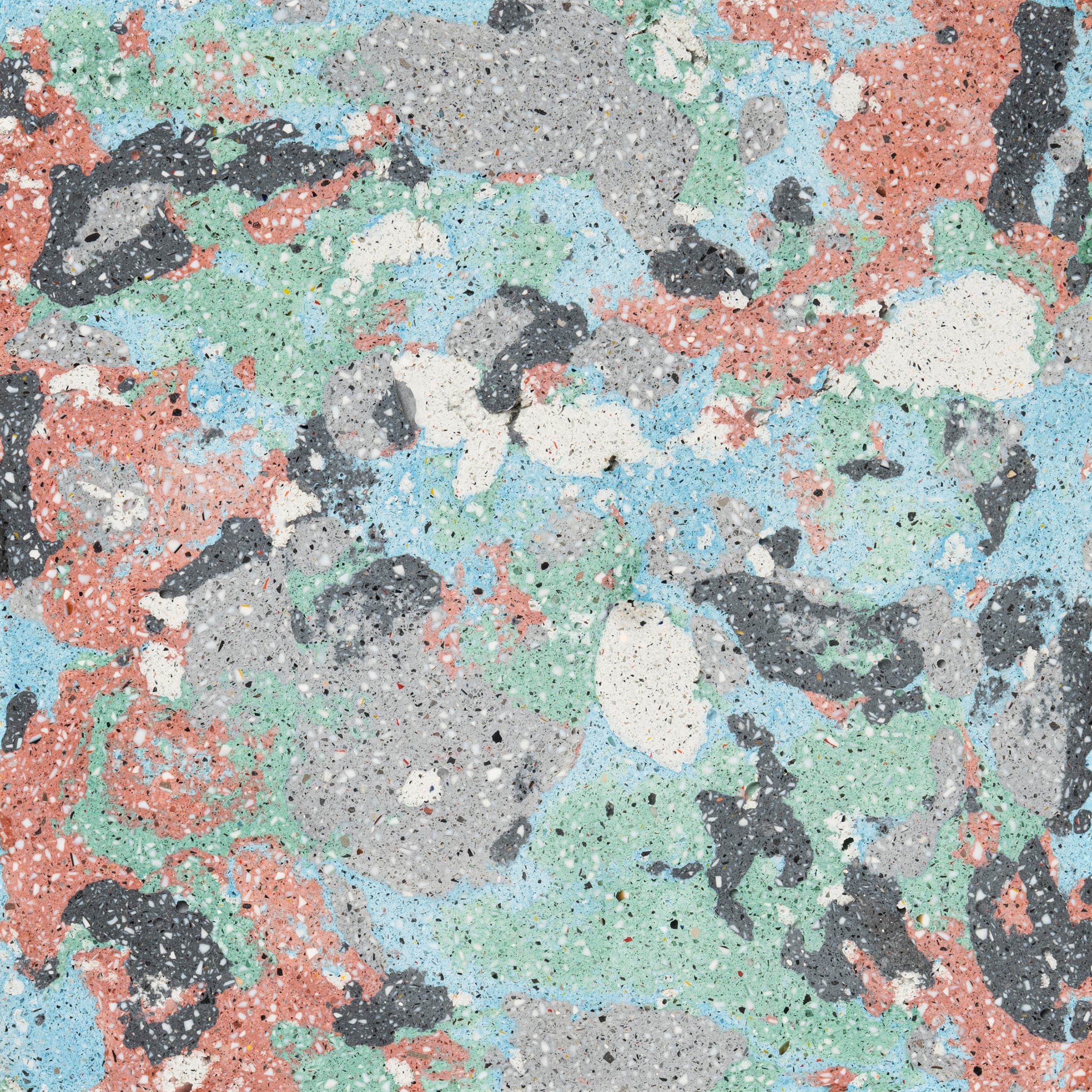
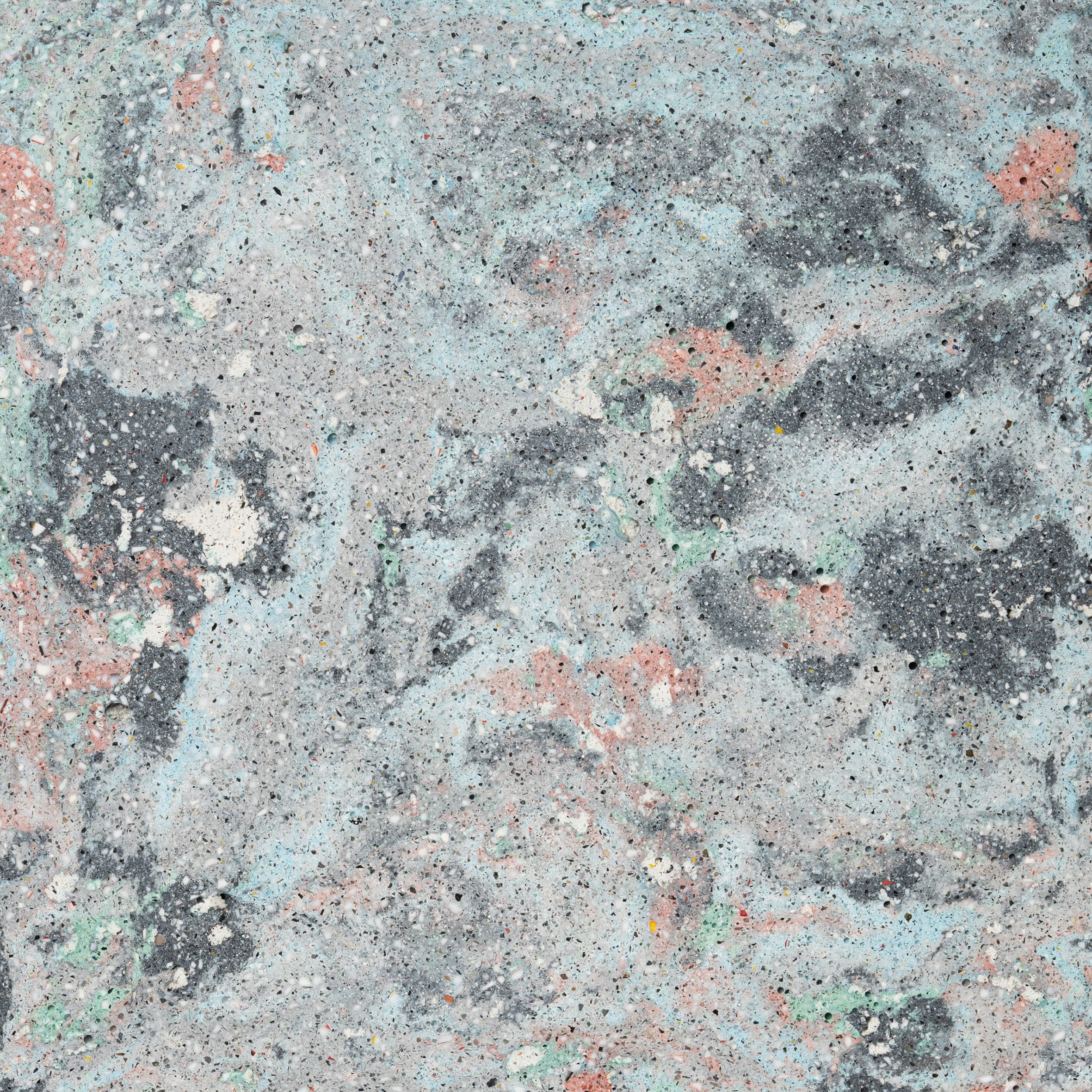
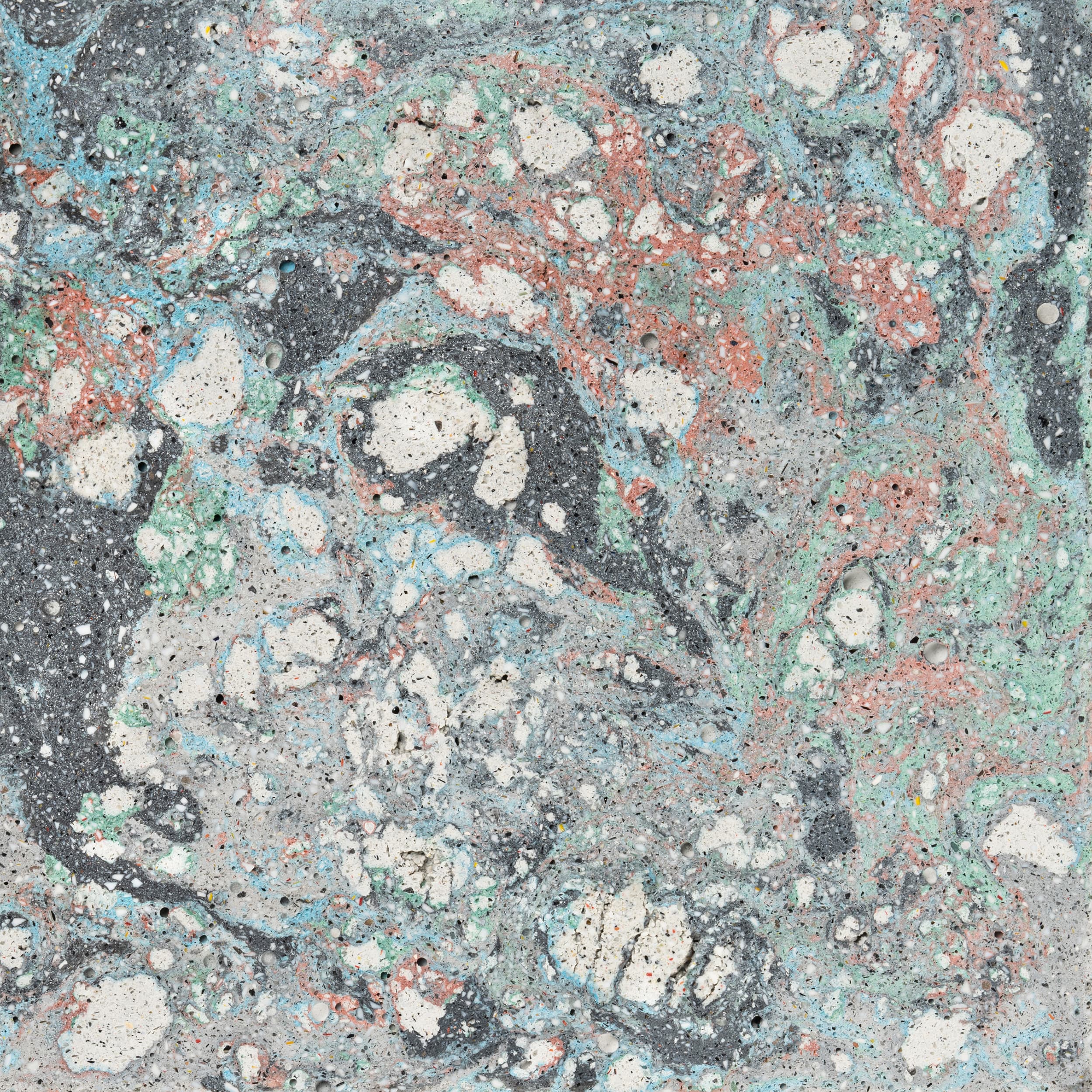
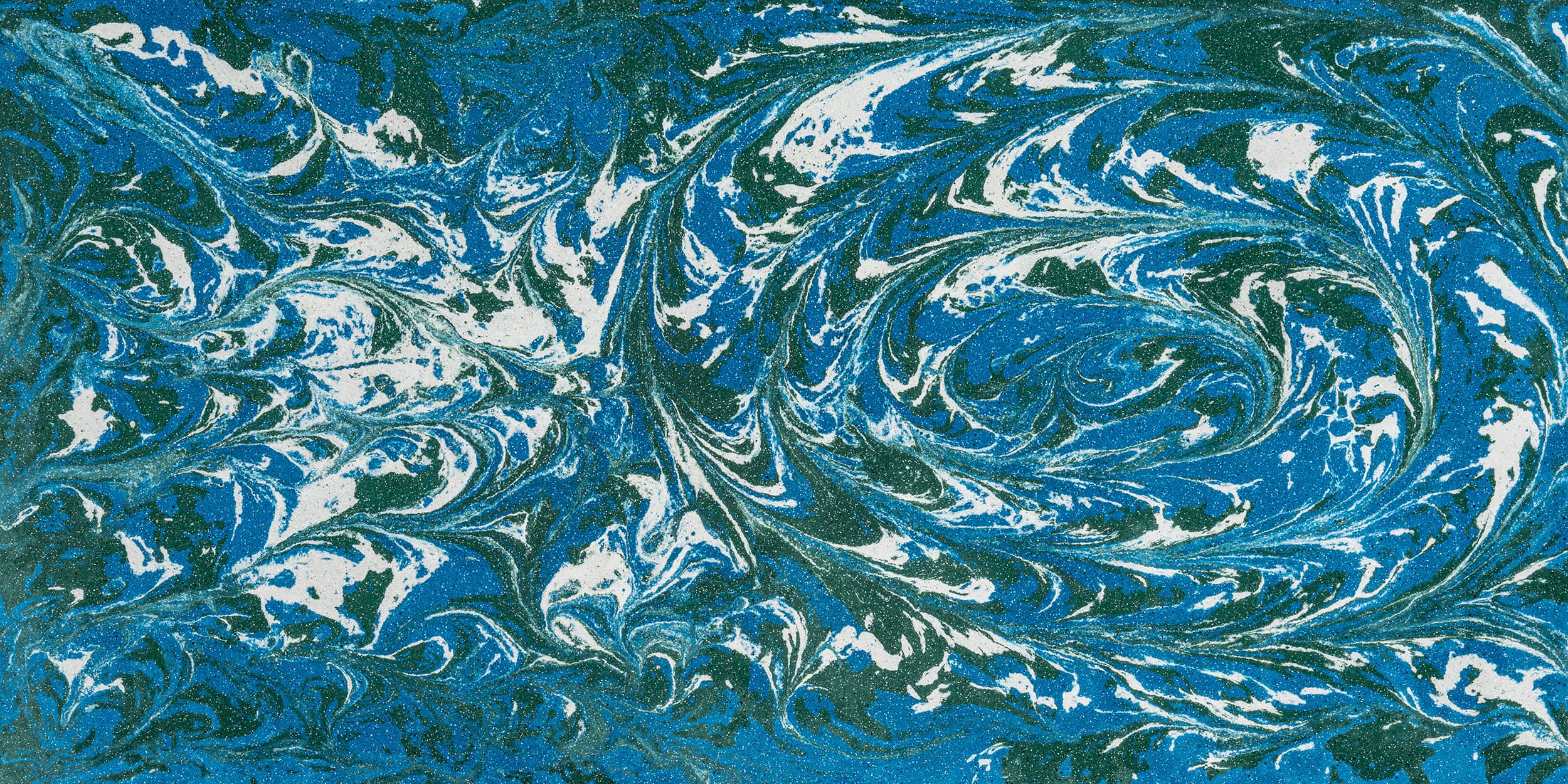
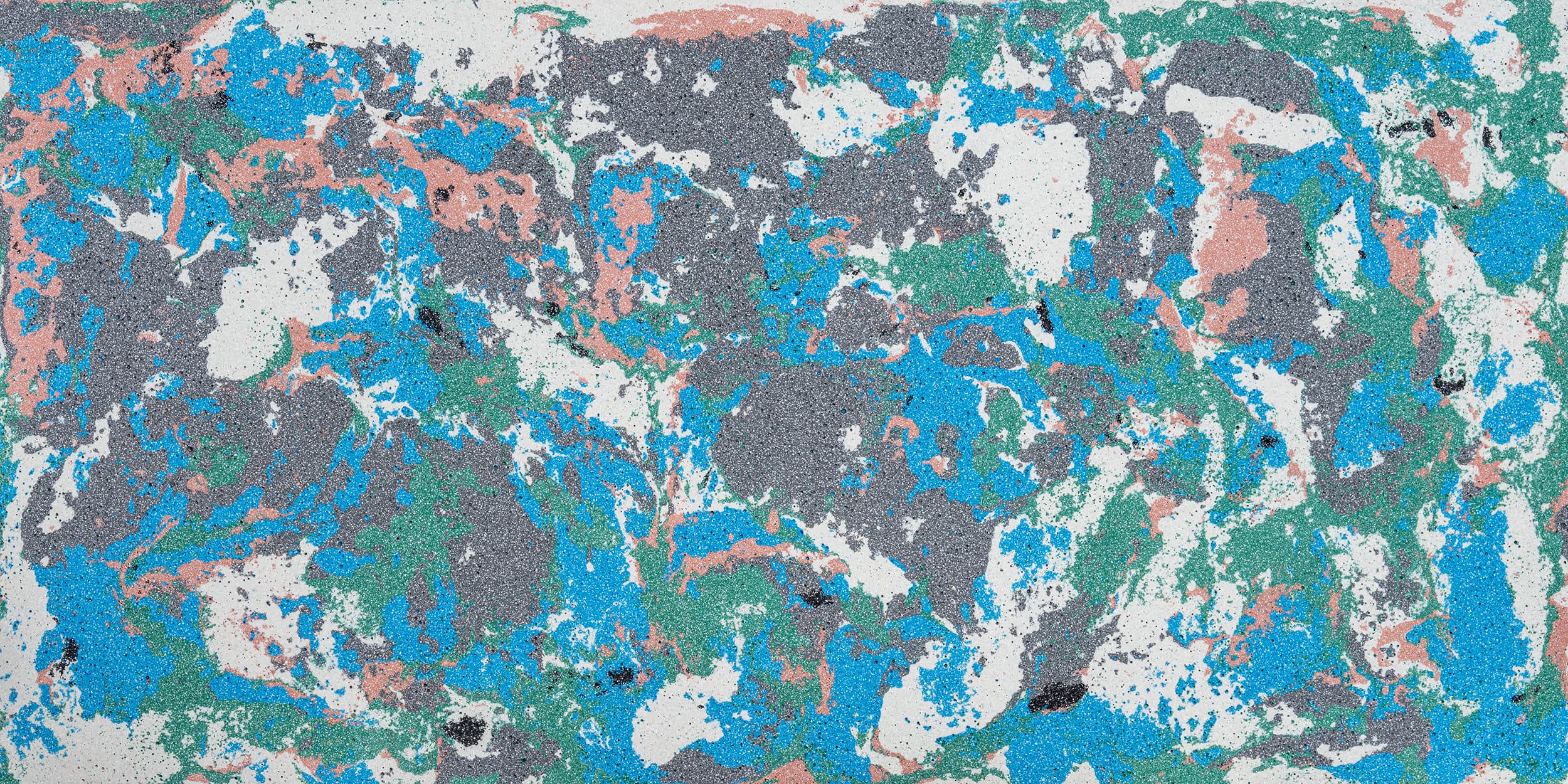
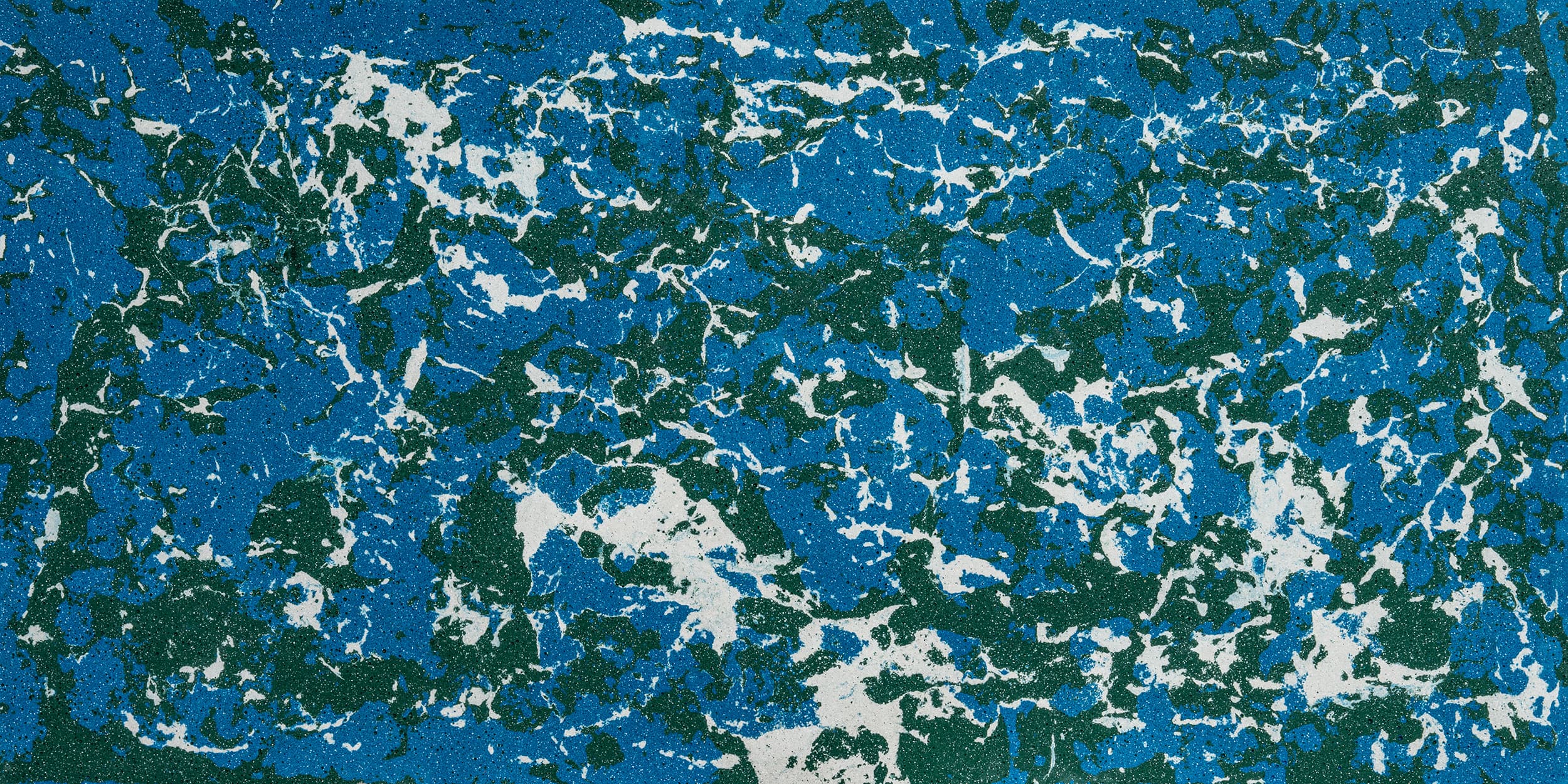
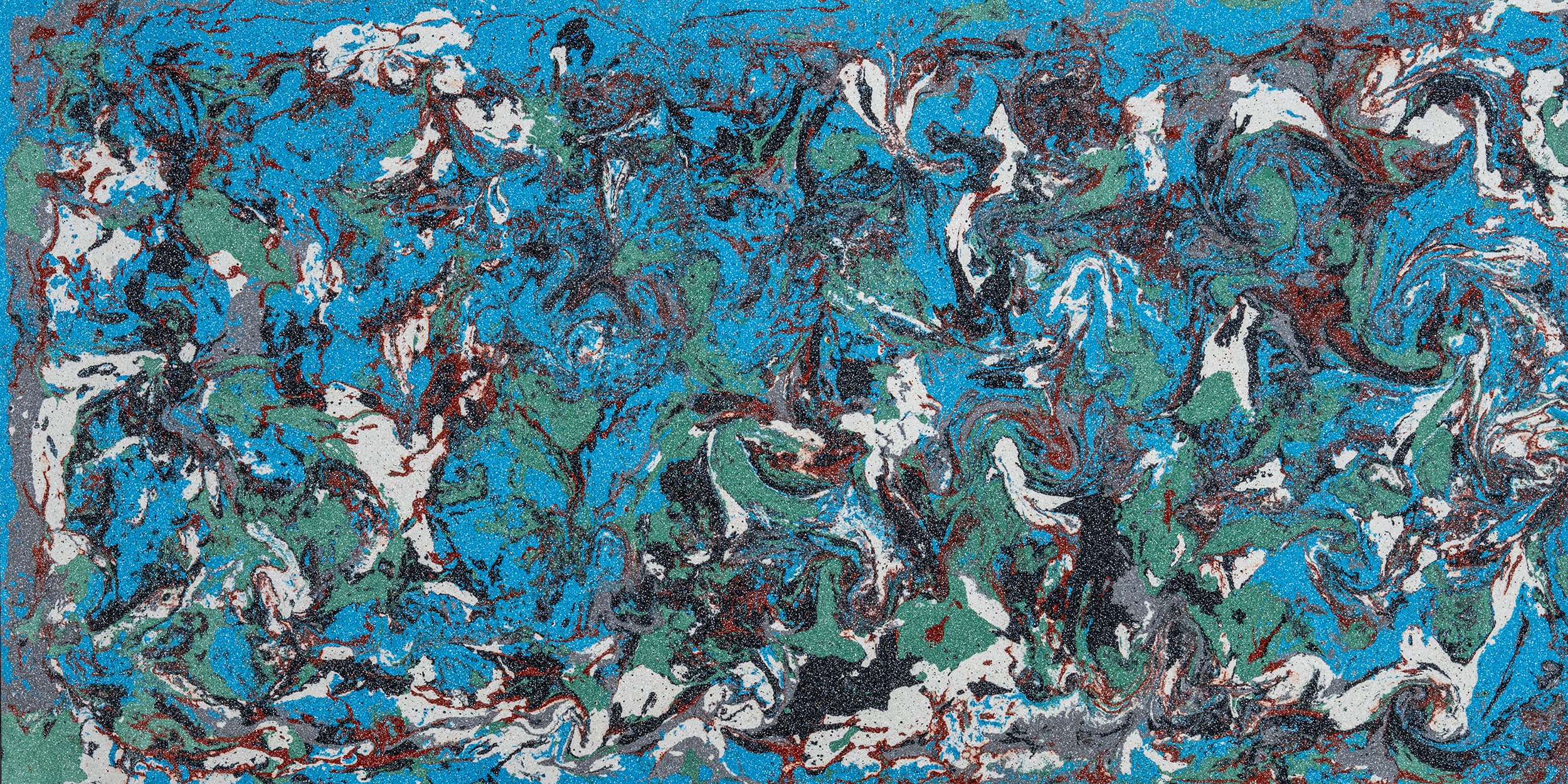
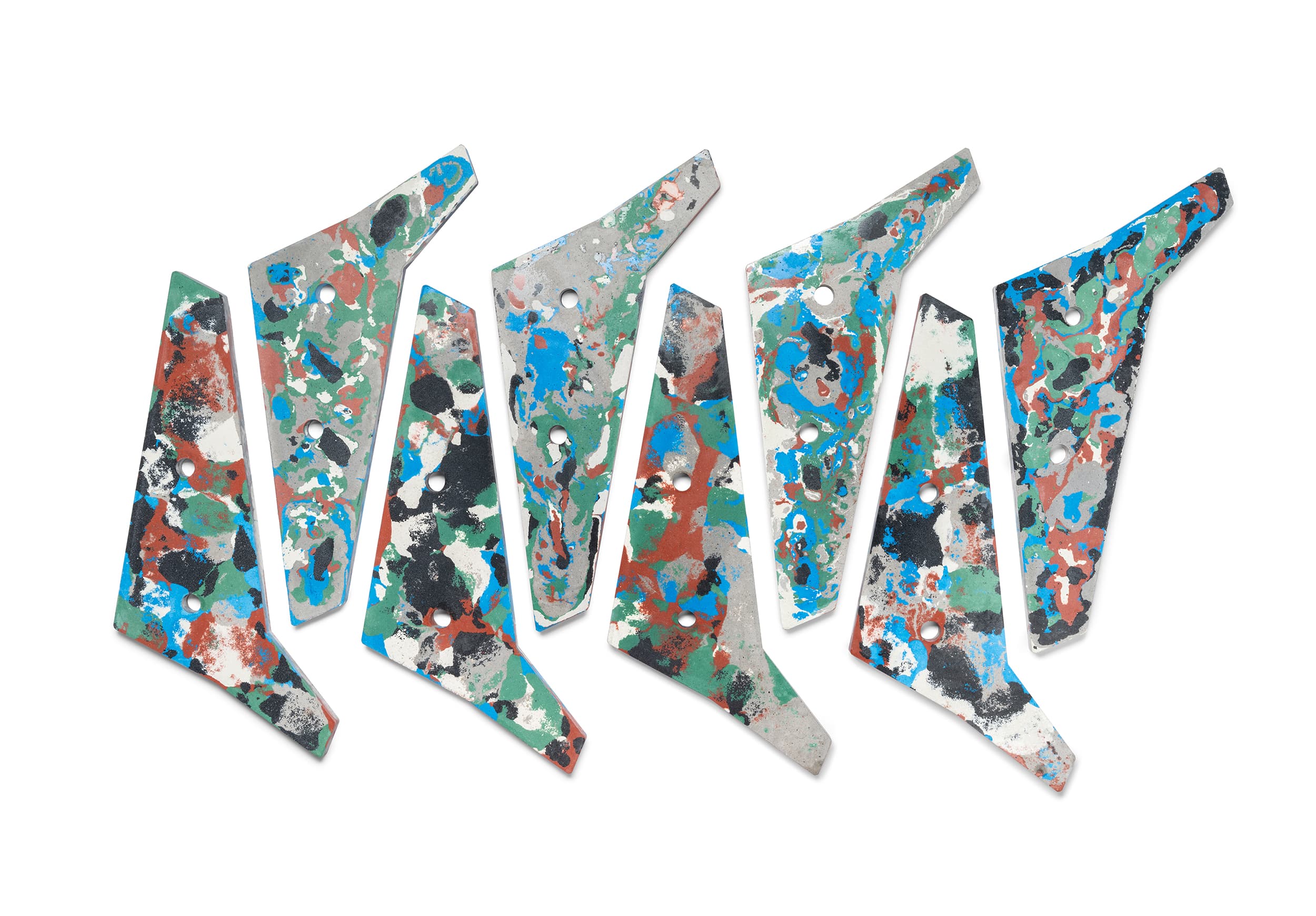
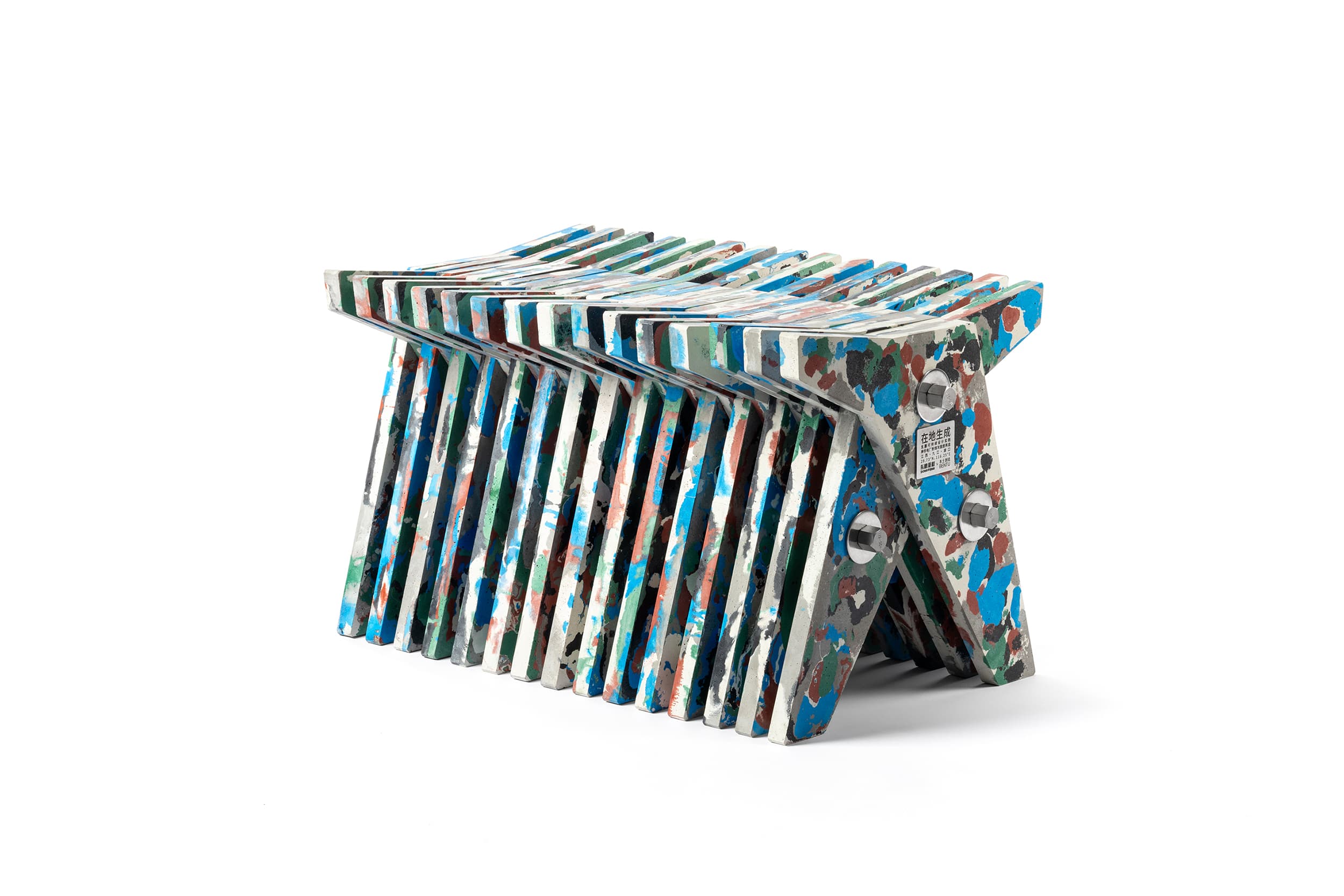
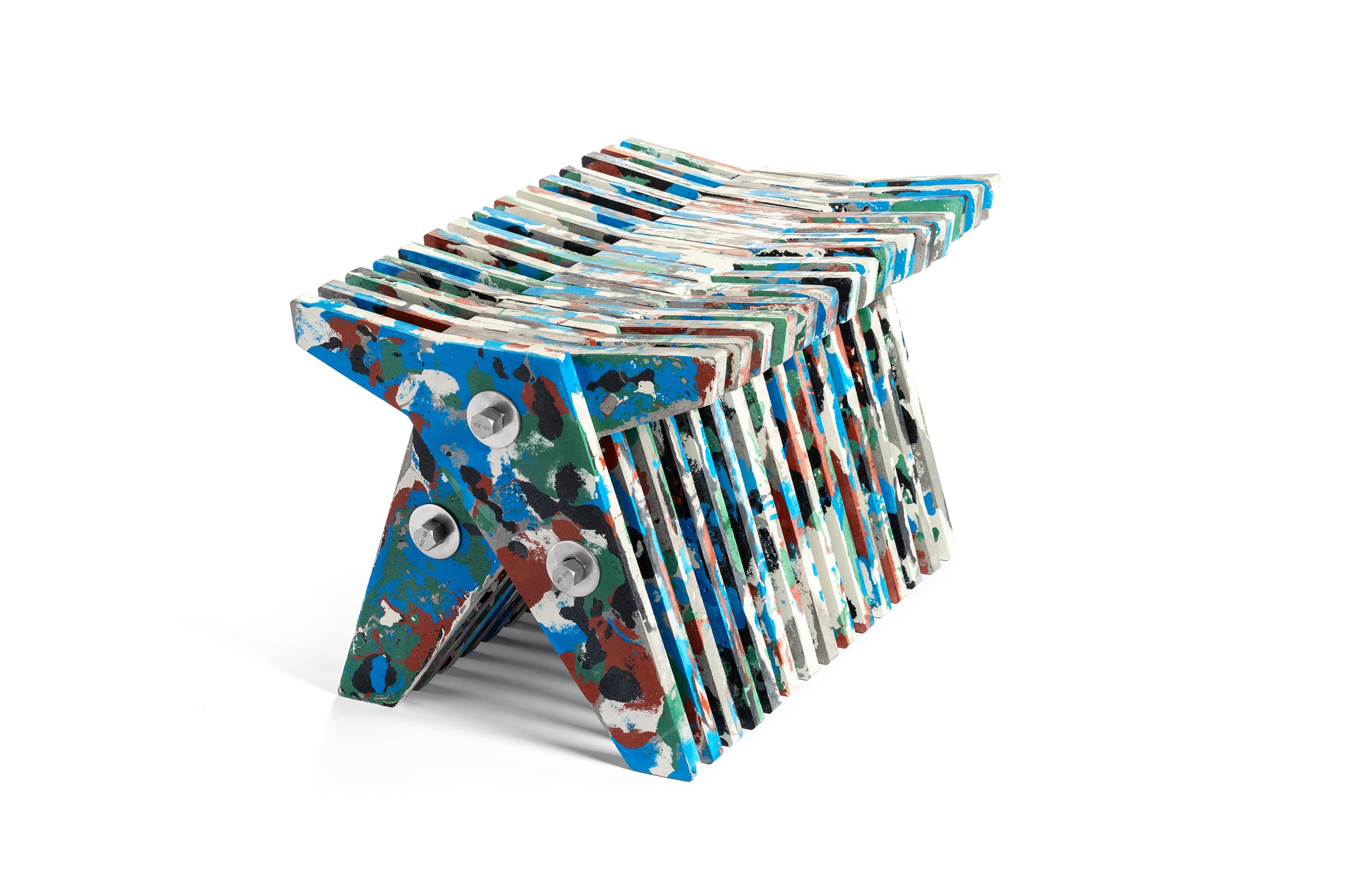
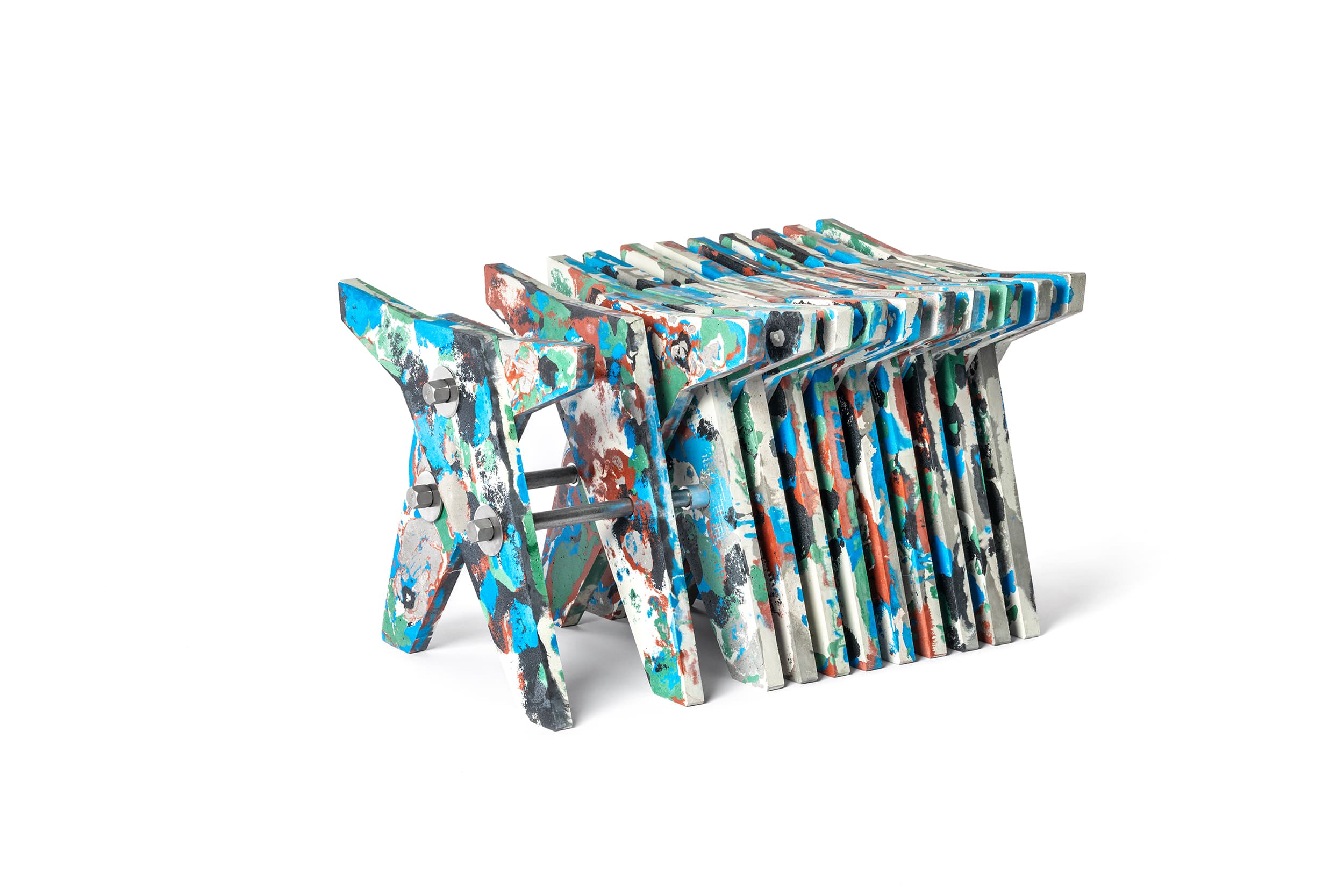
In concrete, cement is the component with the highest carbon emissions and a significant portion of the cost. The rational use of fly ash can reduce the amount of cement clinker while maintaining the total volume of cementitious materials. Its role has surpassed that of simply "saving cement" in traditional concrete. Through scientific proportioning, the incorporation of fly ash optimizes the material's microstructure, enhancing the product's impermeability, crack resistance, and long-term stability.
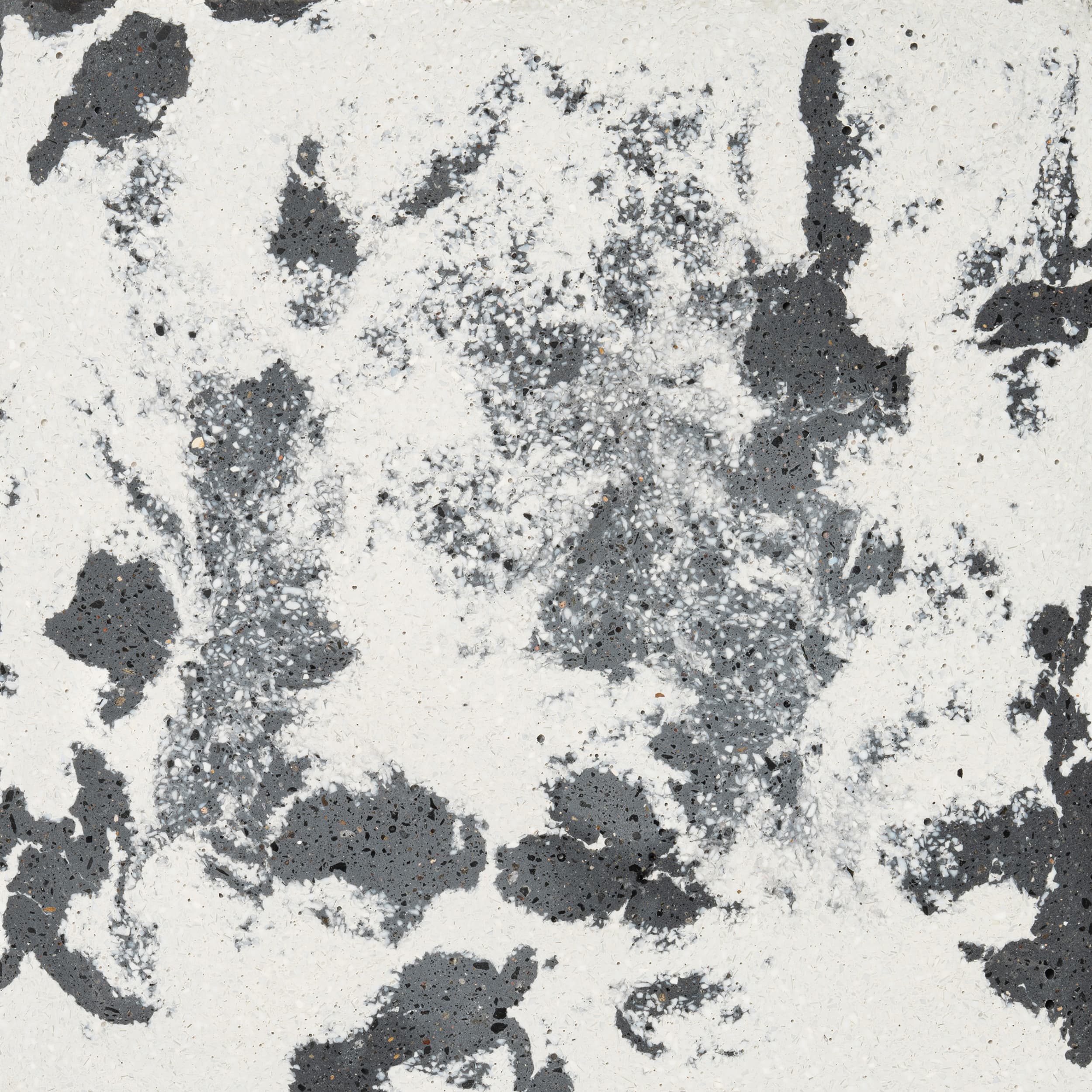
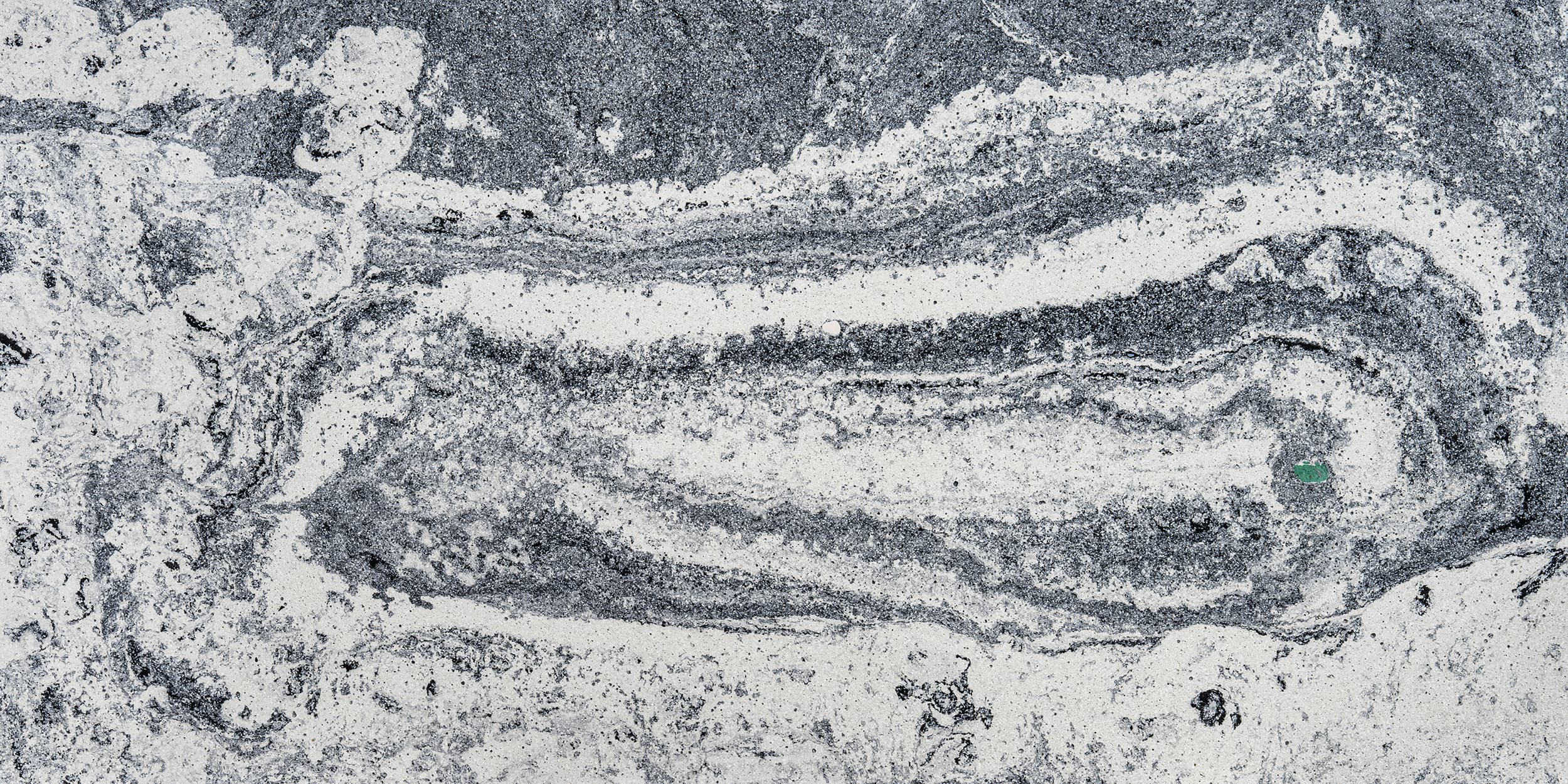
In the "X" outdoor furniture, fly ash not only serves as an inert filler but, leveraging its micro-aggregate effect and later-stage pozzolanic activity, becomes key to achieving ultra-high mechanical performance and exceptional durability. Together with other solid waste materials like slag, it forms a multi-component composite system, enabling the product's solid waste utilization rate to exceed 90%.
New Solutions
New Cultural Expressions
New Business Opportunities
Sustainable design practice utilizing industrial solid waste reinterprets the power of materials within a new discourse. Through the reconstitution of materials, its goal is to maximize the transformation of waste into renewable resources, reduce pollutant emissions, while endowing products with regional, natural, and diverse aesthetic qualities and emotional resonance. It seeks to discover new solutions, new cultural expressions, and new business opportunities for sustainable development. This concept of material circulation is precisely the true essence of "The Second Mine."

- Contact
+8620 8977 0506
- Press
press@bentudesign.com
- Enquiry & Sales
info@bentudesign.com