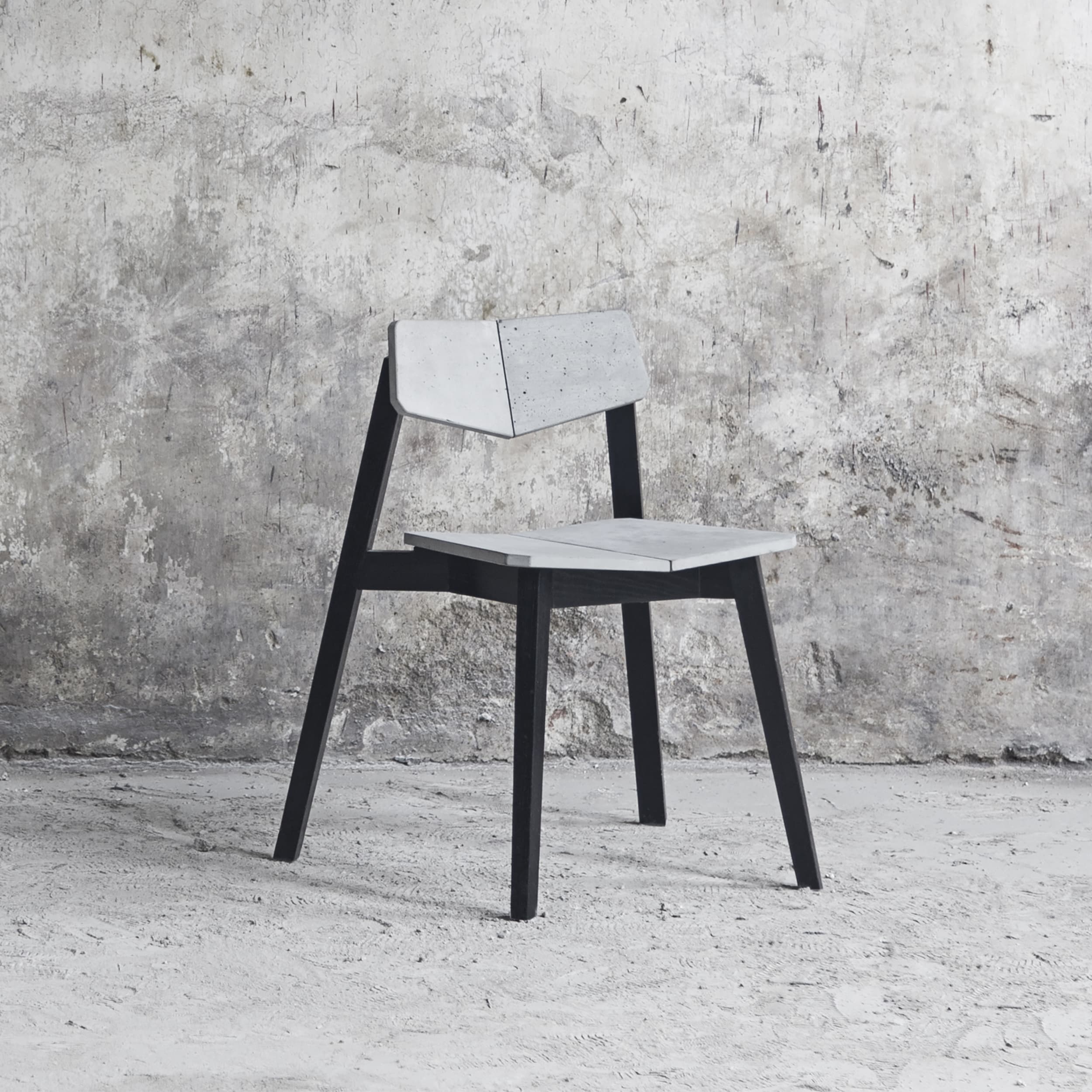


Particles of Time: Rubber Regeneration and Experimental Design
Time: 2020 – Present
Location: Foshan, Guangdong, China
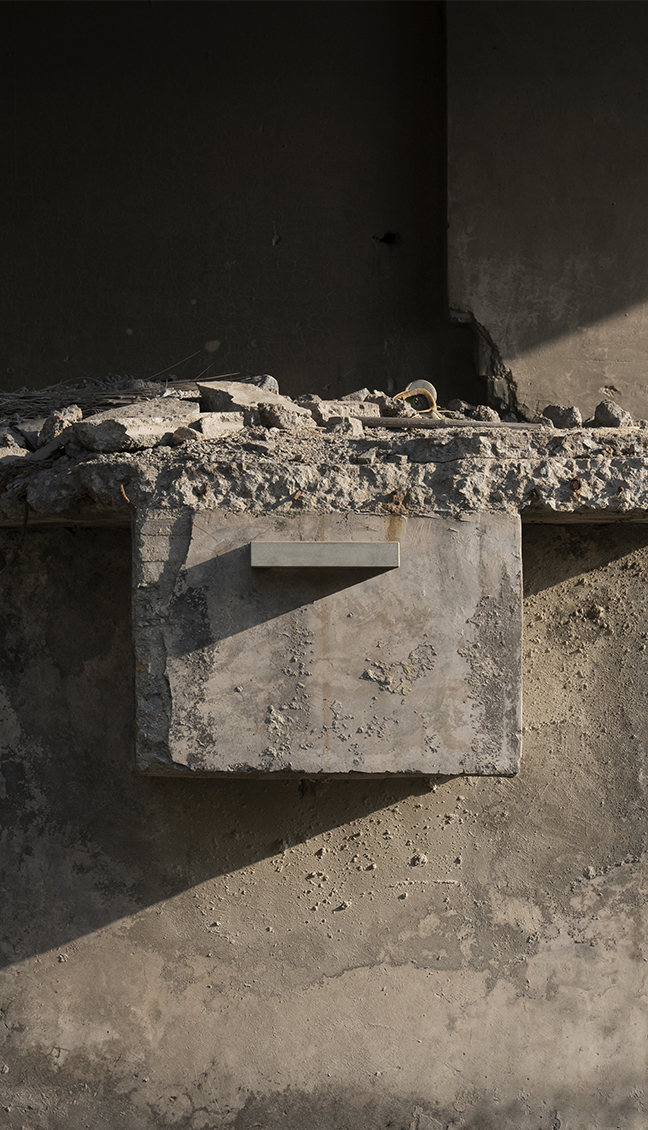
All things bear the grain of time. As massive volumes of rubber waste accumulate into the environmental legacy of our age, these discarded particles encapsulate traces of industrial processes, everyday use and the passage of years. The mission of design is to bend close to interpret these scattered temporal fragments — to break free from commercial inertia through experimental inquiry, to evolve from material regeneration toward aesthetic renewal, and within cycles of remaking, to reclaim design's core and re‑establish bonds between people and objects, and between humanity and the land.
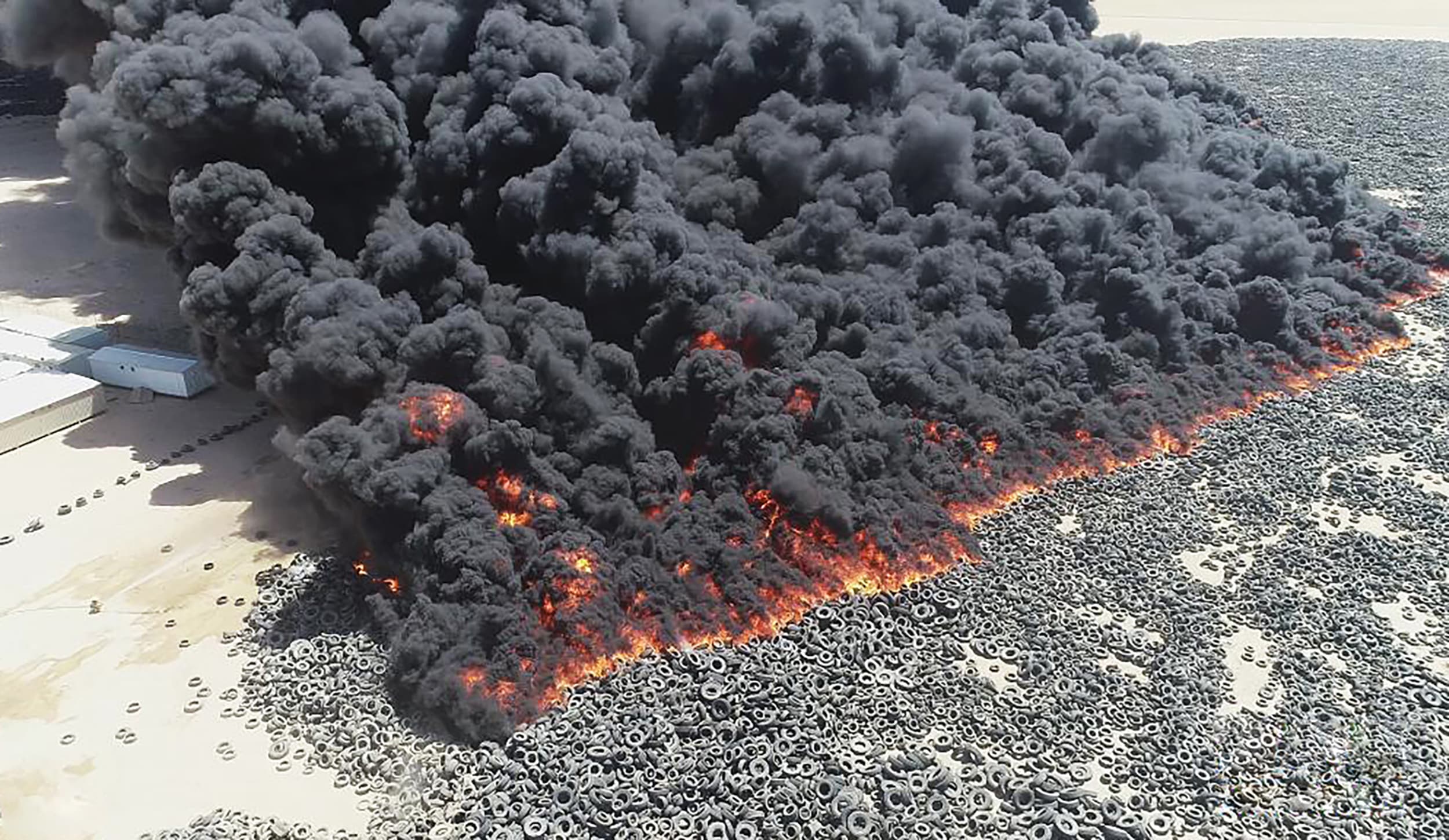
Tens of millions of tons of rubber waste are generated worldwide each year, imposing a heavy burden on the environment. What we perceive instead is an overlooked potential resource and an emerging industrial ecosystem. BENTU's design research originates from this critical re‑evaluation of "waste." True sustainability lies not in restrained resource consumption, but in creatively extending the lifespan of materials.
Experimentation once powered design to cross disciplinary boundaries. After nearly a century of prosperous development, the field now faces a crisis: the experimental spirit has faded. Increasingly trapped within commercial logic, design is reduced to market metrics and sales performance, quietly diluting its fundamental essence. Overwhelmed by commercial imperatives, experimentation has been pushed to the margins.
BENTU's design practice carves out a dedicated space for experimentation within a market‑driven design landscape. Working from recycled feedstocks, we approach each creation with a research‑led mindset: refusing quick gains or blind market conformity, allowing the material's inherent voice to emerge gradually. This path demands slower paces and uncertain outcomes — and these apparent "inefficiencies" are precisely where experimental spirit resides.

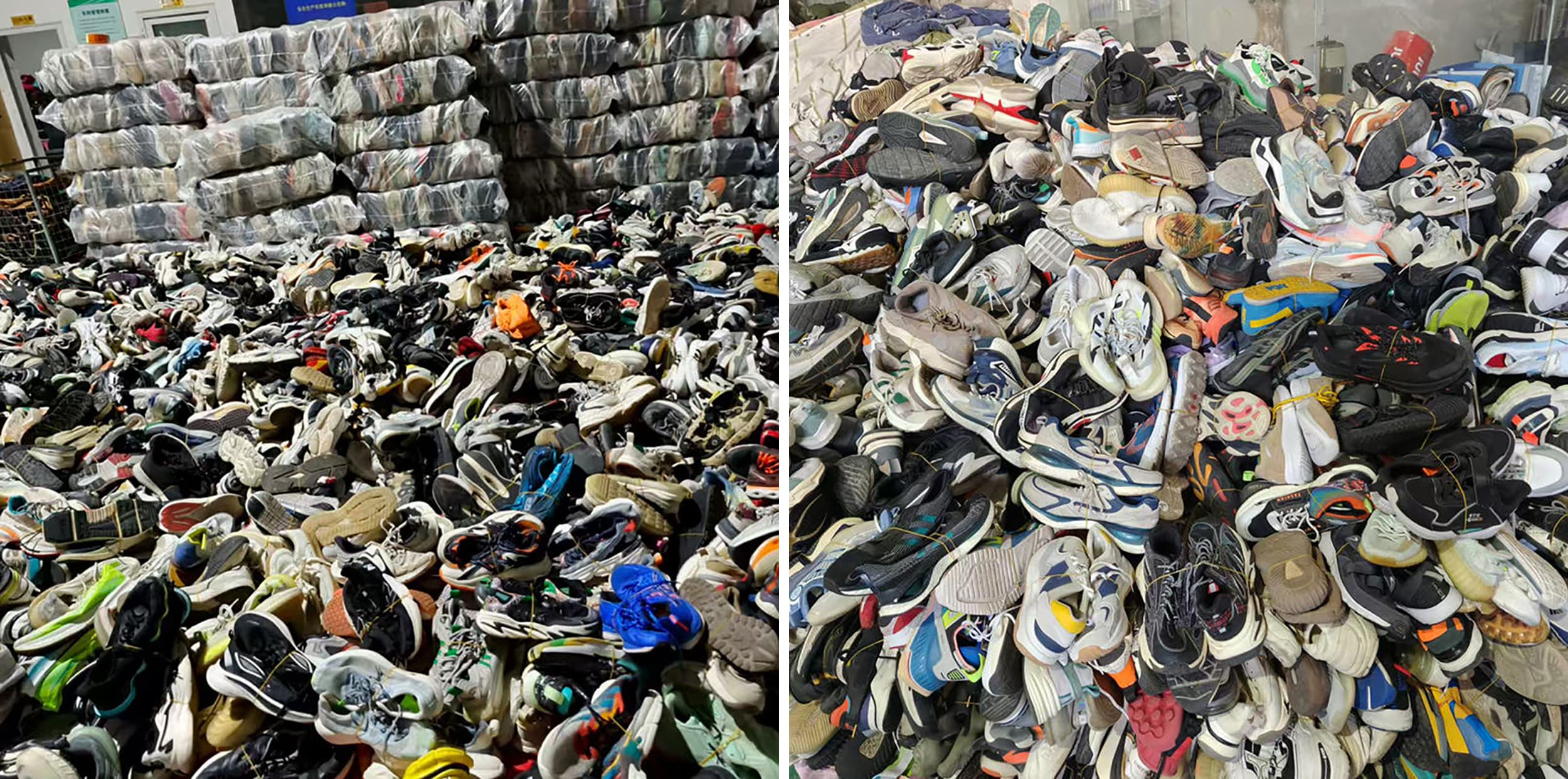
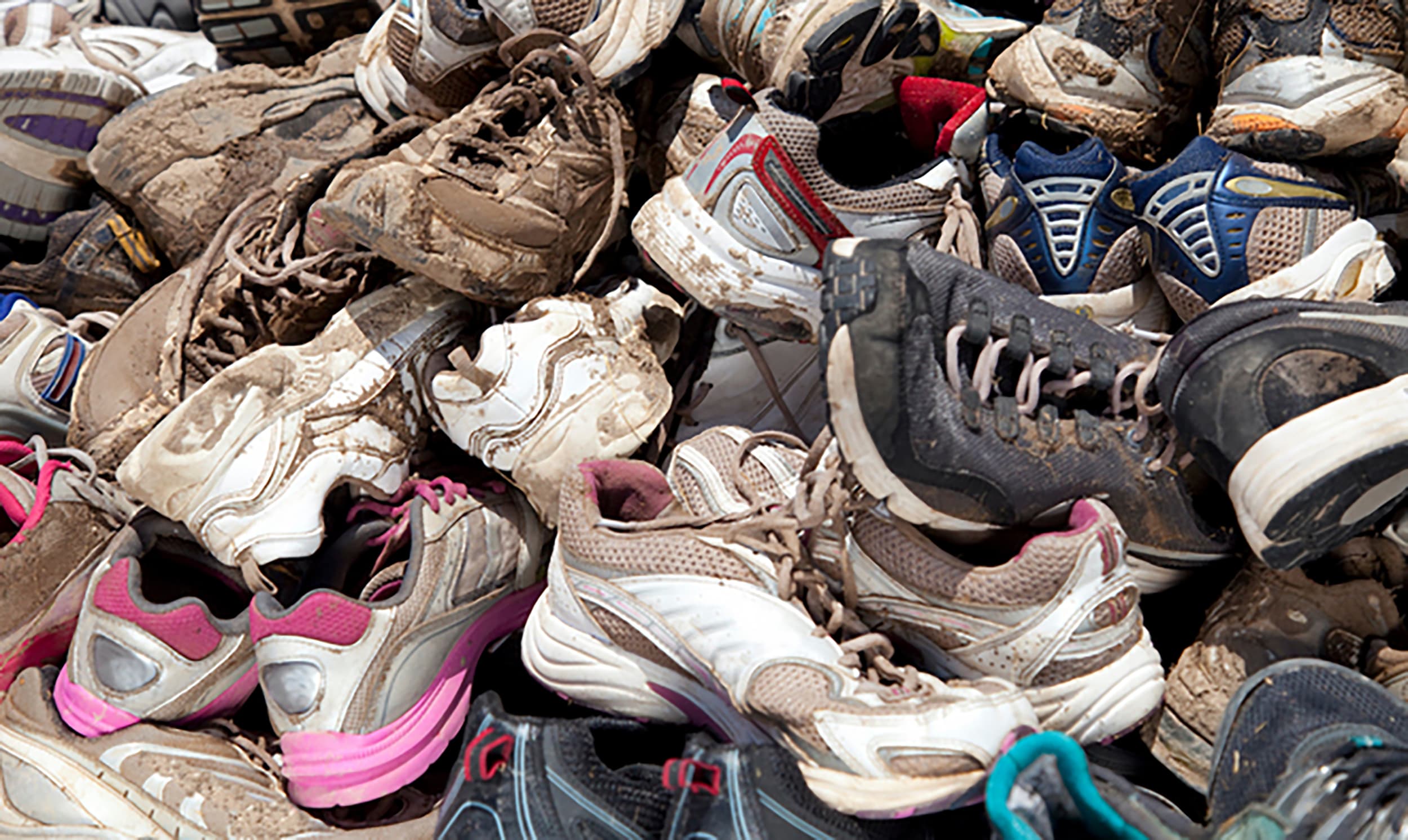
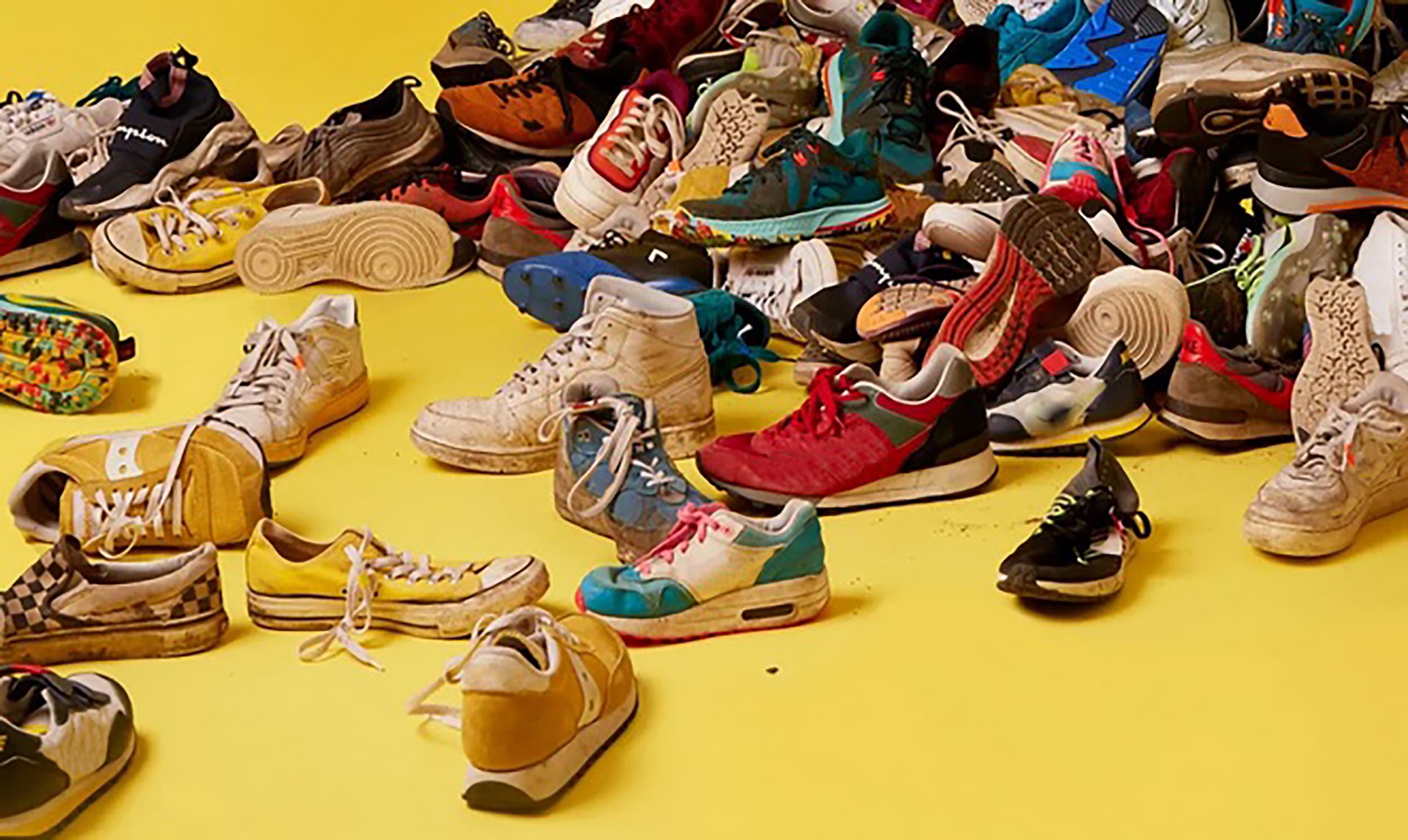
As a China‑rooted design research brand, BENTU consistently engages with the intersection of local industrial realities and global environmental challenges. As the world's leading producer and consumer of rubber, China holds vast stockpiles of discarded rubber: a severe challenge yet a unique "material mine." We regard this as a call to design responsibility, committed to transforming this black pollutant through systematic design research into contemporary products with refined aesthetic value and robust functional performance.
The repurposing of waste rubber solids is often confined to sustainability discourse as a token of moral correctness. Yet deeper engagement with the material reveals its significance far exceeds environmental ethics. Recycled rubber preserves the trajectory of industrial civilisation; its distinctive textures and grains constitute a material narrative in their own right. When reshaped and re‑purposed, it delivers sensory impact that transcends utility and ethics to enter the realm of pure humanistic aesthetics.
We commonly praise recycled goods for being eco‑friendly rather than for their inherent beauty. This bias places reclaimed materials in a paradoxical position: morally commendable yet aesthetically deemed inferior simply because they derive from waste and cannot match the uniformity of virgin materials. Such prejudice blinds us to the material's intrinsic qualities.
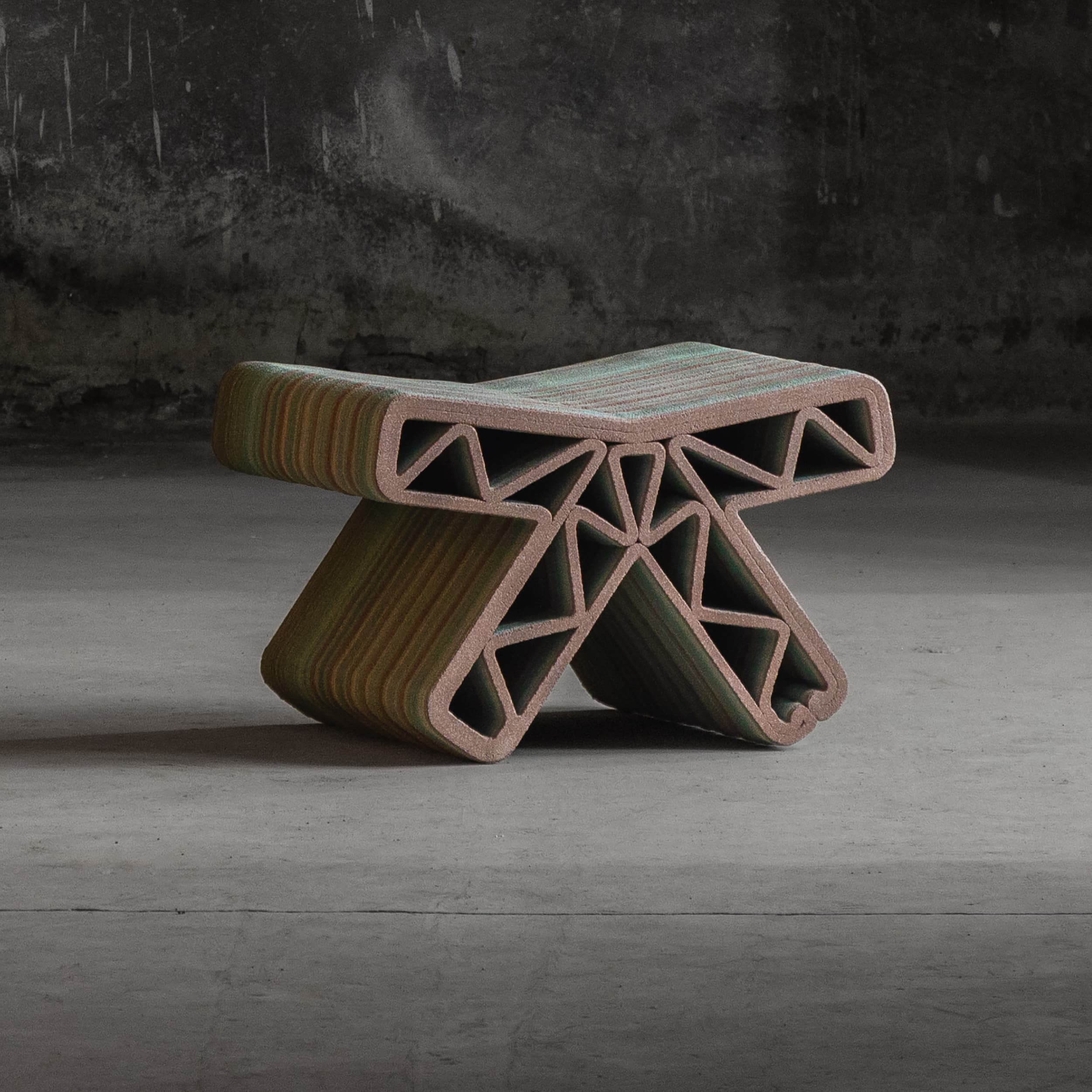
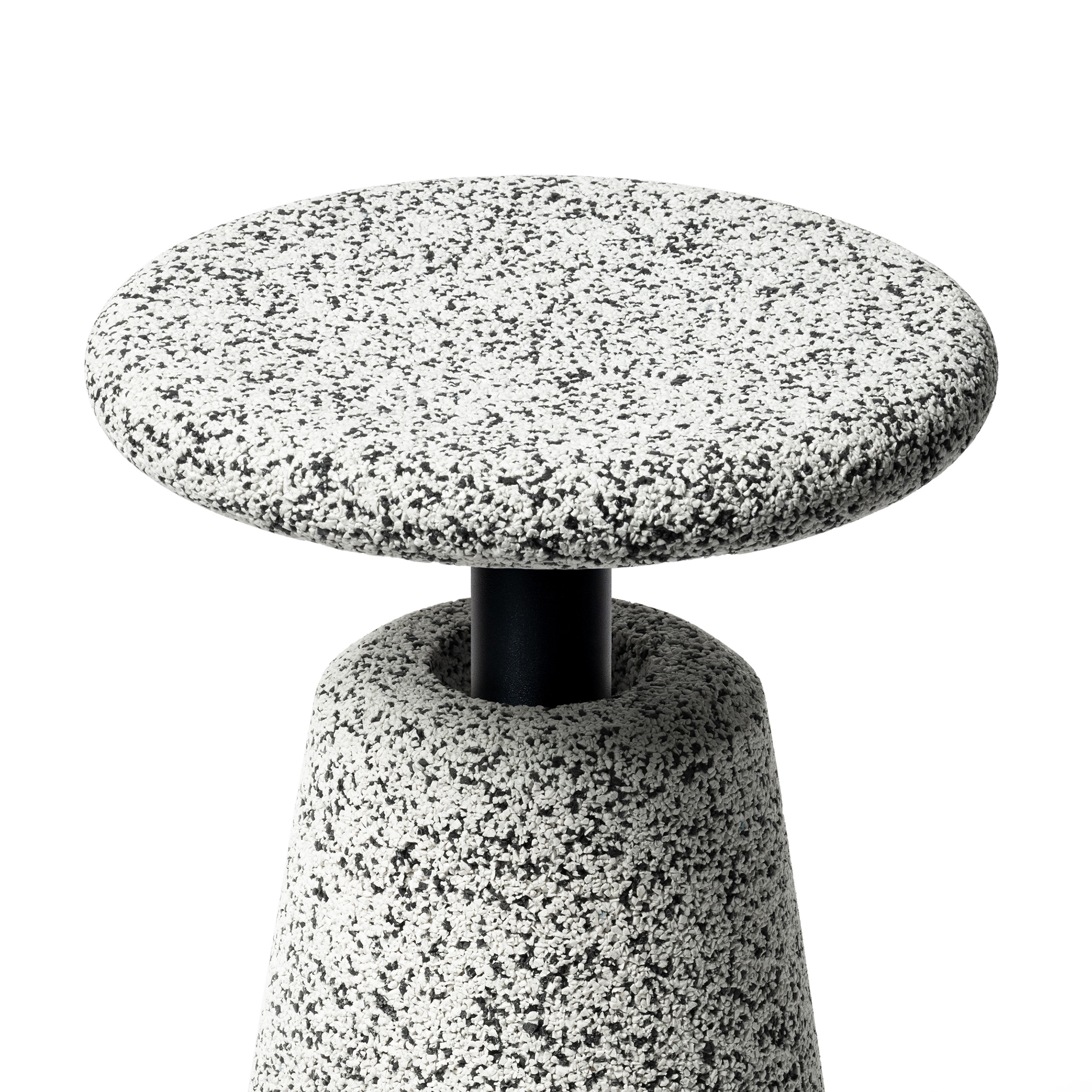
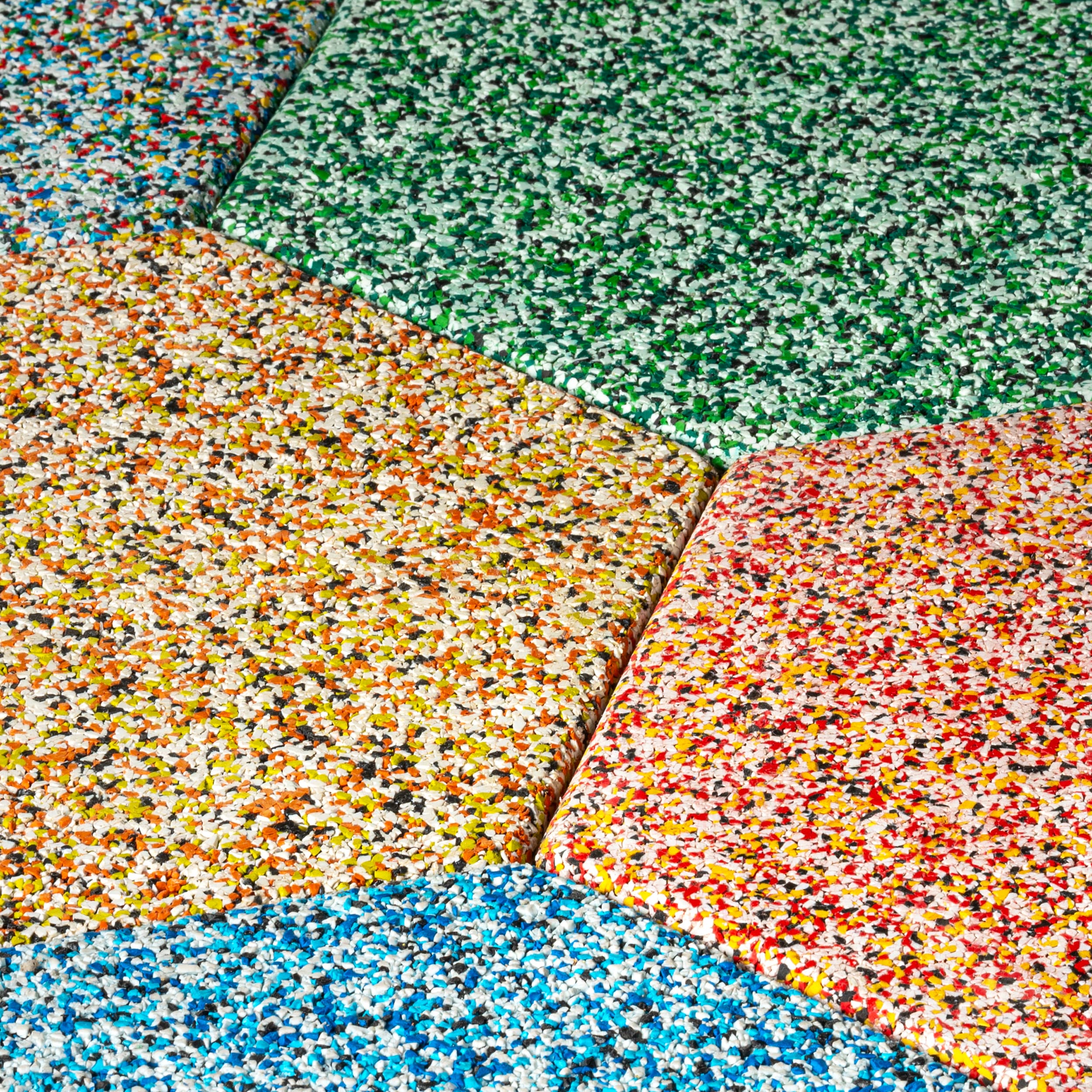
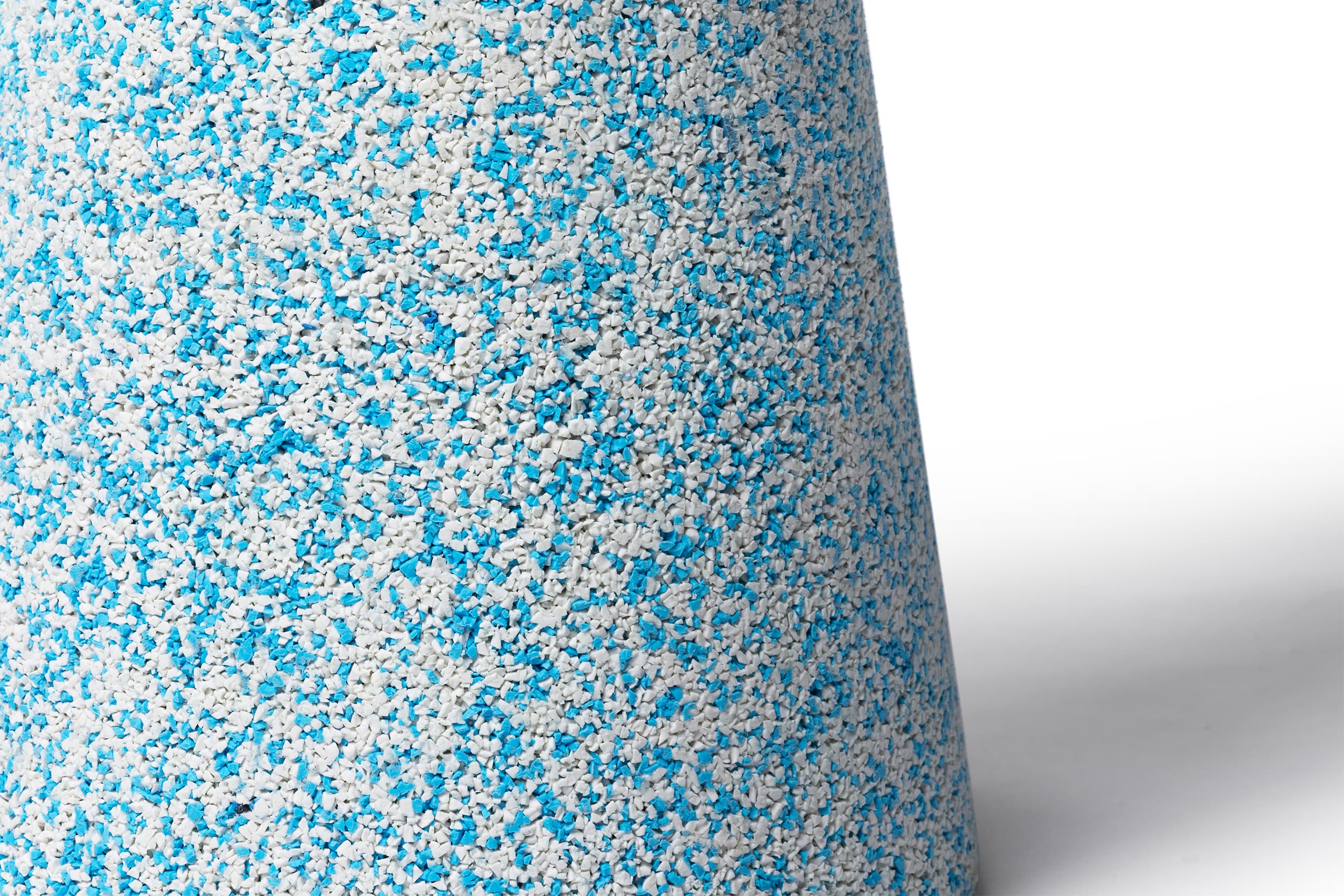
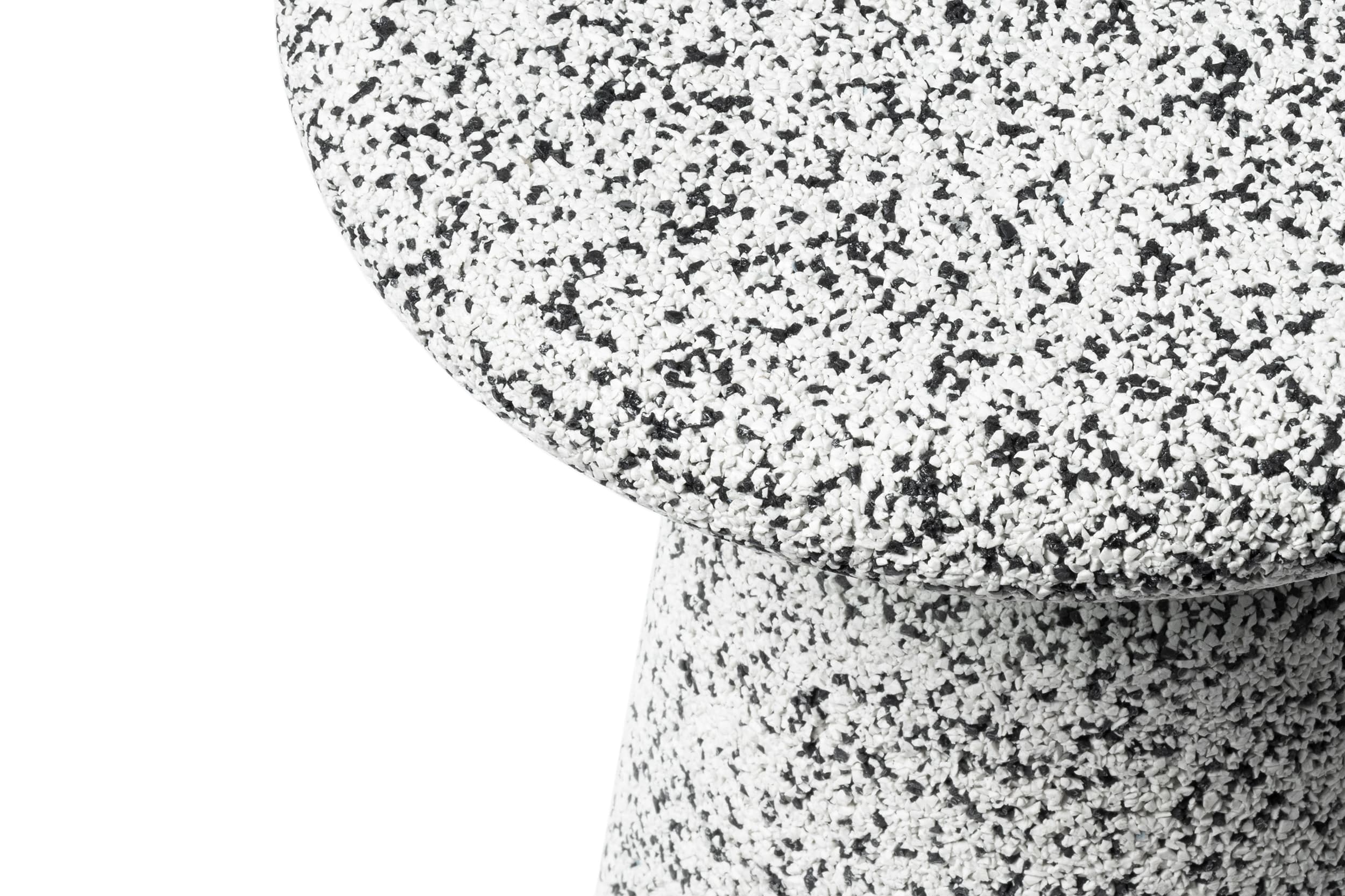
Recycled rubber possesses a unique material identity. It is not a smooth, homogenous industrial commodity, but a granular composite. Each particle retains its origin and history, varying in hue and firmness. Assembled together, every detail records the material's life journey. Such authenticity has become rare in contemporary design. In an era saturated with simulated surfaces and digital renderings, recycled rubber's irreplicable physicality delivers an aesthetic experience both novel and authentic.
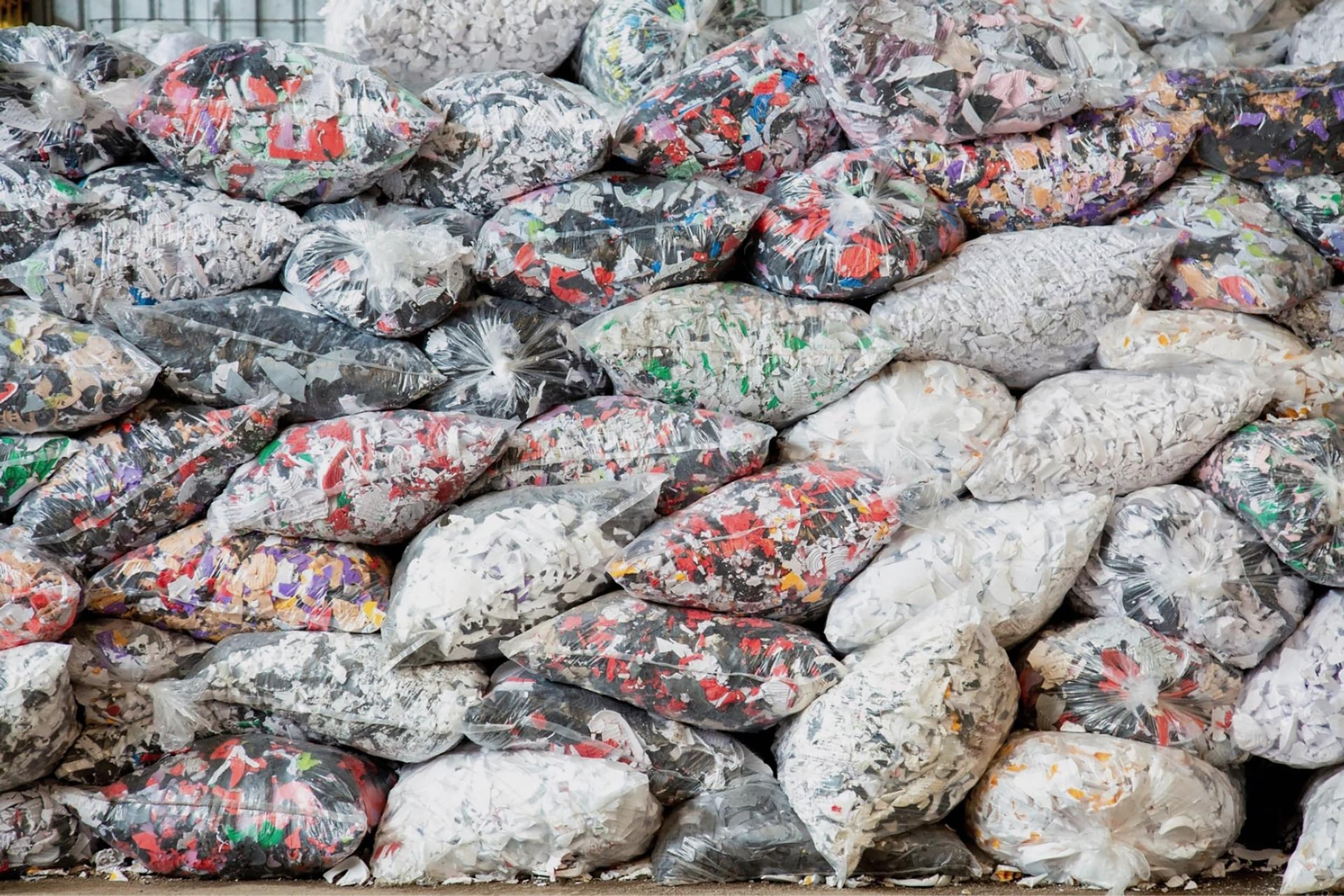
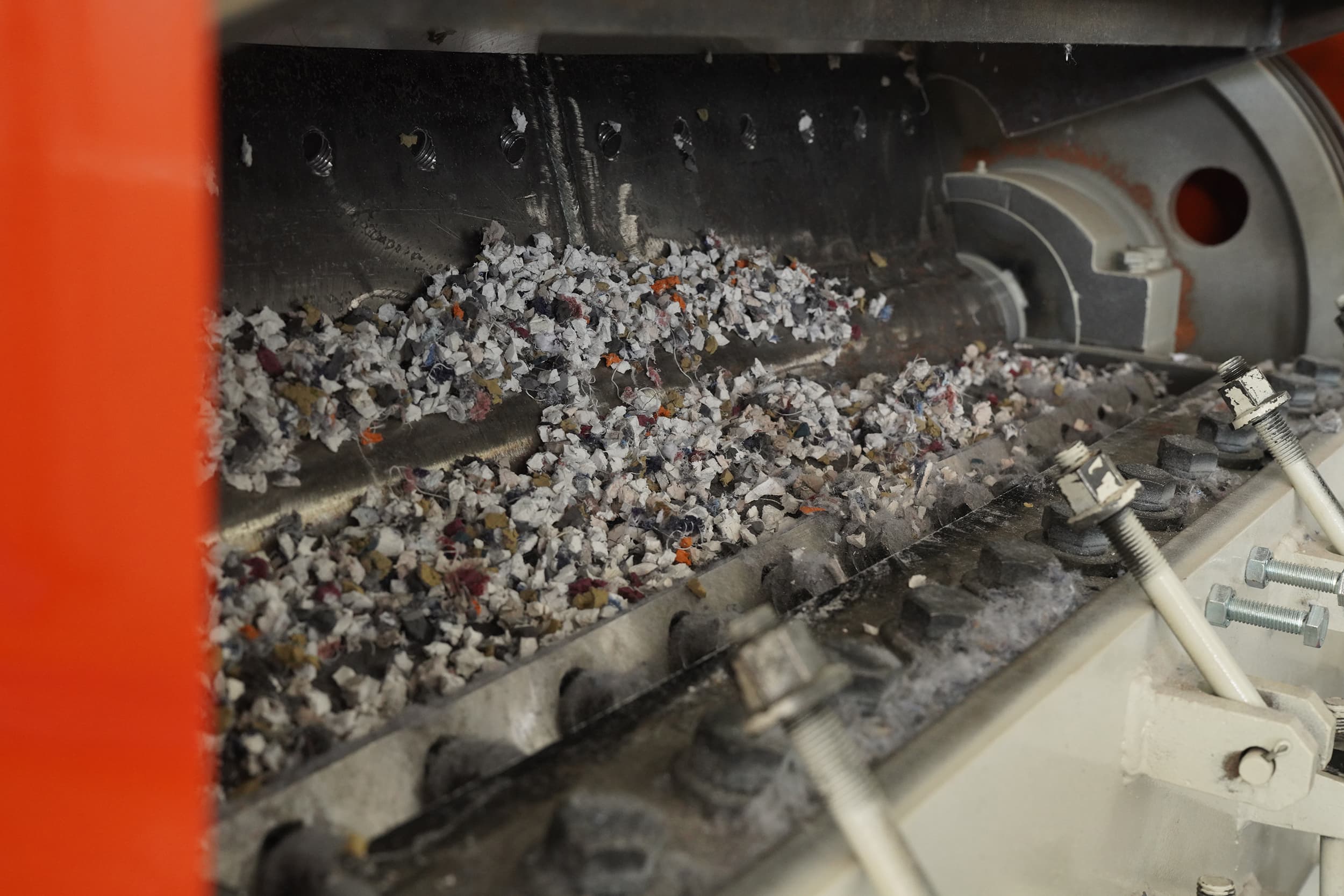
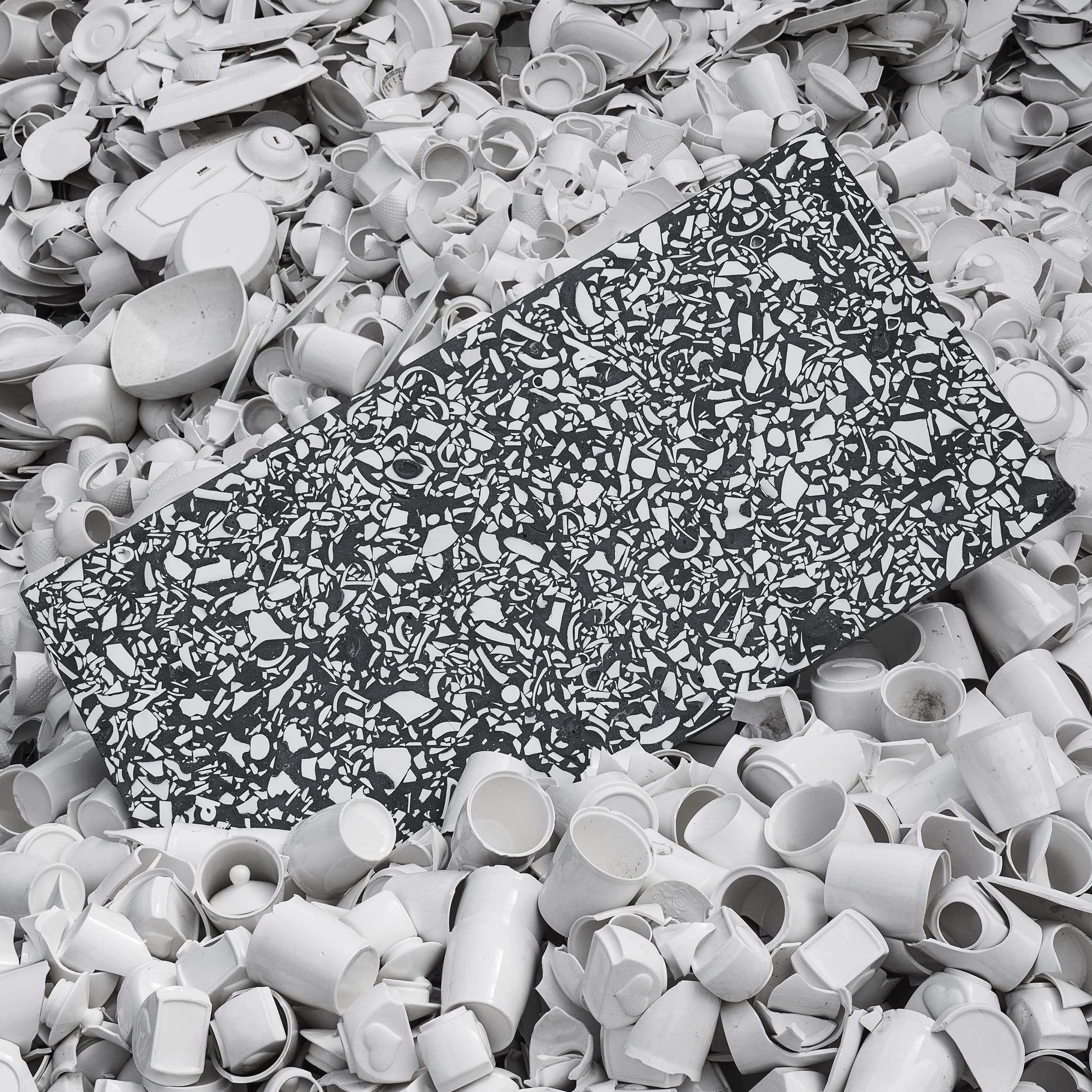
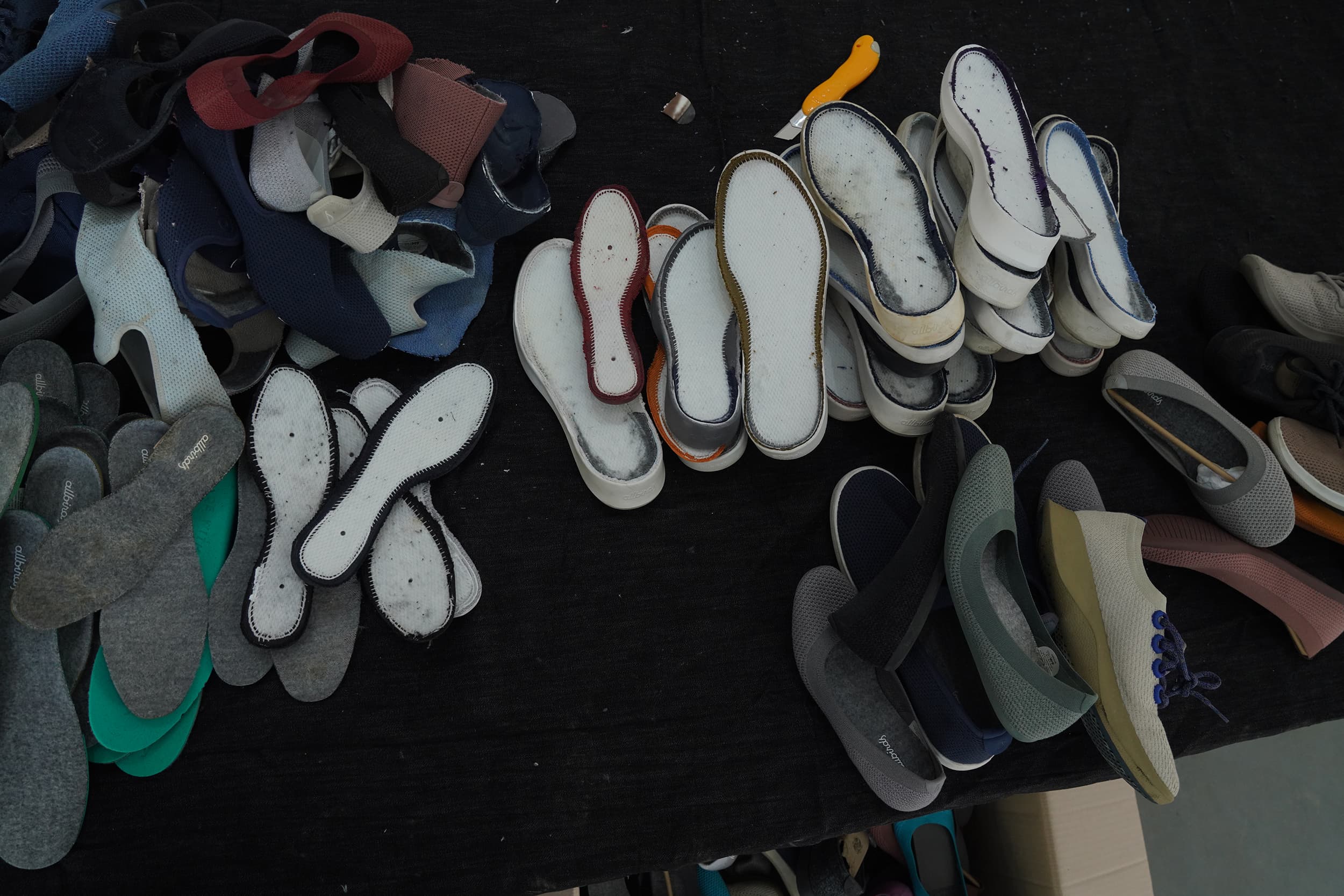
Our practice begins with holistic research into material lifecycles. From collection and sorting onward, we enforce rigorous protocols for raw‑material tracing and screening. End‑of‑life tyres, industrial offcuts and discarded products are not mere refuse, but a living archive for studying rubber properties, colouration and temporal imprints. Via self‑optimised multi‑stage crushing, magnetic separation and air classification, we precisely convert waste into fine particles, removing impurities while preserving the fundamental elastomeric properties of rubber.
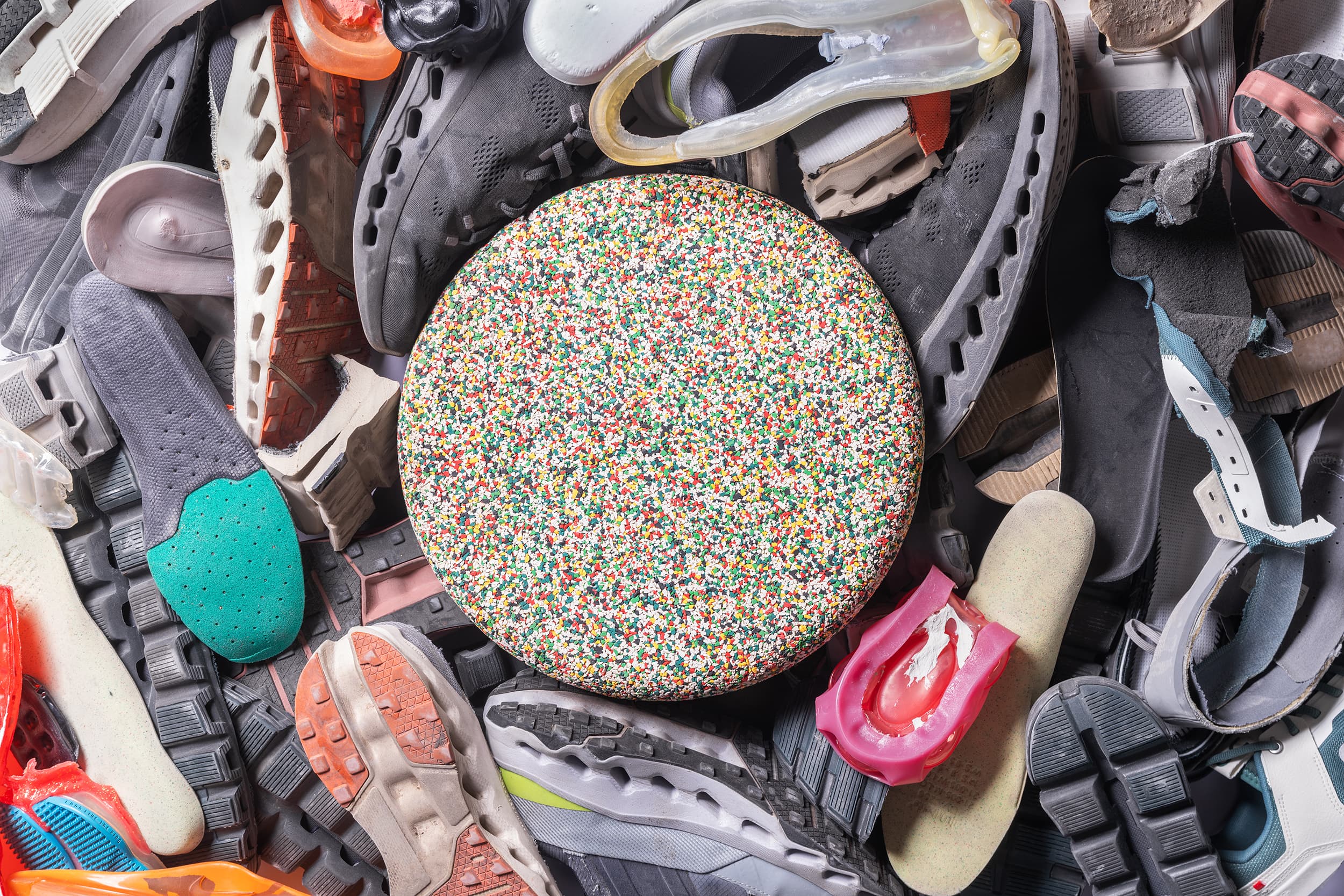
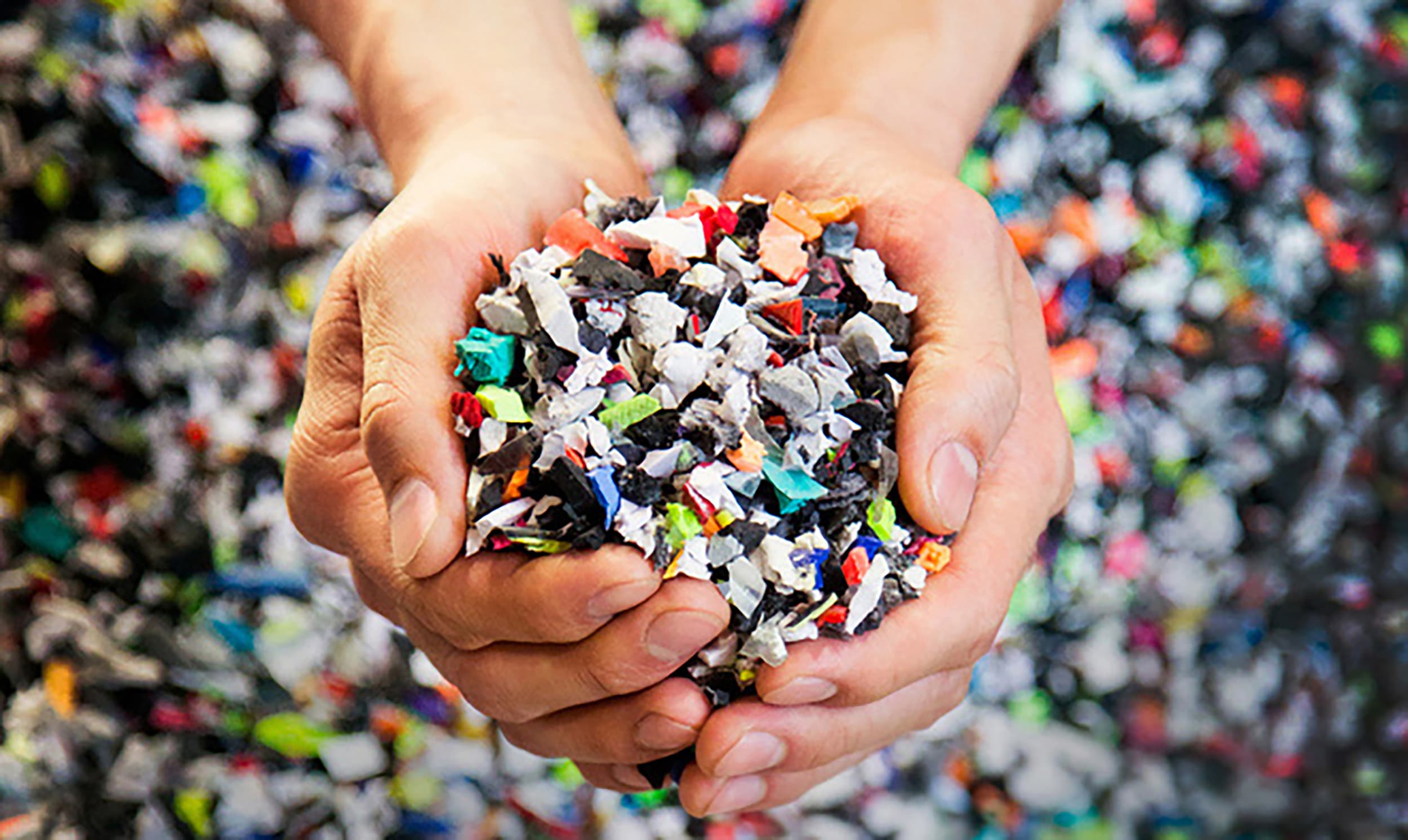
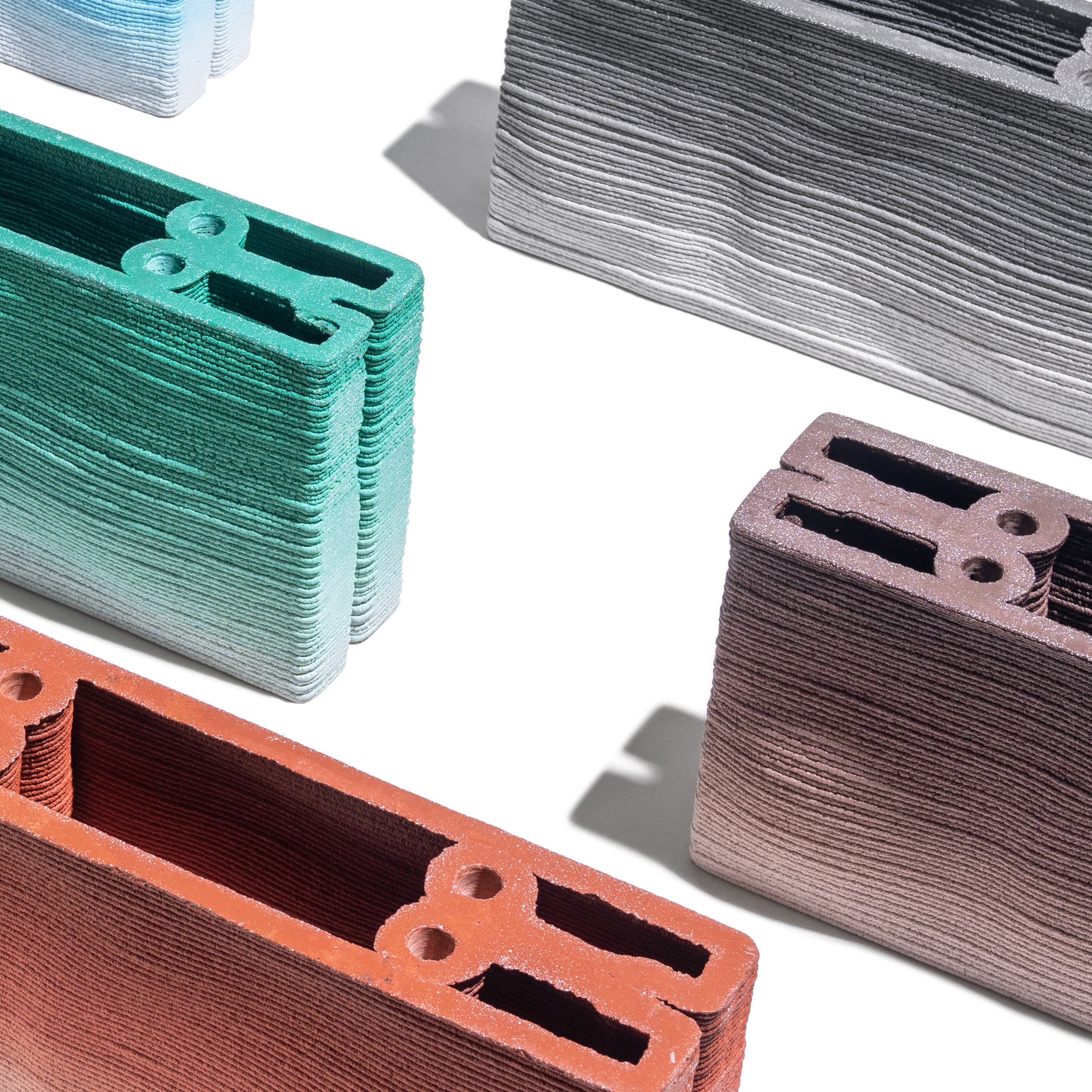
At the pivotal forming and curing stages, we abandon energy‑intensive traditional vulcanisation in favour of self‑developed low‑temperature curing techniques. This approach cuts production‑related carbon footprints while enabling precise structural reorganisation of materials. It ensures stable performance while maximising the unique textures and temporal storytelling embedded within recycled feedstocks. This integrated technical framework underpins BENTU's philosophy of rubber regeneration design.
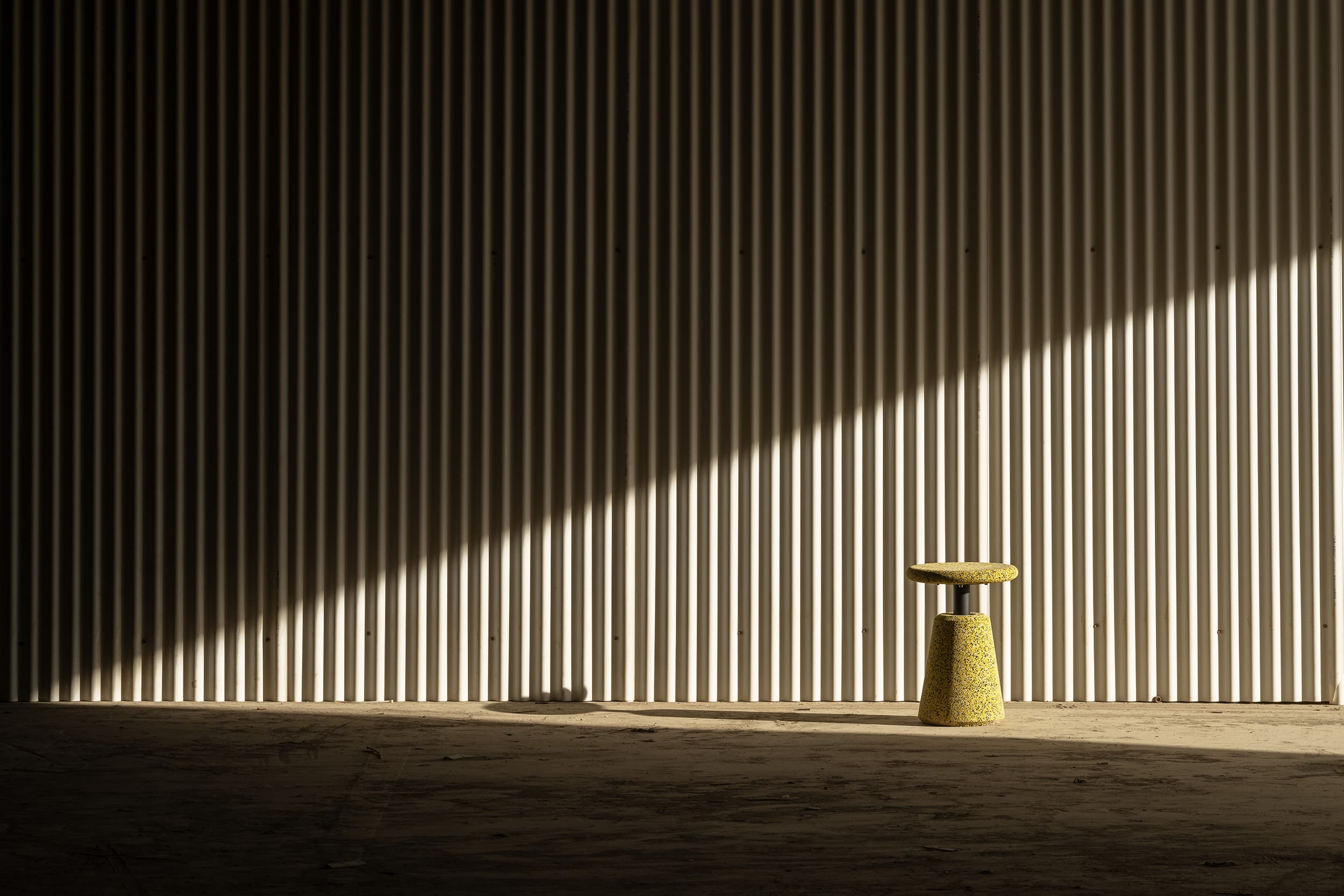
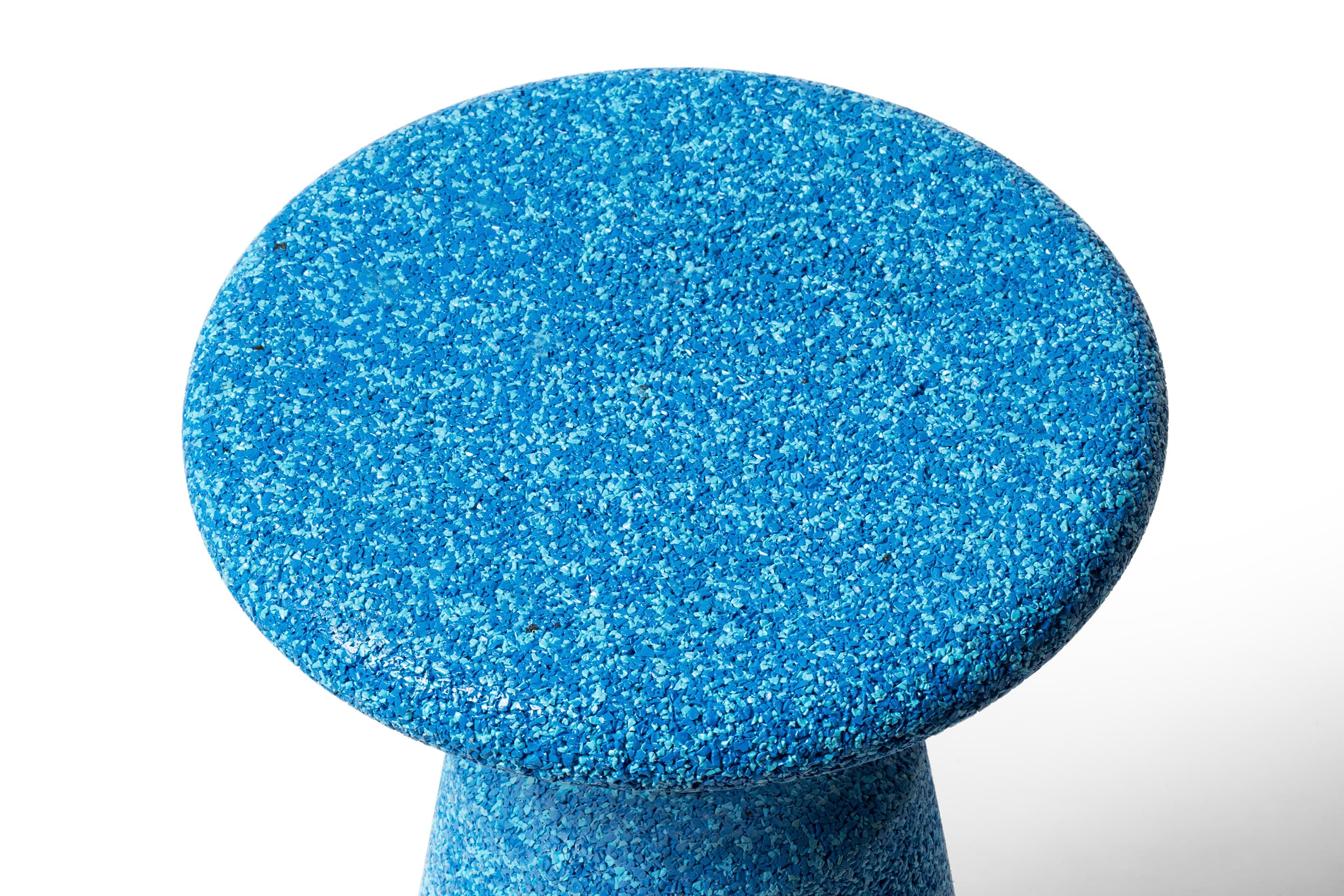
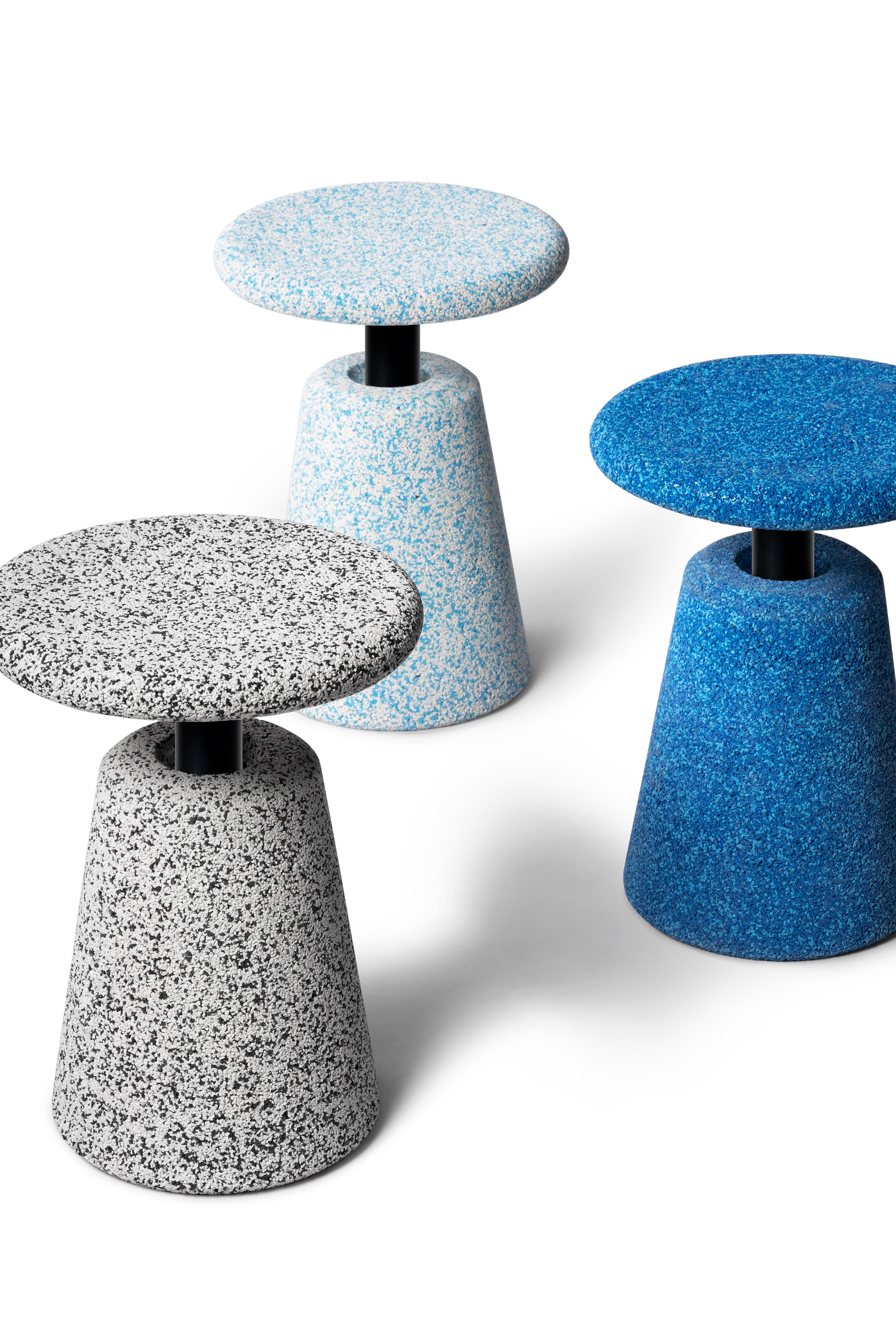
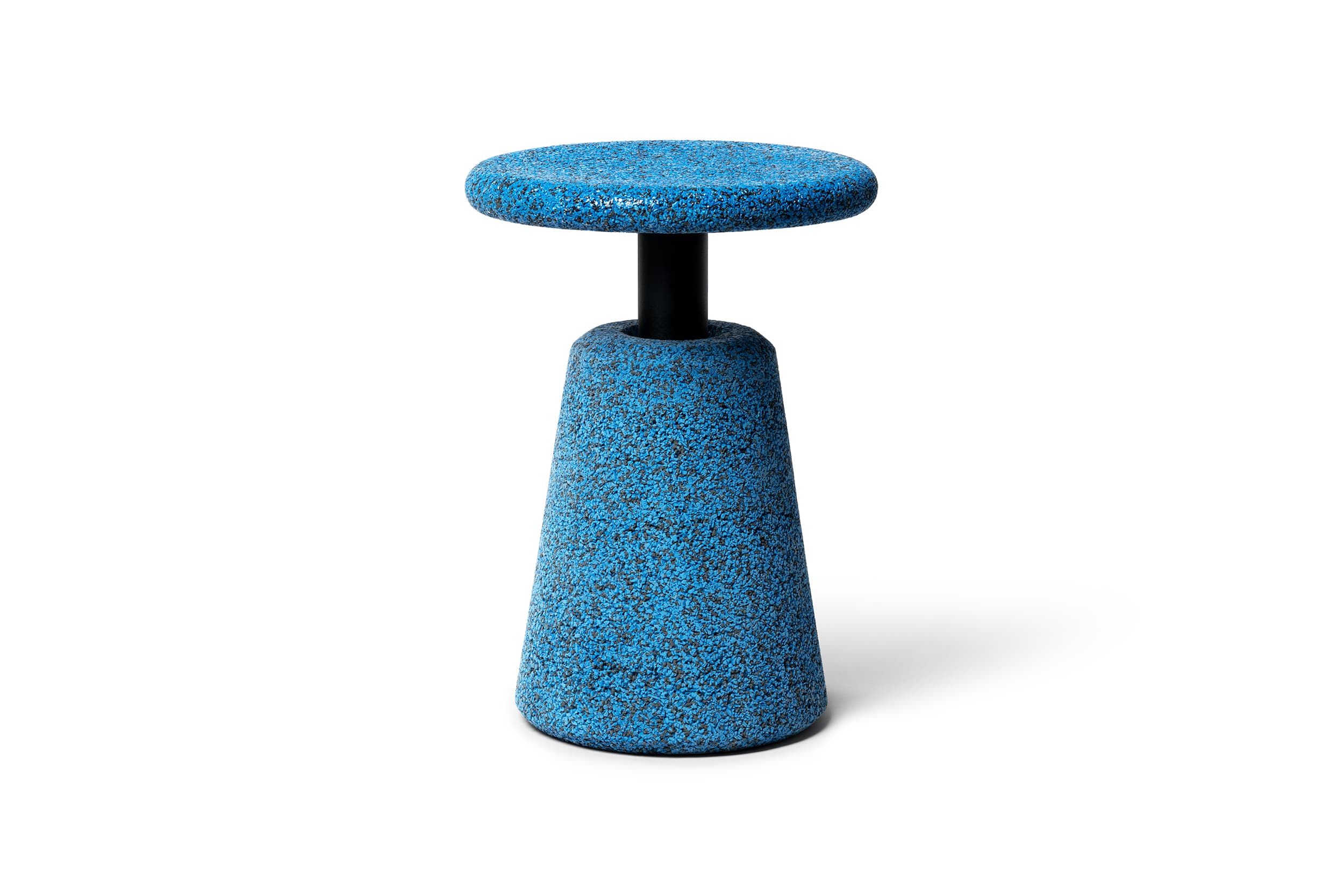
We fully harness the performative aesthetics of recycled rubber. Its innate elasticity and cushioning translate into grounded yet supple tactile experiences; outstanding wear and slip resistance grant products enduring safety and reliability. By finely tuning particle size and density ratios, we accurately modulate firmness and resilience for diverse applications — from children's playgrounds and fitness facilities to residential and public spaces.
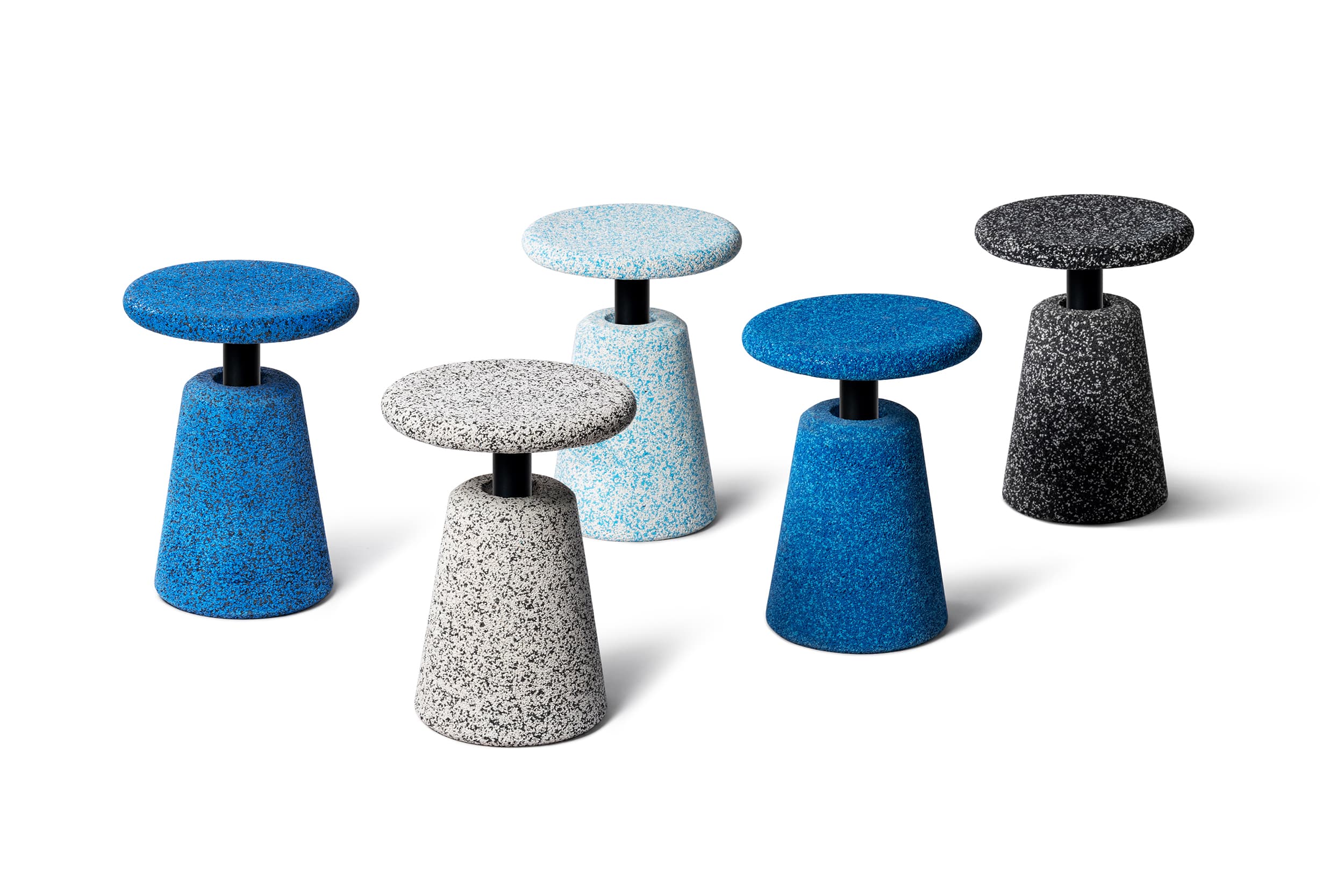
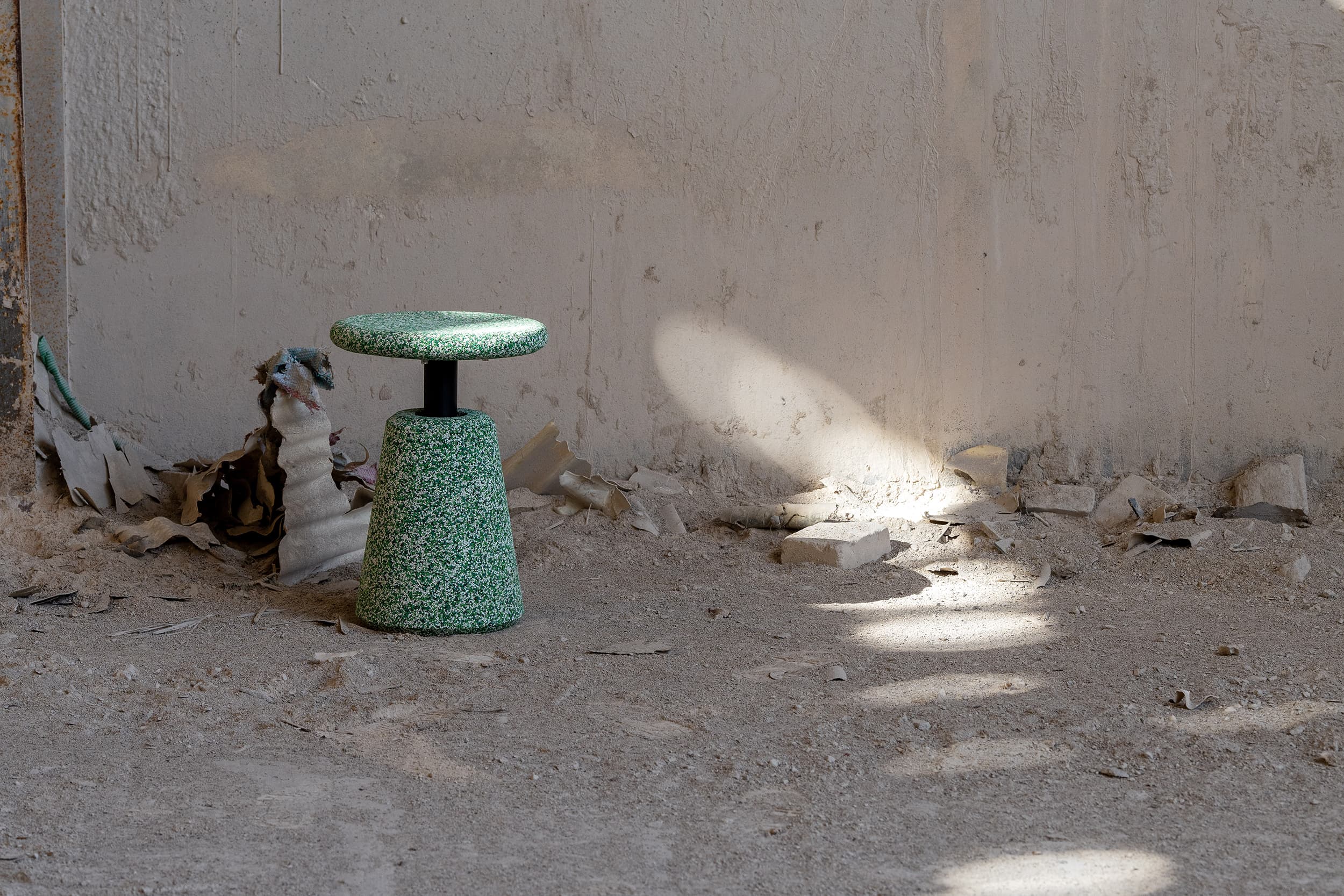
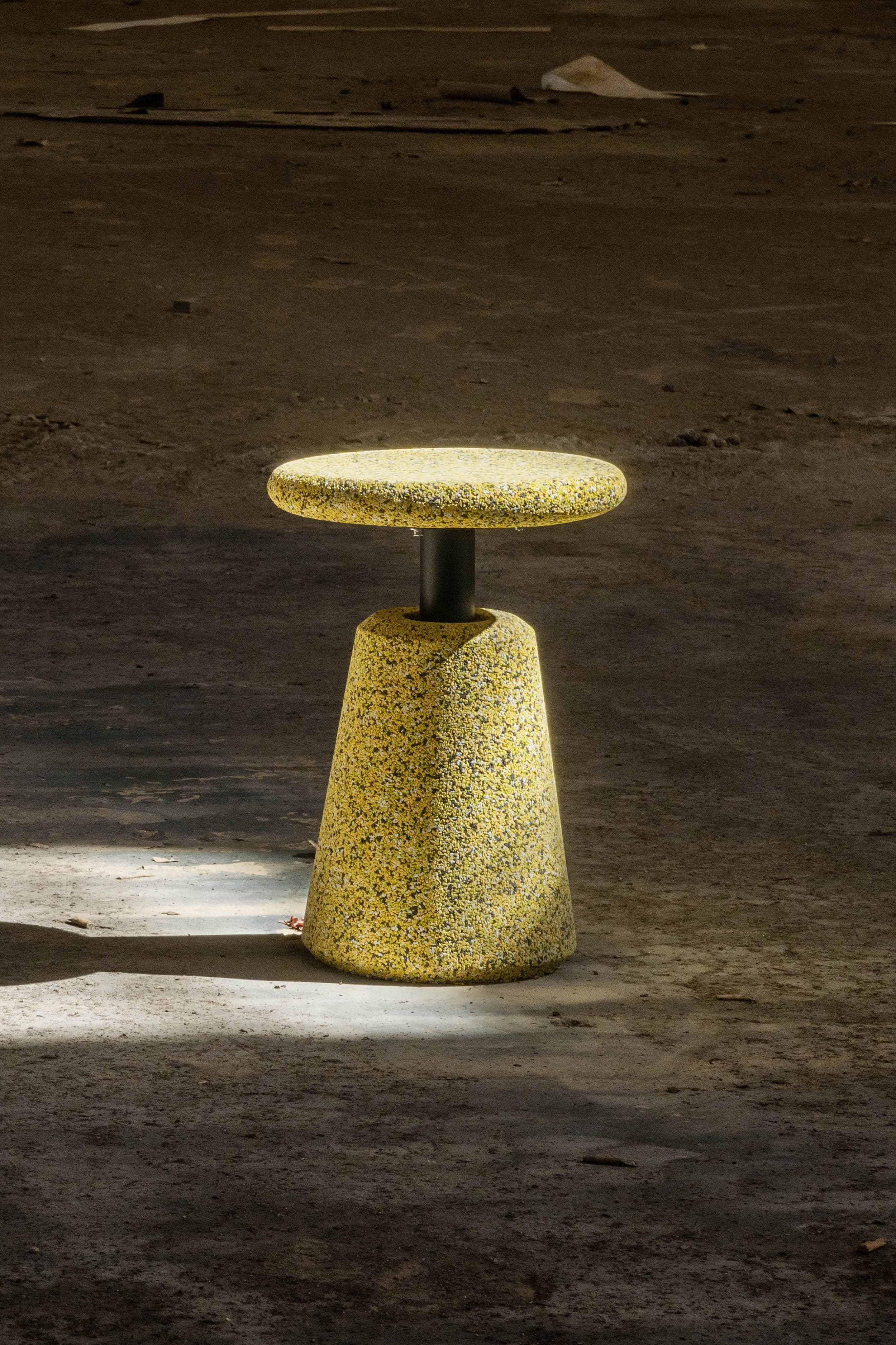
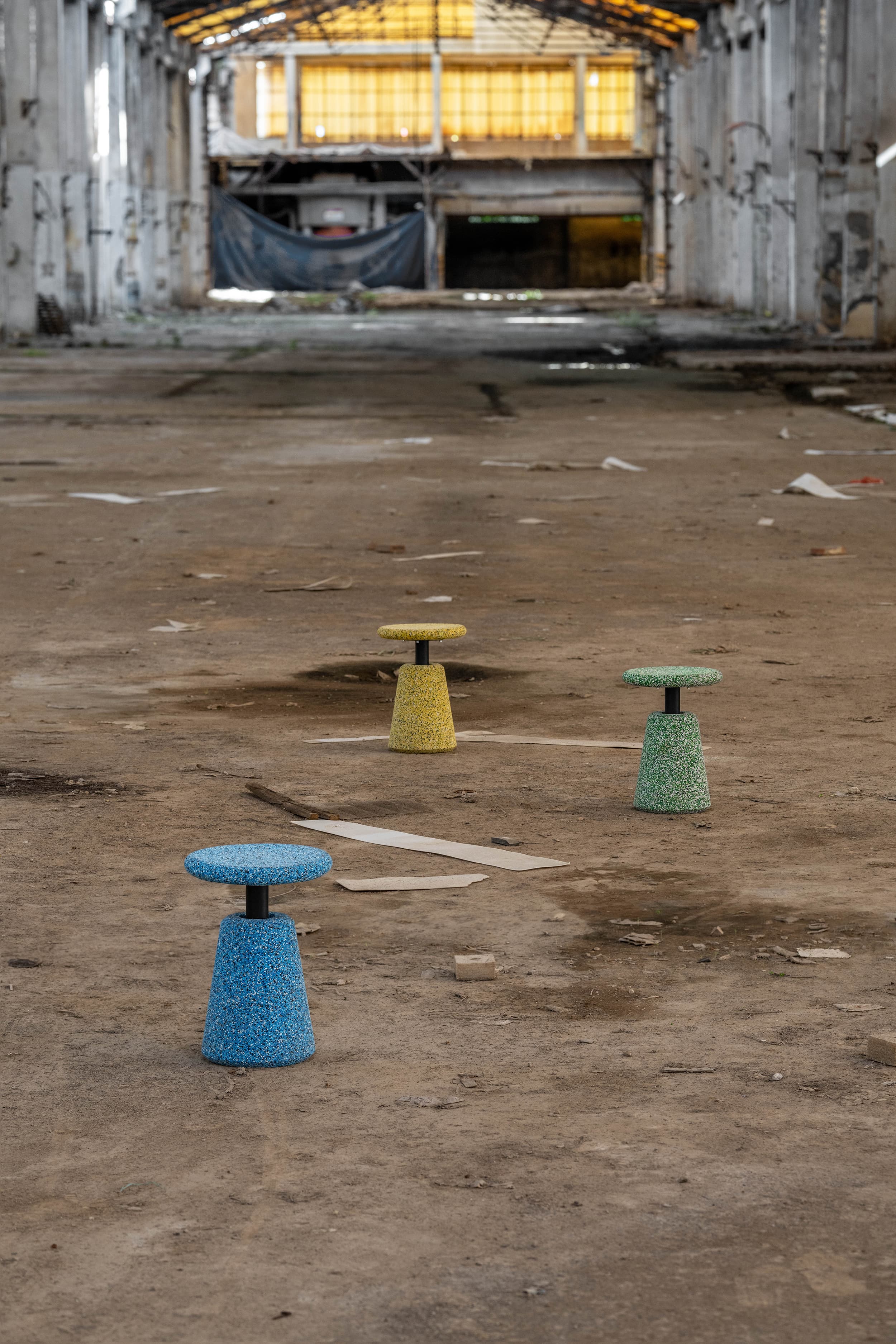
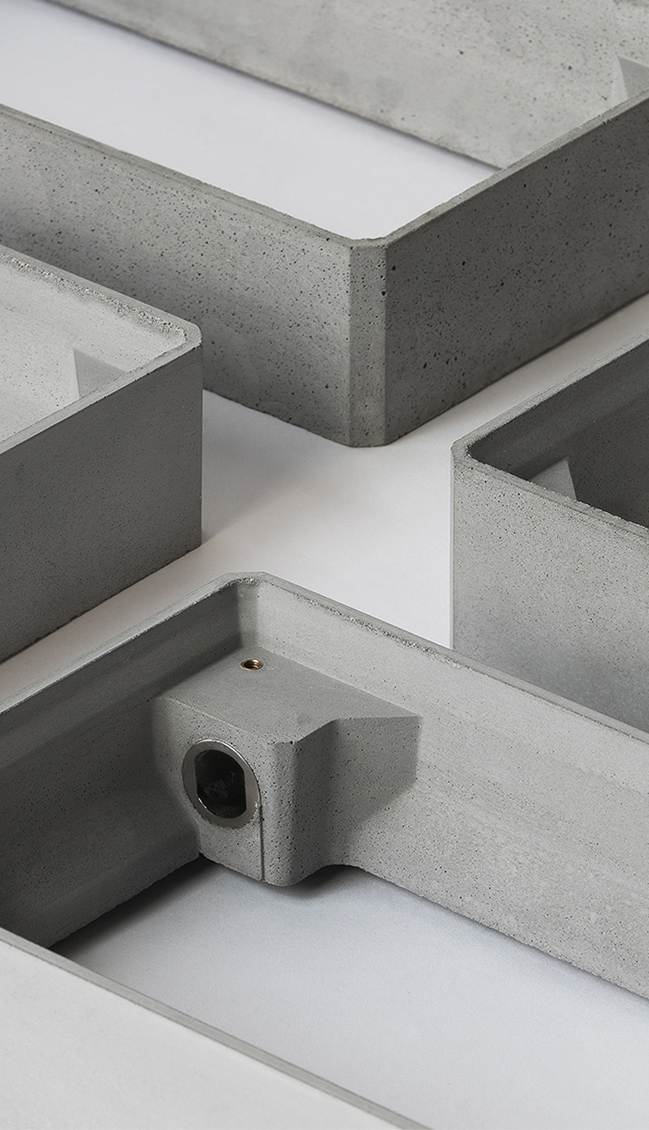
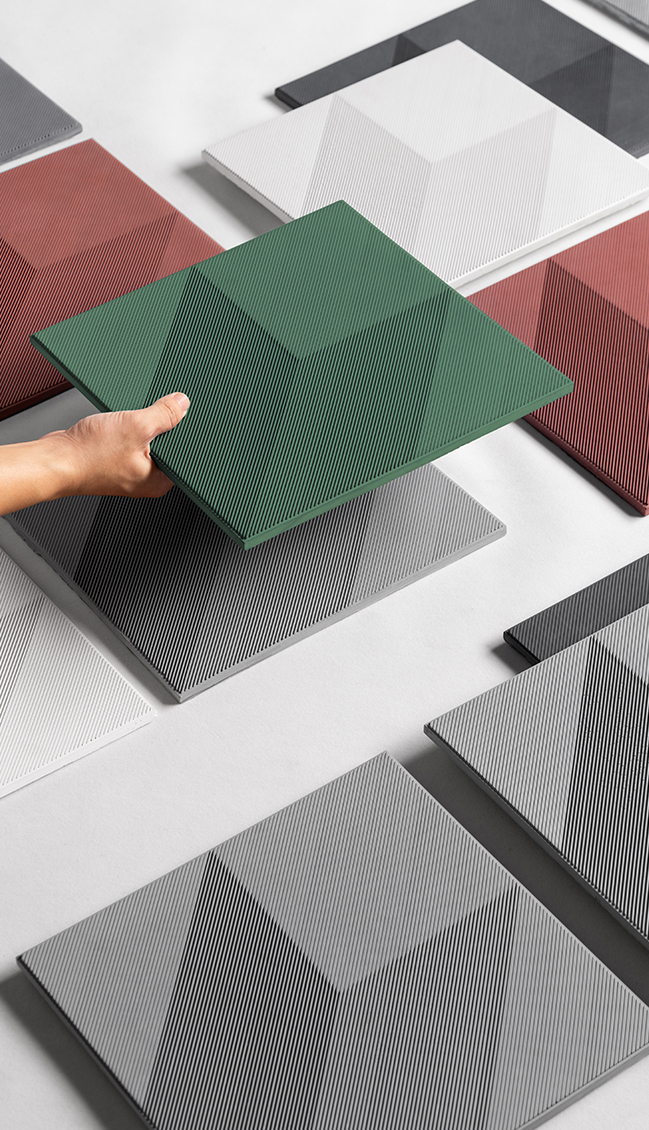
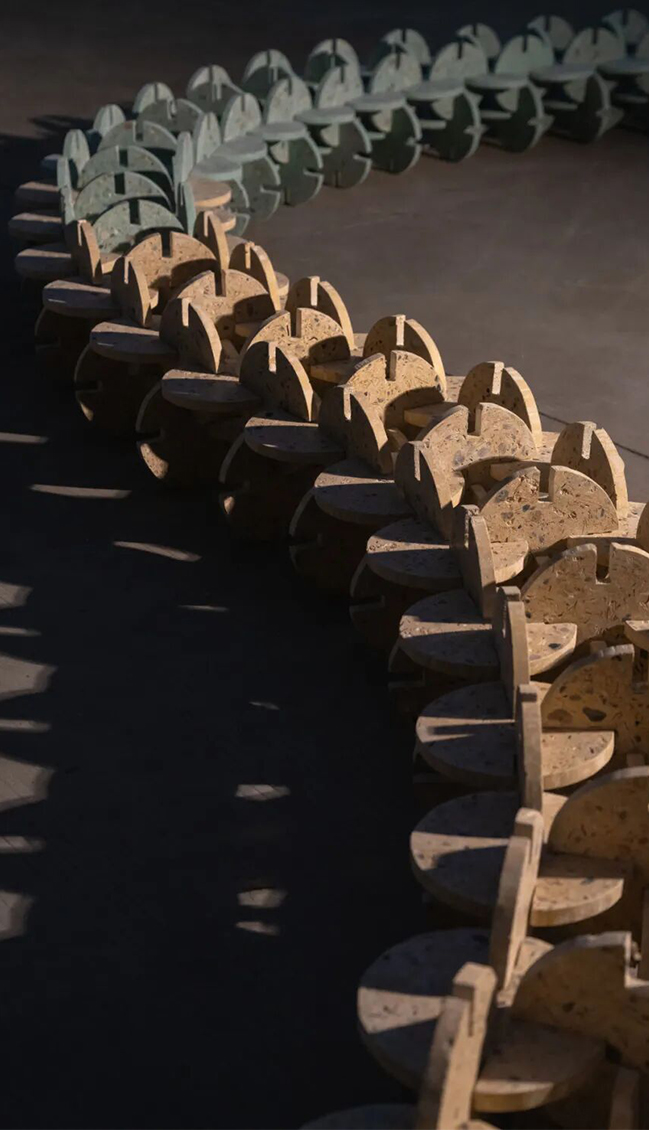
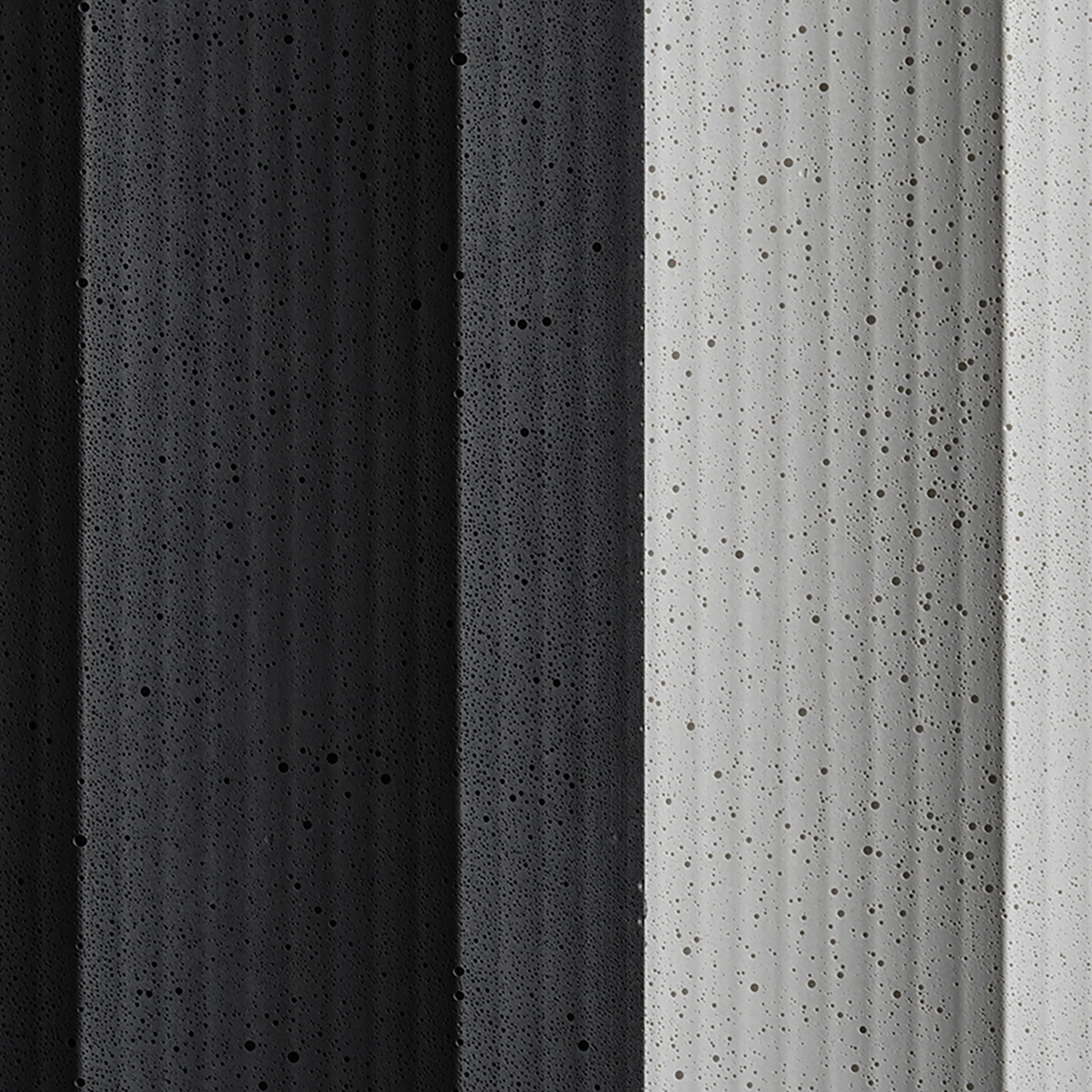
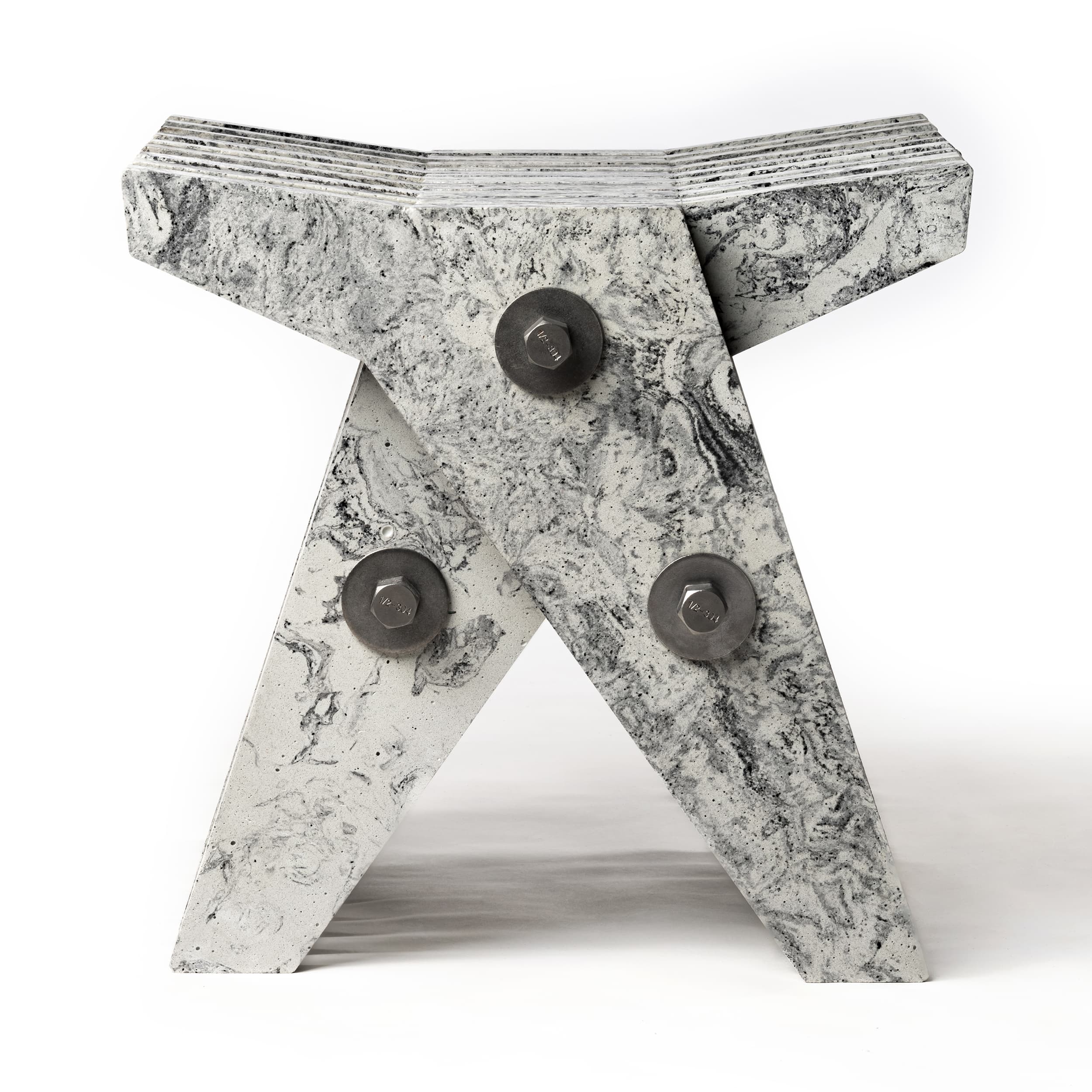
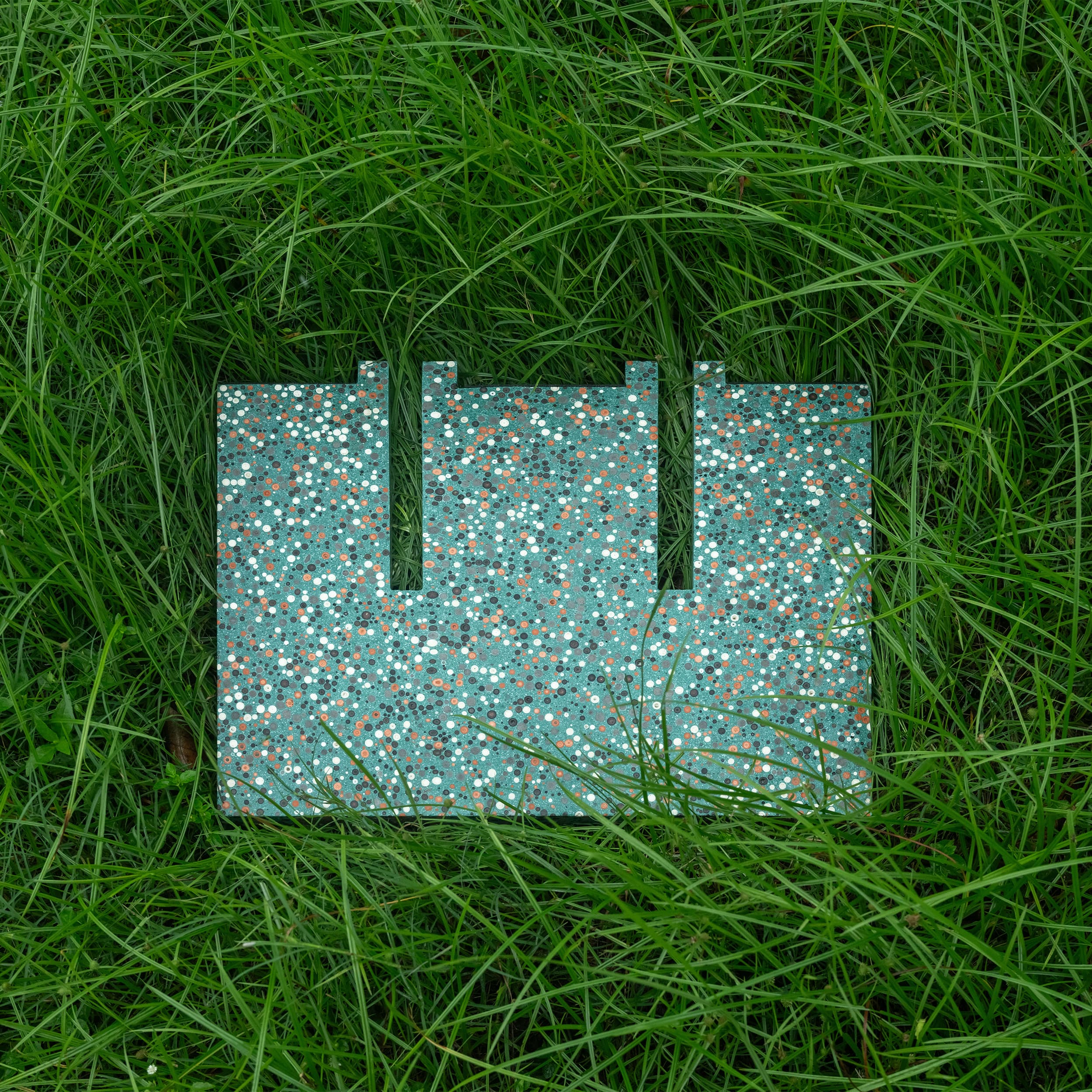
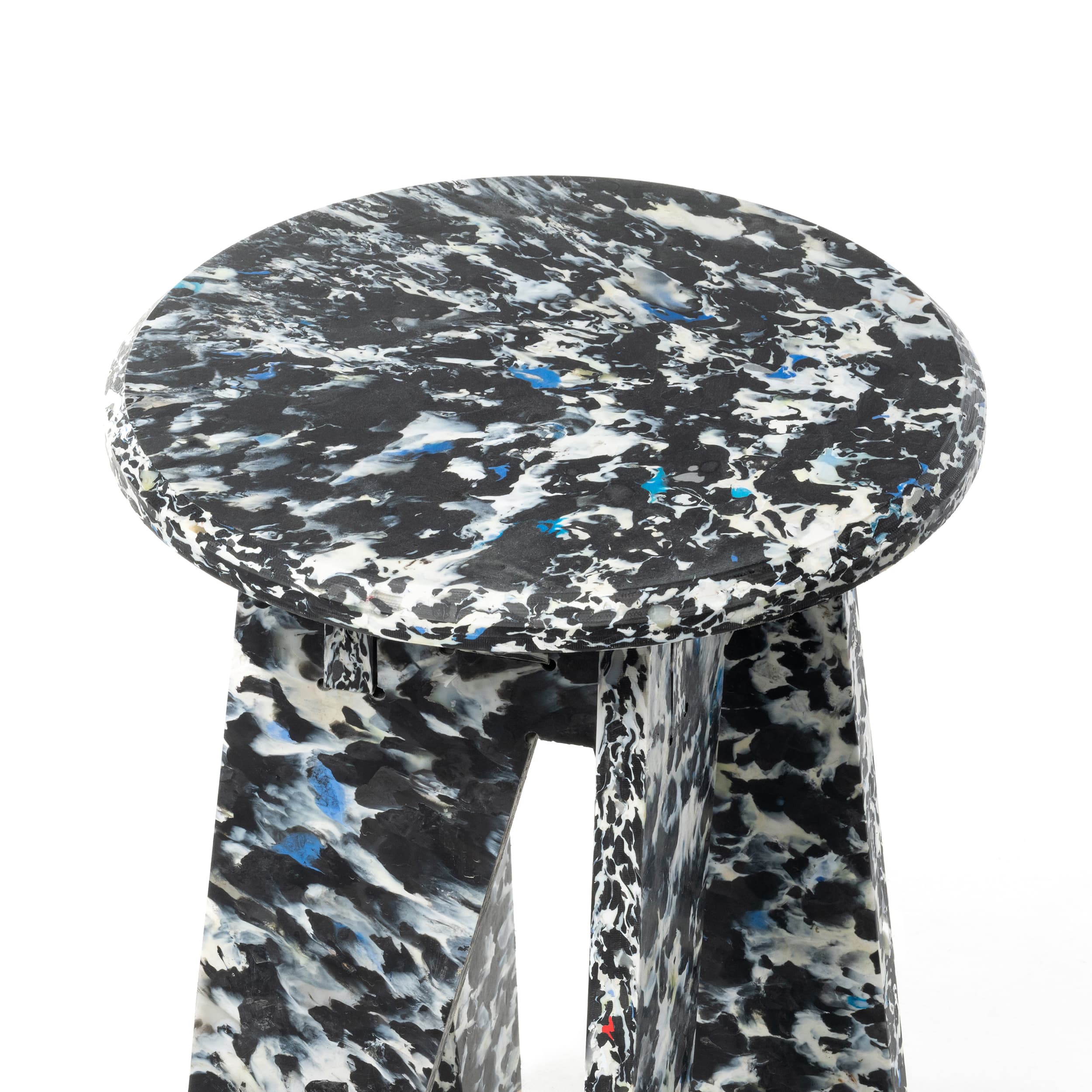
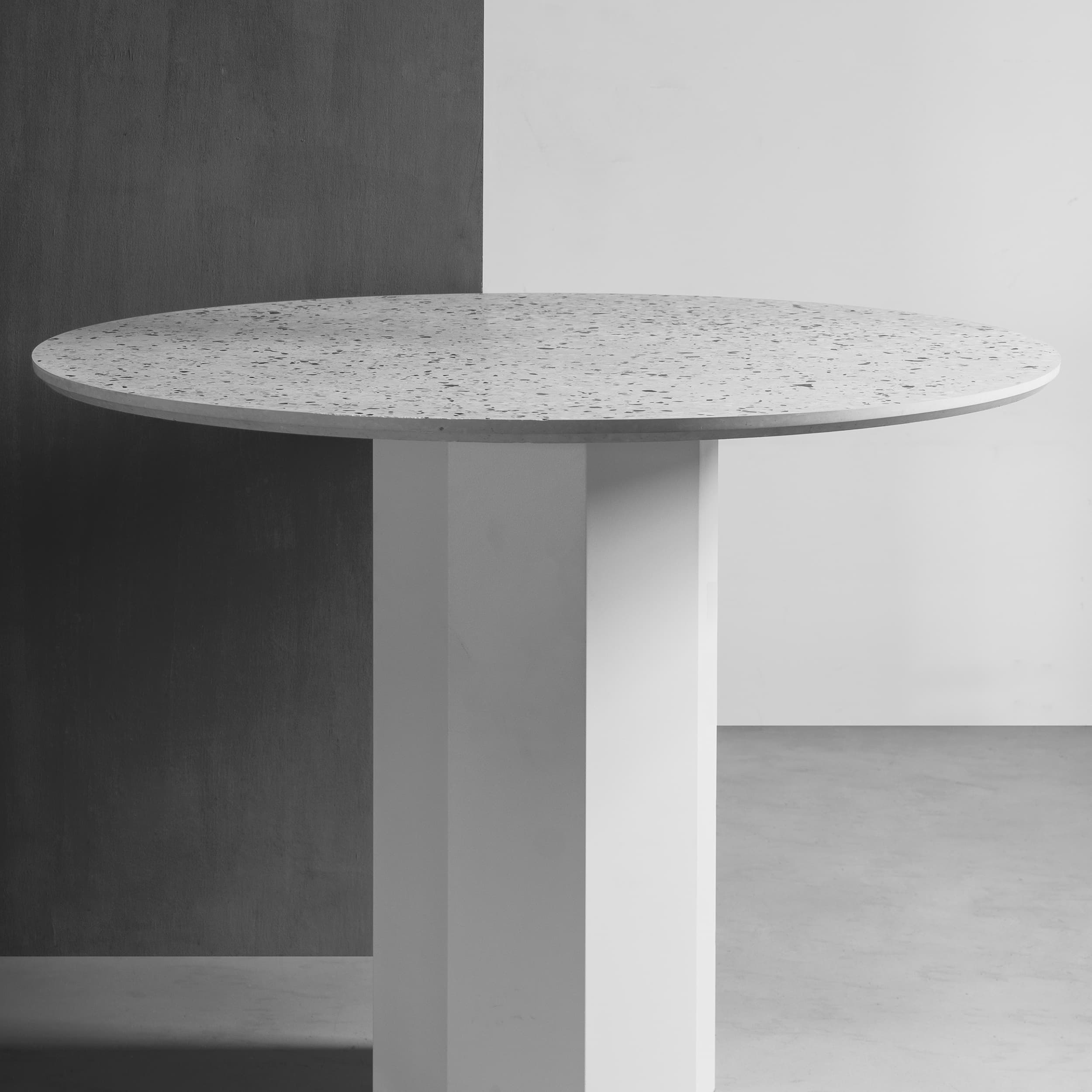
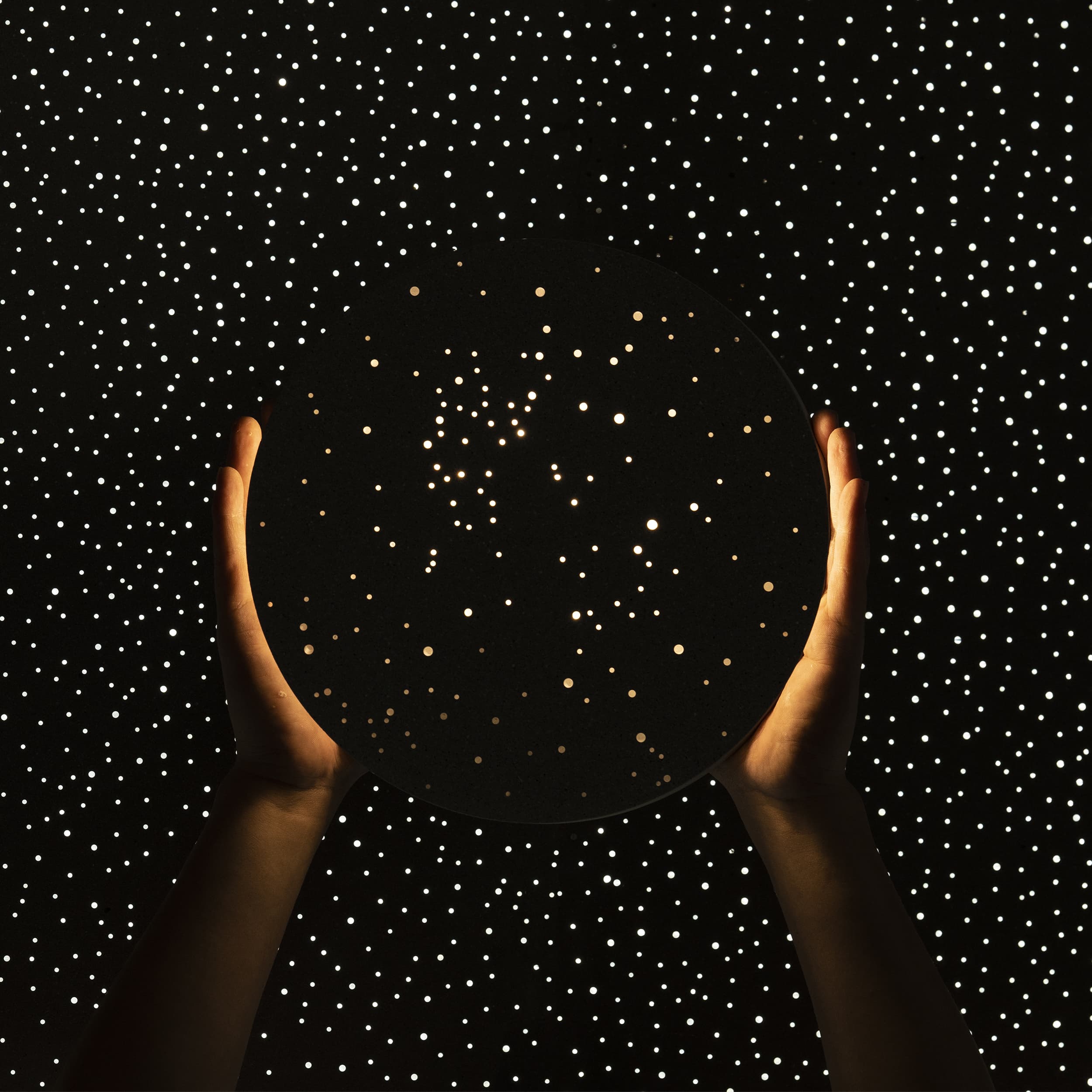
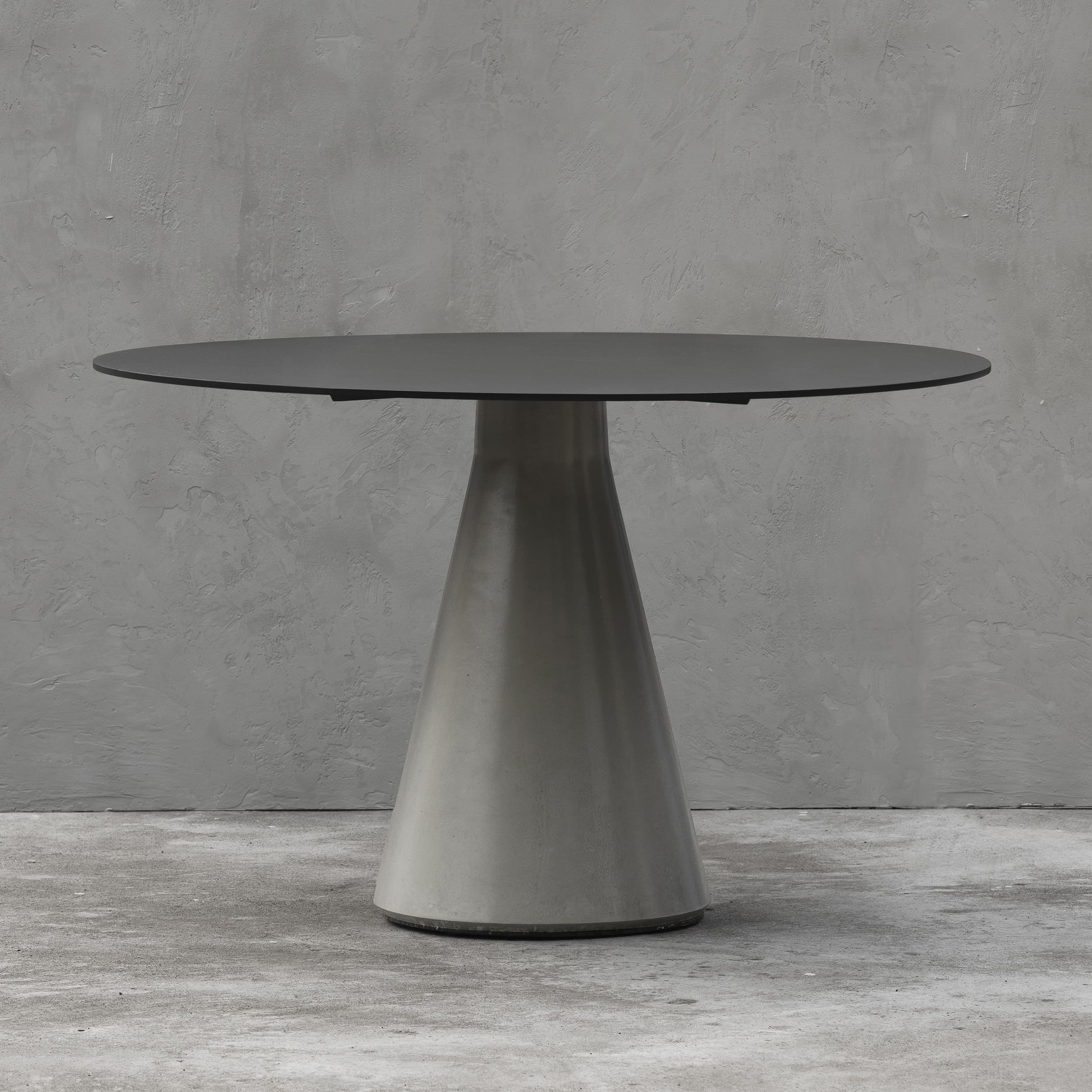
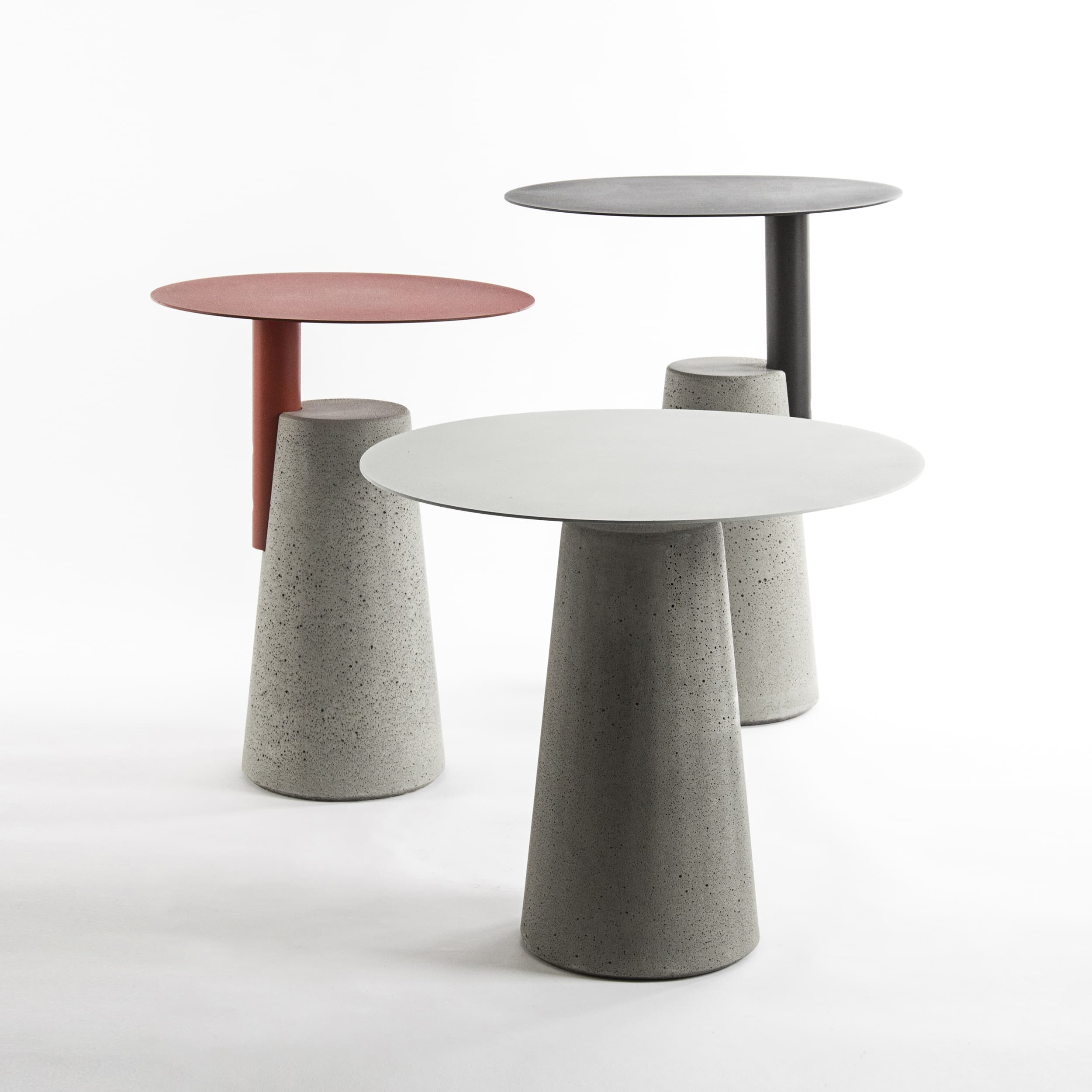
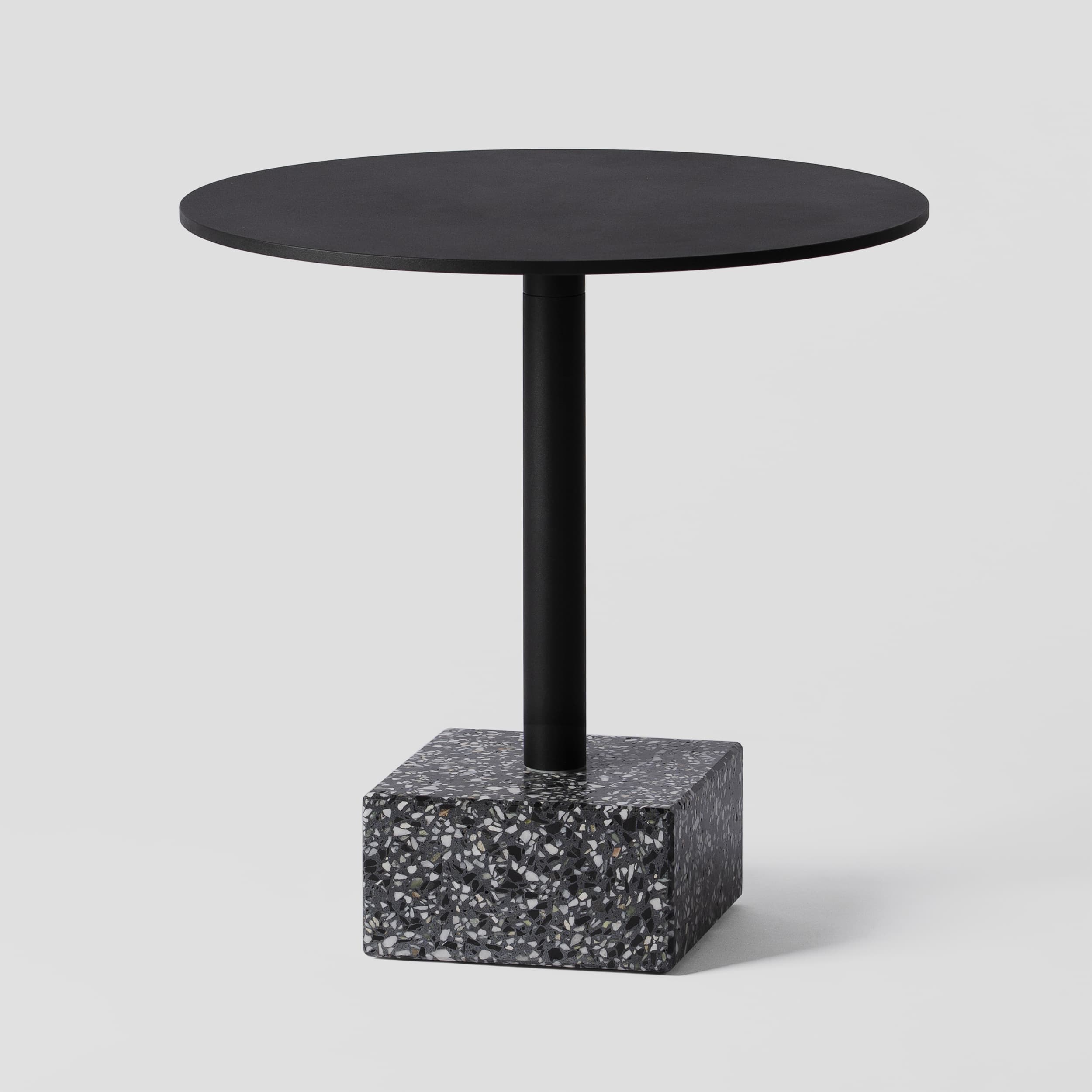
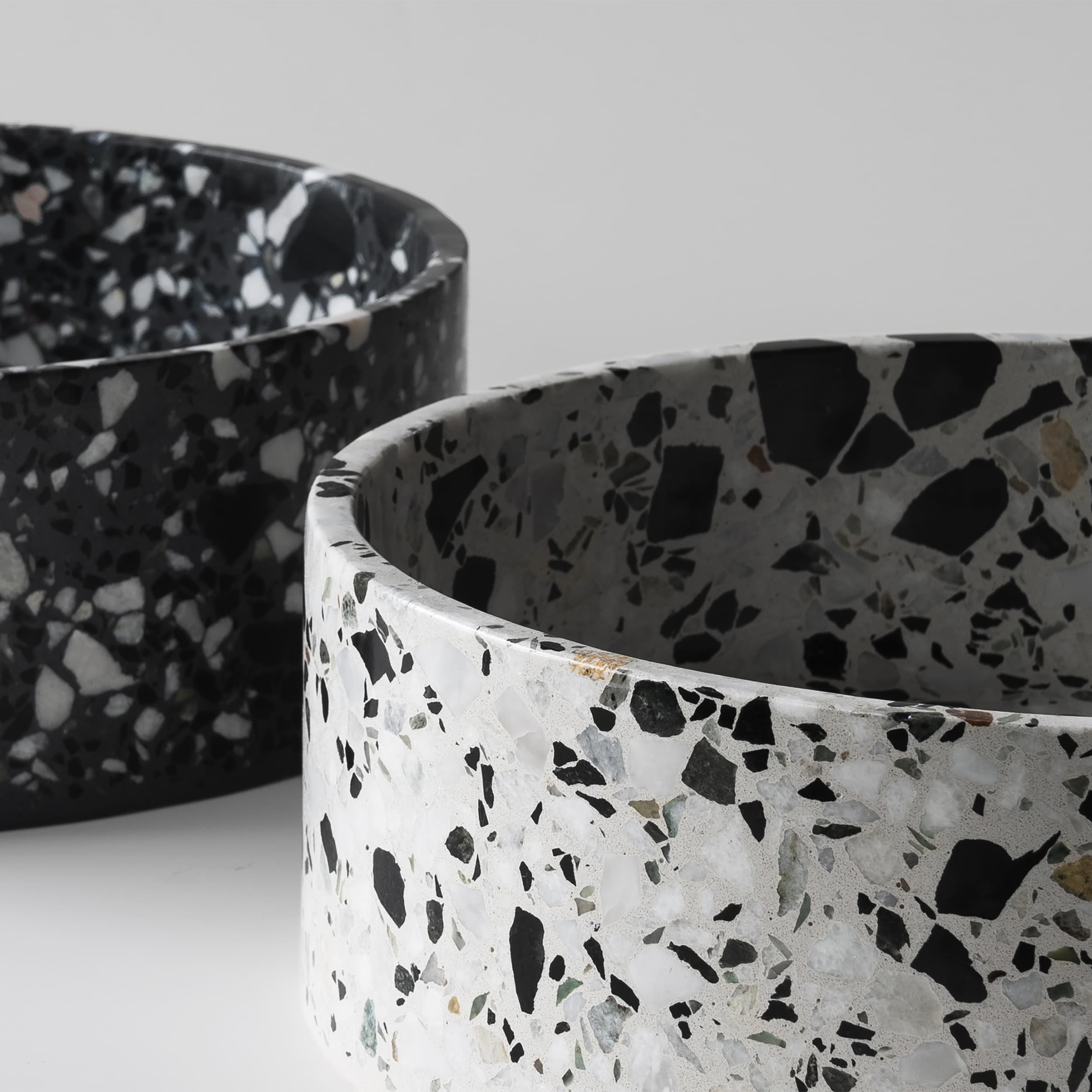
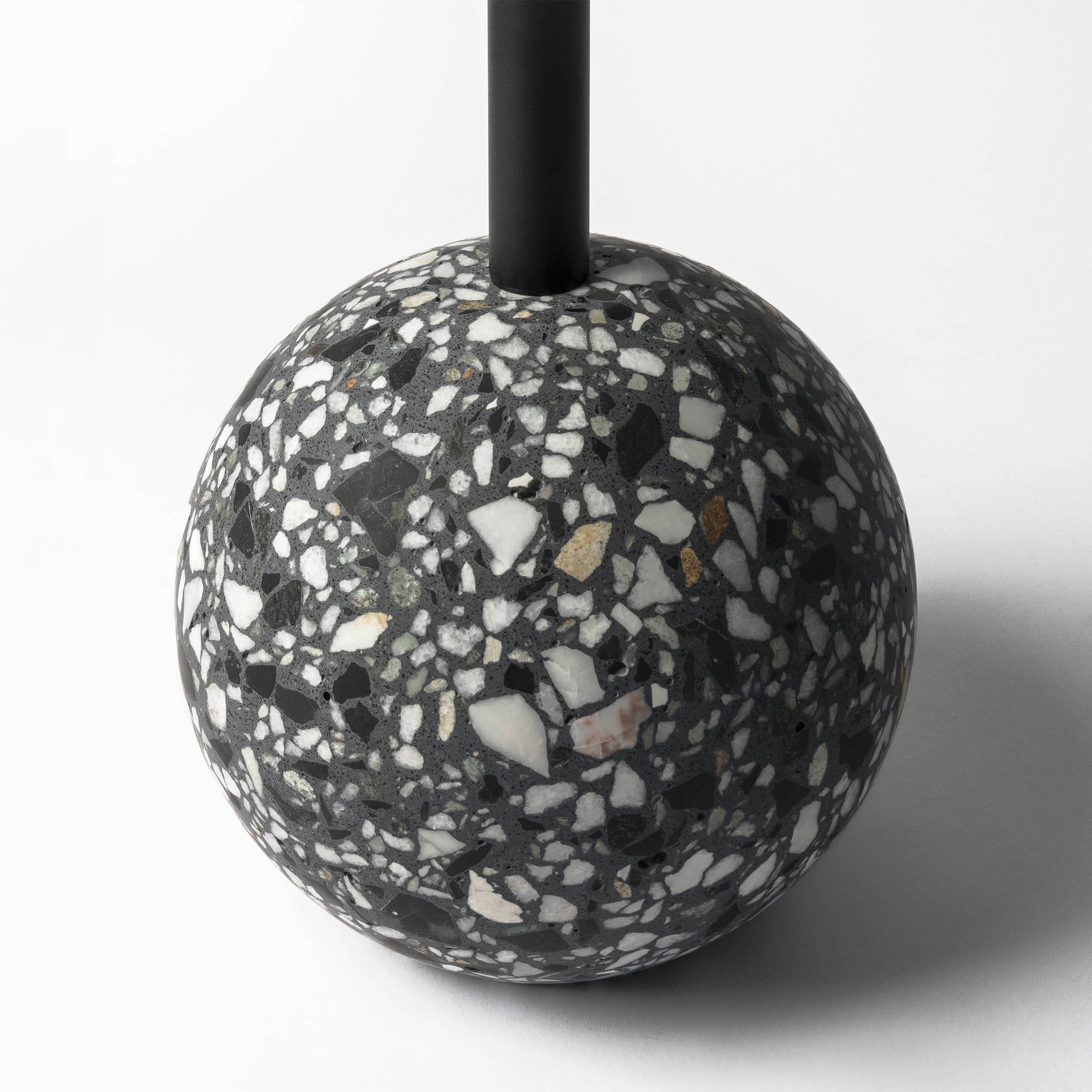
Most distinctively, we highlight its one‑of‑a‑kind colour and textural beauty. Recycled rubber escapes the monotony of virgin stock. Naturally blended black, charcoal and grey particles from varied sources create layered neutral tones imprinted with time and usage. By integrating safe, non‑toxic coloured recycled granules, we craft artistic patterns reminiscent of star flecks or terrestrial veins. Textures range from dense and sleek to coarse and particulate, all intentionally engineered. This beauty is not polished perfection, but a raw, sincere material ethos embedded with circular narratives. Each piece becomes singular, telling a story of rebirth and transformation.
The ultimate aim of sustainable design extends beyond mitigating environmental harm to rebuilding human‑world connections, with aesthetic experience serving as the most immediate medium. In a throwaway society defined by instant consumption, recycled materials' durability and authenticity embody a counter‑aesthetic. They invite us to slow down, observe with greater attention, and engage with heightened sensitivity and openness.
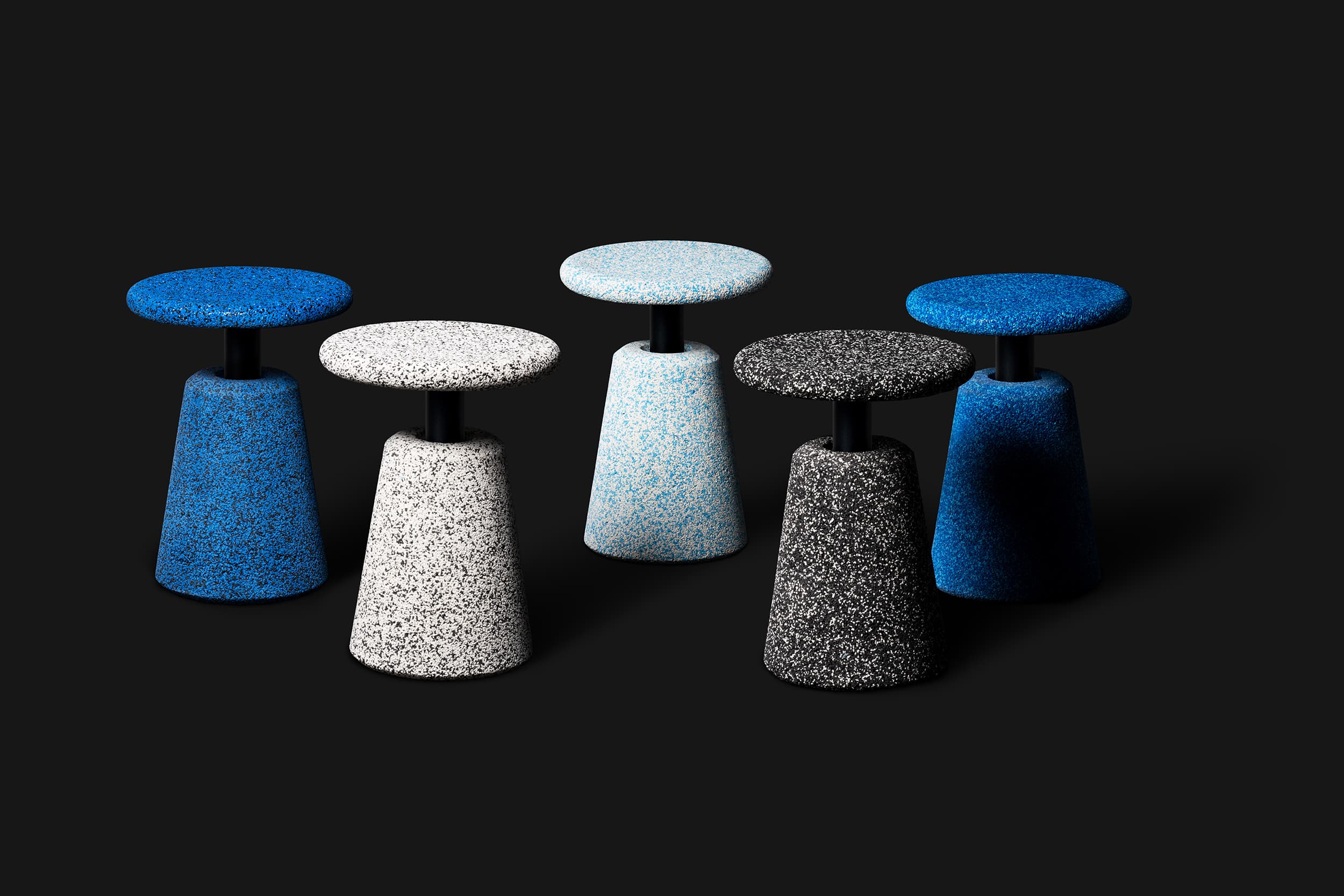
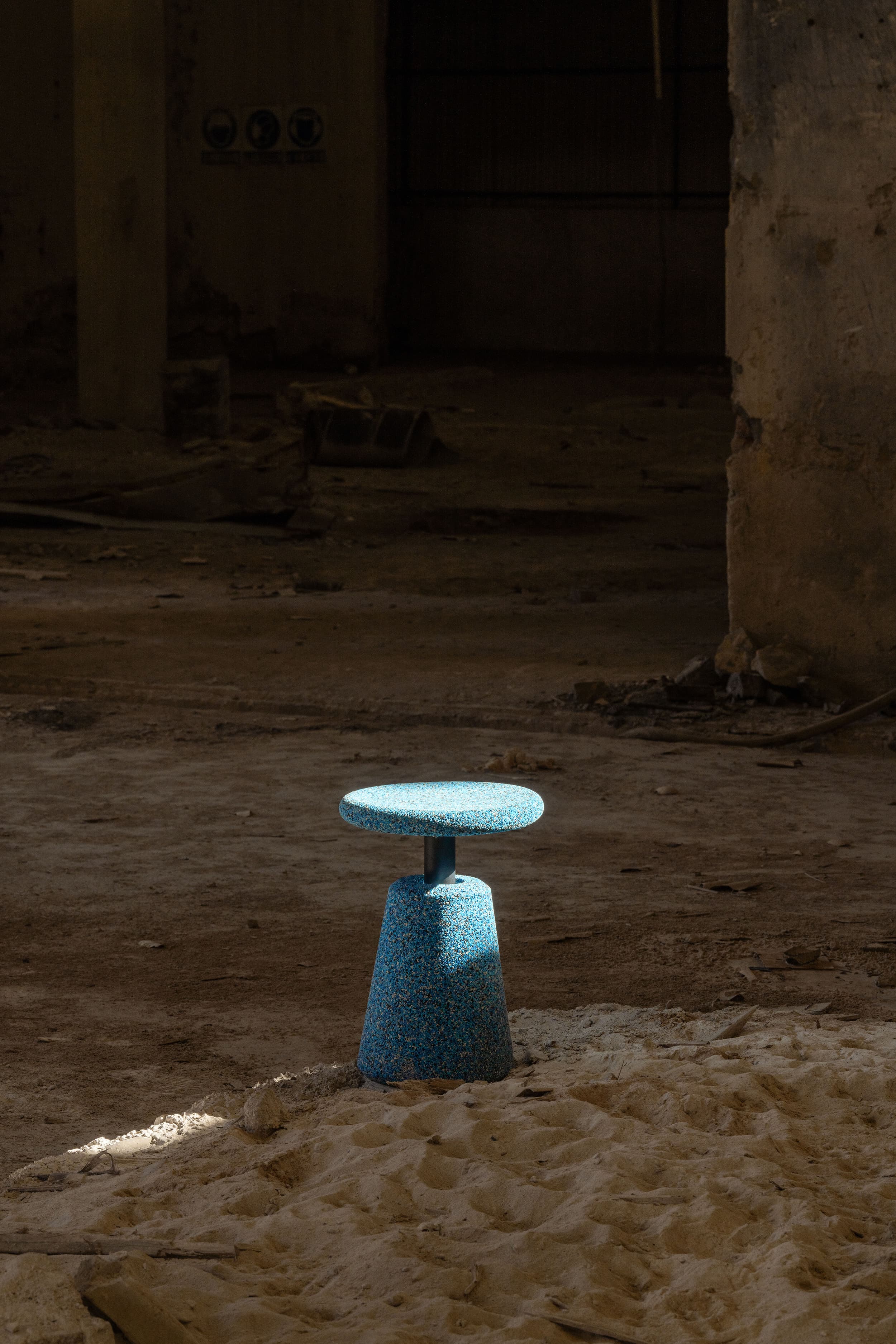
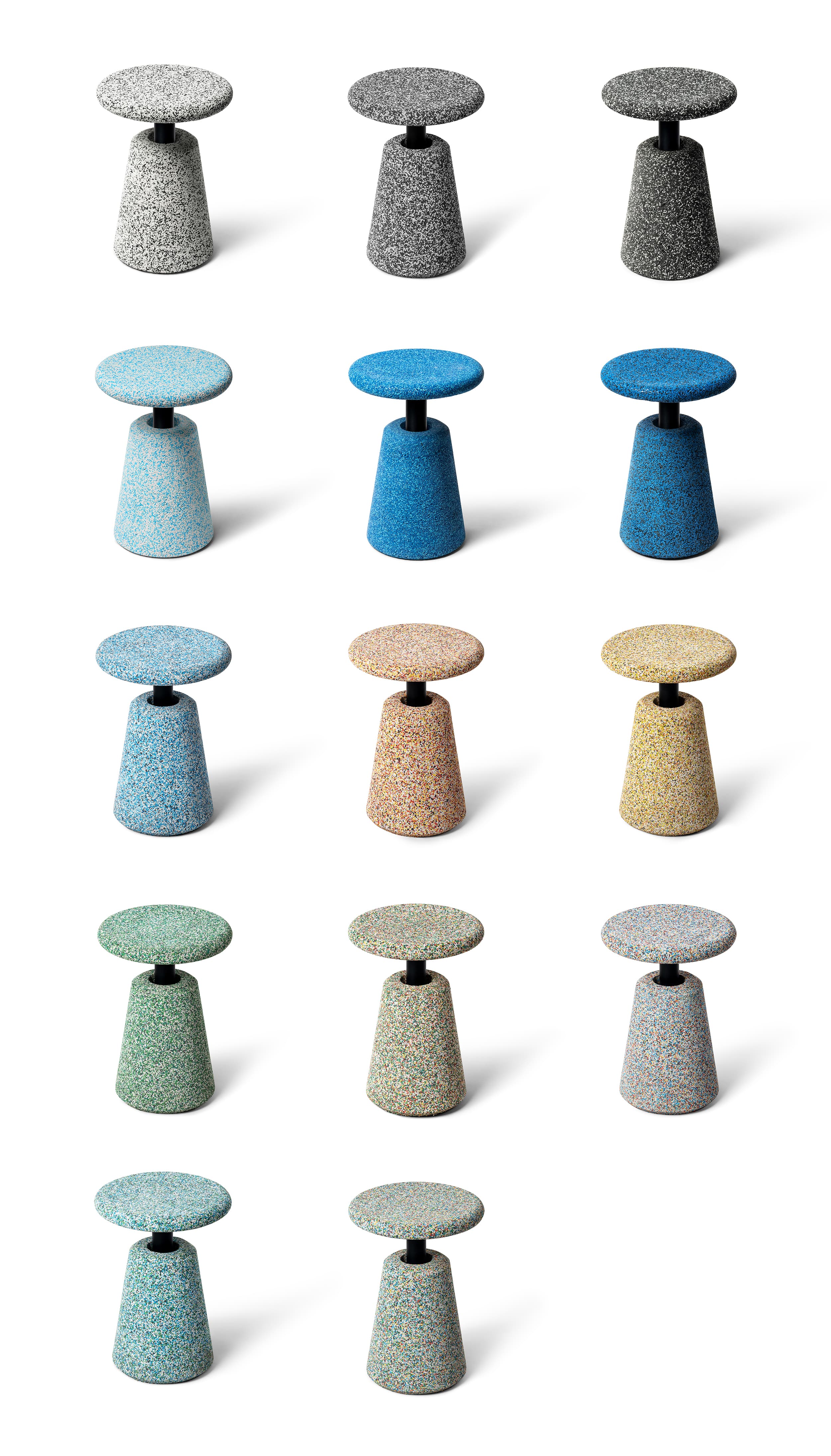
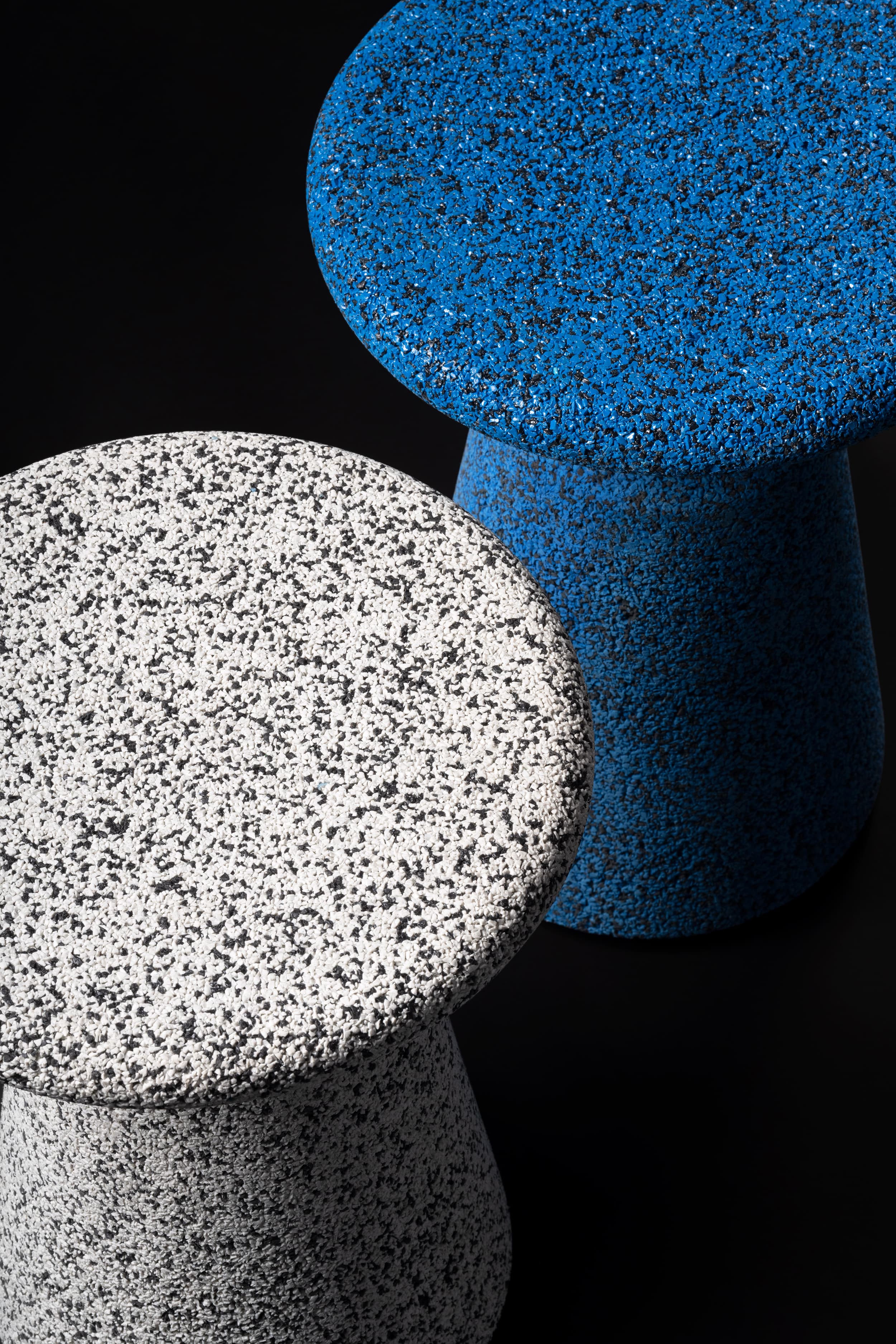
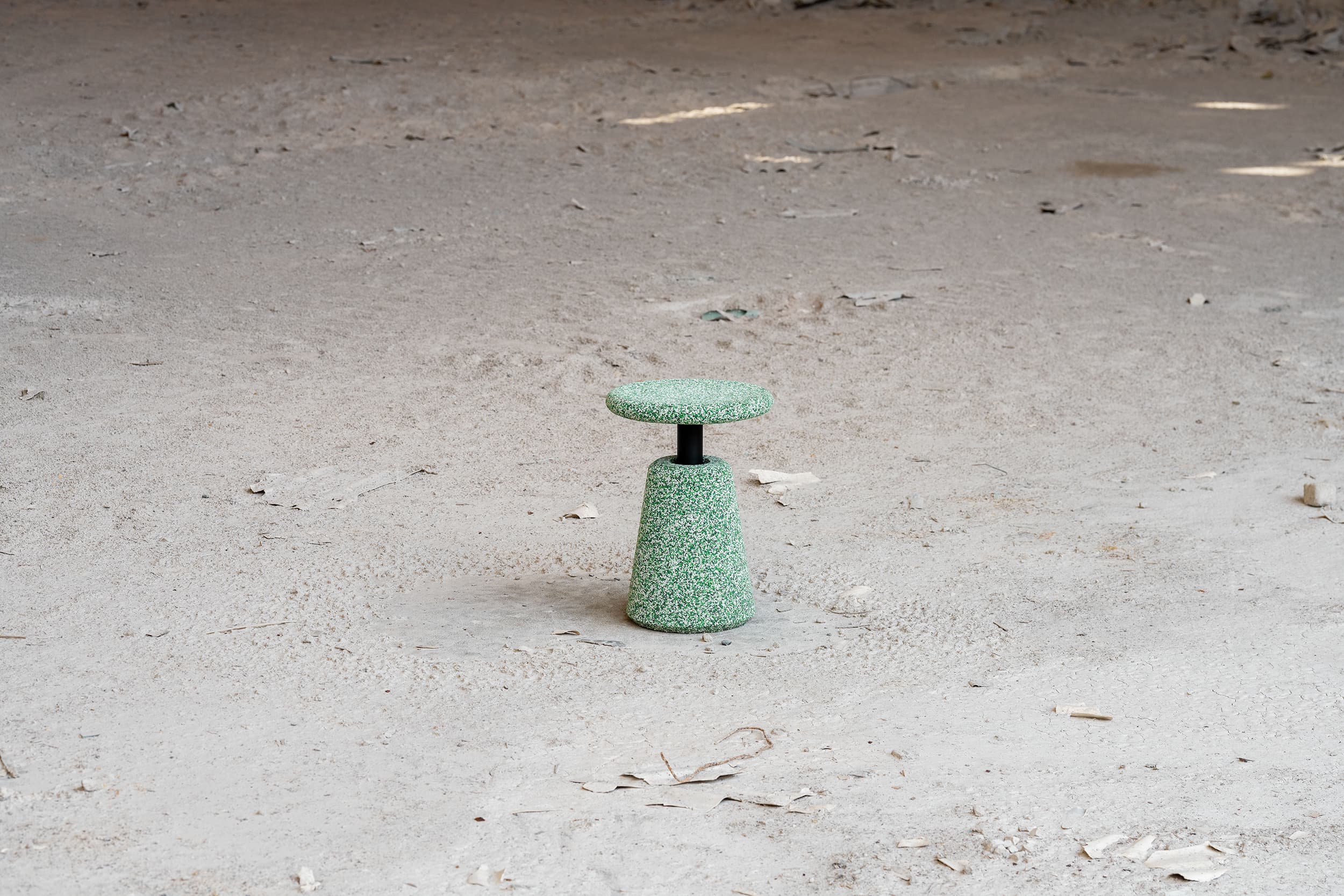
At its core, BENTU's design practice constitutes sustained research into circular design: exploring how local resource constraints can become design strengths, how environmental pressures can drive innovation, and how new circular material models can be established.
Future design will increasingly centre on social accountability. To unlock new value and beauty from materials once marked as waste, to uphold experimental rigor, and to restore each substance's authentic voice and life trajectory — this is our enduring pursuit.
Design Director: Xu Gang
This original essay belongs to the BENTU Local Regeneration Practice Series. Taking rubber regeneration as a case study, it examines experimental design and the transformative value of sustainable material regeneration.

- Contact
+8620 8977 0506
- Press
press@bentudesign.com
- Enquiry & Sales
info@bentudesign.com