

The Second Mine: The Regenerative Value of Industrial Solid Waste and the Practice of Industrial Symbiosis
Time: 2014 – 2025
Location: Hukou, Jiangxi
Under rapid globalization, the linear model of production and consumption has led to the depletion of natural resources and the accumulation of industrial solid waste, creating a pervasive crisis of our time. As primary mines are continuously excavated and exhausted, the vast waste left behind by cities and industries acquires the regenerative potential to become a "Second Mine." Grounded in field observations and practical samples — waste ceramics from Jingdezhen, fly ash from the Shenhua Power Plant on Poyang Lake, and steel slag from the Jiujiang Steel Plant — this article reexamines the material properties, cultural value, and aesthetic potential of industrial solid waste. Through sustainable design, we aim to restructure resource circulation, reshape local industrial ethics, and explore new paths for material regeneration, local symbiosis, and industry for the public good. This is the core of the reflection and practice presented here.
In recent years, sustainable design has gradually become an industry trend — yet this very trend highlights how deeply contemporary society is mired in unsustainable development. Human well-being has always been rooted in the sustainable evolution of the environment. Every one of us must clearly recognize the profound impact of our carbon footprint on the environment and society, and actively assume our social responsibility through innovative practice.
For the design industry, there is an even greater need to observe social realities deeply, awaken humanistic consciousness, and place social responsibility at the foundation of creative and practical work. The sustainable design project we initiated, "The Second Mine," is steadily advancing. "The Second Mine" is a metaphorical concept that can be understood as "secondary excavation" and "secondary production": based on existing local systems, we uncover new resources and potential value. Faced with increasingly severe local environmental crises, transforming the logic of resource extraction and reshaping value perception has become an inevitable choice. This project is a joint effort between BENTU and Dongpeng Group in Foshan, representing a sustainable design practice oriented toward the industrial sector.
When economic development exceeds environmental carrying capacity and resource endowment, civilization enters a path of decline. Global development has now approached the critical edge of unsustainability: climate anomalies, frequent disasters, ecological degradation, public health crises, geopolitical conflicts — humanity is constructing a world of imbalance and disorder, gradually losing its vitality. The cost of this is now keenly felt by everyone. In this context, design urgently needs to turn in a new direction: to examine and return to genuine human needs, to rethink the way we coexist with ecosystems and nature, and to step into a value testing ground that awaits rediscovery, reorganization, and construction — forging a local path for sustainable design.
Everyday waste is everywhere, and the ecological and social problems it generates force industries to seek solutions. The circular regeneration of waste is an inevitable trend in human development, and also a correction of past crude development models. The cyclical rebirth of materials holds immense potential for innovation. For this reason, BENTU reexamines the cross-disciplinary integration of materials science, craftsmanship, design, and industrial production models, establishing a holistic, interdisciplinary design perspective. By balancing horizontal disciplinary intersections with vertical professional depth, we build systematic design thinking to support the implementation of sustainable design. Business models are equally critical: a healthy sustainable economy should not descend into homogeneous cost competition, but should rely on local resources to create incremental value — this is the more enduring direction for sustainable design.
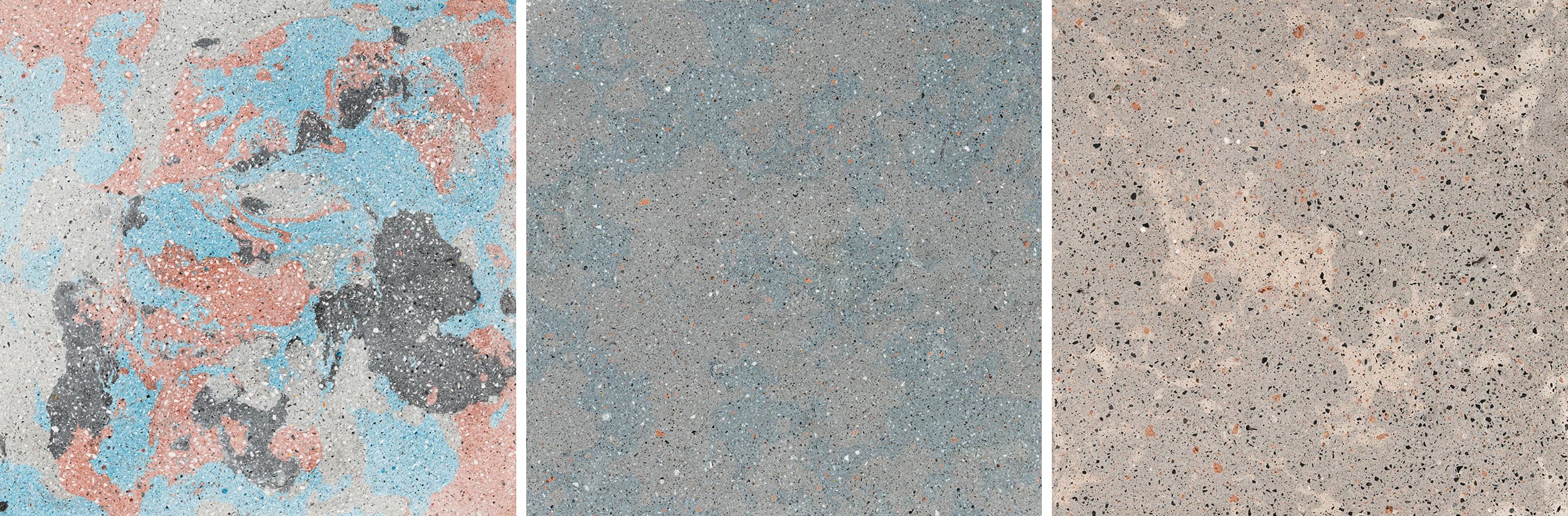
Human life and experience are always rooted in specific places. Locality is not only a spatial attribute but also encompasses cultural, social, and ecological dimensions. It forms the underlying foundation of individual value cognition and deeply shapes people's values, behaviors, and identities. Protecting locality is also key to maintaining cultural diversity, social cohesion, and the sustainable development of urban and rural areas. Based at the Dongpeng New Materials R&D Base in Hukou County, Jiangxi Province, BENTU focuses on the "lung of the Yangtze River" — the Poyang Lake basin — carrying out local sustainable design practices. Within a radius of one hundred kilometers, we conduct in-depth field research, with Jingdezhen as one of the core samples.
As the world capital of ceramics, Jingdezhen possesses a rich and distinctive local identity and cultural narrative, deeply embedded in the fabric of Chinese civilization. A thousand years of ceramic craftsmanship have been passed down through generations, preserving the purity of traditional techniques and cultivating a strong regional cultural identity and spiritual belonging.
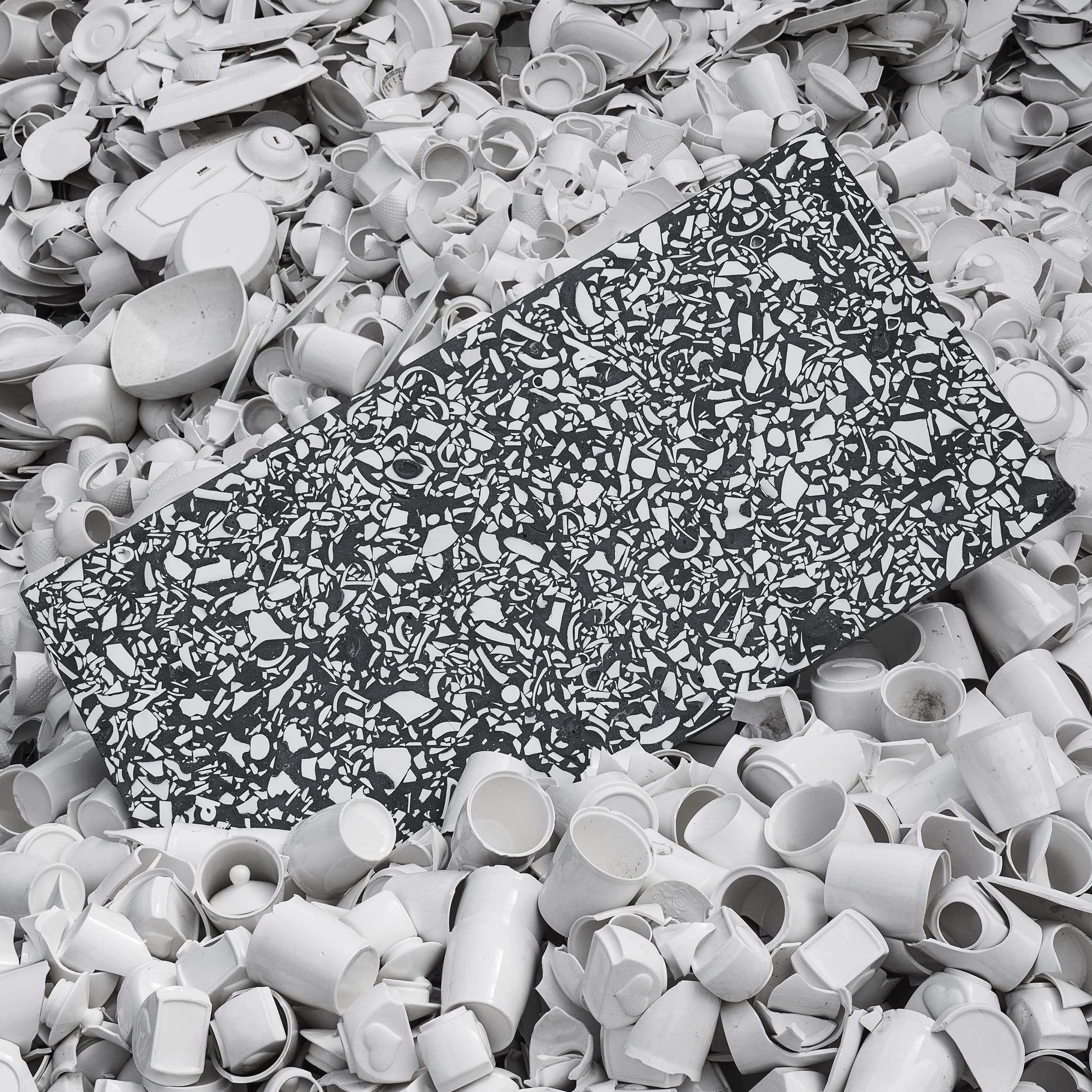
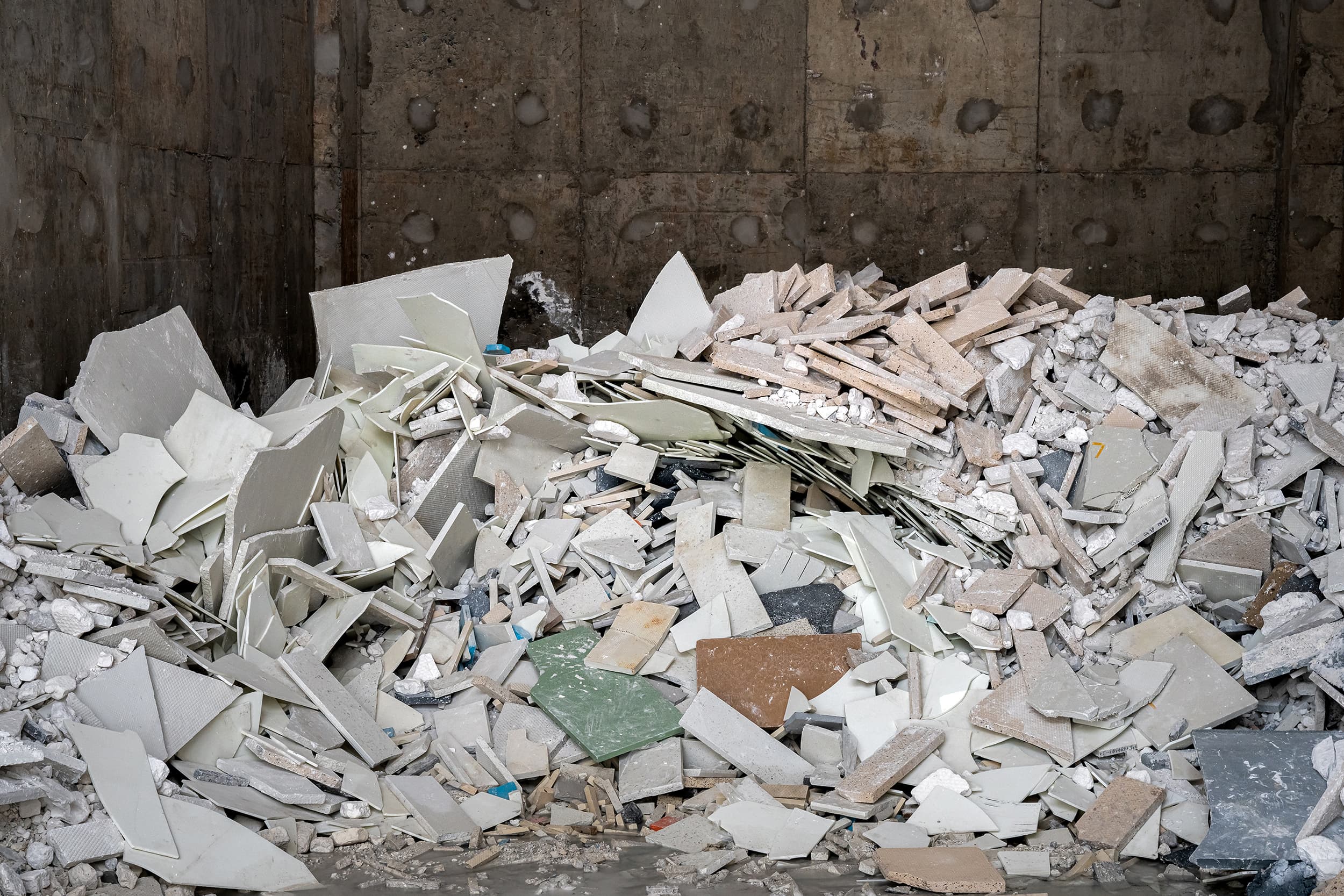
Jingdezhen ceramics carry the dual legacy of Chinese material and spiritual civilization, and have contributed unique value to improving global quality of life. The ceramic industry has developed rapidly amid globalization, but it also leaves behind unresolved problems: ceramic production is highly dependent on material consumption, generating enormous amounts of waste ceramics and residues that cannot naturally decompose. In Jingdezhen, discarded ceramics pile up like mountains; a finished piece is often deemed waste for the slightest flaw. The uncontrolled extraction of kaolin continues to plunder natural resources. The high-temperature firing of ceramics comes with high carbon emissions, continuously releasing greenhouse gases into the environment. While pursuing aesthetic objects and a better life, we often cause irreversible harm to the ecosystem.
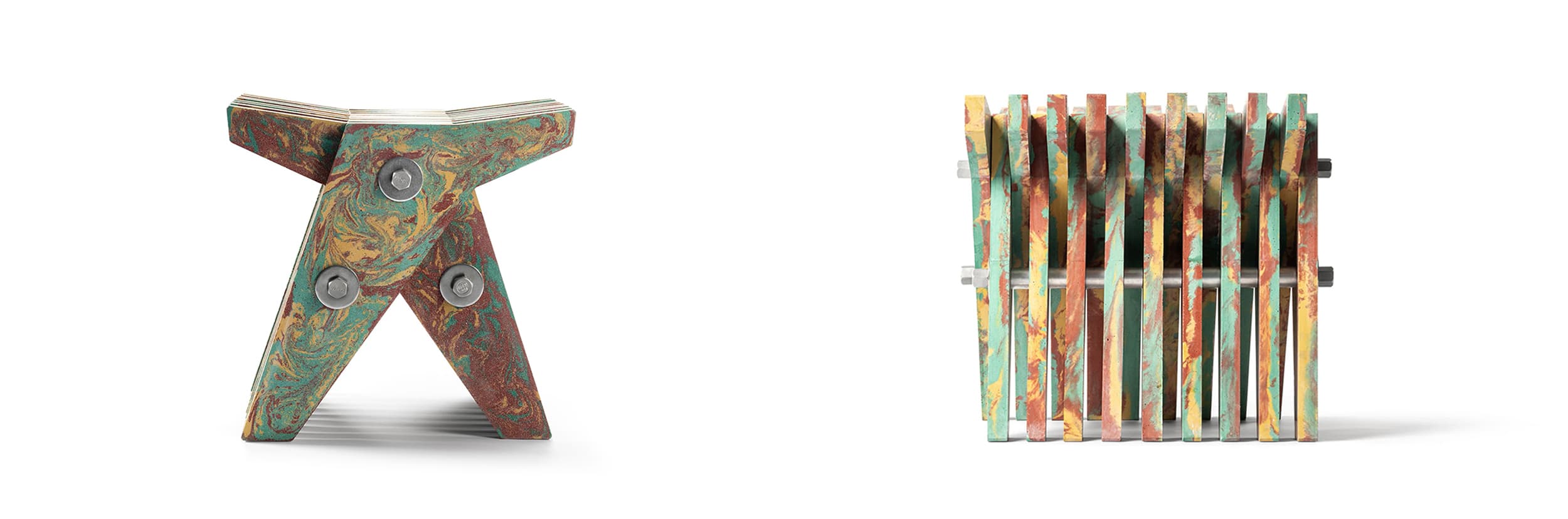
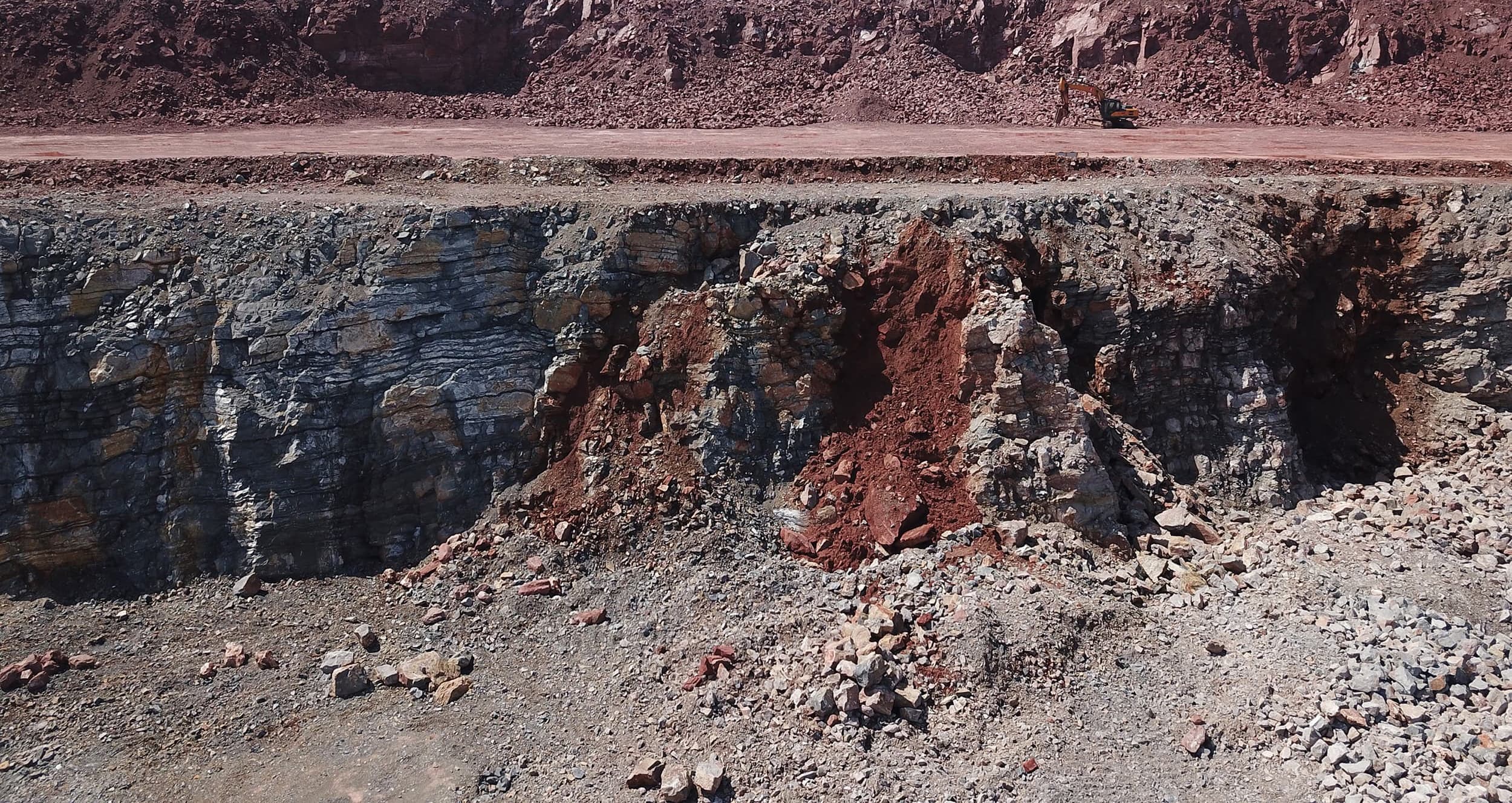
The linear extraction and consumption of materials constantly intensifies the conflict between humans and nature. At the same time, globalization continues to erode local uniqueness and original value. Society needs to rebuild its capacity for material reproduction and value re-creation, and to reflect on its behavioral logic and ecological ethics — this is the root from which the concept of "The Second Mine" emerged. Kaolin, the raw material for ceramics, is taken from natural mines. Primary mines are excavated to produce ceramics, and the tailings pile up into mountains of waste. According to the law of mass conservation, matter is eternal and indestructible. These accumulated ceramic solid wastes are essentially a new mine waiting to be developed.
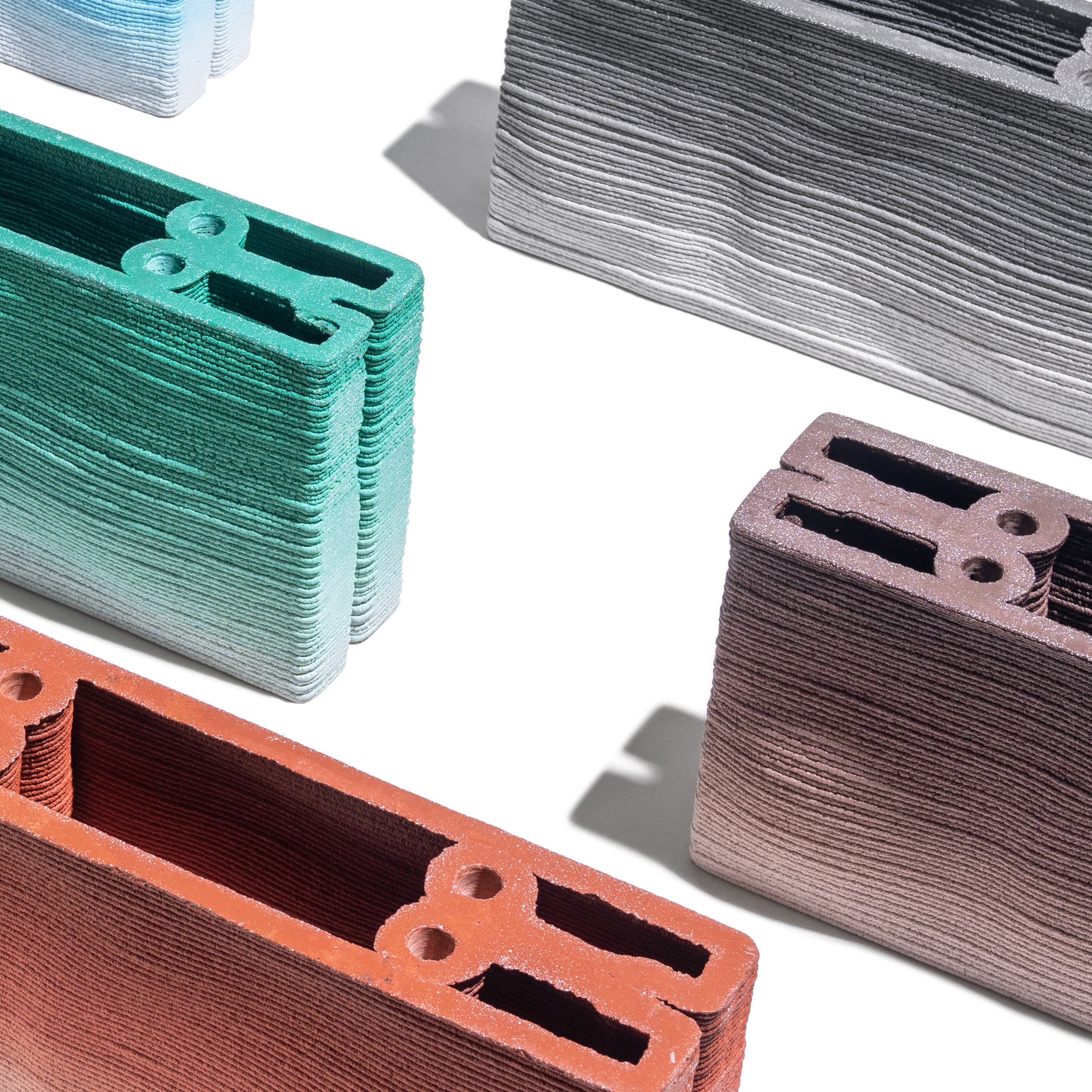
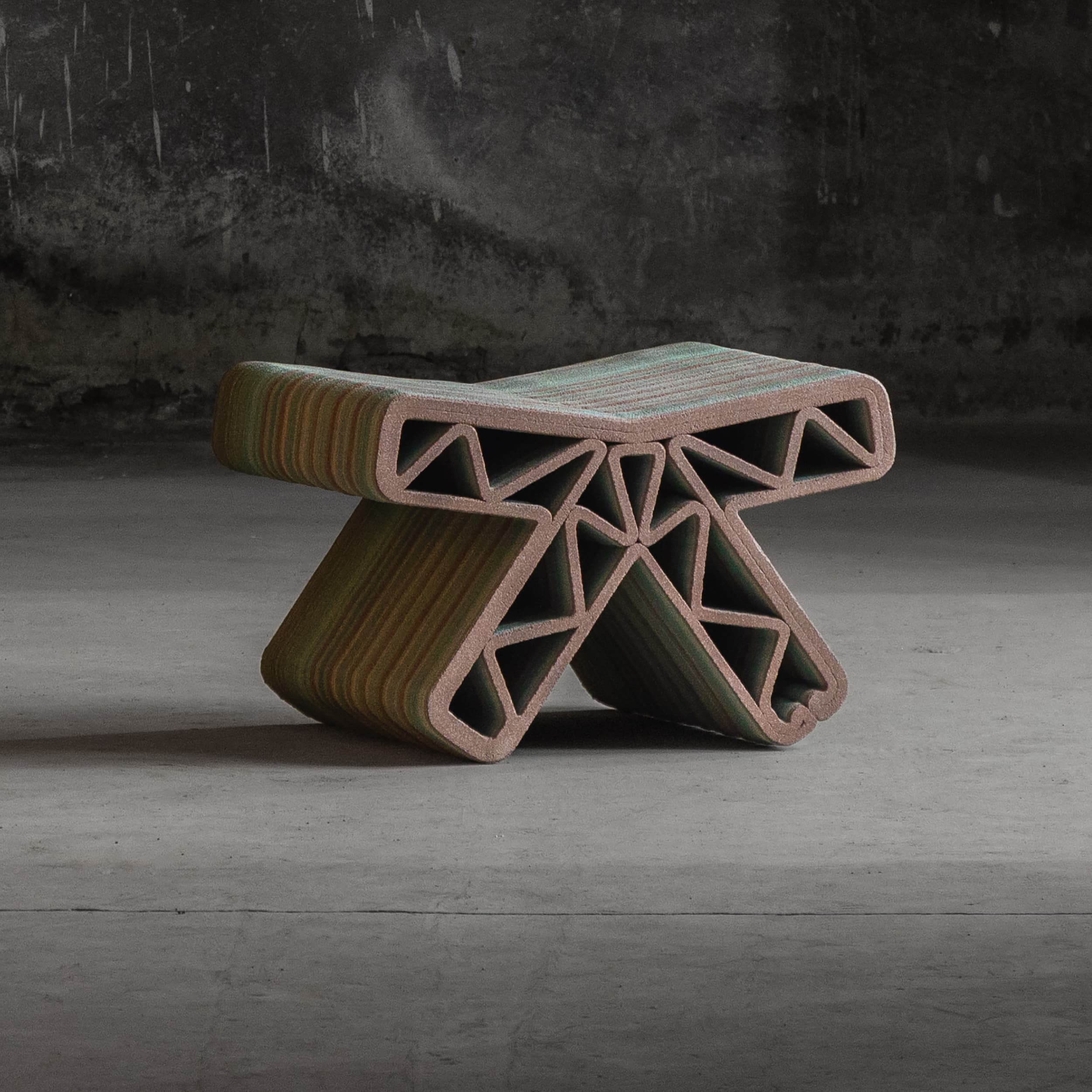
Since the Industrial Revolution, the high-consumption, high-emission model of extensive development has formed a linear flow of "extraction → use → disposal," fundamentally altering the Earth's material cycle and leading to multiple crises of pollution and depletion. For over a decade, BENTU has been exploring a closed-loop model: allowing materials to be used, consumed, decomposed, and released within industrial systems, and then recovered, regenerated, and reused — forming a circular ecological chain. Material recycling is the core path for resource optimization and ecologically sustainable design. Based on this, we conducted a full-process field investigation of ceramic solid waste in Jingdezhen, studying the morphology, texture, and process properties of waste materials from a materials science perspective, while also researching local waste-recycling entities, flow patterns, and additional carbon emissions generated during the regeneration process.
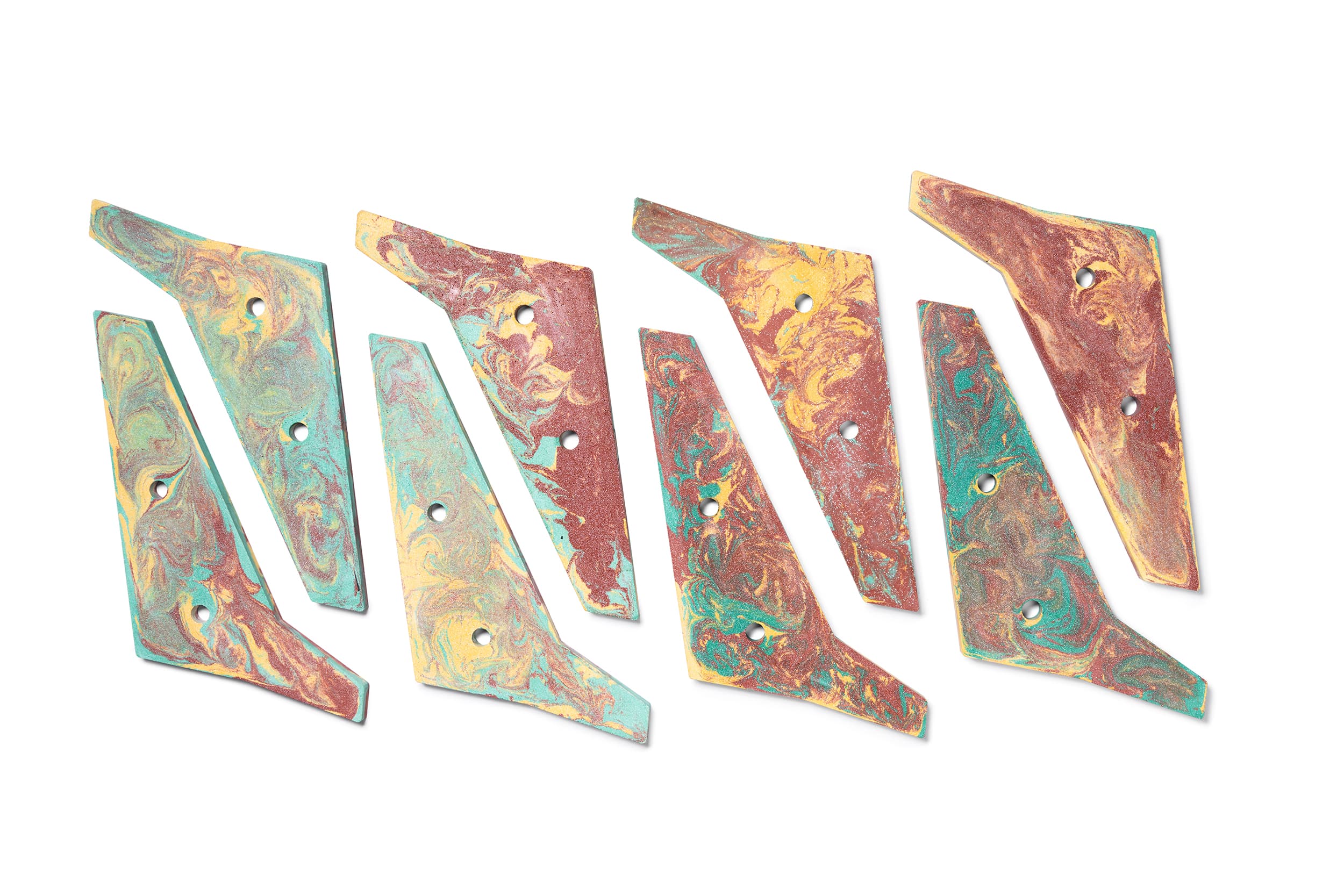
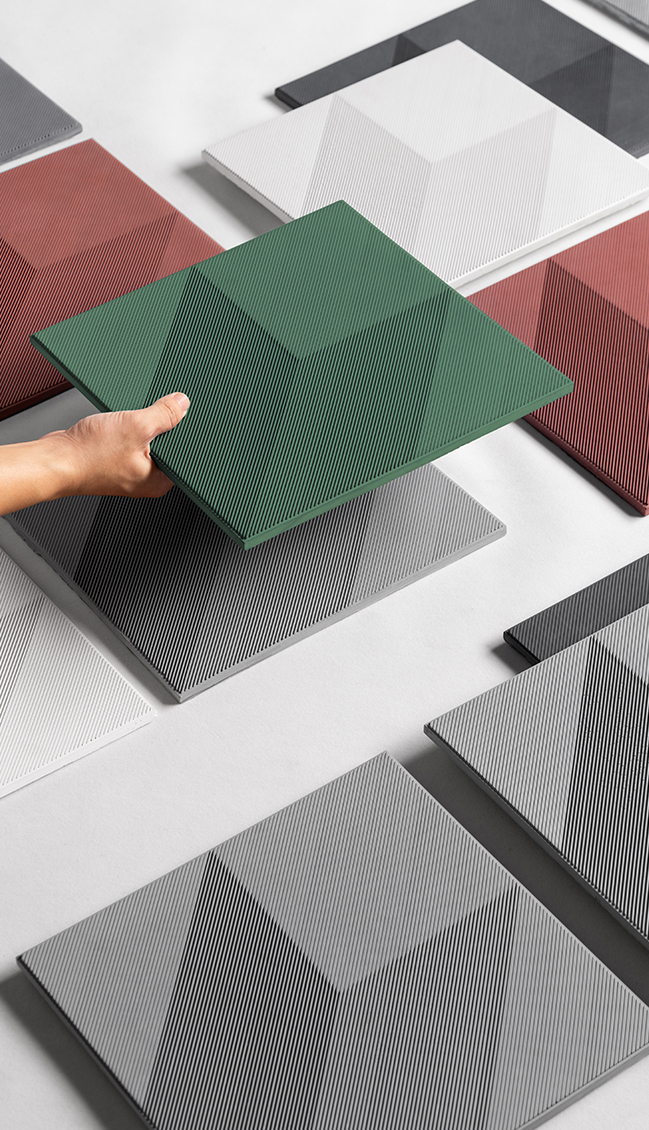
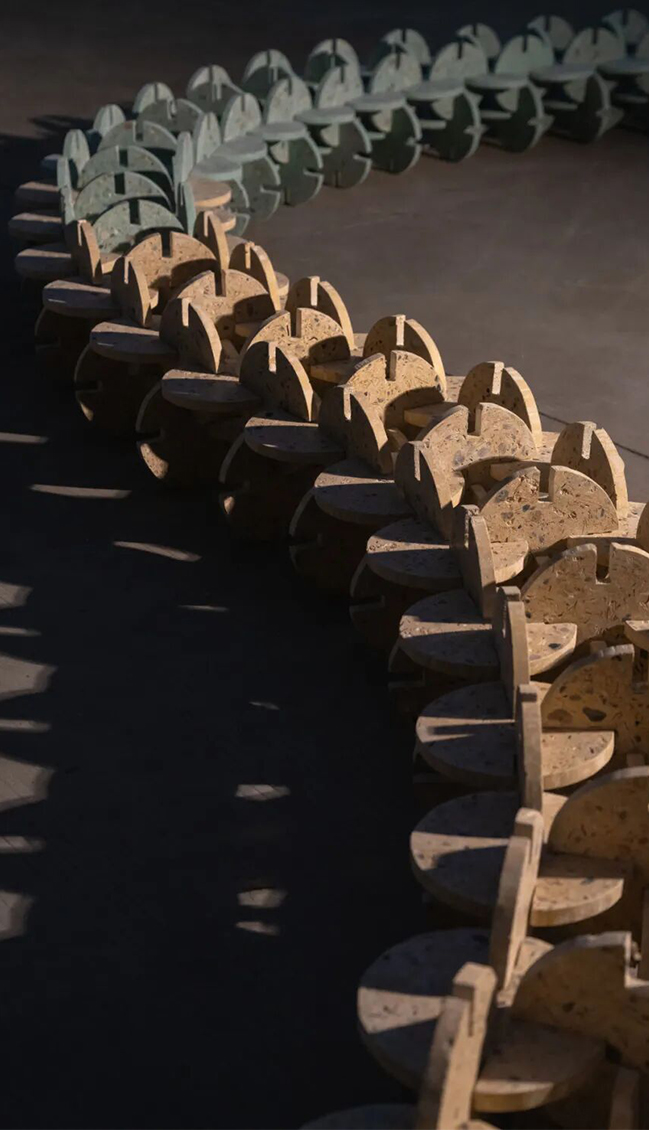
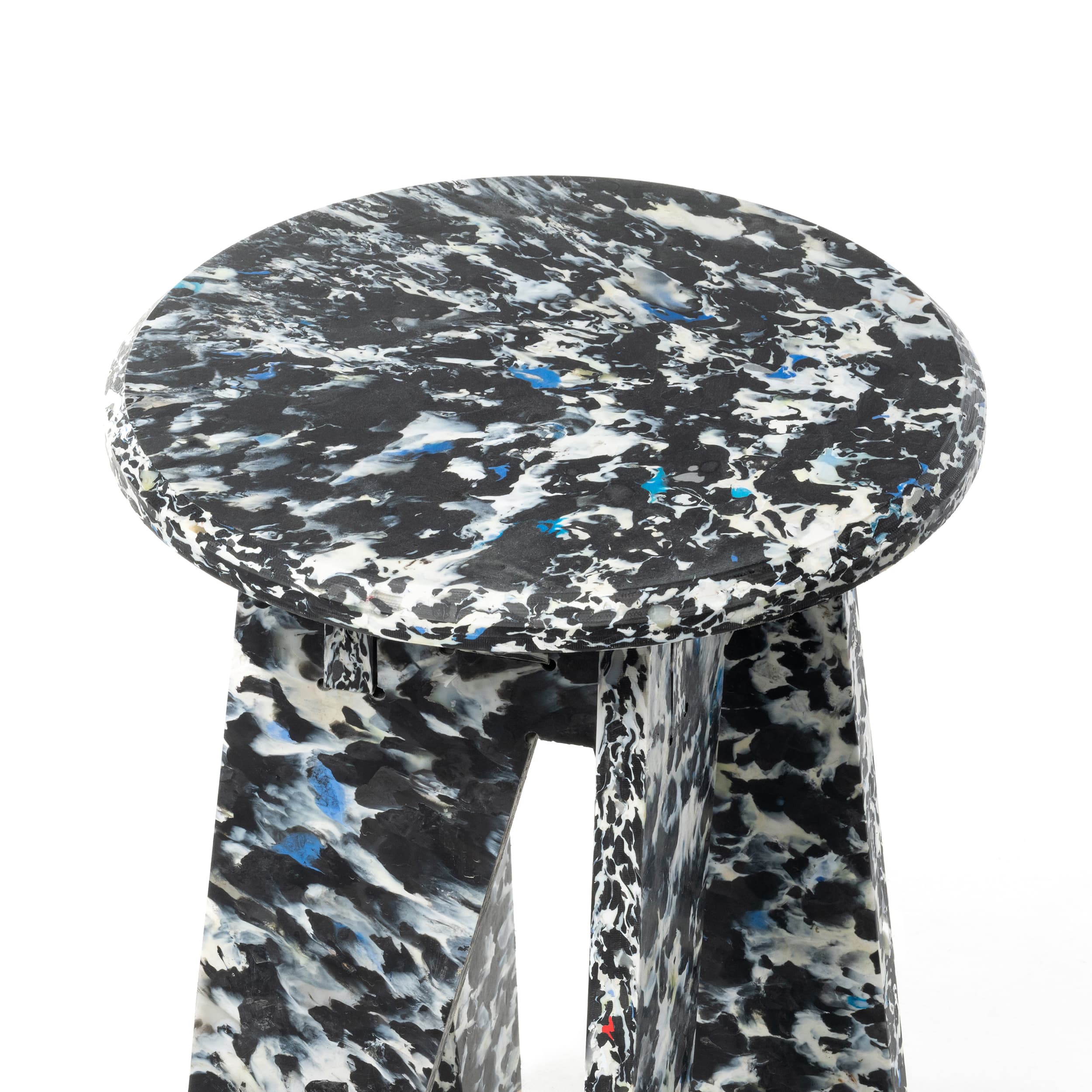
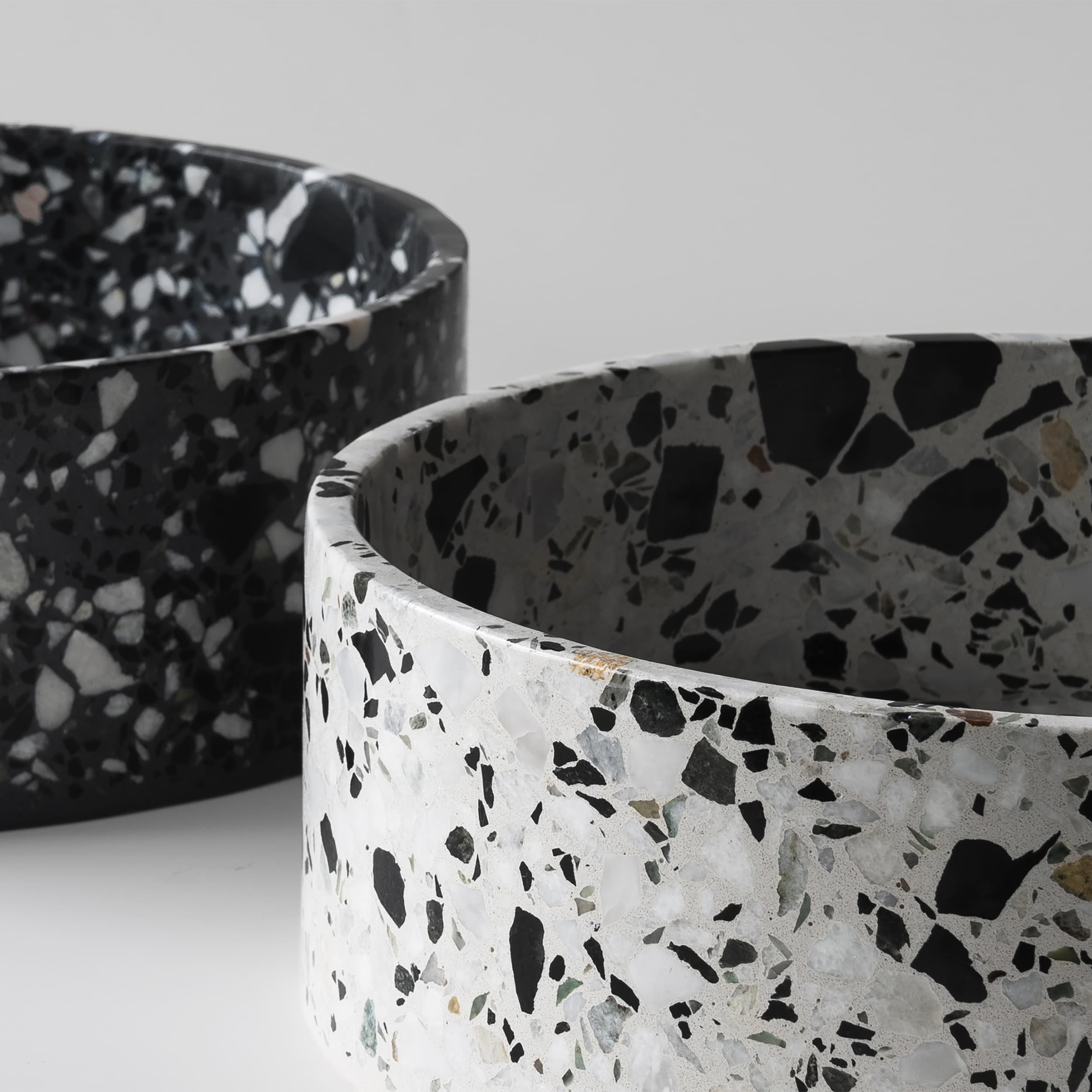
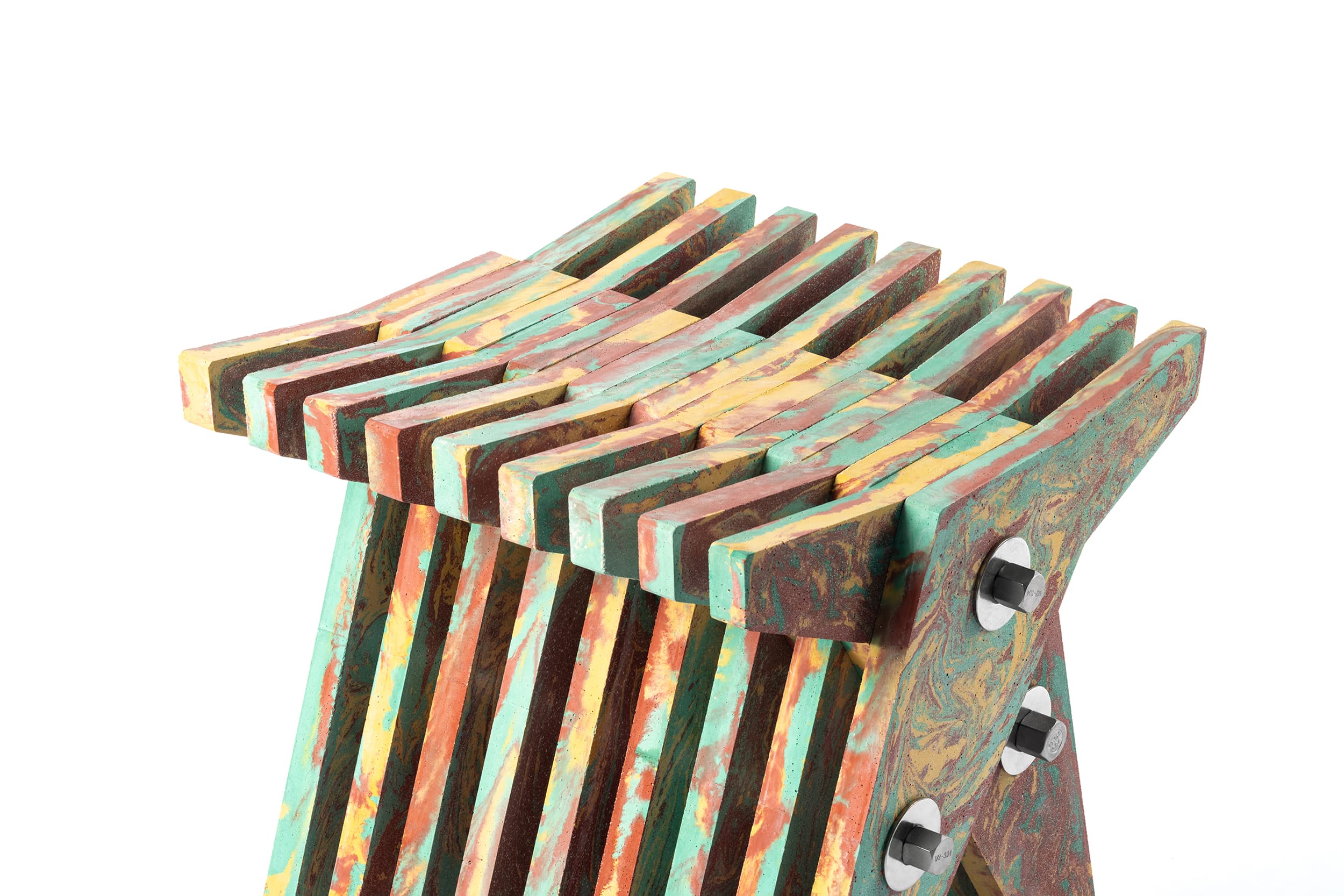
Extracting waste ceramic materials from Jingdezhen and integrating local cultural imagery, we allow material heritage and intangible culture to nourish each other. Waste materials undergo a value transformation, reconstructing the intrinsic connection between waste and ecology, and becoming new vessels that carry regional memory, human emotion, and the passage of time. Through material circulation and local culture as a bond, we create responsible, distinctive original products, endowing everyday objects with deeper meaning. This is both a reverence for the land and culture, and an illustration of the reciprocal relationship in which people shape objects and objects in turn nurture the human spirit — continuously exploring the possibilities of integrating local solid waste with modern aesthetics.
"The Second Mine" is also an action practice rooted in the field: examining local characteristics from a global perspective, deepening regional research and value transformation, countering the homogenizing effects of globalization, and sustaining balanced and enduring global development. The Earth's resources are finite. Overexploitation and pollution have triggered severe ecological problems such as climate change and biodiversity loss. Globalization and locality are two sides of the same coin — the unity of universality and particularity, and an inevitable direction for coordinated global development. We need to redefine the use of land and resources, strengthen sustainable management and ecological protection, and unlock hidden resources and development potential. From ecological, economic, social, and cultural perspectives, this local exploration and adaptive practice is a crucial path for addressing the transformations of our time. We must also clarify our responsibilities for the present and future, uphold behavioral boundaries, avoid irreversible damage to ecosystems, and practice sustainable design with humanistic ethics.
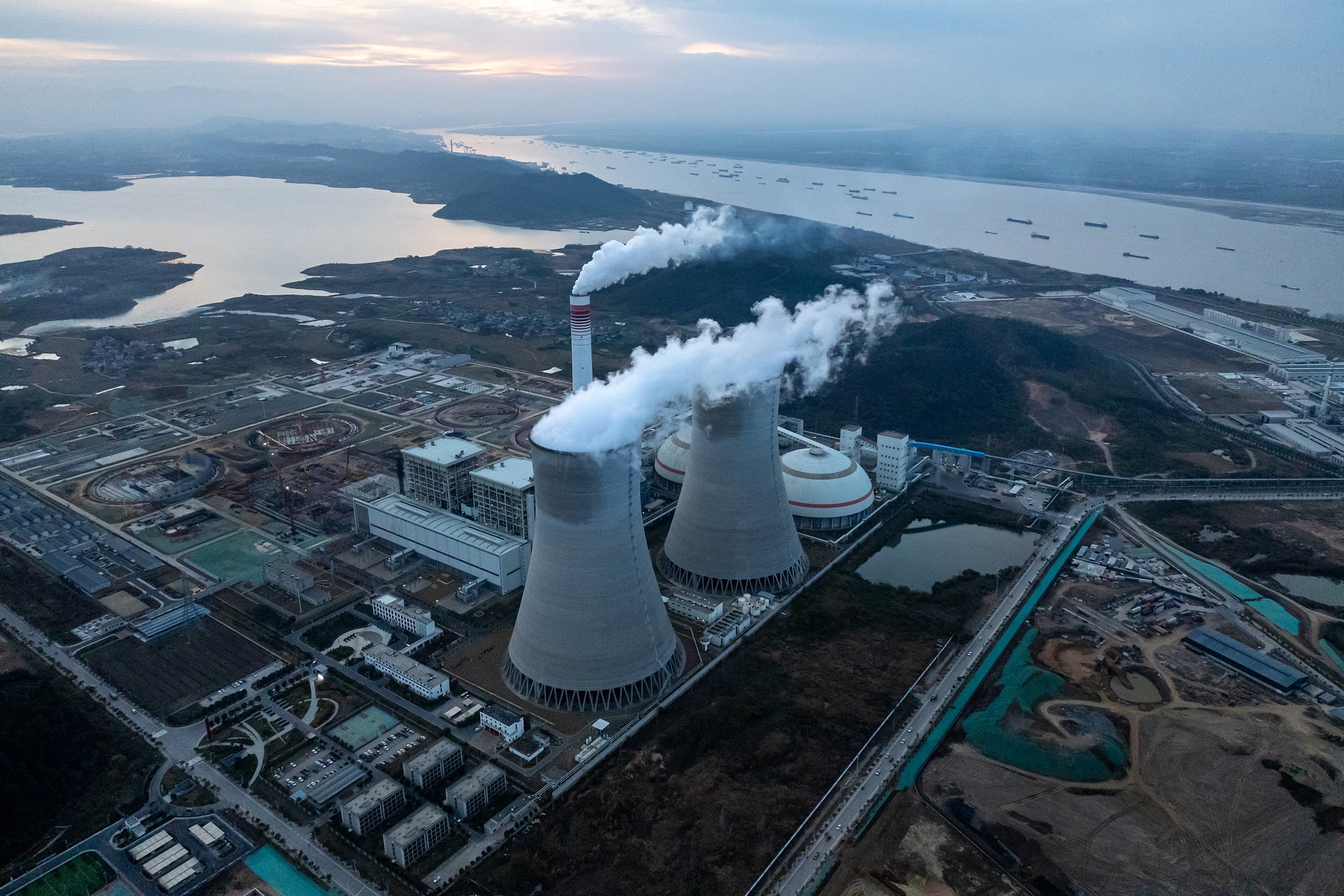
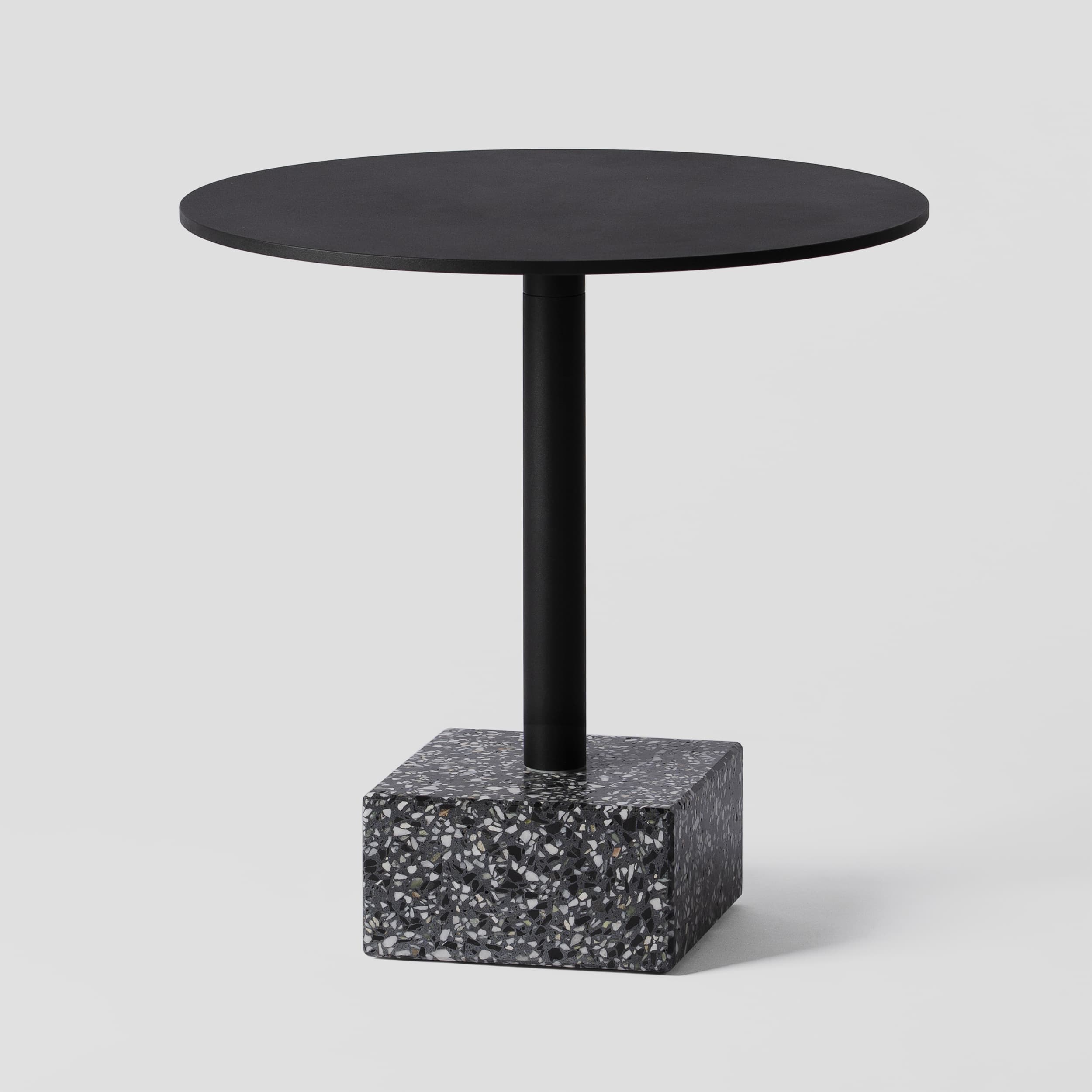
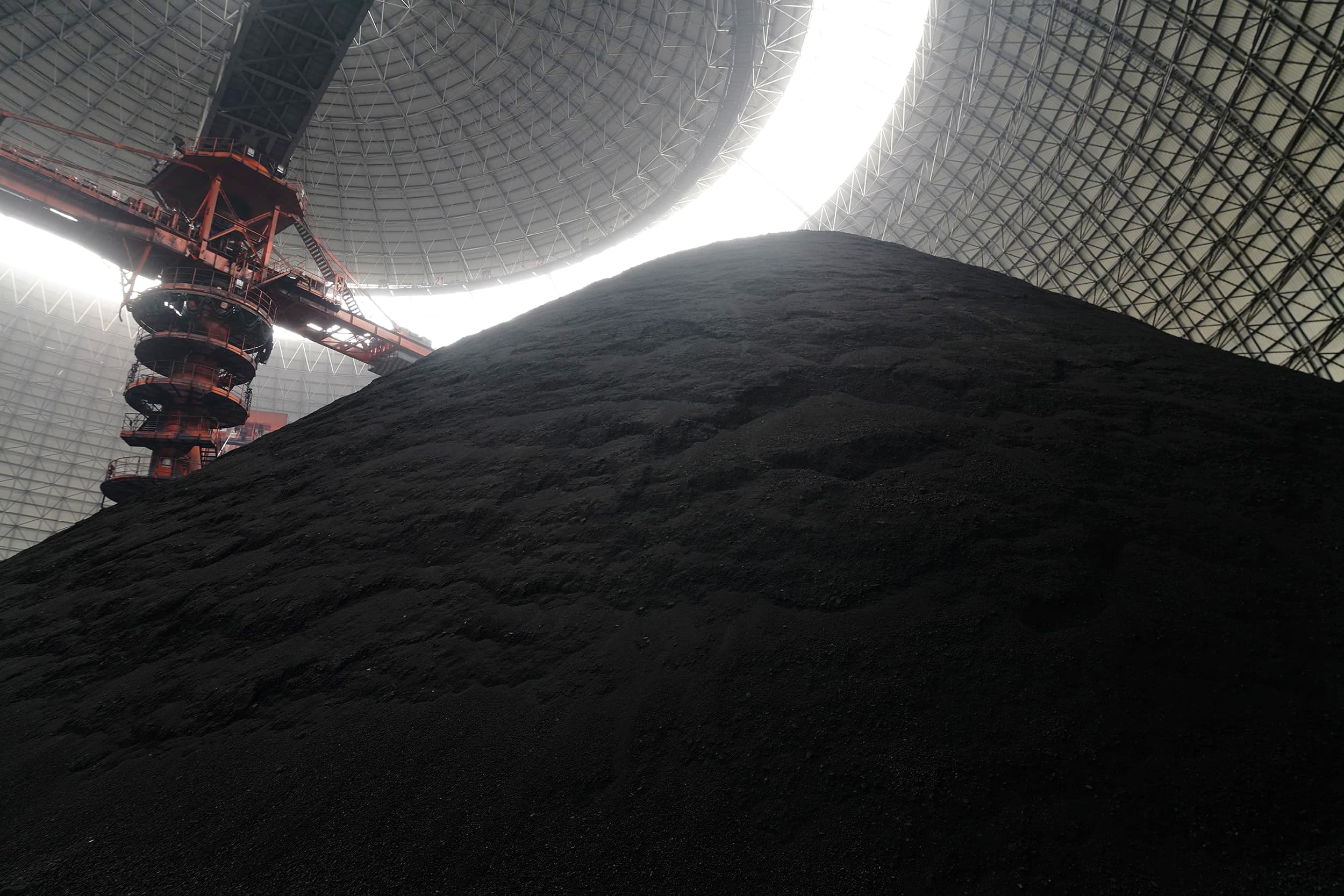
The Shenhua Power Plant in Hukou County, located at the confluence of Poyang Lake and the Yangtze River, generates large amounts of fly ash daily. Fly ash consists of fine ash and slag collected from flue gas dust removal in coal-fired boilers — byproducts of the comprehensive utilization of coal gangue and coal slime. Industry statistics show that for every 100 tons of coal burned, 15 to 45 tons of fly ash are produced. China's annual fly ash output remains between 600 and 800 million tons. Traditional disposal — mainly landfill and open stacking — not only occupies land but also continuously pollutes soil, water, and air, threatening regional ecosystems and living environments. From a circular economy perspective, fly ash is truly an urban mine. Promoting the resource utilization of fly ash can reduce pollution, protect ecosystems, conserve primary resources, improve building material performance, and support soil improvement — all while reducing carbon emissions. It holds significant ecological, economic, and social value.
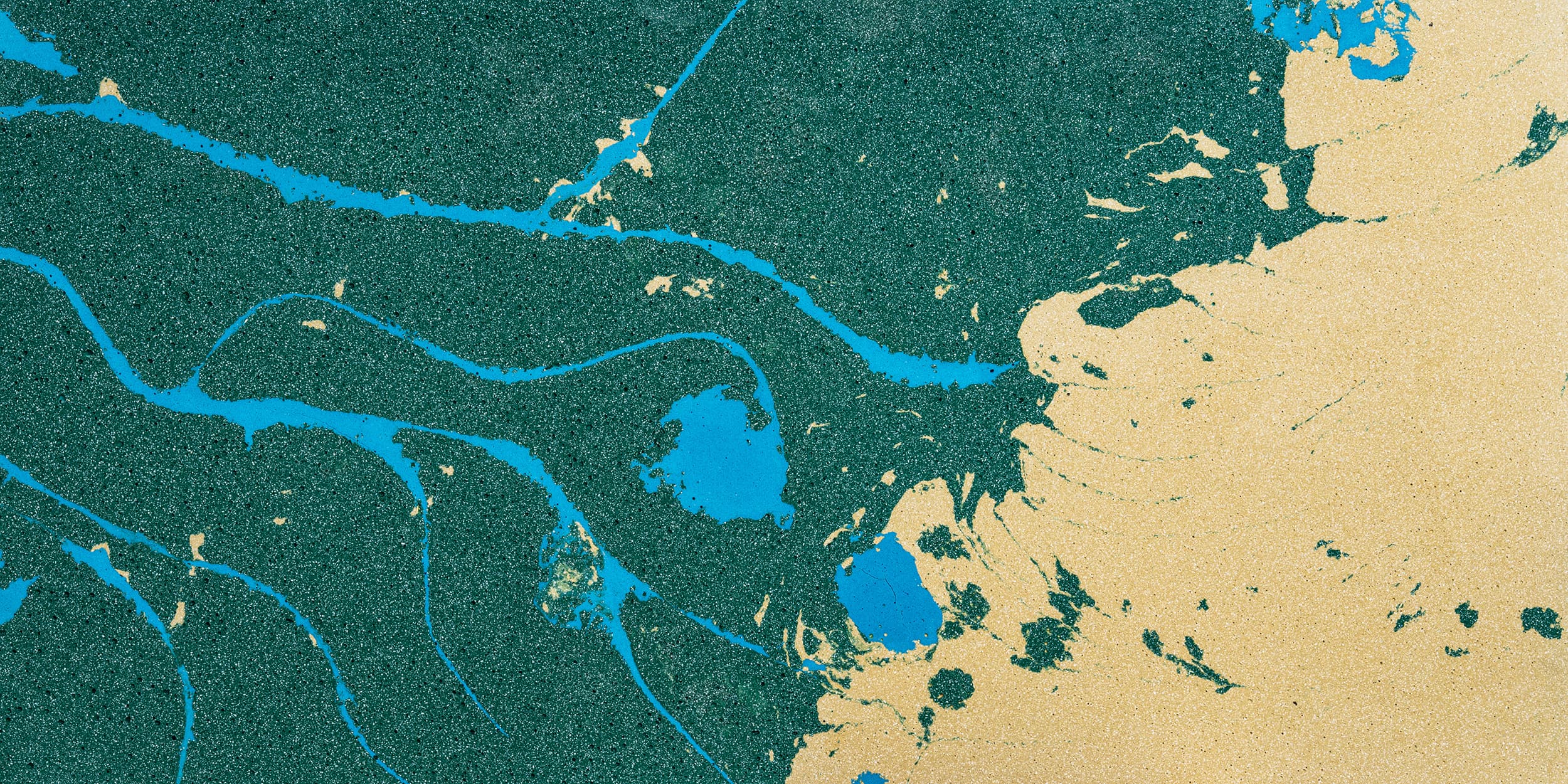
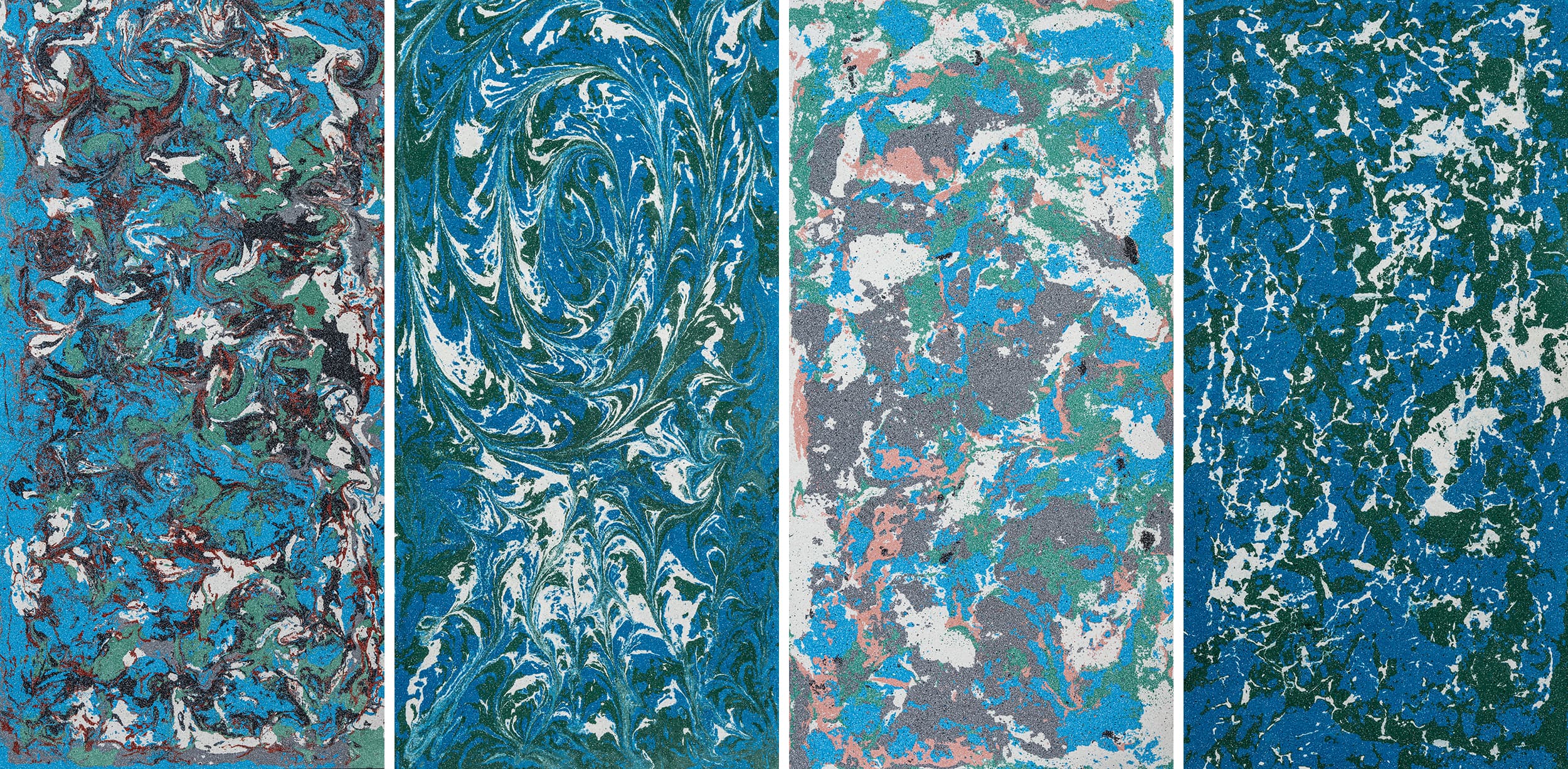
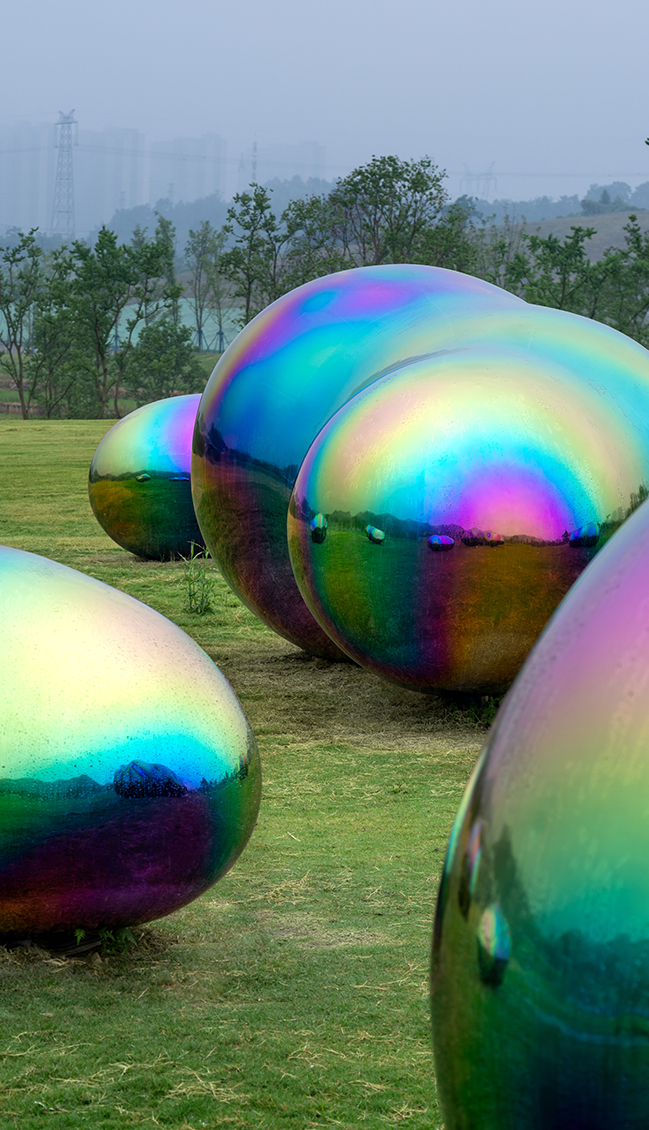
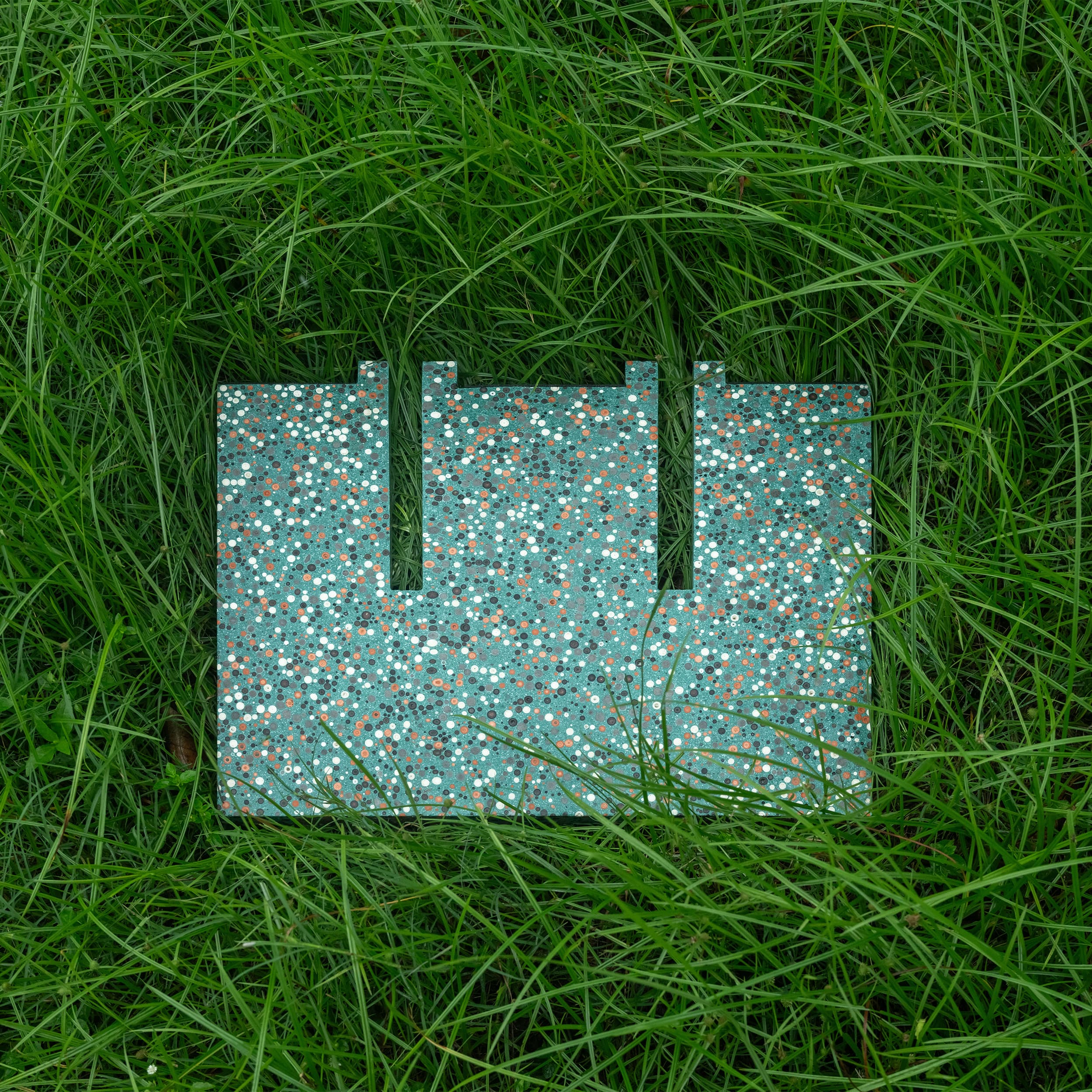
Adjacent to the Shenhua Power Plant is Poyang Lake, China's largest freshwater lake and a national nature reserve — a precious natural treasure. The local natural environment always awakens people's sense of home, refines aesthetic perception, and helps us understand the deep connection between existence and growth. Light and water reflect each other; wind and clouds move; water vapor rises into rain and dew, nourishing the earth, flowing into rivers and seas, sustaining all living things — forming a never-ending rhythm of life.
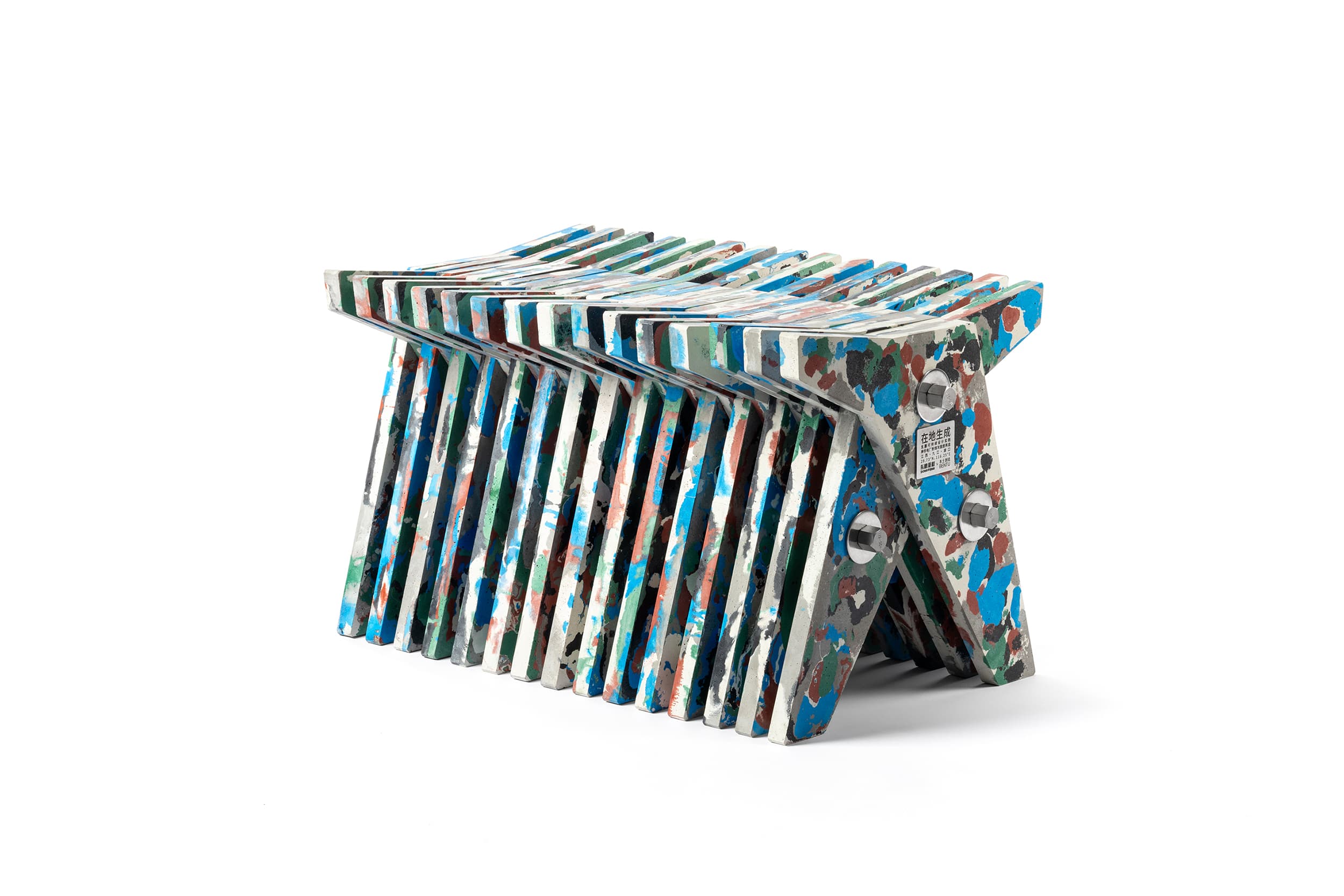
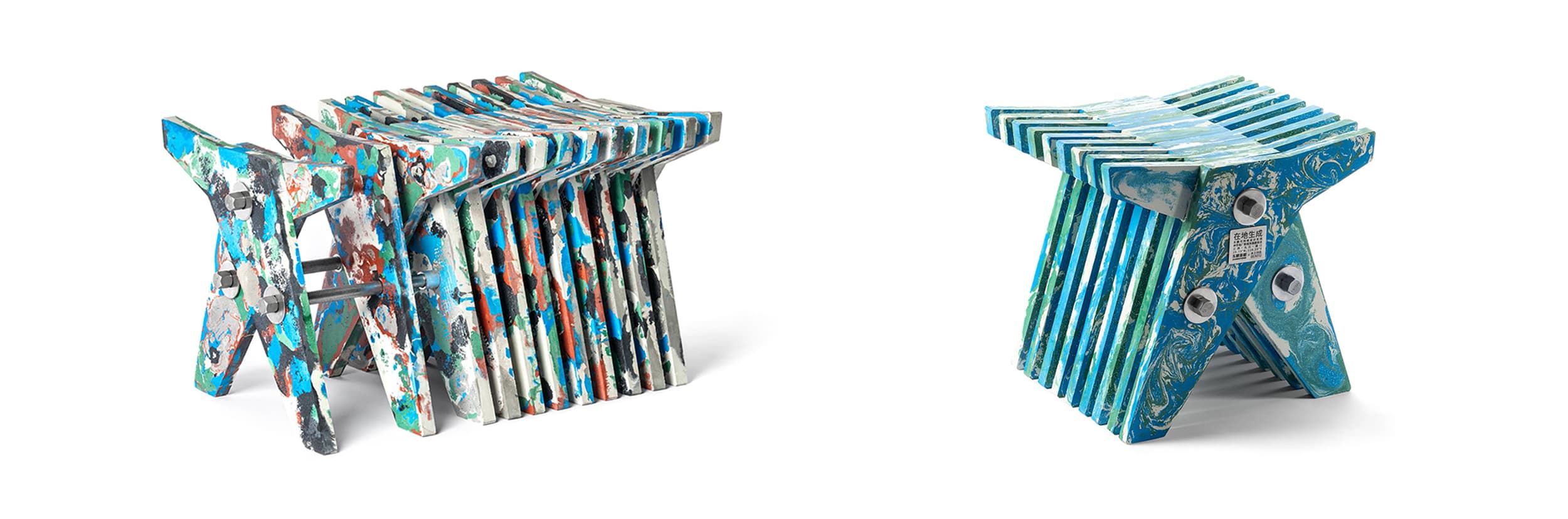
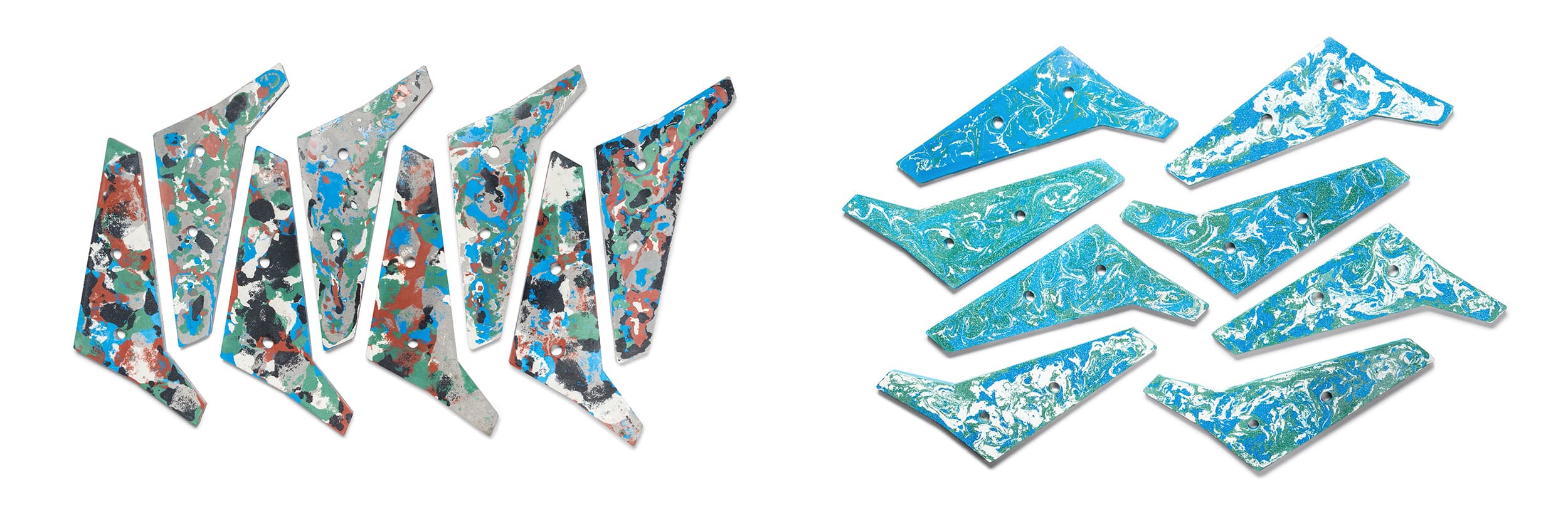
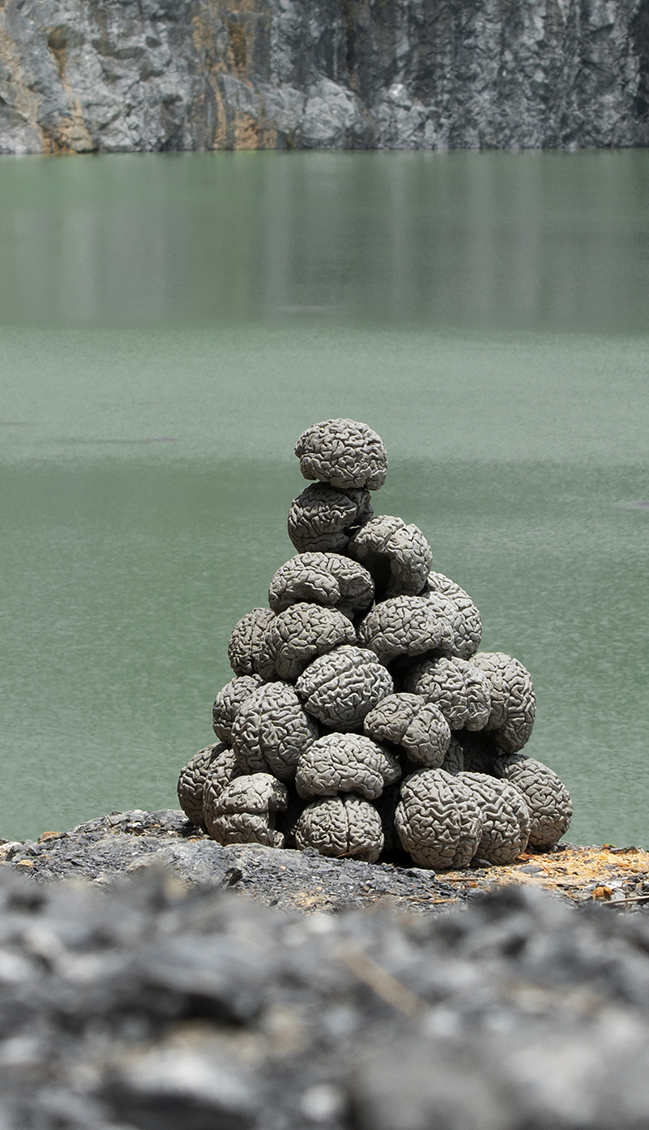
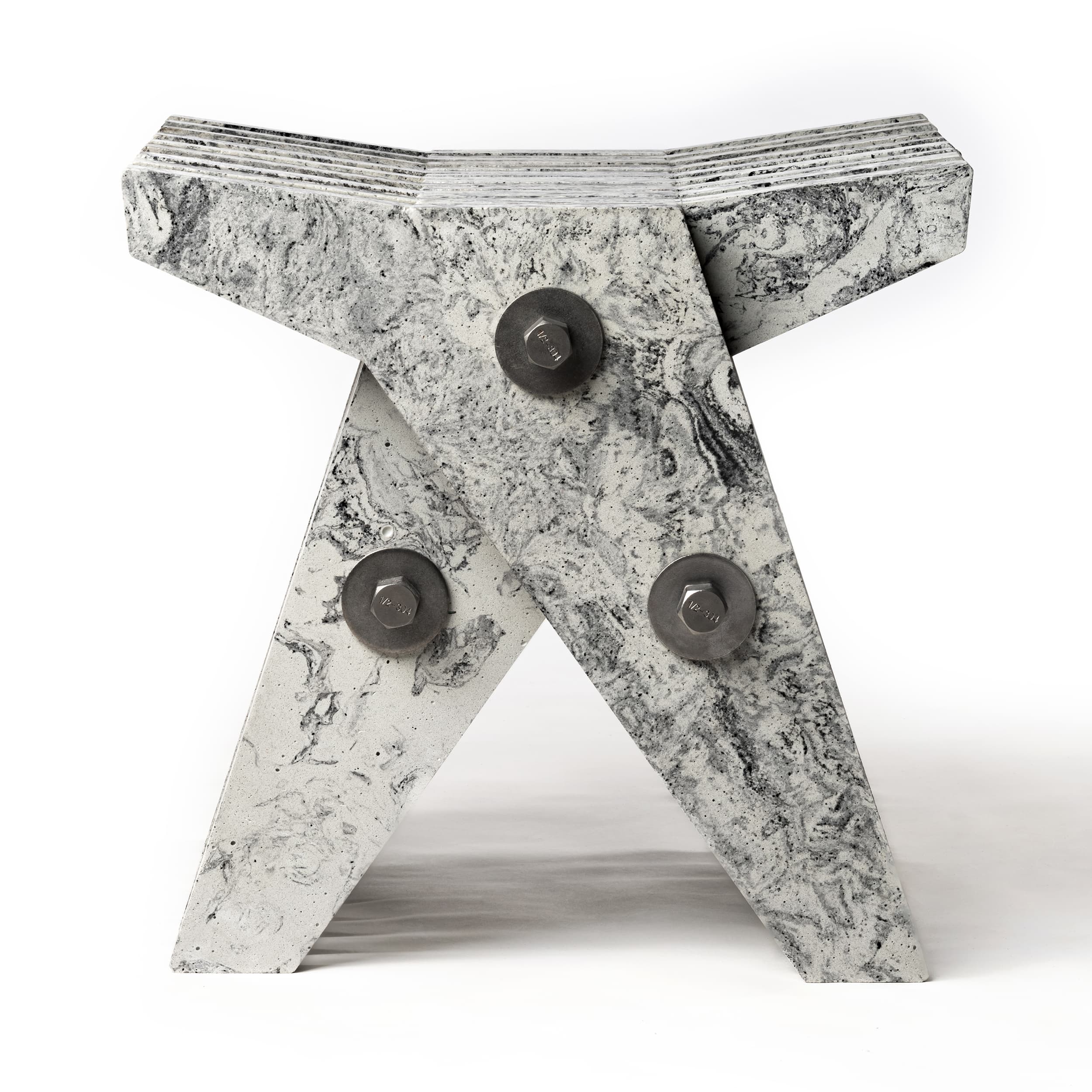
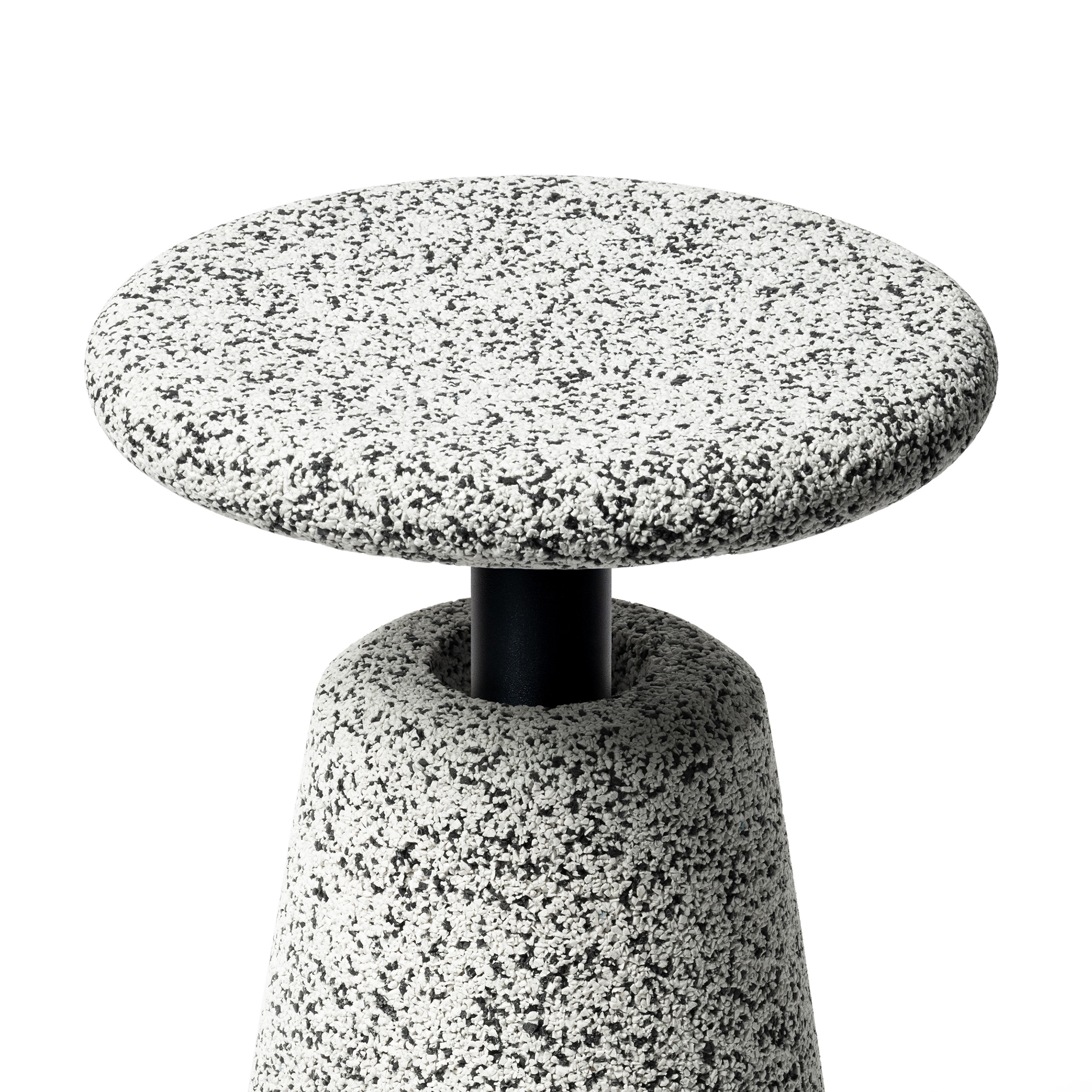
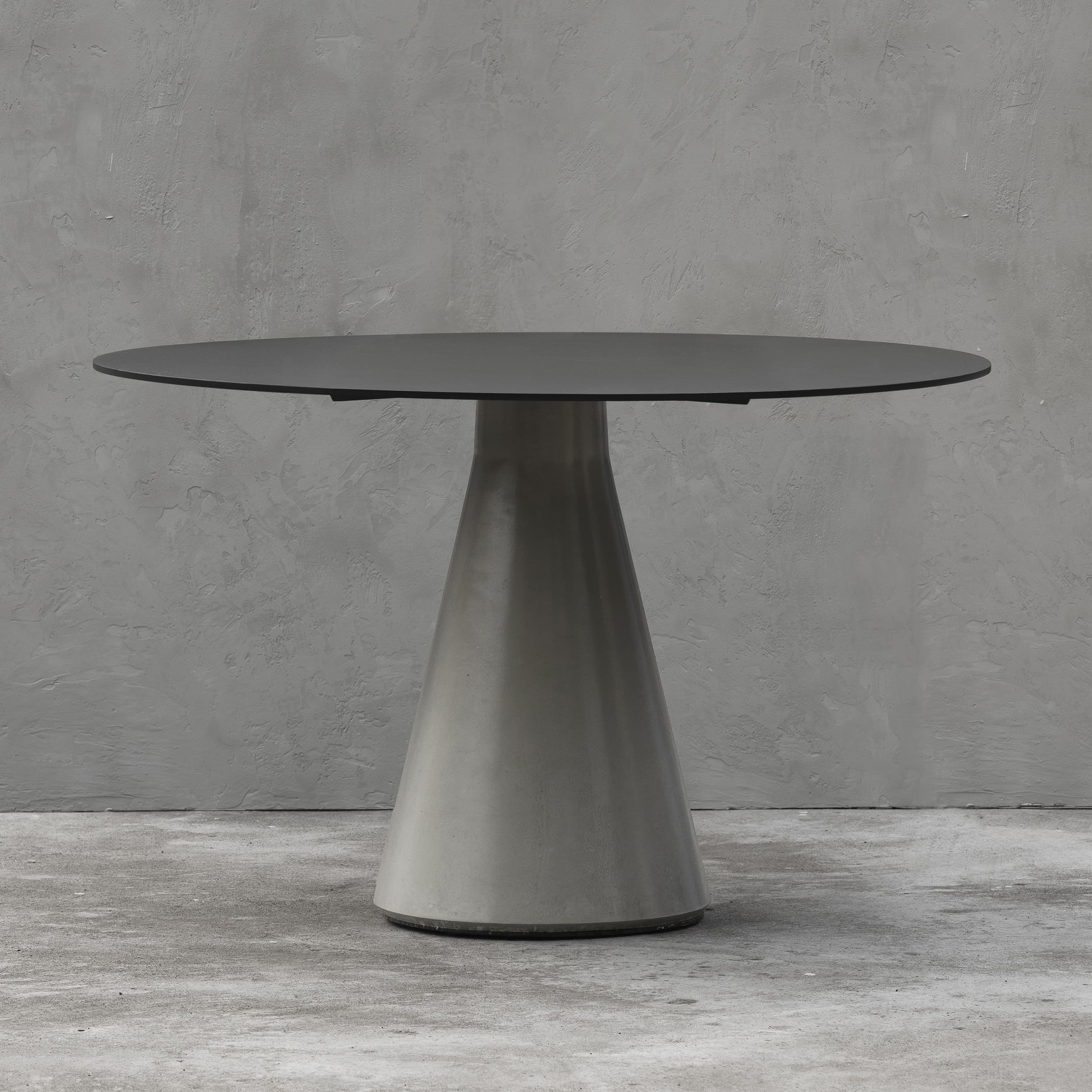
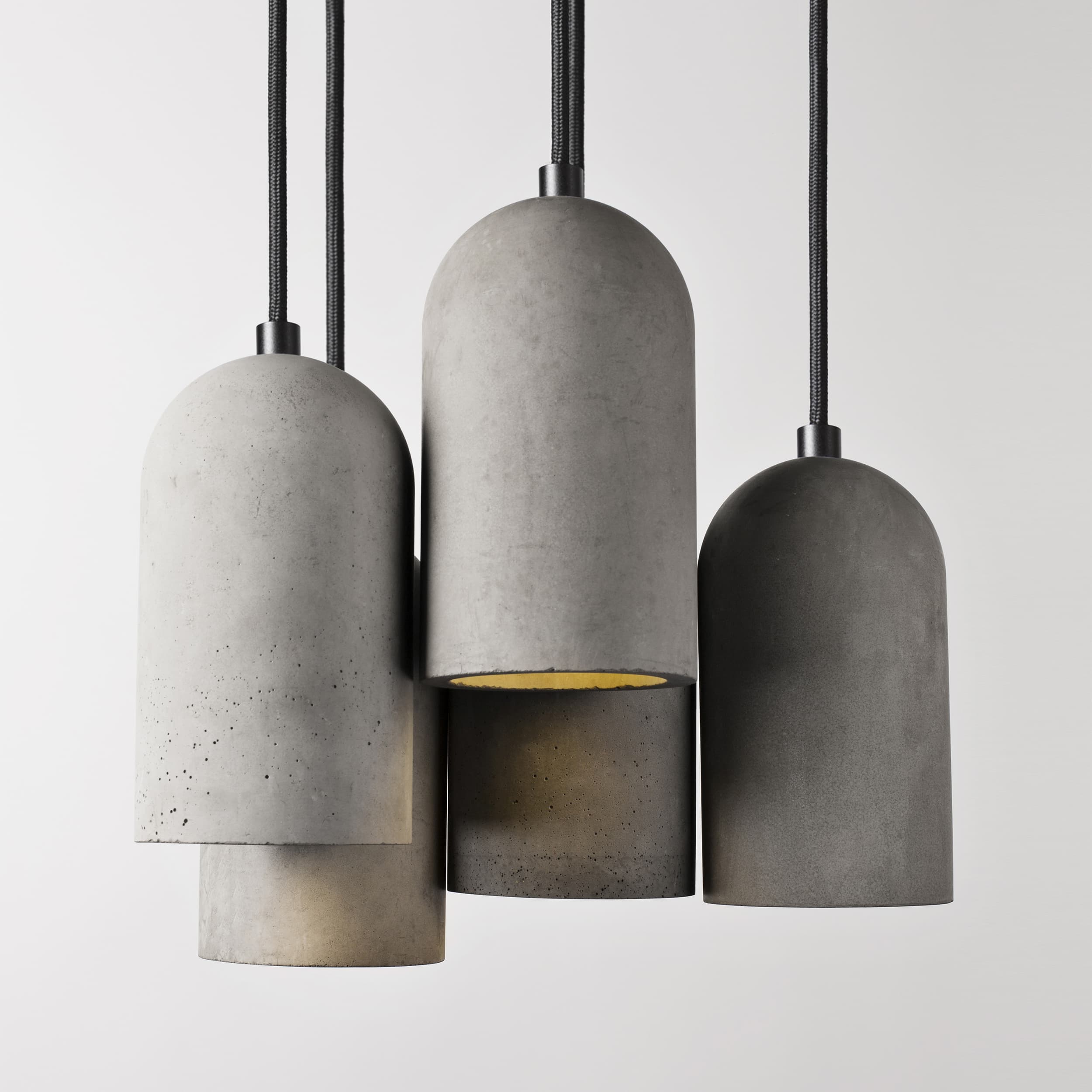
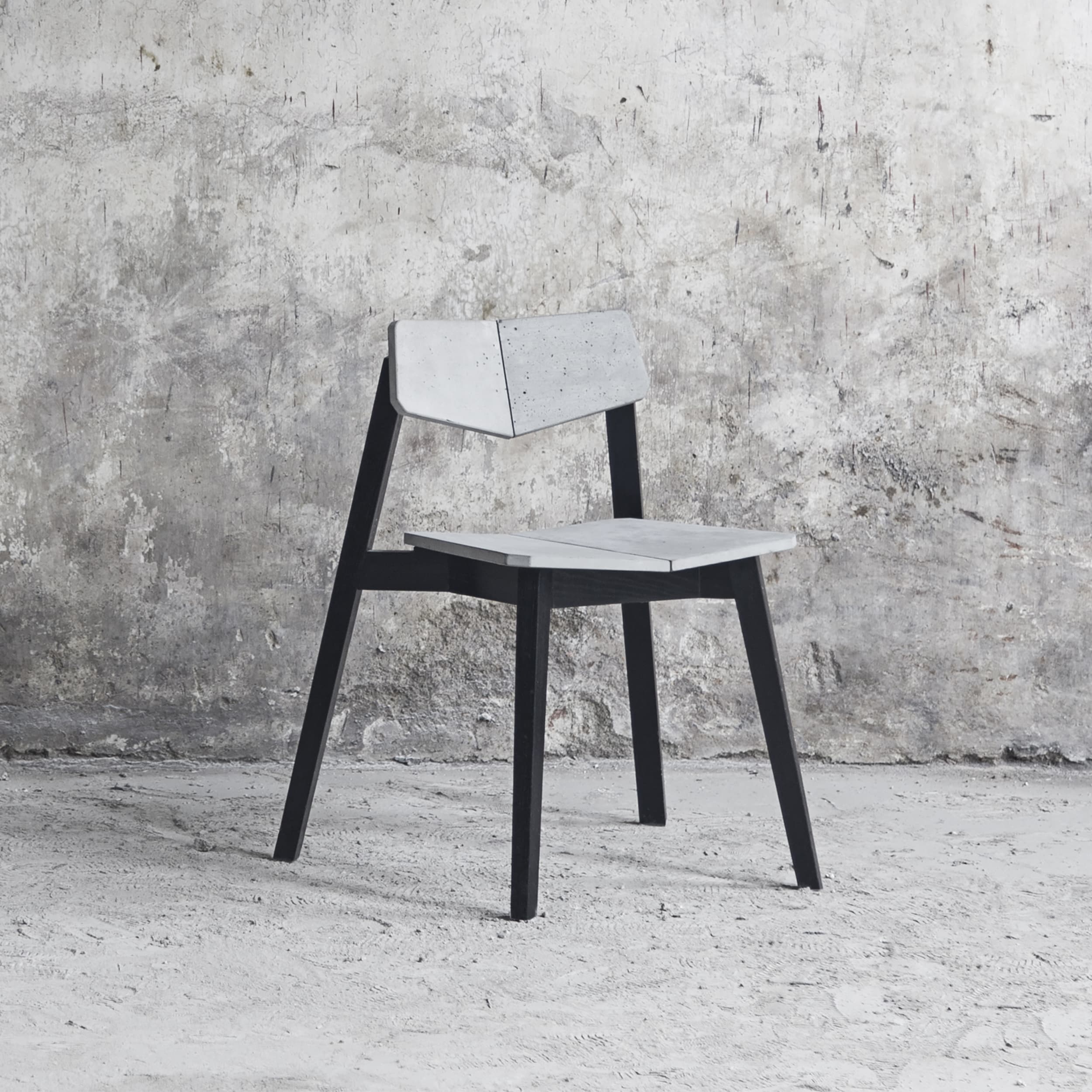
Developing new materials from fly ash from the Shenhua Power Plant, incorporating the natural imagery of Poyang Lake into design, allowing the waste byproducts of one industry to become the raw materials of the next, and implementing localized circular production — this is a quintessential local sustainable practice. We excavate the potential of solid waste materials, break traditional application boundaries, and distill a unique natural-industrial aesthetic language. Returning industrial solid waste to daily life, refining products with reverence for ecology, we endow materials with the human stories of industrial revitalization and ecological transformation.
"The Second Mine" is a new concept of industrial manufacturing rooted in sustainable development, a value practice of comprehensive material utilization across the entire industrial chain, and an important indicator of a company's technological capability and green transformation. Its core goal is to reduce waste emissions at the source, increase resource recovery rates, lower dependence on mineral resources, and minimize the ecological disruption caused by human activities.
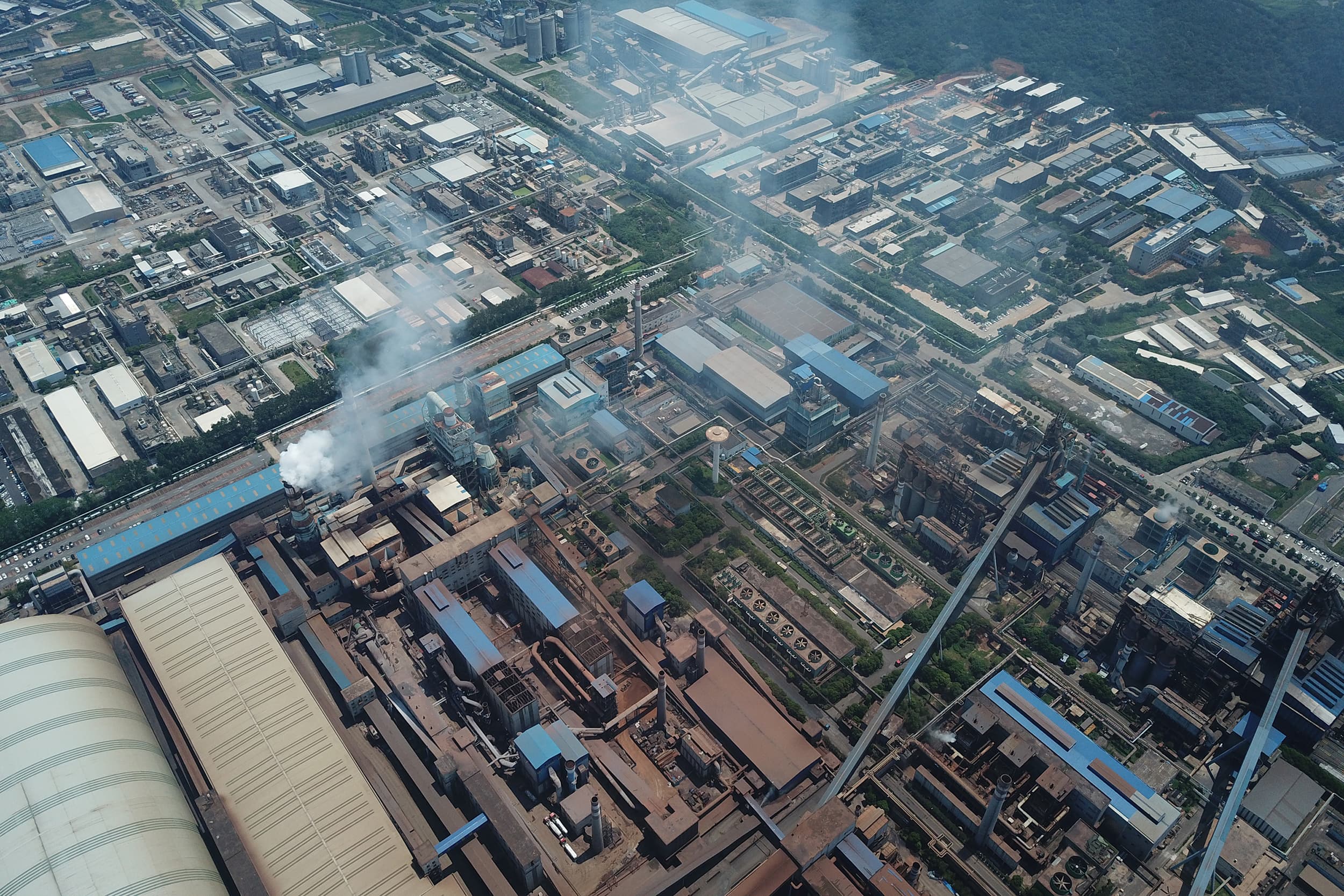
At the Jiujiang Steel Plant, imported iron ore is smelted and processed, generating large quantities of steel slag and water-coal slag — piles that emit pungent odors. Steel slag is a non-metallic byproduct of steel smelting, primarily composed of oxides and silicates, forming blocks or particles after cooling. If randomly piled and improperly disposed of, heavy metals can leach into the soil, damaging soil structure and inhibiting vegetation growth. Rainwater runoff carries pollutants into rivers and lakes, causing water pollution. Dust generated during stacking and transport continuously worsens air quality. Strictly controlling steel slag landfill and promoting resource utilization have become industry consensus and the only viable solution.
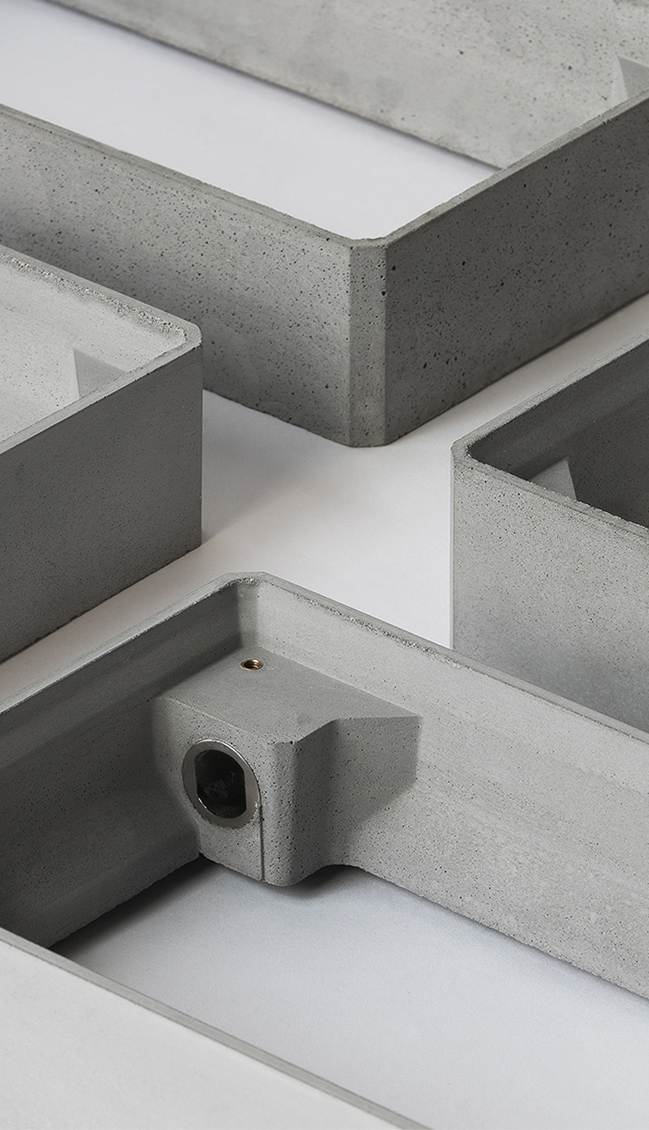
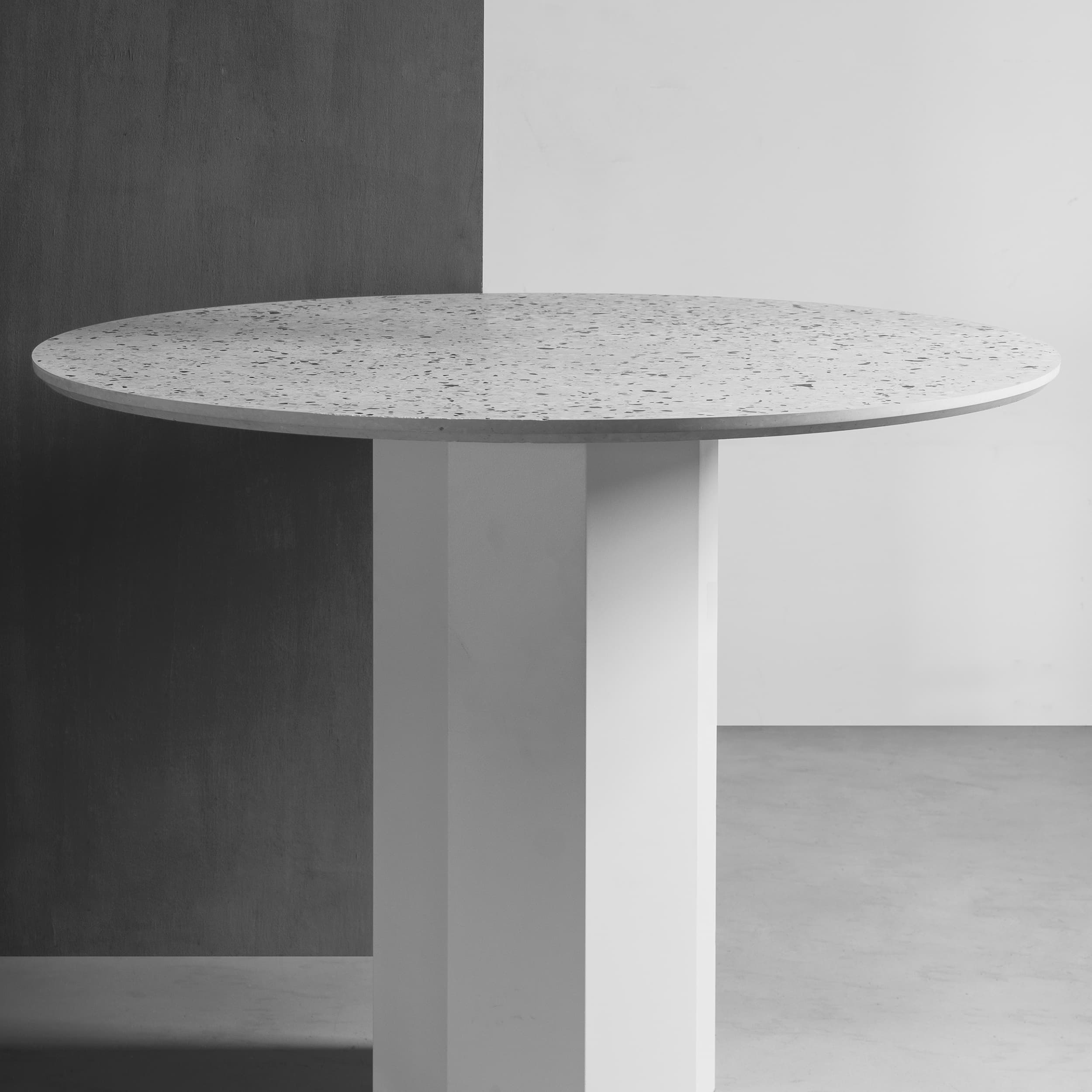
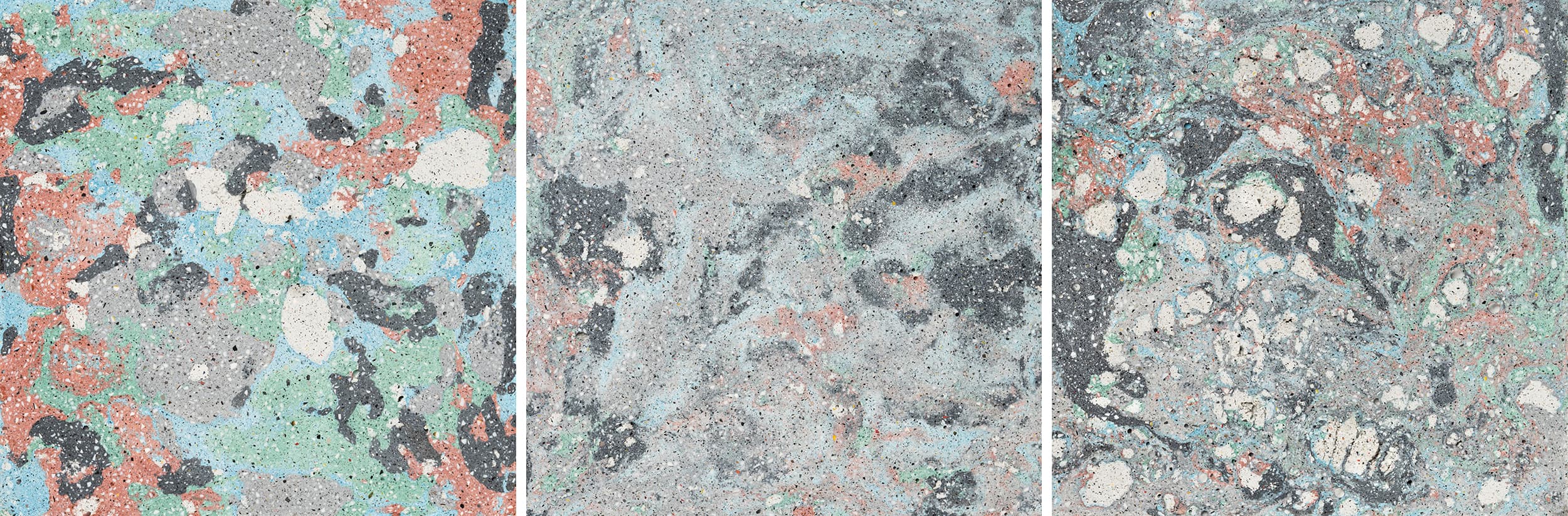
We have conducted in-depth research on the physical and chemical properties of steel slag from the Jiujiang Steel Plant. Through processes such as water quenching, granulation, drying, and grinding into ultrafine powder, we obtain a safe, stable, high-performance recycled material. Transforming waste steel slag into useful products conserves primary minerals, reduces extraction, delays resource depletion, and eases ecological pressure.
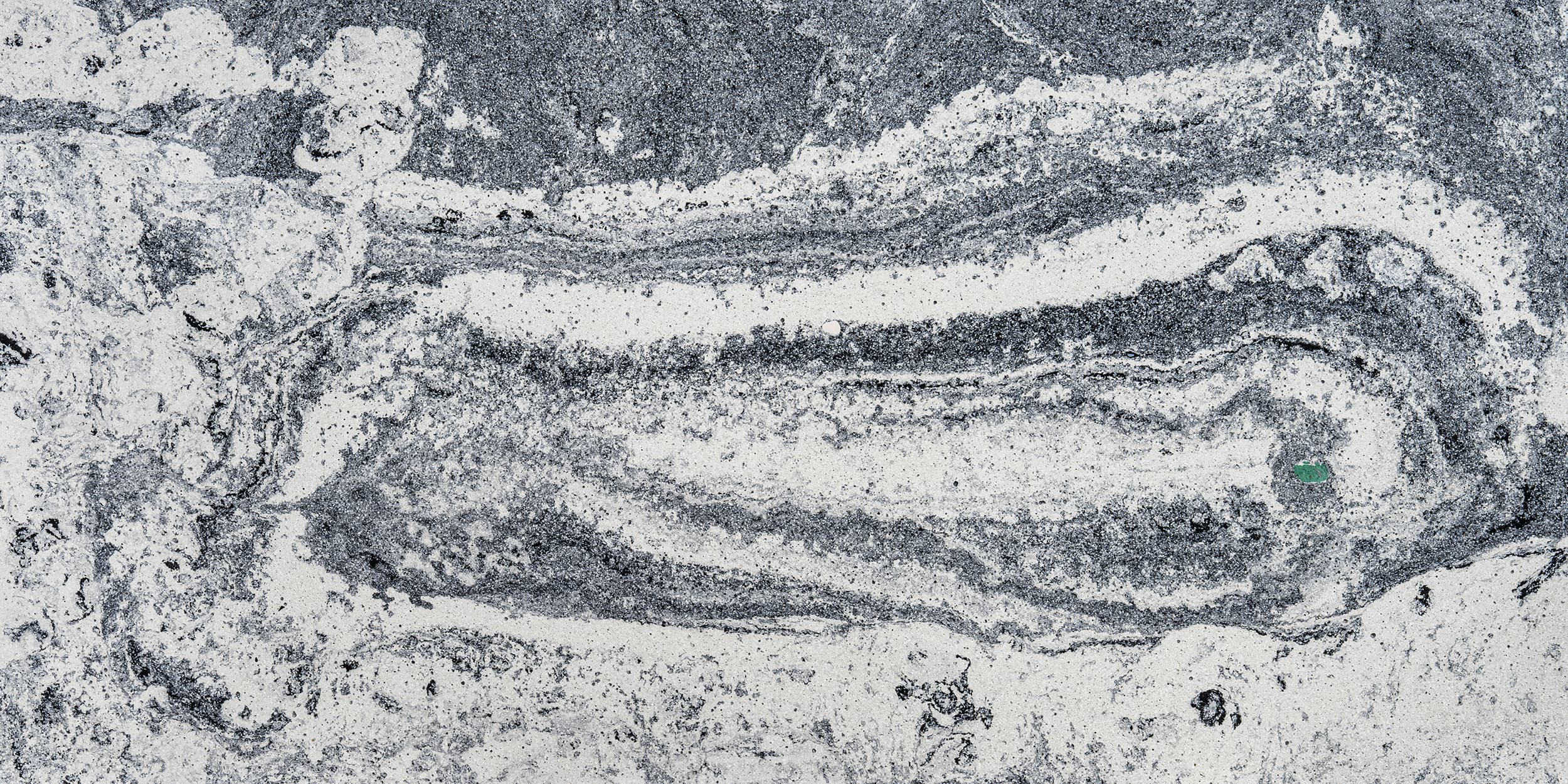
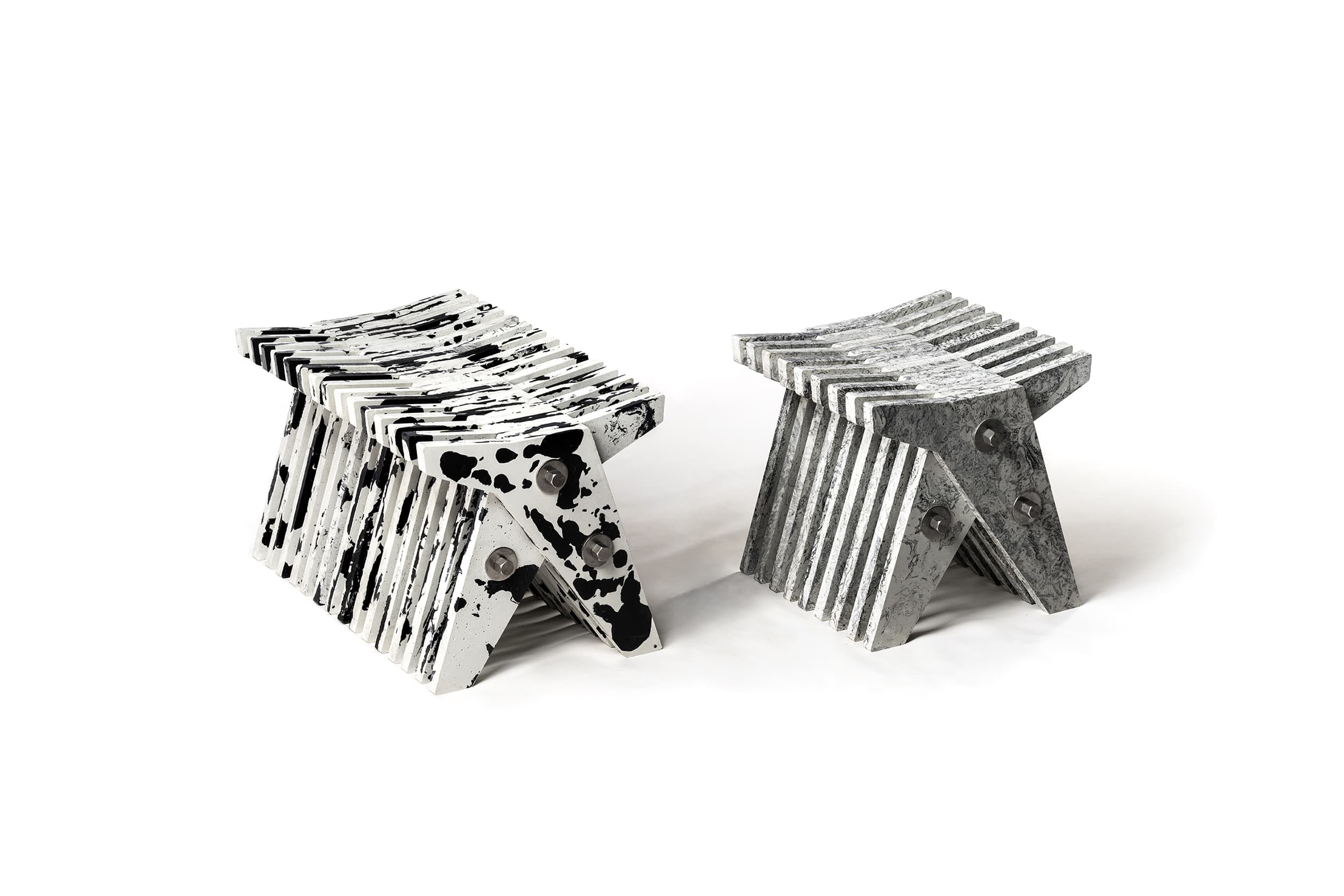
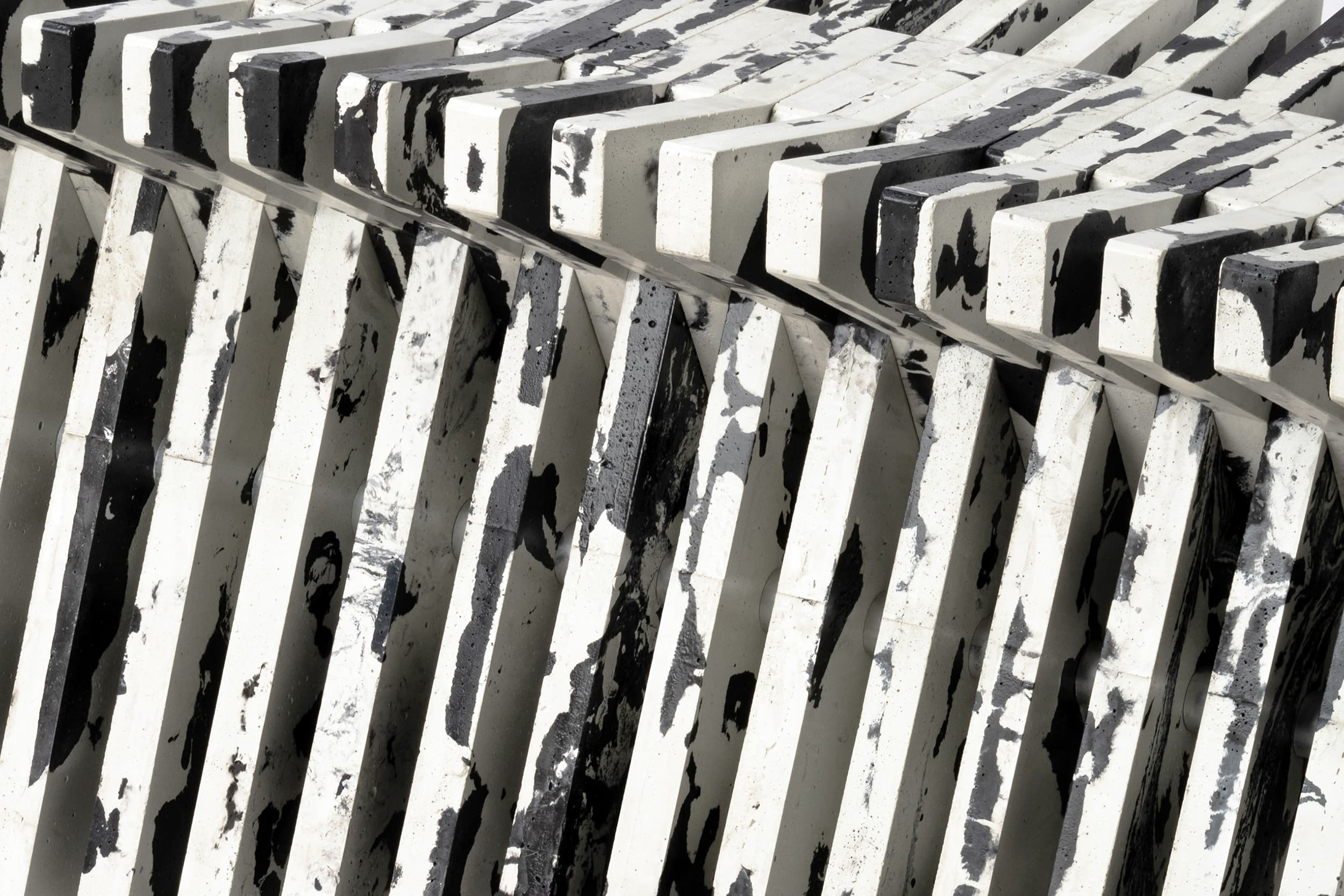
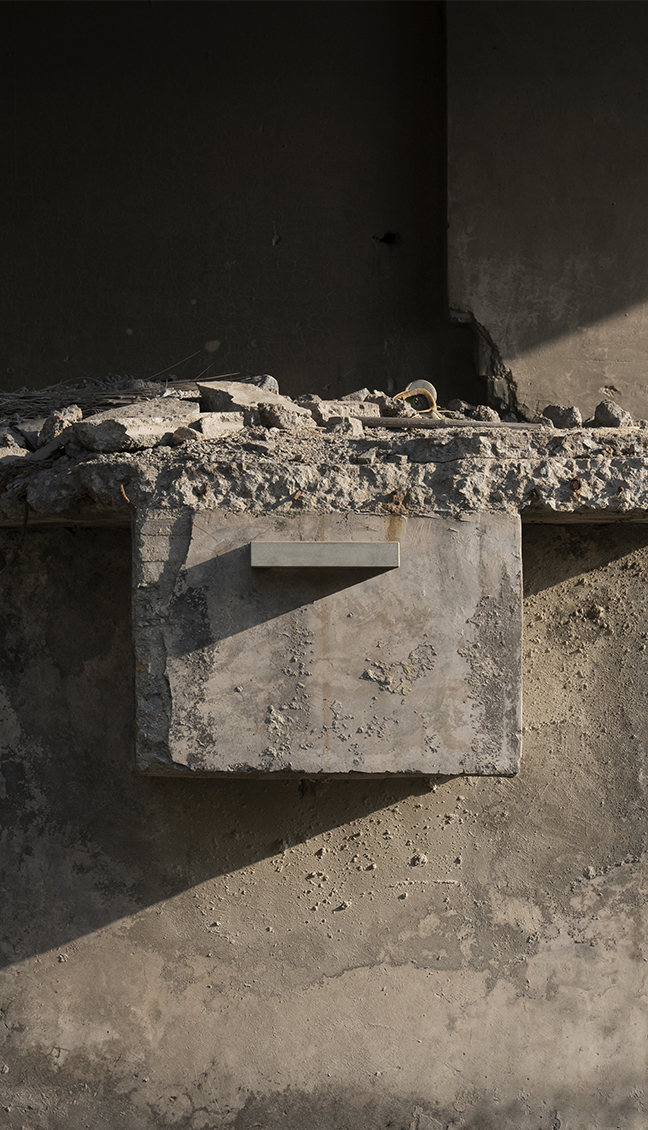
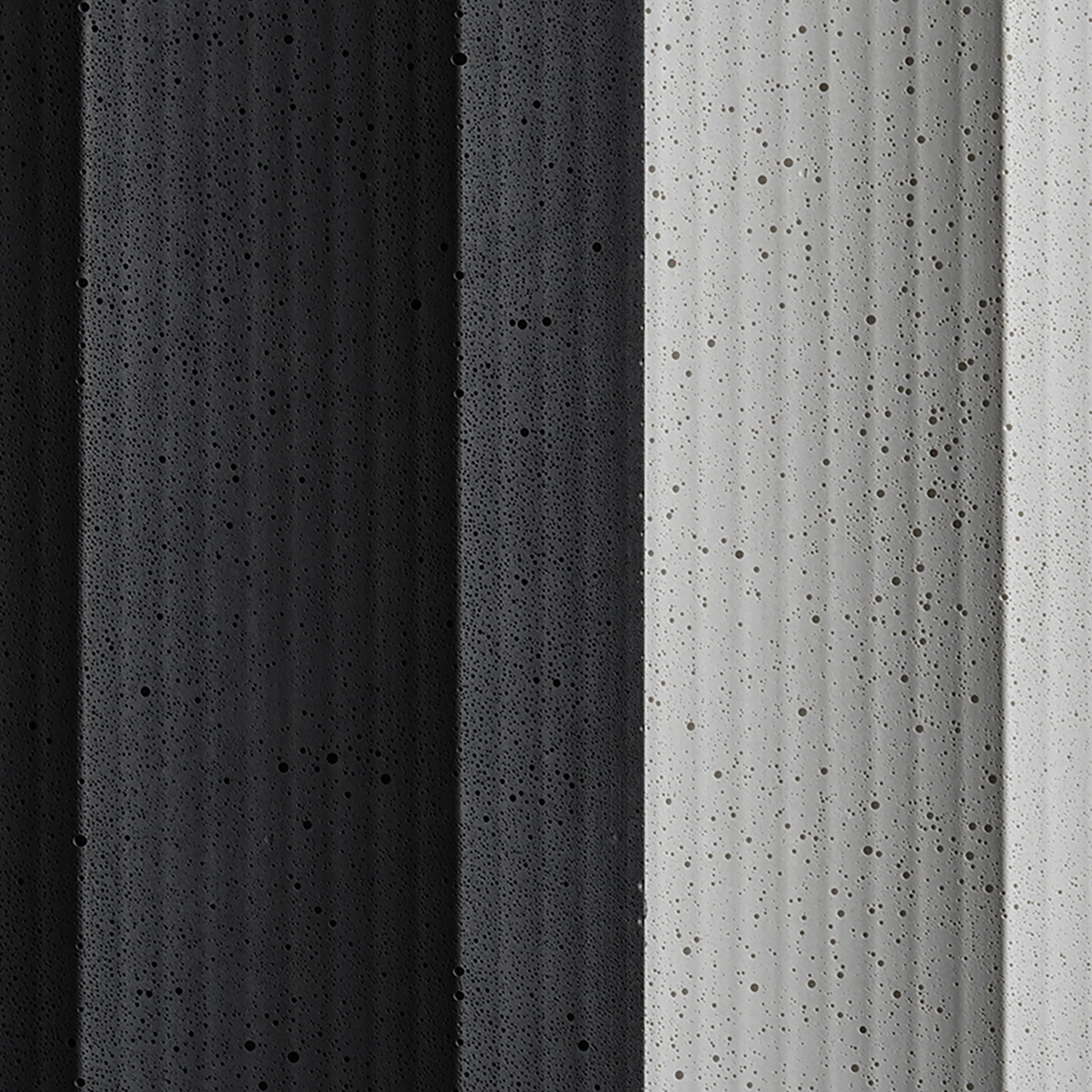
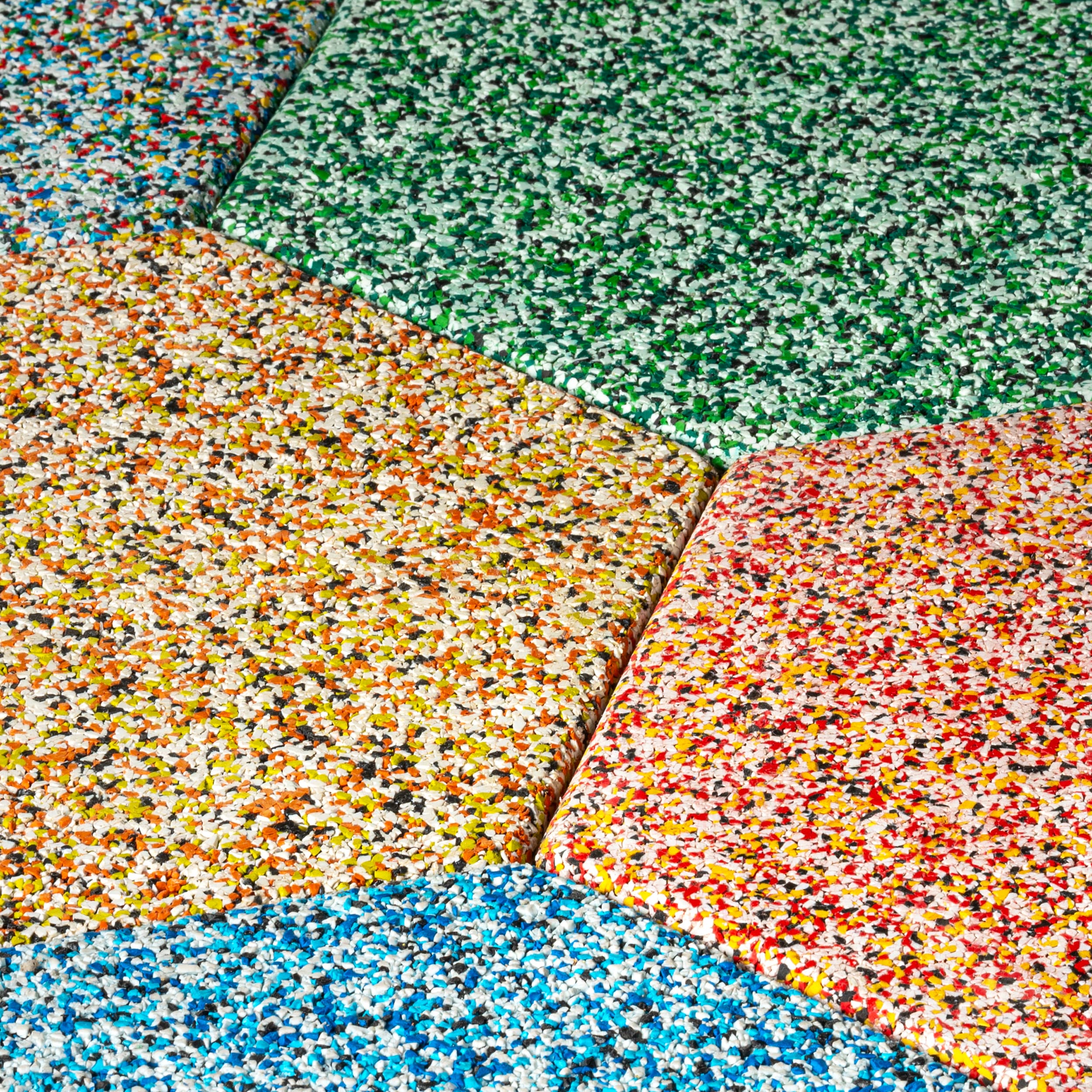
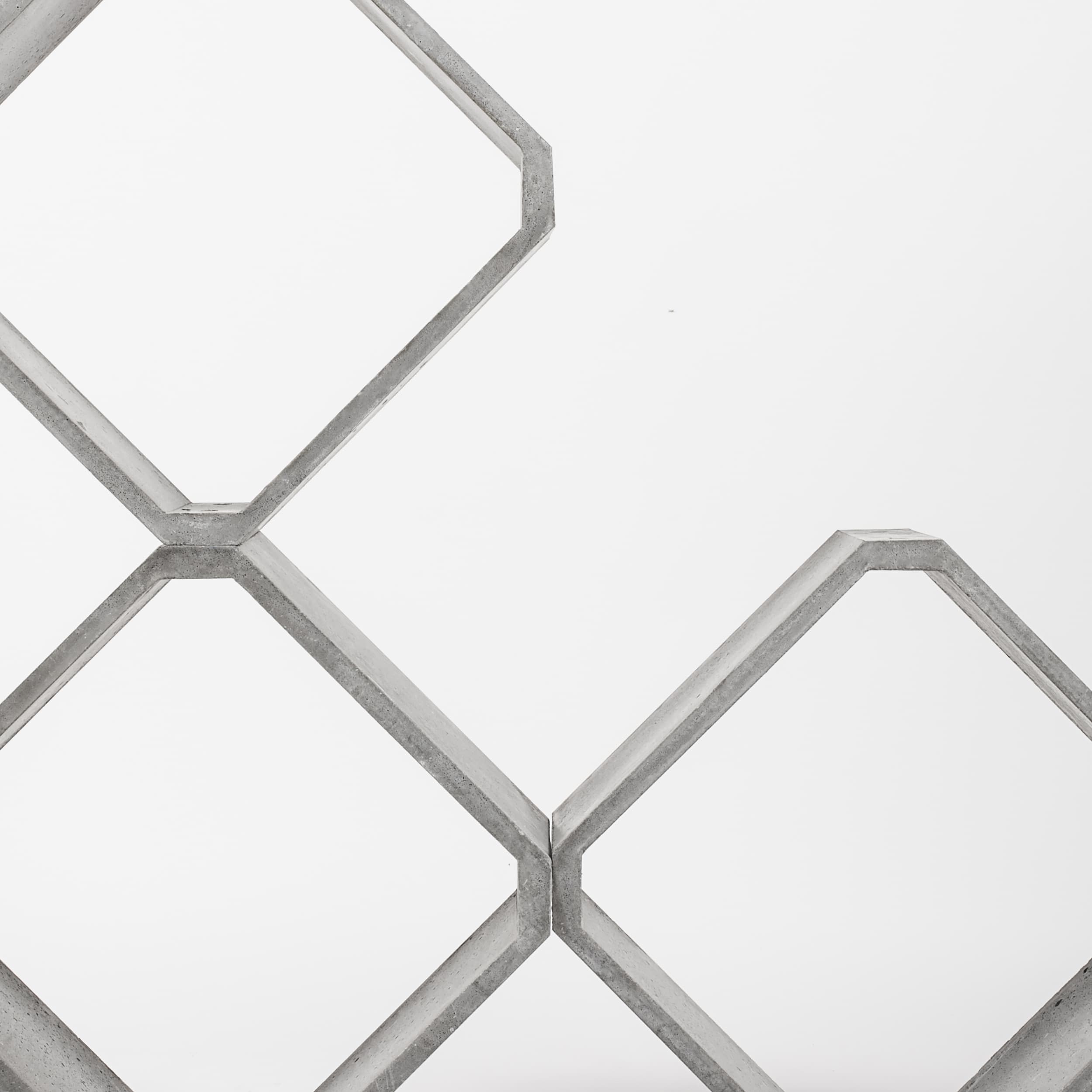
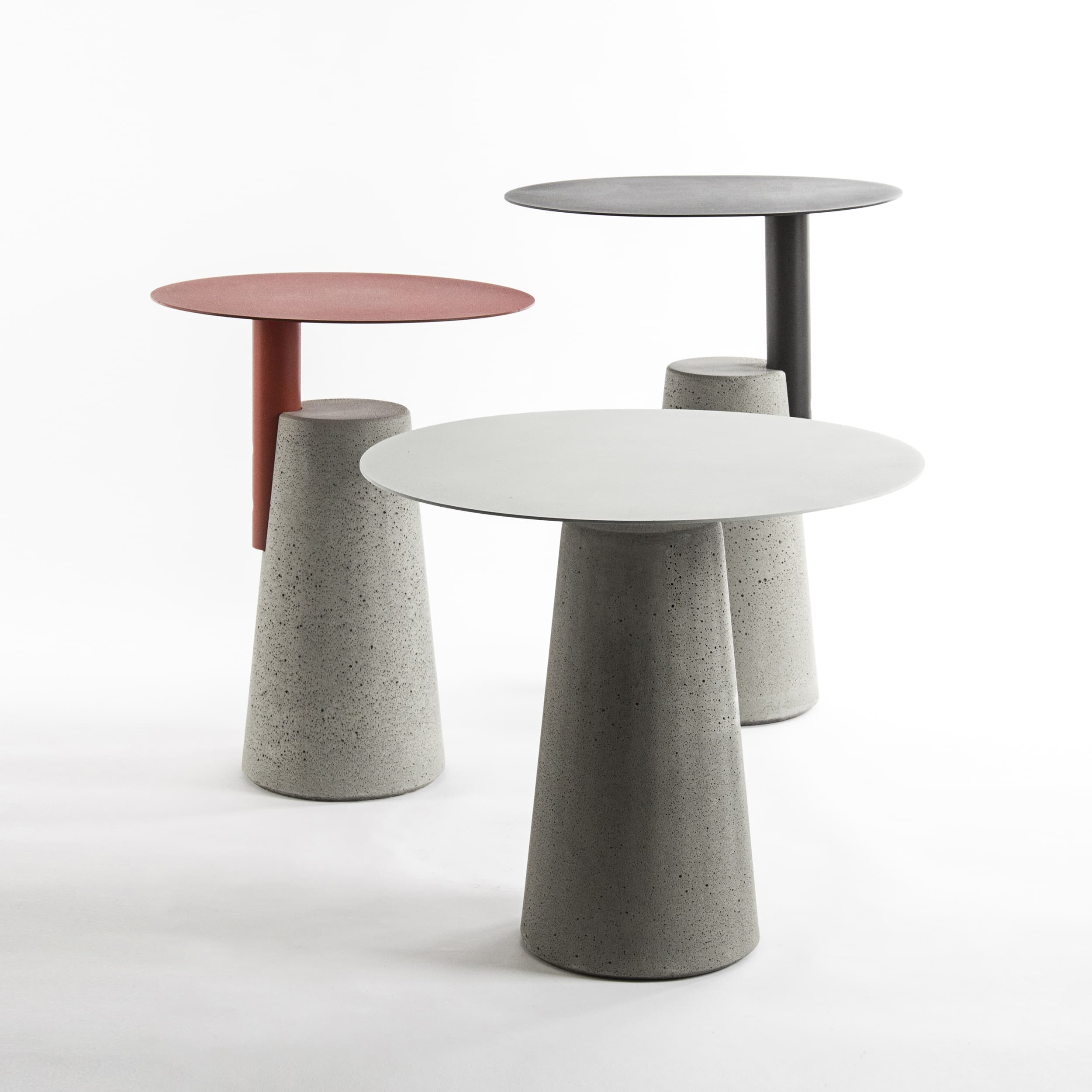
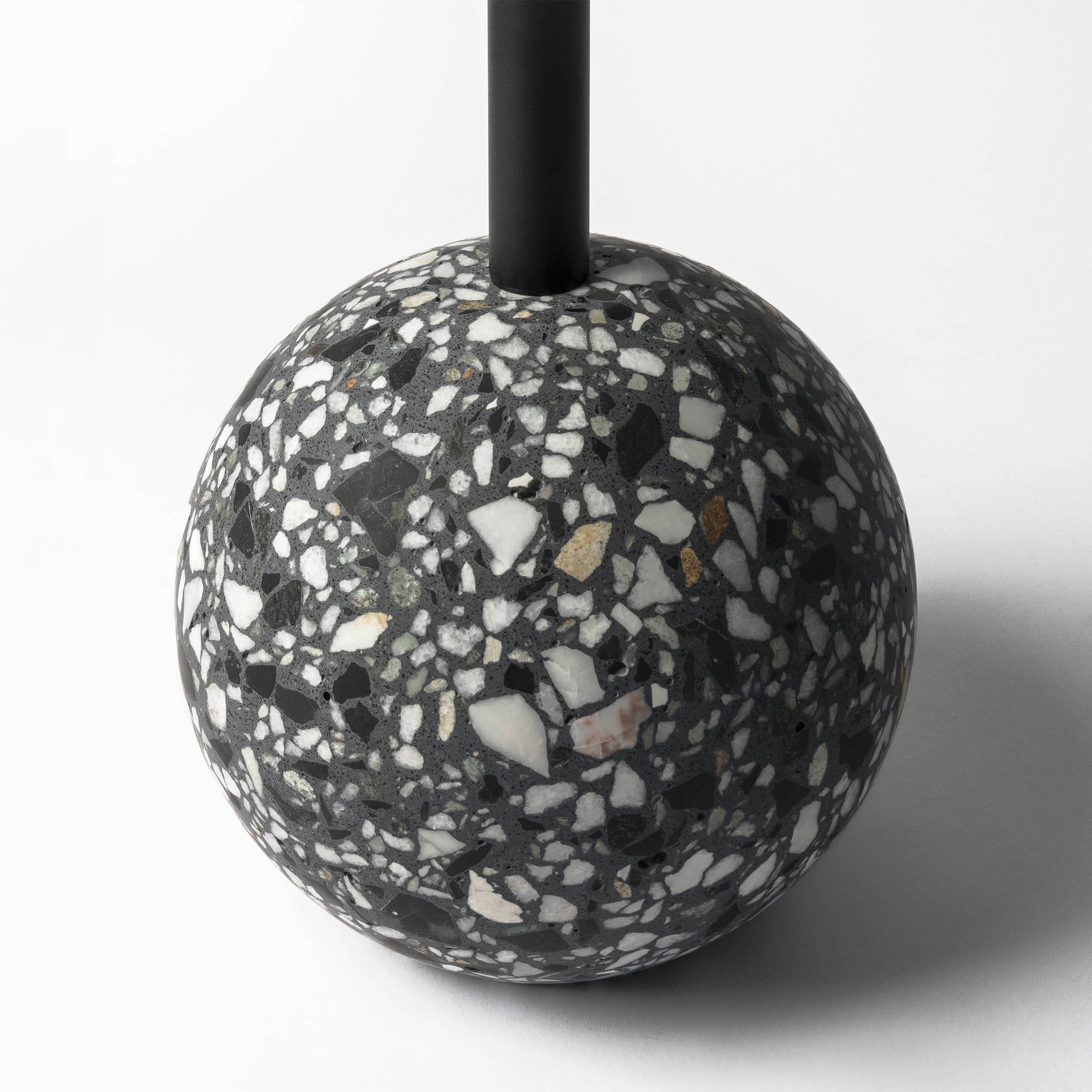
Based on the physical and chemical properties of various industrial solid wastes and the resource endowments of different industries, we adapt and integrate materials through reconstitution, incorporating recycled materials into a complete industrial aesthetic system. Waste steel slag possesses a naturally coarse, authentic texture that aligns with contemporary aesthetics, while also carrying the developmental memory of the industrial age.
With the material circulation of steel slag at its core, we draw inspiration from the genuine texture of the material, transforming the abstract concept of "time" into a tangible design language. Integrating natural forms to interpret the character of the material, we create familiar yet unique experiences, building an emotional bridge between the product and daily life. Through material transformation, we activate the social value and emotional resonance of solid waste, forming an inclusive product model that seeks a sustainable path for economic and social symbiosis — moving step by step toward the vision of a waste-free industry and a waste-free mine.
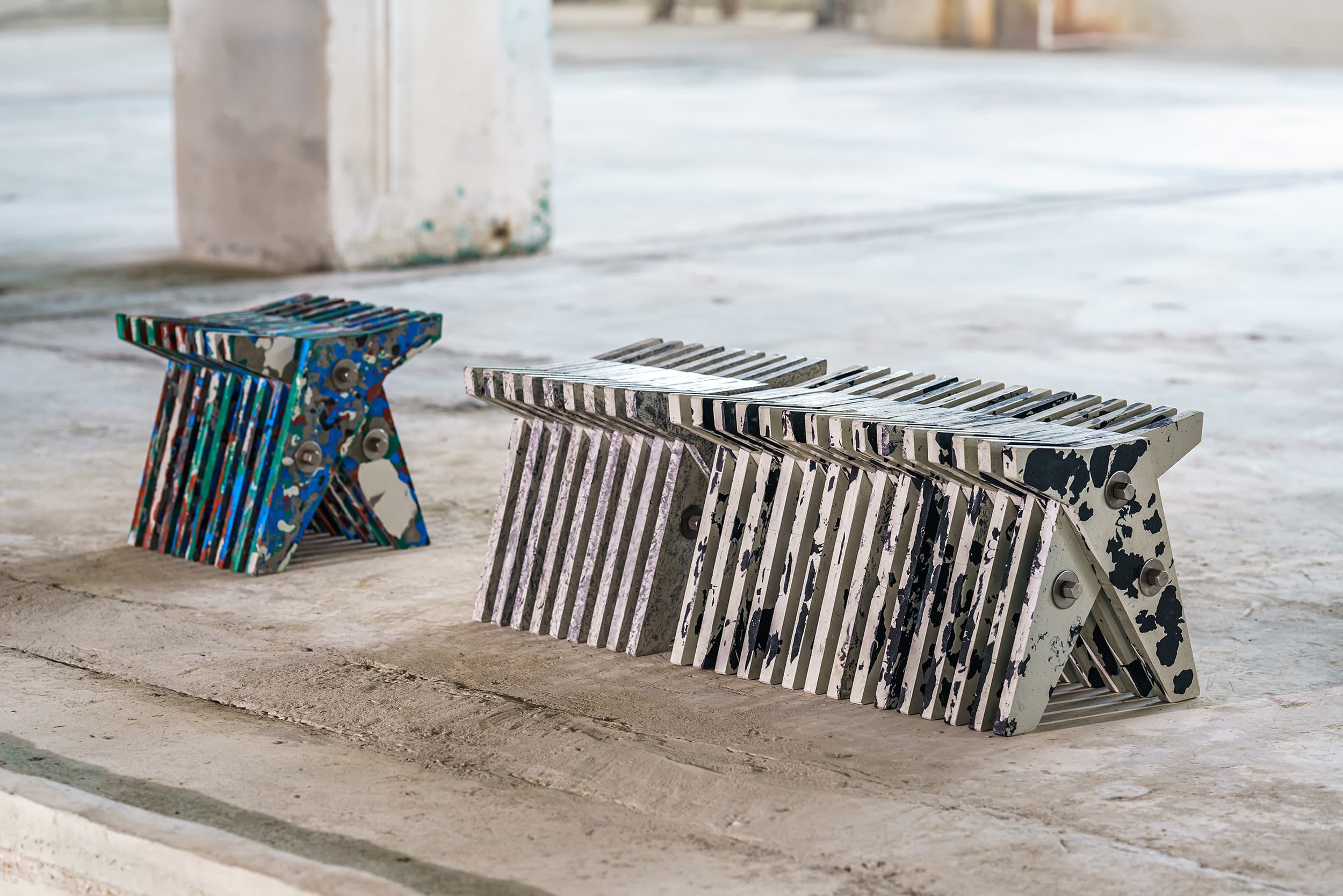
The world is made of matter, and it renews itself through the reuse and re-creation of matter. The possibility of innovation always arises from the richness of the material world. By engaging in sustainable design based on industrial solid waste, we interpret the power of matter through new value narratives. Through reconstruction, activation, and regeneration, we turn waste into resources and close the loop of material flow. The ultimate goal is to maximize the conversion of industrial waste into renewable resources, reduce pollution, while preserving regional character and natural interest — retaining local memory and offering real-world sustainable solutions. This is the essential meaning of "The Second Mine."
A sustainable, symbiotic future requires deep transformation in production, daily life, and economic models — and even more so, an evolution in public values and consumer awareness. Sustainable design is not just a social responsibility; it is each of our responses to the challenges of our time. Re-understanding the essence of life and practicing circular symbiosis is the lasting way forward.
Design Director: Xu Gang
This article is an original work from the "BENTU Local Regeneration Practice Series". Using "The Second Mine" as a core metaphor, it articulates the value logic of industrial waste as a regenerative resource and the philosophy of industrial symbiosis.

- Contact
+8620 8977 0506
- Press
press@bentudesign.com
- Enquiry & Sales
info@bentudesign.com