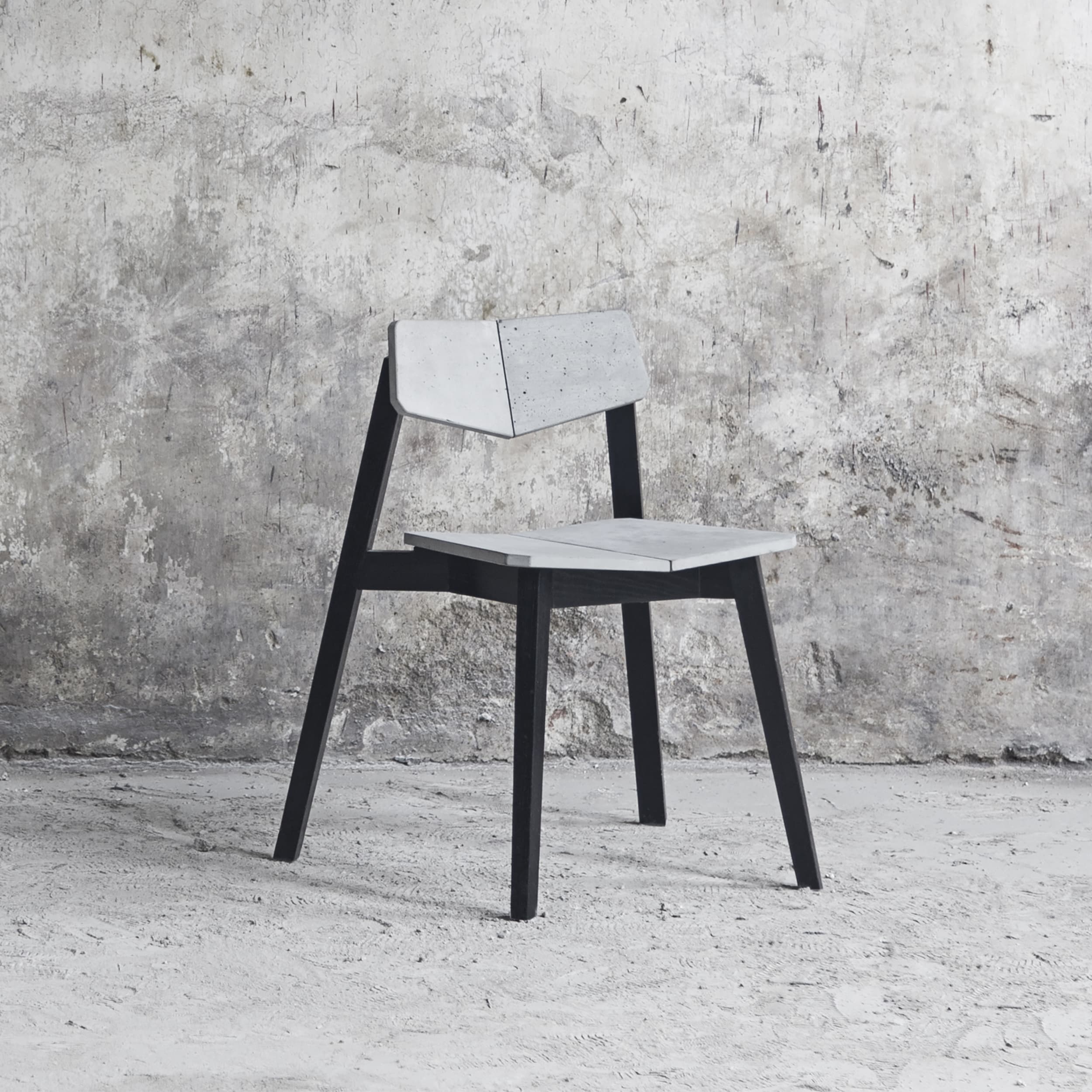


Surface Phenomena: The Material Aesthetics of Fair‑Faced Concrete Made from Industrial Solid Waste
Time: 2012 – Present
Location: Foshan, Guangdong, China
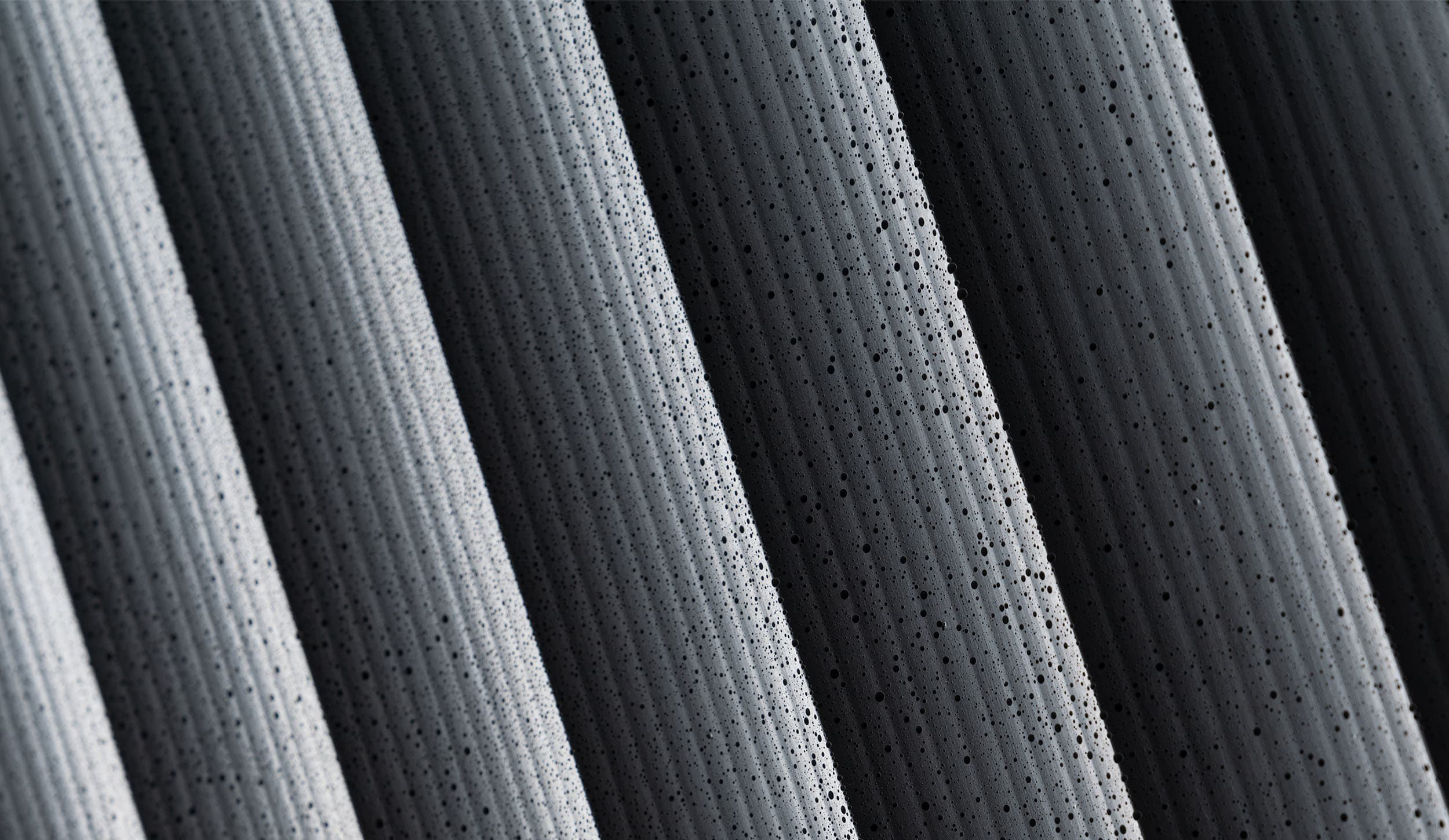
In everyday language, “surface phenomena” almost always carry a negative connotation. People habitually equate them with superficiality and mere appearance, assuming that the essence of any thing lies hidden beneath its surface, and that truth can only be accessed by penetrating outward layers. Yet if we set aside ingrained prejudice and examine “surface” on its own terms, this perceptual logic reveals its inherent one‑sidedness.
In materials science and industrial design, the surface is never an insignificant illusion. From a material perspective, it is the sole medium connecting materials’ technical performance with human aesthetic perception. Microstructure and physicochemical properties determine comprehensive aesthetic experience across visual, tactile and temporal dimensions. In physical terms, a surface is a dynamic interface between two media, where material interaction, permeation and transformation continuously occur. From a phenomenological standpoint, Husserl’s maxim “to the things themselves” clarifies that phenomena constitute direct perceptual reality: a material’s colour, form and texture are the intuitive manifestation of its essence.
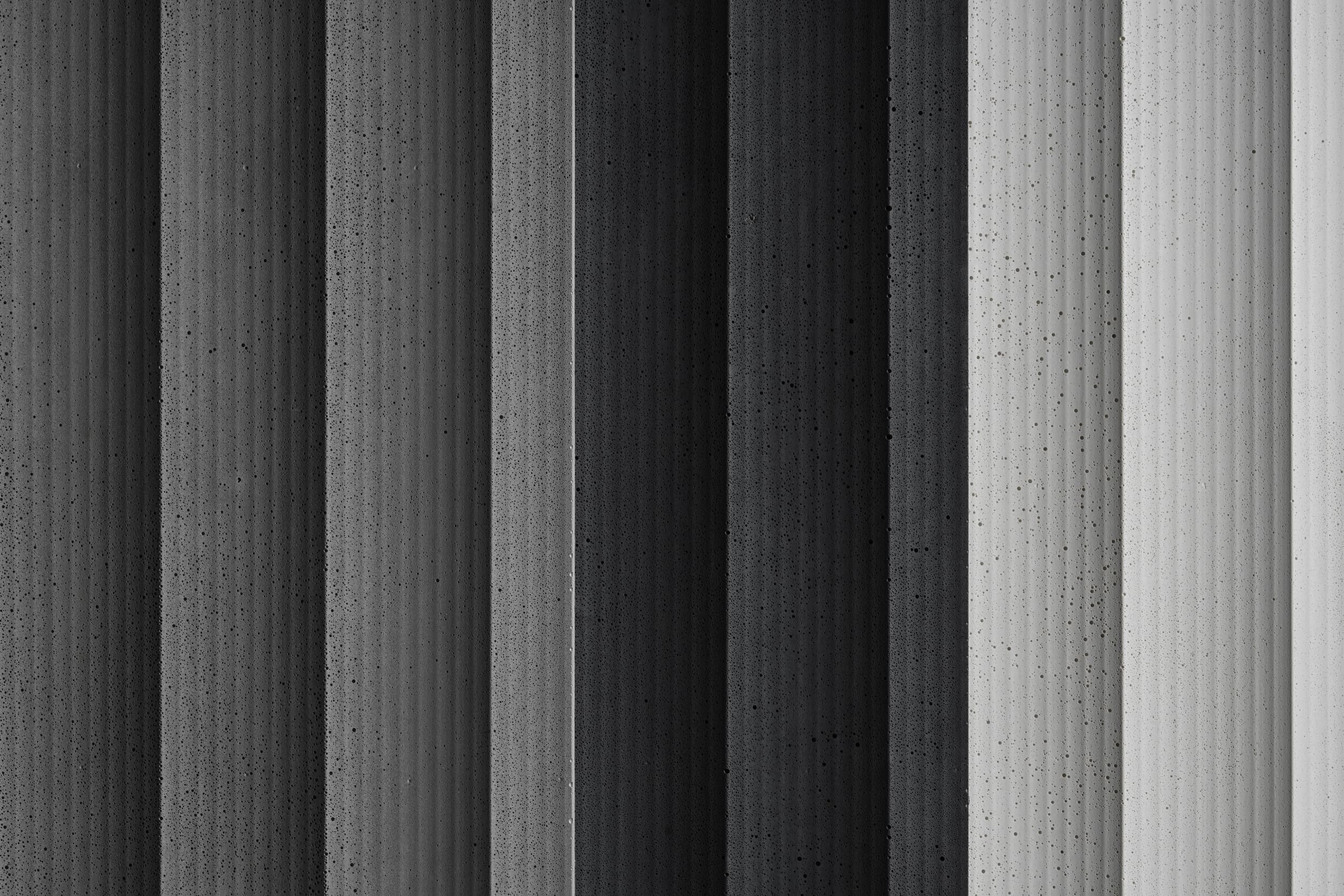
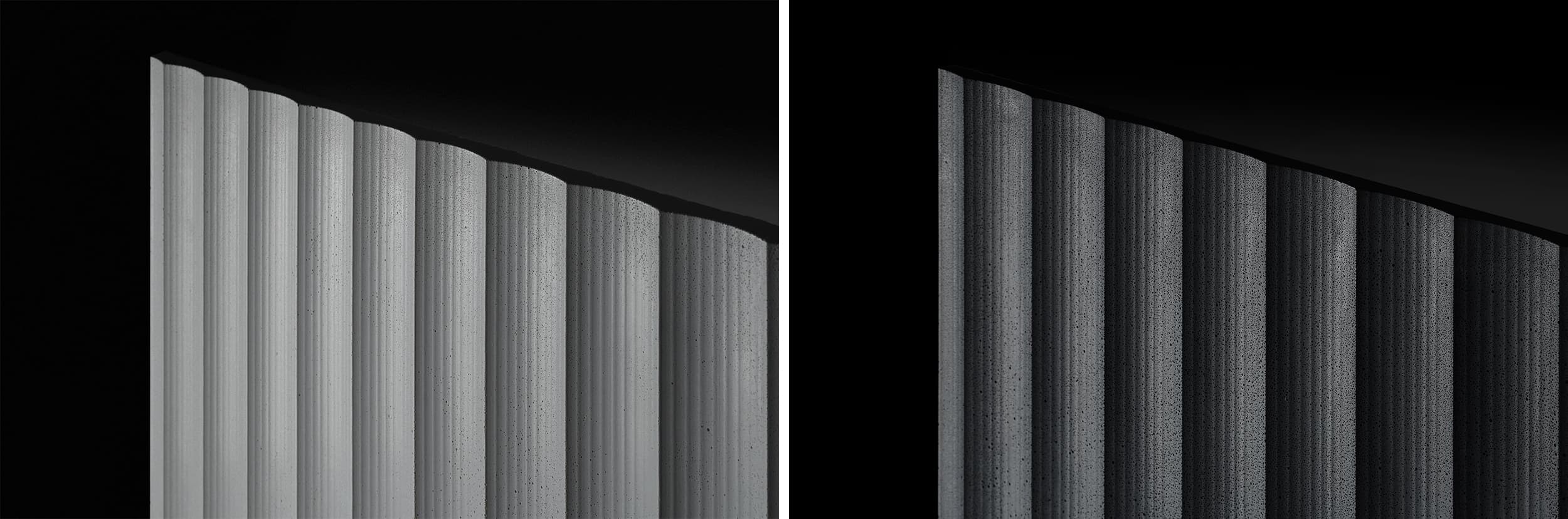
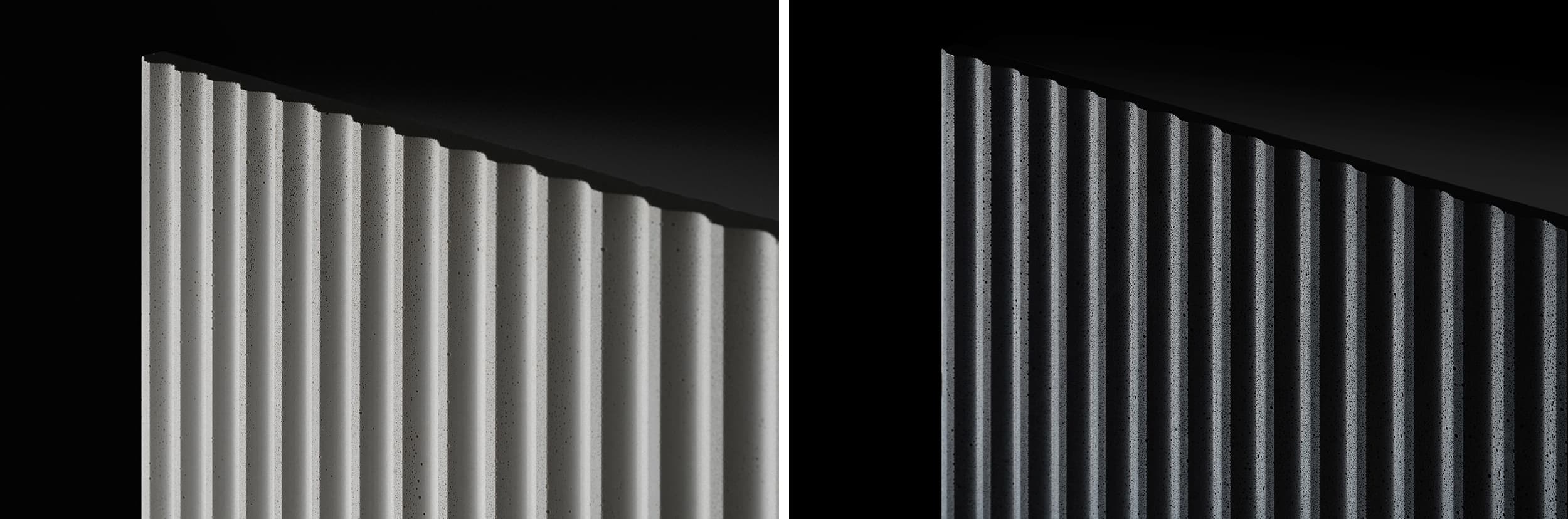
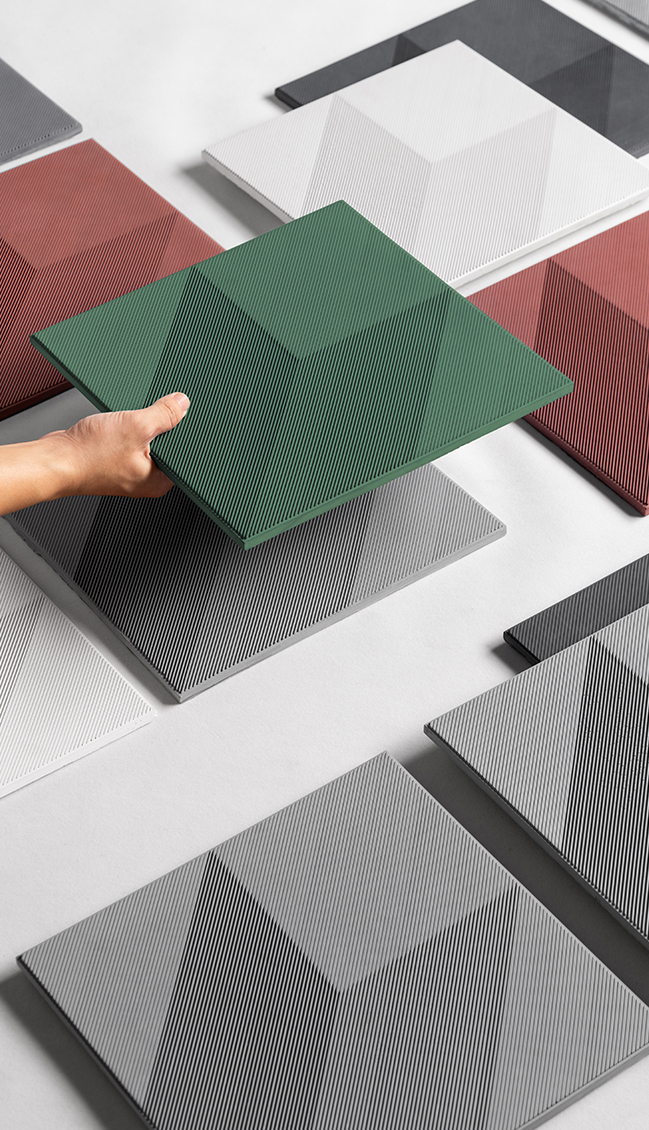
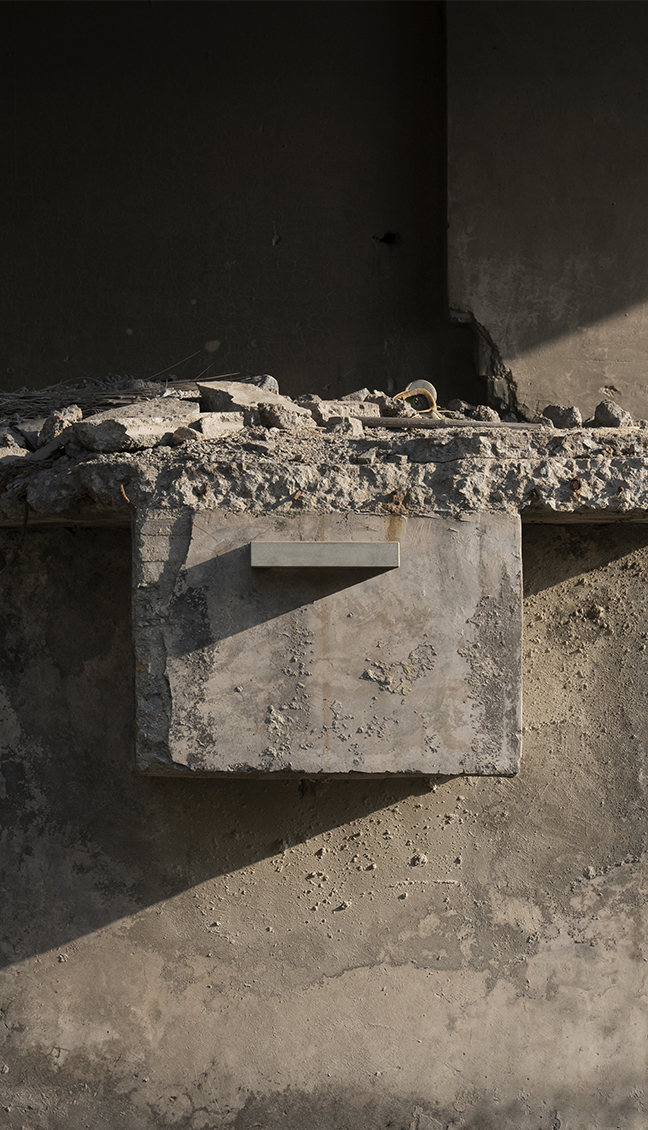
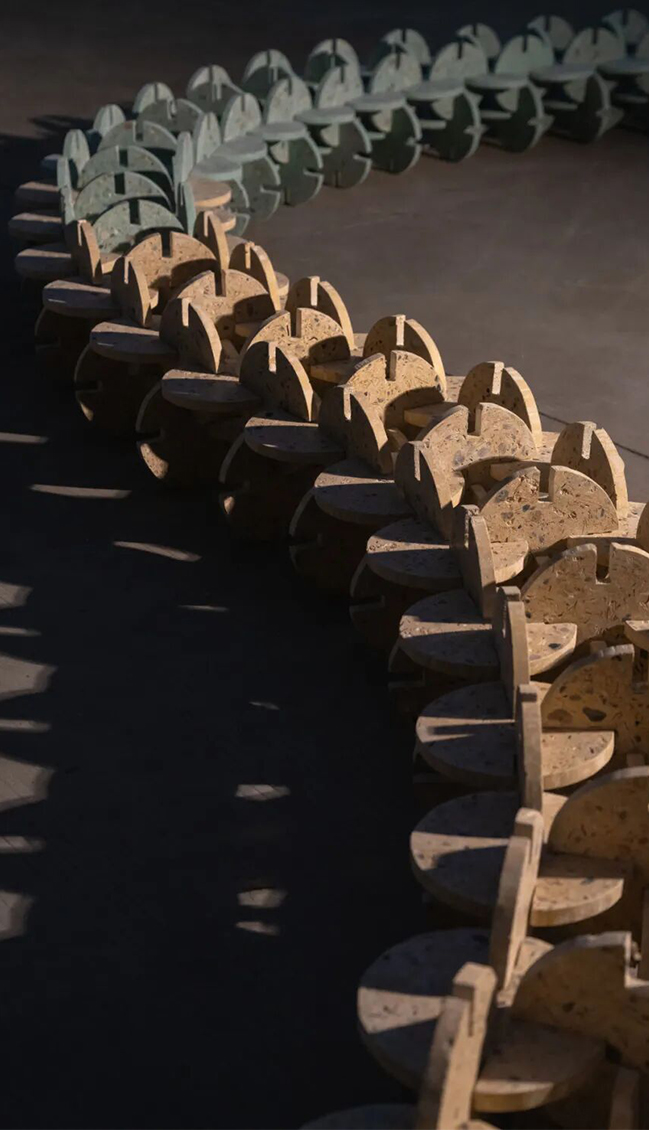
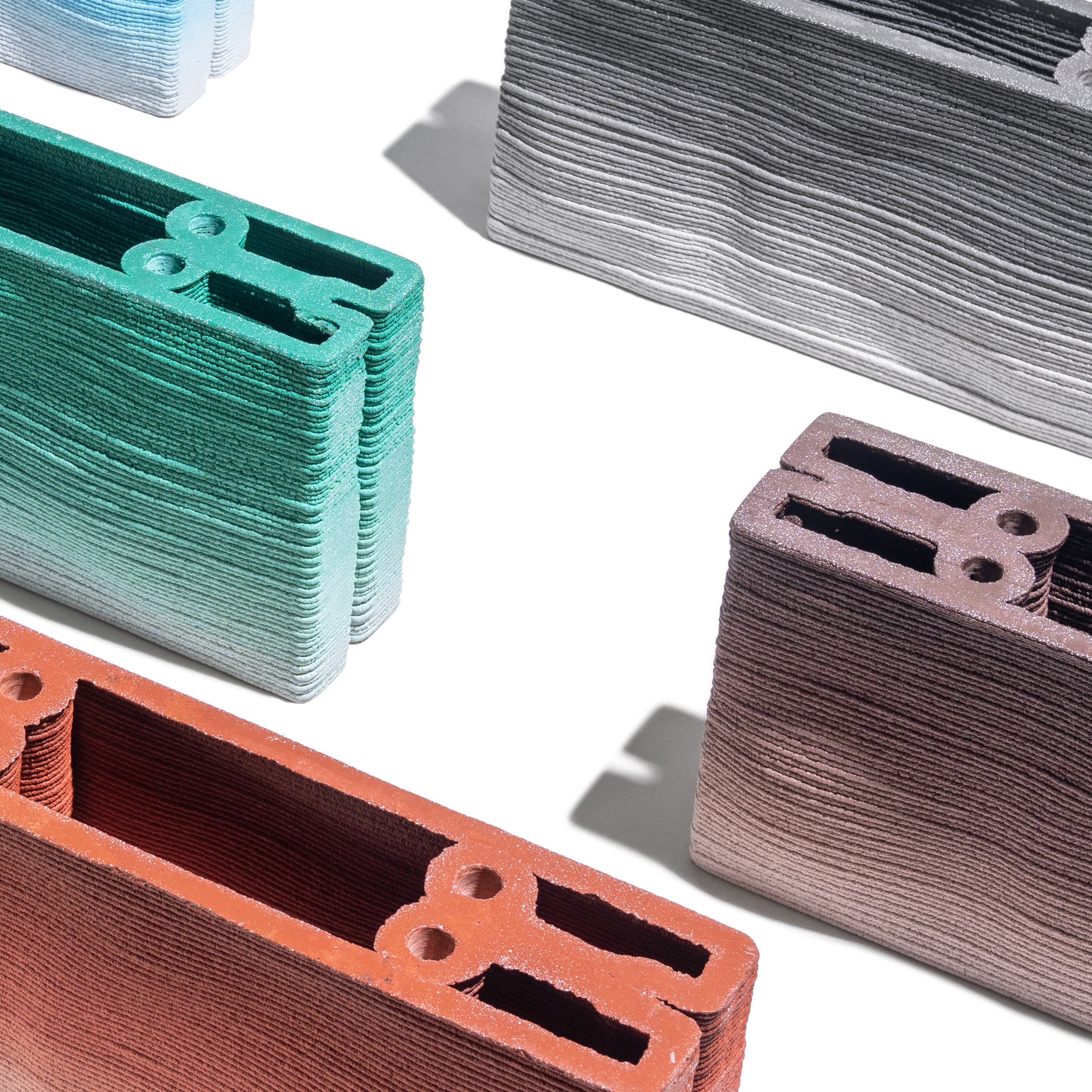
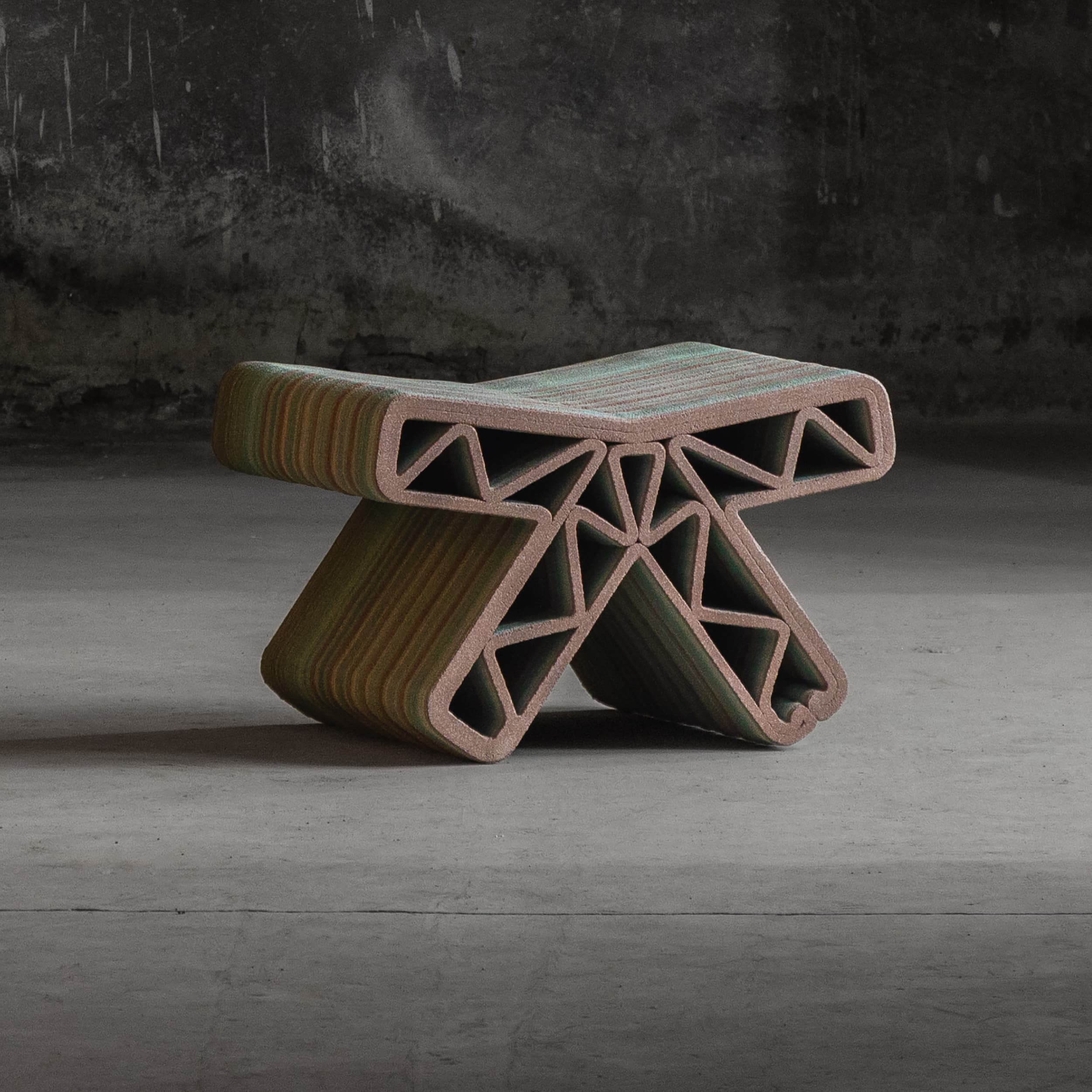
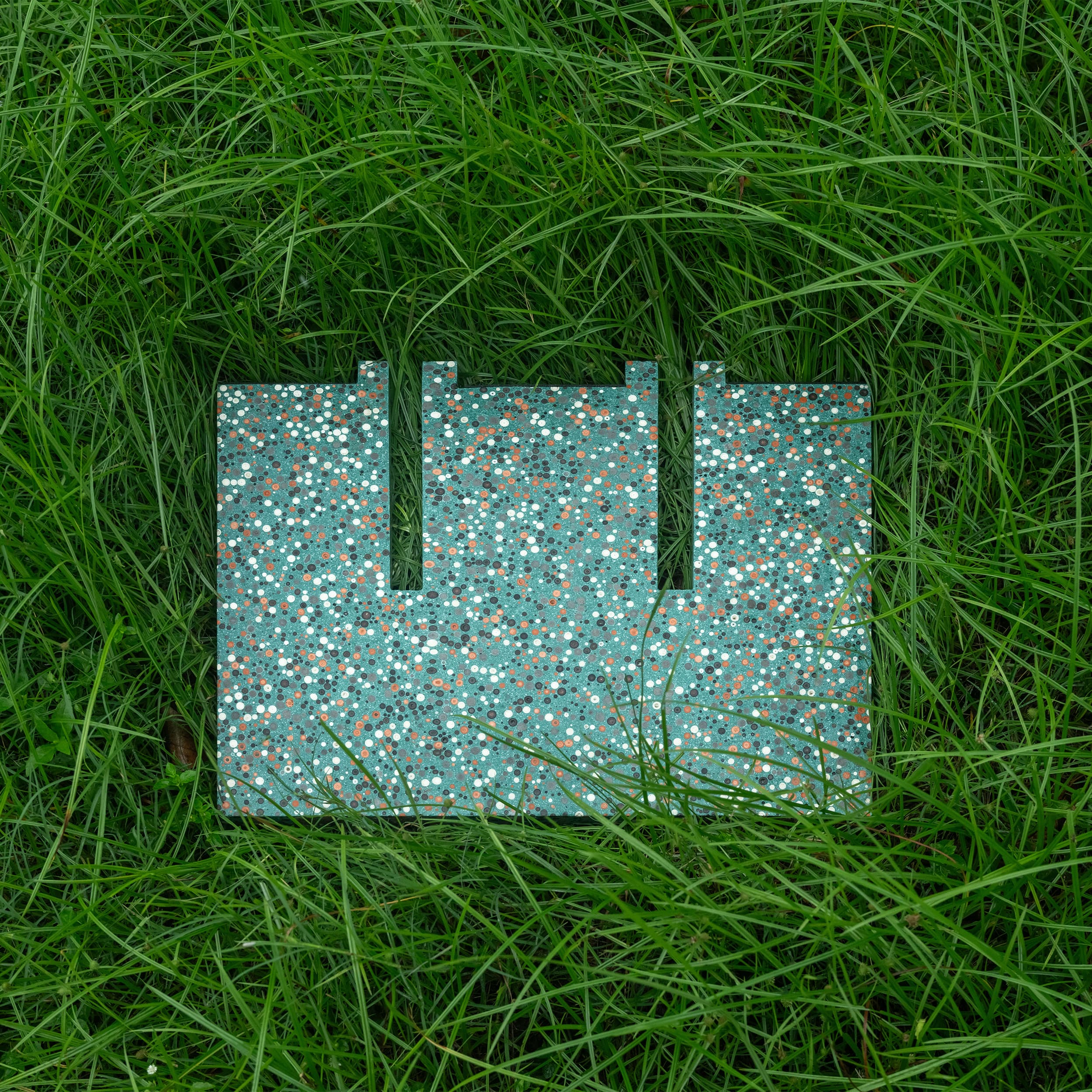
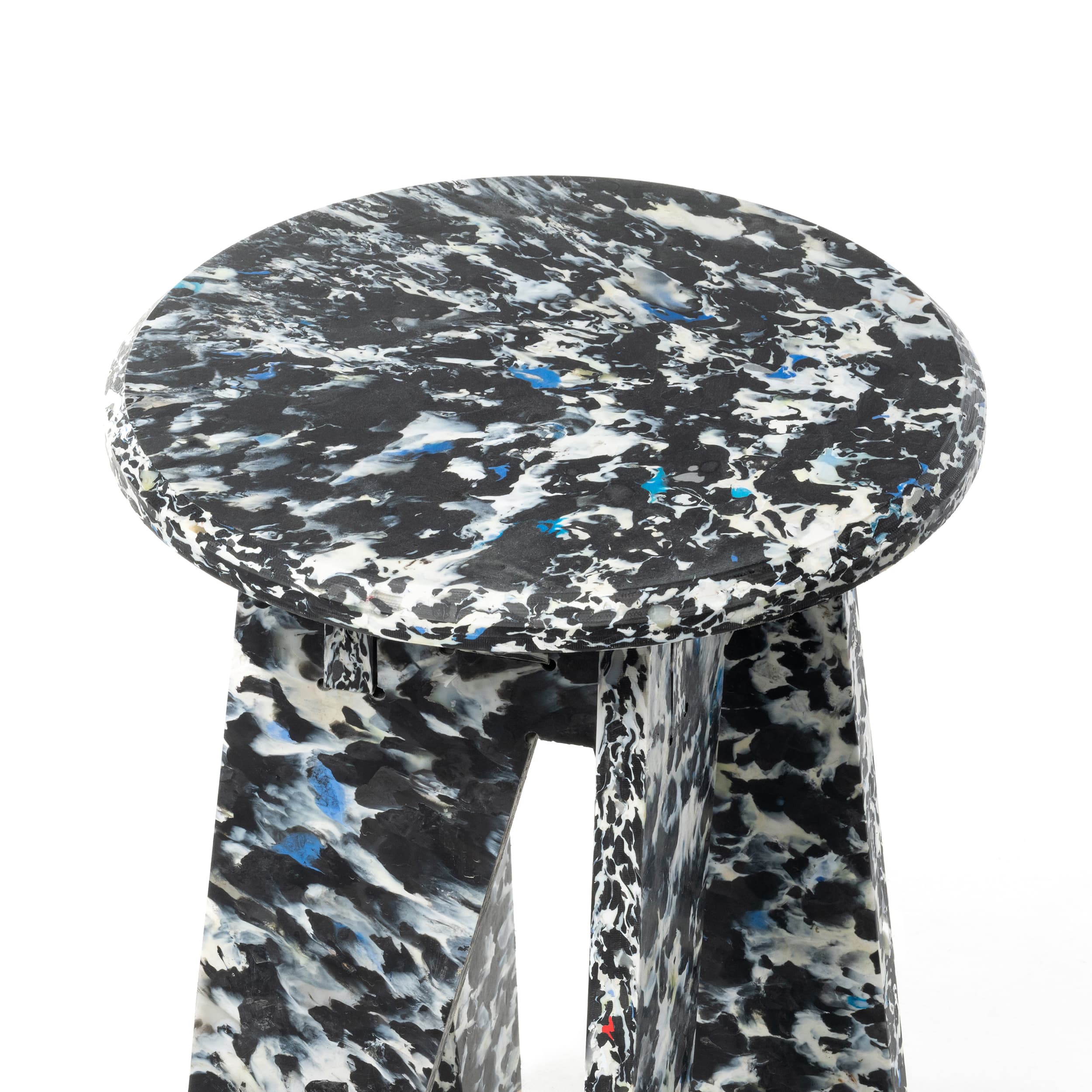
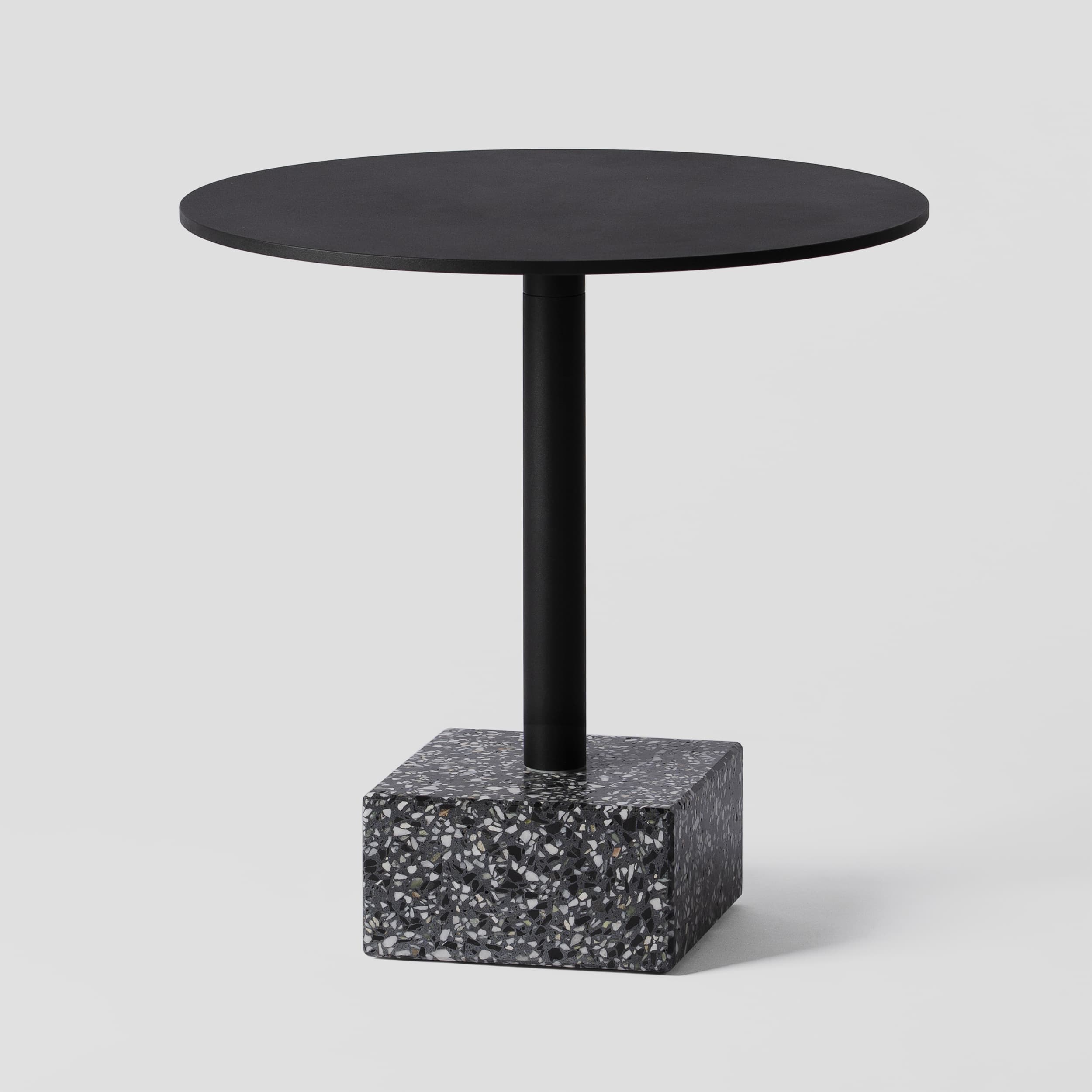
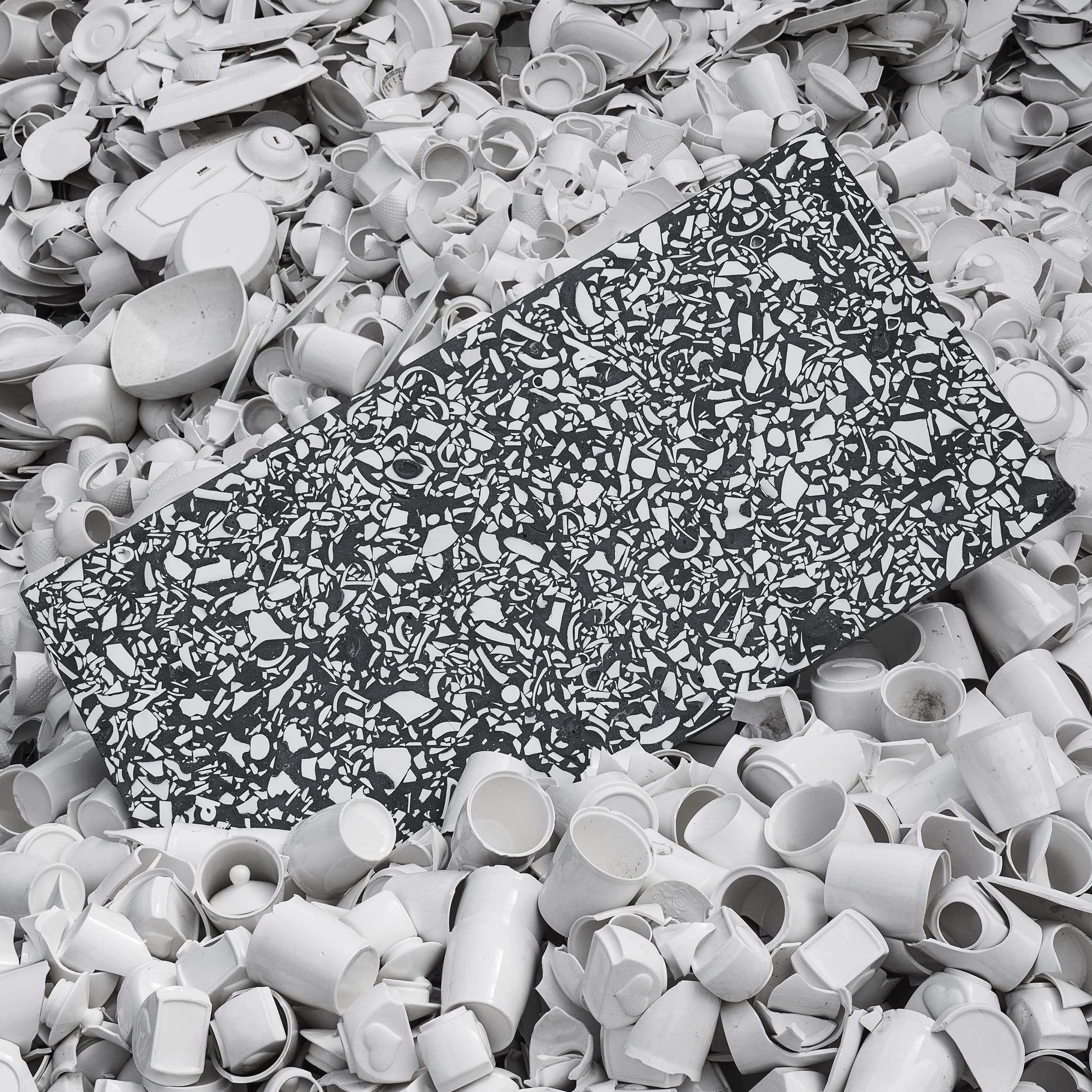
BENTU’s material regeneration practice, which takes industrial solid waste as core raw material and fair‑faced concrete as technical carrier, re‑examines and reconstructs the concept of “surface phenomena”. Using formulations containing up to 80 % industrial solid waste, the project converts fly ash, slag, tailings and other industrial residues into architectural decorative materials. Waste is brought to the outermost layer of products, letting its native colour, pores, colour variation and texture directly engage human vision and touch. This is neither a simple technical upgrade nor deliberate aesthetic styling, but an experiment rooted in material ontology: when socially discarded industrial waste occupies a material’s outermost layer, and native traces become the core of aesthetic appreciation, can we re‑evaluate the meaning of surface and redefine the authentic relationship between matter and humanity?
The term “surface” carries inherent contradiction in ordinary discourse. Phrases such as “do not judge by appearances” frame the surface as a deceptive veil behind which essence remains concealed. By contrast, “coming to the surface” treats the surface as the medium through which truth emerges. This opposition reveals a core argument: the surface functions both as concealer and revealer of truth, and its value hinges on whether materials are presented authentically.
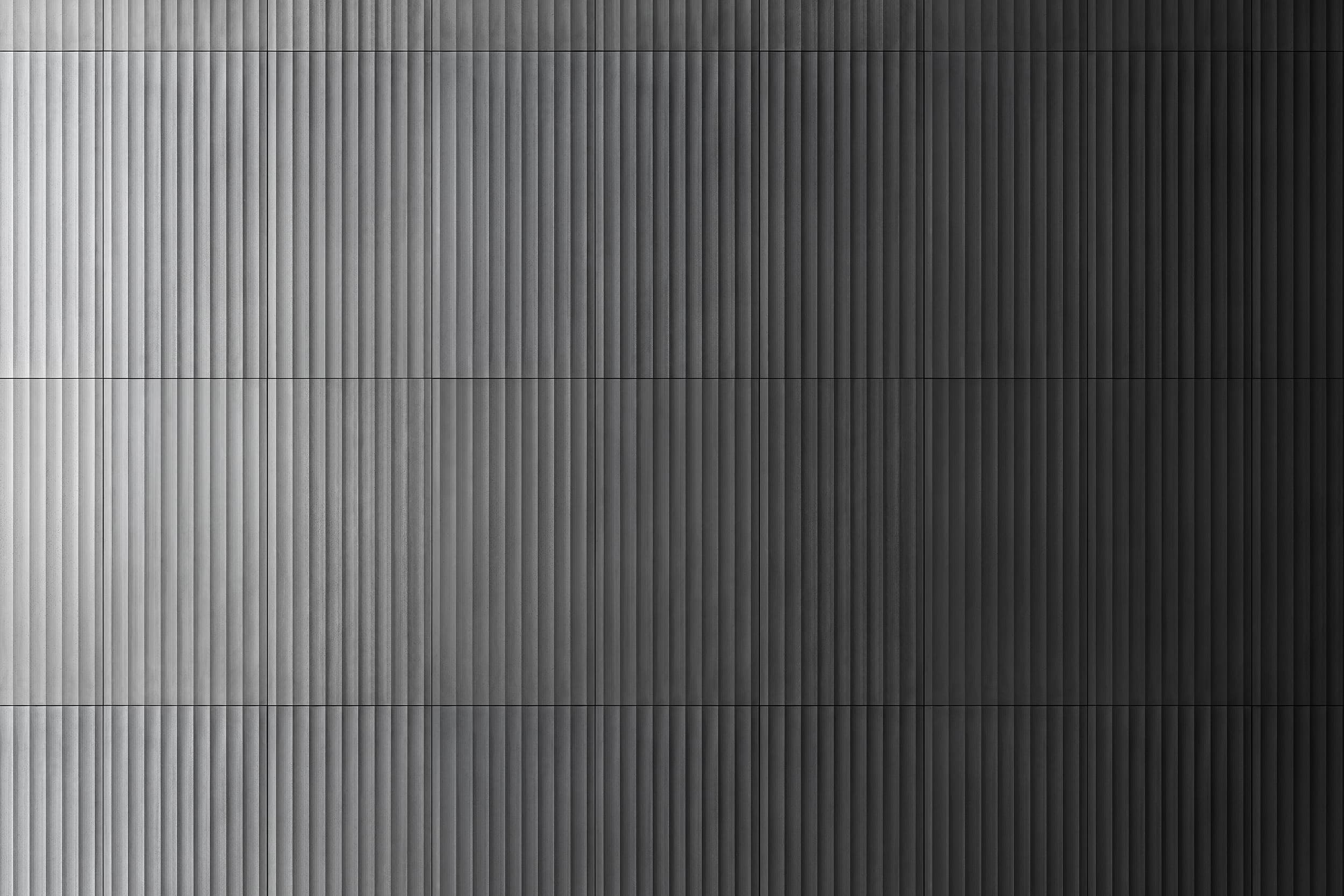
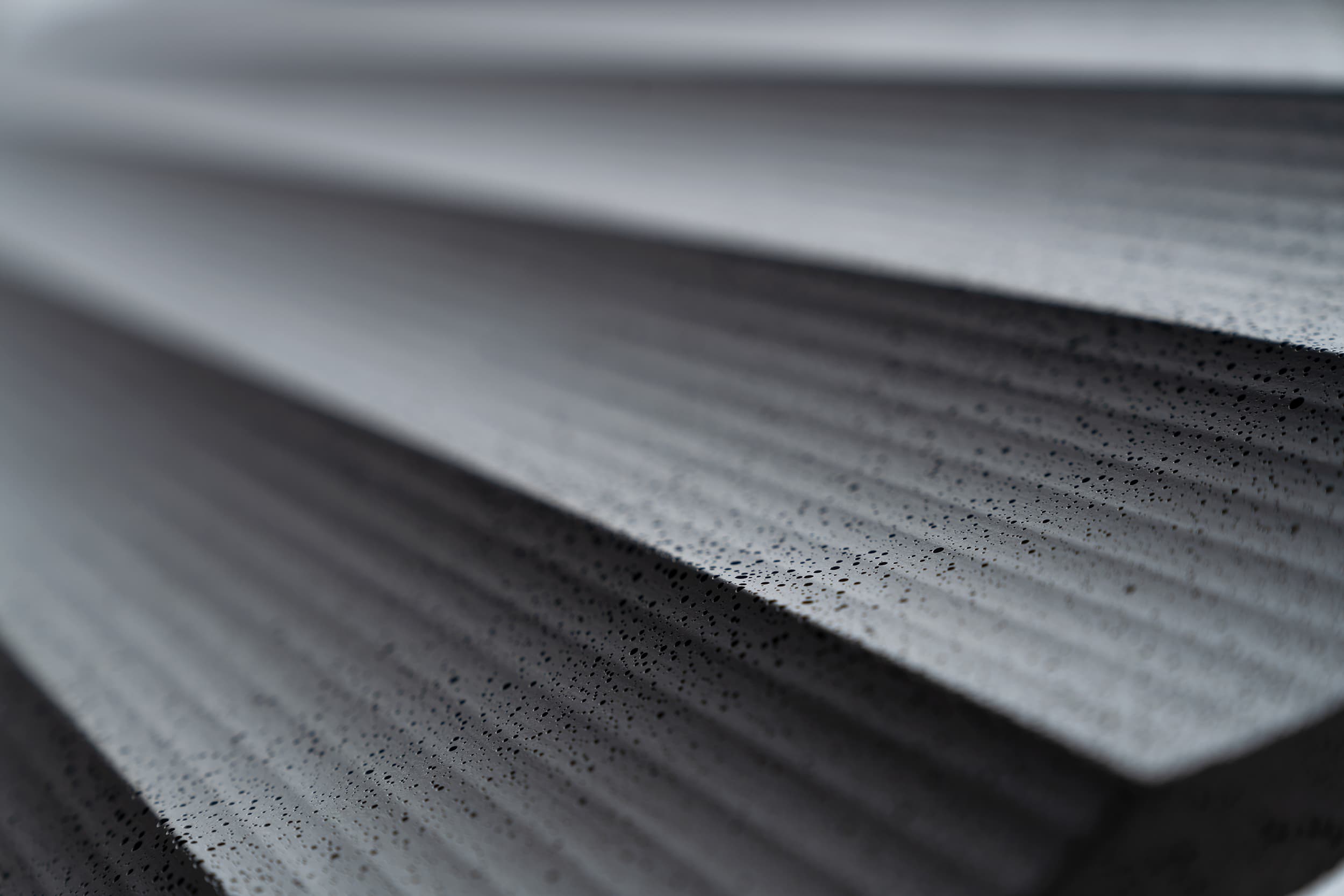
Unlike ancient traditional building materials, which mostly retained plain, unadorned surfaces and exposed natural texture, modern industrial decorative materials have long followed a logic of material concealment. Glazed tiles seal clay substrates under dense glass layers; composite wood flooring hides engineered boards beneath thin veneers; digitally printed tiles mimic marble patterns with no connection to natural stone. Such materials form what Baudrillard termed a “simulacrum”, where signs replace physical matter. Visually flawless surfaces outperform natural materials yet erase their authentic properties entirely. As consumerism chases standardised visual perfection, true material characteristics are increasingly marginalised. Base substrates and industrial waste remain hidden beneath polished finishes, excluded from human perception.
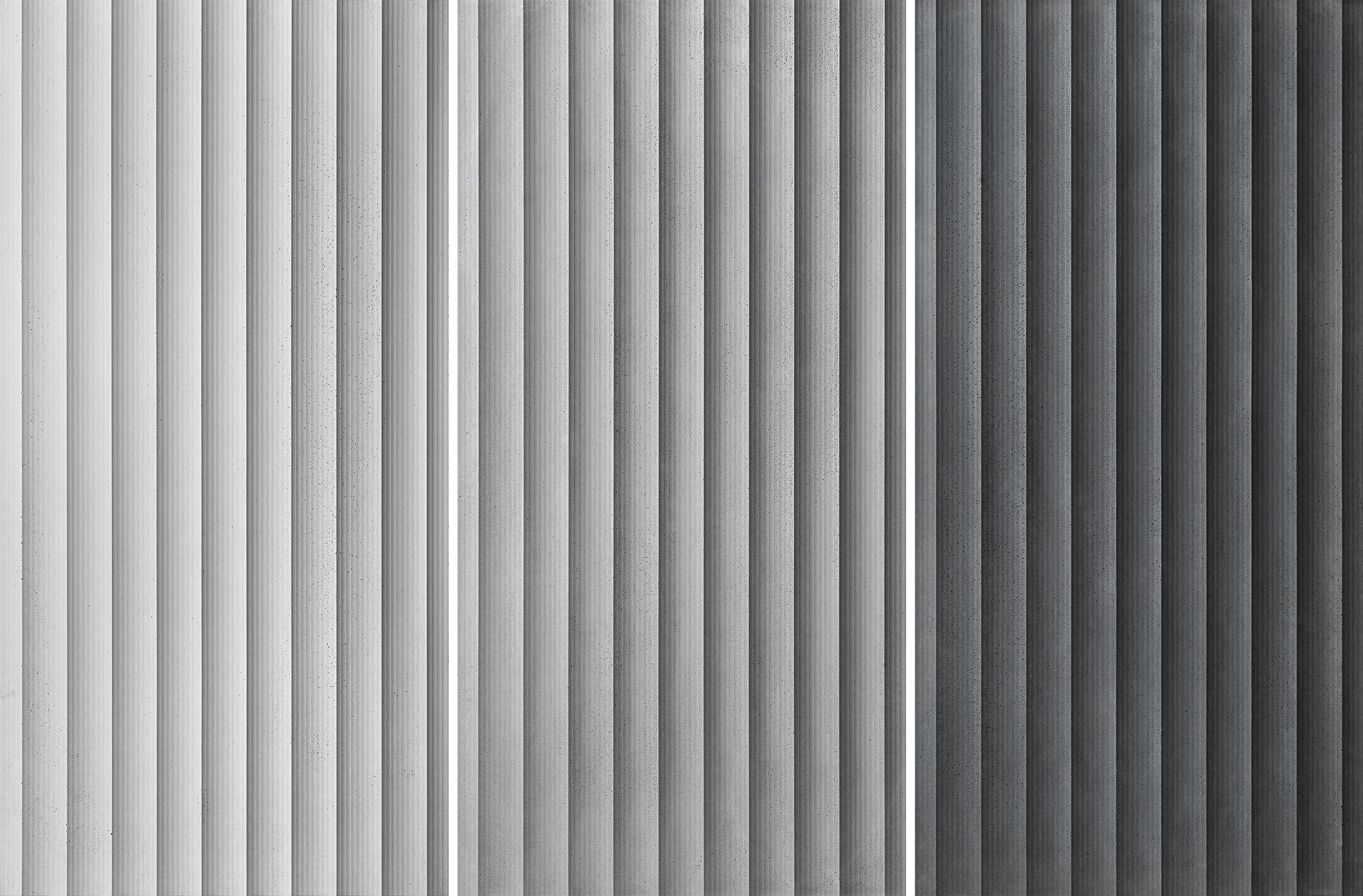
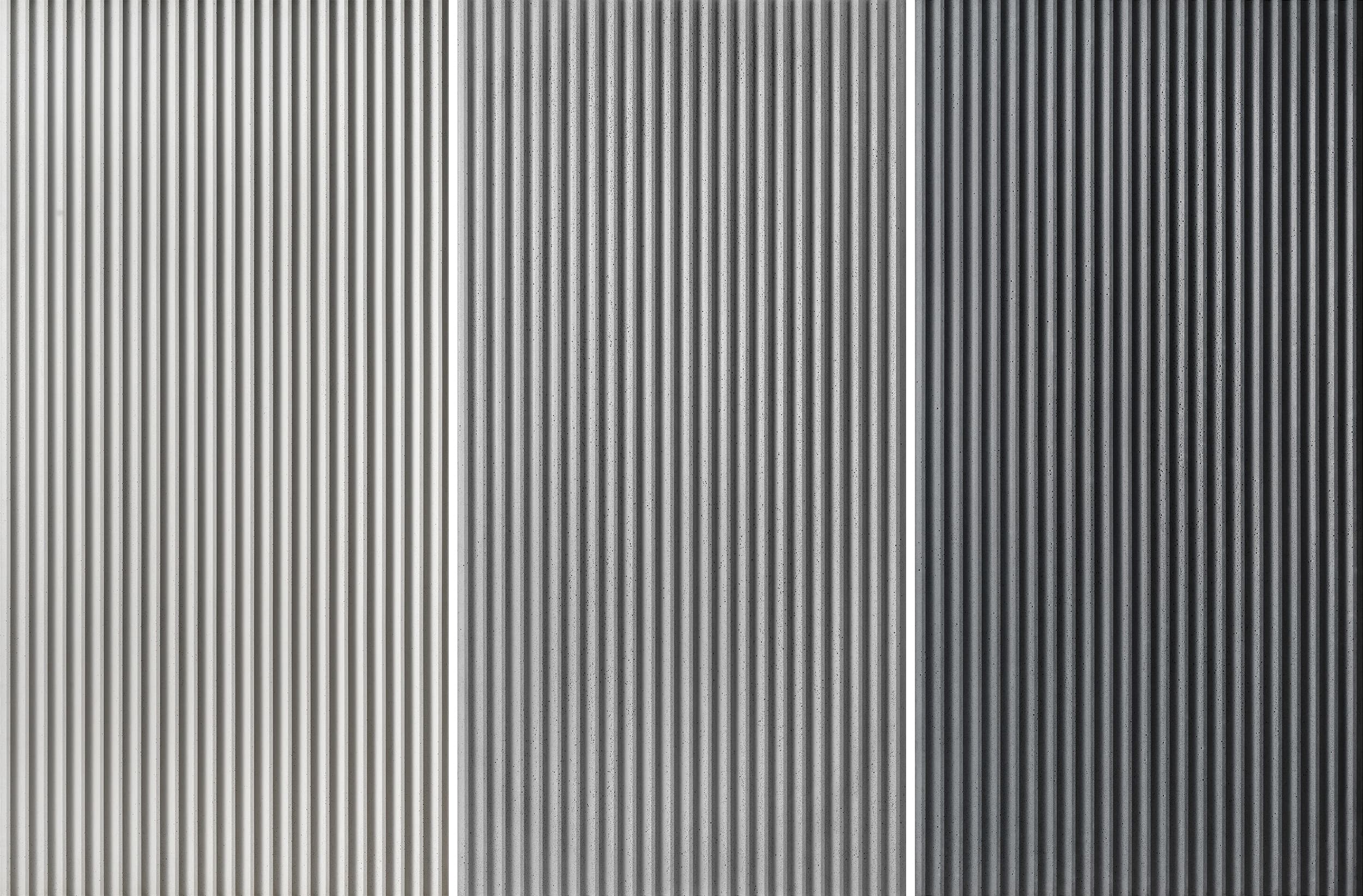
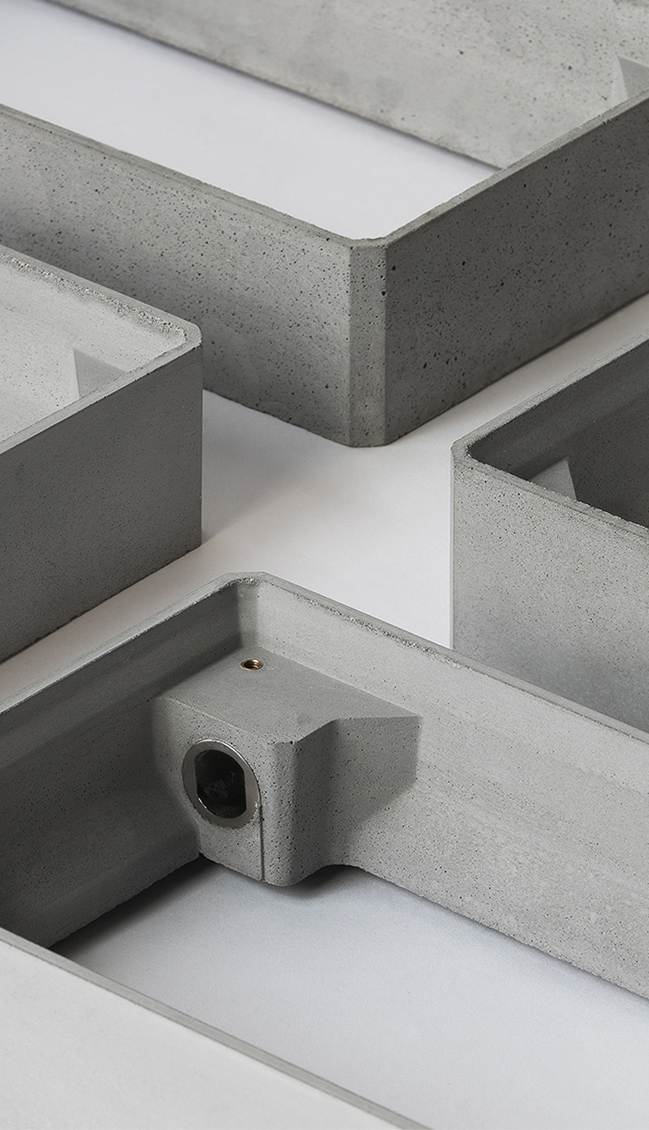
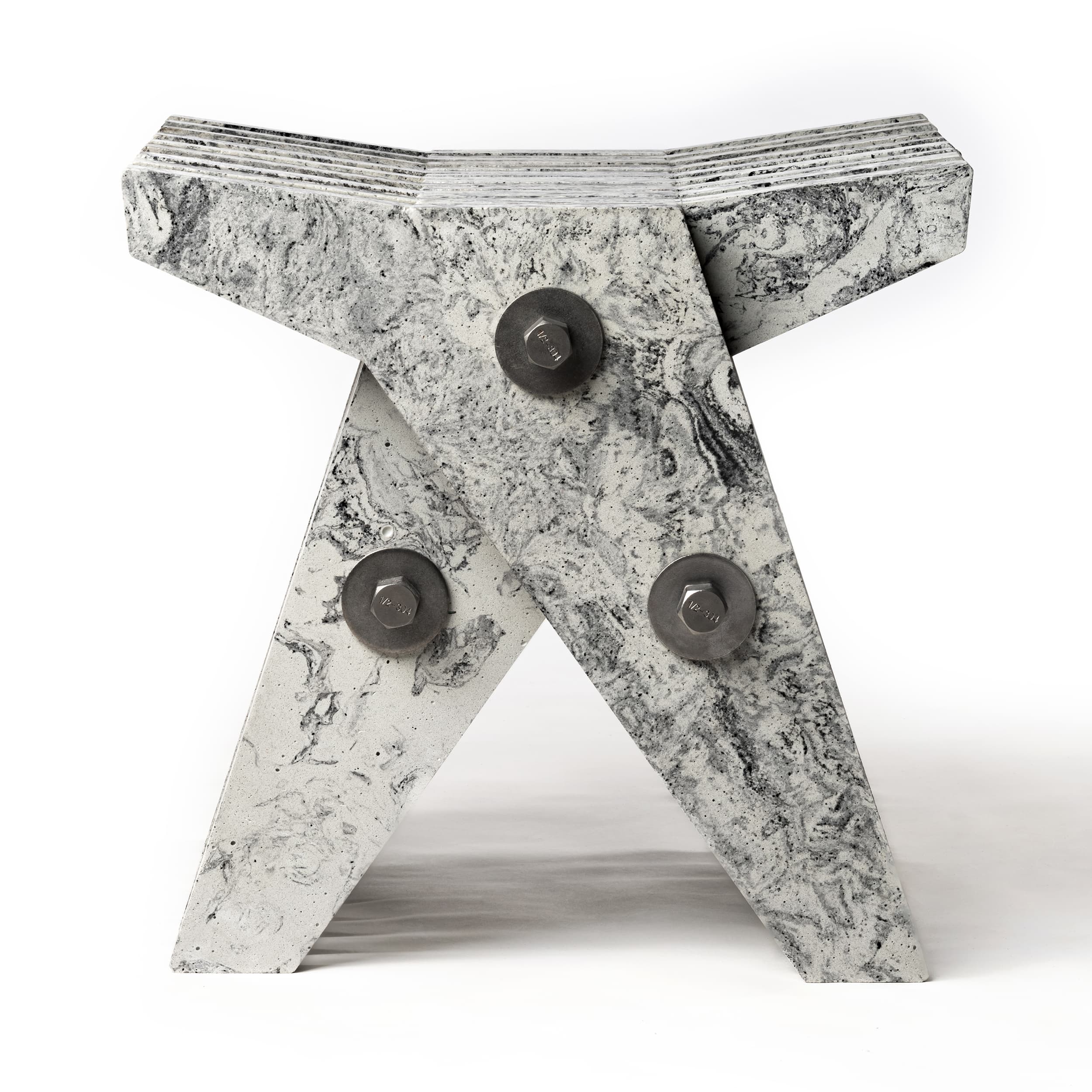
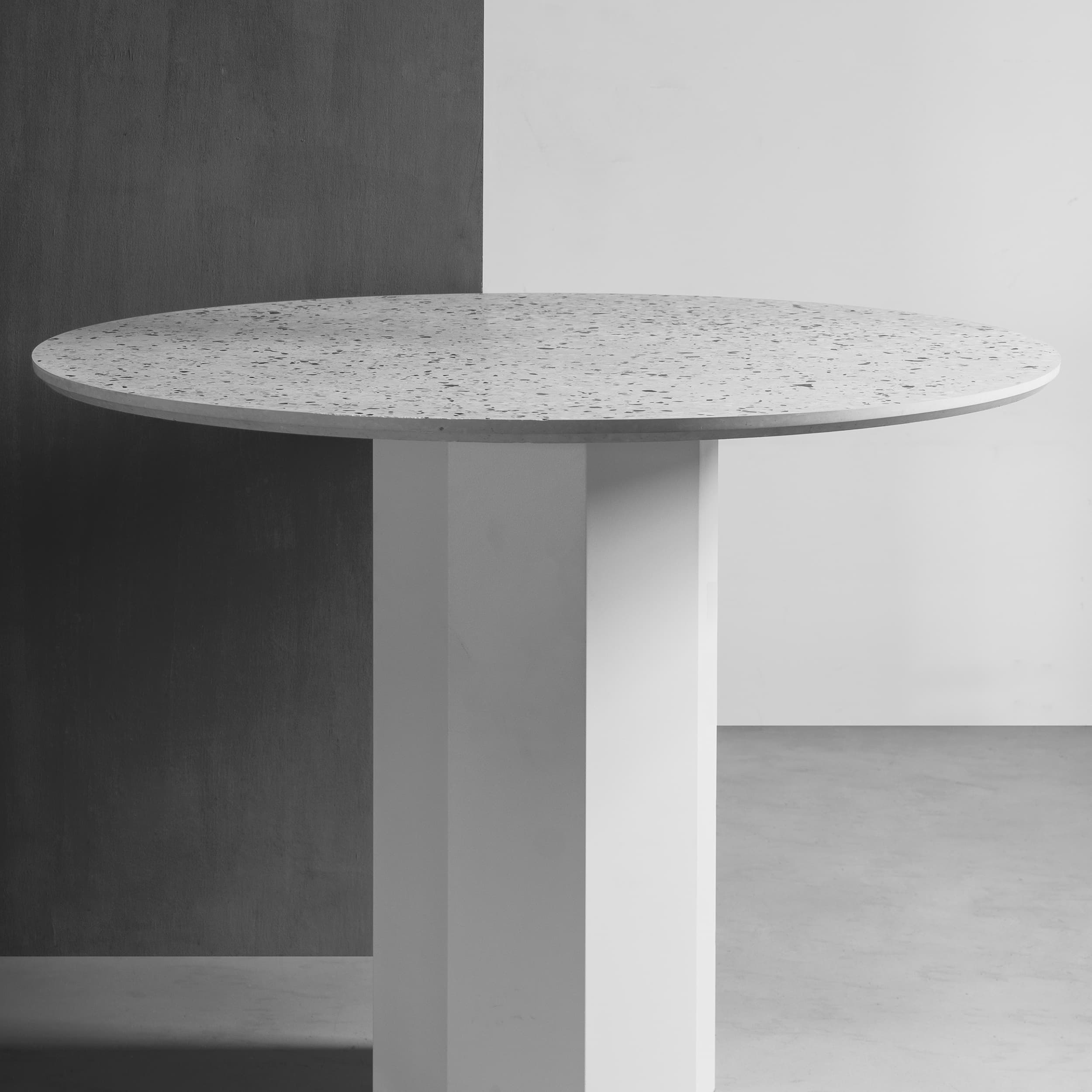
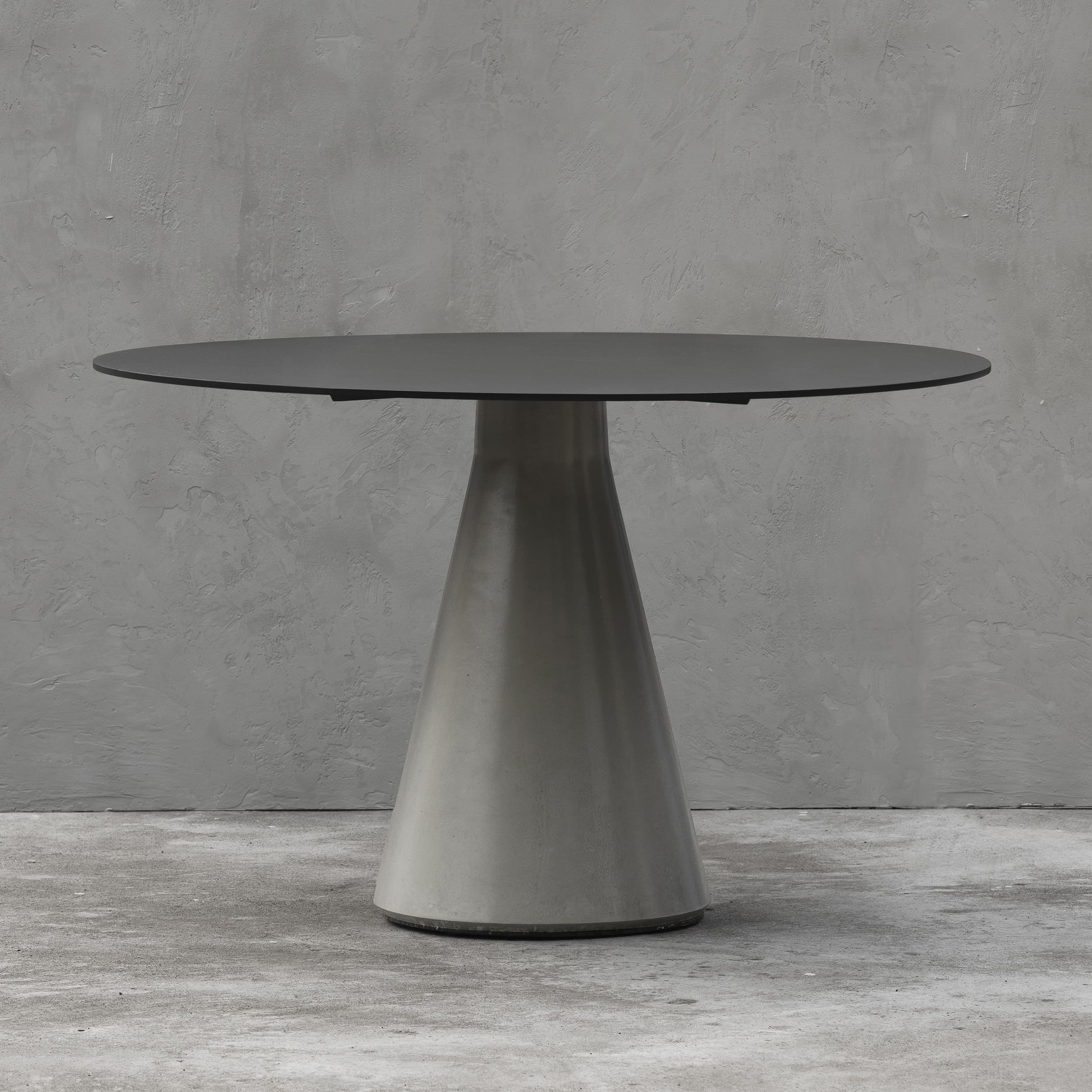
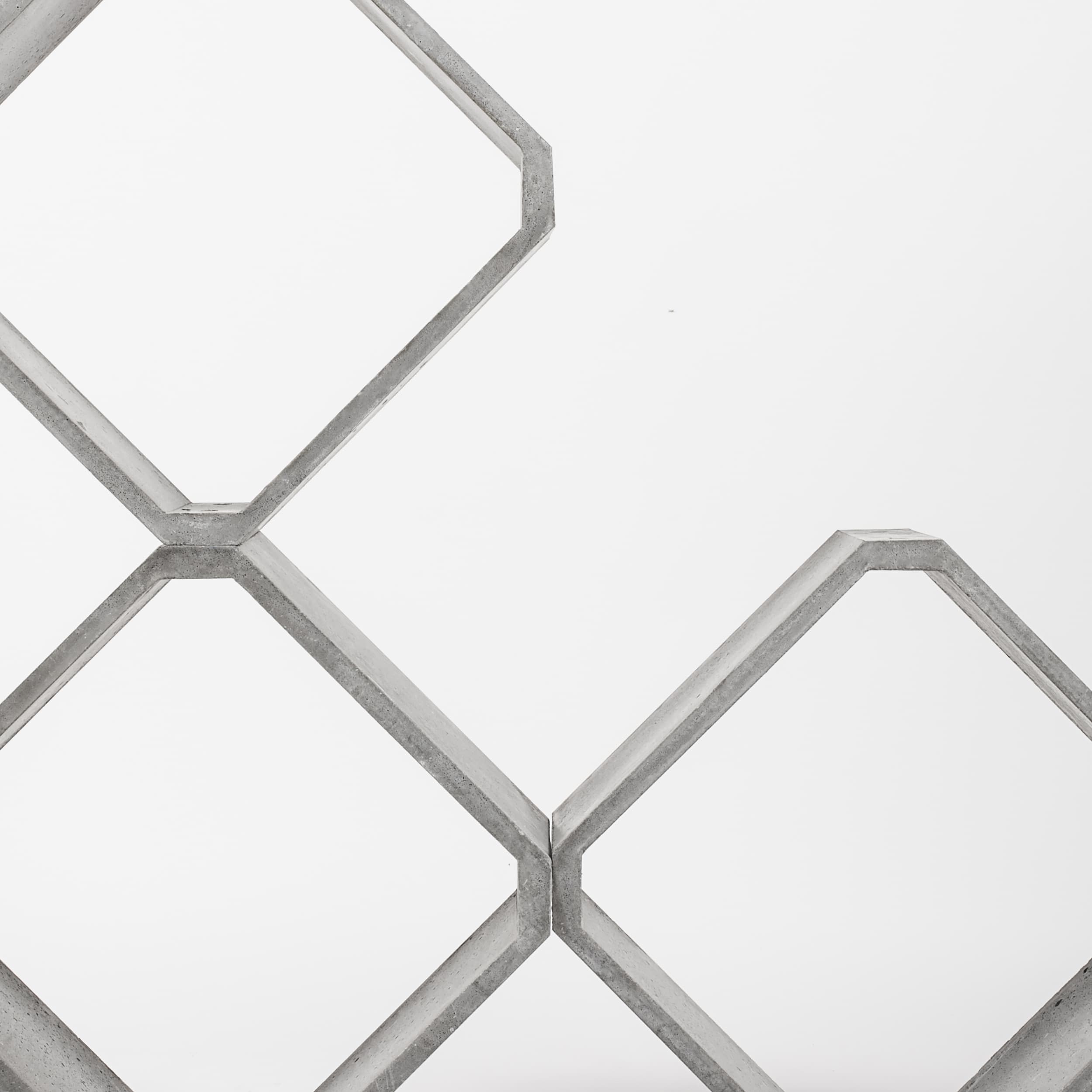
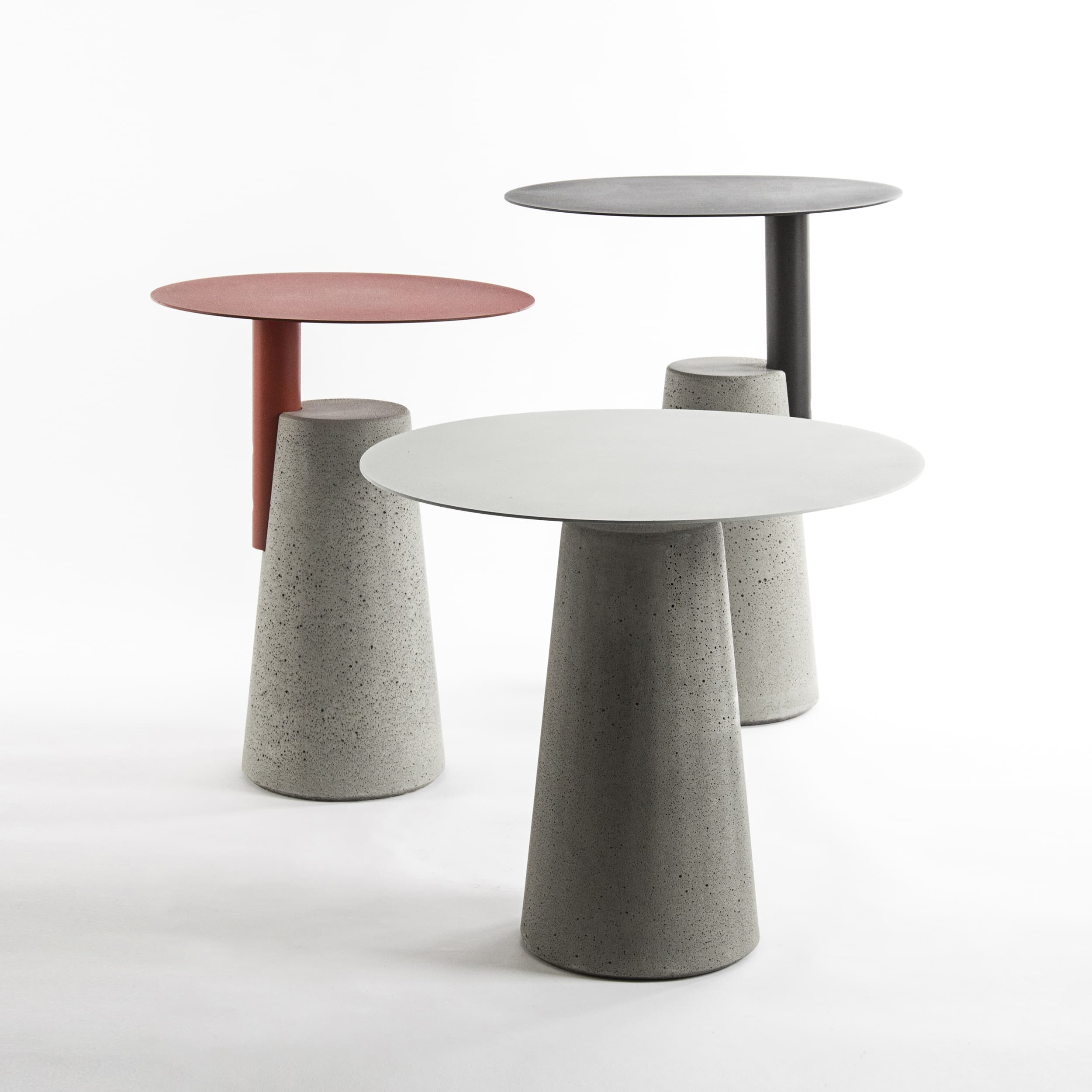
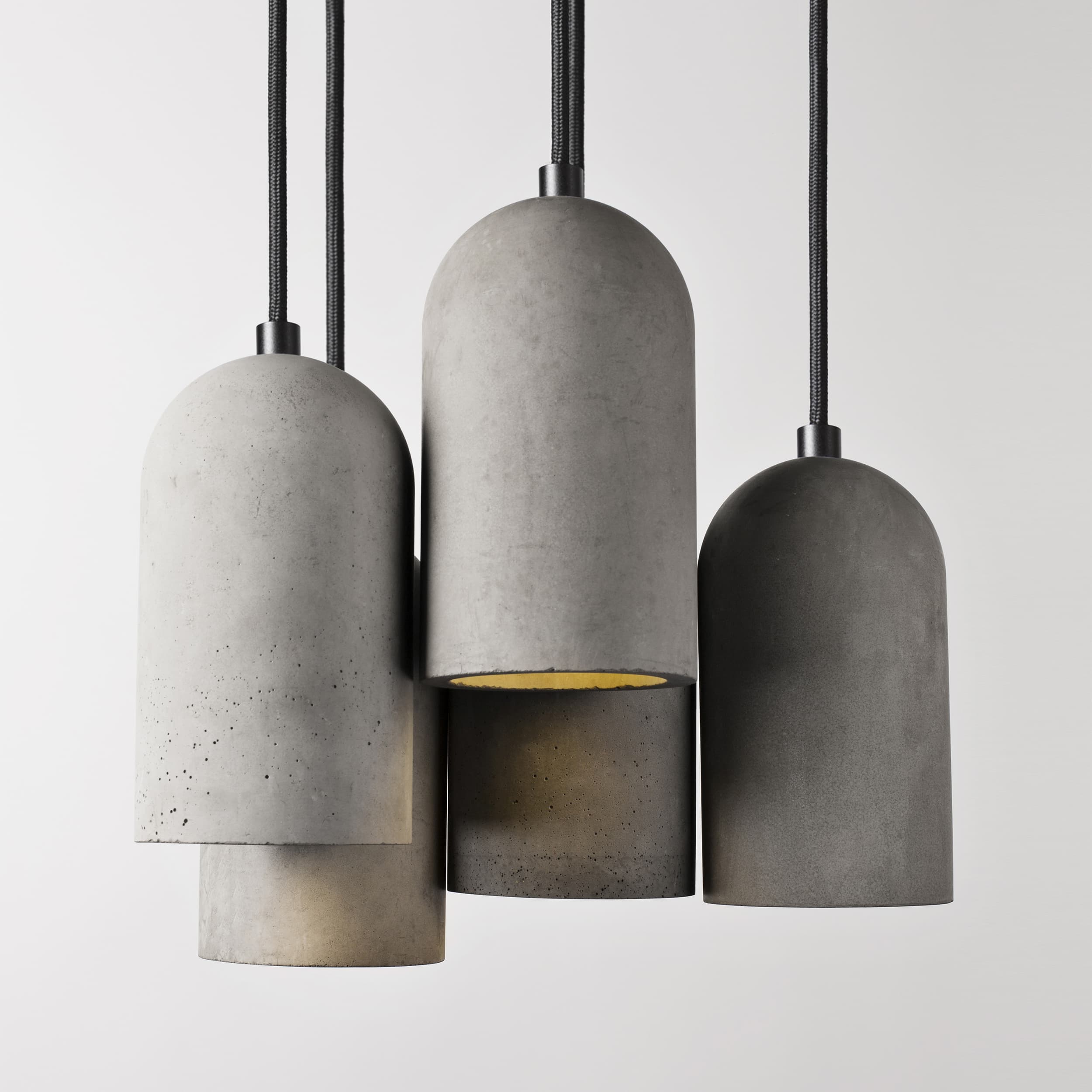
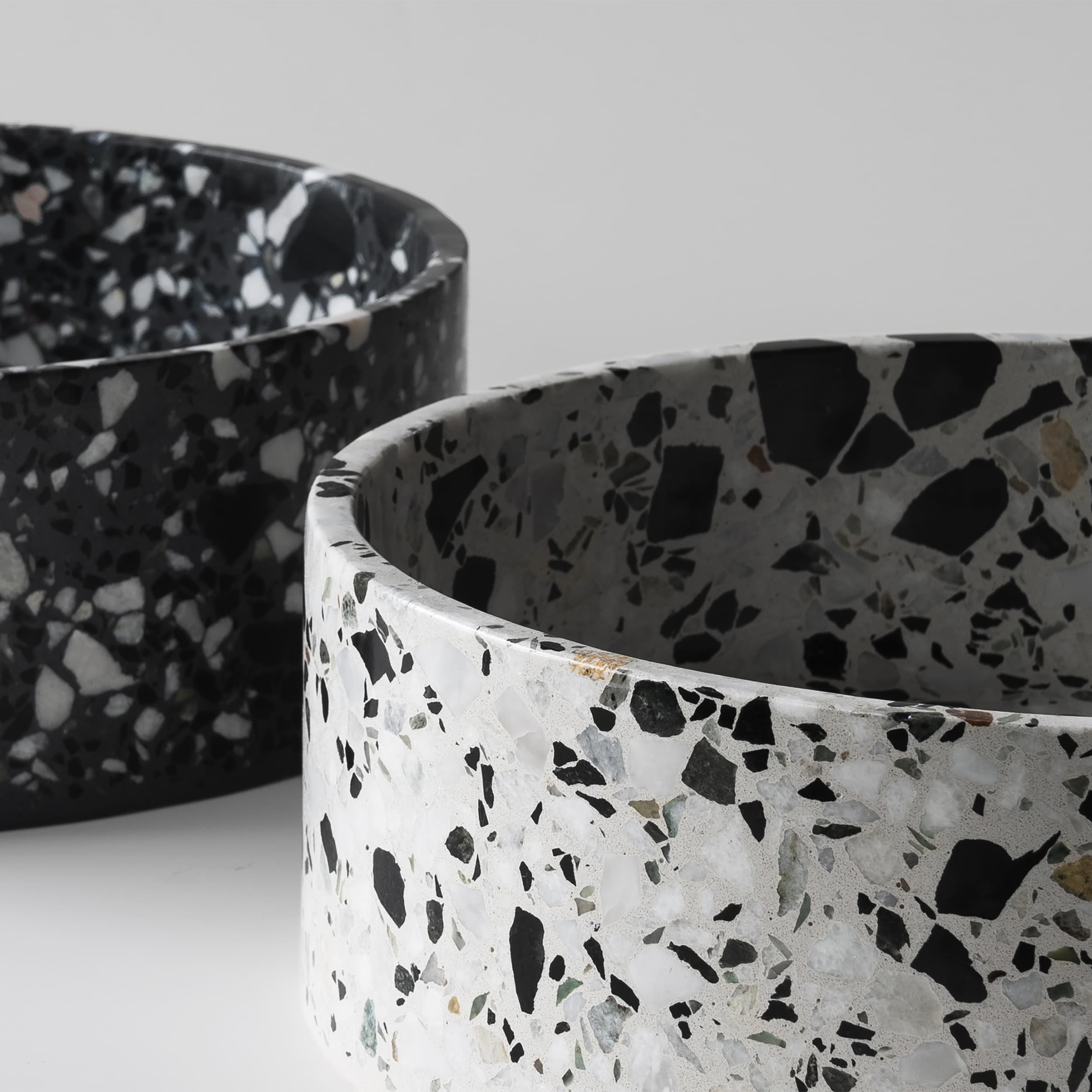
Fair‑faced concrete thoroughly subverts this modern logic of concealment. It refuses to imitate scarce materials like marble or hardwood and avoids artificial texturing. Its grey tone derives naturally from fly ash; pores record water evaporation during casting; colour variation stems from mineral differences between solid‑waste batches; texture emerges from natural aggregate distribution. No distinction exists between outer skin and inner core, or between finish and structure: the surface is the whole, and the interior is the surface itself. The “hyperreality” of modern decorative materials substitutes matter with symbolic imagery, erasing physical authenticity. Fair‑faced concrete achieves hyperreality differently: it lets matter constitute the surface and allows industrial solid waste to be fully visible. Compared with modern decorative materials, it delivers faithful restoration of material authenticity in the most understated and direct manner.
The practice of “making matter visible” aligns closely with phenomenological thought. Kant argued that humans only perceive phenomena and can never access unknowable noumena, leaving essence and appearance permanently divided. Husserl advocated returning to things‑in‑themselves: the forms, colours and textures we directly perceive represent a thing’s most authentic being. Modern decorative materials produce Kantian false phenomena: a tile imitates marble yet consists of clay; panels mimic timber texture but are engineered boards. Phenomenon and noumenon become completely disconnected, leaving people to engage with artificial illusions rather than genuine materiality. Solid‑waste fair‑faced concrete unifies phenomenon and essence. All visual and tactile surface features directly correspond to the physical properties of fly ash, slag and tailings. Without disguise, embellishment or symbolic substitution, the material honestly reveals its identity as a construction product made from industrial waste.
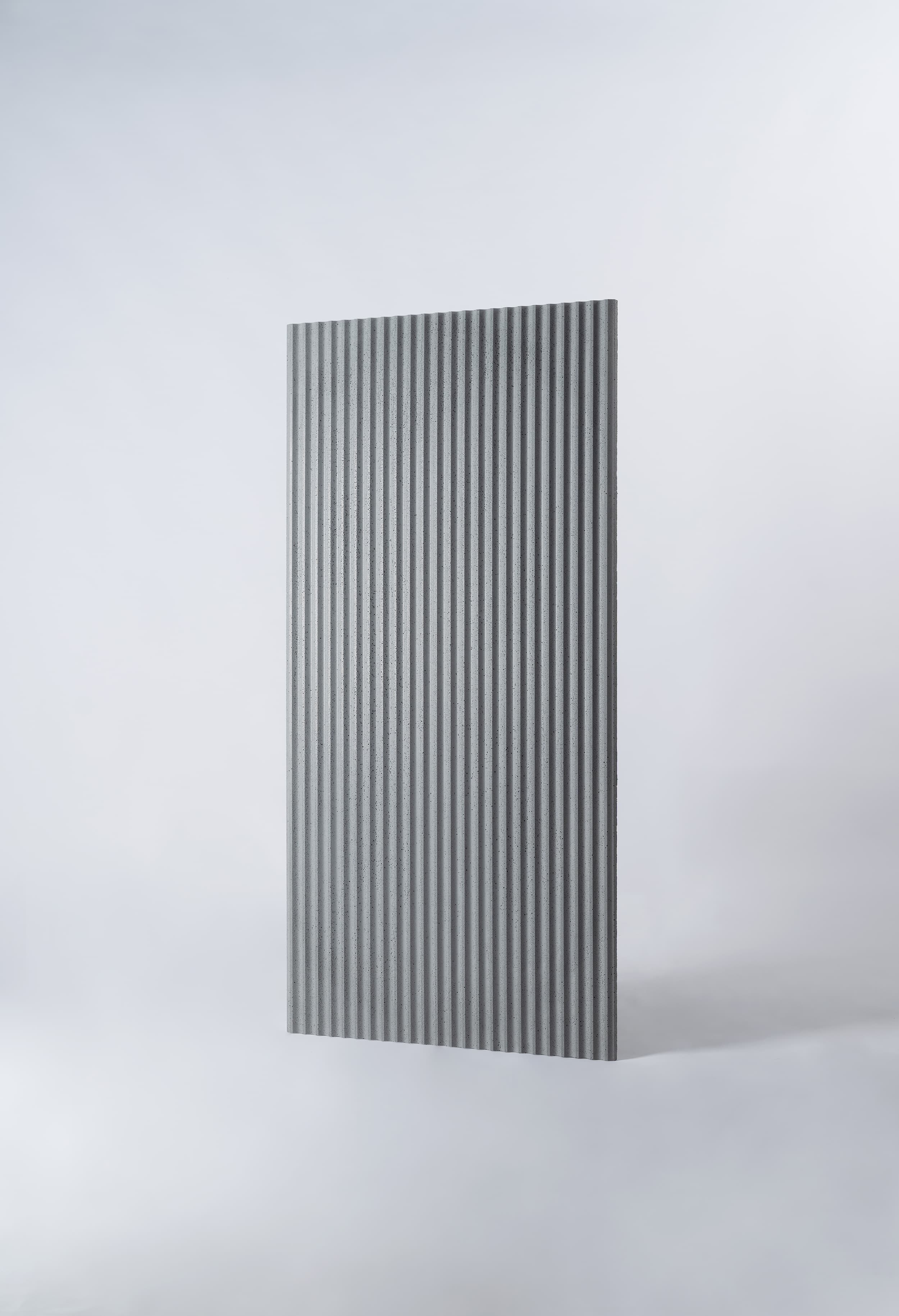
BENTU’s practice further challenges Kantian epistemological limits. Stripped of artificial signs and pretence, raw material presentation dissolves the divide between phenomenon and noumenon. While agnosticism cannot be fully refuted at the epistemological level, this application proves the possibility of authentic material presentation in construction. It also dismantles the prejudice that “surface equals superficiality”. For fair‑faced concrete, the surface is not a gateway to an interior but the sole interface of human‑material encounter. The chemical composition of fly ash and crystal structure of slag are objectively real yet inaccessible to human senses. Only surface‑level visual and tactile experience creates genuine connection between people and matter. Depth resides not inside the material but within its surface. To dismiss the surface is to display arrogance and blindness toward material existence.
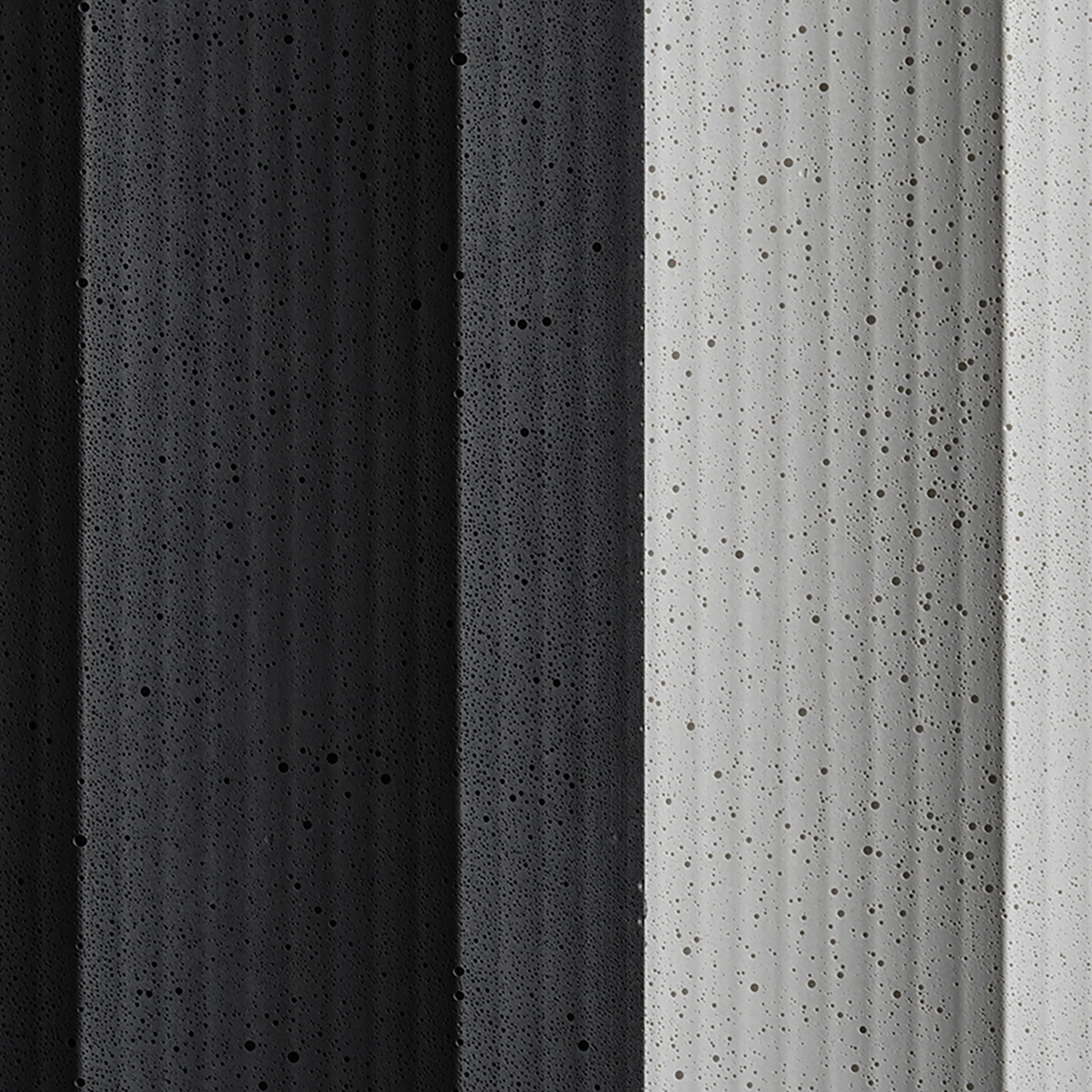
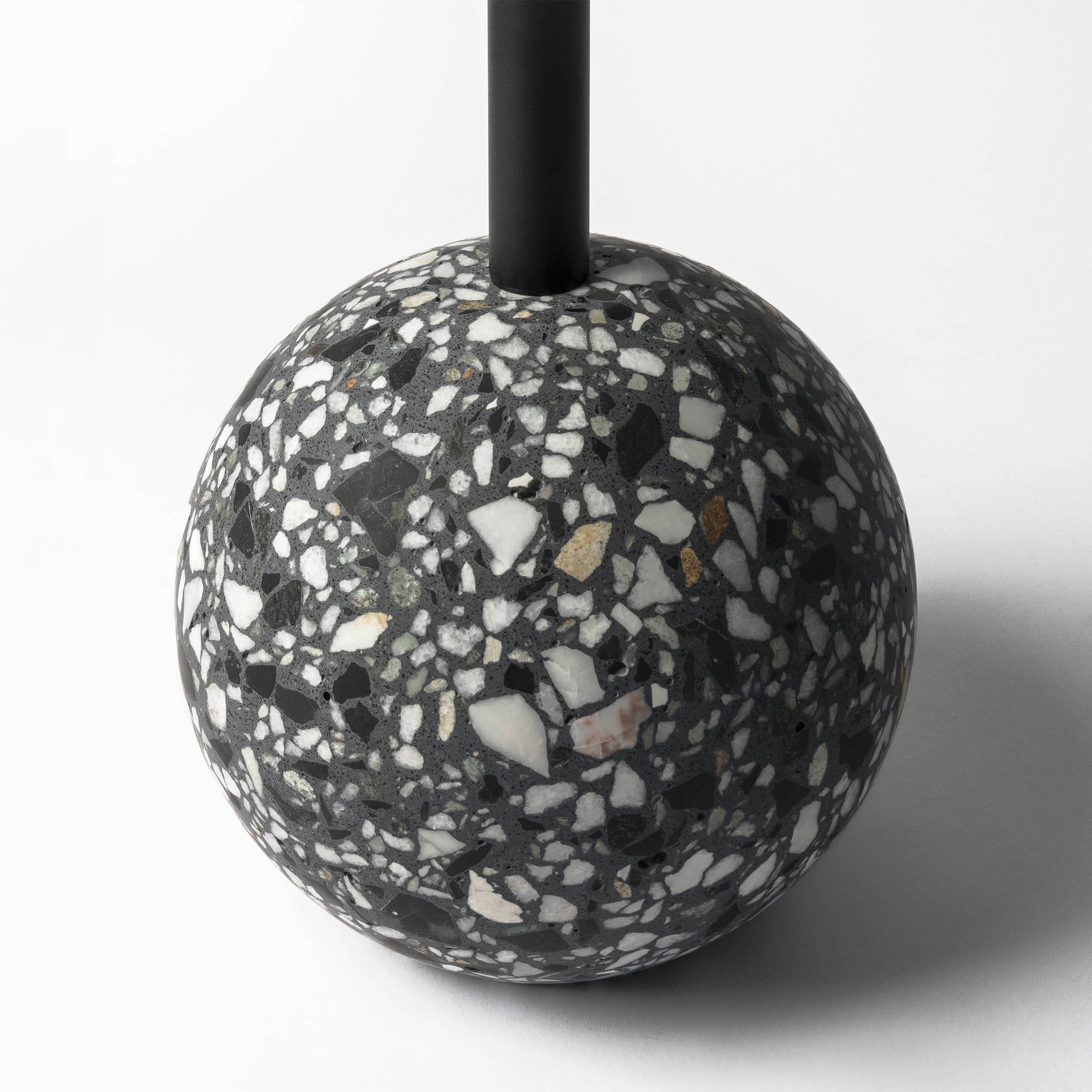
From a physical perspective, the surface is not a static boundary but an active interactive interface for material exchange, permeation and reaction. This scientific definition underpins the value of fair‑faced concrete’s exposed finish. Every surface trace records dynamic material interplay during casting. As slurry is poured and vibrated, air bubbles rise, moisture migrates and aggregates rearrange. Liquid slurry continuously interacts with solid formwork and solid‑waste aggregates. The resulting pores, construction joints, colour variation and texture are not manufacturing defects but complete records of pre‑solidification interaction. Pores mark air‑escape pathways, residual voids from concrete setting. Colour variation archives compositional fluctuation in solid‑waste feedstock and records differences in waste sources.
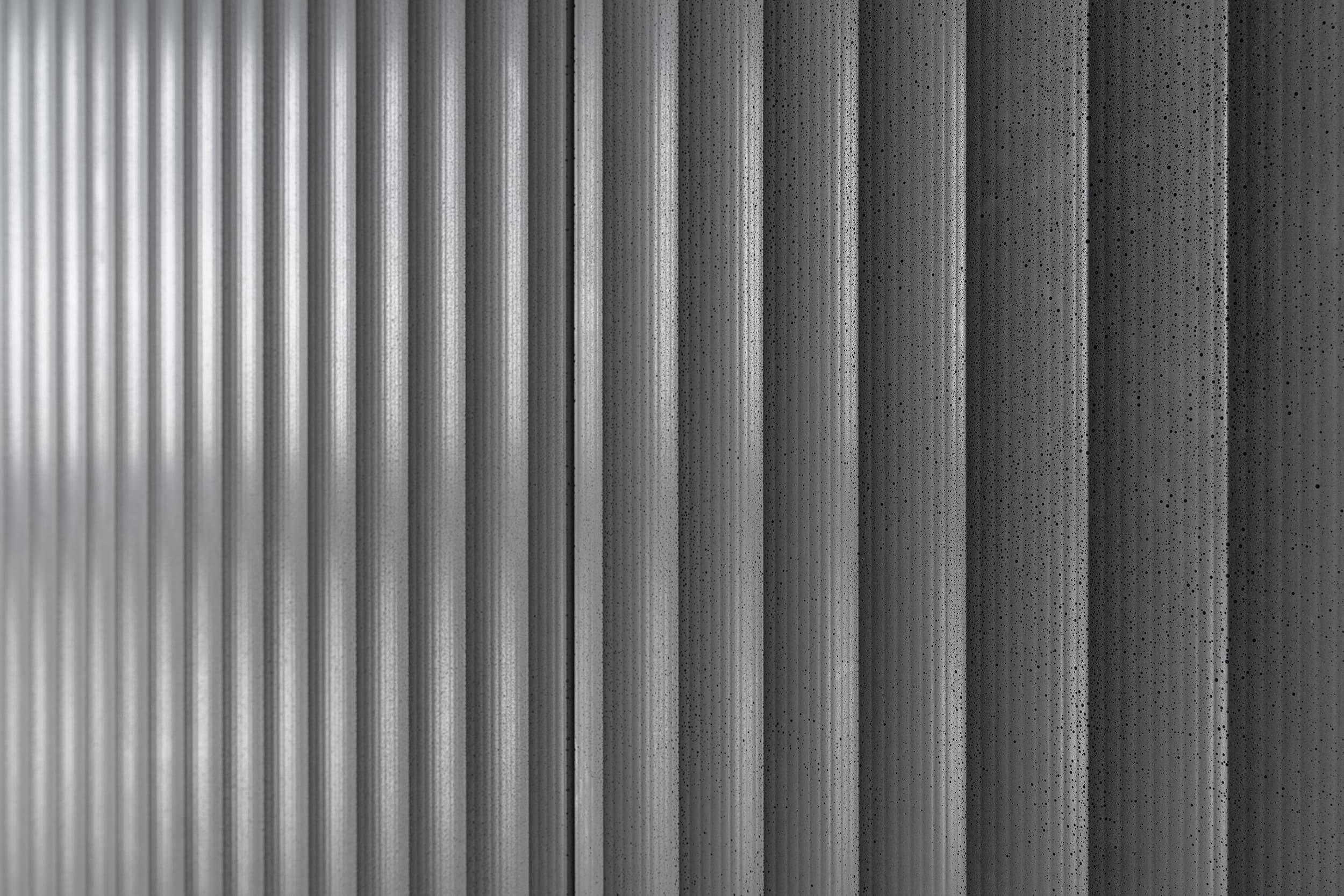
Crucially, finished surfaces retain dynamic interactive capacity. Unadorned microporous structures continuously exchange substances with the environment: rough surfaces create soft diffuse reflection; pores absorb and release moisture with changing humidity, acting as natural indoor humidity regulators. Over time, air, human contact and temperature leave living traces on the surface. It functions not as a sealed decorative shell but as a living interface linking indoor environments, human bodies and construction materials. Industrial solid waste undergoes profound identity transformation: from buried, concealed residue to perceptible matter exposed to light, air and human touch. The surface ceases to be a separating barrier and becomes a channel connecting materials, industrial systems and indoor spaces, returning previously hidden industrial by‑products to human perception.
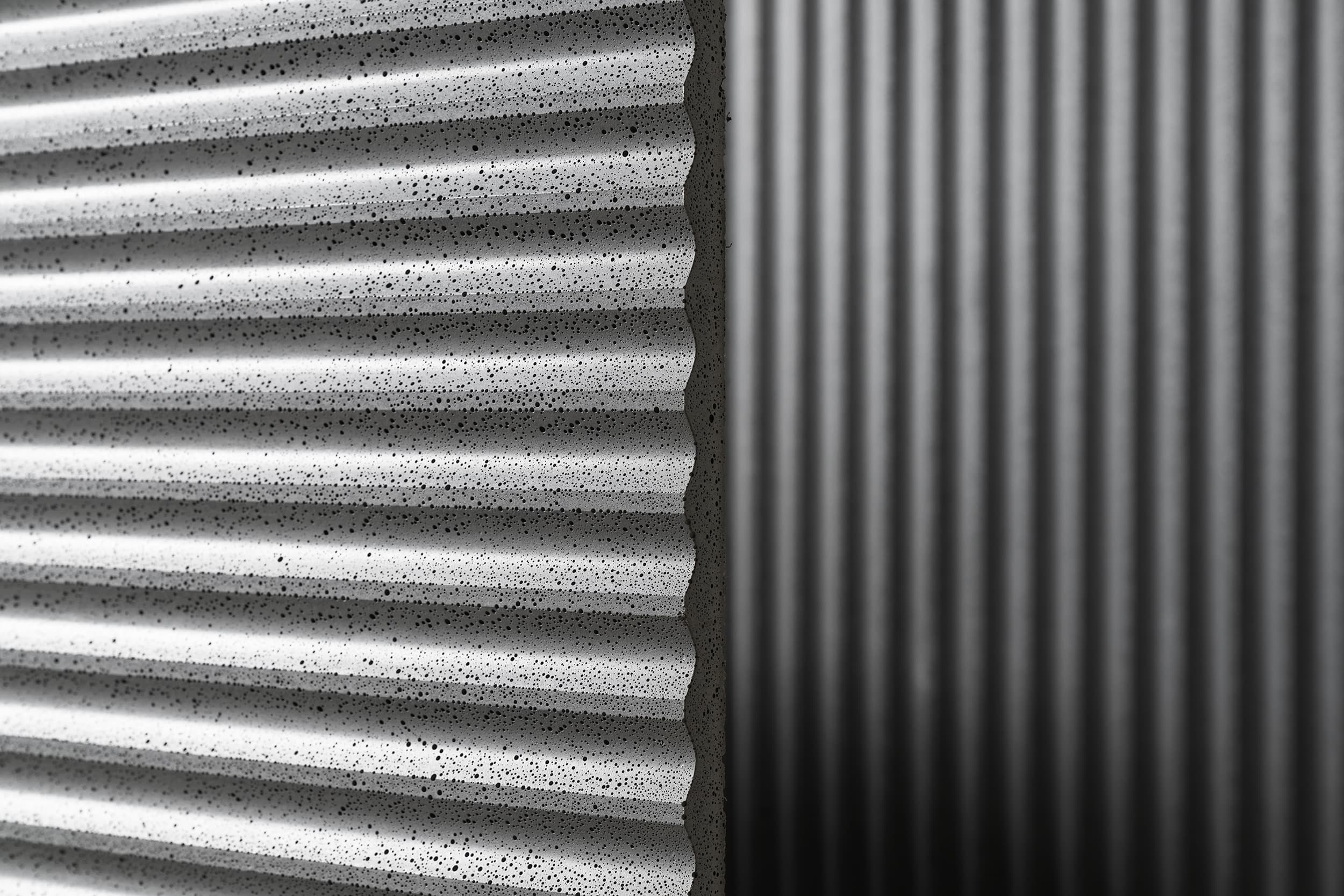
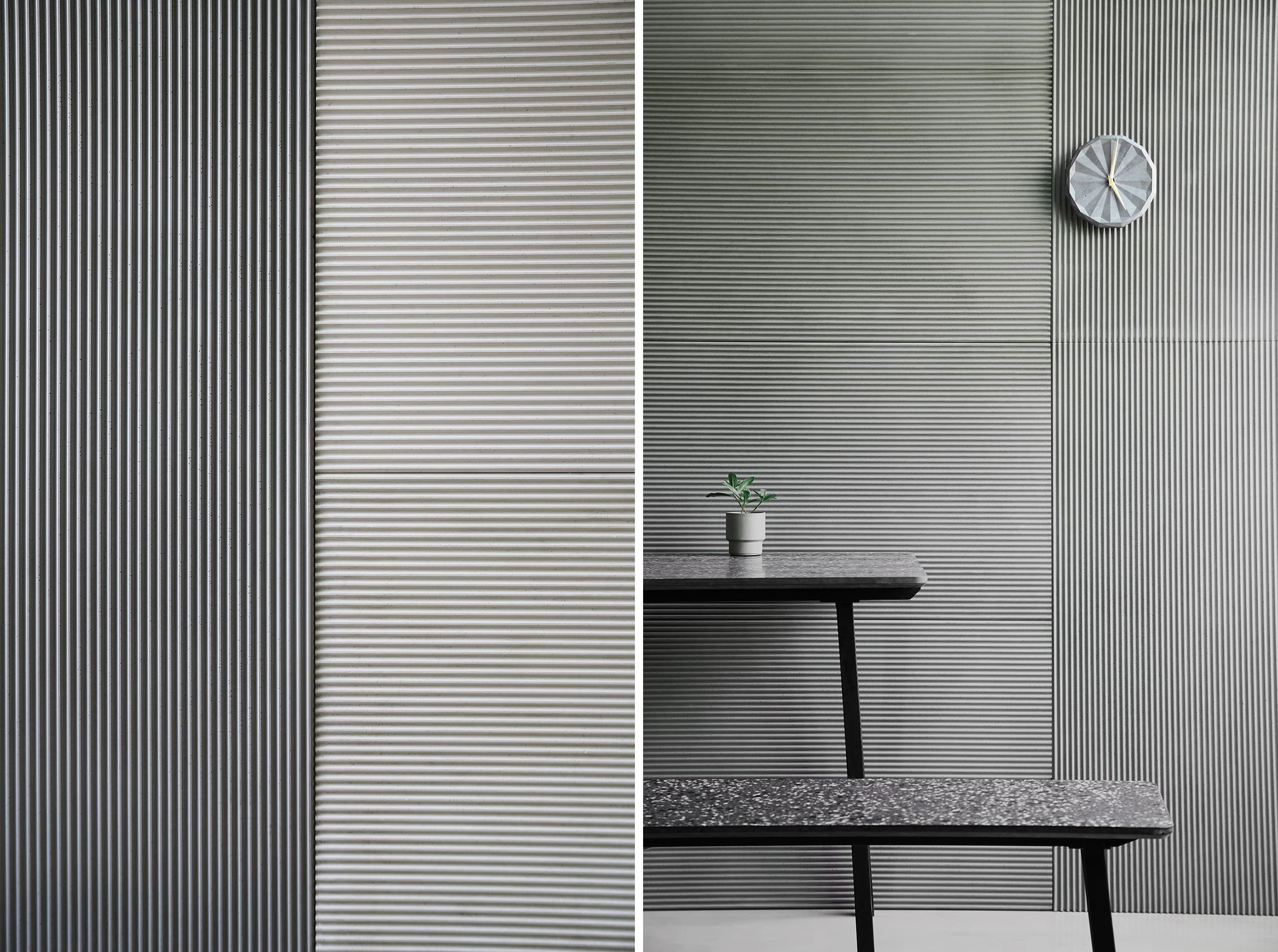
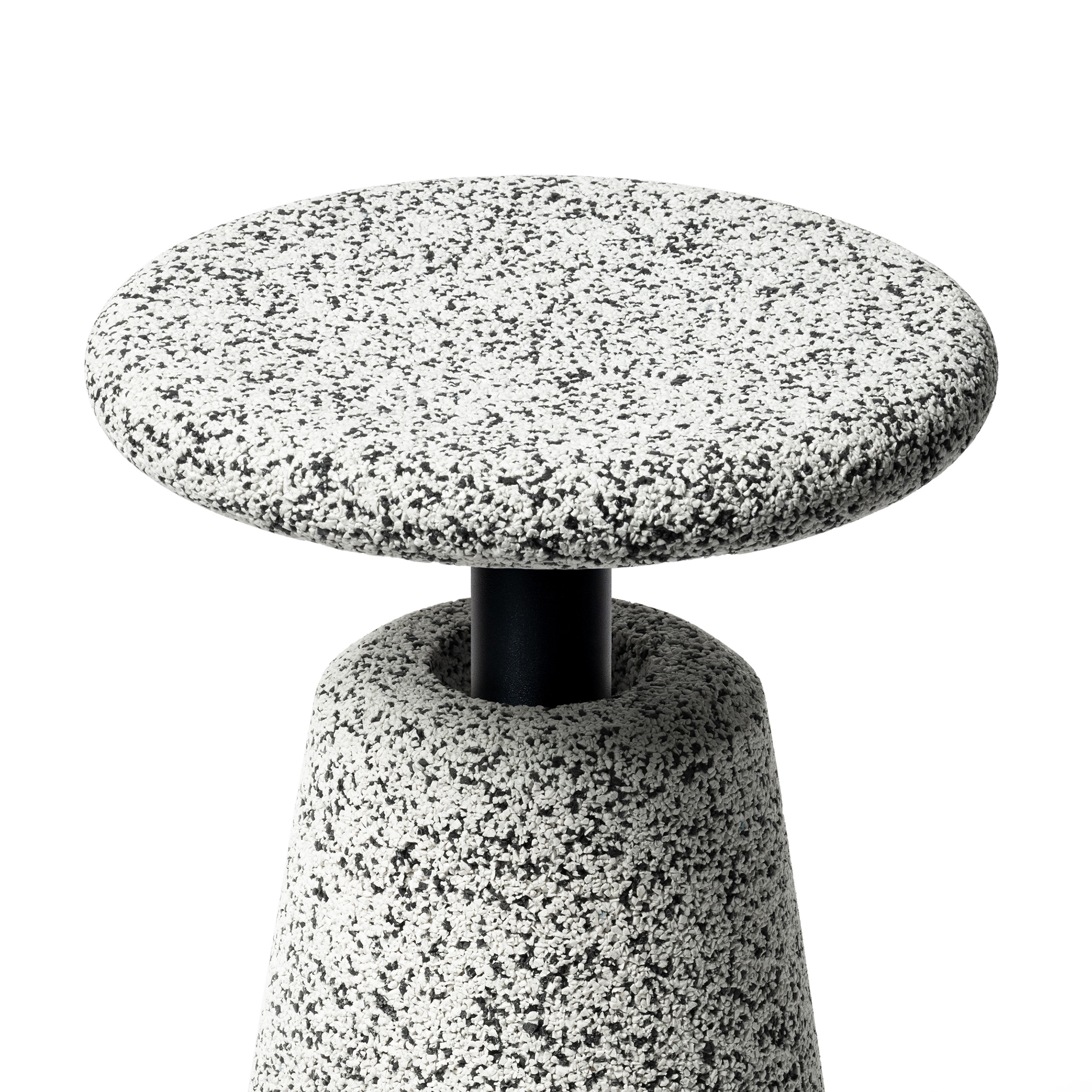
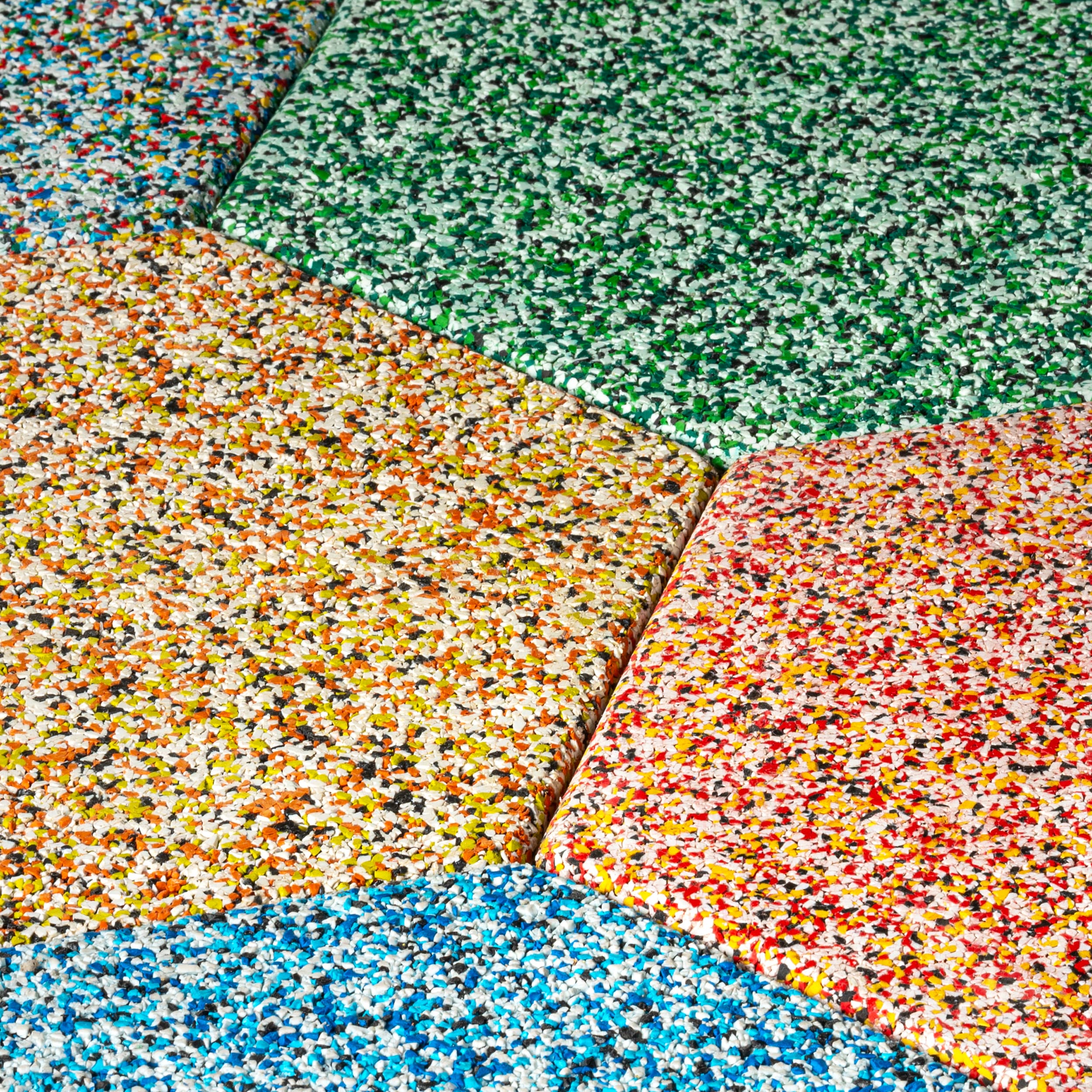
These physical properties further realise material‑science principles: the surface acts as the exclusive medium between technical performance and aesthetic experience, with microstructure directly shaping macroscopic visual and tactile qualities. The core value of solid‑waste fair‑faced concrete lies in restoring bodily perception to authentic materiality and rejecting consumer‑driven false aesthetics. Visually, inherent material properties create a unique matte finish. Unpolished surfaces retain roughness from aggregates and casting techniques, producing even diffuse reflection with soft, warm tonal quality. Such appearance originates entirely from solid waste: fly ash greys and slag speckles are natural solidified formations requiring no coating. The raw palette of waste serves as aesthetic language, contrasting sharply with the artificial sophistication of conventional modern building materials.
Tactilely, micro‑topography delivers distinctive bodily experience. Fingertips detect fine granular undulations from aggregate particles. Moderate thermal conductivity imparts warmth rather than coldness, combining stone‑like solidity with wood‑like tactility. It avoids the detachment of polished surfaces and the lightness of plastics, embodying authentic material weight and temperature. Used for floors and walls, fair‑faced concrete shifts human engagement from distant viewing to intimate contact. Barefoot walking and direct touching enable immediate experience of physical materiality. Behind this perception lies a plain material principle: do not obscure material identity, do not fabricate perfect illusions, and let the body directly engage with reconstructed fly ash and slag.
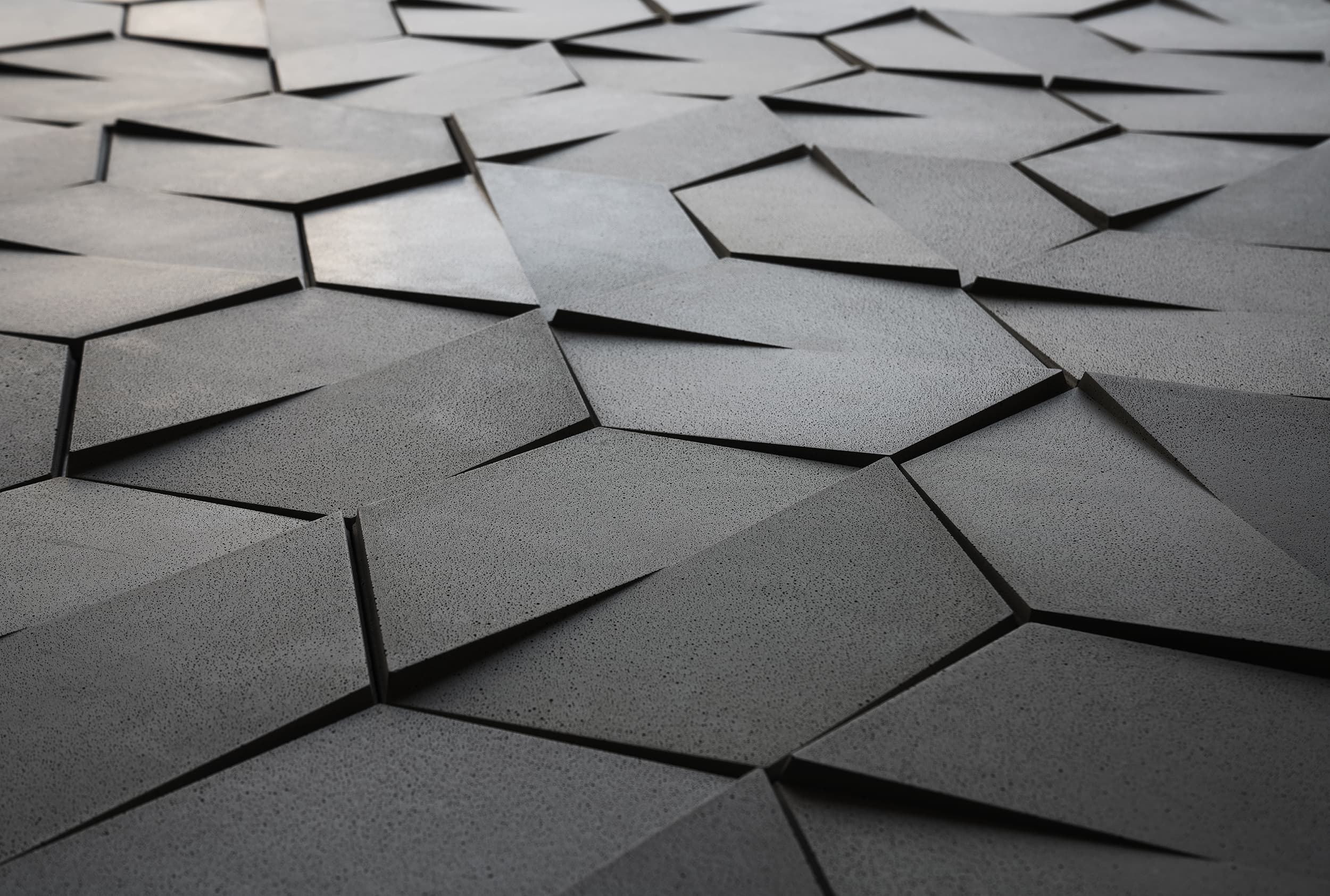
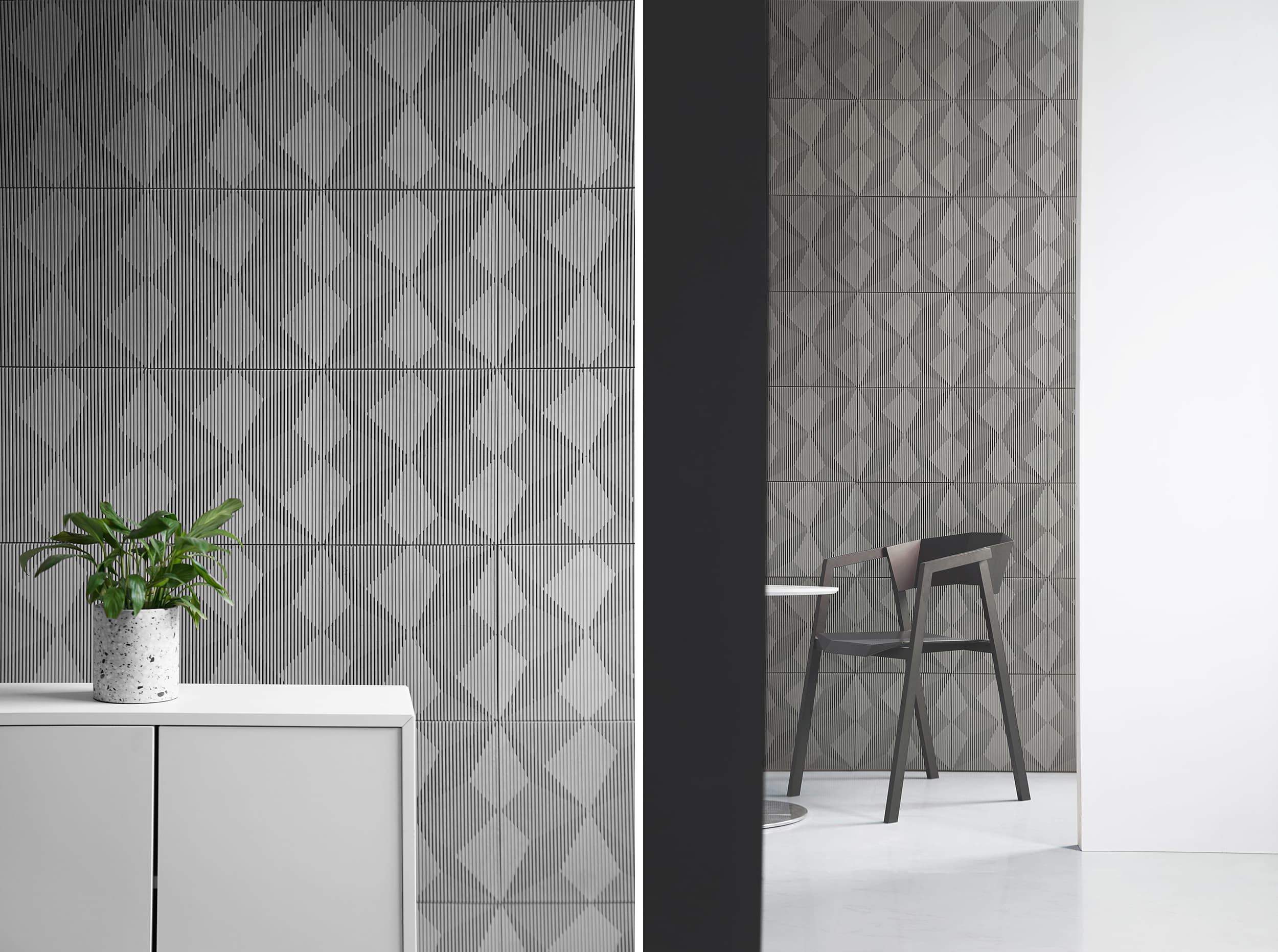
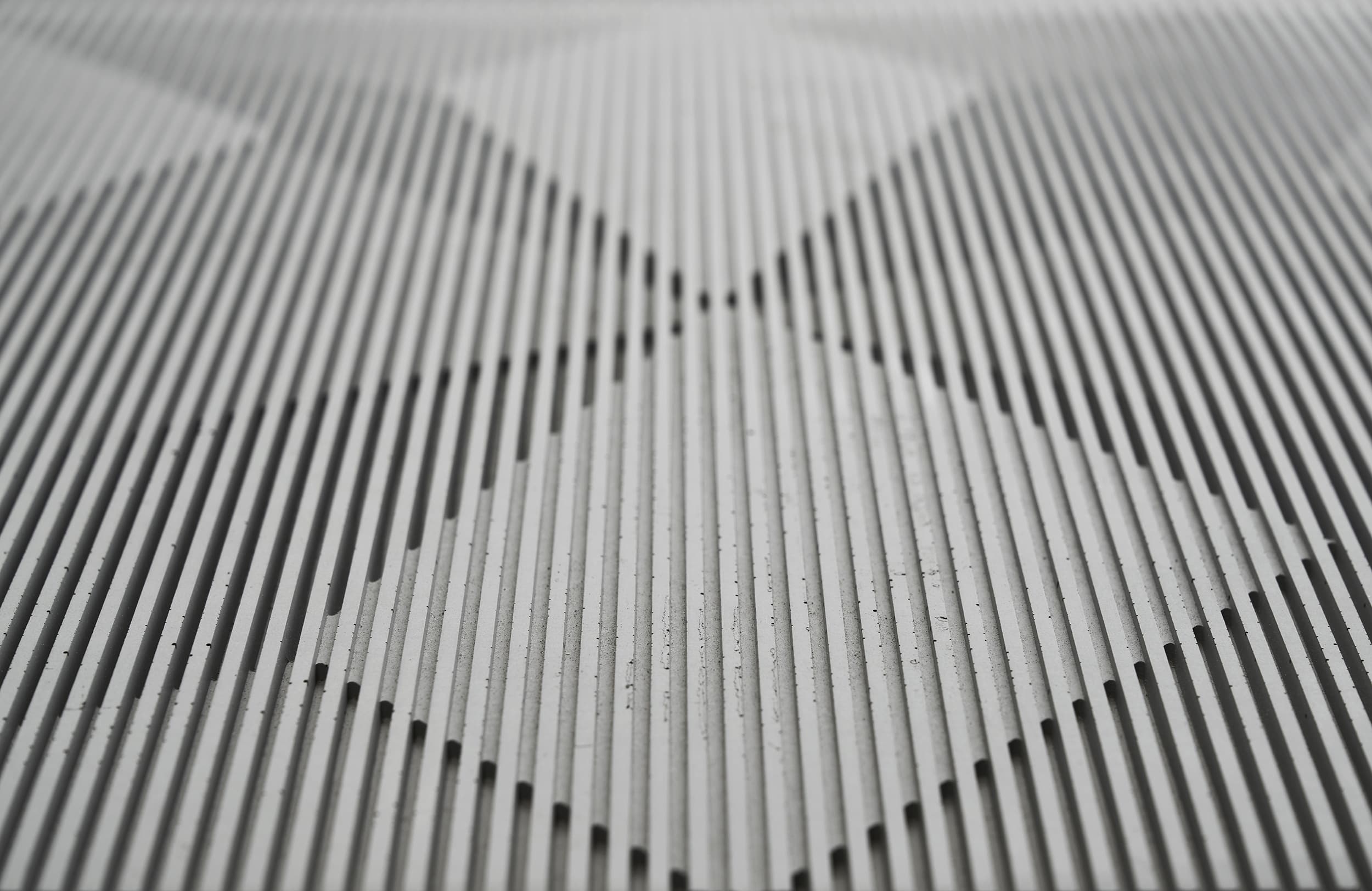
Complete material aesthetics inherently includes temporal dimension. Fair‑faced concrete embraces time and lets surface traces preserve material life and lived memory. Unlike conventional materials engineered to remain permanently pristine, it evolves with environmental conditions. Outdoor surfaces darken with rain washing; frequently touched handrails and tabletops develop warm patinas; ultraviolet light gradually deepens grey tones through oxidation. Meanwhile, fly ash, slag and tailings preserve industrial historical records from factories, mines and smelters. Industrial history and daily urban life converge on individual panels, turning walls and floors into dual‑time carriers. Its acceptance of imperfection and natural change aligns with Japanese wabi‑sabi aesthetics, where rustic simplicity and temporal traces constitute authentic beauty.
On this basis, BENTU’s fair‑faced concrete embodies a unique process‑driven aesthetics. All surface characteristics serve as objective evidence of formation processes and outcomes of human‑material collaboration. Pores record air release; colour variation reflects raw‑material fluctuation; texture documents production‑environment change. Features classified as defects under industrial quality control systems instead prove genuine material participation in creation. Modern industrial design treats materials as passive forms to be arbitrarily shaped, prioritising perfect correspondence between design drawings and finished products and subordinating material properties to artificial aesthetic standards. Solid‑waste fair‑faced concrete shifts design logic from one‑way “shaping” to equal “collaboration”. Fly ash tone, slag hardness, aggregate size and slurry fluidity are no longer obstacles to overcome but inherent material qualities to respect. Designers act not as absolute controllers but as mediators coordinating formulation, technique and environment to let solid‑waste characteristics naturally emerge on the surface. Final surfaces balance human design and material nature. Each panel represents a unique casting event whose surface fully records raw‑material sources, forming processes and curing conditions. Users encounter not standardised decorative symbols but complete processes preserved within matter. Materials escape passive processing and become active expressive agents.
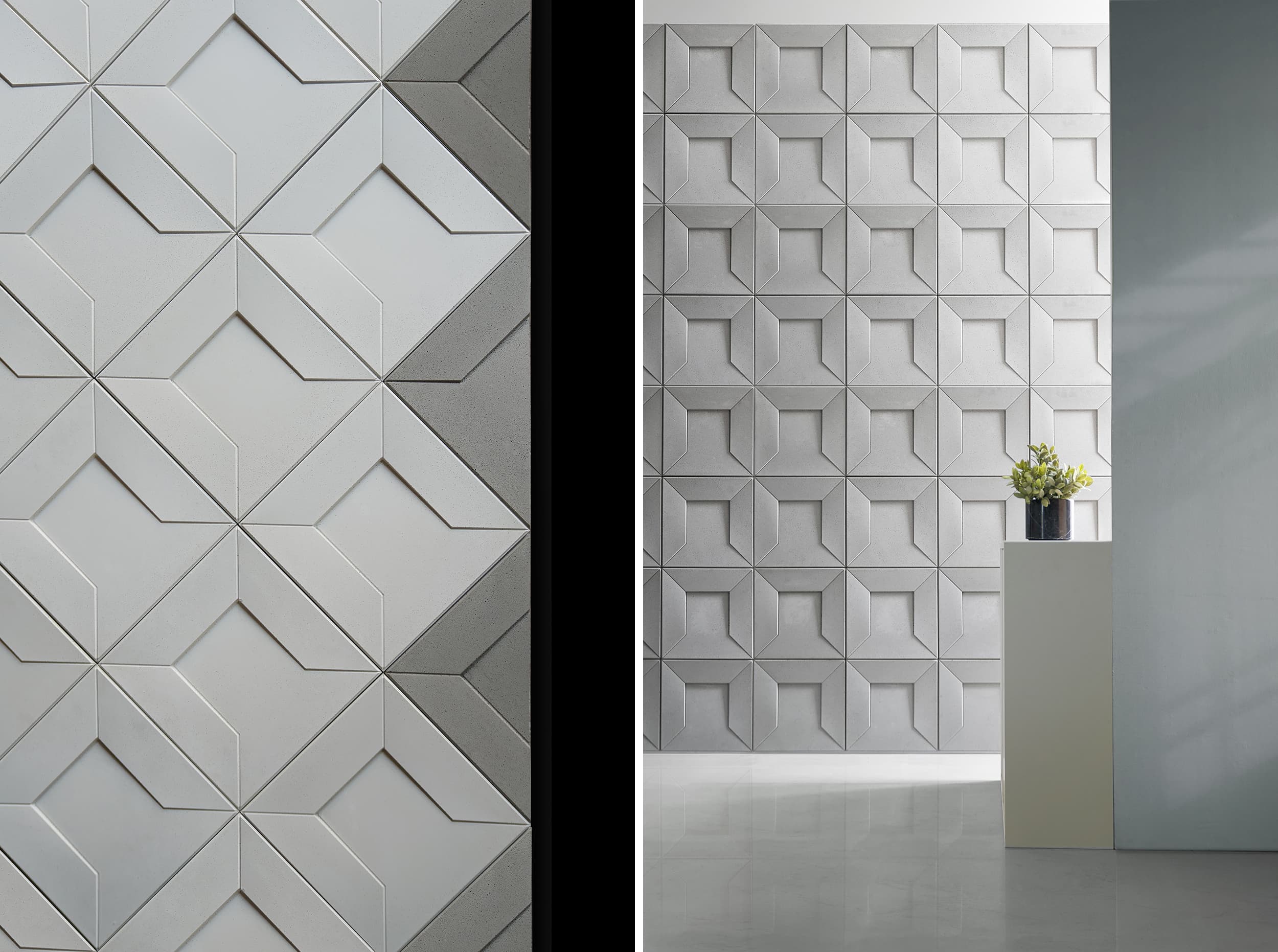
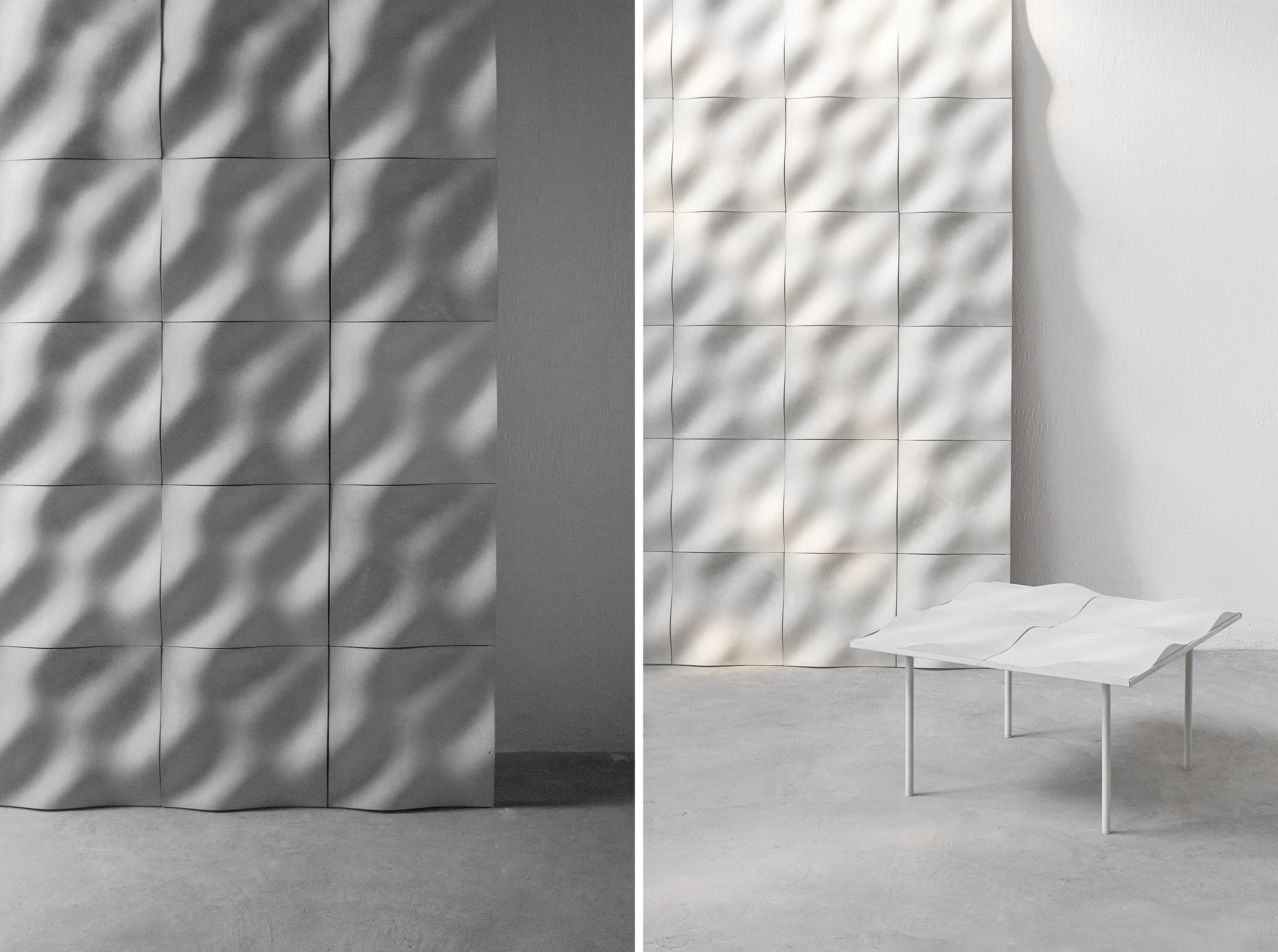
When up to 80 % solid‑waste fair‑faced concrete enters indoor spaces, industrial waste undergoes complete social‑identity transformation from discarded residue to reliable daily‑use building material. Fly ash, slag and tailings, once public industrial by‑products sent to landfills and tailings ponds as isolated waste, are transformed into warm, comfortable indoor environments. Alkali‑activated binder systems stabilise waste components to ensure long‑term safety and reliability, eliminating public concerns about waste‑derived materials and bridging the divide between humans and industrial residues.
In addition, inorganic mineral composition delivers zero‑formaldehyde and zero‑VOC performance to eliminate indoor pollution at source. Excellent thermal inertia creates natural thermal comfort in all seasons, while microporous structures provide passive humidity regulation. Native texture enables close connection with earth‑bound tactility. Intense industrial production processes are translated into calm indoor atmospheres. Solid waste is gently reconstituted, and industrial material memories endure quietly within living spaces.
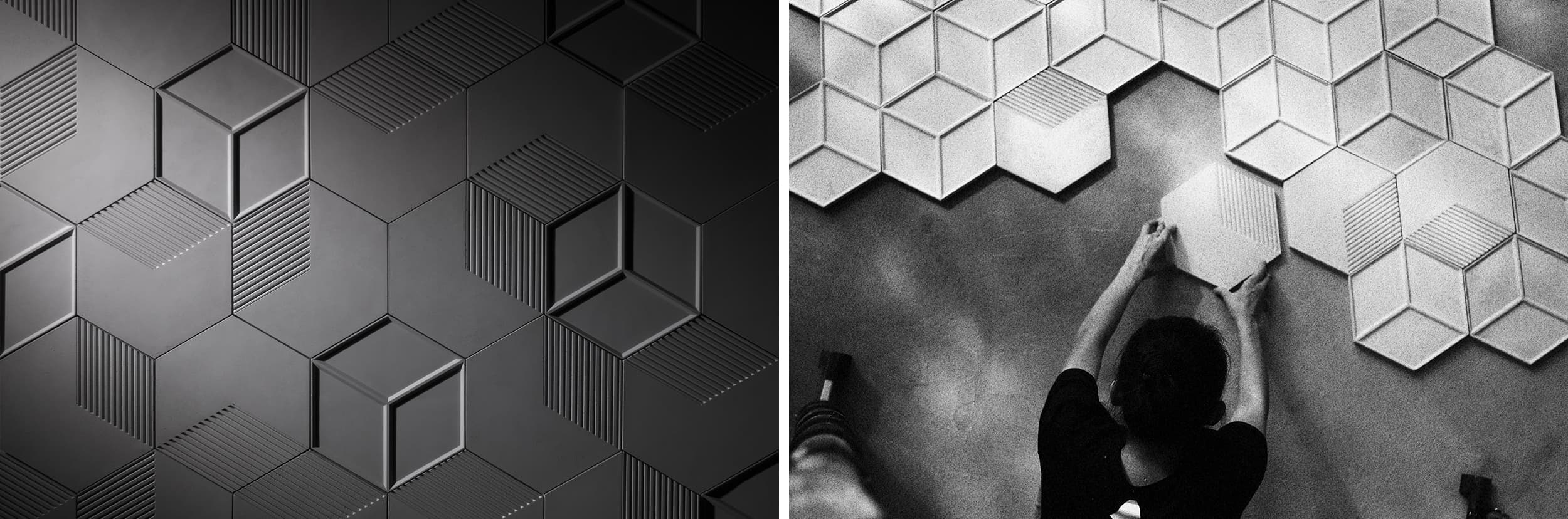
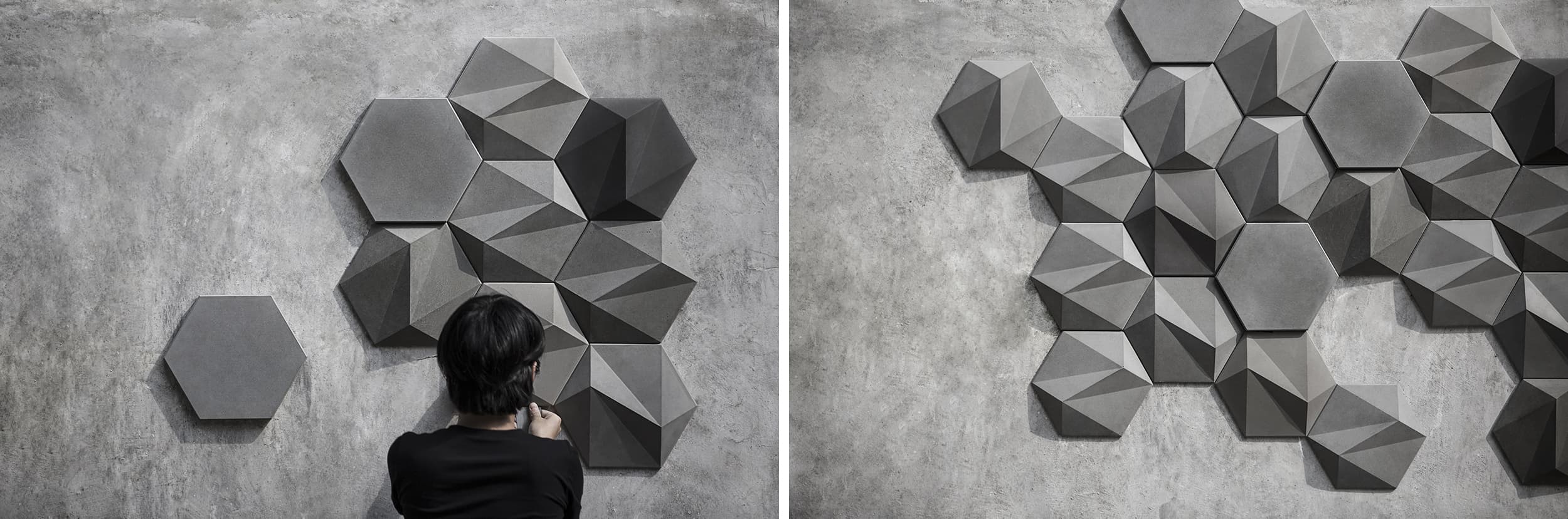
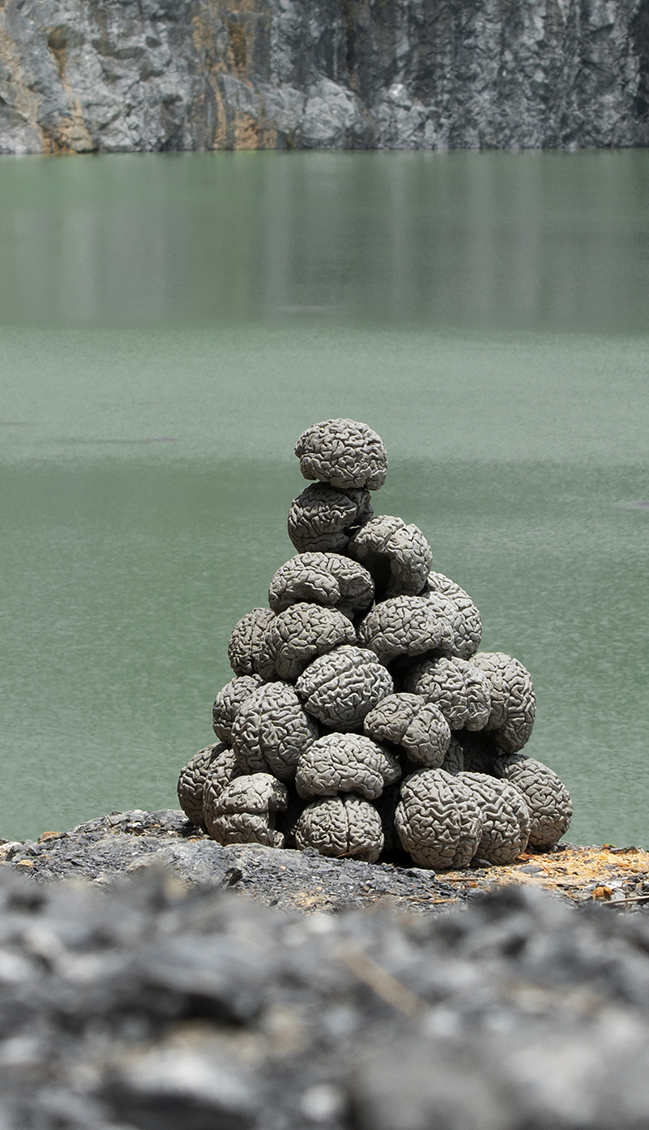
Binary oppositions between surface and depth, raw material and waste, are never objective classifications but power‑laden value constructs. BENTU’s practice simultaneously deconstructs these entrenched hierarchies. Conventional thinking prioritises interior essence over superficial appearance and values virgin raw materials while dismissing solid waste as useless refuse. Society consigns waste to invisible zones via landfilling and containment while treating surfaces as trivial ornament and glorifying hidden essence. Fair‑faced concrete dismantles the hierarchy between surface and structure: the surface is the structure with no primary‑secondary distinction. It also breaks the raw‑material/waste divide by positioning solid waste as an aesthetic subject rather than cheap filler. Discarded residues become valued substances; superficial appearance becomes essential reality; materials are defined by physicality rather than symbolic imagery. This shift occurs not through theoretical discourse but through lived architectural spaces, returning invisible industrial waste to visibility, re‑establishing material value and enabling waste to be recognised and respected.
The surface constantly alternates between concealment and revelation. Modern decorative materials hide material truth behind artificial symbols, embodying the surface’s concealing function. Fair‑faced concrete reveals authentic solid‑waste properties through plain surfaces, realising its revelatory potential. There is no need to force penetration beyond the surface to seek abstract essence; true depth lies within surface colour, texture and traces. Material origin, manufacturing processes and temporal memory are all embedded within exposed surfaces.
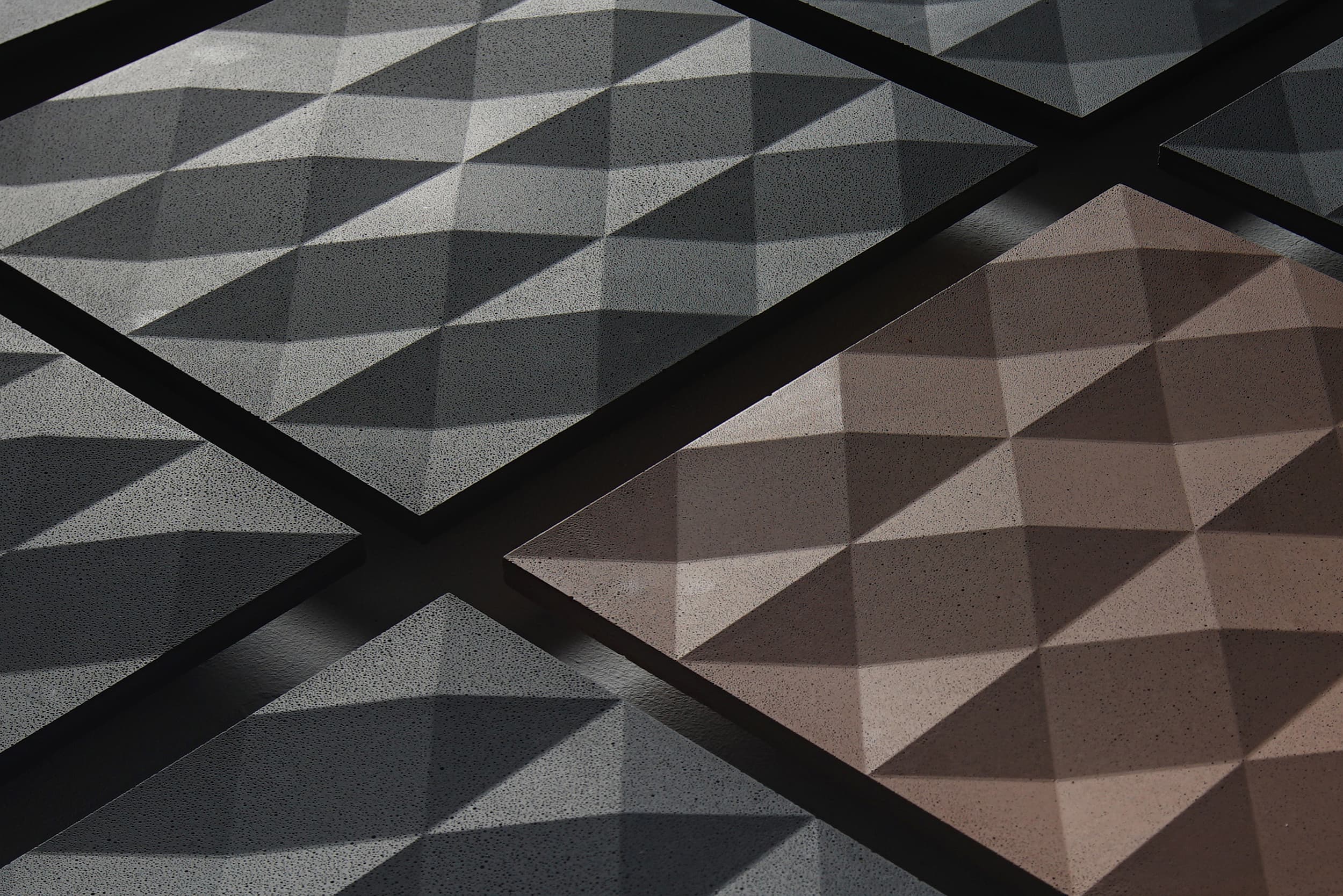
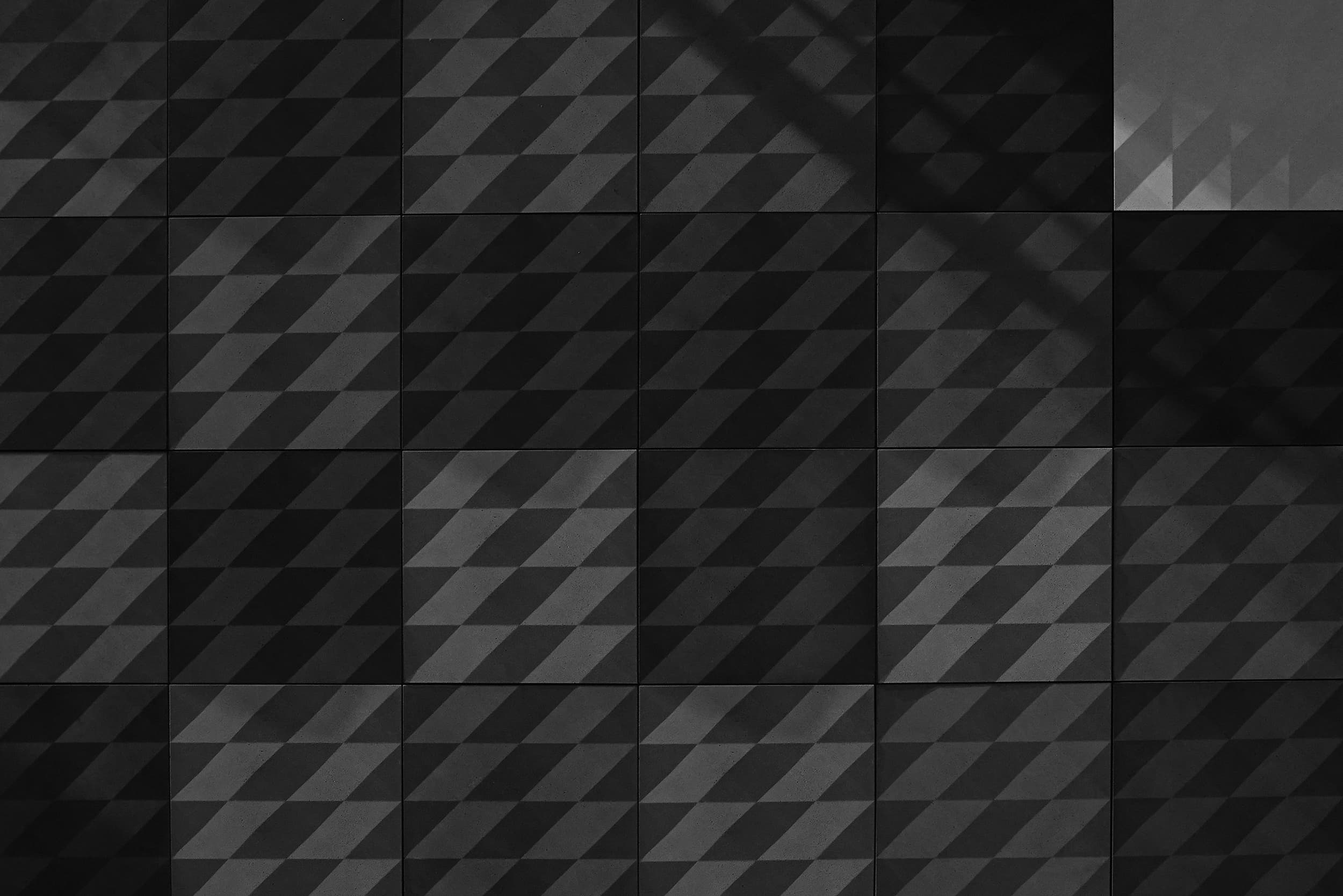
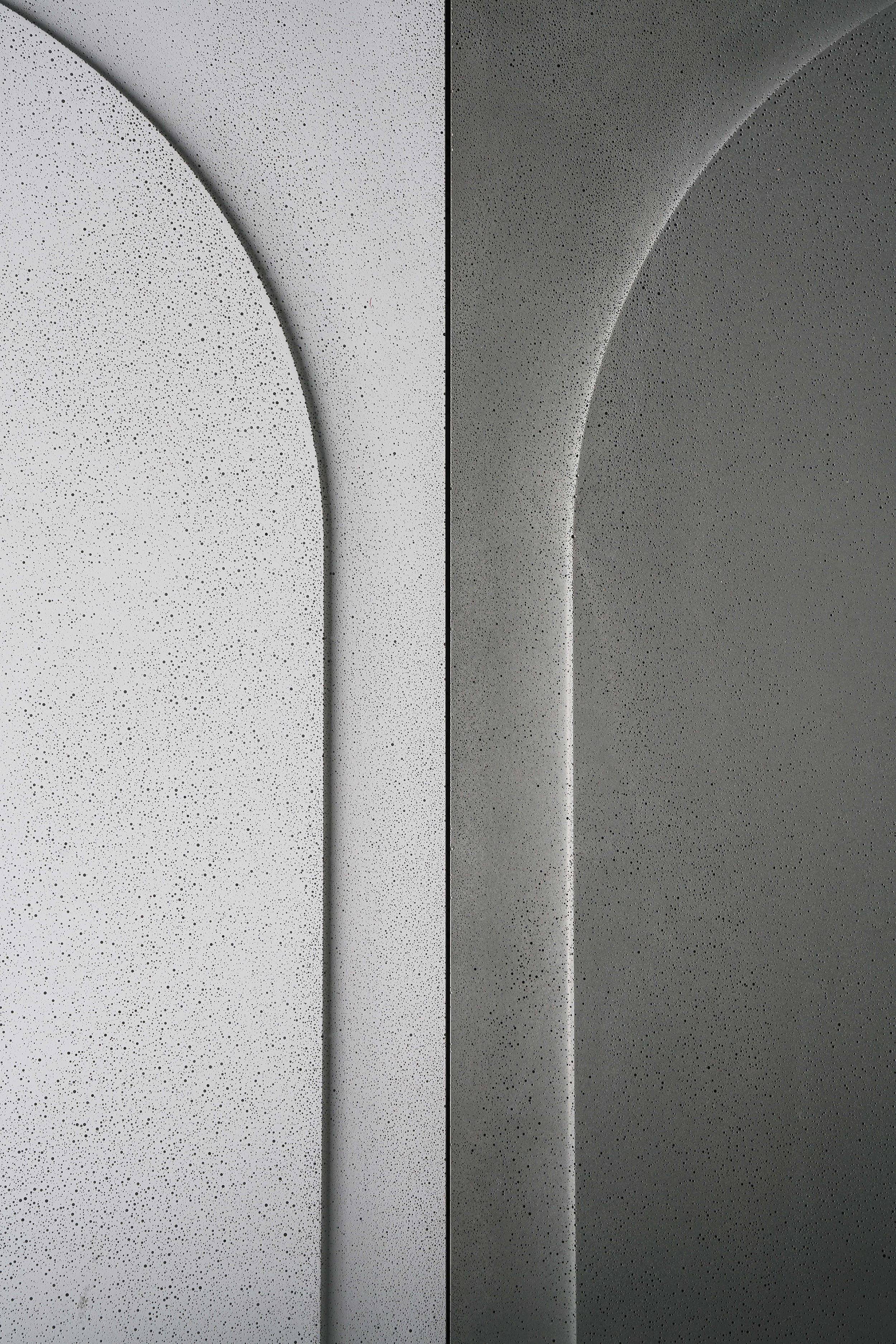
The “surface phenomena” project represents a return to material ethics. Composed of 80 % industrial solid waste, fair‑faced concrete rejects illusion and symbolic overlay to honestly present fly ash, slag and tailings in their native state. It brings forgotten industrial waste back into view, liberates the surface from superficiality and creates a convergence zone for matter, time, daily life and industrial history. On these unadorned surfaces, truth exists without need for excavation. The surface has never been shallow appearance; it is the complete reality of material existence.
Design Director: Xu Gang
This article is an original work from the BENTU Material Regeneration Practice Series. Taking fair‑faced solid‑waste concrete decorative materials as research sample, it explores the value of the surface as a carrier of material truth and its practical realisation pathways.

- Contact
+8620 8977 0506
- Press
press@bentudesign.com
- Enquiry & Sales
info@bentudesign.com